
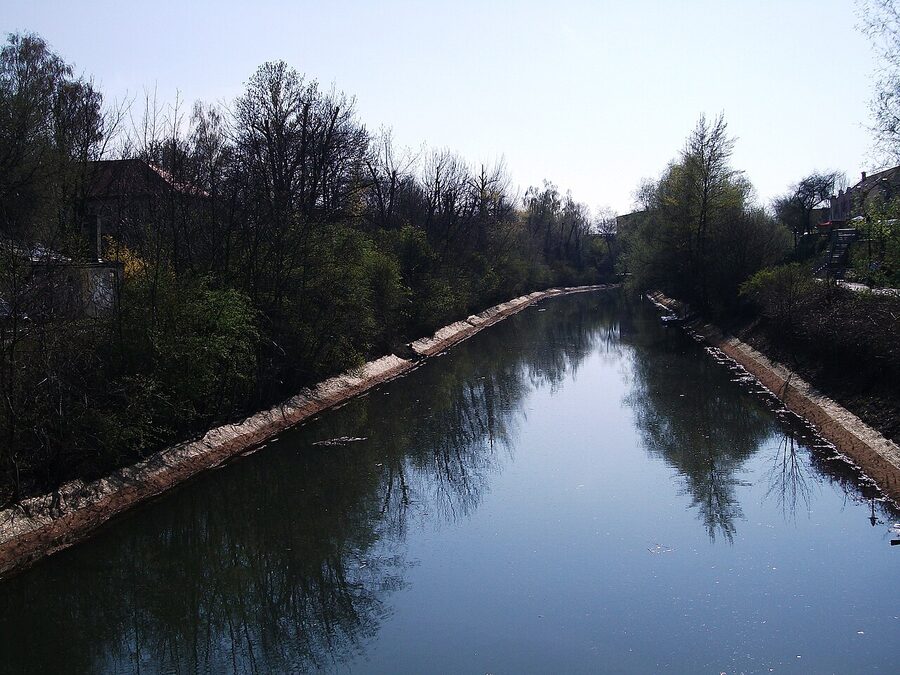
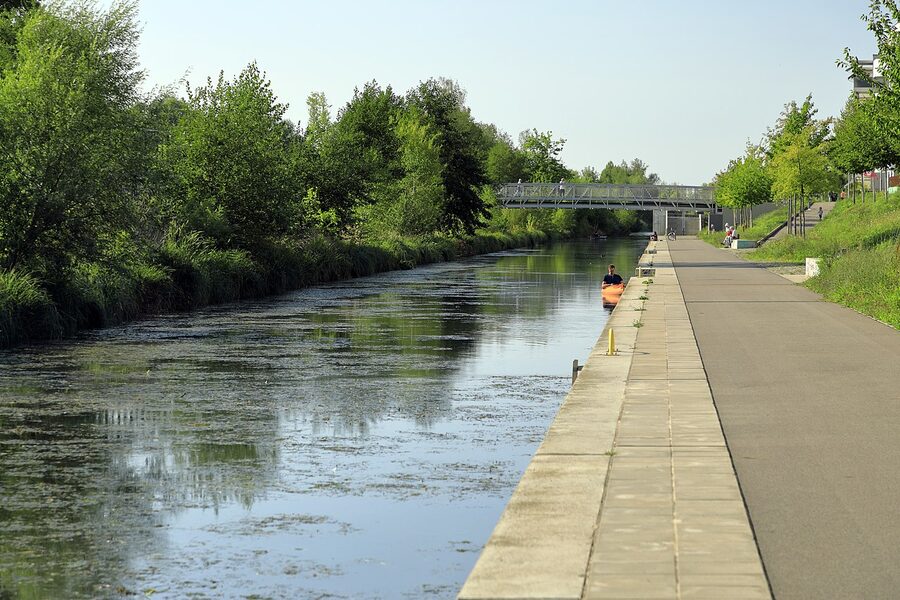
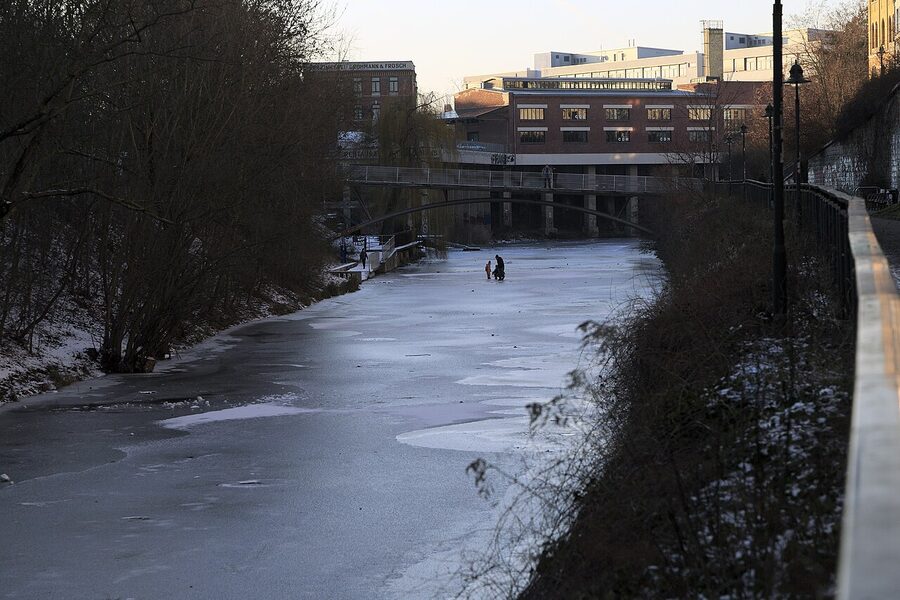
Leipzig has seven kilometres of navigable canal cutting through the middle of it, and for a long time nobody outside the city cared. Then a motorboat operator named Wassertaxi started running 70-minute sightseeing trips on the Karl-Heine-Kanal in the mid-2000s. Now it’s the single most-reviewed thing to do in Leipzig, beating the Thomaskirche and the Opera House.
The boats are small, electric, captained by locals who know the city’s weird industrial history, and criminally cheap at €18. Here’s how the cruises work, which variant to pick, and why you’d do this in Leipzig instead of Berlin.



In a Hurry? The Three Leipzig Boat Tours That Matter
- Best overall: Karl-Heine-Kanal sightseeing tour — from €18. 70 minutes, electric motorboat, commentary in German and English. The most-booked Leipzig activity by a distance.
- For nature lovers: Auwald motorboat tour — from €25. 2 hours, takes you out of the canal and into the riparian forest (the Leipziger Auwald — one of Europe’s largest urban floodplain forests).
- Plus walking tour: Combo walking + boat tour — from €25. Walking tour of the old town plus the boat cruise. 2.5 hours total.
- In a Hurry? The Three Leipzig Boat Tours That Matter
- Why Leipzig Has Canals in the First Place
- Karl-Heine-Kanal vs Other Leipzig Waterways
- The Best Leipzig Boat Tours Compared
- 1. Karl-Heine-Kanal City History Sightseeing Tour — from €18
- 2. Auwald Motorboat Tour (Floodplain Forest) — from €25
- 3. Combo Walking + Boat Tour — from €25
- What You’ll See on the Karl-Heine Tour
- Klingerbrücke Departure
- The Industrial Plagwitz Stretch
- Lindenauer Hafen Turnaround
- Back Through the Mill Race
- Back to the River
- After the Tour — What to Do in Leipzig
- When to Visit
- Booking Window
- Getting to the Meeting Point
- How Leipzig Compares to Other German City Cruises
- Other Leipzig Things Worth Doing
- Day Trip Potential
- Food and Drink Around the Canal
- Practical Questions
- Pairing With Other Germany Trips
- The Short Version
Why Leipzig Has Canals in the First Place

The short version: a 19th-century Leipzig industrialist named Carl Heine wanted to connect Leipzig to the North Sea via a canal network. Work began in 1856. He got 3.3 km done before he died in 1888. The project stalled. It restarted under Carl’s nephew Ernst, ran aground again in 1898, and was finally abandoned in the 1930s without ever reaching the sea.
For most of the 20th century the canal was semi-abandoned industrial backwater. Postwar East Germany turned parts of it into a Pioneer camp. Then in the late 1990s, Leipzig’s unused industrial land became the city’s creative district (Plagwitz) and the canal got rediscovered as a tourist asset. Now it’s a linear park with electric motorboats, riverside cafes, and a bike path along the whole length.
What’s still missing: the connection to the rest of Germany’s waterway network. You can’t actually take a boat from Leipzig to anywhere. The canal dead-ends about 4km west of the city at the unfinished Lindenauer Hafen. That’s partly the point — the tour is about industrial archaeology as much as tourism.
Karl-Heine-Kanal vs Other Leipzig Waterways
Leipzig has three main navigable waterways: the Karl-Heine-Kanal (the tourist one), the Elster Mill Race, and the White Elster river itself. The city history tour I’m recommending uses all three — you start at the river, go up the mill race, and end up on the canal.
The Best Leipzig Boat Tours Compared
1. Karl-Heine-Kanal City History Sightseeing Tour — from €18
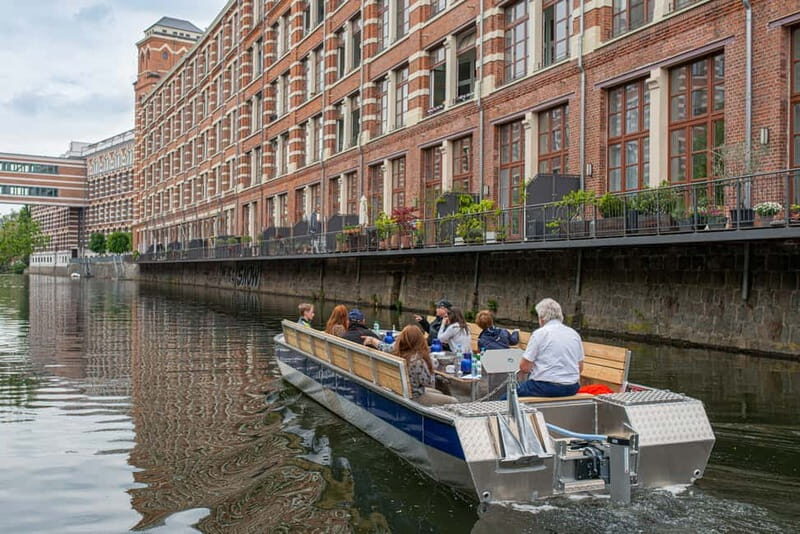
Short, cheap, comprehensive. You cross three waterways, pass 18 different bridges, learn the history of Leipzig’s industrial era, and end up back where you started. The captains are all locals and the boats are small enough that it’s conversational rather than performative. Our review covers the exact meeting point (near Plagwitz S-Bahn) and what to expect if you book an English-language time slot.
2. Auwald Motorboat Tour (Floodplain Forest) — from €25
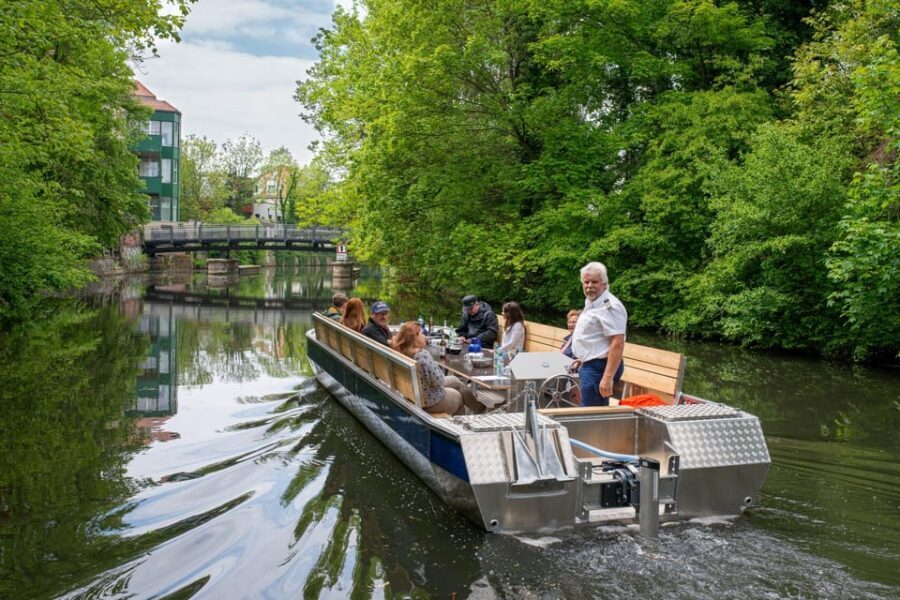
Pick this if you’ve already seen a city and want something greener. The Auwald is Europe’s largest urban alluvial forest, right in the middle of Leipzig. In spring the beavers are active and the kingfishers are nesting. Less about history, more about nature. Our review has the seasonal timing and wildlife notes.
3. Combo Walking + Boat Tour — from €25
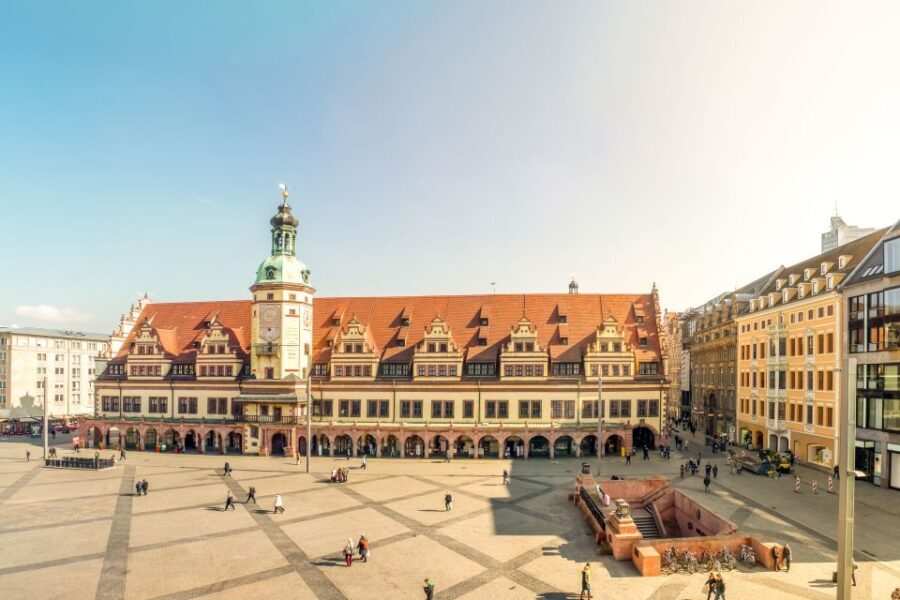
Two different guides, two different routes. You walk the old town with a licensed guide (1 hour), then do the canal boat tour (1.5 hours) from a different departure point. Same price as the boat tour alone if you bundle through the combo operator. Our review has the exact route.
What You’ll See on the Karl-Heine Tour
The 70-minute loop hits every major Leipzig landmark that faces water. Here’s the order I remember from my trip last autumn.
Klingerbrücke Departure
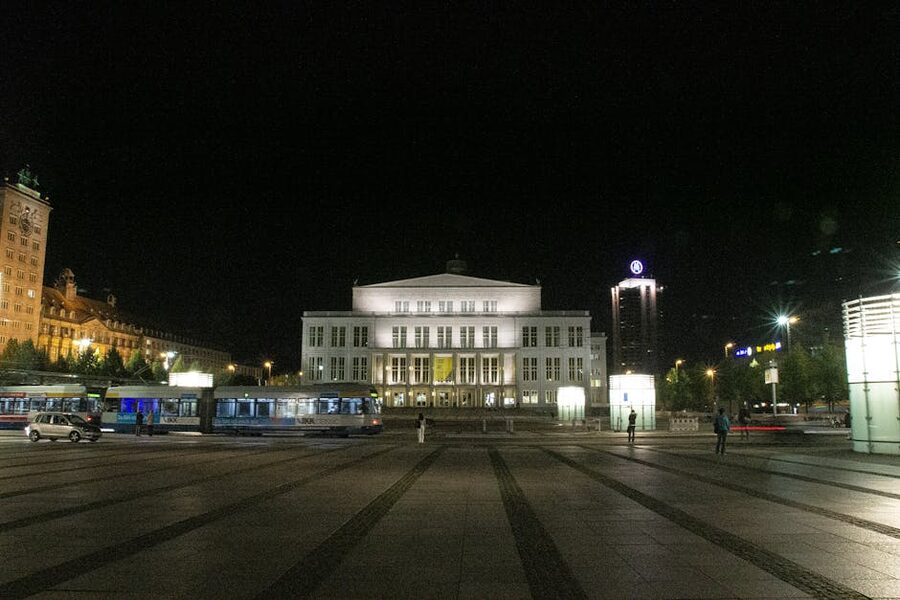
Pickup is at Klingerbrücke, 5 minutes’ walk from the Plagwitz S-Bahn station. 15 minutes early is advised — the small boats fill up and the captain briefs passengers on safety before casting off.
The Industrial Plagwitz Stretch
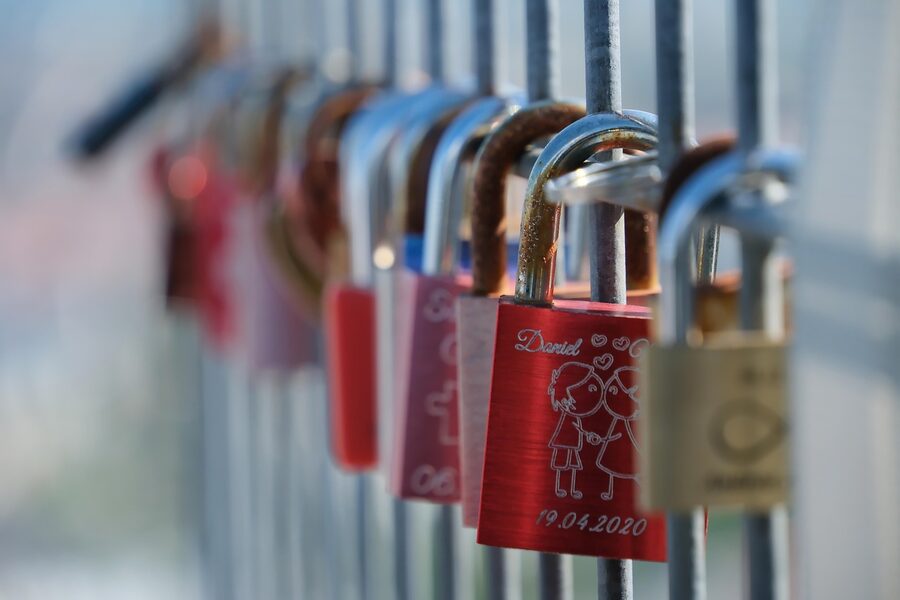
The first twenty minutes pass through the Plagwitz district — old textile factories, brick warehouses, a lot of contemporary gallery space in converted industrial buildings. This is Leipzig’s answer to Berlin’s Friedrichshain: young, arty, more 1990s than 2020s in aesthetic. The boat guides point out buildings that are now music venues, design schools, or artist collectives.
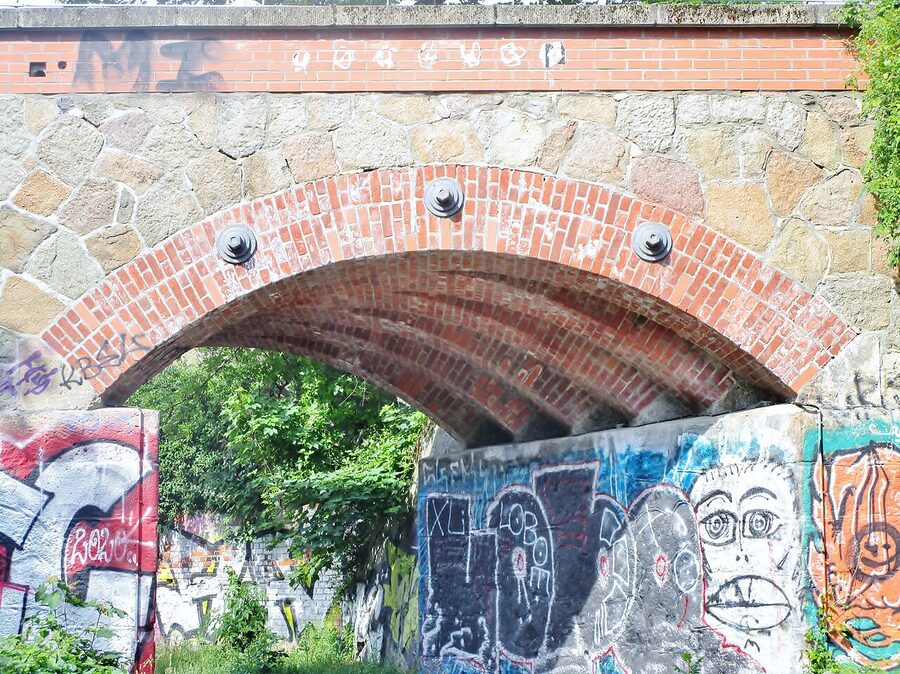
You pass about fifteen bridges in this stretch. Three are famous — the Karl-Heine-Brücke itself (1888, iron arch), the Stelzenhaus Bridge (stilted, rebuilt after WWII), and the Brückenbogen (the arch of a demolished rail bridge, now an art landmark). The captain slows at each for photos.
Lindenauer Hafen Turnaround
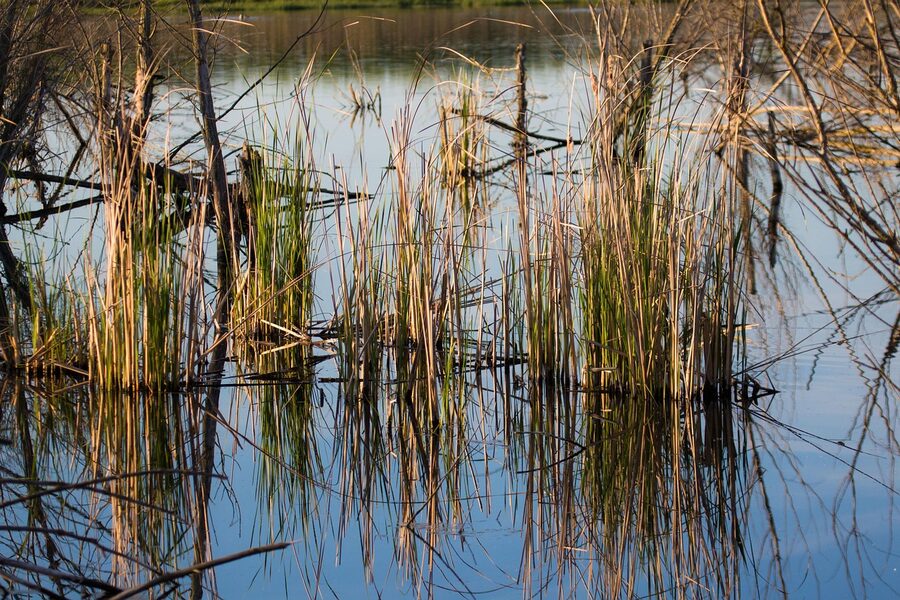
You reach the Lindenauer Hafen — the canal’s western terminus, originally meant to be the connection to the rest of Germany’s waterways, now a dead-end basin surrounded by former warehouses. Some of those warehouses are modern apartments; one is a brewery; one is a creative co-working space. The boat spends five minutes here while the captain explains why Leipzig’s 19th-century canal dream never happened.
Back Through the Mill Race
Return journey takes a different route — through the Pleissemühlgraben (Pleisse Mill Race), which is older and narrower than the Karl-Heine-Kanal. This section is the prettiest — chestnut trees overhanging the water, an occasional heron, weekend paddleboarders. This is also where the industrial history ends and you get a glimpse of pre-industrial Leipzig.
Back to the River
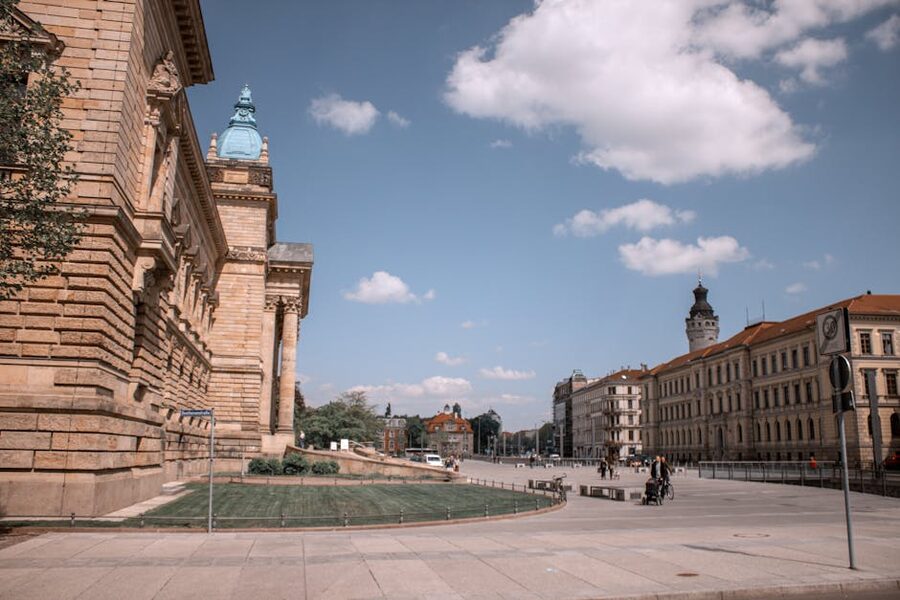
Last ten minutes: back on the White Elster river itself, past the old university rowing club, past the Elsterbecken (Elster Basin). Return to Klingerbrücke. Total time about 70-75 minutes including the pause at Lindenauer Hafen.
After the Tour — What to Do in Leipzig
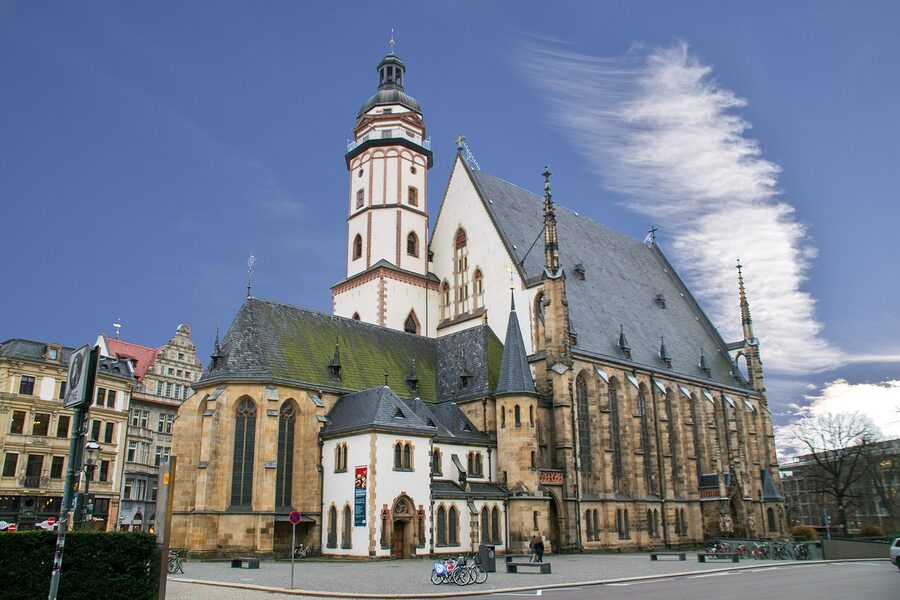
Leipzig is walkable. The compact old town fits in about 90 minutes. After the canal tour, head into the Innenstadt for the essential stops:
Thomaskirche — Bach’s church. He was cantor here for 27 years and is buried under the altar. Free to enter.
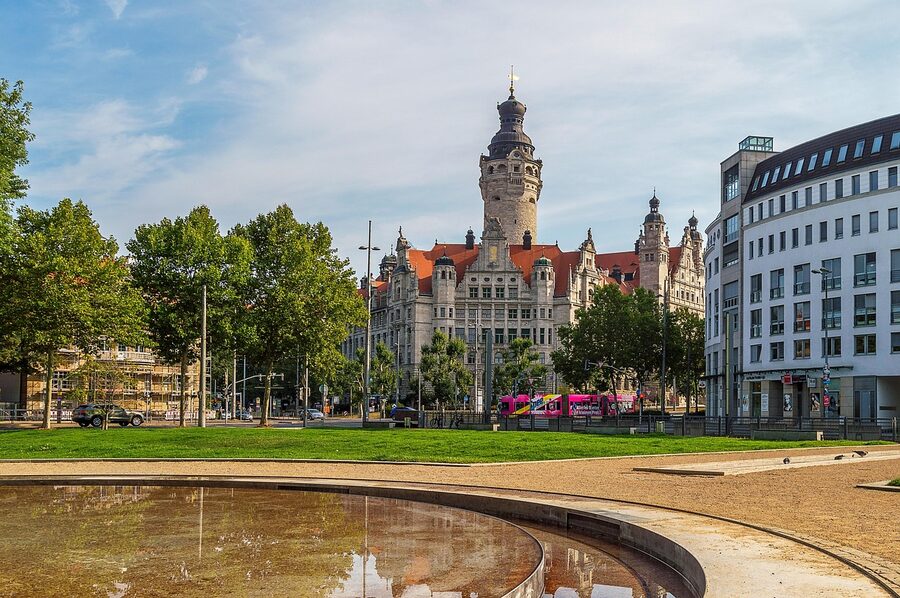
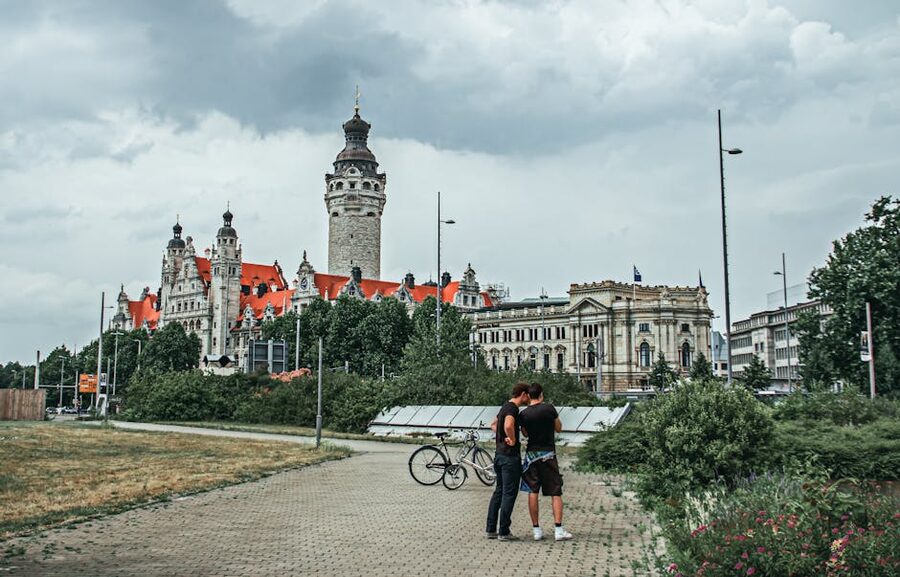
Neues Rathaus — The new town hall, tallest town hall in Germany (114m). Climb the tower for views.
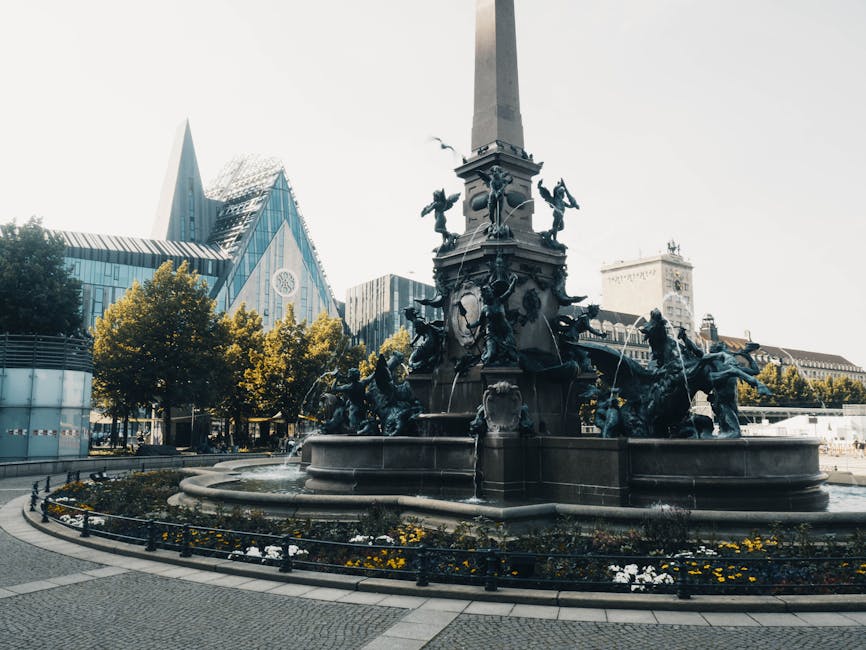
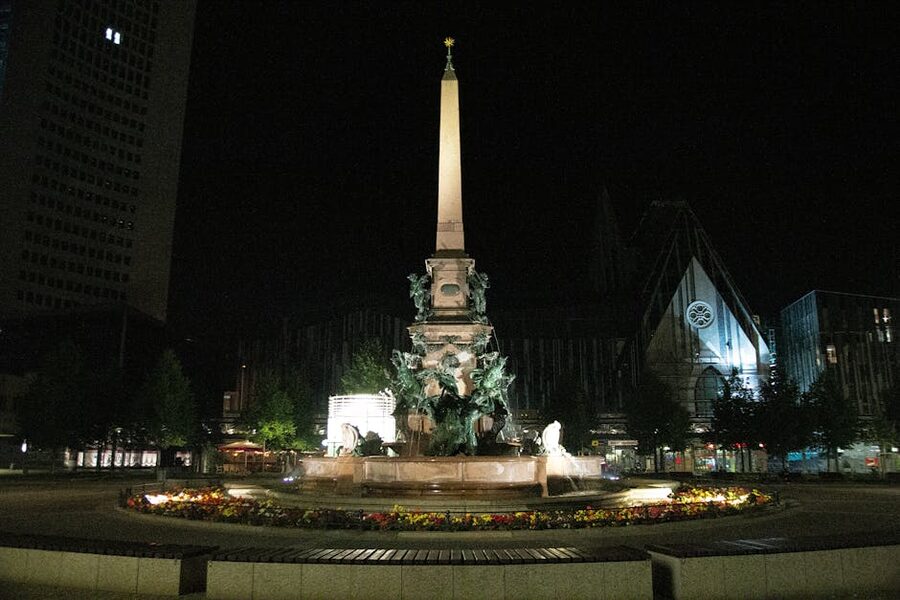
Augustusplatz — Leipzig’s main square, with the Opera House on one side and the Gewandhaus concert hall on the other. Both worth seeing even from outside.
Nikolaikirche — the church where the Monday demonstrations of 1989 started and helped bring down the DDR. Free entry.
Mädler-Passage — a turn-of-the-century shopping arcade that’s home to Auerbachs Keller, the restaurant Goethe wrote into Faust. Eat dinner there — yes, it’s touristy, but the food is decent and the room is remarkable.

When to Visit
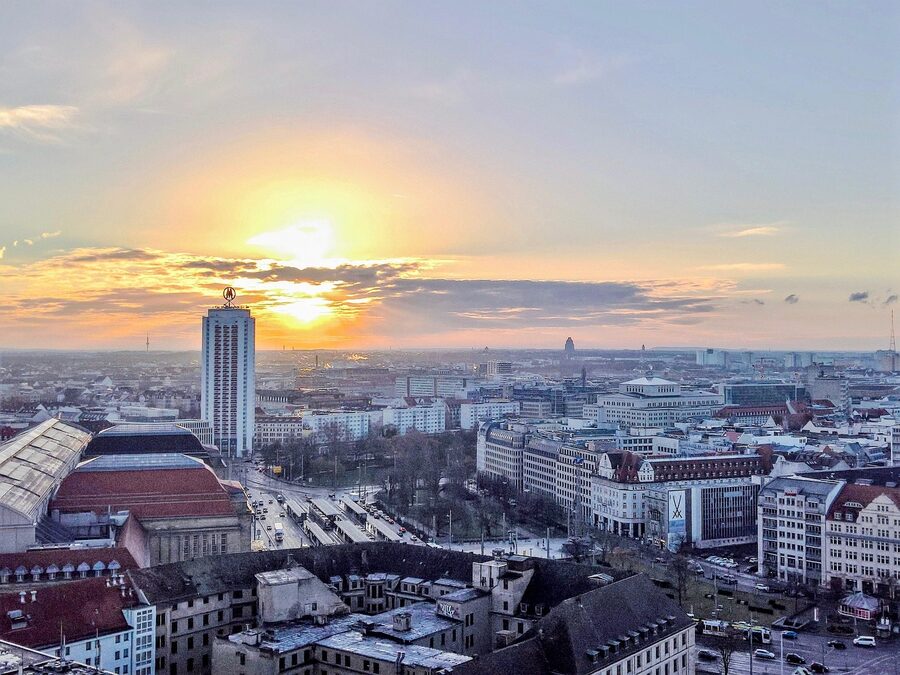
The boat tours run April to October, sometimes earlier and later if the weather cooperates. June, July, and August are the busiest — book a day ahead. The sweet spot is May (trees in bloom, fewer crowds) and September-early October (autumn colour along the canal banks, still warm).
Winter: tours don’t run. The canal doesn’t freeze but the boats get mothballed from November to March.
Booking Window
Same day is usually fine except on summer weekends. Book 24 hours ahead in high season if you specifically want an English-language time slot — most tours are German-only with written English summaries, but the dedicated English-language slots fill fast.
Getting to the Meeting Point
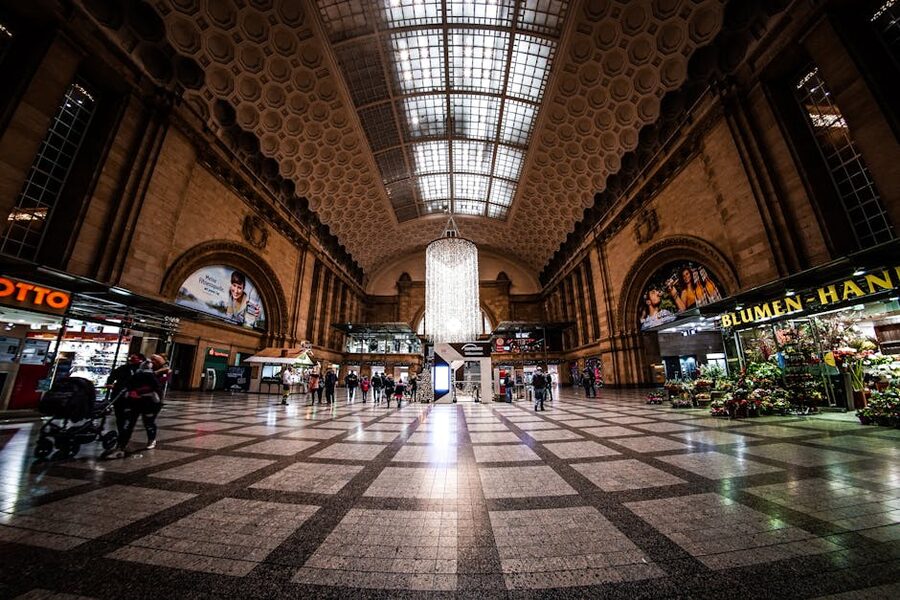
The Klingerbrücke departure point is in the Plagwitz district, about 4 km west of the old town. Public transport is the easy option:
S-Bahn: S1 from the Hauptbahnhof to Plagwitz. 15 minutes. Then 5 minutes on foot along the canal to the dock.
Tram: Lines 8, 14, or 15 to Karl-Heine-Strasse. Similar time.
Walk: 50 minutes through town — actually pleasant if you have time, because you walk along sections of the canal.
Bike: 20 minutes, cycle along the canal path. Leipzig has bike rental via Nextbike for €1/30 minutes.
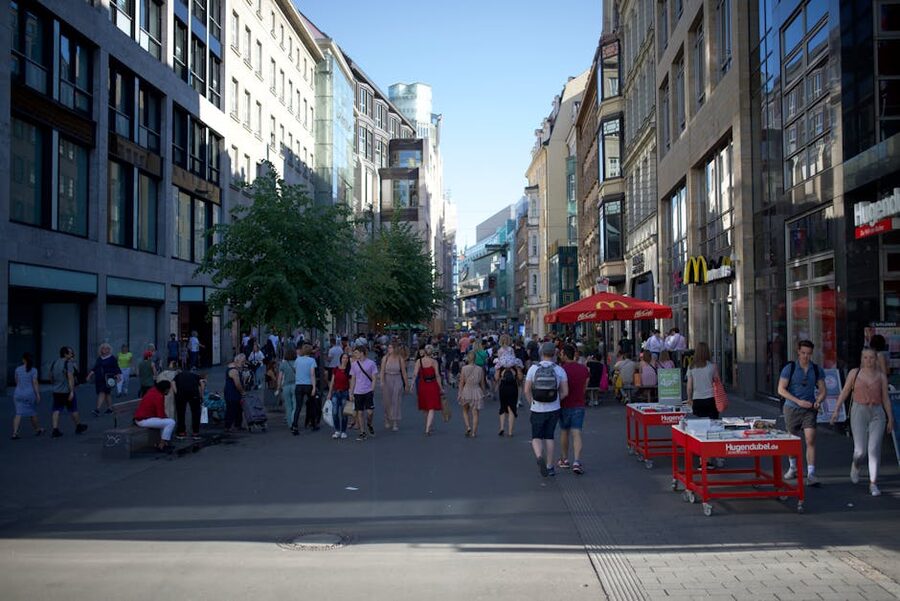
How Leipzig Compares to Other German City Cruises
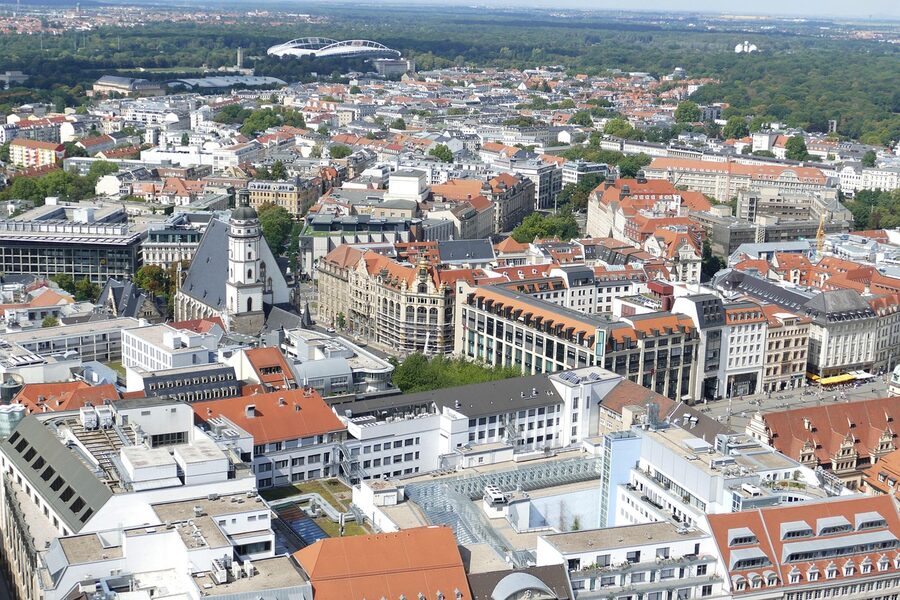
Berlin has the Spree cruise — bigger boats, more tourists, covers the famous government district. Our Spree guide covers it.
Hamburg has the harbour cruise — huge boats, more industrial, focuses on the port rather than the city. Our Hamburg guide has the details.
Cologne has the Rhine cruise — longest, best for scenery, but mostly a river cruise rather than a city tour. Our Cologne Rhine guide compares options.
Leipzig’s edge: smaller boats, more intimate, deeper industrial-history focus, and half the price of most other German city cruises. What you lose is the famous-landmark photography — Leipzig has great architecture but nothing on the scale of Berlin’s Reichstag or Hamburg’s Elbphilharmonie.
Other Leipzig Things Worth Doing
Spinnerei — the former Leipziger Baumwollspinnerei, a massive 19th-century cotton spinning mill converted into Germany’s most important contemporary art space. Free entry to many galleries. Neo Rauch’s studio is here.
Panometer Leipzig — Yadegar Asisi’s rotating 360-degree panoramas, housed in a former gasometer. Current show rotates every 1-2 years.
Monument to the Battle of the Nations — the largest monument in Europe, commemorating the 1813 battle against Napoleon. 91 metres tall. Climb the 500 steps for views.
Auerbachs Keller — the Goethe restaurant. Touristy but worth it once.
Day Trip Potential
Leipzig is 70 minutes from Berlin by ICE train. You can do it as a day trip from Berlin — leave Berlin at 8am, be in Leipzig by 9:30am, do the canal tour at 10am, lunch in the old town, Thomaskirche and Nikolaikirche in the afternoon, back to Berlin by 7pm. If you’re already doing Berlin for a week and want a change, this works.
If you’re in Leipzig for 2+ days, the Battle of the Nations monument, the Panometer, and the Spinnerei fill out a proper two-day schedule. Also worth a day trip: Dresden (90 minutes by train), which pairs well with Leipzig because the two cities are polar opposites in how they handle east-German history.
Food and Drink Around the Canal
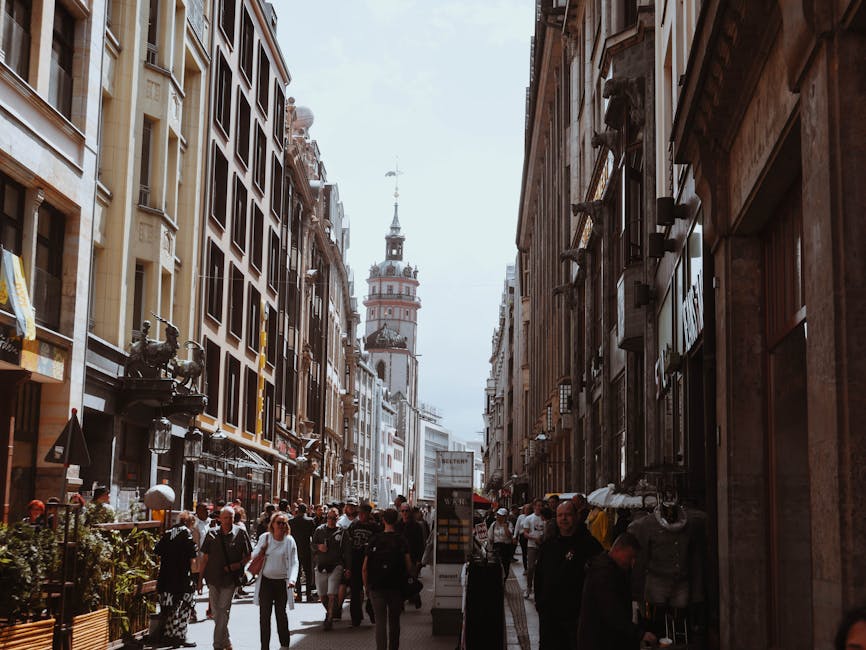
Plagwitz has turned into Leipzig’s creative district, and the cafes and bars along Karl-Heine-Strasse are worth lingering at after your boat tour. Specifically:
Spinnereistraße cafes — a cluster of art-cafe spaces in and around the Spinnerei gallery complex. Coffee is good, lunch menus are short and cheap.
Stelzenhaus — restaurant inside the stilt building you passed on the canal. Direct waterfront dining with views of the tourist boats you just came off.
Kaiserbad — old public bath house converted into a bar. Sunday brunch is a Leipzig institution.
Practical Questions
Is it wheelchair accessible? The main Karl-Heine motorboats have low entry but no dedicated wheelchair ramp. Contact the operator ahead if mobility is an issue.
Can I take kids? Yes, boats are safe for children. Under 5s usually free. Life jackets provided for all passengers.
Is there a bar on the boat? Basic drinks (beer, water, soft drinks). No food. Bring a snack if you’re peckish.
What happens if it rains? Light rain — tours run, partial canopy overhead. Heavy rain or thunderstorms cancel; you get a full refund or reschedule.
Is the English commentary good? On dedicated English slots, yes — the captains are fluent. Mixed German-English slots get brief English summaries during German commentary.
Pairing With Other Germany Trips
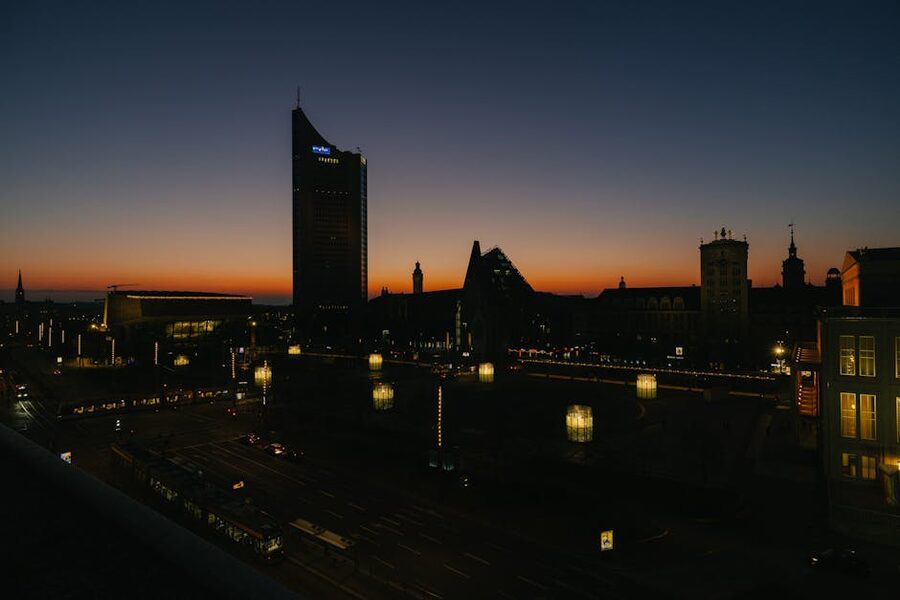
If you’re doing Germany as a whole, Leipzig pairs well with Dresden and the Semperoper — 90 minutes by train, similar east-German architectural story, completely different atmosphere. Dresden is grand-Baroque; Leipzig is industrial-indie.
Also consider Berlin’s Cold War history if you’re doing the DDR-era route — Leipzig played a critical role in the 1989 Peaceful Revolution (the Monday demonstrations at Nikolaikirche). Those two cities together give you the full story.
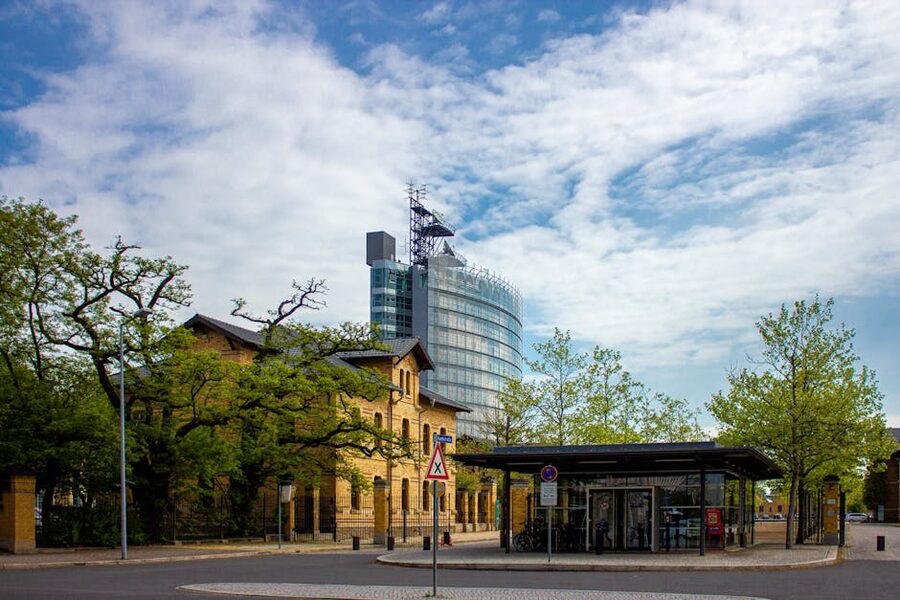
For a Dresden-Leipzig combo, stay one night in each and do the Dresden night watchman tour plus the Leipzig canal cruise on alternate days.
The Short Version
Book the Karl-Heine-Kanal 70-minute tour at €18, arrive 15 minutes early at Klingerbrücke, bring a camera, dress in layers for the weather. One hour 10 minutes on the water teaches you more about Leipzig’s industrial history than any museum could. Follow it with the Thomaskirche, dinner at Auerbachs Keller, and if you’re ambitious, climb the Neues Rathaus tower at sunset.
Affiliate disclosure: Some links in this article are affiliate links. If you book through them we may earn a small commission at no cost to you. All recommendations are based on my own trip.