
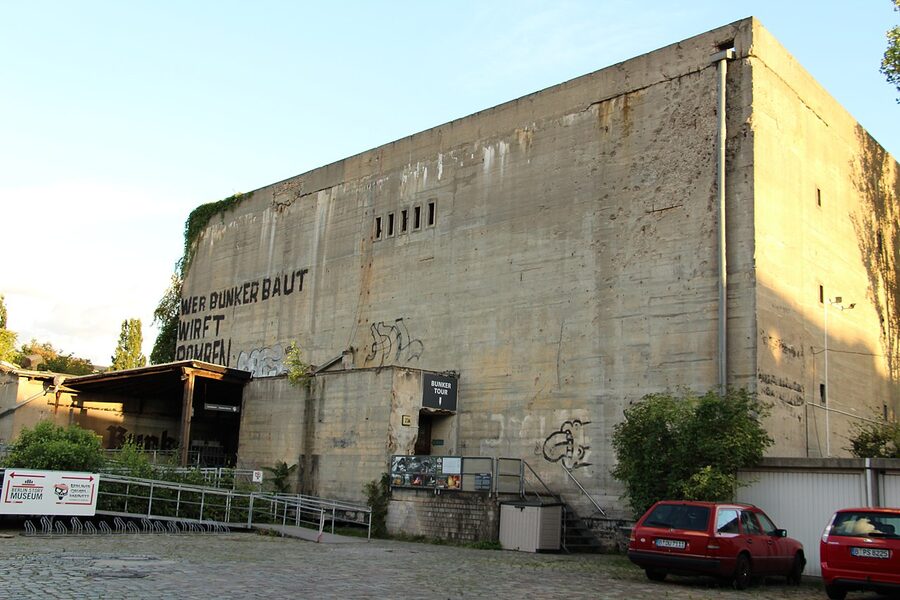
Between 1941 and 1945, around 12,000 Berliners sheltered in a 7-storey concrete cube on Schöneberger Strasse. The walls are 3 metres thick. The doors weigh three tons each. The ventilation system was designed to keep carbon-monoxide levels survivable during a firestorm. It worked — though barely. When Soviet troops took the building in 1945, everyone inside was still alive.
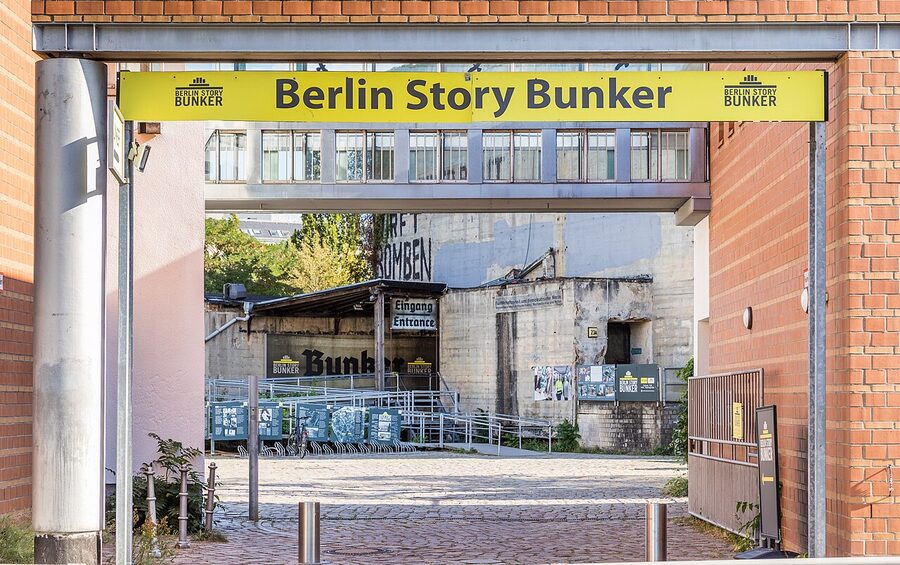
Today it’s the Berlin Story Bunker — a museum about Hitler, the Third Reich, and how an entire generation of Berliners lived under bombs. Tickets are €19. The experience is relentless. Here’s what to expect, how it fits into a Berlin history day, and why I’d pair it with a walking tour.



In a Hurry? The Three Ways Into Nazi-Era Berlin
- Main ticket: Berlin Story Bunker entry — from €21. Self-guided museum visit, includes the “Hitler — How Could It Happen?” exhibition.
- Plus a walking tour: Third Reich & Cold War Walking Tour — from €23. 2 hours above ground hitting Hitler’s Bunker site, Topography of Terror, Checkpoint Charlie.
- Viator alternative: Third Reich + Cold War combo walking tour — from €24. Same style, different operator.
- In a Hurry? The Three Ways Into Nazi-Era Berlin
- What the Berlin Story Bunker Is (and Isn’t)
- The Museum’s Approach
- The Three Best Ways to Visit
- 1. Berlin Story Bunker Entry Ticket — from €21
- 2. Third Reich & Cold War Walking Tour — from €23
- 3. Third Reich + Cold War Combo Walking Tour (Viator) — from €24
- What’s Inside the Bunker Museum
- Ground Floor: Rise of the Nazi Party, 1918-1933
- First Floor: Nazi Germany, 1933-1941
- Second Floor: War and Holocaust, 1941-1945
- Basement: The Führerbunker Reconstruction
- Story Bunker vs Topography of Terror — Which to Pick
- Location and Getting There
- Opening Hours
- How Long You Need
- If You’re Emotionally Sensitive
- Planning a Full Nazi-History Day in Berlin
- Other Berlin History Stops Worth Adding
- When the Story Bunker Isn’t the Right Call
- Practical Questions
- What to Do Afterward
- Balance It Out
- Pairing With Other Berlin Sites
- The Short Version
What the Berlin Story Bunker Is (and Isn’t)
The Story Bunker is a private museum inside an authentic WWII-era bunker. The building was constructed in 1942 as an air-raid shelter for railway passengers at Anhalter Bahnhof. It held up to 3,500 people at a time — triple its rated capacity — during the worst Allied bombing raids. After the war it was used briefly as a refugee shelter, then abandoned, then finally converted into a museum in 2006.
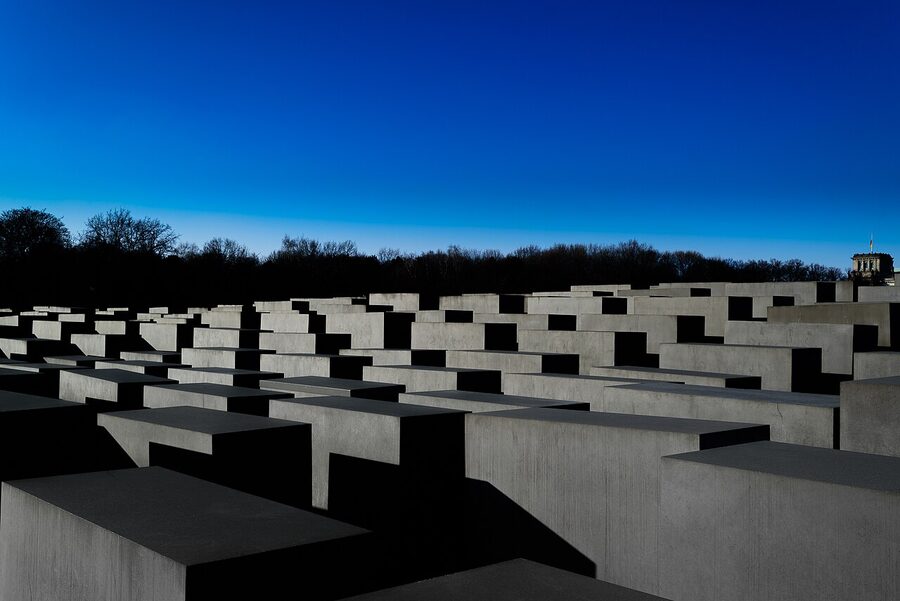
The permanent exhibition is called “Hitler — How Could It Happen?” and it does exactly what the title implies. The focus is less on battlefields and more on the mechanics of how ordinary Germans came to support or tolerate the Nazi regime. There’s a reconstruction of Hitler’s bunker (the Führerbunker, where he killed himself in 1945) on the lower level — the only accessible reconstruction of that specific space anywhere.
.jpg)
The Museum’s Approach
The Story Bunker is more didactic than most Berlin memorials. The Jewish Museum makes you feel; the Topography of Terror shows you documents; the Story Bunker lectures you. It’s deliberately heavy on explanatory text and heavy on personal stories of specific Nazi-era Berliners. If you want to understand how “it” happened, this is the building that most directly tries to answer the question.
The Führerbunker reconstruction is the most controversial part. It’s a meticulous life-size rebuild of the final rooms — Hitler’s office, Eva Braun’s sitting room, the corridor where the bodies were carried out. Some visitors find it uncomfortably close to spectacle. Others find it the most effective way to understand the physical smallness of the space where the Third Reich died. I fall in the second camp, but I can see the argument.
The Three Best Ways to Visit
1. Berlin Story Bunker Entry Ticket — from €21
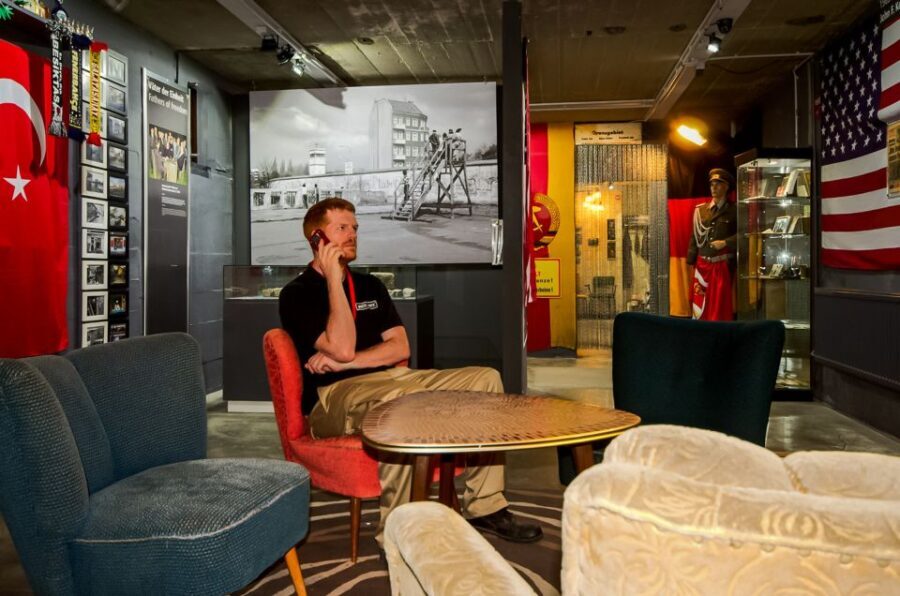
Straightforward museum entry. You go at your own pace, read the exhibits, listen to the audio guide. No time slot — open 10am to 7pm, buy the online ticket, walk in. Our full review covers the sections (ground floor start, basement Führerbunker reconstruction end), what’s suitable for children, and how it compares to the Topography of Terror.
2. Third Reich & Cold War Walking Tour — from €23
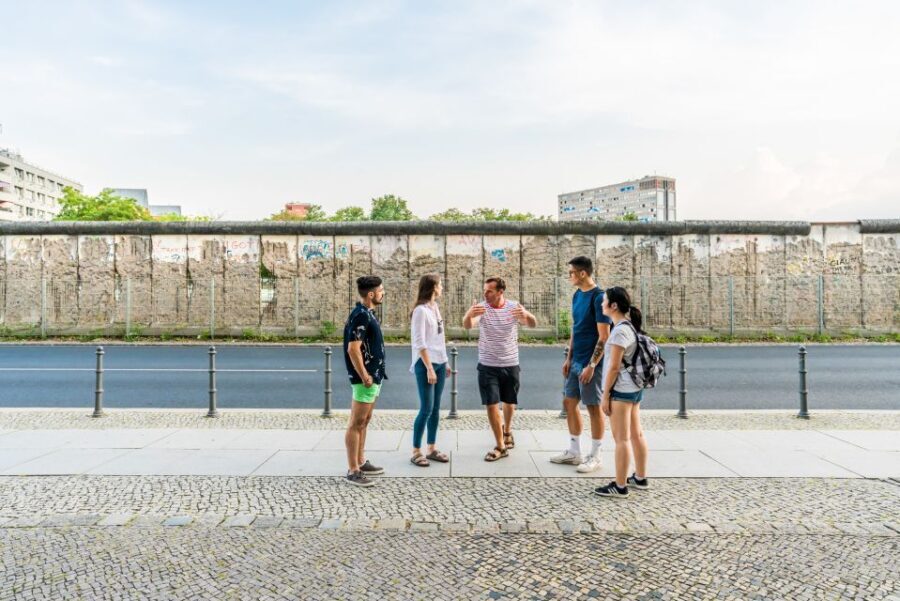
If you want the context around the bunker before going inside the bunker museum. This tour walks you past Hitler’s actual bunker (now a car park — by design), explains the Nazi administrative quarter, and ends at Checkpoint Charlie. Pair it with a Story Bunker visit the next day. Our review covers the guide quality and meeting points.
3. Third Reich + Cold War Combo Walking Tour (Viator) — from €24
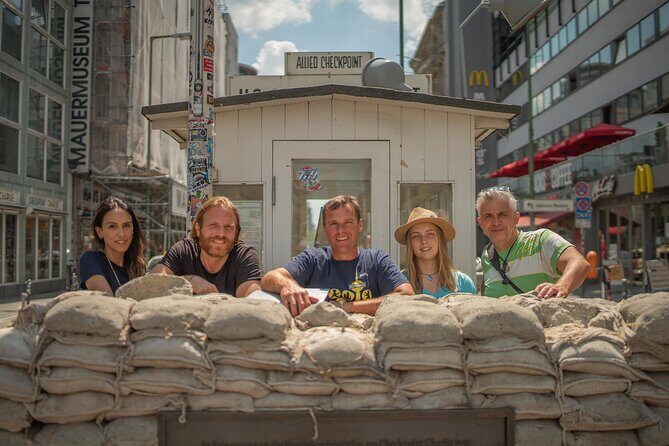
Near-identical tour from a different guiding company. Same two-hour walking loop, same key stops. Booking window is usually tighter (Viator is more real-time) but the experience is equivalent. Our review compares the two.
What’s Inside the Bunker Museum
Four hours’ worth of material, on three floors plus the basement Führerbunker reconstruction. Here’s what to prioritise.
Ground Floor: Rise of the Nazi Party, 1918-1933
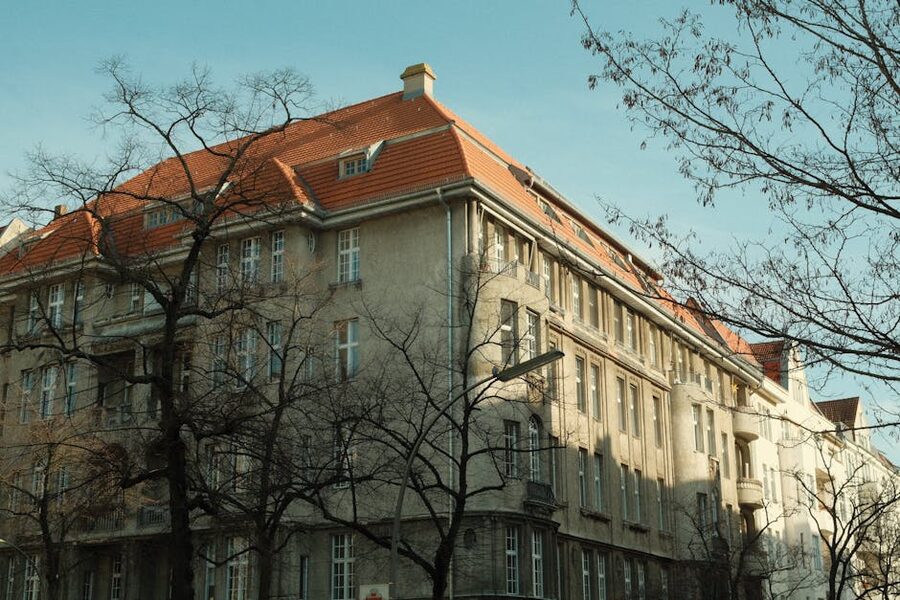
The exhibition opens with the Weimar Republic — the democratic government between WWI and the Nazis. You get a quick run through the inflation crisis, political polarisation, and the rise of Nazi street violence. Short section, 20 minutes.
First Floor: Nazi Germany, 1933-1941
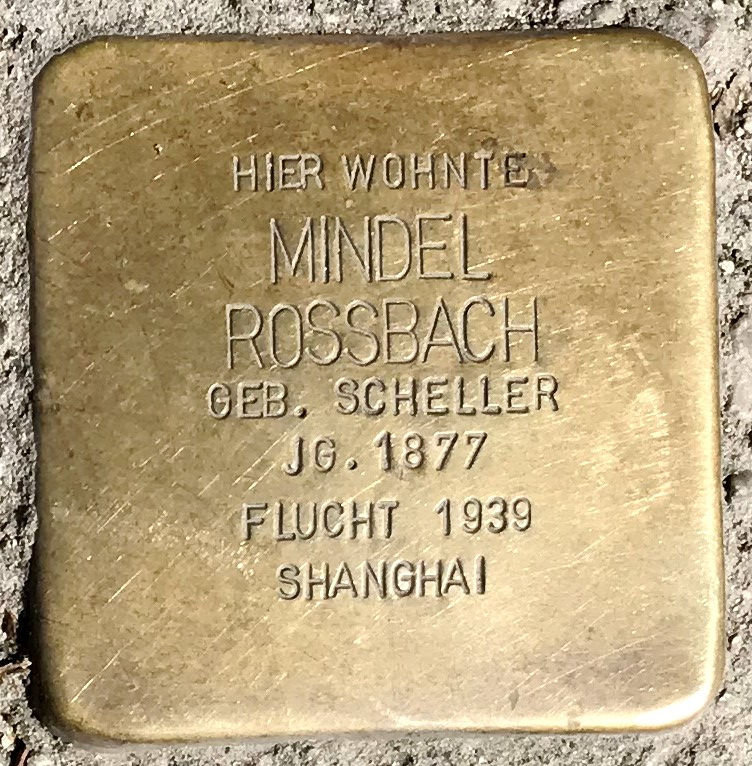

The consolidation of Nazi power, the racial laws, Kristallnacht, the early concentration camps. This is the section most visitors find heaviest. Prepare to read a lot of personal stories of individual Berliners — half the exhibition is organised around “How was your individual decision made under these conditions?”
Second Floor: War and Holocaust, 1941-1945
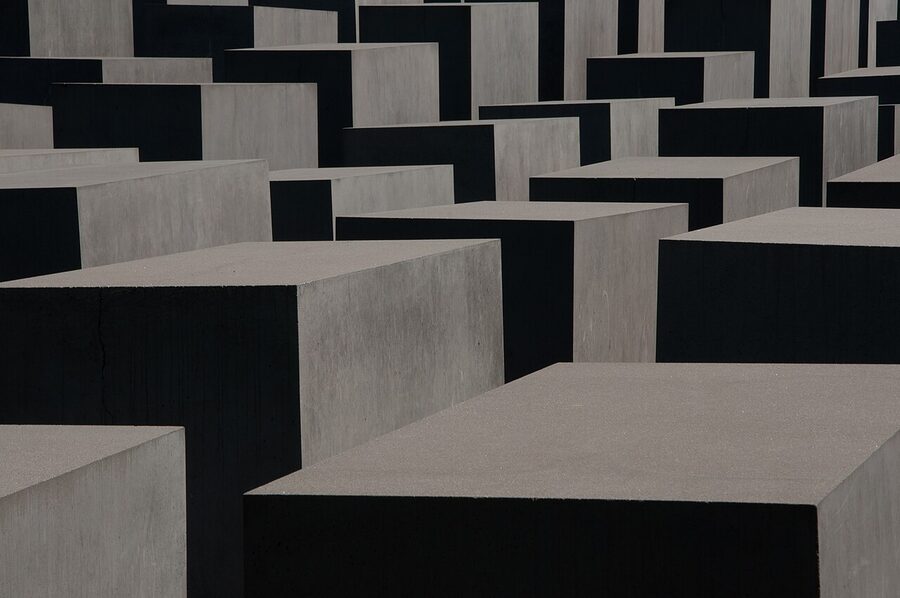

The war itself. Bombing of Berlin, the Eastern Front, the death camps, and the detailed mechanics of the Holocaust as administered from Berlin’s government offices. Hardest section of the museum. Takes about an hour to work through properly.
Basement: The Führerbunker Reconstruction
The reconstruction is historically accurate and emotionally unusual. You walk through what would have been Hitler’s private office, Eva Braun’s sitting room, the corridor where their bodies were burned after the suicide. The Story Bunker makes clear this is not the actual location — the real Führerbunker is 800m away, under a supermarket car park, and will never be opened as a tourist site. This is the only way to see what those rooms physically were.
Roughly 45 minutes in the basement reconstruction. Some visitors do it twice.
Story Bunker vs Topography of Terror — Which to Pick
Both are must-see Berlin Nazi-history sites. They’re about 15 minutes walk apart. If you can only do one:
Topography of Terror is outdoors, free, and document-heavy. It’s the physical site of the Gestapo headquarters, with an open-air exhibition about the mechanics of Nazi terror. More academic, more minimal, more “here are the facts.”
Berlin Story Bunker is indoors, €21, and exhibition-heavy. More narrative, more emotional, more “here is how it happened.”
If you have half a day: Topography of Terror.
If you have a full day: both, plus the Jewish Museum for the pre-Holocaust cultural story. Start with Topography (free, 90 min), lunch, Story Bunker (2.5 hours), then walk the Holocaust Memorial before it gets dark.
Location and Getting There
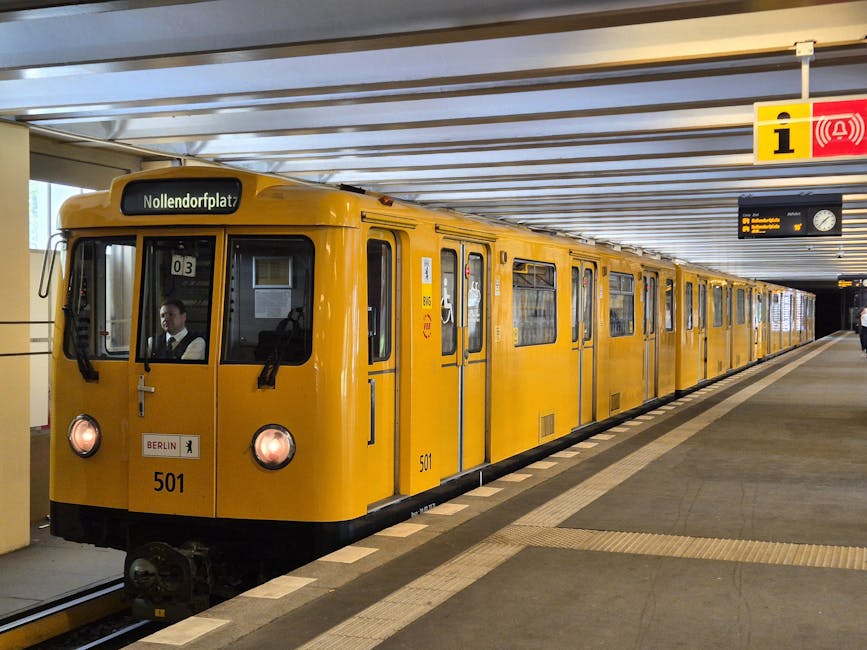
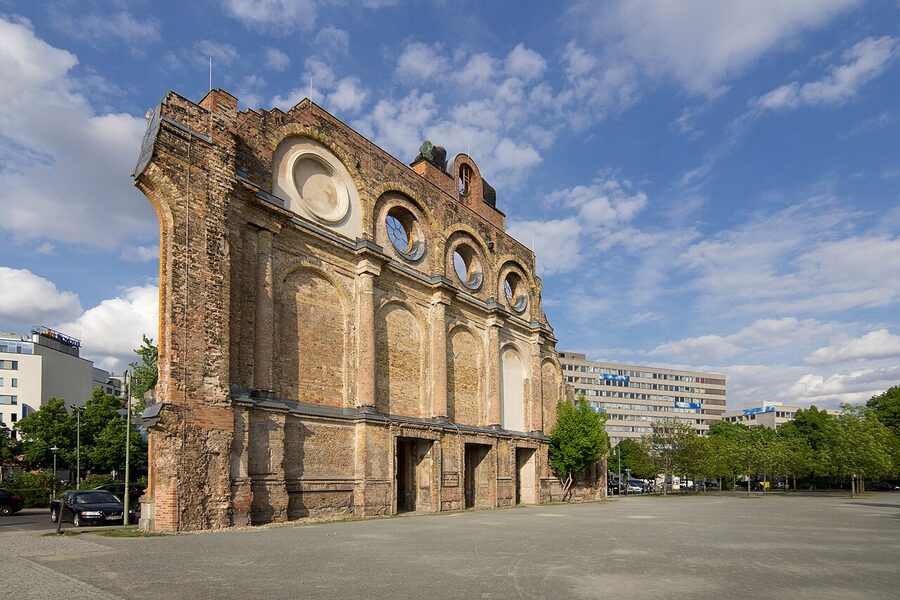
The Berlin Story Bunker is at Schöneberger Strasse 23a, in Kreuzberg. Closest stations: Anhalter Bahnhof (S-Bahn S1/S2/S25) and Möckernbrücke (U1/U3/U7). Both about 5 minutes on foot.
From the main Berlin tourist areas:
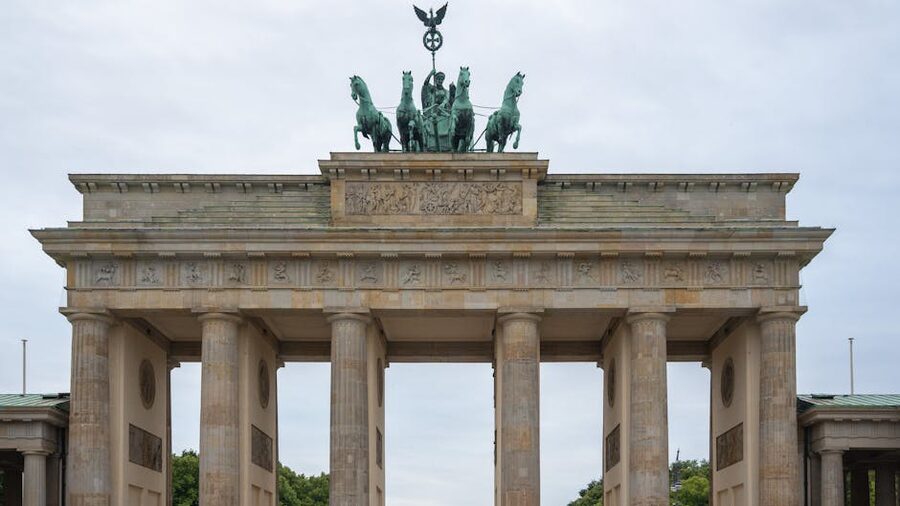
- From Brandenburg Gate: 20-minute walk or 2 stops on U55/U5 to Museumsinsel then transfer.
- From Alexanderplatz: 15 minutes, U2 to Mohrenstrasse, change to U3.
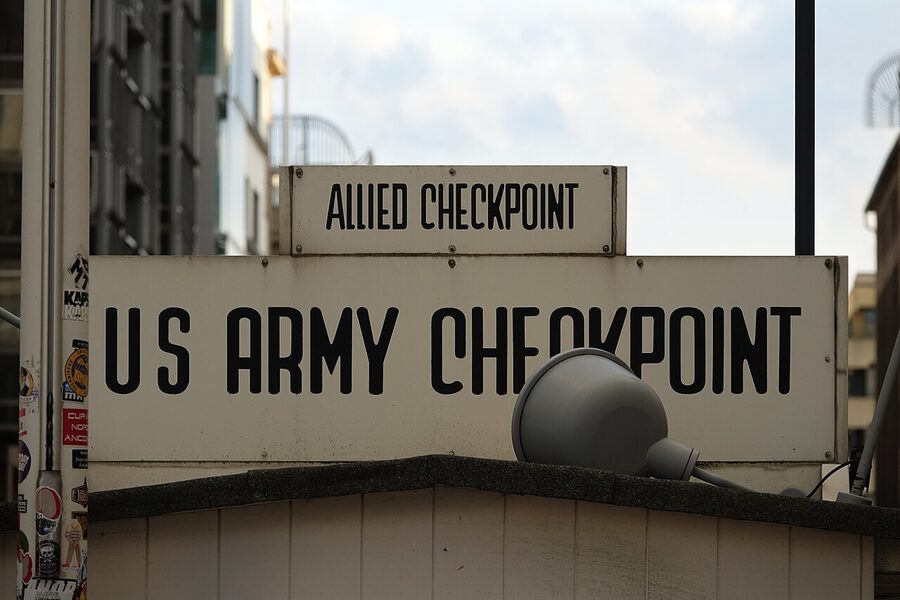
- From Checkpoint Charlie: 10-minute walk. Worth doing this as a continuation of a Checkpoint Charlie visit.
.jpg)
Opening Hours
Daily, 10am to 7pm. Last entry 6pm. Closed December 24, 25, 31, and January 1. You can enter any time during opening hours with an online ticket — it’s not time-slotted like the Jewish Museum.
How Long You Need
Two hours minimum. Three to four hours if you’re going to read the text carefully. I spent four and was still speed-reading parts of the first floor. The Führerbunker reconstruction alone takes 45 minutes if you want to absorb it.
If You’re Emotionally Sensitive
Some visitors struggle with the intensity of the material. There are benches on every floor and an outdoor courtyard where you can take breaks. The cafe across the street does good coffee and you can step out, decompress, and come back within the ticket validity.
Planning a Full Nazi-History Day in Berlin

A full-on Nazi and Cold War Berlin day, from most intense in the morning to least intense in the evening:
9:30am — Topography of Terror (free, 90 min)
11:15am — Walk to Story Bunker (15 min)
11:30am — Story Bunker (3 hours with lunch break)
2:30pm — Walk to Holocaust Memorial (15 min)
3:00pm — Holocaust Memorial + underground information centre (1 hour)
4:00pm — Walk to Checkpoint Charlie (10 min)
4:30pm — Checkpoint Charlie + Berlin Wall Museum (1 hour)
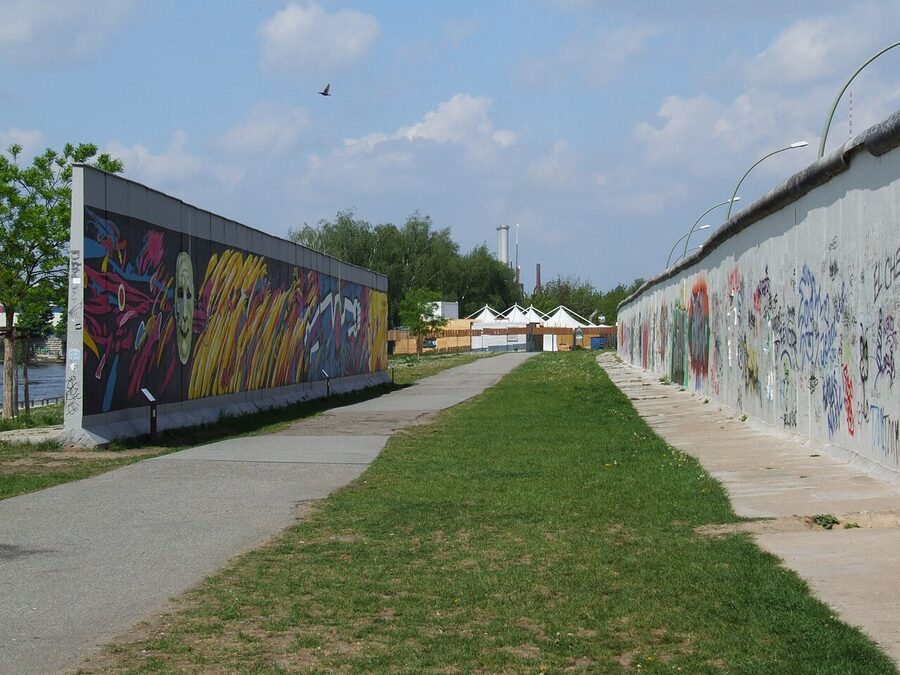
5:30pm — U-Bahn to East Side Gallery, walk the Wall (45 min)
7:00pm — Dinner in Friedrichshain
That’s a 10-hour day. You’ll be emotionally exhausted. Don’t do this and the Jewish Museum in the same day. Space them out.
Other Berlin History Stops Worth Adding
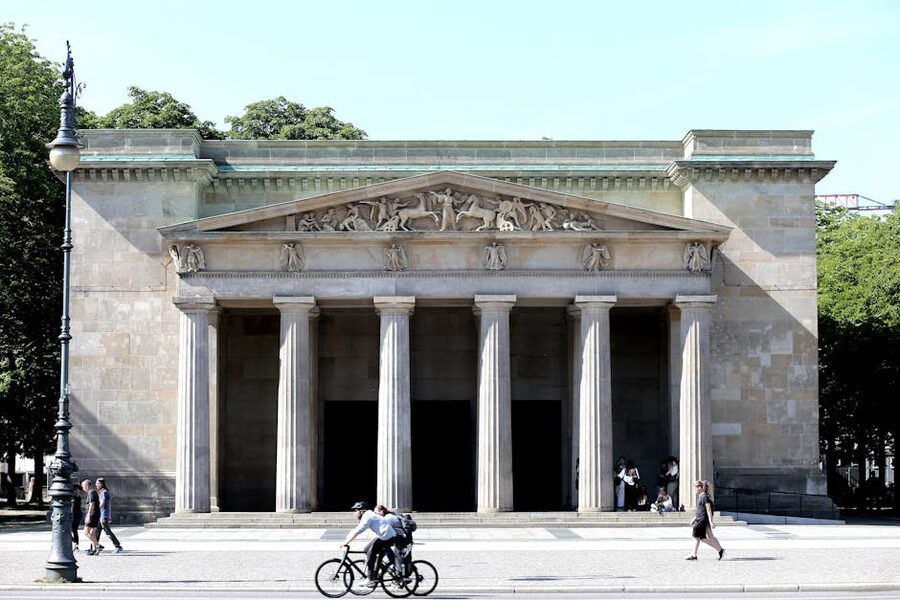
The Neue Wache is the state memorial to “the victims of war and tyranny.” Kollwitz’s ‘Mother with Her Dead Son’ sculpture sits under a skylight that drips rain onto the statue. Small, free, always open. A natural counterpoint to the busier memorials.
For Cold War history specifically, the Berlin Wall Memorial at Bernauer Strasse is the best site — more historically accurate than the East Side Gallery, quieter than Checkpoint Charlie. Free, open 24 hours.
For Cold War intrigue specifically, the DDR Museum (east Berlin life) and the Stasi Museum (former headquarters of the East German secret police) both add texture. Potsdam as a half-day trip gives you the Prussian side of the story.
When the Story Bunker Isn’t the Right Call
Not every Berlin visitor needs this experience. Skip the Story Bunker if:
- You’re in Berlin for 2 days and already planning Topography of Terror + Holocaust Memorial — you’ll be oversaturated.
- You’re travelling with kids under 10 — the material is too heavy.
- You have personal family history with the Holocaust and have visited similar sites before. Sometimes one is enough for a lifetime.
Practical Questions
Is there a bookshop? Yes, the ground-floor Berlin Story Verlag bookshop has a comprehensive English-language WWII and DDR-era section. Prices are reasonable.
Are photos allowed? Yes in most sections, no in the Führerbunker reconstruction (deliberately).
Is it wheelchair accessible? Partial. The ground floor is accessible; the upper floors have lifts; the basement Führerbunker has steps that can’t be adapted.
Can I do it quickly? 90 minutes if you’re selective. Don’t bother going in if you have less than 90 min — go to Topography of Terror instead.
What to Do Afterward
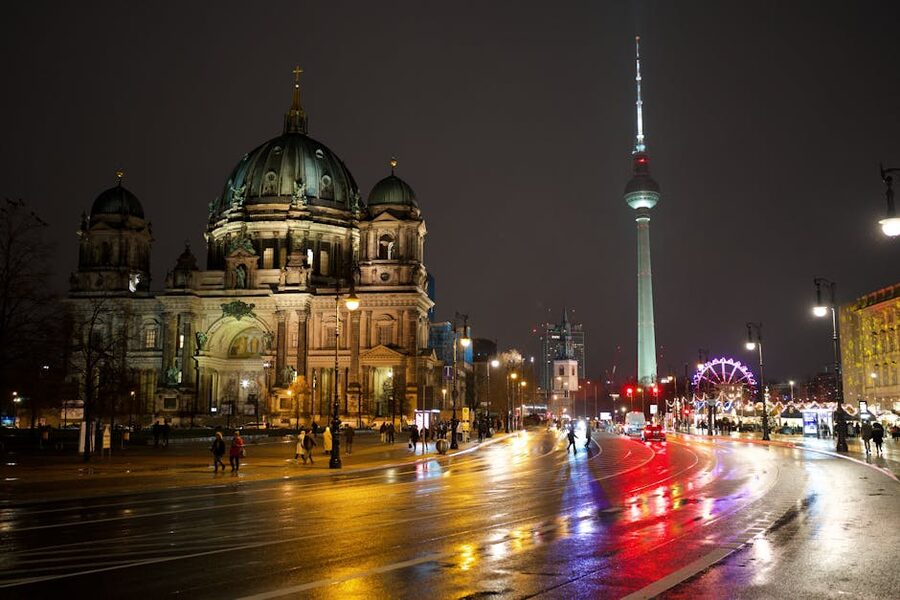
Walk. Don’t get straight on the U-Bahn. The material is heavy and you need the transition time. A 30-minute walk north through Kreuzberg and across the river into Mitte helps your brain catch up with what you’ve just seen.
Eat something substantial. The Story Bunker is calorie-burning in a way most museums aren’t. Kreuzberg street food (döner, curry wurst, vegan bowls) is 5 minutes from the bunker exit. A proper sit-down dinner in Friedrichshain or Prenzlauer Berg is 15 minutes by U-Bahn.
Balance It Out
Don’t end your Berlin day with the Story Bunker. End it with something light. A Spree River cruise, a meal in Mitte, a concert, a walk in the Tiergarten. Berlin has more than one mode.
Pairing With Other Berlin Sites
Story Bunker combines best with:
Same day (morning): Topography of Terror (same area, free, shorter visit).
Same day (afternoon): Holocaust Memorial (15 min walk, free).
Different day: Jewish Museum — same material but different angle. The museum is cultural; the bunker is political.
Different day: Sachsenhausen memorial — 45 minutes outside Berlin, the actual site of a concentration camp. Heaviest stop.
For the Cold War angle, the Berlin Wall Memorial is the essential follow-up. The Nazi period ended in 1945; the next 44 years of Berlin history are a different kind of heavy.
The Short Version
Book online for €21, go on a weekday morning, set aside three hours, bring a snack, and pair it with the Topography of Terror either before or after. Don’t do this on your first day in Berlin and don’t do it the day you arrive — you need to have walked around the city a bit before the Story Bunker’s exhibition makes sense.
Affiliate disclosure: Some links in this article are affiliate links. If you book through them we may earn a small commission at no cost to you. All recommendations are based on my own visit.