
Berlin’s old Mitte district has around 400 surviving 19th-century courtyards behind its street-front buildings. Most of them are locked, private, invisible from the street. A small number are open to the public — covered in street art, home to theatres, cafes, quirky little shops. The Hackesche Höfe complex is the most famous. The smaller courtyards around Oranienburger Strasse are where the Hidden Backyards tour goes.
Here’s what these tours actually cover, why the €23 guided option beats wandering solo, and which version to book if you’re short on time.

_1.jpg)

In a Hurry? The Three Backyards Tours
- Best overall: Berlin Hidden Backyards Guided Walking Tour — from €23. 2 hours, Mitte district, 5,000+ reviews.
- Smaller group: Backyards of Berlin 2-Hour Tour — from €21. Same idea, different operator, capped at around 12 people.
- On two wheels: Hidden Gems Bike Tour — from €199 for up to 2. 3 hours, wider area, private for up to 2 people.
- In a Hurry? The Three Backyards Tours
- Why Berlin Has These Courtyards
- What Makes Them Interesting Now
- The Best Hidden Backyards Tours
- 1. Berlin Hidden Backyards Guided Walking Tour — from €23
- 2. Backyards of Berlin 2-Hour Tour — from €21
- 3. Berlin Hidden Gems Bike Tour — from €199 per 2 people
- What You’ll See on the Tour
- Hackesche Höfe (The Famous One)
- Haus Schwarzenberg (The Street Art One)
- Sophie-Gips-Höfe (The Art Gallery One)
- Alte Schönhauser Höfe (The Quiet One)
- Heckmann-Höfe (The Commercial One)
- Kunsthof (The Smaller-Gallery One)
- Street Art in the Courtyards
- Notable Artists to Look Out For
- When to Visit
- Peak Crowd Hours
- Doing It Solo vs Booking a Tour
- What You Can Do Afterwards
- Food and Shopping in the Courtyards
- Historical Context — The Scheunenviertel
- How It Compares to Other Berlin Walking Tours
- Practical Questions
- Pairing With a Bigger Berlin Day
- Combining With Alternative Berlin
- Courtyards Not on the Tour Worth Finding Yourself
- How the Tour Started
- The Short Version
Why Berlin Has These Courtyards
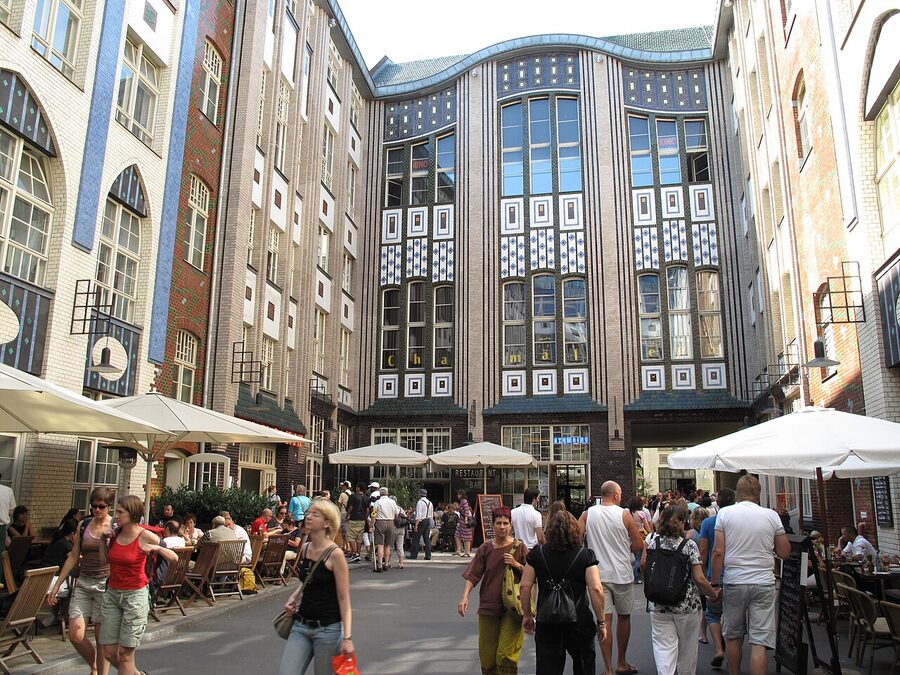
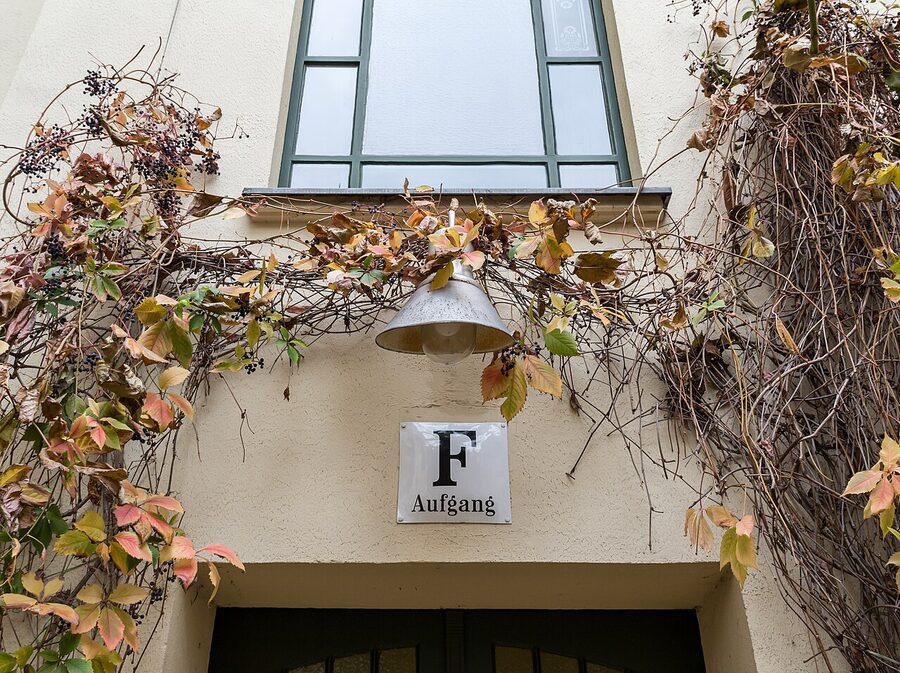
19th-century Berlin built up fast. Population tripled between 1850 and 1900. The city imposed rules about minimum internal space in new buildings, which led architects to invent the “Hinterhof” — a back courtyard that would fit on a thin urban plot. Most have a narrow front building facing the street, then an arched passage leading back to a courtyard with deeper buildings around it. Behind those, sometimes, another courtyard. Repeat.
In their working heyday, these courtyards were factories, workshops, housing for poorer workers — the messy industrial guts of a fast-industrialising city. Jewish Berlin lived heavily in this district (it’s called the “Scheunenviertel” — barn quarter). After WWII the neighbourhood was bombed heavily but the courtyard structures survived better than the front buildings. After reunification in 1989 most were abandoned, squatted, painted with street art, and eventually renovated into mixed-use spaces.
What Makes Them Interesting Now
Three things: the architecture (Art Nouveau, 19th-century utilitarian, 1990s-era anarchist overwrites), the contemporary street-art they host, and the fact that almost no Berlin-first-timer knows they exist.
The Best Hidden Backyards Tours
1. Berlin Hidden Backyards Guided Walking Tour — from €23
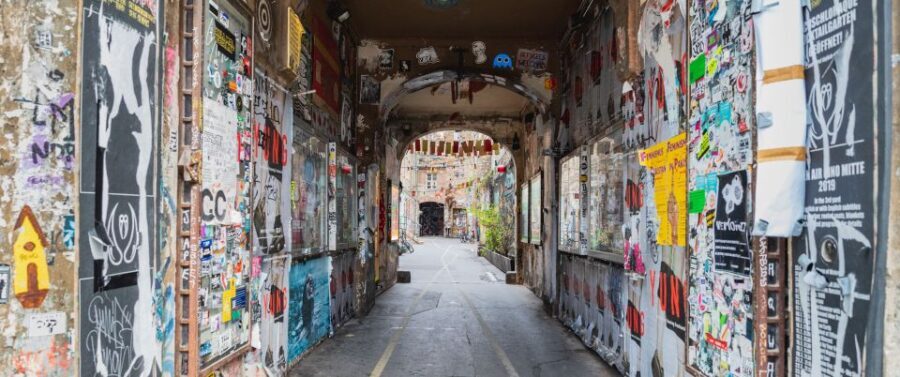
Standard market-leading option. Guides are usually Mitte-based locals with architecture or art-history backgrounds. Group size capped at 20. You get the Hackesche Höfe (briefly) plus several of the less-touristed courtyards like the Haus Schwarzenberg (street art focus) and Sophie-Gips-Höfe (contemporary art). Our full review has the meeting point and the typical route.
2. Backyards of Berlin 2-Hour Tour — from €21
If the main tour is full or you prefer a smaller group. Different guide network — these tours are run by the Berlin Walks cooperative. Covers some different courtyards, including the former artist squat Tacheles, even though the original space has been redeveloped. Our review compares the two main tours directly.
3. Berlin Hidden Gems Bike Tour — from €199 per 2 people
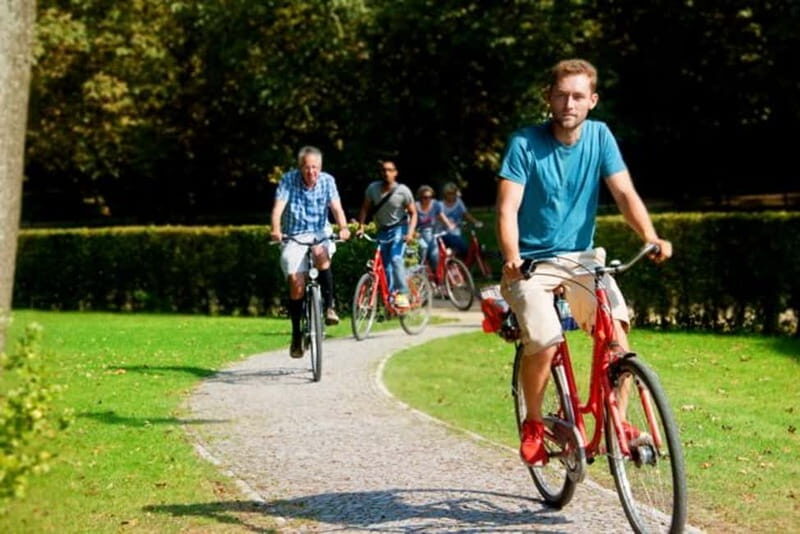
Bike version for couples or small pairs. 3 hours, maximum 2 people, semi-private experience. Covers courtyards further out than the walking tours can reach — including some in Prenzlauer Berg and Friedrichshain. Pricier per person but includes bike rental. Our review has the route.
What You’ll See on the Tour
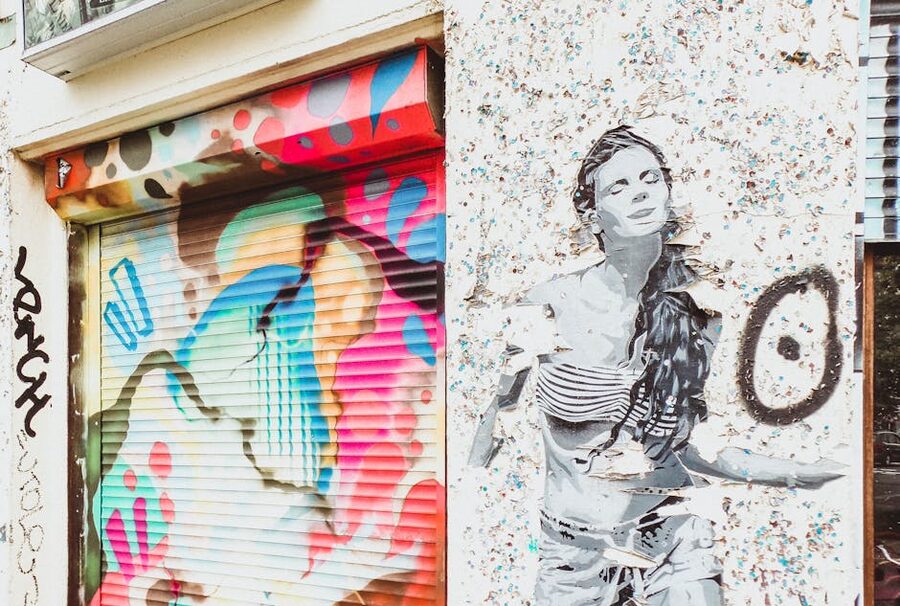
The 2-hour Hidden Backyards tour hits about 6-8 courtyards. Here’s what’s typically on the route:
Hackesche Höfe (The Famous One)
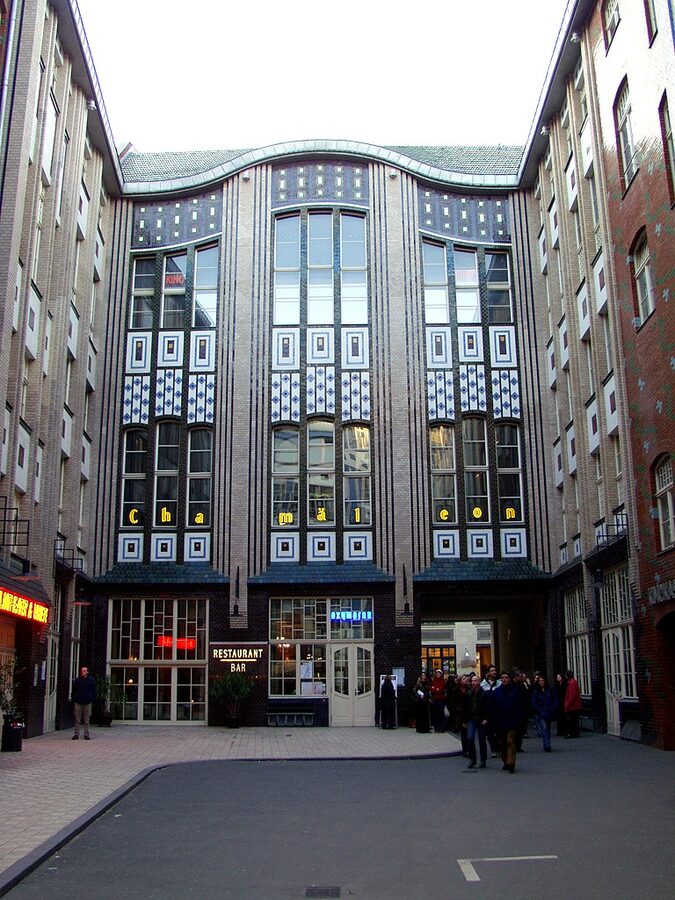
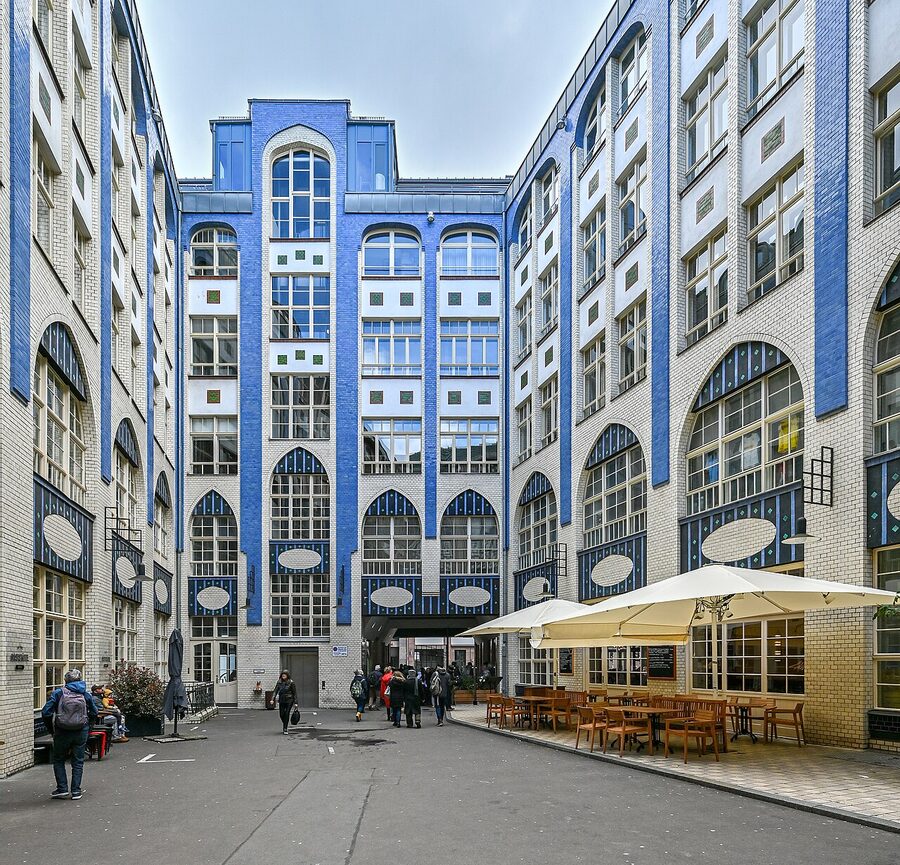
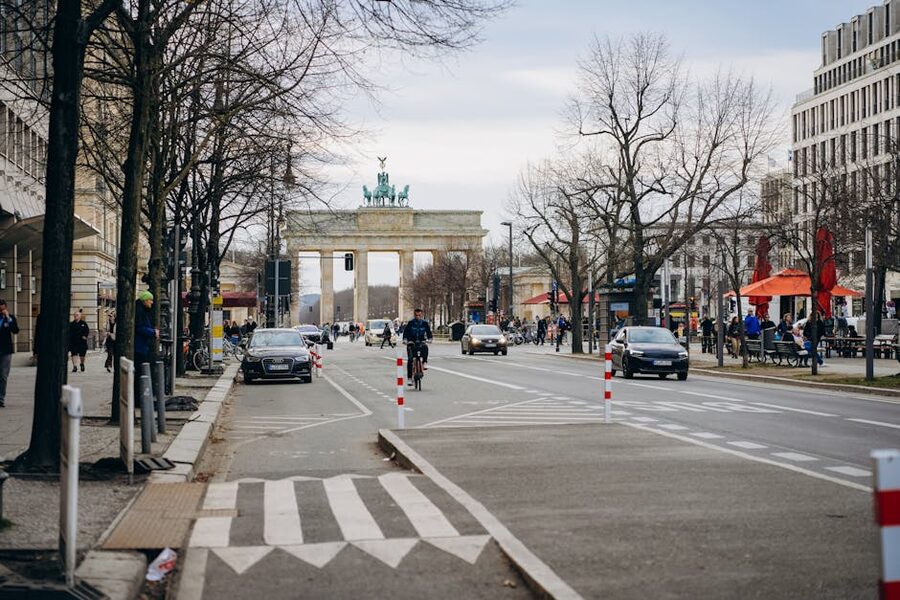
Most tours start or finish here. Eight interconnected courtyards built 1906-1907, the largest surviving complex of its type in Europe. The first courtyard has the signature Art Nouveau tile work by August Endell. The guides usually spend 10 minutes here before moving on — the Hackesche is too touristy to linger.
Haus Schwarzenberg (The Street Art One)
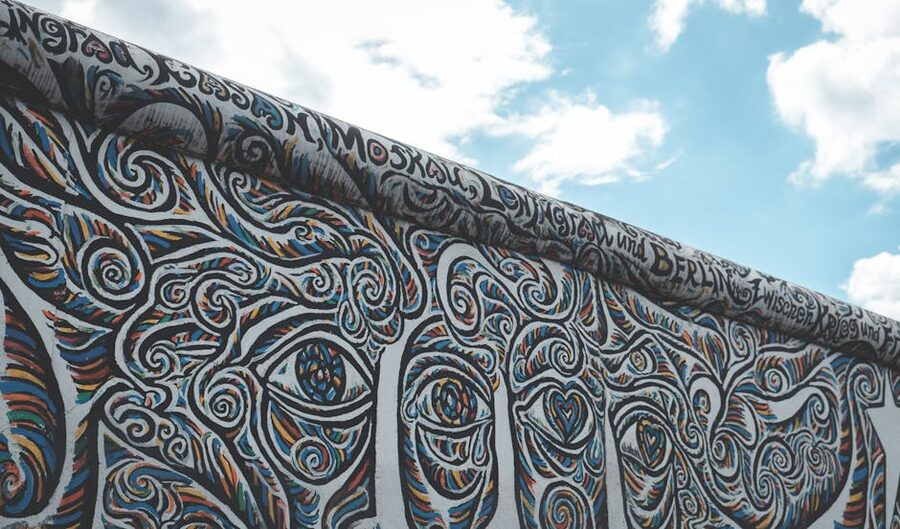
Next door to the Hackesche but radically different in feel. An art association squatted this former courtyard in the 1990s and has held it ever since. Walls are covered in ever-changing street art. The Anne Frank Centre and a small Holocaust memorial are in the same building. Gallery space on the ground floor. The contrast with the gentrified Hackesche is the whole point.
Sophie-Gips-Höfe (The Art Gallery One)
Between Sophienstrasse and Gipsstrasse. Redeveloped 1997 as a mixed gallery and residential space. Hosts the Erika Hoffmann Collection — one of Berlin’s best private contemporary art collections, open for booked guided tours only. You won’t get inside on a Hidden Backyards tour but the courtyard itself is worth the 10-minute stop.
Alte Schönhauser Höfe (The Quiet One)
Off Alte Schönhauser Strasse in deeper Mitte. Less touristed, mostly residential, a smaller courtyard with interesting architecture. Some of the shops here have been running since the 1990s occupation era — tour guides often know the individual tenants and stop for brief chats.
Heckmann-Höfe (The Commercial One)
An 1879 courtyard complex that housed the Heckmann copper works. Now mostly upscale shops and restaurants. Less gritty, but the architecture is notable — you can see industrial infrastructure overlapping with contemporary retail.
Kunsthof (The Smaller-Gallery One)
Near Oranienburger Strasse. Smaller and easier to miss. Houses several small art galleries and workshops. Where the Hidden Backyards tour guides often stop for a coffee break.
Street Art in the Courtyards
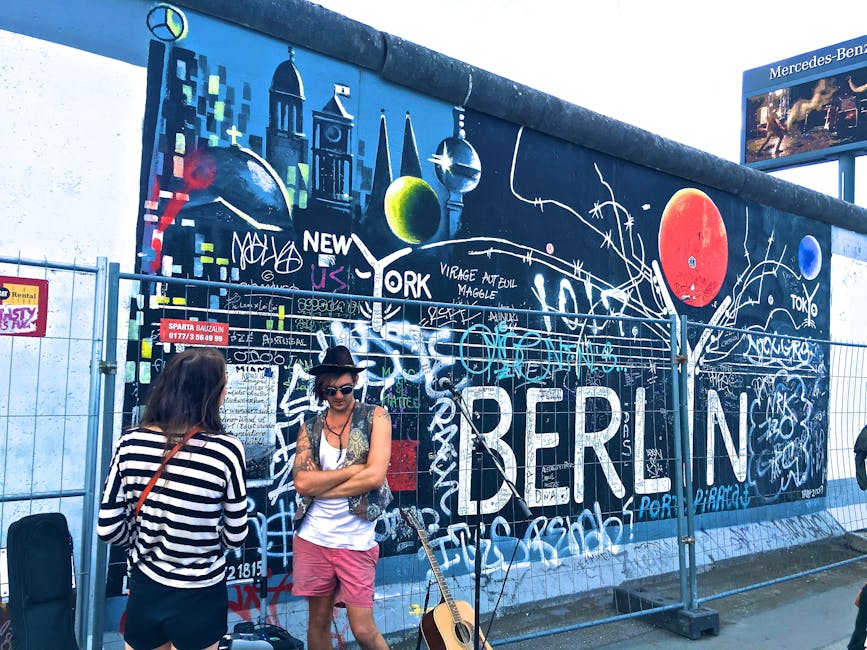
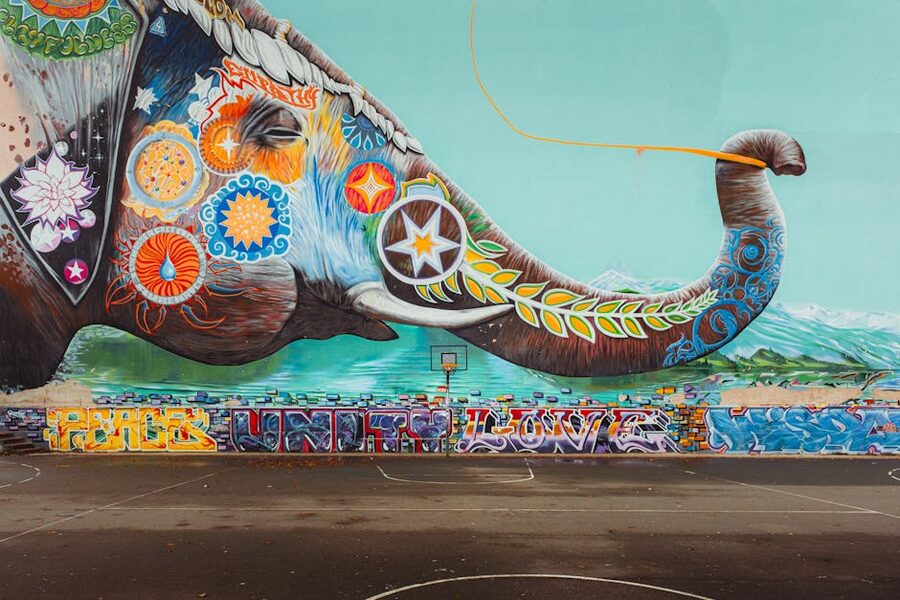
Berlin has one of the most active street-art scenes in Europe, and many of the longest-running murals live in private courtyards rather than on public walls. The courtyards are safer (no official graffiti cleanup), semi-private (less chance of being tagged over), and have the right building-owner buy-in.
The Haus Schwarzenberg is the densest site. The Hackesche has a few commissioned pieces. Others vary. Good guides know the individual artist backstories — who painted what, when, why, whether they’re local or visiting.
Notable Artists to Look Out For
El Bocho — Berlin-based, known for the “Little Lucy” character, appears in multiple courtyards.
Mein Lieber Prost — the smiling face you’ll see pasted-up on walls across Berlin. In the courtyards, often in stencil form.
Alias — political stencil artist, Banksy-adjacent style, work in Haus Schwarzenberg.
Guido van Helten — Australian street artist, occasional Berlin residencies, large-scale portrait work.
When to Visit
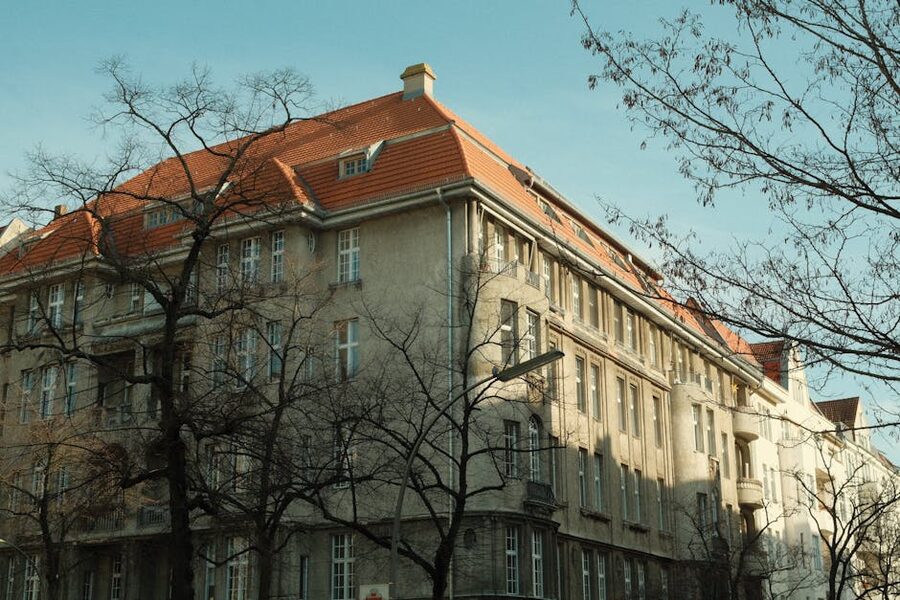
Weekday mornings are quietest. Saturday afternoons get crowded at the Hackesche but the lesser-known courtyards stay calm. Sunday afternoons have shortened gallery hours — some of the interior art spaces close by 4pm.
Seasonally: spring and autumn are ideal. Summer can get hot in the enclosed courtyards (which act as heat traps). Winter works fine — the narrower covered spaces actually feel warmer than the open streets.
Peak Crowd Hours
The Hackesche Höfe specifically gets crammed between 11am and 4pm on weekends. Avoid or plan your 10 minutes there carefully. The deeper courtyards are always calmer.
Doing It Solo vs Booking a Tour
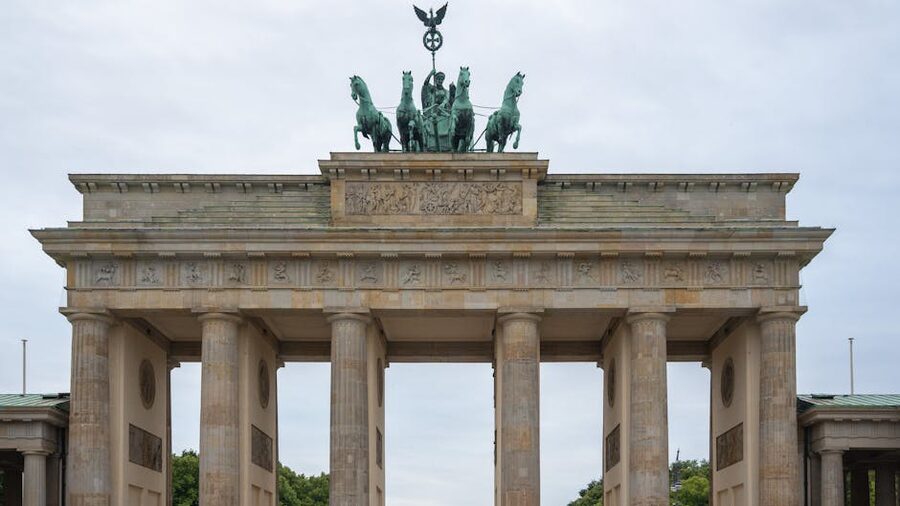
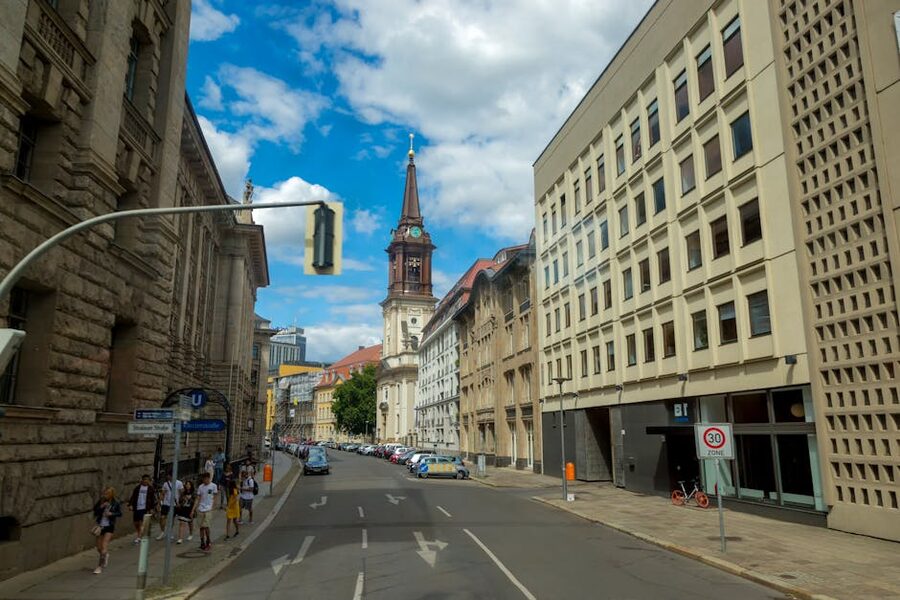
You can do this self-guided. Google Maps knows where the courtyards are. The Hackesche Höfe is publicly accessible during daytime. Haus Schwarzenberg is open. Most others have visible arched entrances from the street.
But you’ll miss the history without a guide. The courtyards are physically interesting but the layered stories (the Jewish community pre-1938, the squatter era 1989-2000, the gentrification war of the 2000s, the current tension between commercialisation and artistic authenticity) aren’t self-explanatory. The guides spend most of their time on this layered history.
If you have a tight schedule or a strong architecture background, go solo with a good map. Otherwise book the tour. €23 for 2 hours is one of the best-value guided experiences in Berlin.
What You Can Do Afterwards
The tour ends near Hackescher Markt S-Bahn — a 5-minute walk from Alexanderplatz. Natural follow-ups:
Lunch in Mitte — the neighbourhood is packed with cafes. Try Katz Orange for upmarket modern German, or Zula for Middle Eastern.
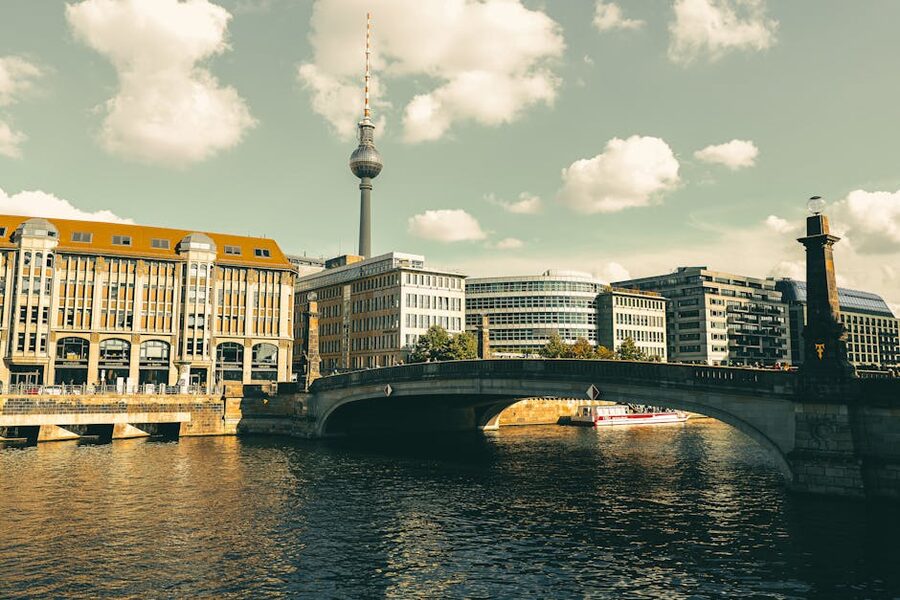
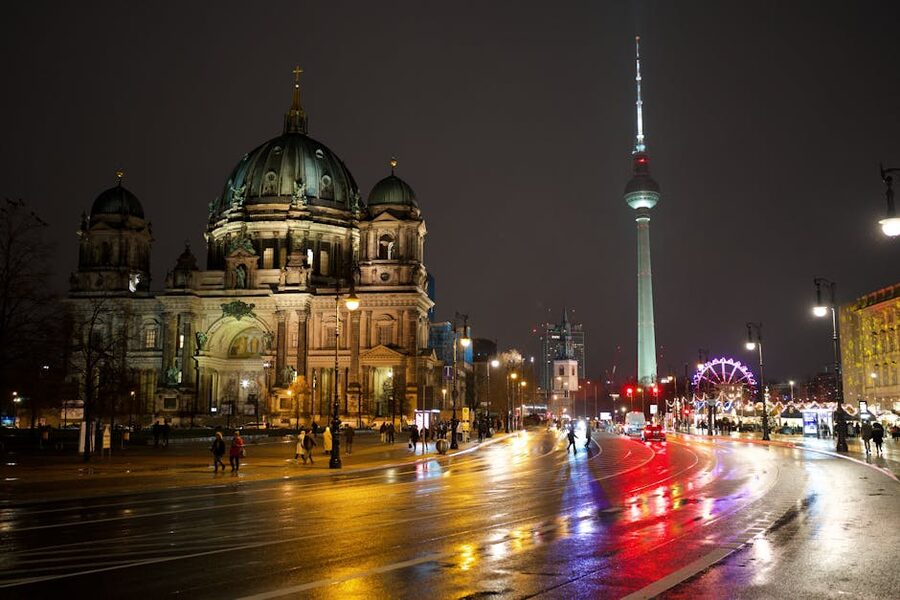
TV Tower (Fernsehturm) — 8-minute walk away. Observation deck if you haven’t done it yet.
Museum Island — 10 minutes away, and you can use the WelcomeCard if you’re going to hit multiple museums.
Neue Synagoge — 5-minute walk. Complementary Jewish-Berlin history.
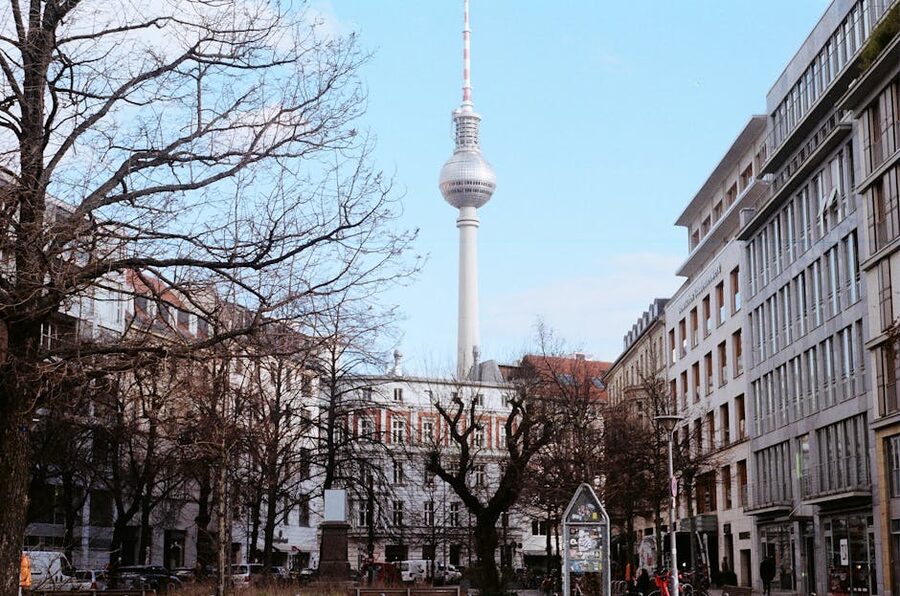
Food and Shopping in the Courtyards
The Hackesche has upmarket food and design shops. Honest, the quality’s fine but the prices reflect that it’s a tourism-driven location. Better bets:
Sophie-Gips-Höfe coffee shops — small and local.
Heckmann-Höfe has a good organic bakery.
Scheunenviertel side streets — cross to Auguststrasse, Linienstrasse, or Rosenthaler Strasse for cafes, bookshops, galleries. The tour guides often recommend specific spots at the end.
Historical Context — The Scheunenviertel
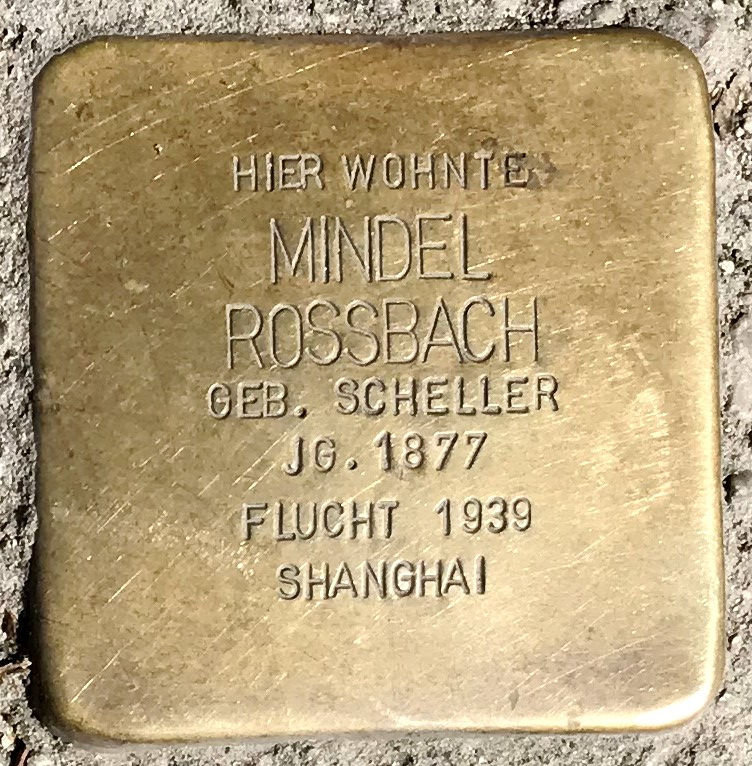
The district where most of these courtyards are (“Scheunenviertel,” literally “barn quarter”) was historically Berlin’s main Jewish quarter. In 1933 about one-third of the residents were Jewish. Over 55,000 people were deported from Mitte alone between 1941 and 1945. You see the stolpersteine (“stumbling stones” — brass plaques in the pavement) outside almost every building.
Good guides weave this into the courtyards tour. It’s not the main theme but it’s the background — who lived here, what happened, what the buildings meant before they became tourist attractions.
How It Compares to Other Berlin Walking Tours
The Hidden Backyards tour sits between the pure-history walking tours (general city tours) and the specialised ones (Nazi-era, Cold War). It’s the aesthetic-and-cultural angle that the pure-history tours don’t cover.
If you only have time for one walking tour in Berlin, pick the general highlights tour. If you have time for two, add the Hidden Backyards — it shows you a Berlin most tourists never see.
Practical Questions
Is it kid-friendly? Mostly yes. Material is less heavy than the Nazi-era tours. Pace is gentle. Courtyard street art is colourful and interesting for kids.
Wheelchair accessible? Mostly yes — the courtyards are flat and paved. Some have cobbles. Check with the tour operator if mobility is an issue.
Is the Hackesche free to enter without a tour? Yes, all day. You only need a tour for the context and the lesser-known courtyards.
Can I just walk through? Yes. But the narrow passages between buildings get blocked during tour-group transitions. Plan around the big groups.
Pairing With a Bigger Berlin Day
Half-day Mitte: Hidden Backyards walking tour (morning) + Neue Synagoge (afternoon) + dinner in Scheunenviertel.
Full Mitte day: Hidden Backyards + lunch + Museum Island + dinner + theatre or music event.
Weekend Mitte: Backyards Saturday morning, Spree River cruise Saturday afternoon, Sunday brunch in Auguststrasse.
Combining With Alternative Berlin
The Hidden Backyards tour is a natural lead-in to the broader Berlin alternative scene. After it, consider a Kreuzberg street-art walk, a Friedrichshain alternative bar evening, or a RAW-Gelände weekend visit (former industrial yard, now graffiti-covered clubs).
Courtyards Not on the Tour Worth Finding Yourself
The guided tour hits the big-hit courtyards. If you want to keep exploring afterward, three that aren’t usually on the standard route:
Pfefferberg — in Prenzlauer Berg, a former brewery complex turned cultural centre. More contemporary-gallery than Mitte’s Art Nouveau. 15 minutes on the U2 line.
Aufbauhaus — a 1960s-era publishing-house complex in Kreuzberg with a bookshop, a small cinema, and occasional gallery shows. Gritty DDR-era architecture rather than Mitte’s pre-war Art Nouveau.
Immanuelkirchhof Höfe — residential, rarely seen by tourists, in Prenzlauer Berg. You can walk through during daytime but respect the fact that people actually live here.
How the Tour Started
Someone in the 1990s realised the newly-public courtyards were a tourism asset. The first commercial backyards tours ran around 2001-2002. By the late 2000s a handful of Berlin operators were running them; today four or five companies do the main Mitte route, each with minor variations. The operators share a semi-formal agreement with residents of the non-touristy courtyards: the groups stay small, the noise stays down, and the courtyards stay open. Break that agreement by bringing 40-person coach groups through and the residents complain — and sometimes the courtyard owners close off access.
This is why group sizes are typically capped at 20 on the walking tours and why some guides ask you to be quiet in certain courtyards. It’s a negotiated permission rather than a public right-of-way.
The Short Version
Book the €23 Hidden Backyards Guided Walking Tour for a weekday morning slot, wear comfortable shoes, bring a camera. 2 hours, 6-8 courtyards, a side of Berlin most tourists never see. Follow it with lunch in Scheunenviertel and whatever else you have planned in Mitte.
Affiliate disclosure: Some links in this article are affiliate links. If you book through them we may earn a small commission at no cost to you. All recommendations are based on my own experience.