
What does the one-day version of Northern Ireland look like? A 400-year-old clifftop castle ruin, a basalt coast older than humans, a Game of Thrones avenue of beech trees, and optional add-ons for Belfast’s political murals or the Titanic museum. Thirteen hours, $97 on the bus, one long day that most Ireland visitors never regret booking.
.JPG)
This guide covers how to book the Dublin day trip to the Causeway Coast: the three most-reviewed versions (one Belfast political, one Game of Thrones, one Titanic), what they cover beyond the Causeway, and the practical reality of a 13-hour bus day that crosses an international border each way.

In a Hurry? The Three Versions to Choose Between
- Most reviewed — Belfast political focus: Belfast Black Cab + Dunluce Castle + Giant’s Causeway — around $97, 13 hours, Black Cab political tour through Falls and Shankill.
- Game of Thrones focus: Giant’s Causeway + Dunluce + Dark Hedges + Belfast — around $97, 12.5 hours, includes the Dark Hedges filming location.
- Titanic focus: Belfast Titanic + Dunluce + Giant’s Causeway — around $97, 13 hours, entry to the Titanic Belfast museum.

- In a Hurry? The Three Versions to Choose Between
- What the Day Actually Looks Like
- The Three Tours — Which to Pick
- 1. Belfast Black Cab + Dunluce + Giant’s Causeway —
- 2. Giant’s Causeway + Dunluce + Dark Hedges + Belfast —
- 3. Belfast Titanic + Dunluce + Giant’s Causeway —
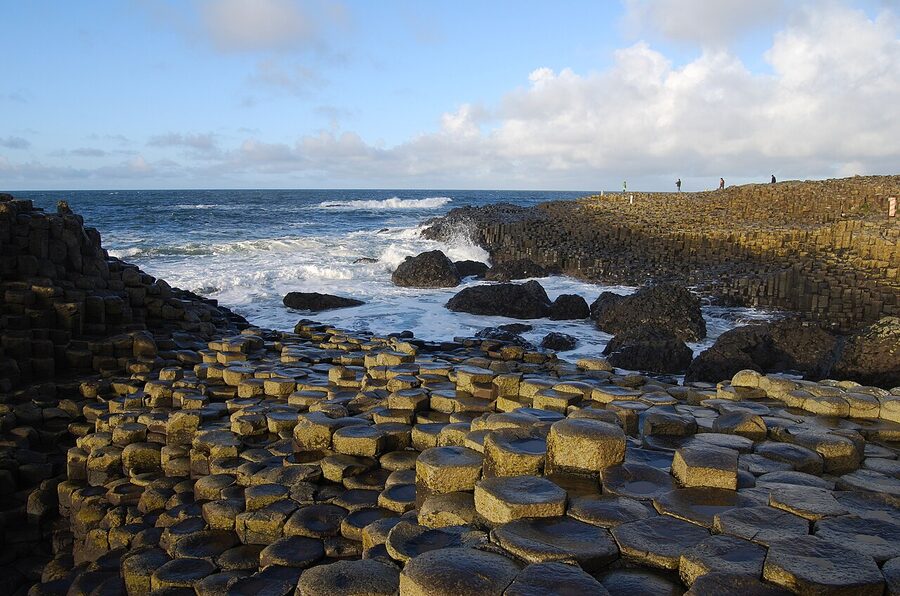
- The Giant’s Causeway — What You Actually See
- Dunluce Castle
- The Dark Hedges
- Belfast — Black Cab vs Titanic Museum
- Getting There — Dublin Pickup
- What to Bring
- When to Book
- Thirteen Hours on a Bus — Reality Check
- The Alternative — Two Days in Belfast
- Practical Details
- Other Ireland Guides You Might Want
What the Day Actually Looks Like
You meet the bus outside a central Dublin pickup point — usually on O’Connell Street or opposite Trinity College — between 6:30 and 7am. The bus is a full coach with a guide who narrates the drive. The full day runs roughly like this:
7:00am. Leave Dublin. Northbound motorway.
9:30-10:00am. Cross the Northern Ireland border. The only visible marker is that road signs switch from kilometres to miles. No passport check — both sides are in the Common Travel Area — but bring your passport anyway in case of spot checks.
10:30-11:30am. First stop varies by tour. The Belfast versions do a 60-90 minute stop in the city (Black Cab political tour, or Titanic museum, or both). The Dark Hedges version skips Belfast in the morning and heads straight up to the coast.
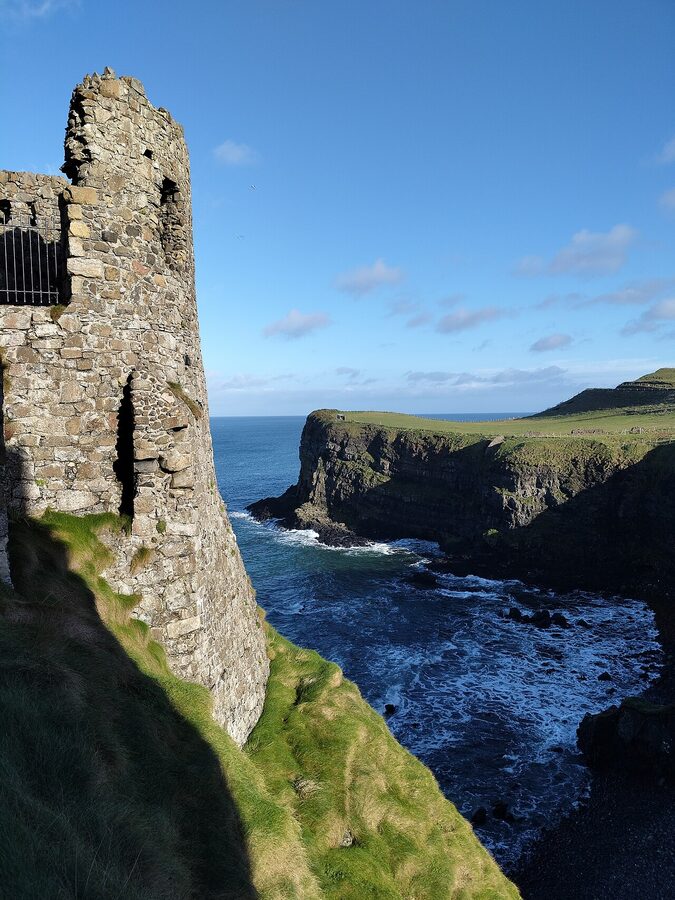
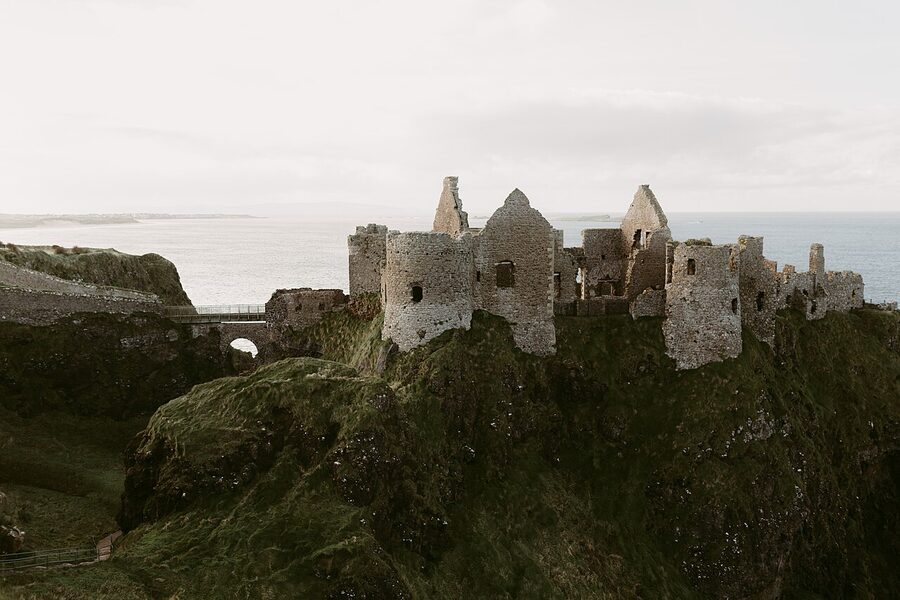
12:30-1:00pm. Arrive at Dunluce Castle for a 15-minute photo stop. You don’t go inside — the bus parks at the viewpoint across the road and everyone piles out for pictures. That’s enough time.
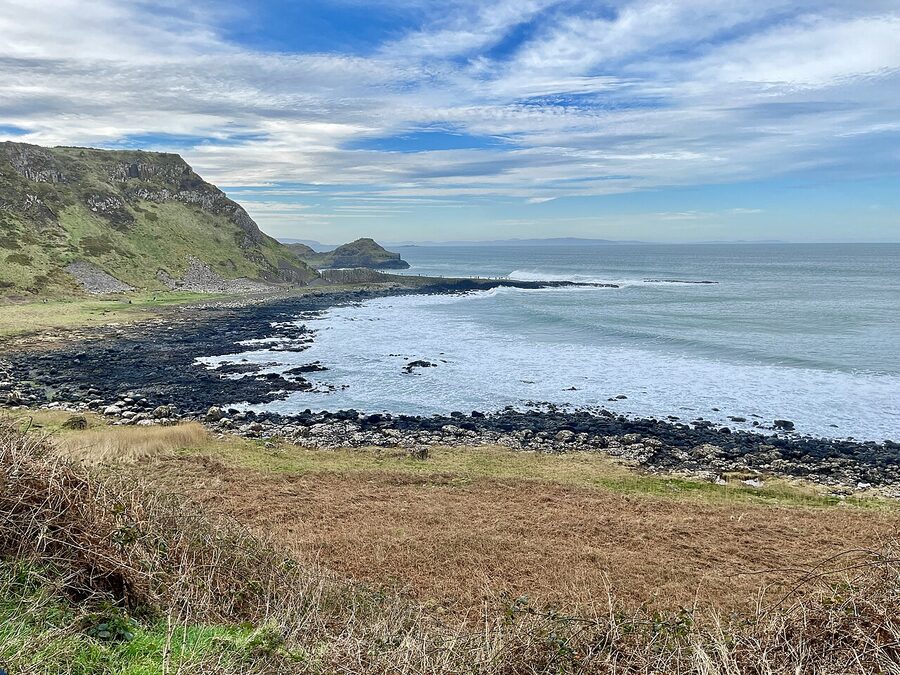
1:00-3:00pm. Giant’s Causeway. The main event. Two hours, entry included, shuttle bus from the visitor centre down to the shore if you want (or a 15-minute walk down, 20 minutes back up).

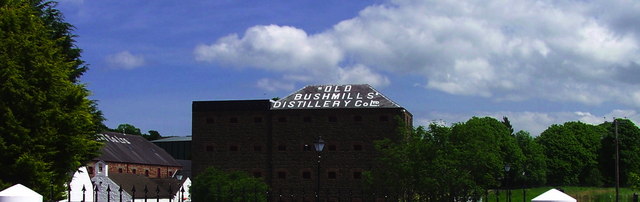
3:00-4:00pm. Lunch stop at Bushmills village or a pub near the Causeway. Tours don’t include lunch; budget £10-15 for a pub sandwich and a pint. The Old Bushmills Distillery is next door to the village — you don’t do the distillery tour on this trip (that’s a separate ticket) but you can see the buildings from the lunch stop.

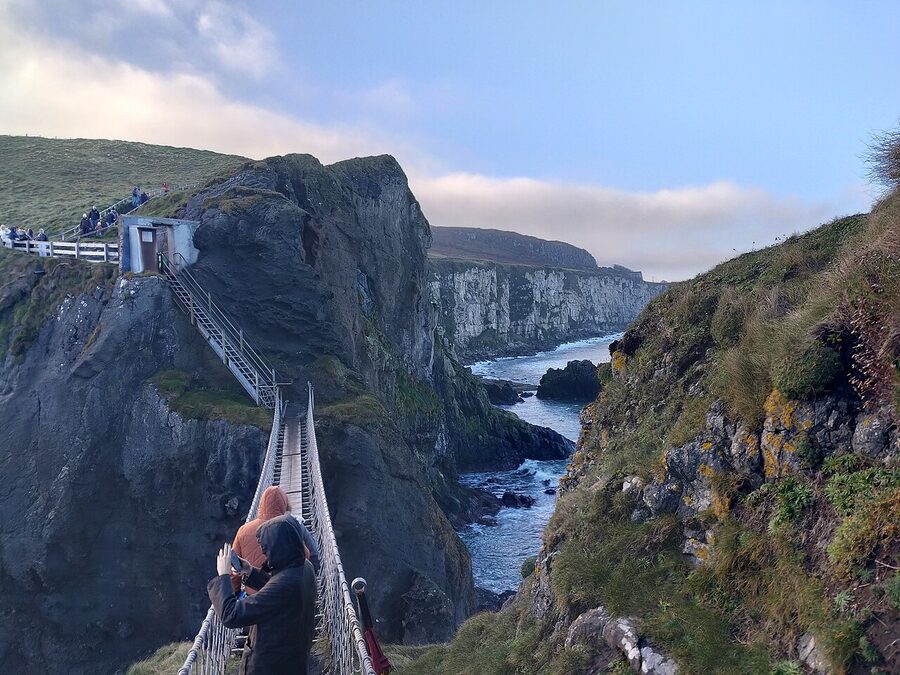
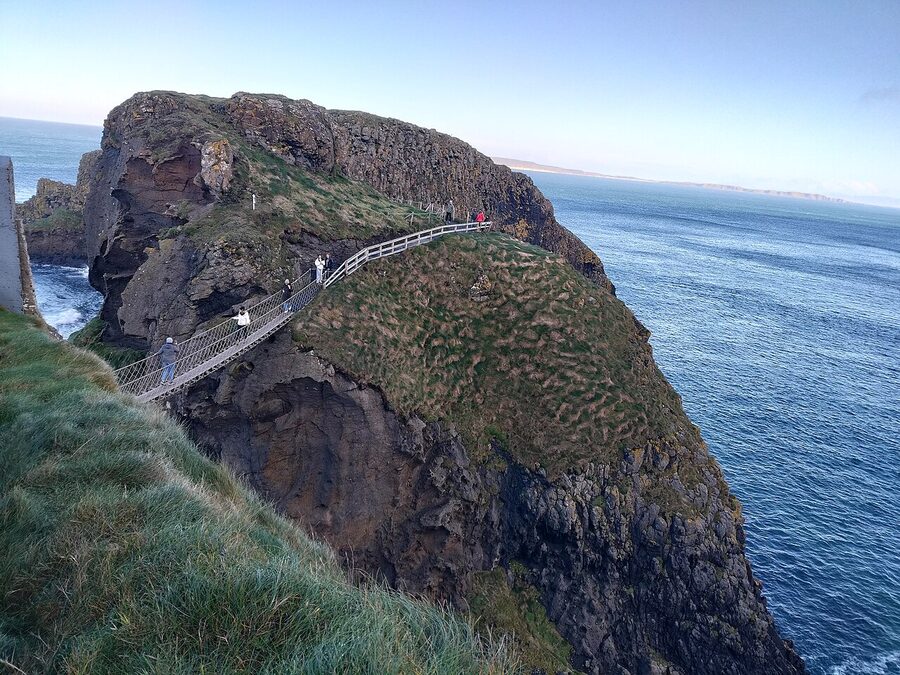
4:00-4:30pm. Carrick-a-Rede rope bridge (on some tours) or Dark Hedges (on the Game of Thrones version). Carrick-a-Rede is a £15.50 National Trust entry that isn’t always included in the ticket; check your booking.

5:00-5:30pm. Dark Hedges (Game of Thrones tour) or final Belfast stop (political/Titanic tours).
8:00-8:30pm. Back in Dublin. Dropped at the same central pickup point.
The Three Tours — Which to Pick
1. Belfast Black Cab + Dunluce + Giant’s Causeway — $97
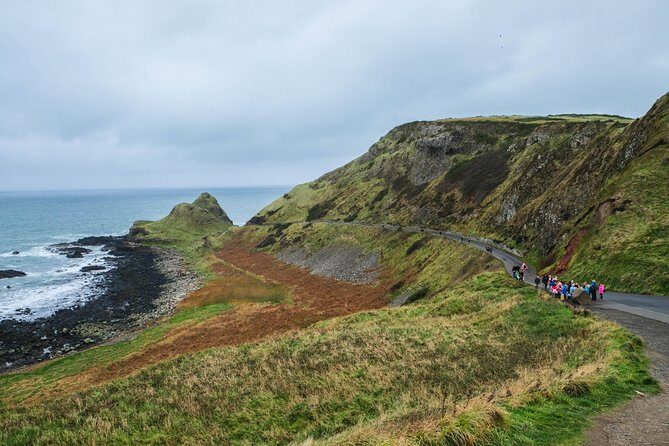
This is the one I’d book first. The Black Cab tour in Belfast — led by a local driver who was usually there during the Troubles — is a sobering hour on the Peace Walls, the political murals, and the still-current geography of a city with a hard past. The Causeway and Dunluce afternoon are the scenery; the Black Cab is the reason this tour has 8,000 five-star reviews. Our full review goes into who the drivers are and which route options are worth asking for.
2. Giant’s Causeway + Dunluce + Dark Hedges + Belfast — $97
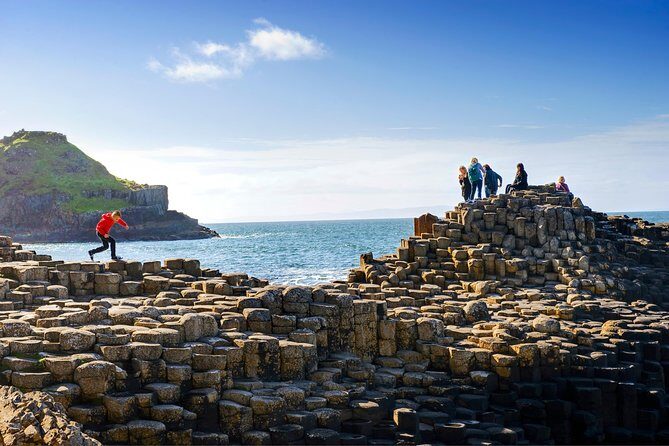
The pick for Game of Thrones fans and anyone who prefers scenery to political history. You still stop briefly in Belfast but the main alternative to the Black Cab tour is the 30-minute photo stop at the Dark Hedges. Same price, same coastline, different final hour. Our review covers how the Dark Hedges stop actually works — the trees themselves are free to visit; the tour value is the transport.
3. Belfast Titanic + Dunluce + Giant’s Causeway — $97
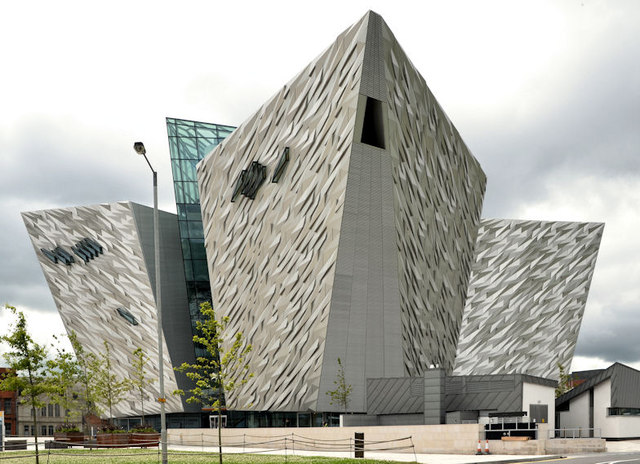
Choose this if the Titanic matters to you more than the political history. The museum is genuinely good — it’s built on the exact slip where Titanic was constructed, and the exhibits walk through the building, launch, voyage, and sinking with a level of detail that takes the 90-minute window seriously. Our full review covers the museum visit in detail.
The Giant’s Causeway — What You Actually See
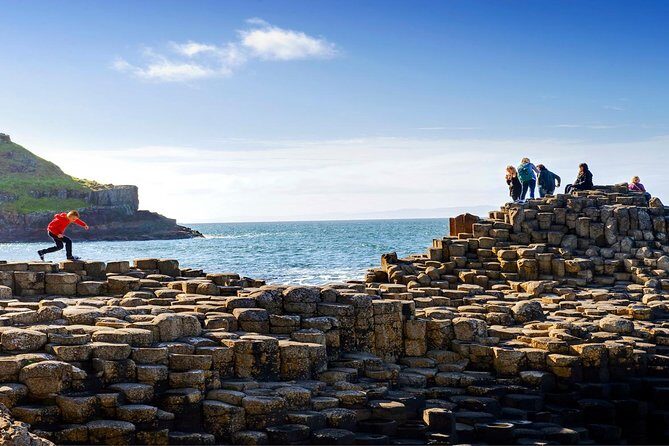
Roughly 40,000 interlocking basalt columns, mostly hexagonal, formed by volcanic activity around 60 million years ago. The lava cooled and contracted in polygonal patterns that are now exposed along about a kilometre of coastline. The columns range from inches to 12 metres tall. You can walk on them.
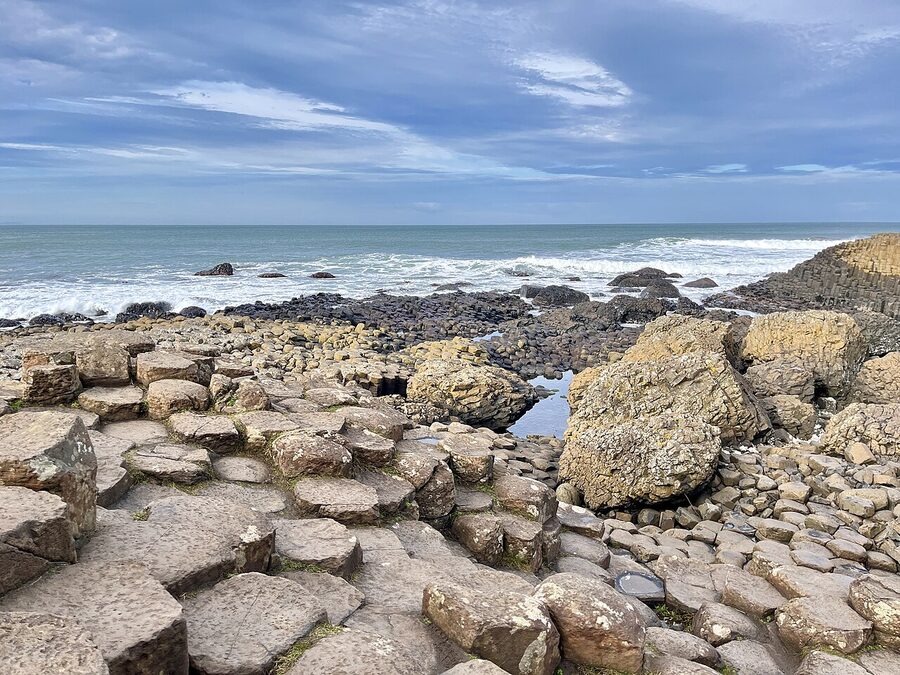

There’s a legend about the Irish giant Finn McCool building a causeway to Scotland to fight a Scottish giant named Benandonner. Finn saw how big Benandonner actually was, dressed himself as a baby, and when Benandonner arrived and saw the “baby” Finn, he assumed the father-Finn must be enormous and fled home, ripping up the causeway behind him. Both ends of the causeway still exist — the Antrim end here, the Staffa end in Scotland. The geology makes it a real pair; the myth makes it a better story than the geology.
The visitor centre costs £15.50 if you buy entry separately. On all three tours here, entry is included. Audio guides are available in 10 languages.
Dunluce Castle
Ruined clifftop castle, 16th-17th century, former seat of the MacDonnell earls. You see it only from the roadside viewpoint across the lane — the actual castle entrance is a separate National Trust ticket (£6) and no tour on this list includes it. The view from the road is the best photographic angle anyway; the castle reads as a silhouette on the headland with the ocean behind it.
The MacDonnells built Dunluce in the 1500s as a defensible clifftop seat. In 1639 a dinner-preparation disaster caused the kitchen wing (and its entire staff) to collapse into the sea during a storm. The castle was partially abandoned within decades. It’s been in controlled ruin since the late 1600s and photographs best at the golden hour, which tours never arrive in.
The Dark Hedges
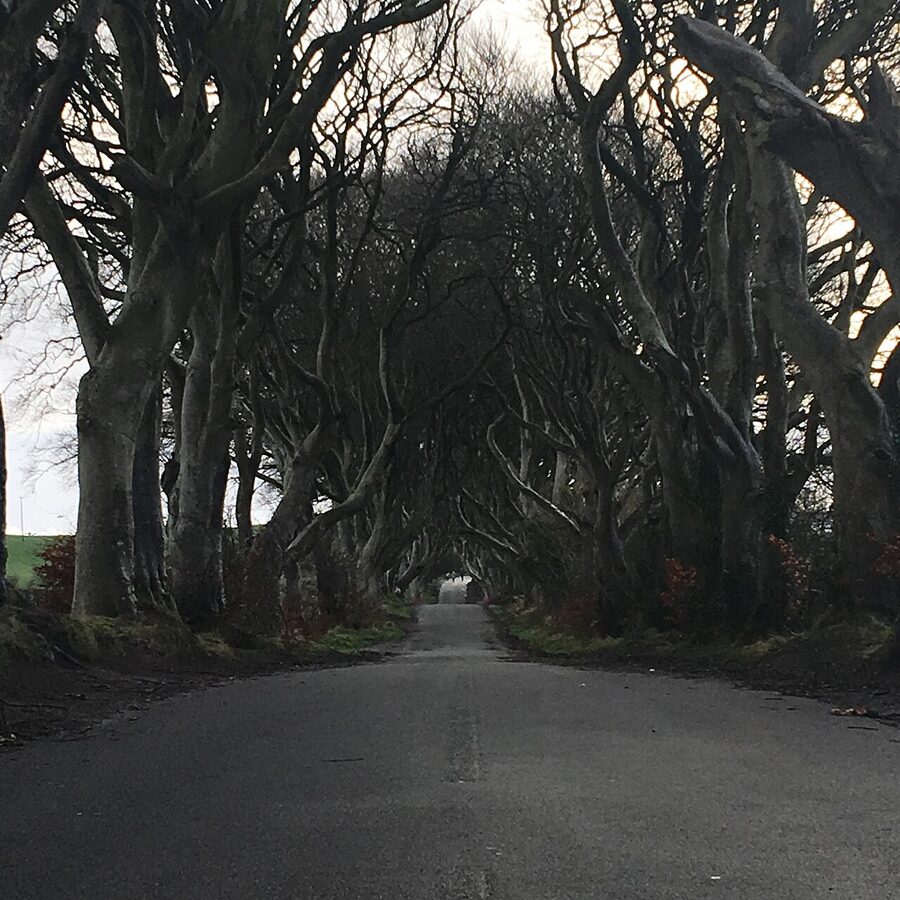
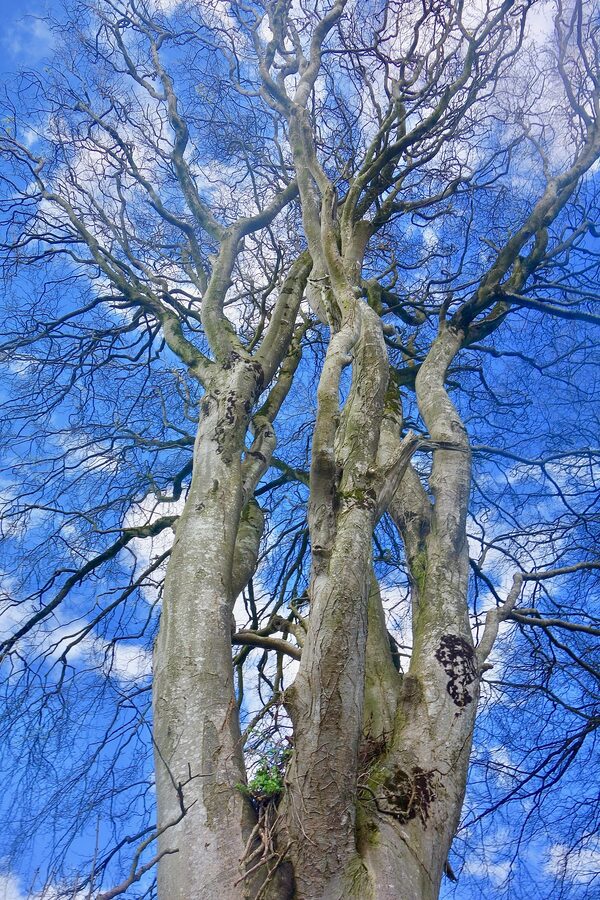
An avenue of beech trees planted in the 1770s on Bregagh Road, near Stranocum, County Antrim. The trees grew tall and their canopies merged overhead, producing a tunnel effect that looks — especially in low light — like something from a fairy tale. HBO used the lane for Arya Stark’s escape from King’s Landing in Game of Thrones Season 2, and international tourism to a small Antrim village dairy road increased by several orders of magnitude in consequence.
.jpg)
Several of the beech trees have fallen or been damaged by storms in recent years — Storm Gertrude in 2016 took out two, and a few more have gone since. The avenue is slowly shrinking. If the Hedges are a draw for you, the 30-minute photo stop on the Dark Hedges tour is fine but no more than that.
Belfast — Black Cab vs Titanic Museum
The two Belfast-focused tours split at the morning city stop. You choose political history (Black Cab) or industrial history (Titanic). You can’t do both on the day trip — the time budget only supports one.
_-_geograph.org.uk_-_3539064.jpg)
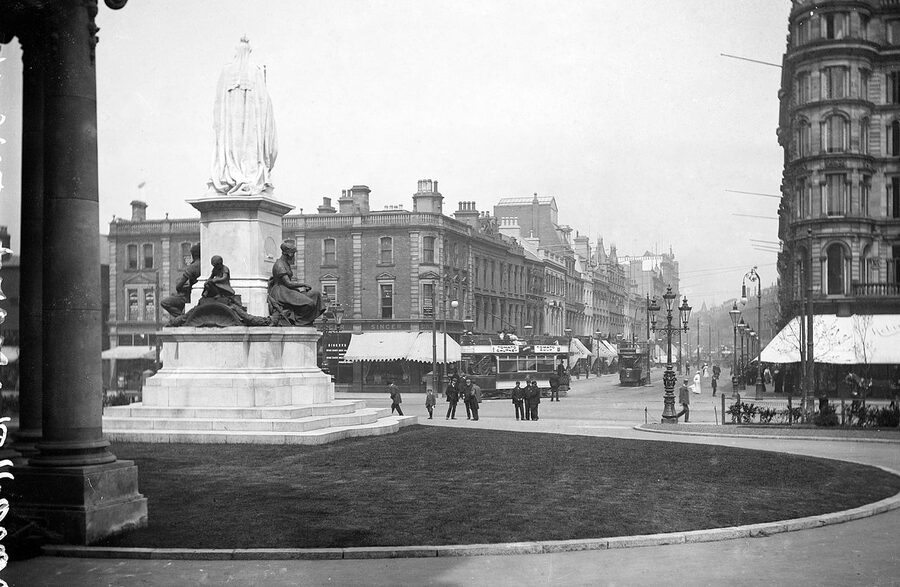
The Black Cab tour is a 60-90 minute loop in an old London-style black taxi driven by a local — usually someone who lived through the Troubles. The route covers the Peace Walls dividing Catholic and Protestant neighbourhoods, the political murals on the Falls Road (Republican side) and the Shankill Road (Loyalist side), and the Bobby Sands memorial. It’s the single best short introduction to the 20th-century conflict. The Titanic museum is more conventional but also excellent — the building sits on the slipway where the ship was launched in 1911.
Honest take: if you’ve never been to Belfast and have to pick one, pick the Black Cab. You can visit the Titanic museum on a separate Belfast day trip; the Black Cab works best the first time you see the city.
Getting There — Dublin Pickup
All three tours pick up from central Dublin. Exact meeting points vary by operator but common spots are:
- O’Connell Street (Dublin Tourism Office area)
- Suffolk Street (opposite Molly Malone statue)
- Trinity College gates (College Green)
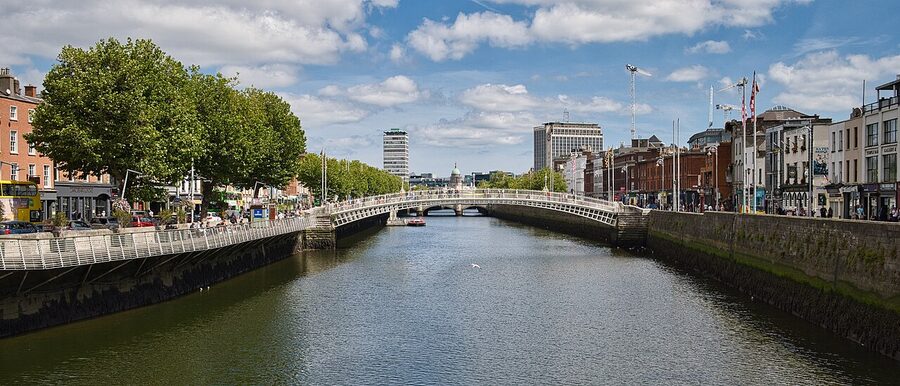

Exact meeting address is on your booking confirmation. Arrive 15 minutes early — tours leave on time and the drivers have seen enough “my hotel said it was just round the corner” to not wait. If you’re staying north of the Liffey, O’Connell Street is closest. South of the river, Suffolk Street.
What to Bring
- Waterproof jacket. Non-negotiable. The Antrim coast is wet more days than not, even in summer.
- Walking shoes with grip. The Causeway columns are polished slick in places.
- Layers. Temperatures on the coast are 5-8°C cooler than in Dublin and the wind is always present.
- Cash in GBP. Northern Ireland uses pounds; cafés and the visitor centre take cards but small vendors on the trail often don’t.
- Passport. Both sides of the border are in the Common Travel Area, but occasional spot checks happen; better to have it than not.
- Snacks and water. The bus has no toilet on most operators and the lunch break is 45-60 minutes at most. Pack accordingly.
When to Book
Tours run year-round. The operator-recommended peak is May-September; the honest best months are May, June, and September (long daylight, moderate crowds, lower chance of gale force). Winter tours go ahead in most weather but sightseeing at the Causeway in January with horizontal sleet is less rewarding.
Book 3-5 days ahead in summer. Same-day booking in winter is usually possible.
Weekends fill first. If you have flexibility, Tuesday-Thursday tours have smaller groups (18-25 on the bus vs 40-50 on weekends) and the Causeway itself is quieter.
Thirteen Hours on a Bus — Reality Check
This day trip is long. Six hours of driving total, eight hours including stops, thirteen hours door-to-door from Dublin. The driving is mostly motorway, comfortable enough, with rest stops every 2-3 hours. But it’s still a 7am start and an 8:30pm return after a day in variable Northern Irish weather.
Book this trip on a day when you don’t have plans that evening. The temptation to go out for a Dublin night after getting back is strong; the reality is that most tour-returners eat a pub meal and go to bed by 10pm. Don’t plan a late dinner reservation for the same day.

The Alternative — Two Days in Belfast
If you have flexibility, consider splitting this into a Dublin-to-Belfast train ride (2 hours), an overnight in Belfast, and then a Causeway tour the next day from Belfast rather than Dublin. The Belfast-departing tours run 8-9 hours instead of 13, the time at each stop is longer, and you get to spend evening hours in Belfast which is underrated as a short city break. The cost is a hotel night and a second-day tour booking — usually $150-200 extra over the one-day-from-Dublin version.
Practical Details
Duration. 12.5-13 hours door to door from Dublin.
Price. $97 standard, sometimes discounted to $85-90 in low season.
Group size. 25-50 depending on day and season.
Inclusions. Coach transport, guide, Giant’s Causeway entry. NOT included: lunch, Carrick-a-Rede bridge entry (£15.50), Titanic Belfast entry unless specified, Black Cab tour unless specified.
Cancellation. 24-hour free cancellation on most operators.
Language. All three tours run in English. The Dark Hedges and Titanic-focused tours sometimes have Spanish, German, or French guides on specific dates.
Other Ireland Guides You Might Want
The Causeway Coast is one of two headline day trips from Dublin. The other is the Cliffs of Moher on the west coast, covered in our dedicated guide — it’s a different day, a different geology, and arguably Ireland’s most famous cliff scenery. If you’ve got a third day to spare, the Wicklow Mountains and Glendalough are an hour south of Dublin and a gentler half-day than either of the cross-country trips.
Back in Dublin itself, the Guinness Storehouse and the Dublin city walking tour are the core half-day visits and pair well with a Causeway trip (storehouse on arrival day, walking tour on departure day).
Disclosure: This site earns a commission on bookings made through the links above, at no extra cost to you. We only recommend tours we’ve researched and would book ourselves.