
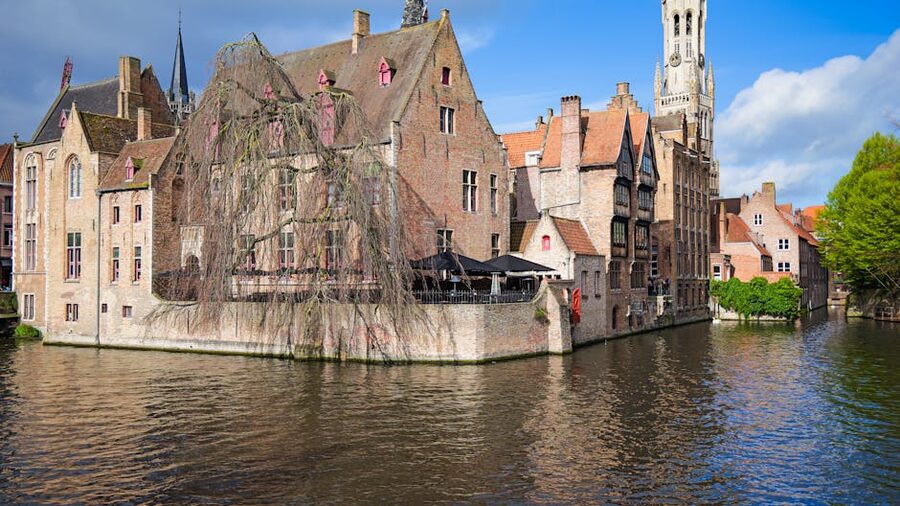
Frank from Wisconsin came to Bruges expecting to take photos of canals and eat one waffle. By hour two of the beer and chocolate tour, he was sitting in a 16th-century alley pub called De Garre, holding a triple ale he could barely pronounce, telling our guide Louis that he had completely changed his mind about Belgium. “I thought beer was beer,” he said, sniffing the foam. “This is something else.” His wife was already on her second praline from a tiny shop two streets over, the kind of place you’d walk past without looking twice. That’s the thing about a guided beer and chocolate walk in Bruges. You come for the cliché. You leave thinking you missed it for years.
.jpeg)

- Best mix of beer and chocolate: History, Chocolate and Beer Walking Tour ($64, 3.5 hours). Praline demo plus brewery stop, runs daily.
- Premium private option: 10 Tastings of Bruges Private Food Tour ($163, 3 hours). Just your group, fully tailored, includes savoury bites alongside the sweets.
- Beer specialist: BeerWalk Bruges ($54, 3 hours). Five beers across multiple venues, English-speaking guide. Skip the chocolate, double down on the beer.
- What a Bruges beer and chocolate tour actually looks like
- Three Bruges beer and chocolate tours worth booking
- 1. Bruges History, Chocolate and Beer Walking Tour:
- 2. The 10 Tastings of Bruges With Locals: Private Food Tour: 3
- 3. BeerWalk Bruges (English guide):
- The chocolate stops you’re actually likely to visit
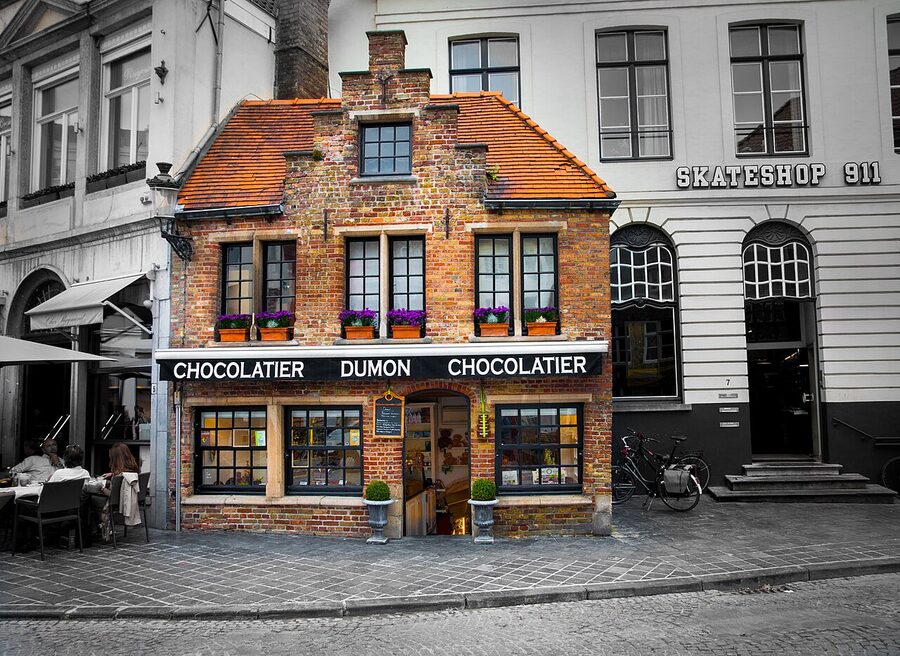
- Dumon Chocolatier
- Sukerbuyc
- The Chocolate Line
- Spegelaere
- The beer stops, in roughly the order tours visit them
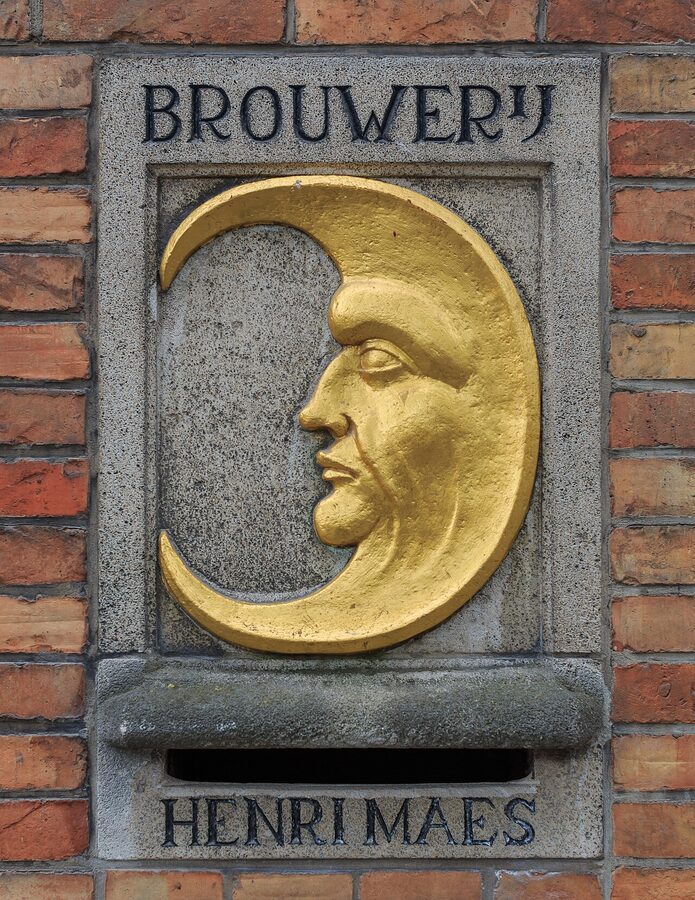
- De Halve Maan brewery
- De Garre
- Bruges Beer Museum and tasting room
- ‘t Brugs Beertje
- What it costs and when to book
- What to wear, what to bring, what to skip
- Dietary restrictions and allergies
- Why Bruges does this so well
- Common questions before you book
- Is the tour worth it if I’m only in Bruges for a day?
- Do I need to speak Dutch or French?
- Can I do this tour and still drive that evening?
- What if I don’t like beer?
- What’s the difference between this and the Choco-Story museum?
- If you’ve done the beer and chocolate tour and want more
What a Bruges beer and chocolate tour actually looks like
Three to four hours. Five to seven stops. Walking distances between them measured in minutes, not miles. That’s the basic shape of every Bruges beer and chocolate tour I’ve looked at, no matter who’s running it.
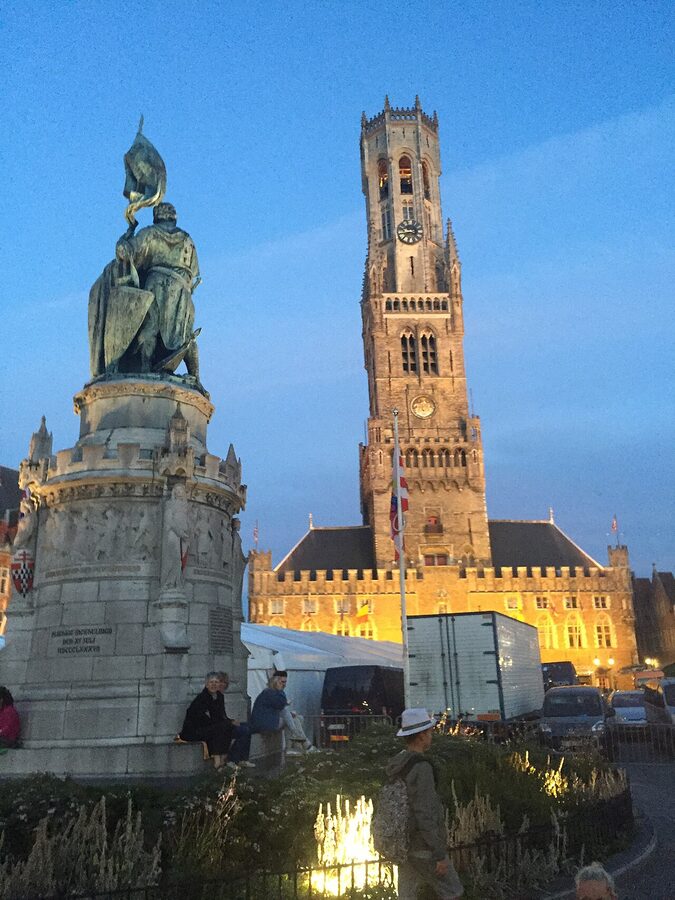
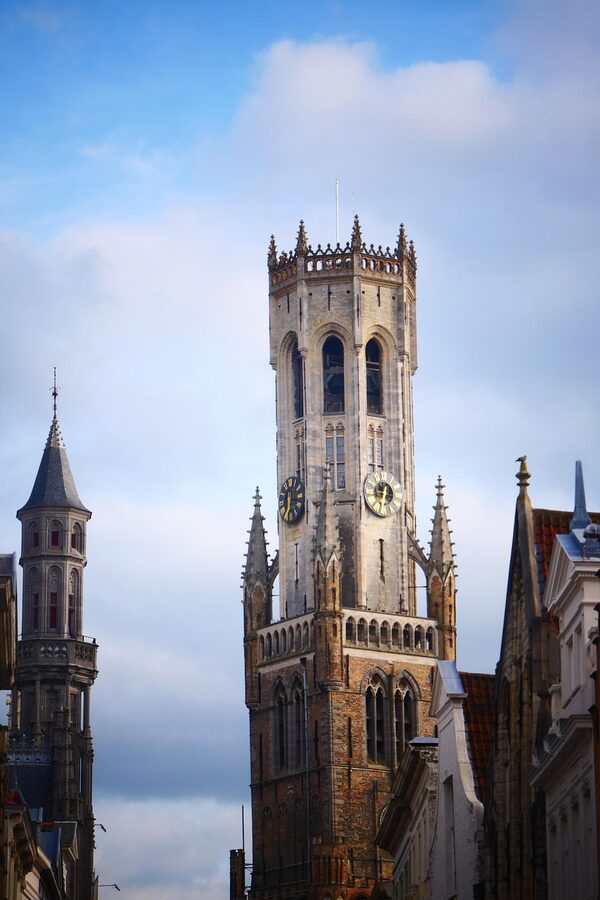
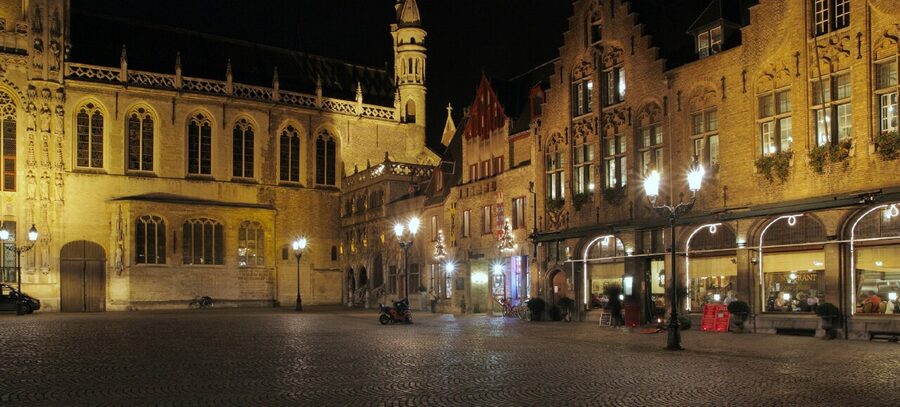
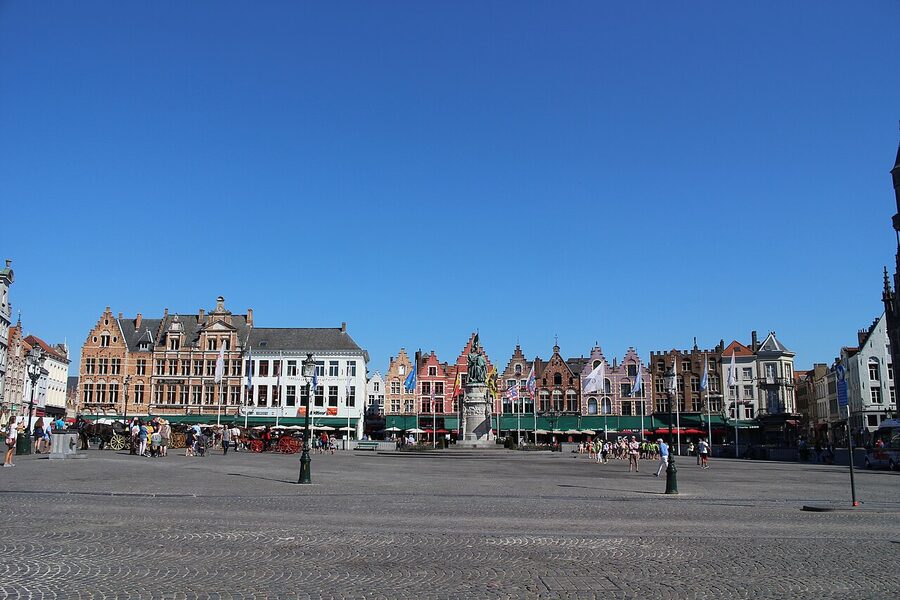
You meet your guide near the Markt or Burg Square. Group sizes range from six to fifteen on group tours, and as small as one couple on private tours. You’ll cover maybe 2km of cobblestones in total, which is nothing on paper but adds up after a few beers. Comfortable shoes matter more than you think.

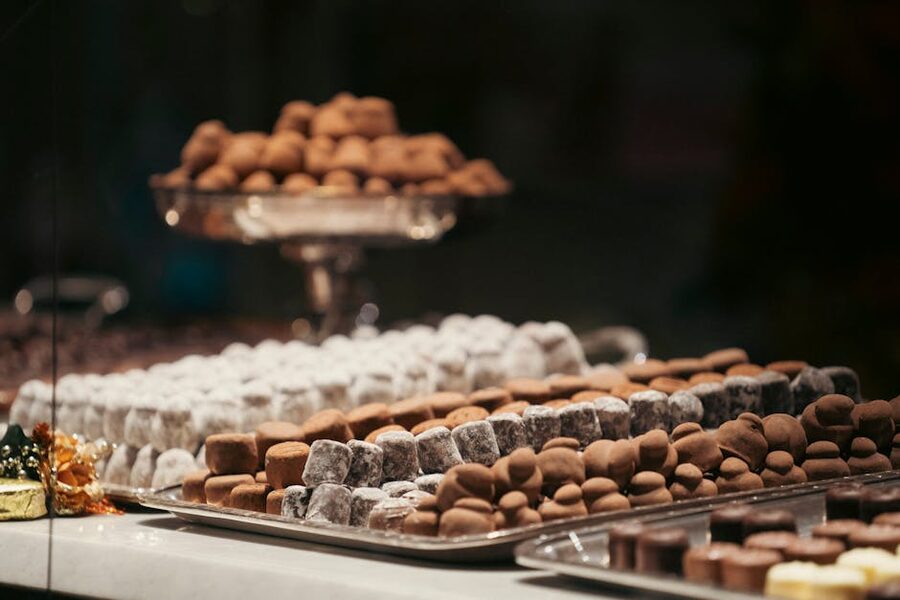
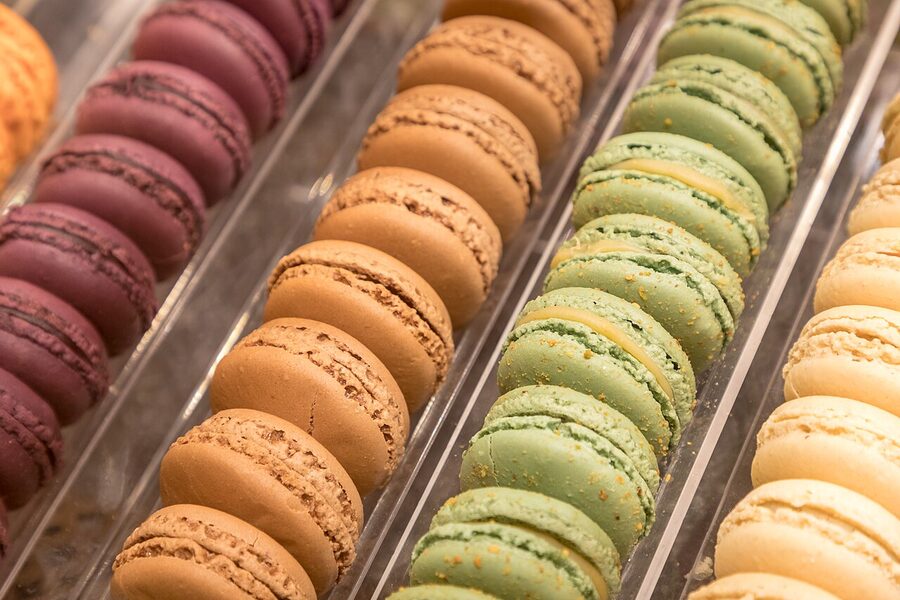
The chocolate side usually means three stops. One artisanal chocolatier where you sample pralines straight from the case. One where the guide gets you behind the counter or into the back room for a praline-making demo. And one where you taste something specific to Bruges, often a hot chocolate, sometimes a dipped fruit, sometimes something the guide is friends with the owner about.
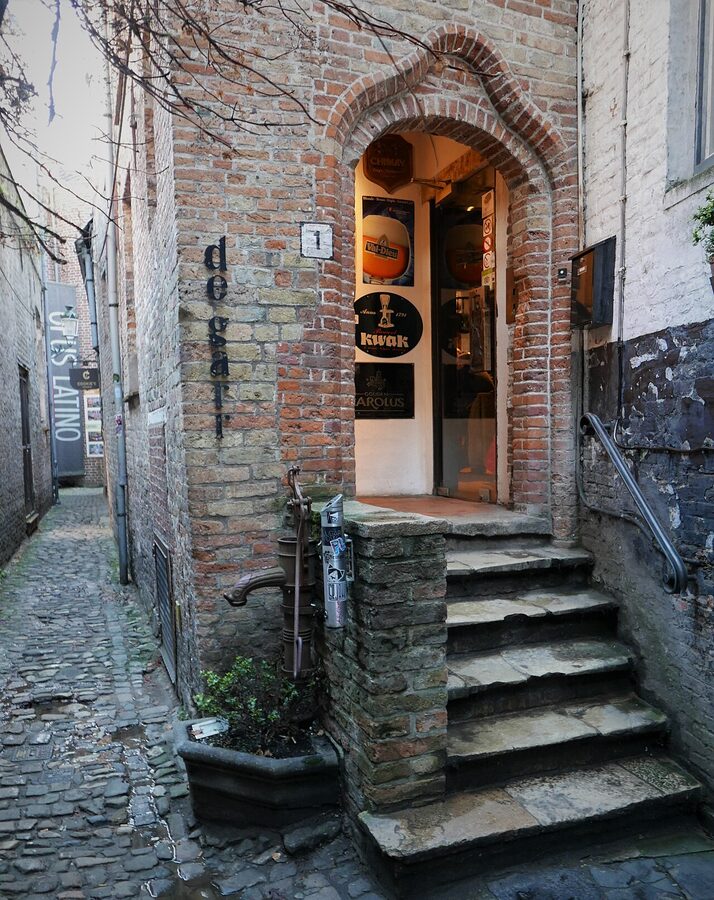
The beer side runs in parallel. You’ll usually visit De Halve Maan, the last working brewery inside the old city walls. You’ll stop at a hidden tavern, often De Garre or ‘t Brugs Beertje, both of which serve beers you genuinely cannot find outside Belgium. And you’ll likely sample one Trappist beer, one strong blonde, and one local seasonal in a sit-down tasting somewhere quiet.
.jpg)
The whole thing is paced for tasting, not for drinking. You’re not getting drunk. You’re learning to tell a saison from a witbier, and learning why a Bruges praline made yesterday tastes different from one shipped to your hotel gift shop. By the end you’ll either be hooked or you’ll politely never want another piece of chocolate in your life. Both are valid outcomes.
Three Bruges beer and chocolate tours worth booking
I went through the full Bruges product list and pulled the three I’d actually recommend. They cover three different price points and three different styles. Pick the one that matches what you actually want.
1. Bruges History, Chocolate and Beer Walking Tour: $64
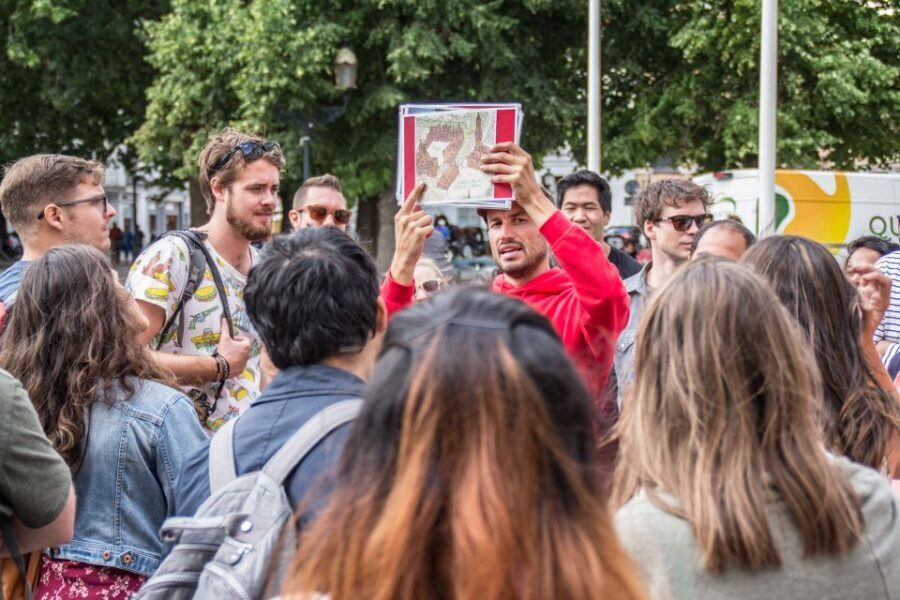
This is the best balance of beer and chocolate on the market right now. Three hours and thirty minutes, a praline-making demo in an artisan chocolatier, a brewery visit with a beer on the terrace, and a guide who actually tells stories rather than reading facts off a script. Our full review goes deeper into what’s included and what isn’t, but the short version is that this is where most travellers should start. Small groups, often ends up close to private if you book off-season.
2. The 10 Tastings of Bruges With Locals: Private Food Tour: $163
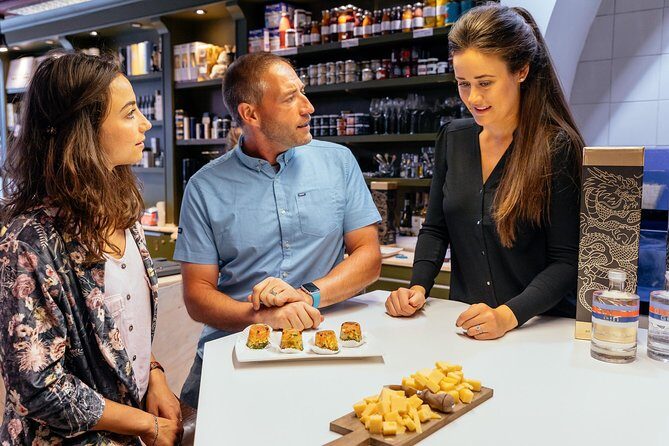
If you want the full Bruges culinary picture and don’t mind paying for it, this is the one. Three hours, ten tastings, a Bruges-born guide who picks the stops based on what you tell them you like. Our take on this private food tour is that it’s worth every dollar if you’re travelling as a couple, since the per-person price drops fast on a 2-4 person group. Not just chocolate and beer, you’ll get fries, cheese, sausage, and waffles too.
3. BeerWalk Bruges (English guide): $54
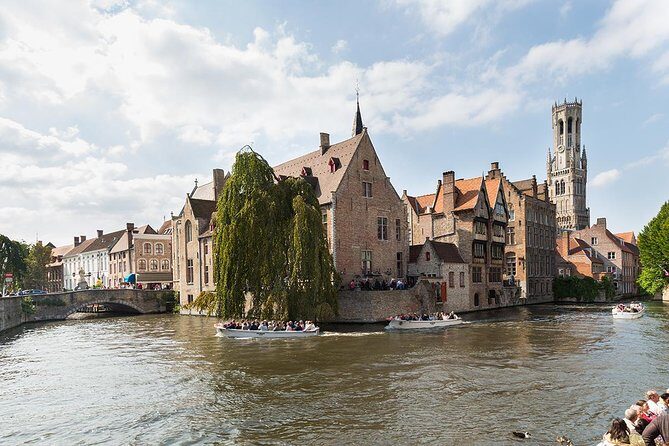
If chocolate isn’t your thing or you’ve already had your fill of pralines from the day before, this is the more focused alternative. Three hours of just beer, five samples, and a guide who knows the difference between a quadrupel and a Belgian strong dark in a way that’s actually interesting. Our review of this BeerWalk notes the standout guide Thom, who runs many of the English-language sessions and has a side hobby of finding obscure local beers nobody else carries.
The chocolate stops you’re actually likely to visit
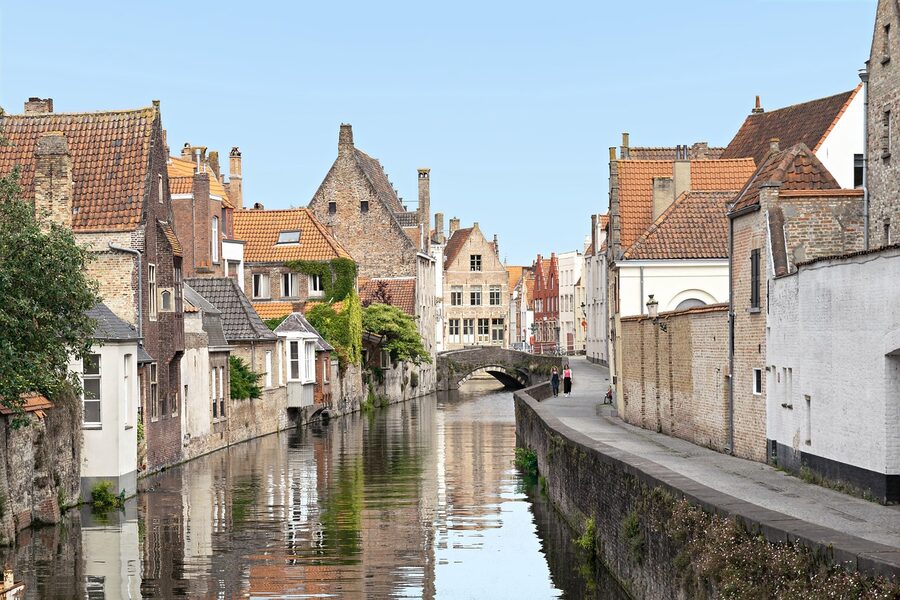
Bruges has more chocolatiers per square metre than almost any city on earth. The estimate floats around 50 shops in the historic centre, which sounds absurd until you spend an afternoon walking and counting. Most are tourist traps. A few are world-class. Tour guides know the difference, which is the main reason a guided tour beats wandering.
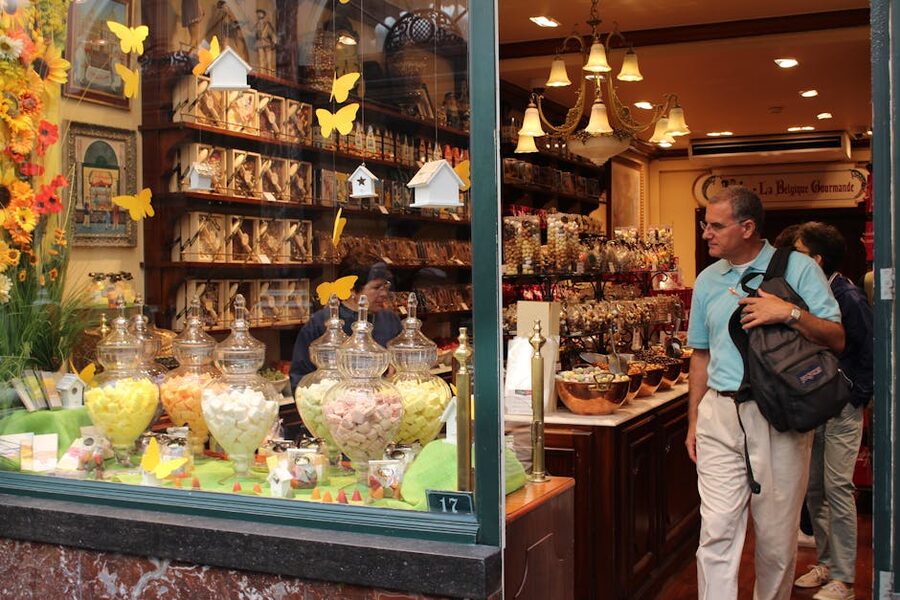
Dumon Chocolatier
Dumon shows up on almost every reputable beer and chocolate tour. Family-run since 1992, three locations across Bruges, but the original tiny shop on Eiermarkt is the one tours visit. They make everything in-house. The pralines are smaller than the chain-shop versions, denser, and noticeably less sweet. If you’ve only ever had Belgian chocolate from supermarket boxes, the difference is immediate. Their salted caramel praline is the one most guests remember a week later.
Sukerbuyc
The other regular stop. Sukerbuyc has been on Katelijnestraat since the 1970s, which by Bruges chocolatier standards is established but not ancient. They’re known for their fruit-filled pralines, particularly the cherry one, and for actually letting you watch the chocolatier work in the back. Some tours pre-arrange a praline-making demo here where you get to dip your own truffle. Whether you do or don’t depends on which tour you book and what time of year.
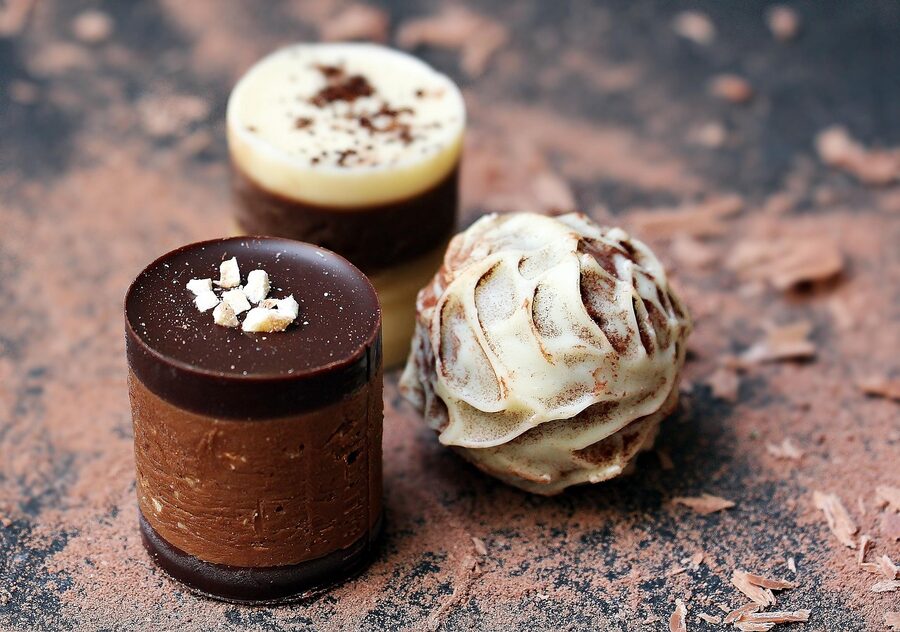
The Chocolate Line
Dominique Persoone’s place. He’s the only Belgian chocolatier most foreign chefs can name. The shop on Simon Stevinplein is part chocolatier, part lab. He’s the one who invented edible chocolate snorting, which sounds like a joke until you see the shooter device on the counter. Not every tour stops here, partly because his prices are higher and partly because his stuff is more experimental than traditional. Worth visiting on your own afterwards if your tour skips it.
Spegelaere
Smaller, quieter, less famous. Spegelaere doesn’t show up in guidebooks much, which is exactly why some private guides take you there. The owner is often behind the counter. Their hot chocolate, served as actual melted chocolate rather than cocoa powder in milk, is one of the best in the city. If your tour stops here in winter, that’s a sign you’ve got a good guide.
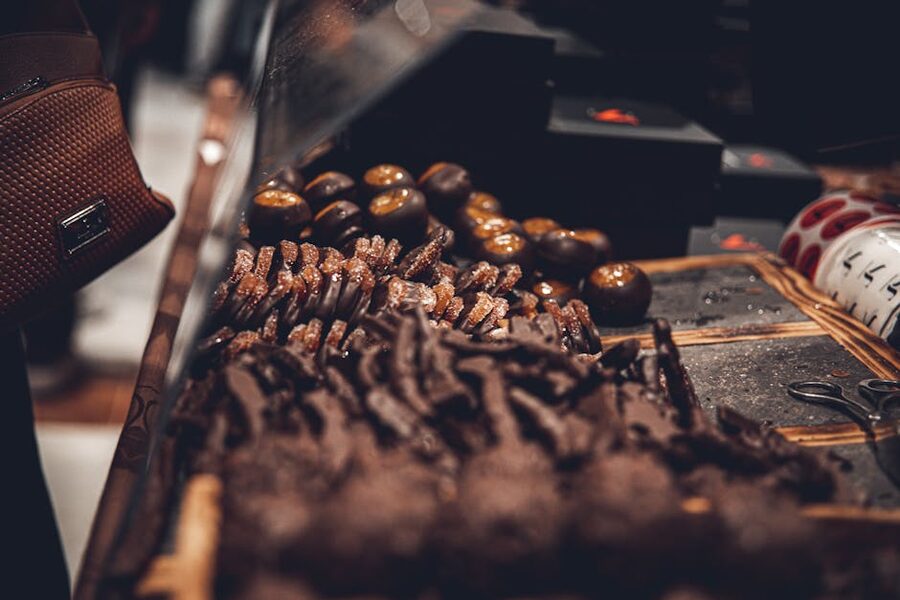
The beer stops, in roughly the order tours visit them
Belgium has more beer styles than France has wine regions. That’s not marketing. It’s a real claim with real numbers behind it. A guided tour does the filtering for you, so you spend three hours sampling actually distinct styles instead of drinking five pilsners that all taste roughly the same.
De Halve Maan brewery
The only working brewery inside the city walls of Bruges. Family-owned since 1856, currently on the sixth generation, and they brew Brugse Zot and Straffe Hendrik on site. Most beer and chocolate tours include either a quick stop on the courtyard for a beer or a longer guided visit through the brewery itself. The longer version, with the rooftop view, is genuinely worth it. The shorter version is fine but you’re missing the best part. Ask before booking which version your tour includes.
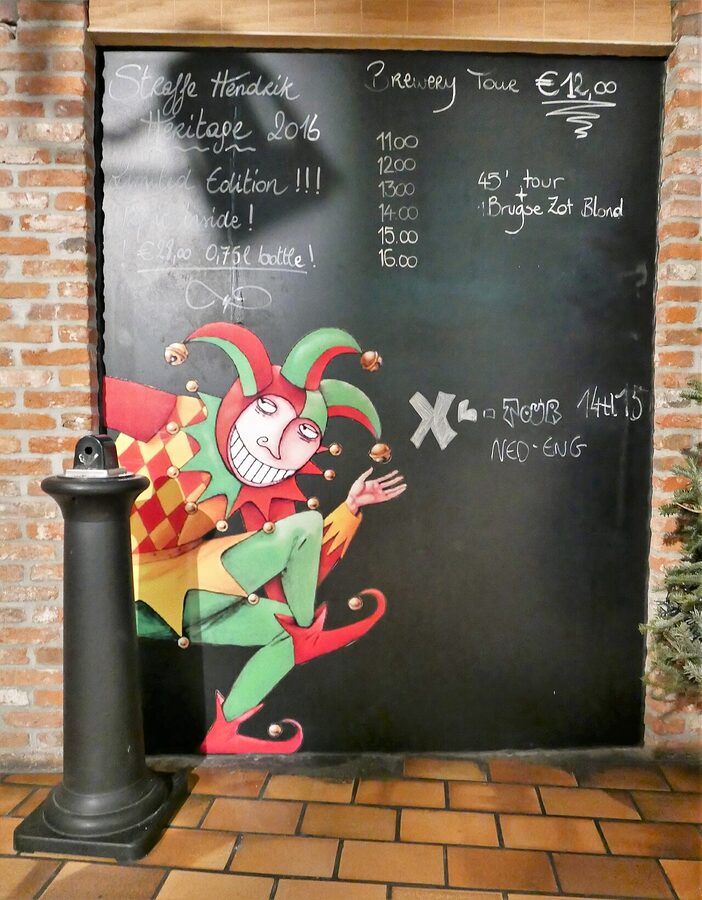
_in_Br%C3%BCgge,_Belgien_-_Eingangsbereich.jpg)
De Garre
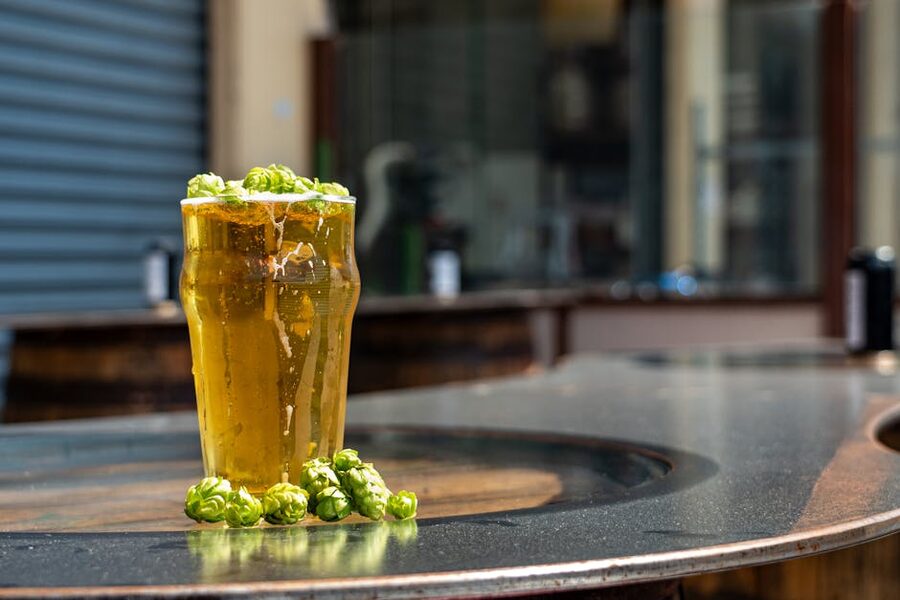
Tucked down an alley between Breidelstraat and the Burg, De Garre is the kind of pub you’d walk past forever without finding. The alley is so narrow that the address is “the alley between number 5 and number 7.” Inside, two floors, low ceilings, candle on every table. They serve a house triple beer at over 11% ABV, and they cap you at three glasses because more would actually be dangerous. Most tour guides take a small group up to the second floor, where it’s quieter, and pour the house triple alongside cubes of Bruges cheese.
Bruges Beer Museum and tasting room
Some tours, particularly the BeerWalk, start or end at the Bruges Beer Museum on Markt. It’s not a museum-museum, it’s more of a guided tasting venue with exhibits attached. If your tour includes this, expect an audio walk-through followed by a sit-down sampling of three to five beers. Decent, not essential. The tour guides usually skip the audio and head straight to the tasting bar.
‘t Brugs Beertje
Locals’ pub. 300+ Belgian beers on the menu. Not on every tour itinerary, but if you ask your guide where they personally drink, this is usually the answer. Worth heading back to on your own time if you finish the tour with energy left.
What it costs and when to book
Group tours run $54 to $80 per person depending on inclusions. Private tours run $130 to $250 per person, falling fast as your group size grows. The premium private food tour ($163) drops to about $80 per person if there are four of you, which suddenly makes it competitive with the group options.
Booking windows: weekends in summer fill up about a week ahead. Weekdays in summer, two or three days. Anything from October to April you can usually book the day before. Christmas market season (mid-November to early January) is the exception, when even weekdays fill up fast because of the day-trippers from Brussels and Ghent.
Cancellation policies vary. GetYourGuide tours generally allow free cancellation up to 24 hours before, with full refund. Viator is similar but check the specific tour page, since some private tours have stricter terms. If you book a private tour and your flight gets delayed, contact the operator directly. Most are flexible if you give them notice.
What to wear, what to bring, what to skip
Comfortable shoes are non-negotiable. Bruges cobblestones are uneven, often wet, and three hours of walking on them is harder than it sounds. Heels are a bad idea. Trainers or any low-profile walking shoe work fine.
Layers. The brewery courtyard is outdoor or semi-outdoor at De Halve Maan. The chocolatiers are warm. The pubs are warm but you’ll walk between them. April through October, a light jacket usually does it. November through March, an actual coat.
You don’t need to bring water, snacks, or anything else. The whole point is consumption. If you’re a heavy water drinker, the guides will get you tap water on request at the pub stops, but bringing your own bottle for a 3-hour tasting tour is overkill.
Dietary restrictions and allergies
Tell the operator at booking, not on the day. Most chocolatiers can substitute dark chocolate for milk if you don’t do dairy. Vegan options are harder, since traditional Belgian pralines are dairy-heavy by definition, but a few of the artisan shops now make vegan ranges. If your tour includes a praline-making demo, ask whether the chocolate base is dairy-free.
For beer, gluten-free options exist but they’re limited. If you can’t drink gluten, the BeerWalk specifically can substitute fruit lambics or some of the few gluten-removed Belgian beers, but you’ll get fewer samples. Worth flagging in advance so the guide can plan around it.
Children: most beer and chocolate tours don’t accept kids under 18 due to the alcohol component. The 2-Hour Medieval Walk and Chocolate Tasting we mentioned earlier is the family-friendly alternative, since the alcohol is optional or absent.
Why Bruges does this so well
Belgian chocolate as a thing dates back to 1635, when Spanish settlers brought cocoa to Brussels. But Bruges specifically became a chocolate town because of trade. The harbour silted up in the 15th century, the city went into a long economic sleep, and what saved it was tourism in the 19th and 20th centuries. Tourism plus chocolate is a marriage of convenience that turned into a tradition.
The beer story runs longer. Belgian monks were brewing in the 11th century. The country has six designated Trappist breweries today, four of them within easy day-trip distance of Bruges. The local pub culture grew up around these monastic traditions, which is why even a modern Bruges pub serves beers in glasses shaped to specific styles, with rituals around how you pour and what temperature you serve.
Bruges itself was wealthy enough during its medieval peak to import everything: spices, silks, exotic foods, and the precursors to modern brewing techniques. The city was the financial hub of northern Europe in the 14th century. When the trade collapsed and the harbour silted, the food and drink culture stayed. That’s why a beer and chocolate walking tour today still feels like it’s drawing on something old, rather than something invented for tourists last decade.
Common questions before you book
Is the tour worth it if I’m only in Bruges for a day?
Yes, with a caveat. If you’re day-tripping from Brussels or Ghent, the math is tight. A Bruges day trip plus a 3-4 hour tasting tour leaves you almost no time for anything else. Better to either base yourself in Bruges overnight or accept that you’ll do the tour and miss the museums. If you only have one day and want both city sightseeing and chocolate, look at the how to visit Bruges from Brussels guide for ways to combine the two.
Do I need to speak Dutch or French?
No. Every tour I’ve recommended runs in English. The chocolatiers and pub owners deal with English-speaking visitors all day. You’ll be fine.
Can I do this tour and still drive that evening?
Probably not. Even on a tasting tour where you don’t drink full pints, you’ll have the equivalent of two to three small beers spread over three hours. Belgian beer is also stronger than most American or British beer, often 7-9% ABV. Plan to walk back to your hotel or take a taxi.
What if I don’t like beer?
The beer and chocolate tours generally let you skip beer samples without changing the price meaningfully. The chocolate-only walking tours like the 2-Hour Medieval Walk and Chocolate Tasting are a better fit if beer isn’t your thing. You’ll save about 90 minutes and $20.
What’s the difference between this and the Choco-Story museum?
Choco-Story is a sit-down chocolate museum with audio tours and a single chocolate-making demo. It’s a one-stop indoor experience, good for families, runs maybe 90 minutes total. A walking tour gets you across multiple actual shops, the streets between them, and pubs. They’re complementary rather than competing. Our Choco-Story guide covers the museum side in detail if you want both on the same trip.
If you’ve done the beer and chocolate tour and want more
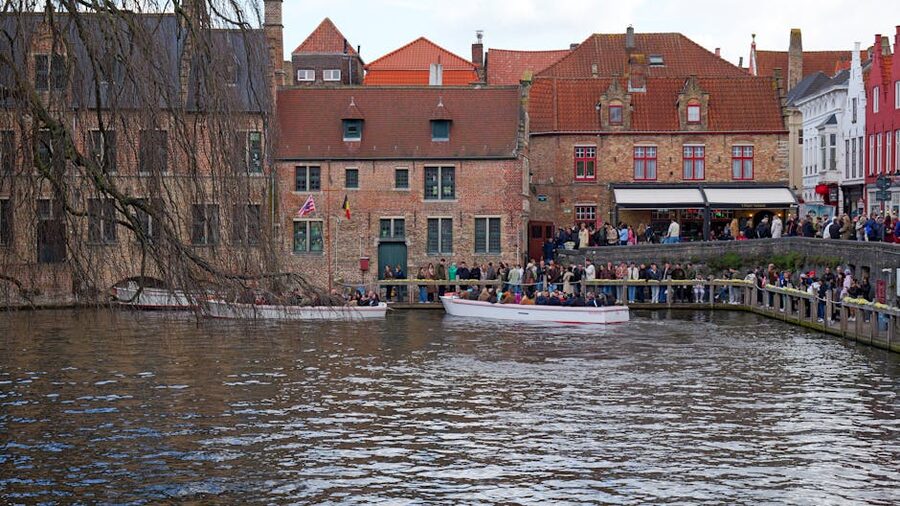
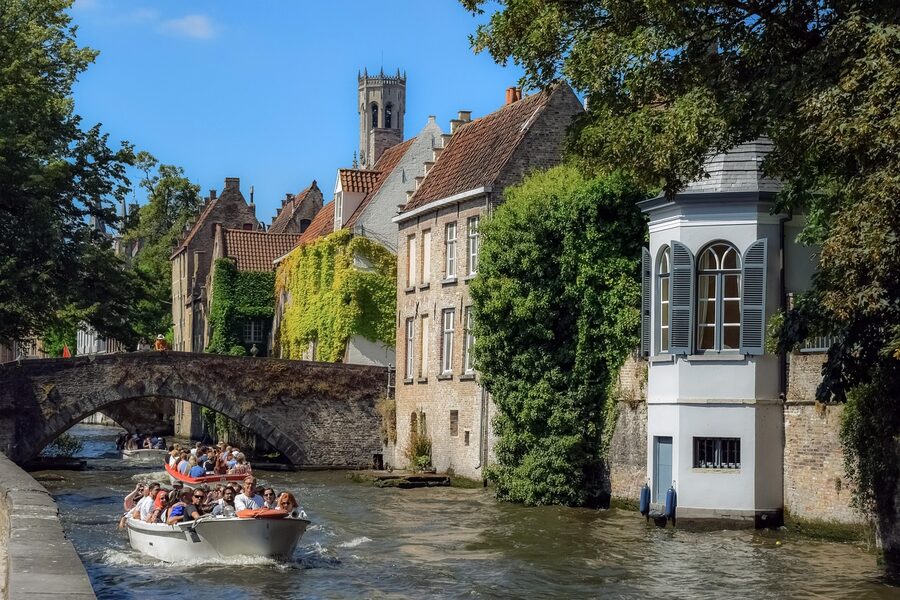
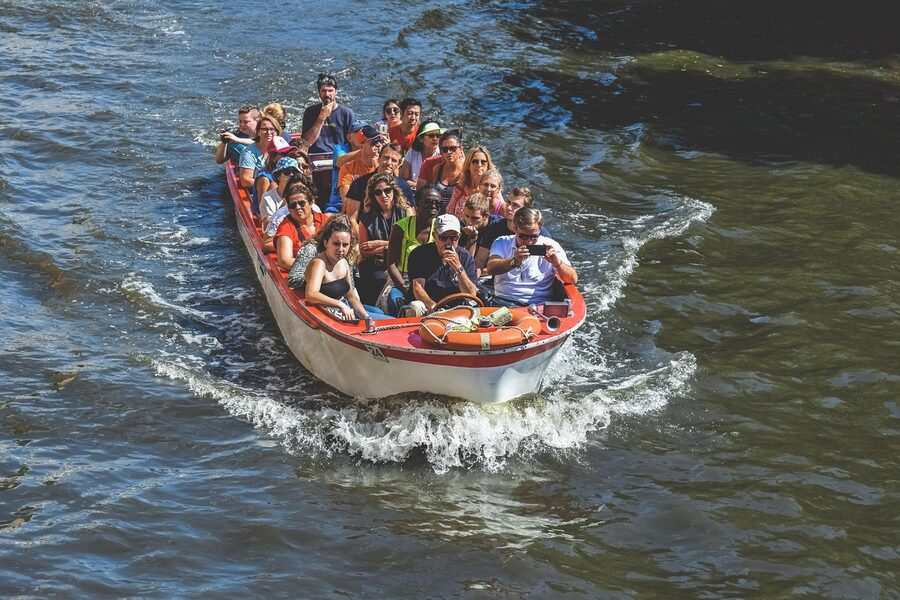
Bruges is small enough that one good tour gives you the lay of the land for the rest of your stay. After this one, the obvious add-ons are a canal boat ride (you’ve seen the routes already from above), a longer historical walking tour (your guide will have name-dropped enough buildings to make you curious), and a day trip to Ghent or Antwerp. Our Bruges boat and walking tour guide covers the combined option, and our Antwerp walking tour piece handles the next-city question for travellers heading on. If you’re staying based in Brussels, the Brussels walking tour and the Brussels pub crawl pair well with what you’ve just learned about Belgian beer here. Beer tradition runs across the whole country, not just Bruges, and a Brussels evening tasting will give you contrast against the Bruges artisan style. The Brussels chocolate tour covers the same product from a city-of-origin angle, since most of the Belgian chocolate tradition was born in Brussels before Bruges turned it into the postcard version. And if you’re chasing one final souvenir purchase, the Choco-Story Brussels museum has the largest chocolate gift shop attached to it of any single venue in the country.

_20180628.jpg)
,_Macarons_--_2018_--_8475.jpg)
Affiliate disclosure: This article contains affiliate links to GetYourGuide and Viator. We may earn a small commission if you book through them, at no extra cost to you. The recommendations are based on our own product research and review database, not the commission rates.