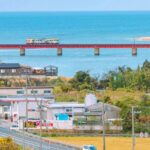
Miyajima’s great torii gate changes character with the tide: at high water it appears to float offshore, while at low water you can approach it on foot. This full-day outing pairs that striking sight with Itsukushima Shrine, old temple grounds, a ferry crossing, and a mountain climb.
I like that the guide connects Shinto and Buddhist sites instead of treating them as a checklist, and that the day includes time for Miyajima’s oysters, conger eel, and momiji manju. The ropeway and Mt. Misen walk add a very different view of the island and the Seto Inland Sea.
The trade-off is a long day with plenty of walking, including a steep hike beyond the ropeway. The schedule can also shift with weather, transport, or crowds, so this suits you best if you can adapt rather than hold tightly to a minute-by-minute plan.
- What makes this Miyajima day trip worthwhile
- Start at Hiroshima Station, then cross to the island
- Senjokaku Pavilion: an unfinished shrine with a wide view
- Itsukushima Shrine and the torii at changing tide
- Daisho-in Temple: a different side of Miyajima
- Free time for oysters, conger eel and momiji manju
- Ropeway to Mt. Misen, then a demanding walk
- How much time and money should you plan for?
- Who should book this tour?
- Should you book?
- FAQ
- Where does the tour meet?
- What is included in the price?
- Are meals provided?
- Can I see the O-torii gate at both high and low tide?
- How strenuous is the Mt. Misen walk?
- Can children join the tour?
- What is the cancellation policy?
- The Best Of Japan!
- More 1-Day Tours in Japan
- More Tours in Japan
- More Tour Reviews in Japan
What makes this Miyajima day trip worthwhile
 1 / 8
 2 / 8
 3 / 8
 4 / 8
 5 / 8
 6 / 8
 7 / 8
 8 / 8
- The torii gate looks different with the tide. The guide plans the visit to catch high and low water when conditions allow, giving you two distinct ways to see the landmark.
- Three major religious sites give the island context. Senjokaku Pavilion, Itsukushima Shrine, and Daisho-in Temple introduce different layers of Japanese religious life.
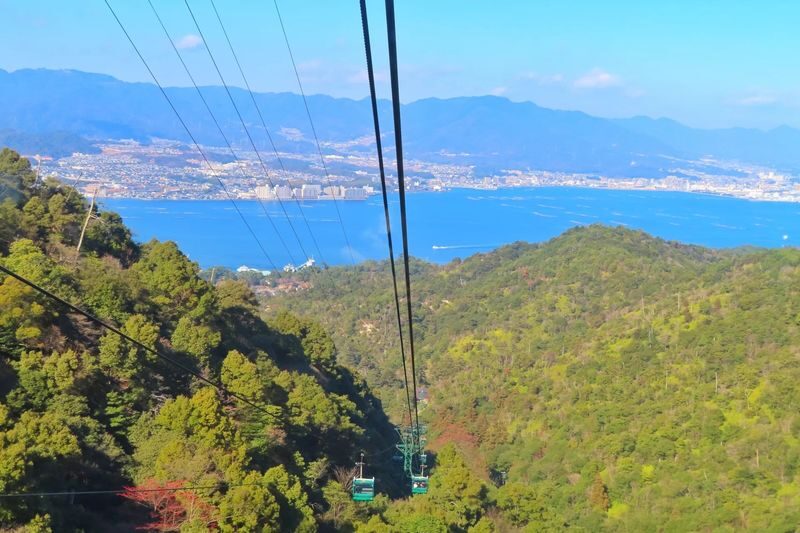
- The ropeway is only part of the mountain outing. You’ll ride up Mt. Misen, then walk toward the summit viewpoint. The final stretch is steep, but the sea views are the reward.
- Miyajima’s local food is part of the day. Oysters, conger eel, and momiji manju are regional specialties to look for during your free time.
- A guide helps you adjust to crowds. Guides such as Isabella, Miki, Koh, and Shin have been noted for clear explanations, patient pacing, and changing the order of stops when queues grow.

👉 See our pick of the 14 Fantastic Tours In Japan
Start at Hiroshima Station, then cross to the island
The tour begins at 9:00 beneath the Tourist Information sign outside the Shinkansen gates at Hiroshima Station. Look for the guide holding a Snow Monkey Resorts sign. The meeting point is specific, so give yourself time to find it; late arrivals and no-shows are not refundable.
From there, transport and the ferry crossing are part of the guided day. The ferry ride is a highlight in its own right, with views of Miyajima coming into focus across the water. It also makes the island’s separation from the mainland feel immediate, without requiring you to arrange each leg on your own.
The return is scheduled for 18:10 at Hiroshima Station, in front of the Shinkansen gates. That makes the tour a practical choice if you’re staying in Hiroshima and want a full island day without planning the transit chain yourself. The exact schedule can change with traffic and weather.
You can also read our reviews of more tours and experiences in Japan
Senjokaku Pavilion: an unfinished shrine with a wide view
The first island stop is Senjokaku Pavilion, also known as Hokoku-jinja. Despite its name, the large wooden building is an unfinished shrine pavilion. Its open interior and broad floor plan give you room to pause, look out toward the island, and hear how the guide places the building in its historical and religious setting.
This is a useful first stop because it eases you into Miyajima’s mix of sacred sites and scenic views. The pavilion is less polished than a fully completed hall, and that is part of its interest: the unfinished structure is still standing, rather than being hidden away or tidied into a neat story.
Itsukushima Shrine and the torii at changing tide
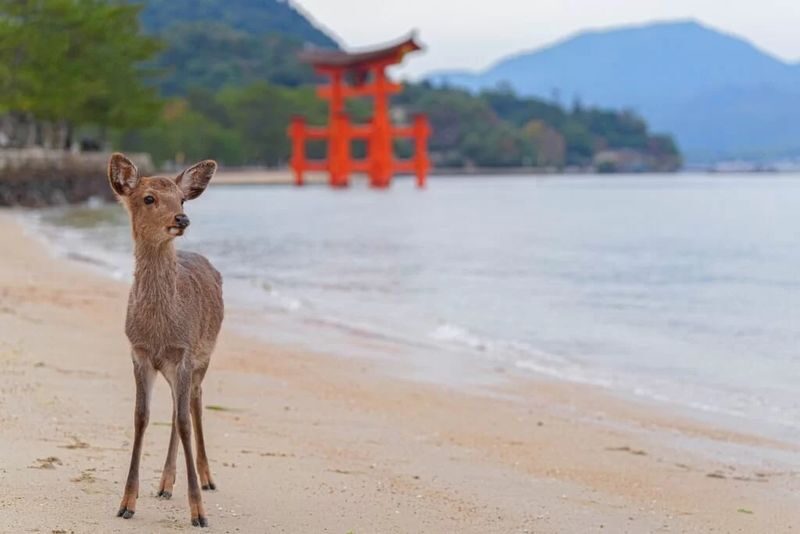
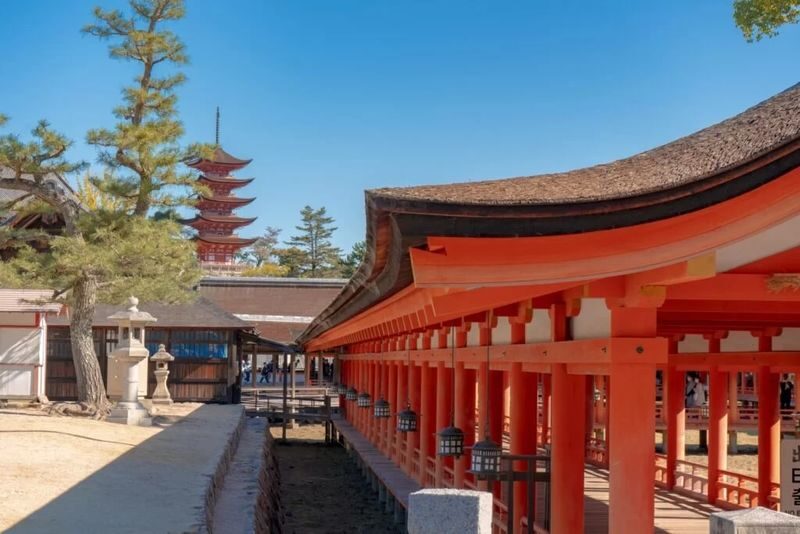
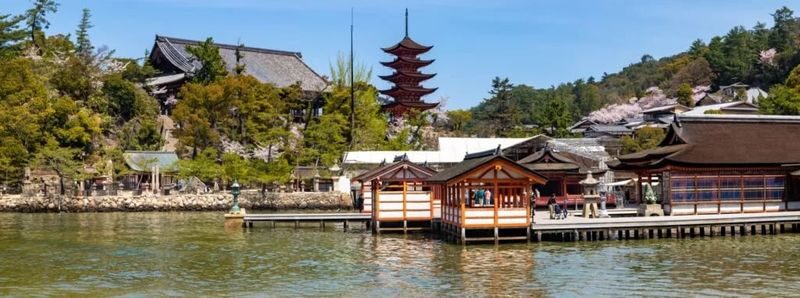
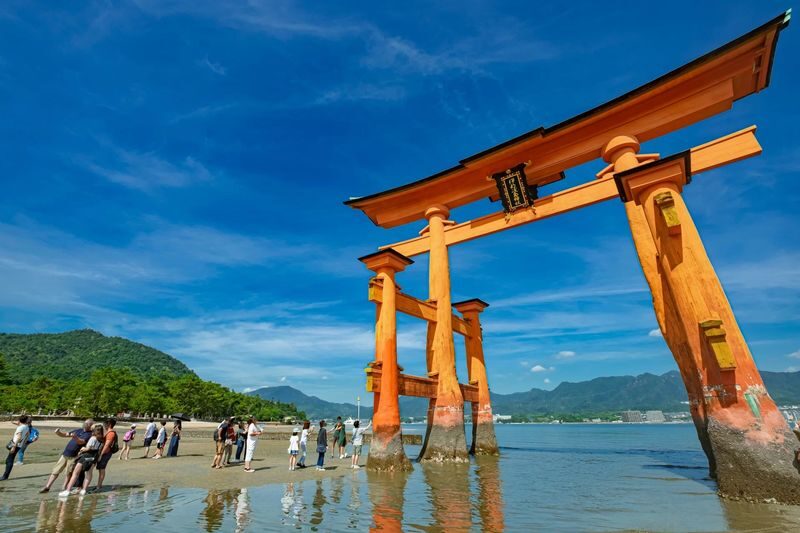
At Itsukushima Shrine, your guide explains Shinto, Japan’s indigenous religion, and the shrine’s history. The setting is what makes the visit memorable: the buildings sit beside the water, with the great O-torii gate offshore. The tide changes the scene dramatically, and the tour aims to show the gate at both high and low water.
At high tide, the gate appears to rise from the sea. At low tide, you can see it from much closer on exposed ground. Tide timing depends on the day, and a crowded date can mean long queues for the shrine itself. The guide may change the order of activities to manage wait times, or offer options such as enjoying a nearby beach instead of standing in a lengthy line.
That flexibility is useful, but it is worth keeping expectations realistic. A busy holiday can bring heavy crowds, and no schedule can make them disappear. If seeing the shrine interior is essential to you, tell your guide and be ready to spend time waiting.
Daisho-in Temple: a different side of Miyajima
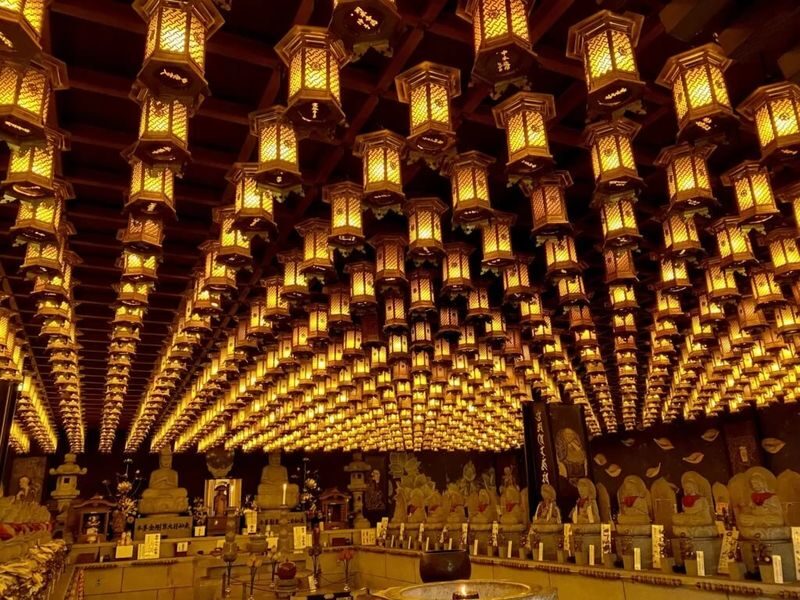
Daisho-in is a prominent Shingon Buddhist temple, a short walk from Itsukushima Shrine. The contrast between the shrine and temple gives the day more substance: you are not just looking at two photogenic buildings, but learning how Shinto and Buddhism appear in distinct places on the same island.
A guided visit helps you notice details you might otherwise pass by. You can ask questions as you walk, and the guide can explain the temple’s place in Japanese Buddhism. The stop is also a change of pace from the water’s edge, though it still involves walking and standing on your feet.
The tour’s value lies partly in this context. Miyajima is easy to admire on your own, but connecting its religious sites takes more than a quick photo stop. An English-speaking guide can help make the symbolism and history legible without requiring you to arrive with background reading.
Free time for oysters, conger eel and momiji manju
The schedule includes free time before the afternoon ropeway outing. This is your chance to eat, browse, and enjoy the island at your own pace. Oysters and conger eel are two local specialties worth considering, while momiji manju, a maple-leaf-shaped sweet, makes an easy snack or souvenir.
Meals and drinks are not included, so budget separately. That gives you control over what and where you eat, but it also means the day’s total cost will be higher than the tour price alone. If food is a priority, use the free period thoughtfully rather than assuming the guide will provide a set meal.
Wild deer roam the island and are another part of Miyajima’s everyday appeal. You may see them while moving between sites. Enjoy the encounter, but remember that the island is their home, not a petting zoo.



Ropeway to Mt. Misen, then a demanding walk
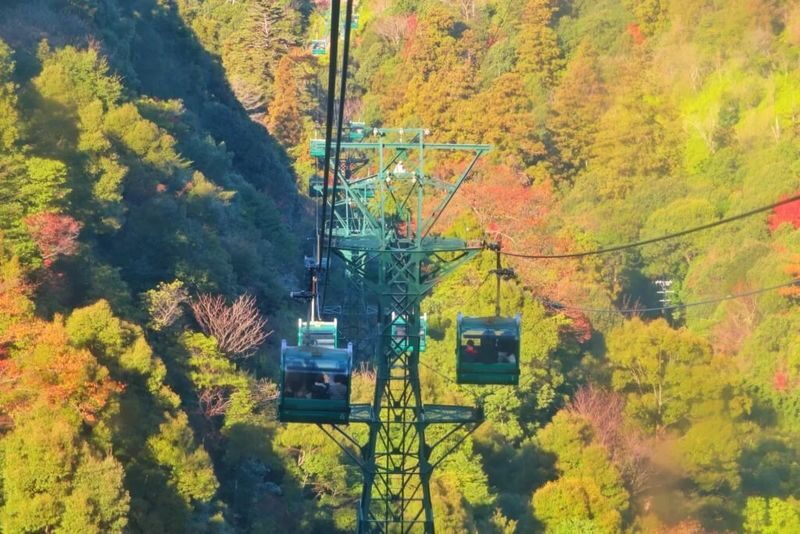
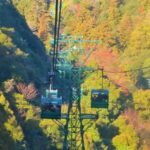
At about 14:15, the main afternoon outing heads to Mt. Misen, Miyajima’s highest point. You ride the Miyajima Ropeway with the guide, taking in views across the island and the Seto Inland Sea from the cable car. The elevated ride is scenic, but it does not remove the need to walk if you want to reach the summit viewpoint.
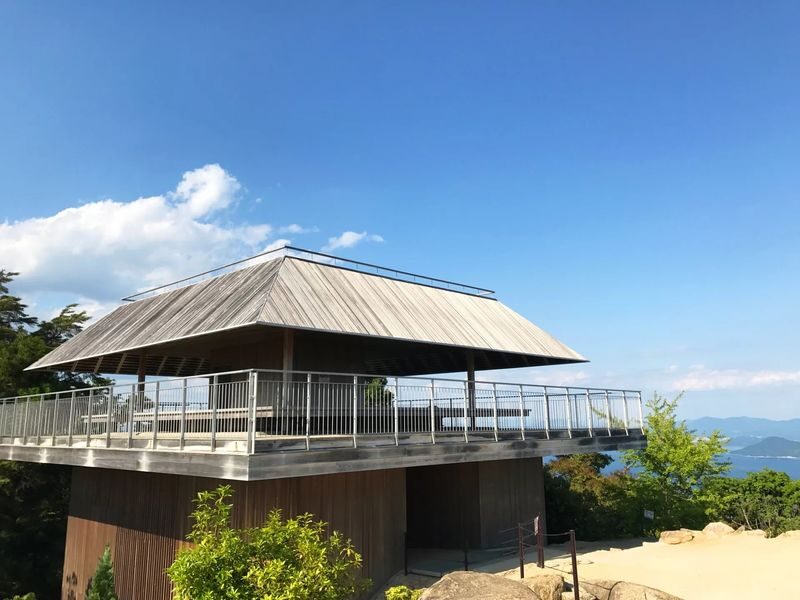
From the ropeway area, the final hike to the observatory takes roughly 30 minutes each way and is steep. People who are reasonably comfortable with uphill walking are more likely to enjoy this section; it can feel strenuous if you are short on time, tired, or unsteady on a climb. One helpful quality noted about guides on this route is their patience and encouragement when someone needs to go at a slower pace.
The view from the top is the payoff: a broad sweep of the Seto Inland Sea and the islands around Miyajima. Still, do not treat the mountain as a casual add-on. Wear shoes suited to walking and save some energy for the return, especially after a morning of shrine and temple visits.
How much time and money should you plan for?
The tour runs from 9:00 to about 18:10, so set aside the full day. It is a guided group outing, but group size can vary. Some departures have been as small as one couple or a group of four; a small party is possible, not guaranteed.
Prices are shown from $156.99, while the Hiroshima Station package is listed from $176.99. Check the price for the exact option and date you select. The package includes transport, admission to attractions, and an English-speaking guide. It excludes meals, drinks, accommodation, hotel pickup and drop-off, and personal expenses.
That price can make sense if you value having transport, admissions, and an informed guide arranged together. The guide’s contribution is especially useful when the island is crowded or the timing of the tide matters. If you prefer to linger freely at each stop, plan your own meal, or skip the mountain, a self-guided visit may give you more control. This tour’s value is strongest for someone who wants a structured day that covers the island’s main religious sites and mountain views.
Who should book this tour?
I’d consider this tour if you have one day for Miyajima and want the island’s main sights explained in context. It suits visitors who enjoy a mix of cultural stops, local food, wildlife, and an active afternoon outdoors. Families can join, but children must be included in the passenger count, and children aged 13 and over pay the adult rate.
It is less suited to anyone who wants a relaxed, low-walking day or dislikes changing plans around crowds and weather. The ropeway helps with the ascent, but the walk toward the summit is still a real hike. The schedule also leaves limited room to spend as long as you like at any one stop.
Before booking, think about what matters most to you: shrine time, the mountain, or a guided overview of the whole island. The tour is designed to combine all three, so flexibility helps. The voucher is valid only for the date and time selected, and luggage storage and delivery are not provided.
Should you book?
Book this if you want a well-organized day from Hiroshima that joins Miyajima’s shrine and temple visits with the ferry, local food time, and Mt. Misen views. Its strongest points are the guide’s cultural explanations and the chance to see the torii in different tidal conditions.
Skip it if you want to set your own pace, avoid a steep walk, or spend the day only at the shrine and waterfront. For most active visitors with limited time, the guided format offers good value, especially when a busy day makes local timing and crowd management useful.
1-Day Miyajima Tour: One of Japan’s Most Scenic Spots
“Isabela was the kindest and most incredible guide we could have had-full of energy, she took us to the best spots in Miyajima and gave us a histori…”
FAQ
Where does the tour meet?
Meet at 9:00 beneath the Tourist Information sign outside the Shinkansen gates at Hiroshima Station. Look for a guide holding a Snow Monkey Resorts sign.
What is included in the price?
The tour includes transport, attraction admission, and an English-speaking guide. Meals, drinks, accommodation, hotel pickup and drop-off, and personal expenses are not included.
Are meals provided?
No. You have free time to find food, and local specialties include oysters, conger eel, and momiji manju.
Can I see the O-torii gate at both high and low tide?
The tour aims to show the gate in both conditions. The view changes with the tide, and the precise timing depends on the day’s schedule.
How strenuous is the Mt. Misen walk?
After riding the ropeway, expect a steep walk of about 30 minutes each way between the ropeway area and the observatory. The hike is in addition to the day’s other walking.
Can children join the tour?
Yes. Infants and children must be included in the passenger headcount. Children aged 13 and over are charged the adult rate.
What is the cancellation policy?
A full refund is available if you cancel at least 24 hours before the activity date, using the destination’s local time.