
Rabbit Island makes an unusual partner for Takehara’s quiet merchant streets. On Okunoshima, wild rabbits share the island with old ruins and a past that gives this pretty coastal stop a more serious edge.
I like two things here: the contrast between Edo-period streets and island scenery, and the practical help of an English-speaking guide on a route involving public transport and a ferry. Guides named Isabella and Sima have led recent tours, with clear explanations and help keeping connections on track.
The main consideration is the long day. You leave Hiroshima at 8:00 AM, return around 5:30 PM, walk outdoors for several hours, and pay separately for meals. The price may also feel high if you are comfortable planning the route yourself.
- Takehara’s preserved district offers a calm walk past historic buildings from the town’s merchant past.
- Okunoshima is more than rabbits: the guided island walk includes old ruins and background on the island’s history.
- The ferry crossing is short, but the public-transport connections make having a guide useful.
- You get a full day away from Hiroshima, with an early start and an expected return at 5:30 PM.
- Bring weather-ready walking gear: the tour spends several hours outside, and summer heat can be intense.
- Meals are not included, so plan to buy lunch during free time on Okunoshima.
- From Hiroshima Station to Takehara’s Old Streets
- Takehara’s Preserved Edo-Period Townscape
- Crossing to Okunoshima’s Rabbit Island
- Coastal Views, Ruins and Free Time
- What the Day’s Pace Feels Like
- Price, Inclusions and Whether the Help Is Worth It
- What to Pack for a Day Outdoors
- Who Will Enjoy This Day Most
- Should You Book the Takehara and Rabbit Island Tour?
- FAQ
- Where does the tour meet in Hiroshima?
- What time does the tour start and return?
- Is an English-speaking guide included?
- Are meals included?
- How much walking should I expect?
- Can children join the tour?
- Is luggage storage provided?
- More Tour Reviews in Takehara
From Hiroshima Station to Takehara’s Old Streets
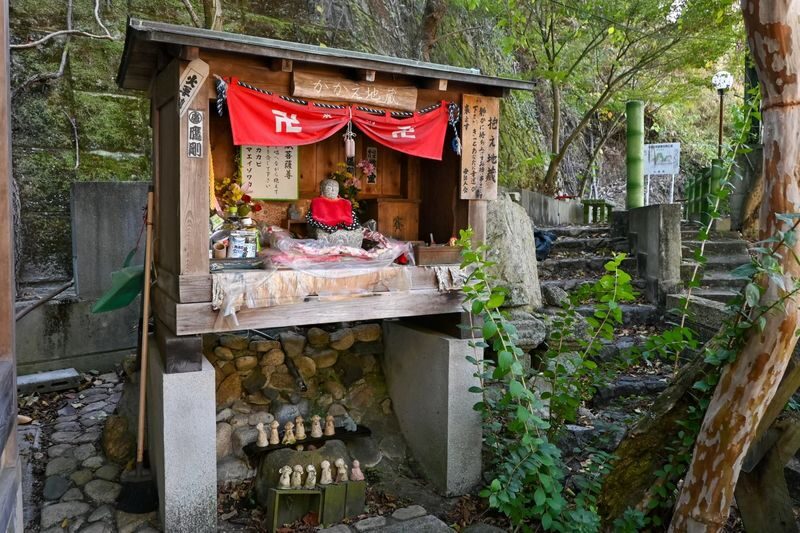
The tour starts at 8:00 AM at JR Hiroshima Station, outside the Shinkansen gates, beneath the Tourist Information sign. Arrive 10 minutes early. The group travels by public transportation, and a transport card is included, so you do not have to work out every fare and connection on your own.
That detail matters. Takehara and Okunoshima make a rewarding day out, but the route involves transport links and a ferry rather than one simple direct ride. A guide can keep the day moving and explain what you are seeing along the way. Several people have praised guides Isabella or Isabelle and Sima for clear explanations, good timing, patience and practical help, but the guide on your date may be someone else.
The schedule gives you roughly two and a half hours in Takehara before the next part of the day. The precise timing can change with traffic or weather, so treat the listed hours as a plan, not a promise. You are using public transport, not a private vehicle for the full route.
Takehara’s Preserved Edo-Period Townscape
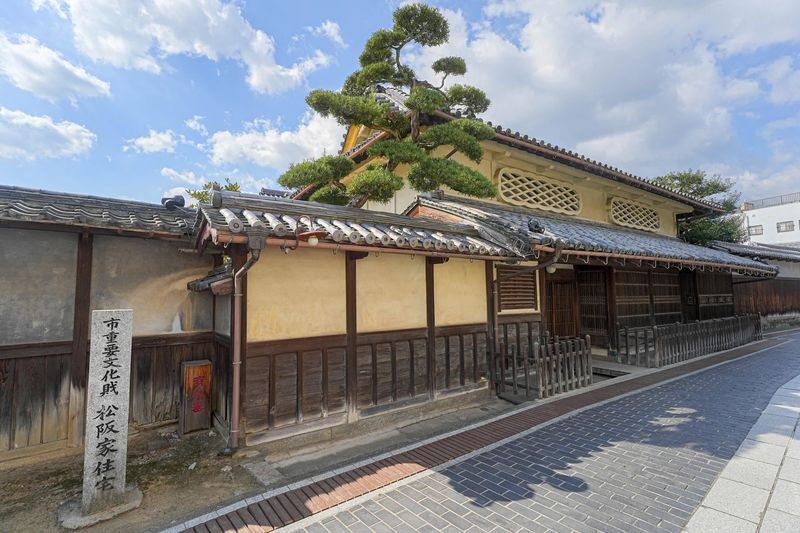
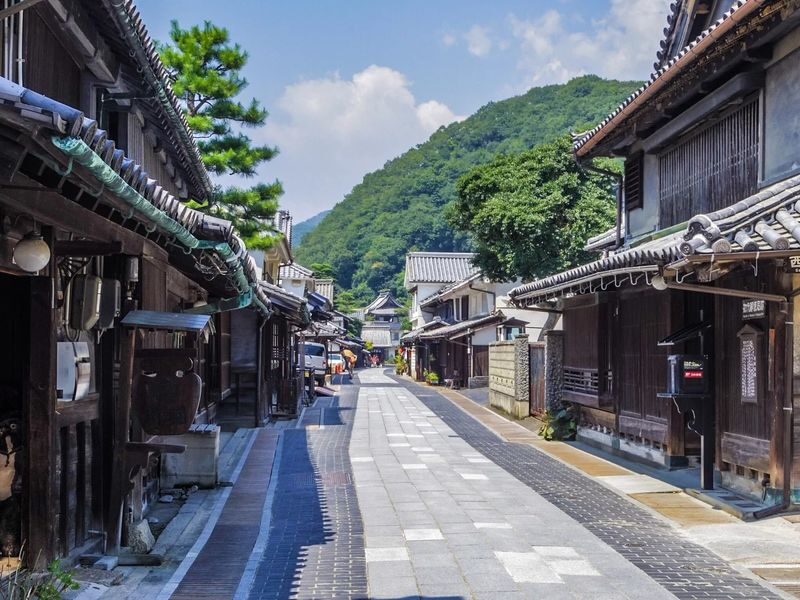
Takehara is often called Hiroshima’s Little Kyoto, and its appeal is less about grand monuments than the feel of a former port and merchant town. The town once prospered through sake and salt production. The guided walk through the Townscape Conservation Area gives you a chance to read that history in its preserved buildings and streets.
You will tour historic structures and learn how the town developed. The old-Japan atmosphere is a welcome change from Hiroshima’s city streets, and the district offers plenty of appealing views for photos. It is also a good place to slow down: the visit is a walking tour, not a quick stop to snap one landmark and rush back to a bus.
The guide’s context is part of the value here. A preserved building can be pleasant to look at on its own, but details about the town’s past give the streets more meaning. Takehara’s history as a port town, and its ties to salt and sake production, help explain why this small coastal city grew and what its historic district preserves.
There is a practical limit, though. The tour allots a set window for the district, and you are sharing a full-day schedule with another major stop. If you want to linger over every lane, visit shops at length or explore at your own pace, an independent visit may suit you better.
You can also read our reviews of more tours and experiences in Takehara.

Crossing to Okunoshima’s Rabbit Island
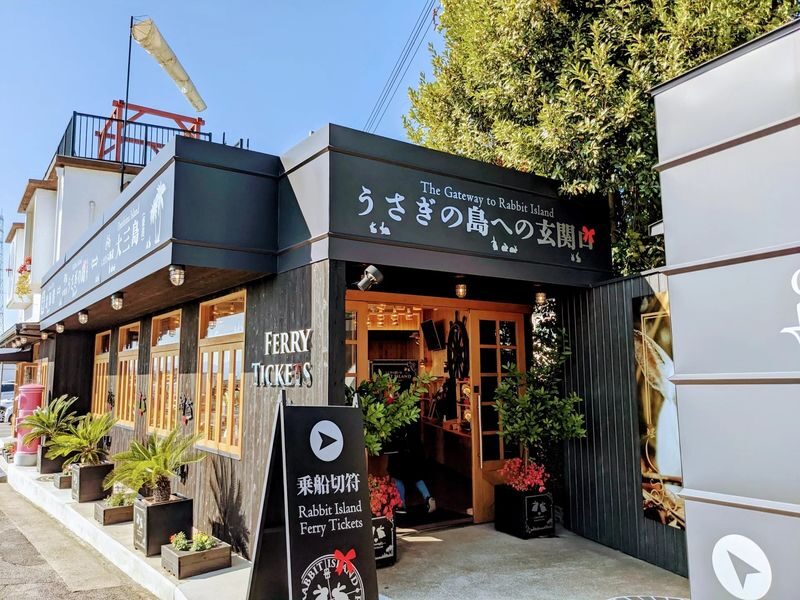
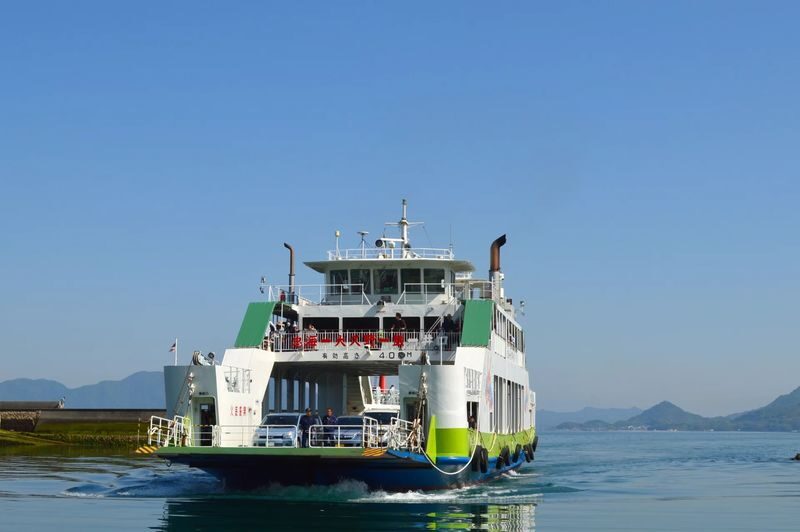
After Takehara, the route continues to Okunoshima by ferry. The crossing is short, but it marks a clear change of scene: from historic streets to an island edged by the Seto Inland Sea. Your guide leads a walk around the island and its old ruins before you have free time and lunch.
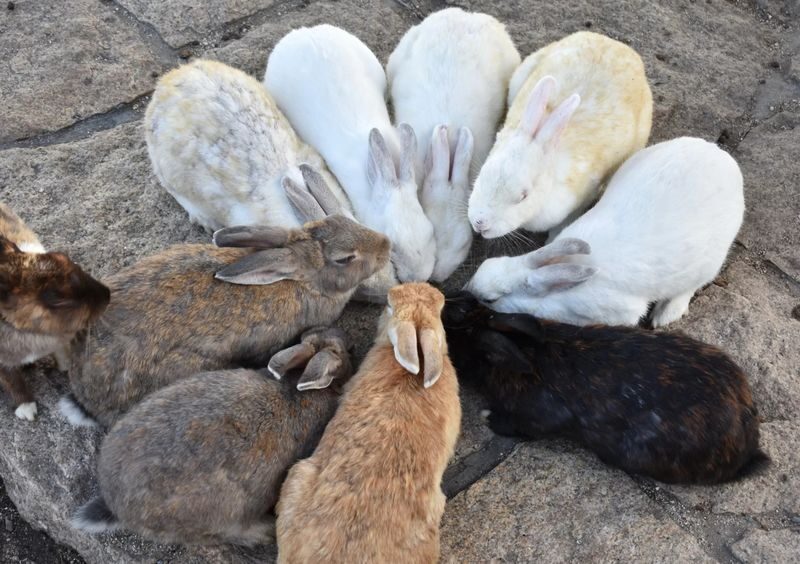
The rabbits are the island’s famous draw. You can see them around the island and, where permitted, greet and feed them. Some visitors buy raw vegetables on the island, while cabbage and carrots have also been suggested as possible treats. Check local rules before feeding any animal, and follow posted guidance so the rabbits’ welfare comes first.
The close encounters are a big part of the fun, especially for families. The rabbits are wild, so the experience is not a petting zoo with a guaranteed animal at every stop. Their presence can make the walk feel playful and spontaneous, but keep expectations flexible and give them room.
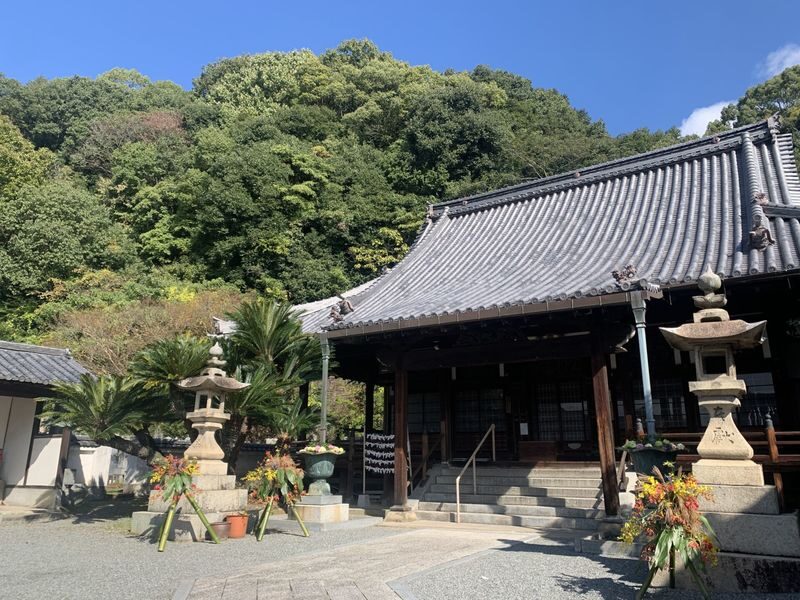
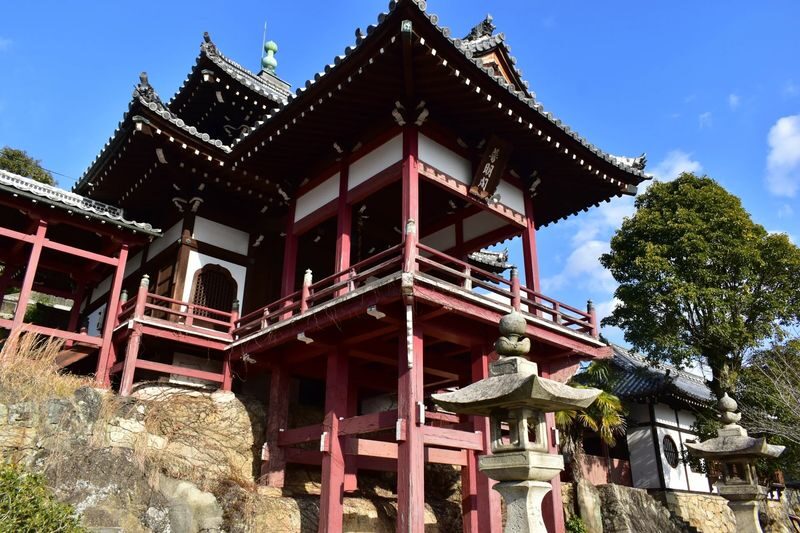
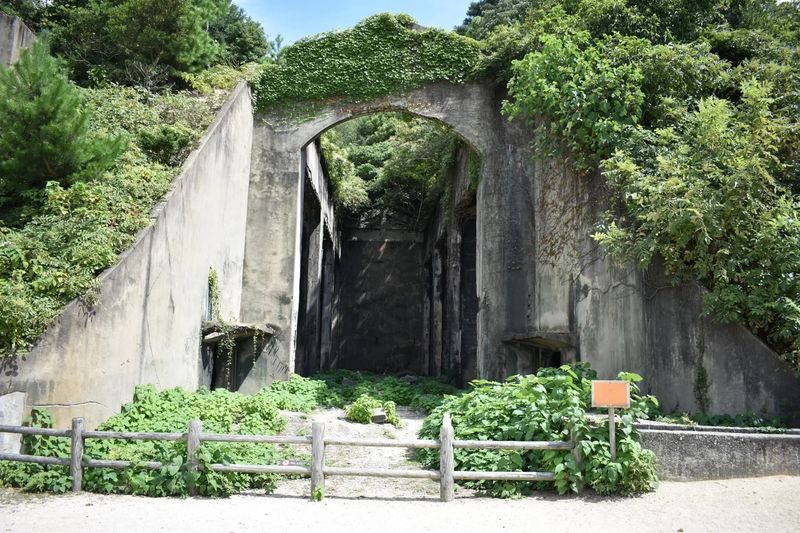
The island is not only a cute-animal outing. The tour includes old ruins and an explanation of Okunoshima’s history, including the darker past hinted at by the island’s abandoned remains. The available details do not specify each ruin or the full historical account, so the guide’s explanation is the best way to understand what you are looking at on the day.
Coastal Views, Ruins and Free Time
Okunoshima’s coastline gives the day some breathing room. As you walk, you can look out across the Seto Inland Sea, with open views and sea air far from Hiroshima’s urban center. The mix of shoreline, ruins and rabbits is unusual, and it keeps the island visit from feeling like a single-purpose animal stop.
The guided walk is followed by free time and lunch. That pause is useful after the morning’s transport and walking, and it gives you room to spend longer with the scenery or rabbits. It is also the time to arrange your own meal, since food and drinks are not included.
Do not assume the island visit is all sitting and feeding rabbits. The tour involves several hours of outdoor walking over the course of the day, and the island portion includes a guided route. Wear shoes you can walk in comfortably, and bring a light rain layer or umbrella if the forecast calls for rain.
Some people have wished for more time on Rabbit Island. That is worth considering if rabbits are your main reason for booking. The itinerary balances Takehara, transport, the island walk and free time, so it does not promise a full day on Okunoshima alone.
What the Day’s Pace Feels Like
The planned day runs from 8:00 AM to about 5:30 PM. Takehara is scheduled for around 9:40 AM, followed by Okunoshima at about 12:15 PM. The return time is listed as 5:30 PM, though traffic and weather can affect the schedule.
The pace sounds structured, but not necessarily rushed. People have described time for restroom breaks, meals and waiting, and some small groups have been able to set a relaxed pace. Group size can vary: one date had a single participant, while other groups ranged from a handful of people to around eight. Do not book expecting a private tour, even though a small group is possible.
A guide can be especially useful if you are nervous about navigating the route, want historical explanations, or prefer someone to manage the sequence of buses, trains or ferry connections. One guide even helped a participant sort out a return-journey appointment mix-up. That kind of practical support is hard to price, but it can make a long day feel much easier.
At the same time, this is not a private-car tour. You use public transportation, so the day depends on the transport schedule and may involve waiting or walking between stops. If you prefer complete control over departure times and how long to stay at each place, independent travel offers more freedom.
Price, Inclusions and Whether the Help Is Worth It
The tour is advertised from $146.89, while the Hiroshima package is also shown from US$166.89. Prices can vary by option and date, so check the final booking amount before paying. At either quoted starting price, it is a considered purchase rather than a casual add-on.
The fee includes transport, a transport card, admission to attractions and an English-speaking guide. Meals, drinks, accommodation and personal spending are extra. You are paying not just to reach the two destinations, but for a guide to connect their history and help you handle a day with several transport stages.
The value depends on how you travel. If you are confident using Japanese public transport, researching schedules and organizing the ferry, you may be able to make the journey independently. One visitor considered the tour expensive for a route that can be done without a guide. That is a fair point.
But if you want a guide to explain Takehara and the island’s past, keep the connections organized, and make the trip less daunting, the price may feel more reasonable. This is particularly true for a first visit to the region or for anyone who would rather spend the day looking around than managing the route. The included transport and admissions also mean you are not paying for guidance alone.
What to Pack for a Day Outdoors
Take comfortable walking shoes and clothes that suit the forecast. The tour includes several hours outside, so a raincoat or umbrella is sensible when rain is possible. There is no need to dress for a formal attraction; comfort and weather protection matter more.
Summer requires extra care. Temperatures can reach 32°C or higher, with heavy humidity. Wear light, breathable clothing, and bring water, sunblock and a parasol if you use one. The combination of walking, open coastline and heat can tire you faster than the schedule suggests.
Winter temperatures are listed at roughly 1°C to 10°C. Warm clothes and shoes suited to cold conditions will make the outdoor sections more pleasant. No luggage storage or delivery service is provided, so avoid bringing bags you do not want to carry through the day.
For lunch, plan to buy your own food during free time. Raw vegetables may be available for rabbit feeding, but do not count on a particular food option without checking on the day. Keep personal expenses separate from the tour price.
Who Will Enjoy This Day Most
This is a good match if you want a day trip that combines local history, coastal scenery and a lively animal encounter. Families may especially like the contrast between a history walk and time with the rabbits, though children must be included in the passenger headcount. Children aged 0 to 5 are free, and those aged 13 or older pay the adult rate.
History-minded visitors should appreciate that the day does not stop at rabbit photos. Takehara’s preserved buildings and Okunoshima’s ruins give the outing more substance. The guide’s explanations can help you connect the places rather than treating them as two unrelated stops.
It also suits people who enjoy small-group travel and conversation. The group may be small, and guides have been described as friendly and clear. One guide used phone translation to communicate with deaf participants, a considerate example of adapting to the group, though you should not assume every specific accommodation can be arranged.
This may not be the best choice if you want a slow, self-directed day, dislike public transport or are only interested in spending as long as possible with rabbits. The tour has a fixed outline, a long round trip and a substantial amount of walking. Know what you want from the day before you book.
Should You Book the Takehara and Rabbit Island Tour?
Book it if you want Takehara’s historic streets and Okunoshima’s rabbits in one organized day, and if a guide’s transport help and historical explanations matter to you. The combination is distinctive, and the chance to walk among coastal views, old ruins and wild rabbits gives the day more variety than a simple island visit.
Skip it or compare independent options if you are comfortable planning public transport and would rather control the timing yourself. Before booking, check the final price, pack for the weather, plan to pay for lunch, and arrive at Hiroshima Station 10 minutes early. Late arrivals and no-shows are not refunded. The tour is worth considering for the experience and ease, but its value rests on how much you want the guide to do the organizing.
1-Day Tour: Takehara Historical Townscape & Rabbit Island
“very good trip and arrangement, tour guide is professional”
FAQ
Where does the tour meet in Hiroshima?
Meet at JR Hiroshima Station outside the Shinkansen gates, beneath the Tourist Information sign. The address is 2-37 Matsubaracho, Minami Ward, Hiroshima.
What time does the tour start and return?
The tour departs at 8:00 AM and is scheduled to return to Hiroshima Station at 5:30 PM. Traffic and weather may change the schedule.
Is an English-speaking guide included?
Yes. An English-speaking guide is included, along with transport, a transport card and admission to attractions.
Are meals included?
No. Meals and beverages are not included. The itinerary provides free time for lunch on Okunoshima.
How much walking should I expect?
The tour involves several hours of outdoor walking. Comfortable shoes and clothing suited to the weather are recommended.
Can children join the tour?
Yes. Infants and children must be included in the passenger headcount. Children aged 0 to 5 are free, and children aged 13 or older are charged the adult rate.
Is luggage storage provided?
No. Luggage storage and delivery services are not provided.