
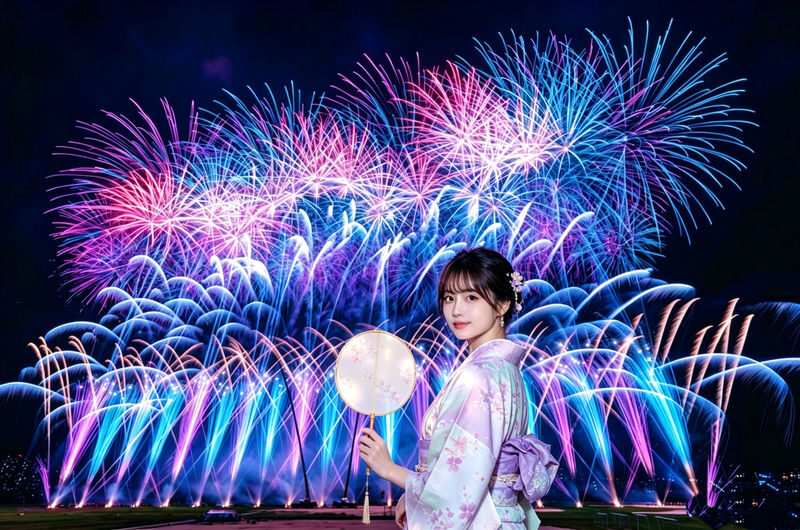
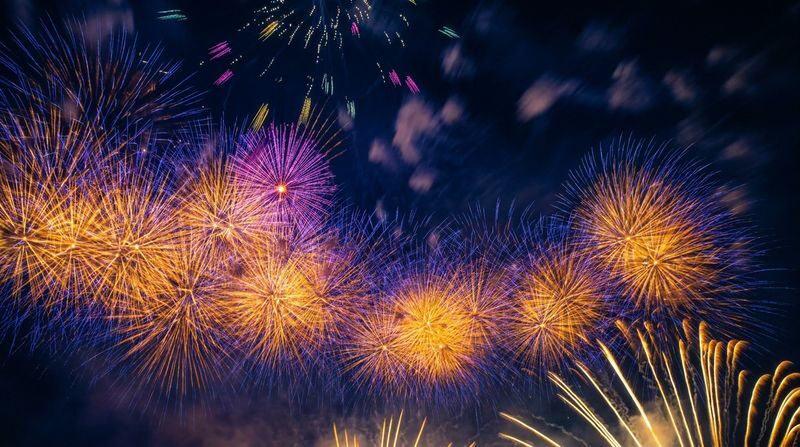
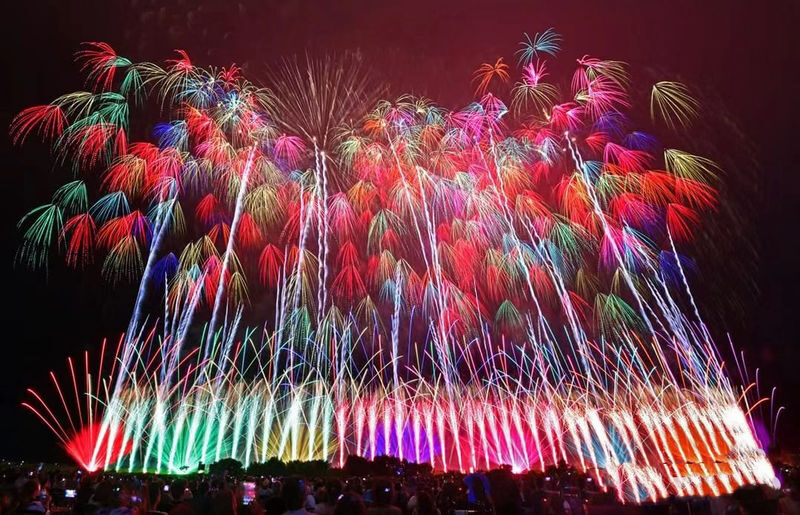
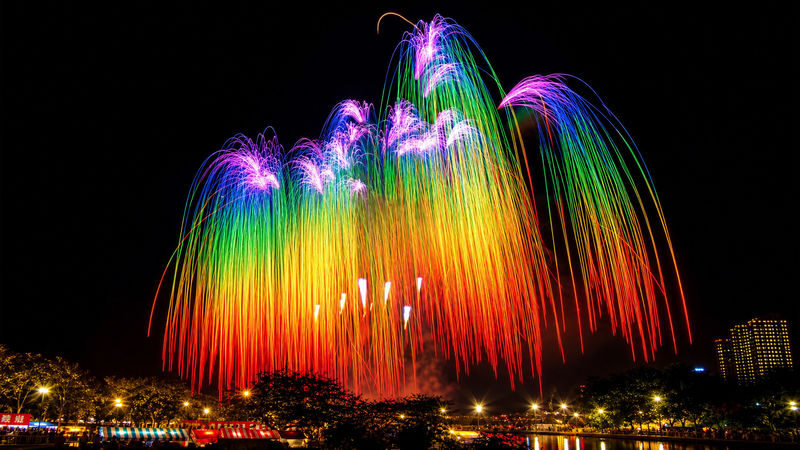
Tsuchiura’s fireworks are not just a big burst of color at the end of a festival. They are a national competition, with fireworks makers showing off rapid-fire sequences, high-altitude shells, and original designs. Music adds another layer to the show, so you get a performance to follow, not simply a sky full of light.
I like two things about this trip: it gets you from Tokyo to one of Japan’s major fireworks events without asking you to plan the transport alone, and the contest format gives the night a clear sense of drama. The autumn setting is another plus. November air can be clearer and less humid than summer air, making the displays easier to see.
The main trade-off is the crowd and the long day. The fireworks ticket is not included, and free-area viewing means no reserved seat. Expect a late return, possible traffic delays, and a need to check the exact pickup time and guide language before you book.
- The points that matter before you book
- Why Tsuchiura’s contest is worth the trip
- November skies, music, and reflections
- From Tokyo to the fireworks grounds
- What the event stop involves
- The late ride back to Tokyo
- What the price does and does not buy
- Who should choose this trip
- Should you book the Tsuchiura fireworks tour?
- FAQ
- Is a fireworks seat ticket included?
- How long is the tour?
- Where does the tour depart from?
- Is an English-speaking guide guaranteed?
- What is the minimum age or maximum age to participate?
- Can children under three join?
- What should I bring?
- What happens if bad weather affects the tour?
- More Tours in Tsuchiura
- More Tour Reviews in Tsuchiura
The points that matter before you book
- A competition, not just a festival: Fireworks professionals from across Japan compete in several categories, including rapid-fire, high-altitude, and creative displays.
- Music is part of the show: The fireworks are synchronized with music, adding rhythm and structure to the night.
- Free-area viewing only: The listed package does not include a festival seat ticket, so you will not have a reserved place.
- A long Tokyo day: Departure is listed from 12:30 or 13:00, with return times of 22:30 and 22:55. Traffic can shift the schedule.
- Guide language needs checking: Chinese or Japanese service is the default in the detailed terms. Request an English-speaking guide when booking, but the arrangement is not guaranteed.
- Ohashi is a useful name to know: He has been praised for his humor, responsible approach, and willingness to answer Tokyo sightseeing questions. A particular guide is not guaranteed for every departure.
Why Tsuchiura’s contest is worth the trip
Japan’s big fireworks events can be spectacular, but Tsuchiura offers a special reason to watch closely: the fireworks are judged as a competition. That shifts your attention from simply waiting for the next explosion to noticing how each team handles timing, height, color, and design.
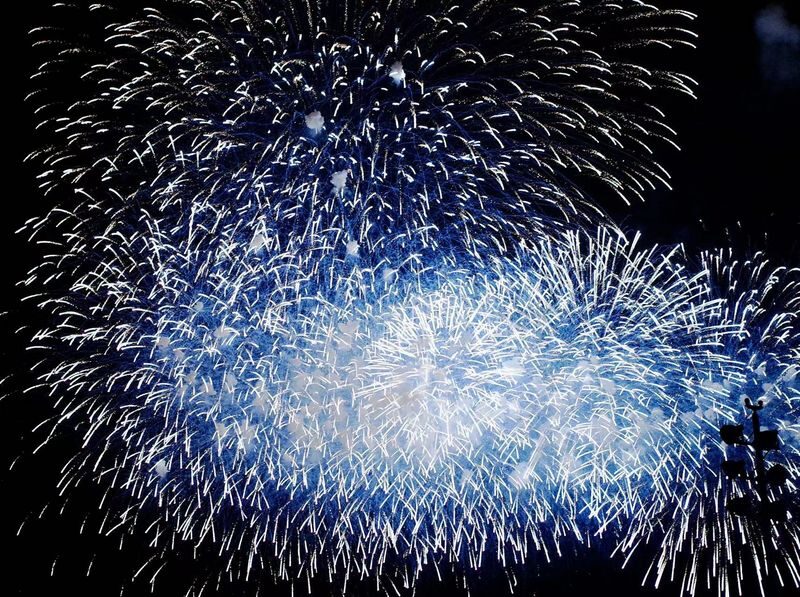
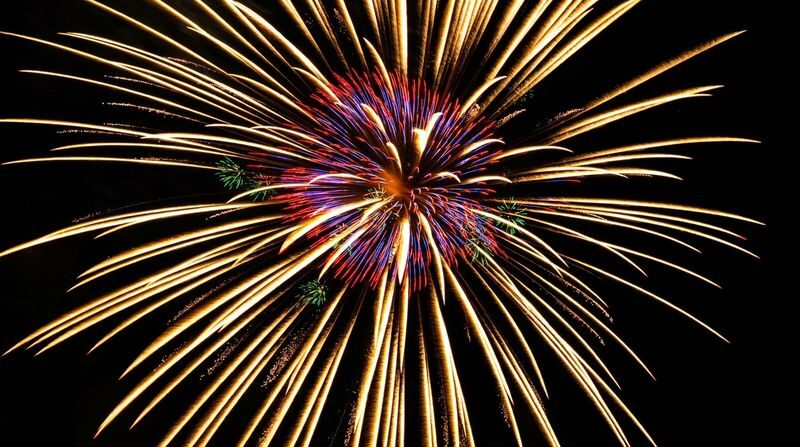
The stated categories include rapid-fire fireworks, high-altitude fireworks, and artistic creative fireworks. Rapid-fire sequences can make the sky feel busy and tightly choreographed. High-altitude shells spread their color across a larger area, while creative designs let makers show a more individual style. The supplied event details do not give a running order or judging method, so you should not expect a particular category at a particular time.
The show is also synchronized with music. That matters because sound and color can make each sequence feel like a composed performance, rather than a string of unrelated bursts. If you enjoy live events where the craft is part of the appeal, you will have more to watch for than sheer scale.
Tsuchiura is described as one of Japan’s three major fireworks festivals, and the event has a long history. That reputation helps explain why fireworks professionals from around the country compete here. It is a good choice if you want a major Japanese fireworks night and are happy to give it most of an afternoon and evening.
You can also read our reviews of more tours and experiences in Tsuchiura.
November skies, music, and reflections
The timing gives this event a different feel from the hot, humid summer fireworks season. The competition is held in November, when the air is described as clear and transparent. That can make the fireworks easier to see, without the heavy summer atmosphere.
The event description also paints a striking picture of tens of thousands of fireworks over water, with reflections adding to the scene. Treat that as a feature of the event’s setting, not a promise that every viewing position will offer a perfect reflection. Your angle and the crowd around you will shape what you can see, and the free viewing area does not provide a guaranteed seat or sightline.
Science Expo Memorial Park is also mentioned as an urban park in Ibaraki, with a 10-meter Science Gate and autumn leaves during red maple season. But it is not listed as a confirmed stop on this day trip. The stated itinerary takes you to the Tsuchiura National Fireworks Competition Security Headquarters for the event, so don’t book expecting time to visit the park.
From Tokyo to the fireworks grounds
The day starts in Tokyo, with departure times listed as 12:30 and 13:00. The meeting details name JR Tokyo Station’s Marunouchi North Exit and the Shinjuku West Exit near Mitsui Sumitomo Bank, but the information does not clearly match each time to each pickup point. Confirm your exact stop and departure time before travel, and arrive at least 10 minutes early.
The trip is listed as departing Tokyo and returning there, with the event site given as the Tsuchiura National Fireworks Competition Security Headquarters. The vehicle depends on the group size. For smaller groups, the driver may also act as the tour attendant, with no separate tour leader. That is worth knowing if you expect a dedicated guide to be available throughout the ride.
There is no luggage storage or delivery service, so travel light. The tour also advises bringing light snacks because traffic around fireworks season can be severe. You may be waiting or riding longer than planned, so a small snack and warm layer are sensible choices. Wear light, comfortable clothes and shoes, but bring warmer clothing if you tend to get cold in the evening.
What the event stop involves
The event portion is listed as self-guided and scheduled for about three and a half hours, from 16:00. The overview describes the tour as three hours, so the precise time at the fireworks area is not fully consistent. In practice, treat the day’s timing as an estimate rather than a fixed schedule.
Self-guided time gives you freedom to experience the competition at your own pace, but it also means you should pay attention to the group’s meeting instructions and return time. The tour includes a guide, yet the event stop itself is not described as a guided walk or a seated package. You will need to manage your own viewing spot in the free area.
Most important, the fireworks admission or seat ticket is not included. The package is specifically described as viewing from a free area. Do not assume that the tour price buys a reserved seat, and check any event access requirements before departure. A free area may suit you if flexibility matters more than comfort, but it can be a harder choice if you need a predictable place to sit or a less crowded view.
The fireworks crowd is described as very large. The tour itself cautions that the itinerary is not recommended for older people, young children, or pregnant women. Participants must be under 70, children and infants count toward the passenger headcount, and child seats are not available. These are important limits, not minor fine print.
The late ride back to Tokyo
Return times are listed as 22:30 and 22:55, with the locations named as Tokyo Station’s Marunouchi North Exit and Shinjuku’s West Exit near Mitsui Sumitomo Bank. The schedule may change with traffic controls, weather, or congestion. Because the return is late and delays are possible, avoid booking dinner, a show, or another timed activity for that evening.
Fireworks traffic can be especially heavy. The operator warns that road conditions are outside its control and that delays do not qualify for a refund or rescheduling. If conditions force the tour to end early, refunds for the uncompleted portion are based on actual costs incurred; extra expenses such as local accommodation or return transport are your responsibility.
That makes this trip a better fit for a day when you can be flexible. If you need to catch a train or flight late that night, this is a risky plan. If you can let the evening run long, the return ride is simply part of the cost of attending a major event outside Tokyo.
What the price does and does not buy
The broad tour summary gives a starting price of $52.29, while the package details for the free-area option say from $74.69. Prices can vary by package or booking conditions, so check the total for your date before deciding. The essential point is that the fireworks seat ticket is excluded.
The value is mainly in having transport from Tokyo and a guide for a complex, crowded event day. If you are comfortable arranging your own transport and navigating the event on your own, the tour may not save you much. If you would rather avoid coordinating the trip out and back, the guided bus option can be worth paying for, especially when traffic and crowd controls complicate the day.
Guide service deserves a careful check. One set of details says an English- or Chinese-speaking guide is included, while the more specific terms say Chinese or Japanese is the default and English must be requested, with no guarantee. If English is important to you, note the request at booking and confirm what has been arranged. Do not rely on the broad description alone.
Ohashi is a guide name associated with positive feedback for a professional, responsible manner, humor, and helpful answers to Tokyo sightseeing questions. That is encouraging, but it does not promise he will lead your departure. The provider, JRT Group, reports a 94 percent good-review rate across 34,195 reviews, though that broad figure is not specific to this fireworks tour.
Who should choose this trip
I’d consider this tour if the competition itself is a high priority, you are staying in Tokyo, and you prefer a transport-and-guide arrangement over planning the full outing yourself. It should suit adults and older teens who can handle crowds, a long day, free-area viewing, and an uncertain return time.
It is less suitable if you need a reserved seat, a firm schedule, or guaranteed English guiding. Families should weigh the crowd warning carefully: children under three who need a seat must be booked at the adult price, children count in the passenger total, and child seats are unavailable. The stated age limit is under 70.
The voucher is valid only for its specified date and time, and late arrivals or no-shows are not refunded. Changes are allowed up to 24 hours before the activity, subject to the stated exceptions. Weather cancellation decisions are made by 18:00 local time one day before departure in cases such as typhoons or blizzards. The tour may also be canceled if the minimum group size is not reached, with notice sent four days before departure.
Should you book the Tsuchiura fireworks tour?
Book it if you want to see a major Japanese fireworks competition and value having the Tokyo transport arranged, while accepting a free viewing area and a potentially late return. The contest format, music, and November setting make this a more distinctive night than a standard fireworks display.
Skip it if you need guaranteed English service, reserved seating, a short outing, or a return time you can plan around precisely. Before paying, confirm your pickup point and time, ask about the guide language, and check the exact package price. Those three checks will tell you whether the convenience is worth the cost for your plans.
Fireworks Limited Tsuchiura National Fireworks Competition One-Day Tour
“The Ohashi tour guide was very interesting and professional! Thanks to his leadership, we had a very pleasant trip. The three major fireworks displ…”
FAQ
Is a fireworks seat ticket included?
No. The package described is for viewing in a free area, and festival seat tickets are not included.
How long is the tour?
The day begins with a Tokyo departure listed at 12:30 or 13:00 and has return times of 22:30 and 22:55. The event stop is listed as about three and a half hours, though the overview also describes the tour as three hours. Traffic and weather can change the schedule.
Where does the tour depart from?
The listed pickup locations are JR Tokyo Station’s Marunouchi North Exit and the Shinjuku West Exit near Mitsui Sumitomo Bank. Confirm which location and time apply to your booking.
Is an English-speaking guide guaranteed?
No. The detailed terms say Chinese or Japanese guide service is the default. You can request an English-speaking guide when booking, but it is not guaranteed.
What is the minimum age or maximum age to participate?
Participants must be under 70. Infants and children must be included in the passenger headcount.
Can children under three join?
Yes, but a child under three who needs a seat must purchase a ticket at the adult price and be noted in the booking. Child seats are not available.
What should I bring?
Wear light clothing and comfortable shoes, and bring warm clothing if needed. Light snacks are recommended because traffic can cause long delays. Luggage storage is not provided.
What happens if bad weather affects the tour?
For severe weather such as typhoons or blizzards, a cancellation decision is made one day before departure at 18:00 local time, with notice sent by email. Traffic controls and other conditions may also change the schedule.