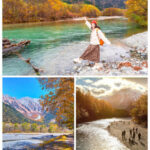
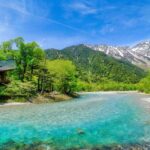
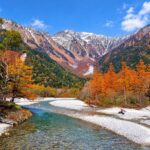
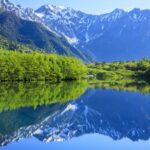
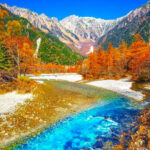
Kamikochi’s mountain air and clear river make a fine finale, but the real draw is how much Central Japan you can see in two days without driving. You start in Nagoya, pass through Gujo Hachiman and Shirakawa-go, sleep near Takayama, then trade old streets for an alpine walking trail.
I like the mix of places: Gujo’s waterways and craft shops, Shirakawa-go’s steep-roofed farmhouses, Takayama’s old merchant streets and Kamikochi’s mountain scenery. I also like that transport, a night’s accommodation and breakfast are bundled into the fare, so you can cover a wide area without piecing together buses and hotels.
The trade-off is time. Each first-day stop has about two hours or less, and the long return from Kamikochi leaves little room for delays. You’ll need to keep an eye on the clock, and the hotel may be a substitute of similar class rather than the named property.
- What matters most on this two-day route
- Day one: Gujo Hachiman’s streams and craft shops
- Takayama: wooden streets before check-in
- One hotel night, with some uncertainty
- Day two: choose your Kamikochi walk
- How the transport and guide setup works
- Is the fare good value?
- Practical details to settle before booking
- Should you book this tour?
- FAQ
- Where does the tour depart from?
- How long is the Kamikochi visit?
- Is accommodation included?
- Is breakfast included?
- Are lunch and dinner included?
- Does the tour include admission tickets?
- Is the tour guided at each attraction?
- How much luggage can I bring?
- What happens if traffic or weather changes the schedule?
- The Best Of Matsumoto!
- More 2-Day Experiences in Matsumoto
- More Tours in Matsumoto
- More Tour Reviews in Matsumoto
What matters most on this two-day route
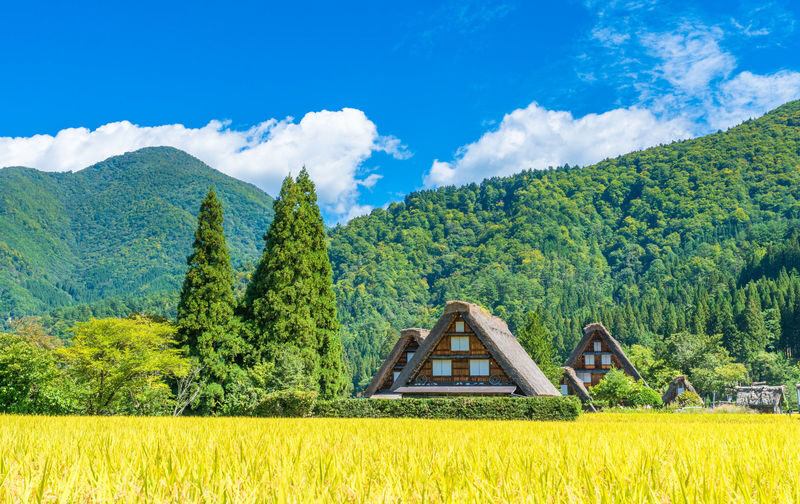
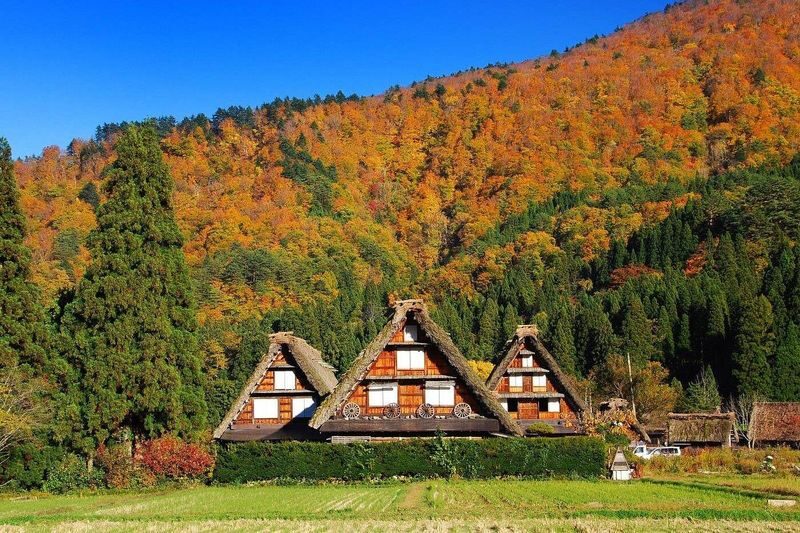
- Gujo Hachiman is a real town stop: Expect traditional streets, clear streams and food replica-making shops, not a staged village visit.
- Shirakawa-go gets about two hours: That is enough to walk the village and head toward its viewpoint, but not to linger everywhere.
- Takayama is your overnight base: Dinner is on your own, and the hotel location may vary within the area.
- Kamikochi allows 4.5 hours: You can choose a gentle river-and-pond walk or take a slower pace with a meal break.
- Your driver may also lead the tour: For groups under 16, the driver handles time and transport, while you explore each stop independently.
- The price includes key logistics: Transport, tolls, parking, fuel, one night’s stay and second-day breakfast are included; some admissions and meals are not.

👉 See our pick of the Our Picks For The 7 Best Walking Tours In Matsumoto
Day one: Gujo Hachiman’s streams and craft shops
The meeting point is outside the MiniStop Meieki Tsubaki-cho store in Nagoya. Arrive by 7:50 for the 8:00 departure. This is a strict group schedule: late arrivals cannot be accommodated or refunded, so plan your morning with a little buffer.
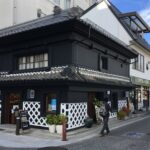
The first drive takes about an hour and a half. At Gujo Hachiman, you get roughly 90 minutes to walk the Edo-period streets, where clear water channels run beside the buildings. The town is known as a water town, and it’s a welcome change from rushing straight between the headline sights.
Look for food replica-making craft shops, a local specialty linked to Japan’s restaurant displays. The visit is self-guided, so you can browse at your own speed, but 90 minutes is not enough to explore every lane at length. Cherry blossoms add seasonal color in spring; autumn brings foliage. Gujo Odori, the town’s summer dance festival, is a nighttime event, so this daytime stop only lines up with the festivities if the tour schedule happens to coincide.
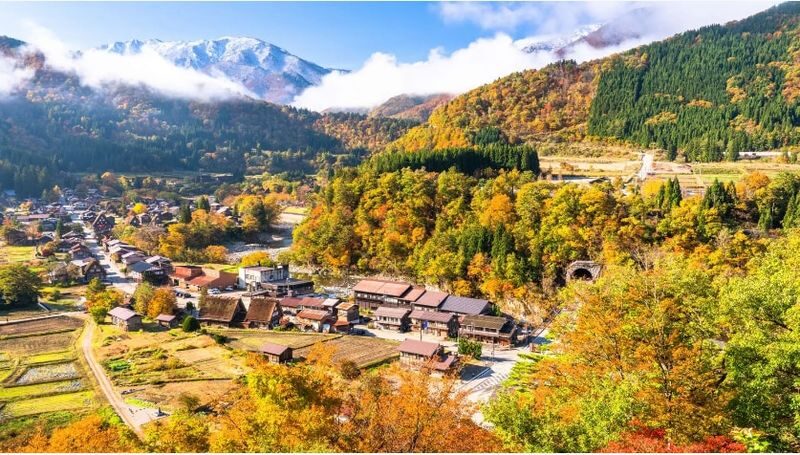
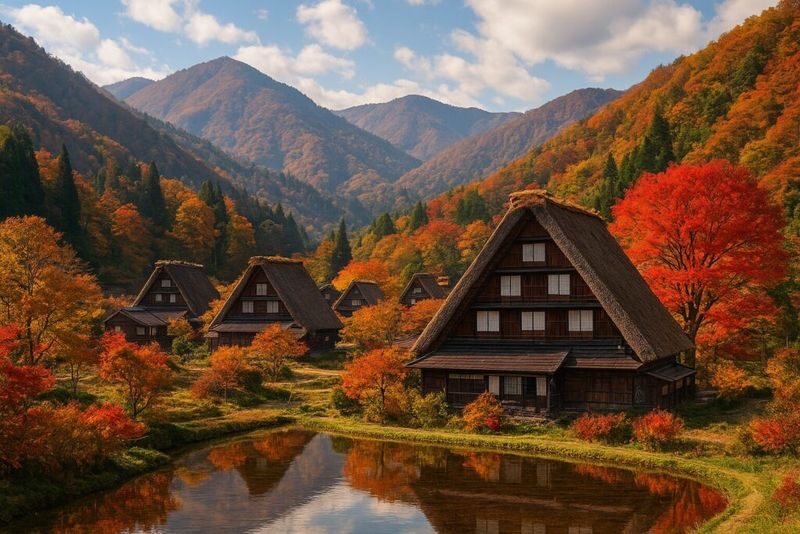
You leave at about 11:00 and reach Shirakawa-go around 12:30. The tour gives you about two hours here, including time for a meal or a walk to the viewpoint. The village is known for its gassho-zukuri farmhouses, with steep thatched roofs designed to handle heavy snow. The buildings are the main event, but the surrounding hills and fields help explain why the village feels distinct from a town street museum.
Head for the observation deck if a broad view is high on your list. It offers the familiar panorama of clustered roofs, but reaching it takes time, so don’t leave it until the last few minutes. Winter snow gives the village a storybook look, while summer is green and leafy. The route is attractive in any season, though the view and walking conditions change with the weather.
Two hours is a useful stop, not an open-ended visit. You’ll need to choose between a relaxed village walk, the viewpoint and a sit-down meal rather than assuming you can fit in everything. Since the visit is self-guided, note the departure time and meeting place before wandering off.
You can also read our reviews of more tours and experiences in Matsumoto

Takayama: wooden streets before check-in
The drive to Takayama takes about an hour. You arrive around 15:30 for a two-hour visit to the old town, then head to the hotel at about 17:30. That gives you a short but worthwhile introduction to streets lined with wooden shops, sake breweries, miso sellers and souvenir stores.
I’d use the time to stroll rather than try to turn this into a full museum day. Takayama Jinya, the former government office, is an option if you want more historical context, but admission is not included. For a quick bite, the suggested local snacks include Hida beef skewers and miso dango. Dinner is not included, so you’ll need to choose a place and cover the bill yourself.
The Miyagawa Morning Market is another suggestion, but the timing matters: the scheduled stop is in the afternoon, so you would need to return the next morning if you want to see the market. The second day has an 8:50 assembly and a 9:00 departure for Kamikochi, which leaves limited scope for a leisurely market visit. Ask your driver or tour leader whether a quick return is practical for your specific hotel and departure time.
One hotel night, with some uncertainty
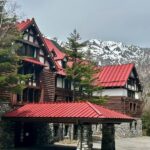
The planned stay is Hida Plaza Hotel, including breakfast, or a similar property in the area. If that hotel is full, the operator may use another hotel of the same stated standard, with options mentioned in areas such as Okuhida or Tonami. You should receive the accommodation details three days before departure.
Room type depends on availability, and you can note your preferred arrangement when booking. The operator says it does not pair unrelated passengers in a shared room, and odd-numbered parties will not be placed with other group members. If a specific room setup matters to you, make the request clearly, but understand it is not guaranteed.
There has been at least one notable mismatch between a named hotel and the property used on a past departure. That makes the accommodation terms worth checking before you book, especially if the hotel is a major part of the value for you. The advertised stay is not a promise of one exact property.
Breakfast is included on day two, with the food depending on what the hotel provides. Dinner is not included, and neither are personal expenses. The package simplifies the overnight logistics, but it is not an all-meals-included tour.
Day two: choose your Kamikochi walk
After breakfast, the group meets at 8:50 and leaves at 9:00. The drive to Kamikochi takes about two hours, putting you there around 11:00. You then have about 4.5 hours before the 15:30 departure.
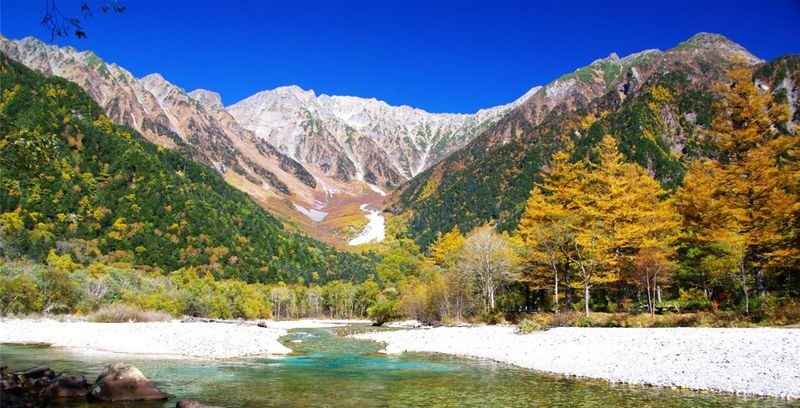
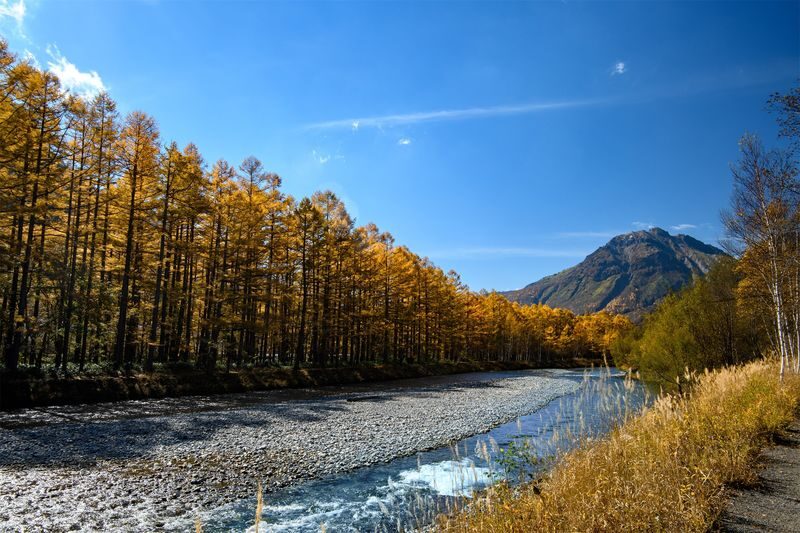
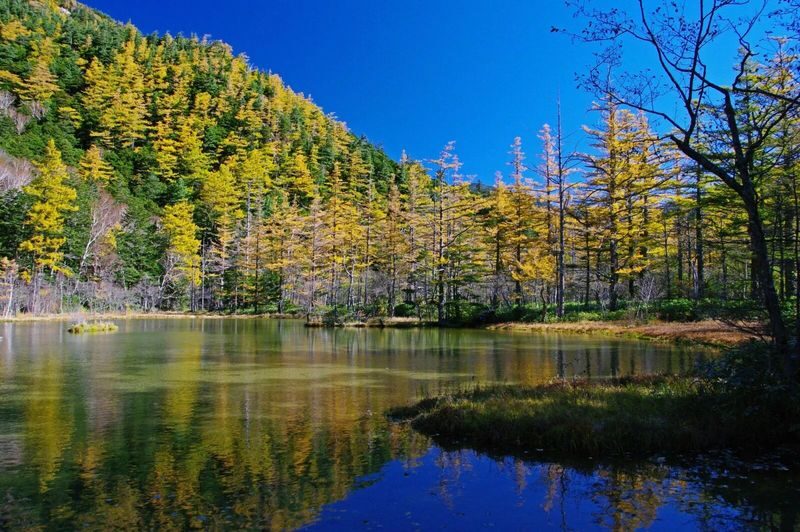
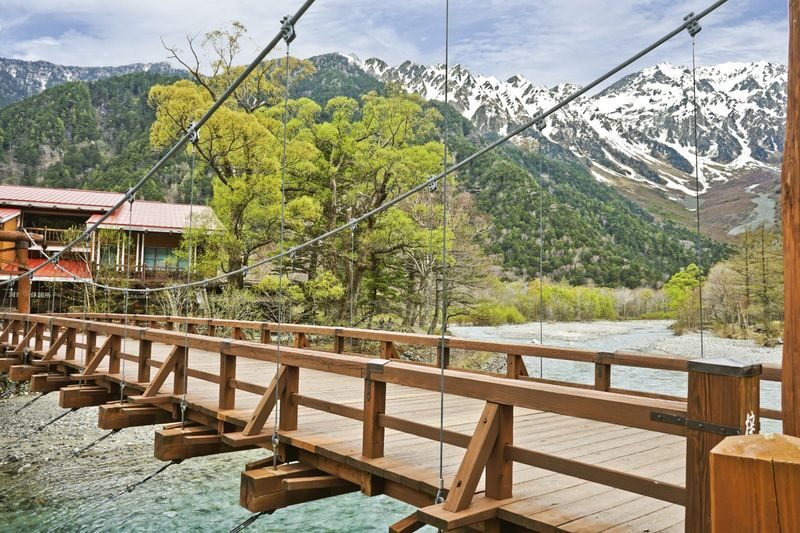
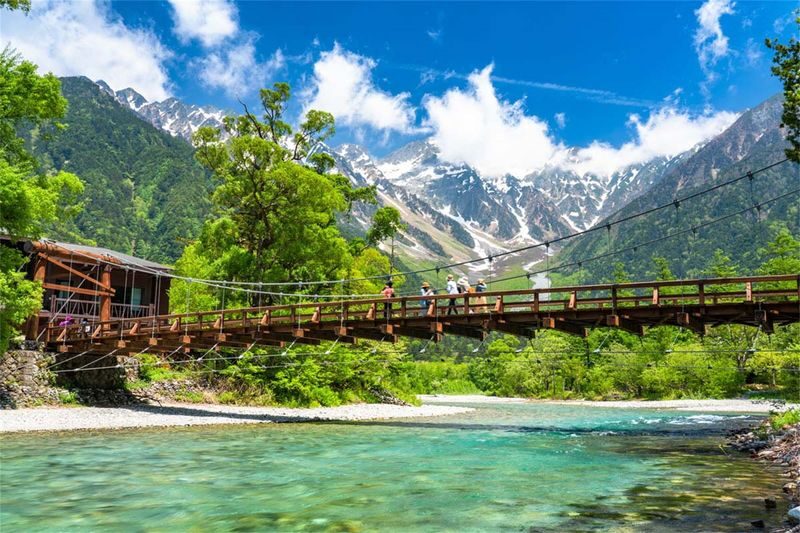
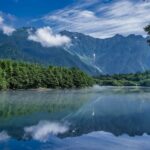
Kamikochi’s draw is the combination of the Azusa River, Kappa Bridge, Myojin Pond and the Hotaka mountain range, with peaks rising to about 3,000 meters. The area is especially striking in May, when fresh growth appears below snow-covered peaks, and in October during autumn color. Weather and seasonal conditions can affect the day, so pack for a walk rather than assuming a warm, dry visit.
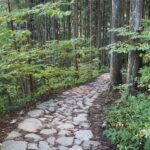
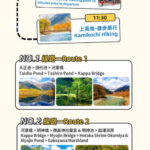
A classic route runs between Kappa Bridge and Taisho Pond. The stated round trip is about 3.8 to 4 kilometers and takes roughly 2.5 hours at an easy pace. Along the way, you can see Mt. Yake, the Hotaka range reflected in the water and the Tashiro Pond wetland. That leaves some time to pause for lunch or take photographs before returning to the meeting point.
Myojin Pond is another scenic destination, but it is not part of the described Kappa Bridge to Taisho Pond route. Admission is not included, so check the current access and ticket details if you plan to visit. With 4.5 hours in the area, you can set your own pace, but don’t assume you can comfortably complete every walk mentioned in the tour description. Choose your priority once you arrive and leave room to get back on time.
Kamikochi is the part of the trip where the tour’s self-guided format makes sense. You can walk quietly, stop when the view catches your eye and have lunch without following a guide’s commentary. The catch is that the driver is responsible for the group schedule, not your route, so keep track of time and meeting instructions.
At 15:30, you board for the return drive, which takes about 3.5 hours. Arrival at Nagoya Station is expected around 19:00, but traffic or weather can change the timing. Avoid booking a tight connection or an important evening appointment.
How the transport and guide setup works
Transport is included, along with tolls, parking and fuel. The vehicle may be a business car, minibus or coach, depending on the group size, and you cannot request a specific vehicle. One past departure used an older 10-seat vehicle, so don’t book on the assumption that you’ll get a new van or a particular level of comfort.
For groups under 16, the driver also serves as tour leader. That person manages the route and timing, but you explore the attractions on your own. At 16 or more, a separate tour leader is arranged. This is a practical distinction: expect help getting from stop to stop, but not necessarily a guided walking tour at each destination.
Names associated with past departures include Abu, Mei and Xiao Wu. They are not guaranteed for your date. Past experiences also included hotel pick-ups and extra help with local routes, but the stated meeting point is the MiniStop in Nagoya, so confirm any pick-up arrangement rather than counting on one.
Is the fare good value?
The listed starting price is $236.49, though the price can vary by date and package. Another package option is shown at $337.85, so check exactly which version you are selecting before comparing costs. The lower starting price is attractive for a two-day route that includes a hotel night, breakfast and long-distance transport across several destinations.
The value is strongest if you want to see the region without renting a car or arranging several separate transfers. You pay once for most of the hard-to-coordinate logistics, then use your time on the ground as you prefer. If you priced a hotel and the transport between Nagoya, Gujo Hachiman, Shirakawa-go, Takayama and Kamikochi separately, the tour could be a sensible shortcut, though the precise comparison depends on your dates and lodging choices.
Budget extra for dinner, lunch, drinks, personal purchases and any admissions you choose to pay. Takayama Jinya and Myojin Pond are listed as not included. Also factor in the possibility of a substitute hotel and the fact that room type is subject to availability. A low headline fare means less if you expect a named hotel or a fully guided visit.
The route’s main cost is time: there are long drives, early starts and fixed departures. You gain access to several places in two days, but you do not get the leisurely pace of staying multiple nights in the region. The tour makes most sense when convenience and range matter more to you than total flexibility.
Practical details to settle before booking
The operator aims to confirm whether the group has formed about 14 days before departure. The stated minimum is eight participants; if the activity is cancelled because the minimum is not reached, the available outcome is a rescheduled departure or refund. Watch for the confirmation and pre-trip email, which is sent the evening before with the driver or leader’s contact details and meeting-point information.
Each traveler may bring one standard-sized piece of luggage, but you should note it when booking. A bag brought without prior notice may create space problems in the vehicle and could be refused. If you are traveling with a child under two who will not use a seat or bed, the child can join free, but must still be included in the passenger count and noted in advance. Children over two are charged at the adult rate.
The tour can adjust its order or shorten a stop if weather or traffic disrupts the schedule. That flexibility helps protect the overall trip, but it means the advertised timing is a plan, not a guarantee. The operator’s cancellation terms also become stricter closer to departure, so check the current conditions before paying.
Should you book this tour?
Book it if you want a broad first look at Central Japan and value direct transport over the freedom of a rental car. The route gives you four very different stops, a night near Takayama and a generous block of walking time in Kamikochi. It is especially useful if you are comfortable exploring independently and can keep to meeting times.
Think twice if you want long, unhurried visits, a guaranteed named hotel or a fully guided experience at every stop. The best fit is a flexible traveler who packs light, accepts some hotel and vehicle uncertainty, and is happy to trade deep exploration for a lot of memorable scenery in two days.
Kamikochi & Shirakawa-go & Hida Takayama & Gujo Hachiman Old Town 2-Day Tour (Departing from Nagoya/Includes Accommodation + Breakfast)
“We had a small group of 7 for the tour and the driver was very nice to arrange to pick us up from our hotel. He was very friendly and kind enough t…”
FAQ
Where does the tour depart from?
It departs from the MiniStop Meieki Tsubaki-cho store in Nagoya. The meeting time is 7:50, with departure at 8:00.
How long is the Kamikochi visit?
The scheduled stay is about 4.5 hours, from approximately 11:00 to 15:30.
Is accommodation included?
Yes. One night’s accommodation is included. Hida Plaza Hotel is the planned property, or a hotel of similar standard may be used if it is fully booked.
Is breakfast included?
Yes. Breakfast on the second day is included, with ingredients and menu subject to what the hotel provides.
Are lunch and dinner included?
No. Dinner on the first day and meals beyond the included breakfast are not included.
Does the tour include admission tickets?
No. Takayama Jinya and Myojin Pond admission are listed as not included, along with personal expenses and tips.
Is the tour guided at each attraction?
No. You explore each stop independently. For groups under 16, the driver also serves as tour leader and manages the itinerary and timing.
How much luggage can I bring?
Each traveler may bring one standard-sized piece of luggage free of charge. Note it when booking so the vehicle space can be planned.
What happens if traffic or weather changes the schedule?
The tour leader may change the order of stops or shorten or cancel time at some attractions to keep the trip safe and on schedule. Arrival times may also be affected.