
Ginzan Onsen’s gaslit streets and Zao’s huge winter snow formations are the headline acts here, with a hot spring stay in between. You cover a lot of ground from Tokyo, but the payoff is a concentrated look at Tohoku’s winter: old inns, steaming baths, snow and foxes.
I like that the tour pairs Ginzan Onsen with a night at Naruko Onsen, rather than treating the hot spring as a quick photo stop. I also like that the Zao Ropeway ride is included, so the mountain’s snow monsters are part of the plan, not an optional extra. One caution: this is a long, tightly scheduled coach trip, and weather or traffic can change the order, shorten stops or replace Fox Village.
- The details that matter
- Two days of Tohoku winter, without the rental car
- Ginzan Onsen: a short walk through an old hot spring town
- Naruko Onsen: dinner, a bath and a night off the road
- Zao Ropeway: the winter spectacle at the heart of the trip
- Miyagi Zao Fox Village: cute, but check the day’s conditions
- Onihei Edo-dokoro: a short final pause
- What the price covers, and what it doesn’t
- Practical details before you book
- Should you book this Tohoku winter tour?
- FAQ
- Where does the tour depart from?
- What time should I arrive at the meeting point?
- Which meals are included?
- Is Fox Village admission included?
- What happens if the Zao Ropeway cannot operate?
- Is the Fox Village stop guaranteed?
- How much luggage can I bring?
- What time does the tour return to Tokyo?
- Are children and infants allowed?
- More Tours in Obanazawa
- More Tour Reviews in Obanazawa
The details that matter
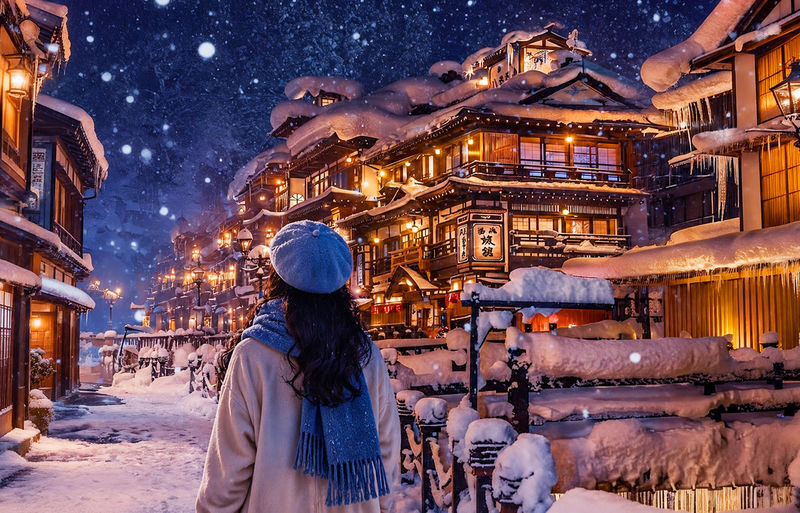 1 / 10
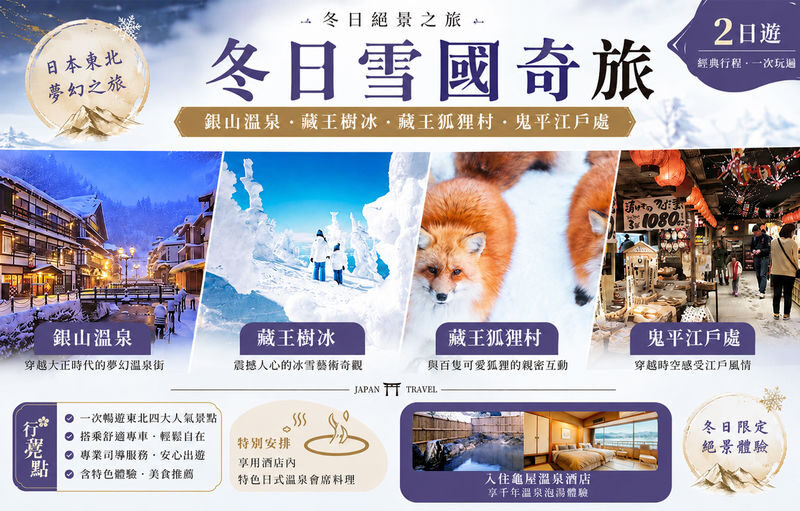 2 / 10
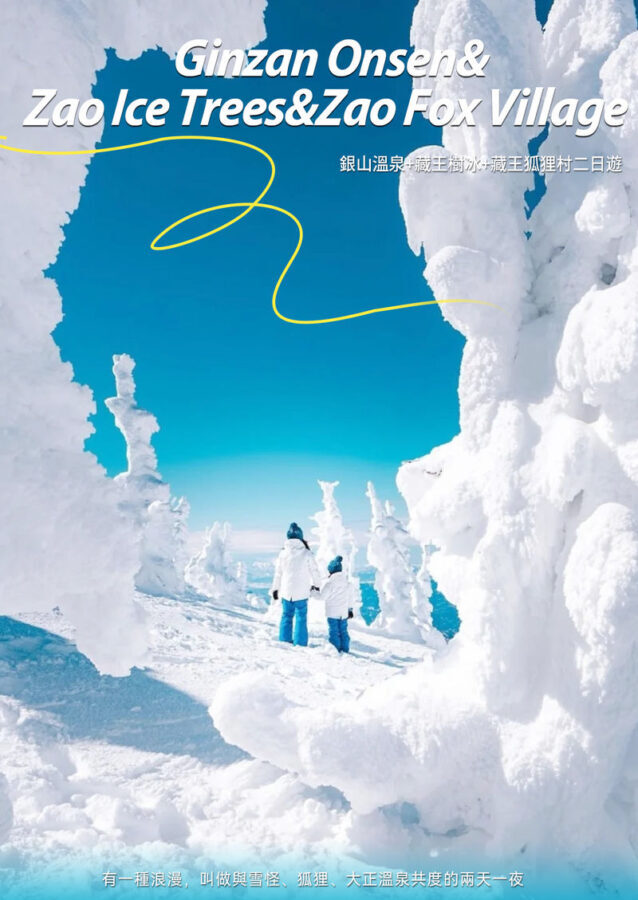 3 / 10
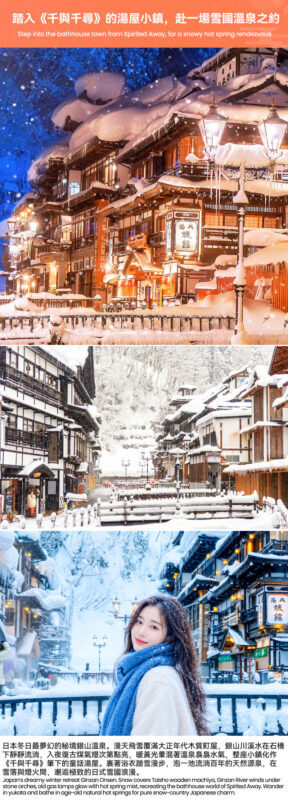 4 / 10
 5 / 10
 6 / 10
 7 / 10
 8 / 10
 9 / 10
 10 / 10
- Ginzan’s old streets: Spend about 90 minutes along a riverside street lined with Taisho-era inns, with a shuttle bus included.
- Naruko’s hot spring night: Stay at Kameya Hotel or a similar property, with dinner and breakfast included.
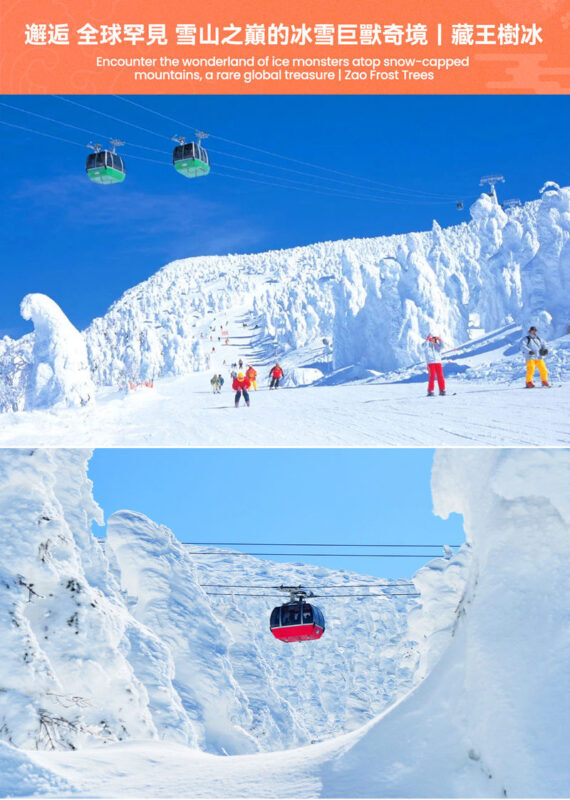
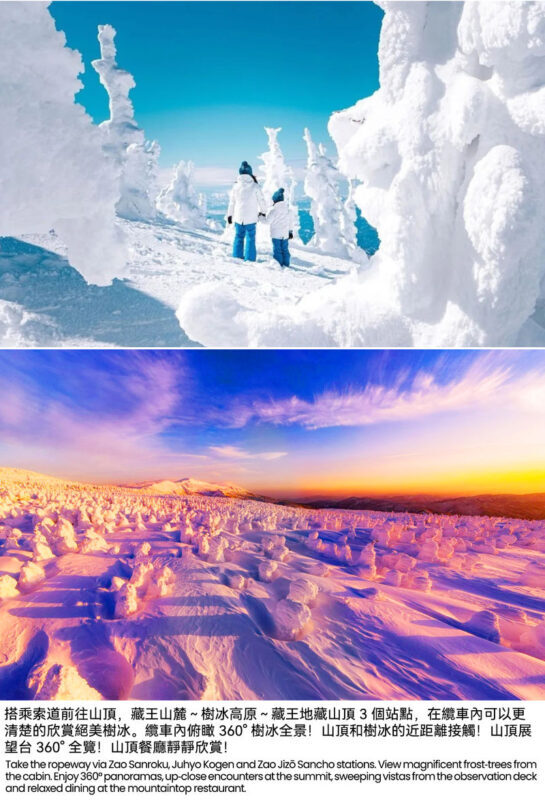
- Zao’s snow monsters: Ride the ropeway for roughly two hours at the mountain, weather and operations permitting.
- Fox Village has an extra fee: The visit is scheduled for about an hour, but entry costs 1,500 yen for junior high school students and adults.
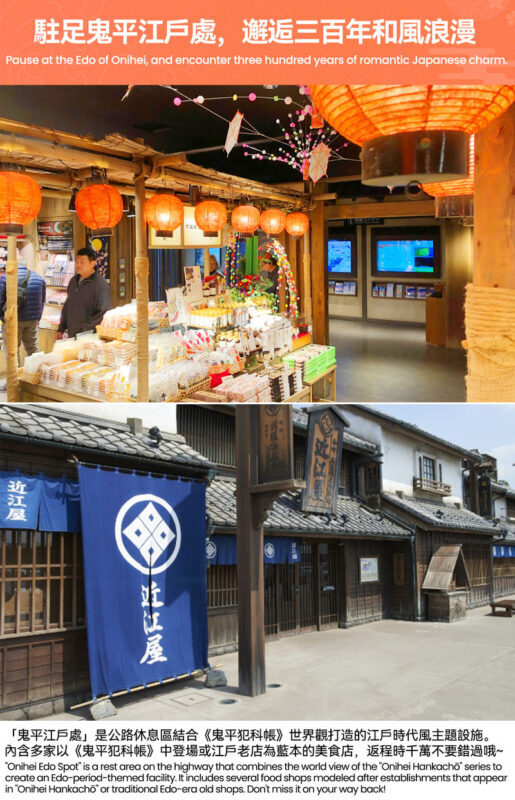
- Edo-style final stop: Take a short break at Onihei Edo-dokoro before the return drive to Tokyo.
- Allow for a late return: The estimated arrival window is 19:15 to 20:30, and winter roads can affect it.
Two days of Tohoku winter, without the rental car
This tour is built around a simple trade: give up some freedom and spend long hours on the road, in exchange for reaching several far-flung winter sights without arranging separate trains, buses and hotel transfers. That matters in snowy Tohoku, where connections can take planning and road conditions may complicate an independent itinerary.
The route combines two very different kinds of stops. Ginzan Onsen offers atmosphere and a slow stroll through an old hot spring town; Zao is about height, cold air and the strange shapes of its snow-covered trees. Naruko adds a bath and a proper hotel dinner between them. Fox Village and the Edo-style stop give the second day a lighter, more varied finish.
The trade-off is time. You leave Tokyo early, travel for hours, and have set visit windows at each stop. This suits you if you want a broad winter sampler and don’t mind sharing the schedule. If you prefer lingering over a meal, soaking for hours or exploring at your own pace, build a trip around fewer places instead.
You can also read our reviews of more tours and experiences in Obanazawa.
Ginzan Onsen: a short walk through an old hot spring town
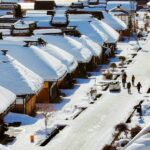
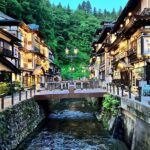
The first major stop comes at about 14:00 on Day 1, with around 90 minutes to explore. Ginzan’s appeal is its compact riverside street and its preserved Taisho-era appearance: wooden inns, old-fashioned details and gas lamps that make the town feel especially evocative in winter. Snowfall can add to that storybook mood, though no particular weather or snow conditions are guaranteed.
You can stroll by the inns, pause for photos and look for the bathhouse associated with the look of Spirited Away. The town is also linked to filming locations connected with Demon Slayer: Kimetsu no Yaiba. Treat those references as a fun layer, not the whole point. The pleasure is simply walking through a place with a distinct sense of age and setting.
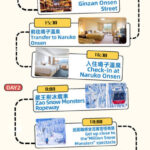
A shuttle bus fare for Ginzan Onsen street is included. The planned visit is 90 minutes, but the stop may be extended to as long as 120 minutes depending on road conditions and other circumstances. That flexibility is useful, though it also signals how closely the day depends on travel time.
You may find free foot baths and local Yamagata food along the way. The visit is self-guided, so use the time as you like, but keep an eye on the meeting time. This is not a long stay, and the next stop is the hotel.
Naruko Onsen: dinner, a bath and a night off the road
The group is due at Naruko Onsen Kameya Hotel at about 16:30. The hotel may be replaced by a similar property, so check the final accommodation details rather than assuming every booking will be at Kameya itself. The hotel description highlights Futami hot spring water and rooms with views of trains passing through the mountains.
Naruko is presented as a hot spring area with eight types of water. That variety is part of the appeal of staying overnight: you have time to wash away the day’s travel and enjoy the bath, rather than stopping for a hurried dip. If you’re coming for hot springs, note that the tour includes one night, not a multi-day stay in the town.
Dinner and breakfast are included. Dinner is described as a Tohoku-style kaiseki meal built around seasonal ingredients, while breakfast is buffet-style. There is an important practical caveat: if the group arrives late because of road or other delays, the hotel may provide a bento instead of the planned dinner. That is sensible for a trip with a long drive, but don’t book expecting a leisurely restaurant-style evening no matter what.
The overnight stay is one of the tour’s strongest features. It breaks up the journey and gives you a chance to experience a traditional hot spring inn setting, instead of returning to Tokyo after Ginzan and trying to reach Zao separately the next morning.
Zao Ropeway: the winter spectacle at the heart of the trip
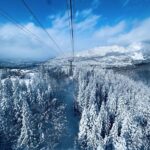
Day 2 is scheduled to reach Zao Juhyo at around 10:00, with about two hours at the mountain. Juhyo, often called snow monsters, are snow and ice formations that build up on trees in winter. From the ropeway, you can see the shapes across the white mountain slopes. Their size and detail depend on the conditions, so the view can vary from one day to another.
The ropeway ride is included, and the tour is designed to make the snow monsters its central winter attraction. Bring warm layers and footwear suited to snow and cold conditions. You’ll be outside at altitude, and the stop is for viewing the mountain, not just riding in a warm vehicle.
The word guaranteed in the tour’s description needs a little context. If the main Zao Ropeway cannot operate, the group is transferred to the Zao Chuo Ropeway and the price difference is refunded. That offers a backup route, but it does not mean that weather can never affect access or the exact views. Arrival time and the length of the stop can also shift with road conditions.
For a winter trip, this is a valuable inclusion. The ropeway is a major part of the day, and having it arranged through the tour removes one more connection to manage. Still, keep expectations flexible: mountain weather is in charge, not the timetable.
Miyagi Zao Fox Village: cute, but check the day’s conditions
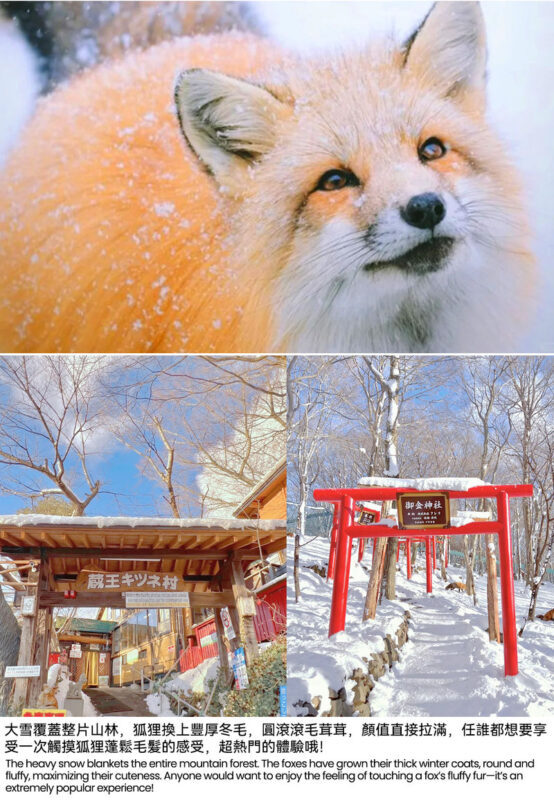
The next stop is Miyagi Zao Fox Village, scheduled for around 13:30 and roughly one hour. The village is home to more than a hundred foxes from seven species, including Ezo red foxes, cross foxes and Arctic foxes. The visit is self-guided, with opportunities to take photos and, where available, feed foxes or hold a baby fox.
Admission is not included. The listed fee is 1,500 yen for adults and junior high school students, while elementary school children and younger enter free. Keep that extra cost in mind when comparing the tour price, especially if you’re travelling as a family.
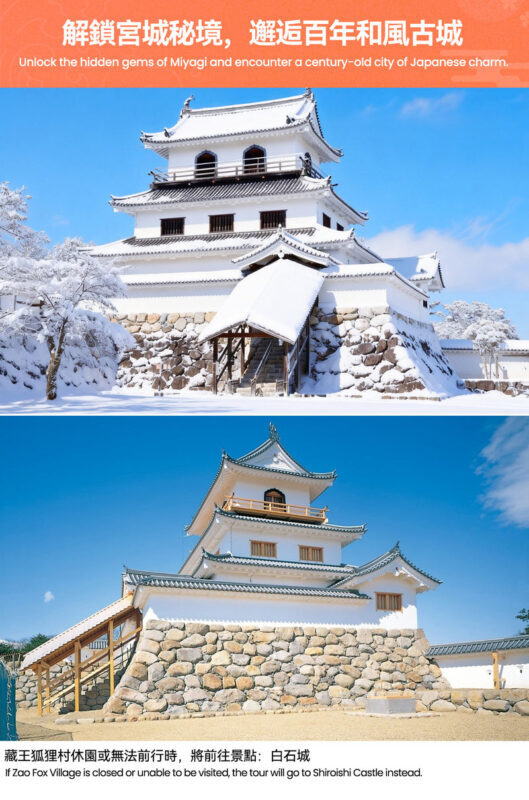
Winter access is not assured. Heavy snowfall or poor weather can make the village inaccessible; in that case, the replacement stop is Shiroishi Castle. This is a clear example of the tour’s broader compromise: you get a varied route, but the operator may need to adjust it for safety and road conditions.
Fox Village is a memorable change of pace after the mountain, but it is still a brief visit. If seeing foxes is your main reason for booking, understand that this stop may be replaced and that the time there is limited.
Onihei Edo-dokoro: a short final pause
At about 18:00, the itinerary allows roughly 30 minutes at Onihei Edo-dokoro. The stop evokes Japan’s Edo period and gives you a chance to take a break and buy a simple meal on your own. Long-established soba, unagi rice bowls and ningyo-yaki are among the foods associated with the stop.
Think of this as a brief rest and snack opportunity, not a full cultural visit. Thirty minutes is enough to stretch your legs and choose something to eat if time and queues allow, but not enough for an unhurried meal or an extended look around. Since meals and drinks here are not included, carry some spending money.
Afterward, the group heads back to Tokyo. The expected arrival window is 19:15 to 20:30, but traffic and weather can push that later. Leave the evening open; the operator advises against booking another activity for the same day.
What the price covers, and what it doesn’t
The listed starting price is from $254.45, while the named package for the Ginzan shuttle bus and guaranteed Zao Ropeway is shown from $423.49. These prices do not match, so check the exact package, date and inclusions before paying. The price you see at checkout is the useful one.
The package details include round-trip transport from the Tokyo meeting point, an English- or Chinese-speaking guide, the Ginzan shuttle bus, the Zao Ropeway and one night at Kameya Hotel or a similar property. Dinner and breakfast are included, which makes the value stronger than a transport-only day trip. The Fox Village admission fee, other meals and drinks, tips and personal expenses are extra.
For a two-day route covering several distant stops, a hotel night, two meals and the ropeway, the package can be a practical alternative to arranging every leg yourself. Its value depends on what you want. If you would otherwise hire a car or book multiple transfers and a hot spring hotel, the bundled approach may suit you. If you plan to spend most of your time at Ginzan or Naruko, the tight schedule may feel like a poor trade.
Practical details before you book
This is a shared-ride tour, and the vehicle type depends on the number of people booked. You may share it with people speaking other languages, and seating is generally assigned first come, first served. Special seating requests can be noted at booking, but are not guaranteed.
The meeting points are listed for departures at 07:00 or 07:30. Arrive 15 minutes early, and confirm which meeting point and time apply to your booking. The operator sends guide and vehicle details by email between 20:00 and 21:00 the evening before. Check your spam folder and follow the latest message if more than one arrives. Late arrivals and no-shows are not refunded.
One piece of luggage per person is allowed without charge, with carry-on size recommended. Tell the operator about luggage when booking, since unannounced bags may overcrowd the vehicle and can lead to refused boarding. Infants aged 0 to 2 must be included in the passenger count even if they do not occupy a seat. Child seats are not available.
The itinerary can change order or lose a stop because of traffic, weather or vehicle-time rules. The group cannot leave midway, and seasonal conditions can affect the scenery without triggering a refund. If you are 70 or older, or pregnant, the operator requires a signed waiver arranged in advance.
Should you book this Tohoku winter tour?
Book it if your priority is to see several sides of Tohoku in two days: Ginzan’s old hot spring street, a night at Naruko, Zao’s snow formations and a chance to visit Fox Village. The included ropeway, hotel, dinner and breakfast make the package more useful than a simple sightseeing transfer.
Skip it if you need a slow pace, want a guaranteed Fox Village visit, or cannot keep the return evening free. The long drive and short stops are the price of covering so much ground from Tokyo. For the right person, that is a fair exchange: arrive early, pack for winter, keep your schedule flexible, and let the trip be a sampler rather than an attempt to see every place in depth.
2-Day Tour: Zao Ropeway, Ginzan Onsen, Fox Village, Okurayama (Hotel Breakfast, Dinner)
“Our tour guide also served as the driver and was very responsible, ensuring everything was well-arranged. The tickets he purchased were for the fir…”
FAQ
Where does the tour depart from?
It departs from a Tokyo meeting point. The listed options are JR Tokyo Station Marunouchi North Exit and Tokyo Mode Gakuen, with a departure time of 07:00 or 07:30. Confirm your assigned point and time in the email sent the evening before.
What time should I arrive at the meeting point?
Arrive 15 minutes before departure. The tour is shared-ride, and late arrivals or no-shows cannot receive a refund.
Which meals are included?
Dinner and breakfast at Kameya Hotel or a similar hotel are included. Dinner is described as seasonal Tohoku kaiseki, though a bento may be provided if delays affect the hotel arrival. Breakfast is buffet-style.
Is Fox Village admission included?
No. Admission costs 1,500 yen for adults and junior high school students. Elementary school children and younger enter free.
What happens if the Zao Ropeway cannot operate?
The group will be transferred to the Zao Chuo Ropeway, and the corresponding price difference will be refunded.
Is the Fox Village stop guaranteed?
No. Snowfall or bad weather can make the village inaccessible in winter. If that happens, the stop is replaced by Shiroishi Castle.
How much luggage can I bring?
Each person may bring one piece of luggage free of charge, with carry-on size recommended. Note it when booking. Unannounced luggage may lead to overcrowding and refused boarding.
What time does the tour return to Tokyo?
The estimated arrival window is 19:15 to 20:30. Traffic and weather can cause delays, so avoid booking another activity that evening.
Are children and infants allowed?
Children and infants must be included in the passenger headcount. Infants aged 0 to 2 must be declared even if they do not occupy a seat. Child seats are not available.