
Motonosumi Shrine’s 123 red torii gates lead down a coastal hillside toward the Sea of Japan, making this Yamaguchi day trip a striking change from the city streets of Fukuoka. The route also takes you across the long Tsunoshima Bridge and into Nagato Yumoto, a hot spring town with a history of about 600 years.
I like that transport is included for three far-flung stops that would take more planning to visit independently from Hakata. I also like the balance of big coastal views with time to wander a quiet onsen town, and the option to soak at your own expense.
The trade-off is a long day with set stop times: about 30 minutes at Tsunoshima Bridge, an hour at Motonosumi Shrine and 90 minutes at Nagato Yumoto. The group may also be small enough that the driver handles basic service rather than a dedicated English-speaking guide.
- Motonosumi Shrine: Walk among 123 red gates descending the hillside toward the sea.
- Tsunoshima Bridge: Take in the long, straight crossing and its clear-water coastal views.
- Nagato Yumoto Onsen: Allow time to stroll the hot spring town or pay separately for a bath.
- Hakata departure: Expect an early start, with pickup between 7:50 and 8:00 a.m.
- Group format: The tour needs at least 10 participants to run, and the vehicle depends on group size.
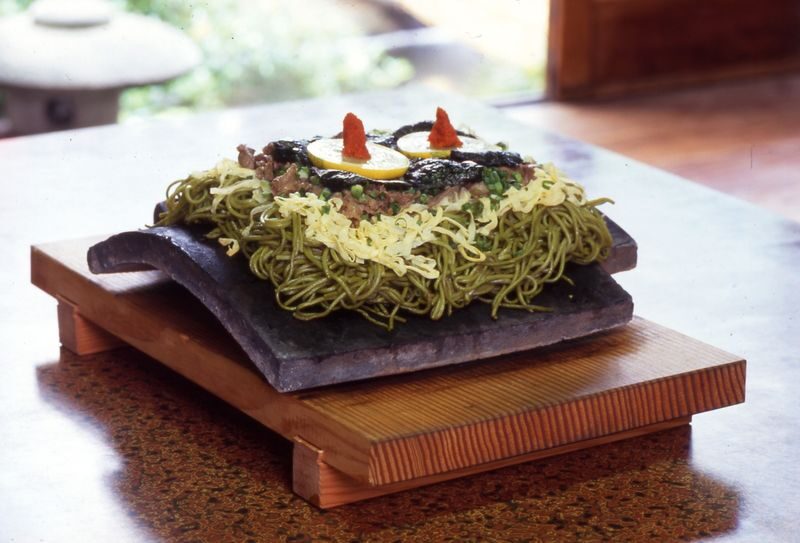
- Optional somen package: A limited-time version is offered, but summer queues can be long.
- From Hakata to Yamaguchi in a day
- Crossing the Kanmon Strait
- Tsunoshima Bridge and the open sea
- Walking the red gates at Motonosumi Shrine
- A practical pause at Senzaki Roadside Station
- Taking your time in Nagato Yumoto Onsen
- How the guide and group setup work
- Timing, comfort and small-group realities
- Is this Yamaguchi day trip worth booking?
- FAQ
- Where does the tour depart from?
- When does the tour return to Hakata?
- What attractions are included?
- How much time is scheduled at the main stops?
- Is a guide included?
- Is the onsen bath included in the price?
- Is the tour guaranteed to depart?
- Can children under 2 join for free?
- Can I bring large luggage?
- What is included in the tour price?
- More Tours in Nagato
- More Tour Reviews in Nagato
From Hakata to Yamaguchi in a day
This is a practical way to see several of Yamaguchi’s best-known sights without renting a car or working out a route across the prefecture. The tour leaves from Hakata, crosses the Kanmon Strait area and continues to the coast, with a driver and guide or accompanying staff member handling the transport.
The convenience matters because these stops are spread out. You will spend a good part of the day on the road, but you can look out the window rather than navigate, keep track of connections or arrange separate transfers. At each main attraction, you have free time to explore on your own.
The advertised price starts at US$68.10. For that, transport and travel agency liability insurance are included, along with driver and tour staff service. It is a fair starting price for a full-day route covering several distant places, especially if you value having the driving taken care of. It does not cover personal purchases, meals, an onsen bath or travel insurance.
The actual price and experience can depend on the package you choose. One option is listed as a limited-time Nagashi Somen offer. The offer name points to a seasonal noodle experience, but the route details do not set out a separate somen stop or guarantee a particular wait time. Treat it as an extra tied to that package, not as a fixed part of every departure.
Crossing the Kanmon Strait
The day begins around 7:50 to 8:00 a.m. at Hakata Station’s Chikushi Gate. Look for staff holding a LION TRAVEL flag or pickup sign, and arrive 10 minutes early. This is a shared tour, so a late arrival can mean missing the departure without a refund.
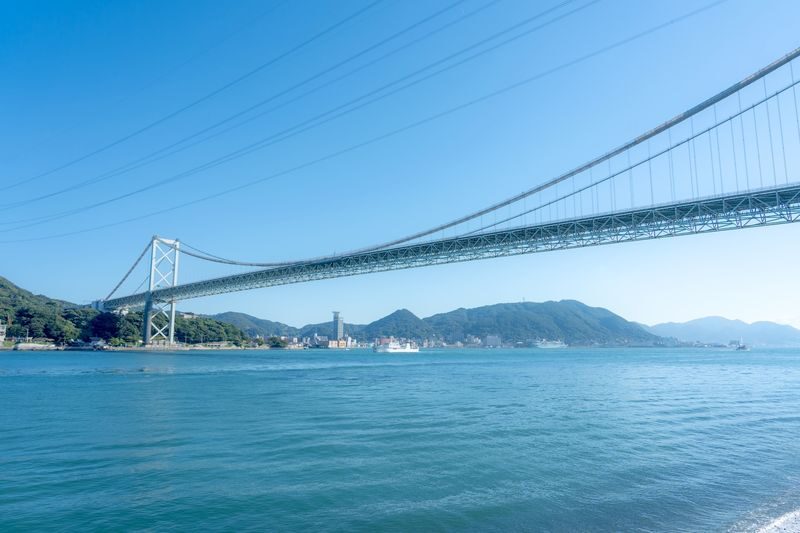
The Kanmon Bridge and Strait are a drive-by sight rather than a scheduled stop. The bridge connects Shimonoseki on Honshu with Moji on Kyushu, spanning a strait known for fast currents and busy shipping. At 1,068 metres long, it is a useful reminder that this trip crosses between two major Japanese islands before heading farther into Yamaguchi.
You will not have time here for a walk or photos from a viewpoint, so think of this part as context from the vehicle window. The bridge is also illuminated at night, but this tour passes through in daytime and returns to Hakata around 5:30 to 6:00 p.m., traffic permitting.
You can also read our reviews of more tours and experiences in Nagato.
Tsunoshima Bridge and the open sea
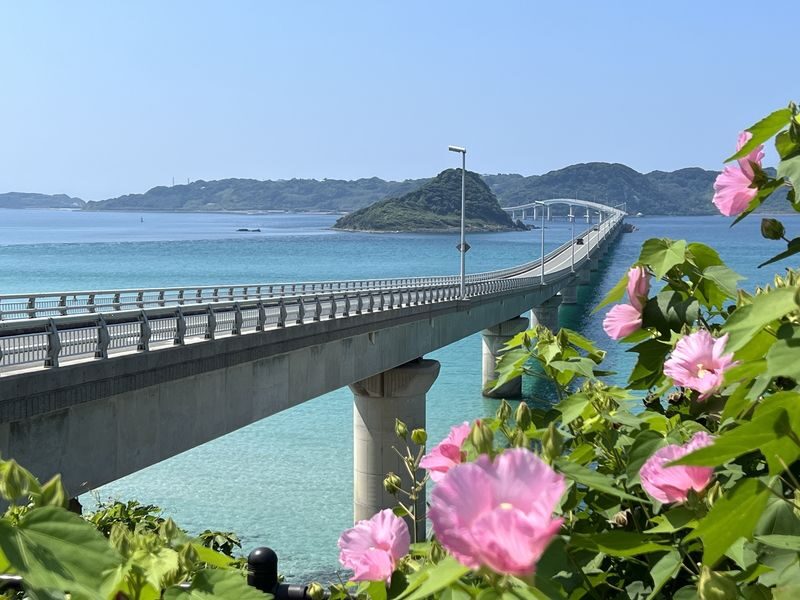
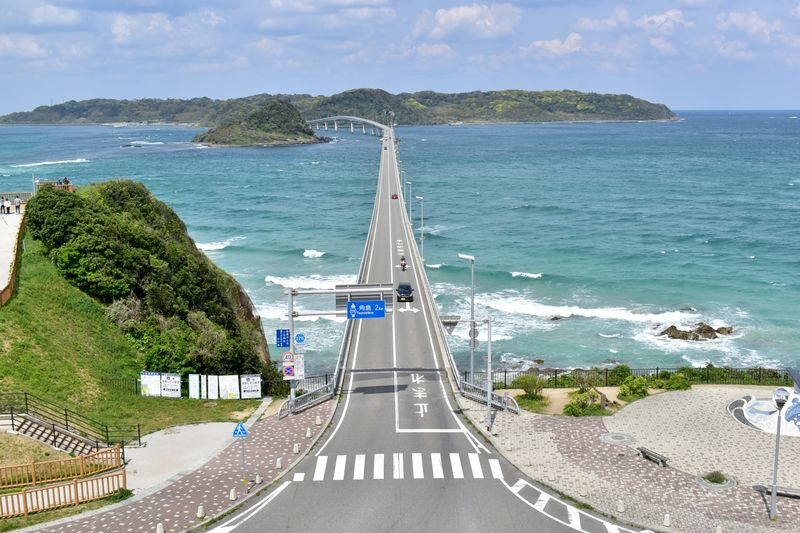
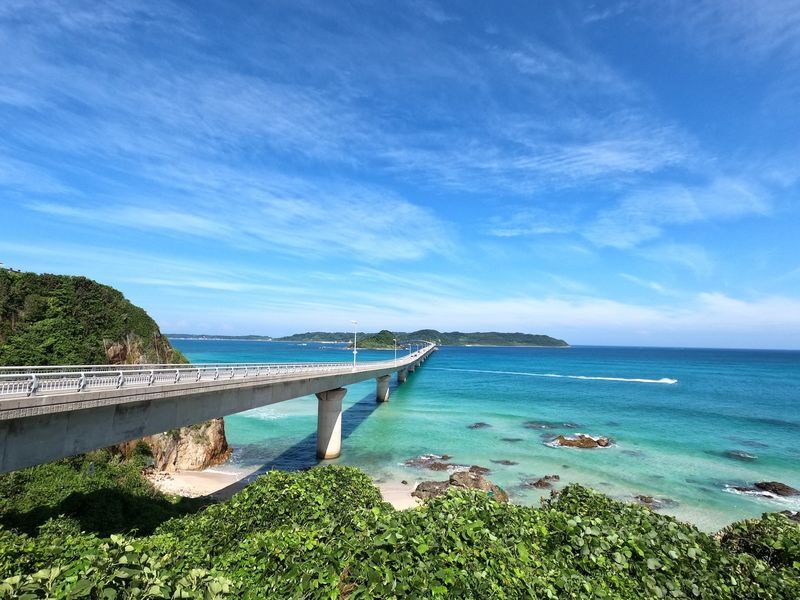
The first main stop is Tsunoshima Bridge, in Shimonoseki City. The bridge runs about 1,780 metres across clear water to Tsunoshima, linking the island with Honshu. Its straight line across the sea makes a strong photo subject, and the surrounding coast gives the stop much of its appeal.
You have about 30 minutes here, on your own. That is enough for a look and a few photographs, but not a long beach visit or a relaxed exploration of Tsunoshima. Keep an eye on the time and follow the staff’s directions for where to meet again.
This stop is best for the view rather than a deep visit. If the weather is clear, the sea and sky provide the bright contrast that makes the crossing memorable. If the weather turns poor, the view may not have the same impact, and the itinerary can change with road or weather conditions.
Walking the red gates at Motonosumi Shrine
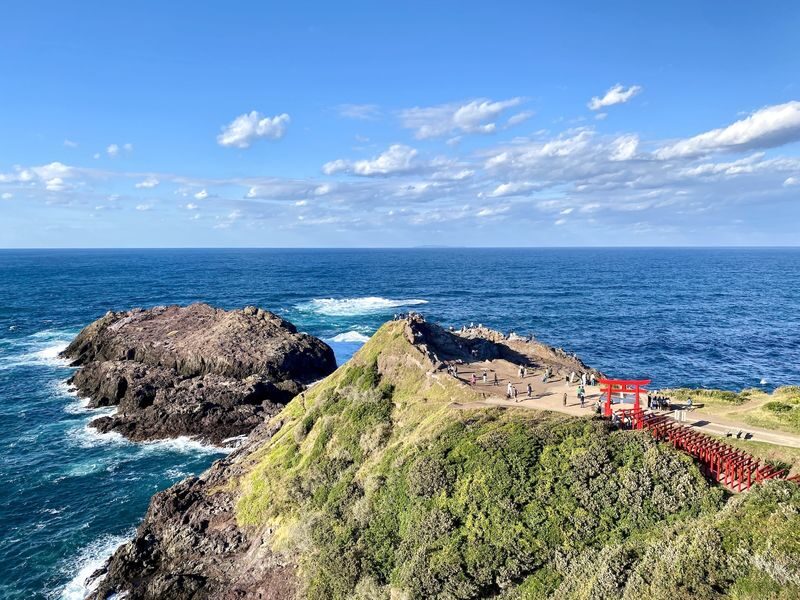
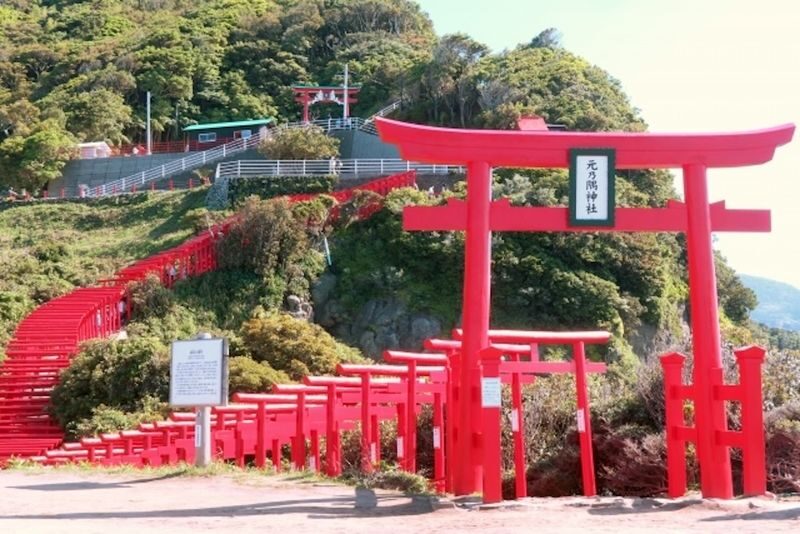
Motonosumi Shrine is the tour’s most distinctive stop. Its 123 red torii gates run down a hillside toward the Sea of Japan, creating a striking line against the coastal setting. The shrine is in Nagato City and is associated with good fortune and business prosperity.
You have about an hour to explore independently. Take time to walk the gate-lined route and look back along the hillside as well as out toward the sea. The setting is the point here: the gates are not an indoor display, but a path through a coastal site where wind and weather can shape the visit.
An hour gives you time to see the main route without turning the stop into a race, though it is not a long visit. Wear comfortable shoes, and bring a rain layer or warmer clothing suited to the season. The itinerary may be adjusted, and attractions can be changed or cancelled if traffic, weather or other conditions make that necessary.
The shrine’s opening status can affect the experience, so the tour cannot promise access in every circumstance. If visiting the shrine is your main reason for booking, check the pre-departure updates and be prepared for the schedule to shift.
A practical pause at Senzaki Roadside Station
The route includes a 30-minute stop at the roadside station in Senzaki. It brings together shops selling Nagato agricultural and marine products with restaurants serving local food from land and sea. That makes it a useful place to stretch your legs, browse regional goods or pick up something to eat.
Thirty minutes is a short break, not a leisurely meal. If you want to eat here, keep the time limit in mind and be ready to rejoin the group promptly. The stop also breaks up the drive between the shrine and the onsen town, which is welcome on a day with several hours of travel.
The tour description notes the station’s strong rankings in Japan and western Japan, but you do not need to treat those as a reason to linger. Think of it as a convenient window into local produce and a chance to recharge before the final stop.
Taking your time in Nagato Yumoto Onsen
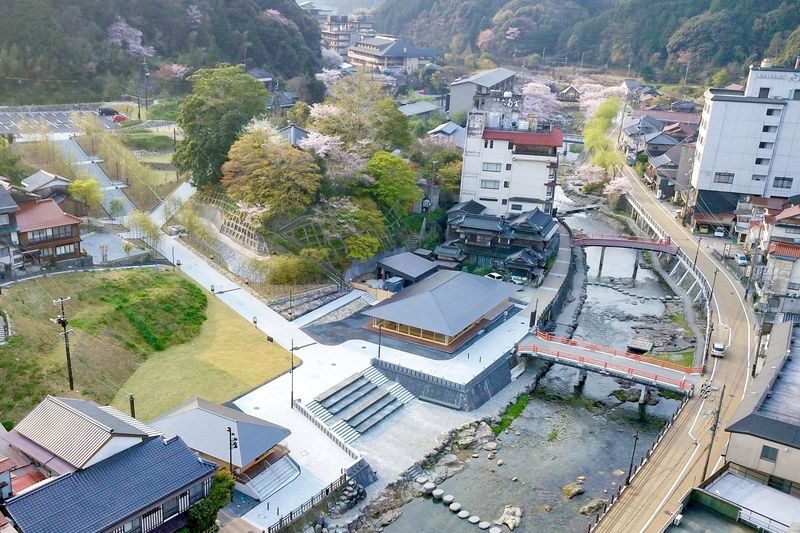
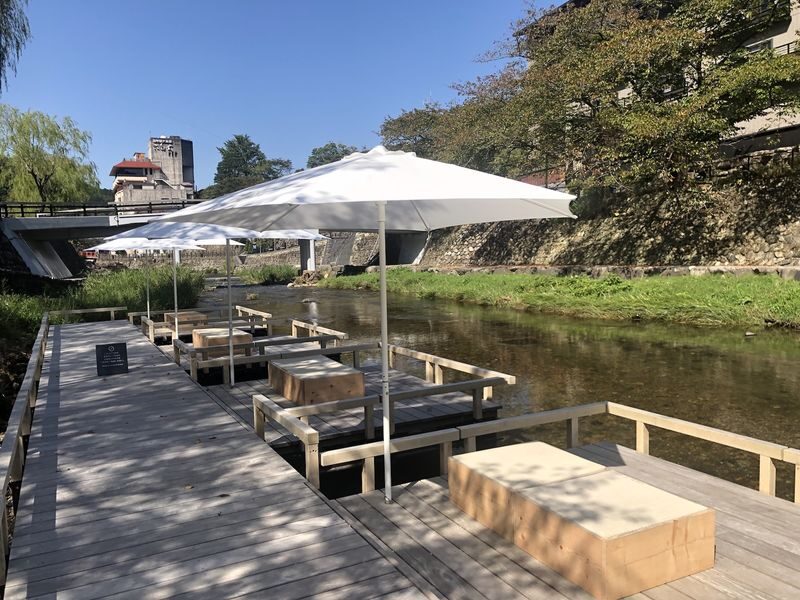
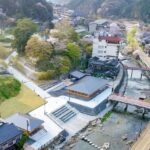
Nagato Yumoto Onsen has a history of about 600 years and is known for mild waters associated with skin care. The town has been renovated with a mix of cafes and traditional public baths, while its hot spring street gives you a calmer change of pace after the shrine and bridge.
You have about 90 minutes here, the longest scheduled stop. Use that time for a walk through town, a cafe visit or, if you wish, a hot spring bath. Bathing is not included in the tour price, so bring money for any bath or personal expenses. The one customer account available described the town as quiet and reported enjoying a soak in its historic onsen. That is a good picture of the stop’s appeal, though the exact experience depends on your pace and the bath you choose.
If you plan to bathe, keep your timing realistic. You still need to return to the meeting point on schedule, and 90 minutes includes the time needed to get to and from the bath and change. If you would rather take it easy, a walk through the town is a worthwhile use of the stop on its own.
How the guide and group setup work
The main guiding languages are Chinese and English. However, the vehicle and staffing depend on the number of people who book. If the group is small, a smaller vehicle may be used and the driver may also act as the accompanying staff member, without a separate tour guide. In that case, English commentary may not be available, and translation software may be used for basic communication.
This is an important distinction if you expect detailed commentary throughout the drive. The tour is strongest as a transport-and-free-time arrangement: you get taken to the main sights, then explore independently. The staff can assist with the group’s movements, but you should not count on a guide delivering a full talk at every stop.
The tour requires at least 10 participants. If that minimum is not reached, you can request a full refund or book an alternative date. The vehicle type is arranged according to the number of participants, so group size can affect how the ride feels.
Timing, comfort and small-group realities
The return to Hakata Station’s Chikushi Gate is estimated at 5:30 to 6:00 p.m. Traffic and the day’s progress can push that later, so avoid booking important evening plans. The listed times are estimates, and the route order or time at a stop may change.
The day involves long stretches of travel and several outdoor visits. Wear comfortable walking shoes, and bring weather protection suited to the season. Anyone with an unstable health condition, including pregnancy, should consider the extended travel and the possibility that medical care may not be close at hand.
Large luggage is best left behind, especially because a small vehicle may be used. If you need to bring bags, provide their size and number when booking so the operator can plan. Children aged 0 to 2 can ride free without a separate seat, with one lap infant permitted per adult. Include the child’s age and birth date in the booking notes.
Basic travel liability insurance is included, but personal travel or medical insurance is not. If you feel unwell during the tour, tell the staff. If you leave the group for personal reasons, you need to inform staff and complete a consent form; your plans and safety after leaving become your responsibility.
Is this Yamaguchi day trip worth booking?
Book this tour if you want to see the famous torii gates, Tsunoshima Bridge and Nagato Yumoto Onsen in one day, and you would rather let someone else handle the long drives. The price from US$68.10 is most attractive if you are comfortable with self-guided stops and a fairly brisk schedule.
I would choose it for the combination of coastal scenery and a proper onsen-town pause, not for deep exploration of any single place. The shrine and bridge are the visual highlights, while Nagato Yumoto offers the most room to slow down. If you want a private pace, detailed commentary or time for extra stops, a charter or a longer stay in Yamaguchi may suit you better.
Yamaguchi Nagato One-Day Tour | Motonosumi Shrine, Tsunoshima Bridge, Nagato Yumoto Onsen | Departing from Fukuoka Hakata
“Very honored to be the first customer for this new itinerary. i am the only one on the itinerary on Sunday 24 May. Natasha somen needs on site queu…”
FAQ
Where does the tour depart from?
It departs from Hakata Station’s Chikushi Gate. Gather between 7:50 and 8:00 a.m. and arrive 10 minutes before departure.
When does the tour return to Hakata?
The estimated return is between 5:30 and 6:00 p.m. Traffic and the day’s schedule can cause delays.
What attractions are included?
The route includes a drive-by view of Kanmon Bridge and Strait, Tsunoshima Bridge, Motonosumi Shrine, Senzaki Roadside Station and Nagato Yumoto Onsen.
How much time is scheduled at the main stops?
The schedule allows about 30 minutes at Tsunoshima Bridge, one hour at Motonosumi Shrine, 30 minutes at Senzaki Roadside Station and 90 minutes at Nagato Yumoto Onsen.
Is a guide included?
Driver and tour staff service are included. Guiding is mainly in Chinese and English, but a small group may have a driver serving as the accompanying staff member instead of a separate guide.
Is the onsen bath included in the price?
No. You can choose to take a bath at Nagato Yumoto Onsen, but the cost is your own.
Is the tour guaranteed to depart?
The tour requires at least 10 participants. If that minimum is not met, you can book an alternative date or request a full refund.
Can children under 2 join for free?
Yes. Children aged 0 to 2 can join free if they do not occupy a separate seat. Each adult may bring one lap infant, and the child’s age and birth date should be included in the booking notes.
Can I bring large luggage?
A small vehicle may be used, so large luggage is discouraged. If you need to bring it, provide the size and number of pieces when booking.
What is included in the tour price?
Transport, travel agency liability insurance and driver or tour staff service are included. Personal expenses, costs not listed as included, and personal travel or medical insurance are not.
