
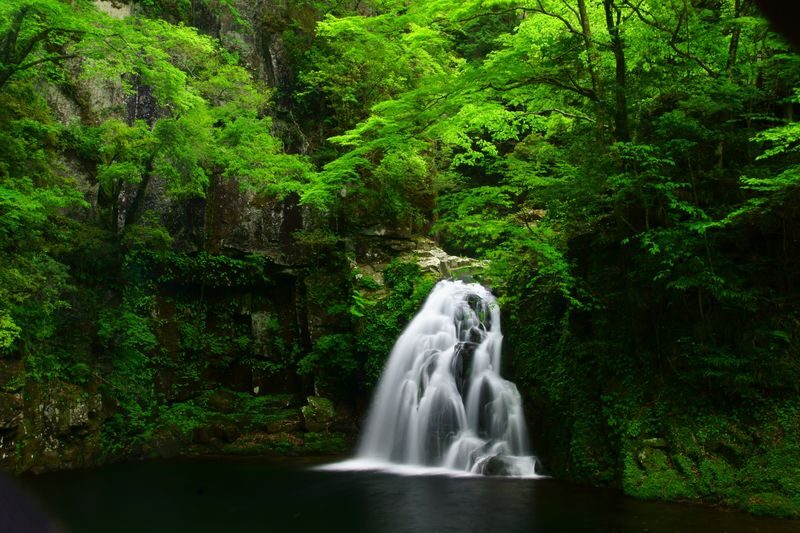
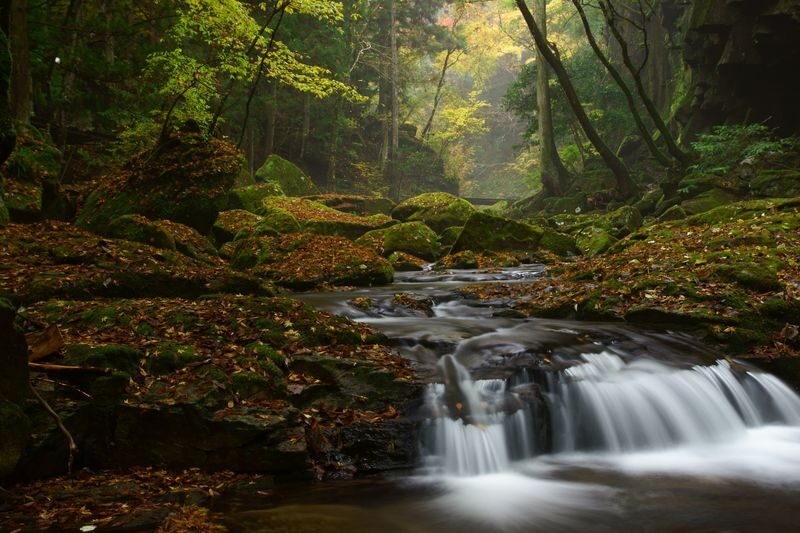
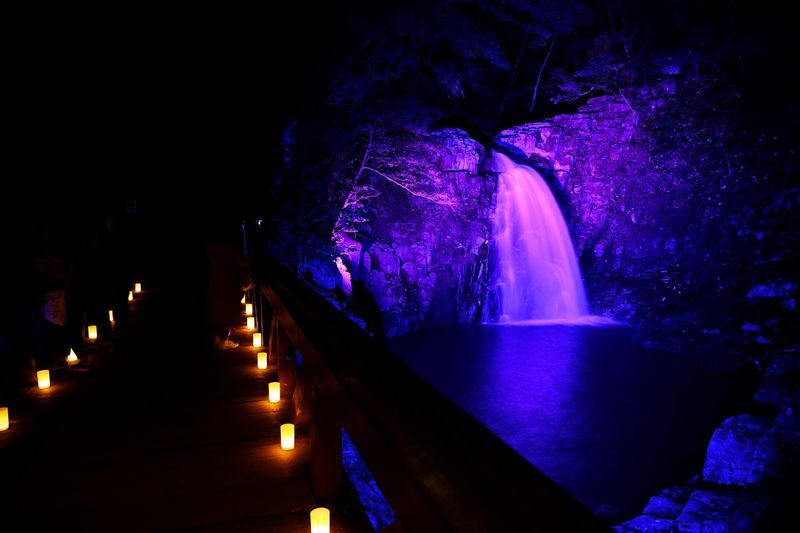
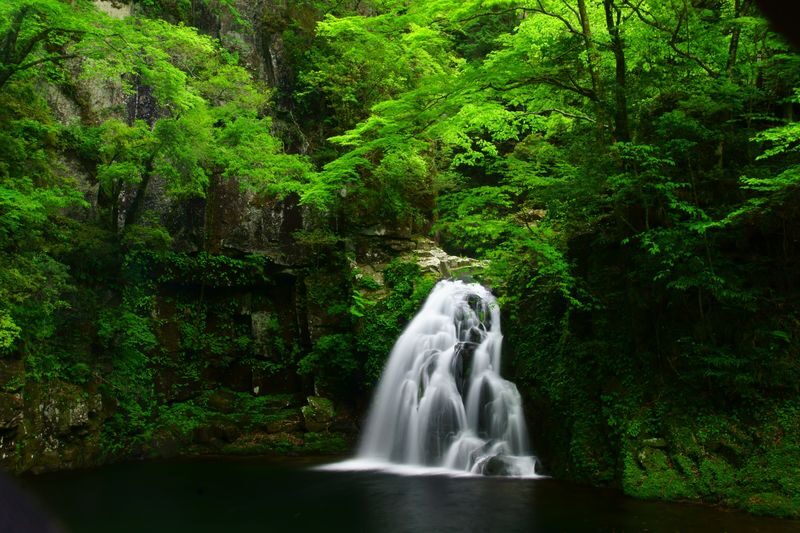
Akame’s appeal is the simple pleasure of following a stream through a forested gorge, with one waterfall after another around the bends. Five falls are singled out for their beauty: Fudo, Senju, Nunobiki, Ninai and Biwa. In late autumn and winter, seasonal lighting gives the valley a different feel after dark.
I like two things about this outing: the quiet, clean natural setting, where you may spot the habitat of giant salamanders, and the choice to add a hands-on ninja session at the Iga Ninja training site. The walk can be a restful break from city sightseeing, or a proper workout if you continue to the far end.
The catch is that Akame is not a quick stop from the nearest train station. You need to plan the bus connection, allow time for the walk and keep an eye on closing hours. The full trail can take around three hours or more, and the ninja experience costs extra.
- At a glance
- Following the stream to Akame’s five standout falls
- A trail that can be gentle or a workout
- What the ninja add-on really includes
- Daylight, autumn color and winter illumination
- Getting to the gorge from Akameguchi Station
- What the ticket costs, and what it buys
- Who should make the trip
- Should you book Akame 48 Waterfalls?
- FAQ
- How long does the Akame waterfall walk take?
- What does the admission ticket include?
- Is ninja training included with valley admission?
- How do I get from Akameguchi Station to the waterfalls?
- When is the valley open?
- Are there toilets in the valley?
At a glance
- Five named waterfalls give you clear highlights to look for along the stream: Fudo, Senju, Nunobiki, Ninai and Biwa.
- A full walk takes time. Budget two to four hours, depending on your pace and how far you go.
- Ninja training is an optional extra. The admission-only ticket does not include the training or costume.
- The valley changes with the season. Daytime hours vary across the year, while the light-up period runs from late October to the end of January.
- The train does not take you to the entrance. From Akameguchi Station, continue by Mie Kotsu Bus for about 10 minutes to Akame Waterfalls Station.
- Sturdy shoes matter. The route is mostly manageable, but stairs and a long uphill walk can tire you out.
Following the stream to Akame’s five standout falls
Akame 48 Waterfalls is a gorge walk in Nabari, Mie Prefecture. The name suggests a procession of cascades, but you do not need to count them to enjoy the route. The draw is the changing rhythm of water, rock and forest as you follow the stream deeper into the valley.
The five best-known falls are Fudo, Senju, Nunobiki, Ninai and Biwa. Each gives you a reason to pause, take in the setting and listen for a moment. I would avoid racing from one to the next just to tick off names. The quiet between the main stops is part of what makes the walk worthwhile.
The valley is also a habitat for giant salamanders, a reminder that this is more than a scenic path. It is a protected natural area, so stay on the trail and leave plants and animals where they are. That matters especially when you stop for photographs: it is easy to step off the path without noticing.
Visitors who walk to the final Gankutsu Waterfall have reported taking about an hour and a half to reach it, then a little over an hour to return. That is a useful guide, not a fixed schedule. Your pace, stops and fitness will affect the total, so allow a generous window rather than planning a tight connection back to the station.
A trail that can be gentle or a workout
The route is described as mainly flat, with stairs in some places. That makes it approachable for many people, but do not mistake mostly flat for effortless. The valley stretches on, and the uphill sections can feel demanding if you do not exercise regularly. One visitor who found the climb tiring wished they had paid closer attention to the return departure time.
You can turn back when you have had enough. That flexibility is useful if you are short on time, tired or simply content with a handful of waterfalls. An hour and a half may be enough for a shorter visit, but reaching the far end and returning can push the outing closer to three hours. The advertised two-to-four-hour range is sensible for planning.
There are two toilets in the ravine, one biological and one pump-operated, and they may be busy. Use the public flush toilet in front of Hotel Taisenkaku before entering if you can. There are no toilets at the Japan Salamander Center, the valley entrance.
Follow the local rule that people heading uphill generally have priority, while using common sense where descending is safer or a large group is coming through. The practical point is to give one another room on a narrow trail, especially near steps and photo stops.
What the ninja add-on really includes
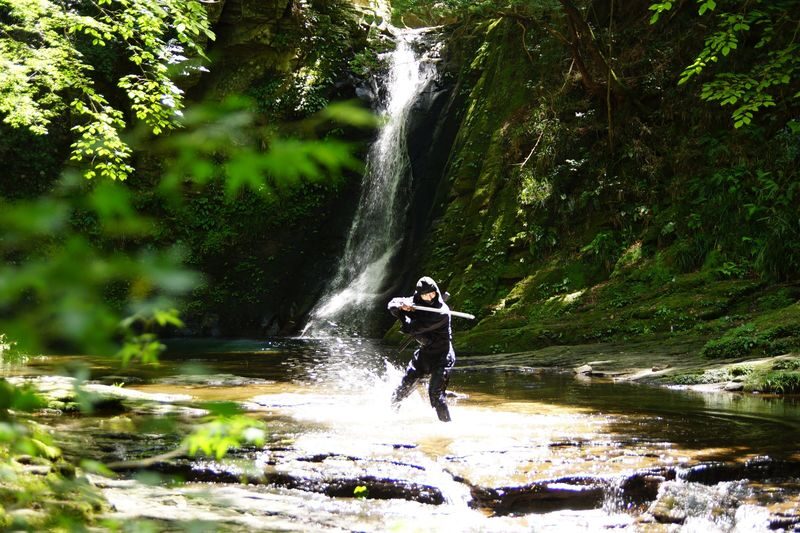
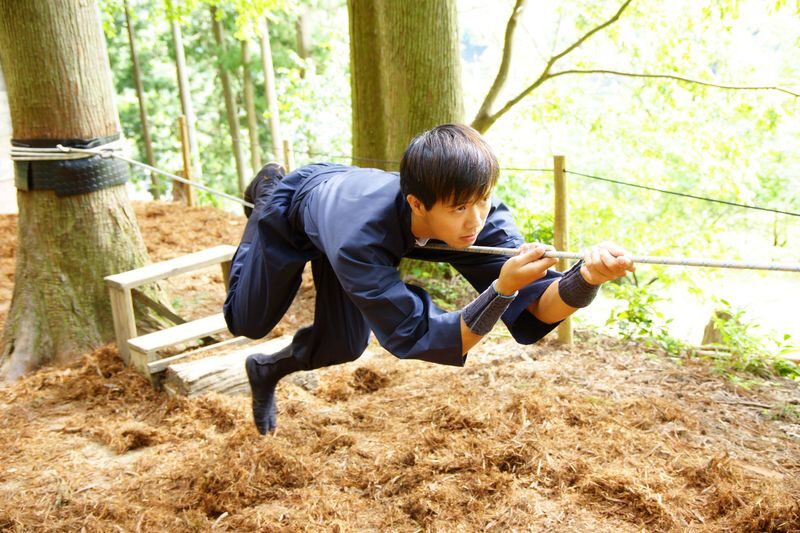
Akame’s Ninja Forest is presented as a training place of the Iga Ninja. If you choose the admission-plus-training package, you can put on a ninja costume and take part in a training experience. It is a different kind of outing from the waterfall walk, adding a hands-on activity to a day otherwise built around nature.
The standard admission ticket does not include ninja training. The training package is sold separately, and the cost is not included in the starting price of $6.30. That low starting price applies to the basic mountain admission, so compare package details before booking if the ninja session is the main reason you are coming.
The training experience operates year-round except December 28 to January 2, and on Thursdays from January 3 through the second week of March. It opens on national holidays during that Thursday closure period. Since the valley and training hours are not identical, check the schedule for your date rather than assuming both parts will be open.
Storage is available at the Akame Museum of Natural History, which also serves as the ninja training reception, or at the Japan Salamander Center near the entrance. A fee applies, and staff can confirm the current rate.
Daylight, autumn color and winter illumination
For a regular daytime visit, the valley is open from 8:30 a.m. to 5 p.m. from the second Friday in March through November. From December until the second Thursday in March, hours are 9 a.m. to 4:30 p.m. These seasonal hours make a difference: a late start in winter can leave little room for a long walk.
The seasonal light-up runs from late October through the end of January, with the site open until 8 p.m. This gives you a chance to see the gorge after dark, when the falls and surrounding trees take on a different look. The night display is an additional reason to check the exact operating details for your date, especially if you are also hoping to complete the full trail.
Autumn is an appealing time to consider. Maple trees grow along the river, and their foliage can add color to the walk. Summer has its own advantage: the shaded valley can offer a welcome escape from heat, though you should still expect to work up a sweat on the longer route. In winter, the scenery and illumination may be attractive, but dress for the colder conditions; the ninja training experience can feel less comfortable in a chilly season.
Getting to the gorge from Akameguchi Station
The meeting address is listed as 671-1 Nagasaka, Akamecho, Nabari, Mie, while the ticket redemption point is the Japan Salamander Center at 861-1 Akamecho, near the valley entrance. Present your mobile voucher there to enter. The address details differ, so use the venue map and follow the instructions attached to your booking.
By public transport, take the Mie Kotsu Bus from Akameguchi Station. The ride to Akame Waterfalls Station takes about 10 minutes. The train journey to Akameguchi varies by starting point: about 54 minutes from Osaka via Yamato Yagi, 1 hour 39 minutes from Nagoya via Nabari, or 1 hour 29 minutes from Kyoto via Yamato Yagi. Those are train times given for the routes, so allow extra time for connections and the bus.
Driving is another option. The stated estimates are about two hours from Osaka, two and a half hours from Nagoya, and around seven hours from Tokyo, depending on the route. Since the experience does not include transport, meals, drinks or insurance, factor those into your day’s cost and plan.
You can re-enter the venue with your ticket, wristband or stamp. That can be handy if you want to step out and return, but keep the entry proof with you.
What the ticket costs, and what it buys
At a starting price of $6.30, the admission-only ticket is good value if you want access to the valley and plan to spend time on the trail. You are paying for a natural setting and a walk that can fill much of a half-day, not for transport or a guided excursion. The value is strongest if you enjoy moving at your own pace and are happy to make the journey to Nabari.
The price does not cover the ninja training, food, drinks, transport or insurance. If you want the costume and training activity, choose the combined package and check its current price before you commit. A low headline fare can otherwise give an incomplete picture of what your day will cost.
Booking a mobile voucher is straightforward: show it at the Japan Salamander Center and enter directly. The voucher is valid only for the date selected. Free cancellation is available before the activity date, and changes are allowed before the activity starts, subject to stated exclusions for certain passes, presales and promotional bookings.
Children under elementary school age enter free. Storage is available for a fee. Pack out all rubbish, do not smoke or make fires in the valley, and do not collect plants or animals. These rules protect a fragile place and help keep the trail pleasant for everyone.
Who should make the trip
Akame suits you if you like waterfalls, forest paths and an unhurried walk more than a string of indoor attractions. It is especially appealing if you are already in the region and want a nature break, or if you are willing to make the train-and-bus journey part of a full day out.
It is a good fit for active families and curious visitors who want to pair a scenic walk with the optional ninja training. But the gorge is not a theme park with a quick loop. If you dislike hills, have limited time or do not want to coordinate transport, choose a shorter section of the trail or consider another activity closer to your base.
Weekdays can be quieter, particularly outside peak periods, which makes it easier to enjoy the sound of the stream and birds. Still, the main practical test is your schedule. Check the opening hours, bus departure times and how far you want to walk before setting out.
Should you book Akame 48 Waterfalls?
Book it if the idea of a peaceful gorge walk appeals to you and you can spare at least half a day for transport and the trail. I like the combination of five memorable waterfalls, a clean natural setting and optional ninja training, with a low admission price for the basic visit.
Skip or shorten the outing if you need a guaranteed quick stop or would struggle with a long uphill walk. Wear good shoes, use the toilet before entering, and keep enough time for the bus back. If you plan around those details, Akame offers a satisfying change of pace from Japan’s larger cities.
Akame 48 Watefalls / Ninja Training Experience in Mie
“Today, my wife and I hiked all the way to the final Gankutsu Waterfall. The weather was great, and we worked up a good sweat! It took us about 1 ho…”
FAQ
How long does the Akame waterfall walk take?
Plan for two to four hours overall. Walking to the final Gankutsu Waterfall has taken about an hour and a half, with a little over an hour for the return, while a shorter visit can take less time.
What does the admission ticket include?
The admission ticket includes mountain access to the valley. It does not include transport, meals, drinks, insurance or the ninja training experience.
Is ninja training included with valley admission?
No. Ninja training is offered as a separate package, which includes a ninja costume. Check the package details and operating schedule for your date.
How do I get from Akameguchi Station to the waterfalls?
Take the Mie Kotsu Bus from Akameguchi Station to Akame Waterfalls Station. The bus journey takes about 10 minutes.
When is the valley open?
From the second Friday in March through November, the stated hours are 8:30 a.m. to 5 p.m. From December until the second Thursday in March, hours are 9 a.m. to 4:30 p.m. The seasonal light-up runs from late October to the end of January, until 8 p.m.
Are there toilets in the valley?
There are two toilets in the ravine, one biological and one pump-operated, and they may be crowded. It is recommended that you use the public flush toilet in front of Hotel Taisenkaku first. There are no toilets at the Japan Salamander Center.