
Asahiyama Zoo is the star of this Hokkaido outing, but the real draw is fitting several far-flung sights into one day without driving. You can see the zoo, Biei’s Blue Pond and, on the summer route, Farm Tomita, with winter departures offering a very different mood around the pond and waterfall.
I like two things in particular: the convenient bus ride to places that can be awkward to reach on your own, and the sharp seasonal contrast between flower fields in summer and snow-lit scenery in winter. The trade-off is time. The day covers long distances, so some stops can feel brief, especially if you want a full zoo visit or a leisurely walk through Farm Tomita.
- What to know before you book
- A long ride that makes the countryside reachable
- Asahiyama Zoo: plan your first hour
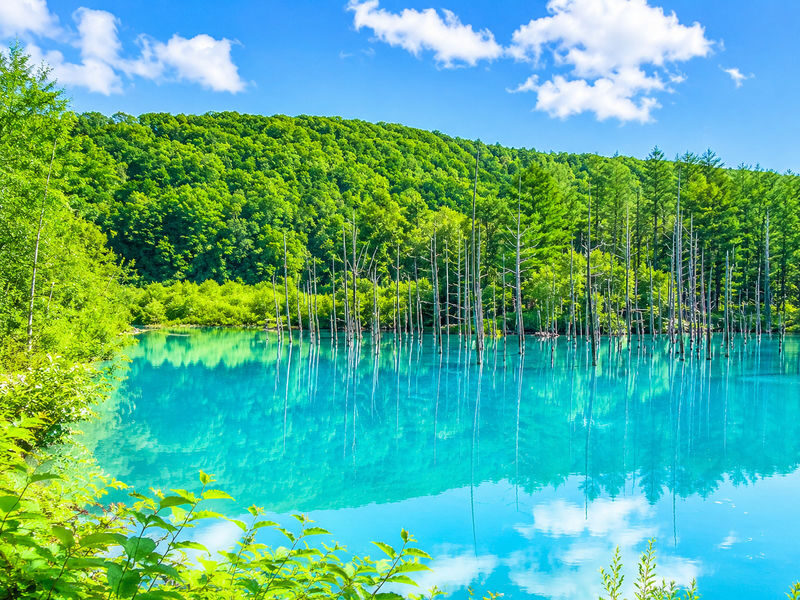
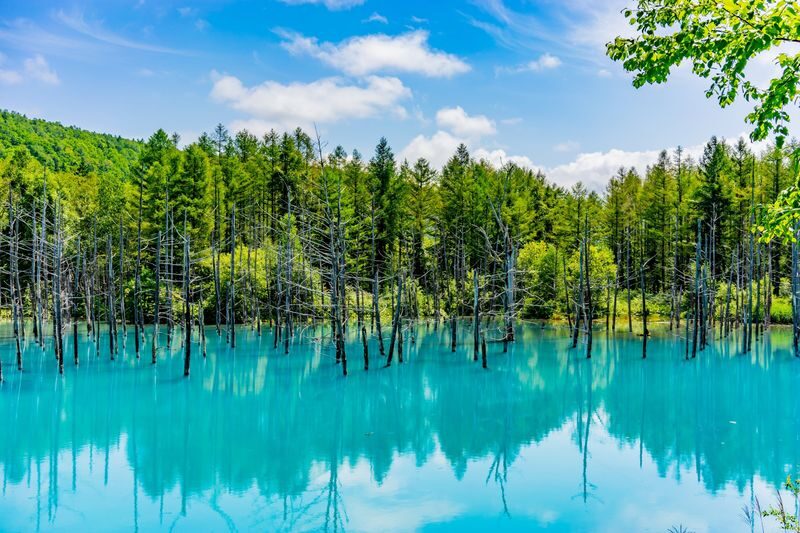
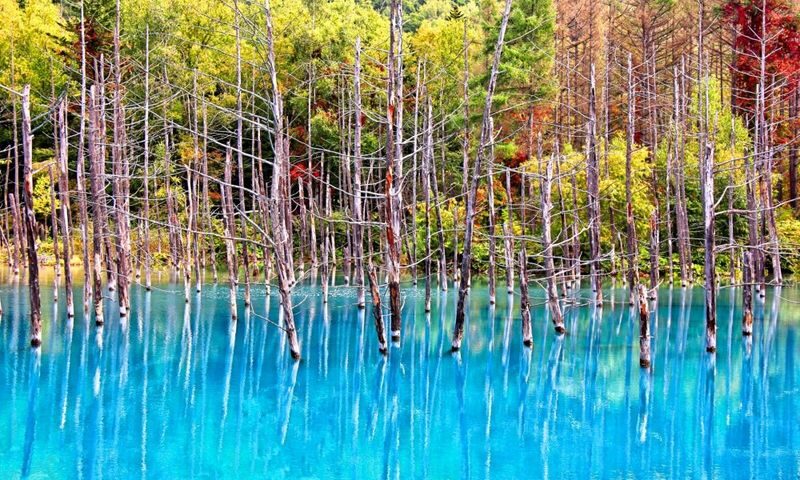
- Blue Pond: brief stop, striking color
- Shirahige Waterfall: a winter bonus with little time
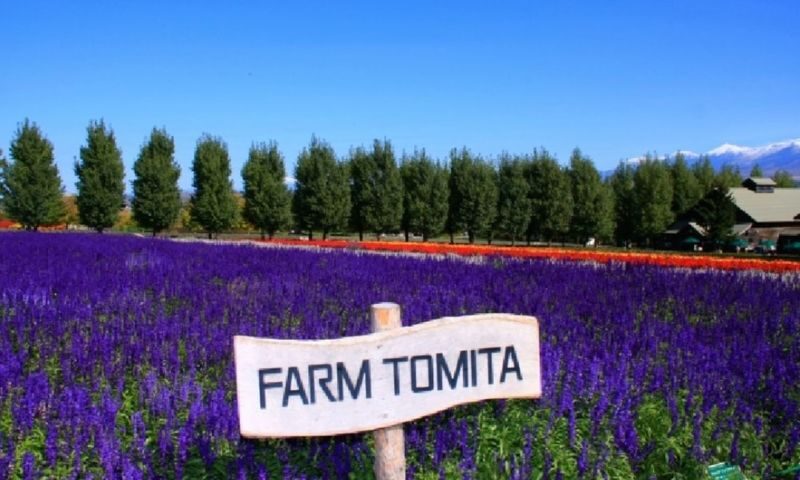
- Farm Tomita: flowers, treats and a quick walk
- Guides, language and keeping track of the group
- Is .55 good value?
- Who should take this tour?
- FAQ
- How much does the tour cost?
- How quickly is the booking confirmed?
- What is the cancellation policy?
- What happens if severe weather cancels the tour?
- Does the tour visit Farm Tomita?
- Is the tour commentary in English?
- How long do you get at Asahiyama Zoo and Blue Pond?
- More Zoos in Sunagawa
- More Tours in Sunagawa
- More Tour Reviews in Sunagawa
What to know before you book
 1 / 9
 2 / 9
 3 / 9
 4 / 9
 5 / 9
 6 / 9
 7 / 9
 8 / 9
 9 / 9
- Asahiyama Zoo is the main stop, but a visit of roughly two hours may feel short if you want to see many exhibits, attend an animal activity and eat lunch.
- The summer route brings flowers and soft-serve stops, with Farm Tomita as a highlight. The flower display depends on the season, so do not expect peak blooms year-round.
- Winter changes the scenery and the schedule. The penguin walk may be a seasonal highlight, while the Blue Pond can be frozen or covered in snow.
- Blue Pond time can be tight, sometimes less than 20 minutes. In winter, the illuminated water and nearby waterfall may be the evening payoff.
- Commentary may be mostly in Japanese. Important meeting times have been communicated in English or written on a whiteboard, but detailed translation is not guaranteed.
- From $62.55, the price buys transport and a packed day, not a slow, flexible visit. Free cancellation is available with at least 48 hours’ notice.
A long ride that makes the countryside reachable
This is a full-day bus excursion from the Sapporo area into central Hokkaido. The destinations are spread out, and the ride is a substantial part of the experience. If you are not renting a car, the bus saves you from working out connections between a zoo, Biei’s scenery and Furano’s farm on your own.
That convenience has real value. You can settle into the ride, follow a set schedule and spend your energy at the stops rather than on transfers. Several people have found the vehicle comfortable, and the driver and tour leader have been described as punctual and helpful. One winter participant also appreciated that the bus was warm, a practical comfort when you are stepping in and out of freezing weather.
The day’s structure is less appealing if you like to linger. Weather, road conditions and the length of the drive can affect the timetable, and a late return to Sapporo is possible. One visitor arrived more than an hour later than expected in winter, likely due to weather. Keep your evening plans flexible, especially in snowy months.
Departure and return arrangements can vary by package. Some participants have boarded near Nakajima Park and described return stops at Sapporo Station, Odori Park and Susukino. Check your specific booking details rather than assuming the same stops apply to every departure.
You can also read our reviews of more tours and experiences in Sunagawa

Asahiyama Zoo: plan your first hour
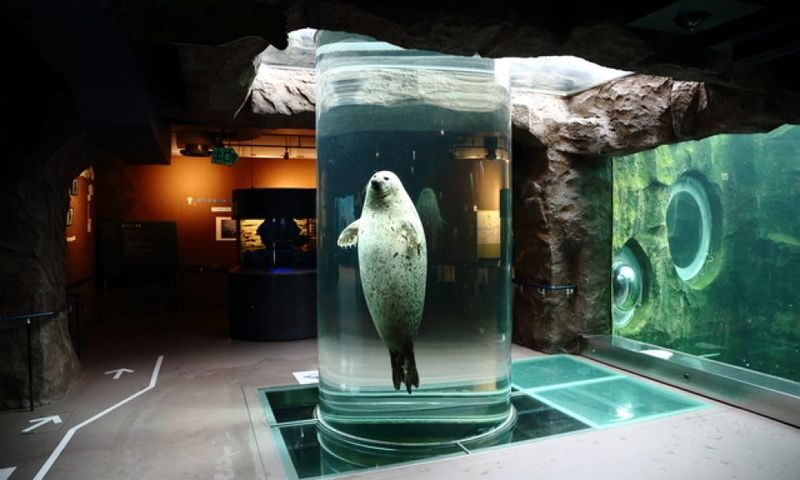
The zoo is a substantial attraction, not a quick photo stop. Its appeal is seeing animals such as penguins, polar bears, tigers and owls, with the winter penguin walk a major draw when it runs. The zoo has food outlets, but time for lunch can eat into your visit.
A visit of around two hours has felt tight for people who wanted to explore several exhibits or catch scheduled activities. In summer, check the day’s activity schedule as soon as you arrive and head first to the event you most want to see. If lunch is important, bring something simple or decide in advance how much zoo time you are willing to trade for a meal. One participant lost more than an hour to lunch and then had to hurry onward.
Winter has a special appeal, but it is not the best season for every animal. Some animals may be less visible or absent from outdoor areas in the cold. The penguin walk is memorable when it takes place, but it can be short or cancelled, so treat it as a possible bonus rather than a promise. If your main goal is seeing a broad range of active animals, a warmer-season visit may suit you better.
Animal welfare is also worth considering. One visitor felt distressed by the animals’ behavior, while another found the zoo enjoyable. You will make your own judgment, but do not assume every enclosure or encounter will feel uplifting.
Blue Pond: brief stop, striking color
Biei’s Blue Pond is a compact stop with an outsized visual effect. The pond’s color and the bare trunks rising from the water make it a distinctive place for photographs, especially when the weather and light cooperate. In winter, the experience changes: snow or ice may cover the water, and some departures visit an illuminated pond after dark.
The short stop is the main compromise. Some visits have allowed fewer than 20 minutes, which is enough to walk to a viewpoint and take a few pictures, but not much more. If you are hoping to study the site or wait for changing light, this schedule may frustrate you. Keep your camera ready and use the bus ride to decide what you most want to photograph.
Winter visitors have found the lit pond beautiful, but cold is part of the deal. At other times, the pond may be frozen over and look nothing like the familiar blue-water images. That is not necessarily a wasted stop: a snow-covered pond has its own stark appeal. Still, if the famous blue color is your priority, check the season and conditions before booking.
Shirahige Waterfall: a winter bonus with little time
Some winter itineraries also include Shirahige Waterfall. The falling water and snowy surroundings can be a highlight, but the stop has been described as brief, around 20 minutes. That is enough to see the falls and take photographs, not enough for a relaxed visit.
The waterfall gives the winter route a useful second scenery stop, particularly if the pond is frozen. But it also adds another place to fit into an already long day. Think of it as a short scenic pause, not a destination where you will have time to explore at length.
Farm Tomita: flowers, treats and a quick walk
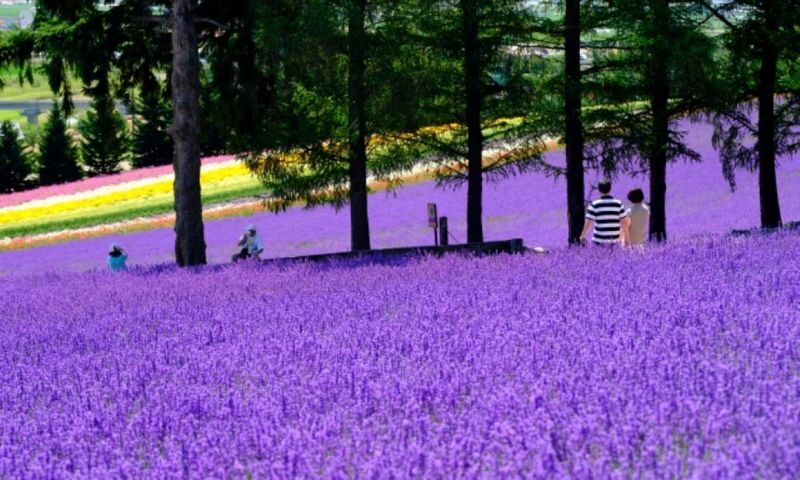
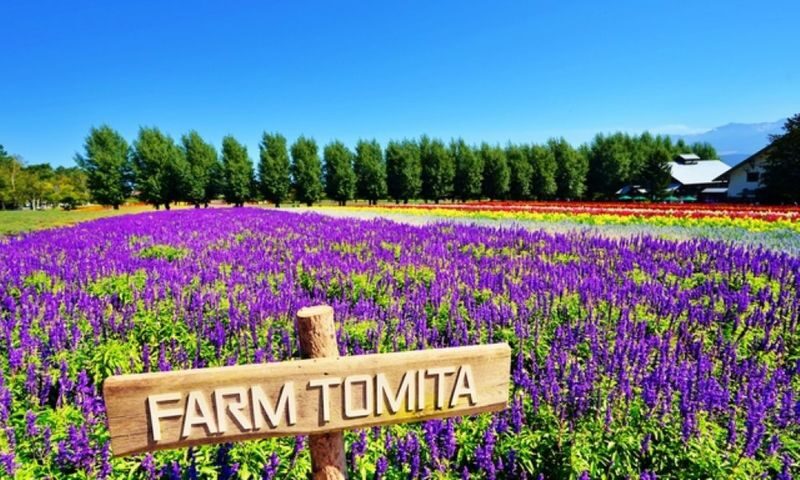
Farm Tomita belongs to the summer version of the outing. Its flower fields are the reason to go, with lavender among the seasonal displays and other flowers adding color. The farm also offers food and a shop with lavender products, so you can grab a treat or a small souvenir.
The catch is that the stop can be rushed. One visitor had time for ice cream and melon, then only a quick walk around the nearest flower field. That is a good clue about how to approach it: decide whether you care most about photographs, a snack or browsing the shop, then do that first. If you want a slow stroll across the farm, this packed tour may not give you enough time.
Blooming conditions vary with the season. The name Farm Tomita may conjure up expansive lavender rows, but flowers do not follow the tour calendar on command. Check the timing of your visit and keep expectations flexible, especially outside the main summer flowering period.
Guides, language and keeping track of the group
The tour leader’s language is an important part of the decision. Some departures have had guides who spoke mainly Japanese, while others had multilingual leaders or translation help. Even when commentary was limited, meeting times were sometimes written on a whiteboard or shared in English on a phone. That can make the logistics manageable, but it is not the same as a full guided explanation in your language.
If you value local commentary, ask what language support is available for your exact departure. If you mainly need transport and clear instructions, the tour may still work well. Keep an eye on the meeting time at every stop, and do not assume you can catch up if you wander farther than the group’s allotted window.
A tour leader has also advised passengers to use restrooms and buy snacks before the long drive. That is sensible: the day is tightly scheduled, and there may not be time for an unplanned meal stop. Bring water and a snack, particularly if you have children or know you get hungry between meals.
Is $62.55 good value?
At a starting price of $62.55, this is best judged as a transport-and-access package. You are paying for a bus day that connects several widely spaced Hokkaido sights, not for long, independent visits at each one. For someone without a car, that can be a worthwhile trade: a single booking simplifies a complicated day and takes care of the long transfers.
The value drops if your ideal outing is slow and flexible. The zoo, pond and farm each reward extra time, but the schedule must divide the day among them and account for the drive. The zoo’s admission is included as part of the tour’s itinerary according to participants, which saves arranging that visit separately, but confirm the current package inclusions before booking.
Price comparisons matter too. One winter visitor found a similar tour elsewhere for about 5,000 yen less. That does not establish that every cheaper option has the same stops or service, but it is worth comparing routes, languages and departure points before paying. A lower fare is not automatically better if the transport or timing differs.
The experience has a 4.3 out of 5 rating from 143 reviews. The recurring strengths are convenient transport, attractive scenery, a generally organized schedule and helpful tour leaders. The main complaints are also consistent: long hours on the bus, brief stops, limited language support and little time for lunch. The provider, PC-TAKU, has 16,543 total reviews and an 86 percent good review rate.
Booking confirmation is stated as within 48 hours. You can cancel for a full refund with at least 48 hours’ notice, using the destination’s local time. In severe weather or unforeseen circumstances, the operator may cancel and offer a reschedule or full refund.
Who should take this tour?
I would choose this trip if you are based in Sapporo, do not plan to drive and want to see several central Hokkaido sights in one day. It is also a sensible fit if you are comfortable with a long bus ride and happy to pick a few priorities at each stop rather than see everything.
Families may appreciate having transport handled, but should plan snacks and be realistic about the zoo’s time limit. Winter visitors who want the penguin walk, snowy scenery and evening lights may find the season especially appealing, provided they dress for the cold and accept that animals and activities can vary. Summer visitors should book for the flowers and countryside, while remembering that Farm Tomita may be a brisk stop.
Skip it if you want an unhurried zoo day, a long visit to the Blue Pond or detailed guiding in English as a guaranteed feature. In that case, a self-drive plan or a tour with a slower schedule may serve you better. For everyone else, this is a practical way to cover a lot of ground, as long as you pack a snack, choose your must-sees and treat the timetable as part of the bargain.
Asahiyama Zoo & Farm Tomita Full-Day Nature Tour
“Well-organized tour with beautiful scenery throughout the trip. The guide was friendly and the itinerary was enjoyable.”
FAQ
How much does the tour cost?
The listed starting price is $62.55. The price may vary by package or date.
How quickly is the booking confirmed?
Confirmation is provided within 48 hours.
What is the cancellation policy?
You can receive a full refund if you cancel at least 48 hours before the activity date, based on local destination time.
What happens if severe weather cancels the tour?
The operator may cancel because of extreme weather or unforeseen events. You can then choose to reschedule or request a full refund.
Does the tour visit Farm Tomita?
Farm Tomita is part of the summer day-trip option. Winter departures described for this experience may instead focus on the zoo, Blue Pond and Shirahige Waterfall.
Is the tour commentary in English?
English support is not guaranteed. Some departures have had mainly Japanese commentary, with meeting times written on a whiteboard or shared in English. Language arrangements can vary.
How long do you get at Asahiyama Zoo and Blue Pond?
The exact stop times can vary. Some participants have had about two hours at the zoo, while a Blue Pond stop has sometimes been less than 20 minutes.