At Asahiyama Zoo, the winter highlight is the penguin walk, a chance to watch the birds make their way through the snow as part of their natural exercise. I like that this day tour pairs the zoo with striking winter scenery, and I like having two route choices, one focused on Biei’s frozen water and one with an optional snowmobile outing.
The trade-off is time. The drive between stops eats into a packed day, leaving some visits short, and snow or traffic can change the schedule. If you want a relaxed, lingering visit at each place, this is not the right format.
- At a glance
- A winter day built around the penguin walk
- Pick the route that matches your idea of winter
- Asahiyama Zoo: allow time for more than the penguins
- Ken & Mary Tree: a photograph from the bus
- The classic route’s frozen water and blue ice
- Shikisai-no-Oka and optional snowmobiling
- Ningle Terrace: cabins in the trees
- The bus ride is part of the bargain
- What the price buys, and what it does not
- Prepare for snow, cold, and a full day
- Should you book this Hokkaido winter tour?
- FAQ
- How long is the tour?
- Which attractions are included on the classic route?
- Which attractions are included on the fun route?
- Is the penguin walk guaranteed?
- Are meals and snowmobiling included?
- What should I wear?
- The Best Of Asahikawa!
- More Zoos in Asahikawa
- More Tours in Asahikawa
- More Tour Reviews in Asahikawa
At a glance
 1 / 10
 2 / 10
 3 / 10
 4 / 10
 5 / 10
 6 / 10
 7 / 10
 8 / 10
 9 / 10
 10 / 10
- Penguin walk at Asahiyama Zoo: The zoo is the day’s main stop, with about two hours to explore on your own.
- Two distinct route choices: The classic route includes Shirahige Waterfall and the Blue Pond; the fun route visits Shikisai-no-Oka, where snowmobiling is optional and costs extra.
- A brief Ken & Mary Tree stop: You view this famous tree from the bus, rather than getting off for a visit.
- Snowy Ningle Terrace: Wooden cabins in a forest setting make this a memorable final stop, though it may be replaced by Takushinkan.
- Long day, simple transport: Round-trip transfers spare you from arranging separate buses, but you should expect a full day and possible delays.

👉 See our pick of the Our 3 Favorite Asahikawa Tours
A winter day built around the penguin walk
This is a long-distance outing designed to connect several popular Hokkaido sights in one day. You board in the morning, spend much of the day moving between Asahikawa, Biei, and Furano-area attractions, then return in the late afternoon or evening. Round-trip transport is the main convenience: without it, fitting these stops together would mean sorting out several separate journeys in winter.
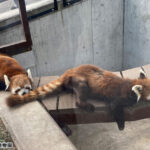
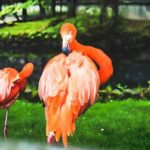
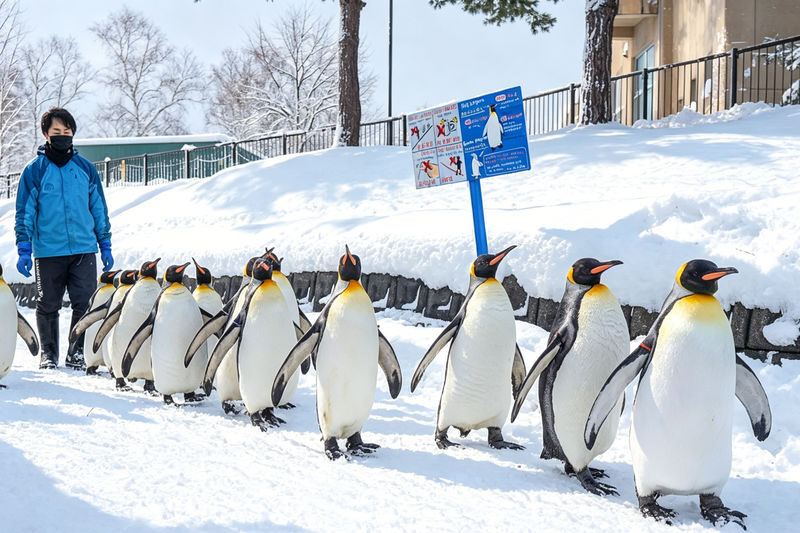
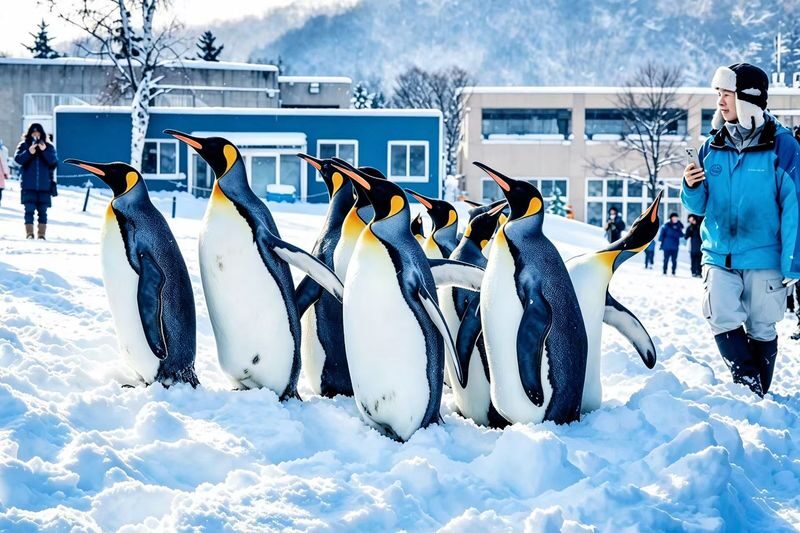
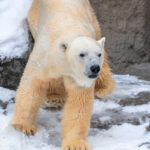
Asahiyama Zoo gives the day its strongest anchor. It is Japan’s northernmost zoo, and its winter penguin walk is a seasonal event rather than a trained performance. The penguins walk outdoors for exercise, so the event can be canceled in extreme weather or other difficult conditions. Go expecting a natural animal activity, not a guaranteed show at a fixed time.
The package includes zoo admission, round-trip transfers from the designated meeting point, and an English- or Chinese-speaking guide. You explore the zoo and most other stops independently, so the guide helps with the day’s flow and explanations, but this is not a continuously escorted tour at each attraction.
You can also read our reviews of more tours and experiences in Asahikawa
Pick the route that matches your idea of winter
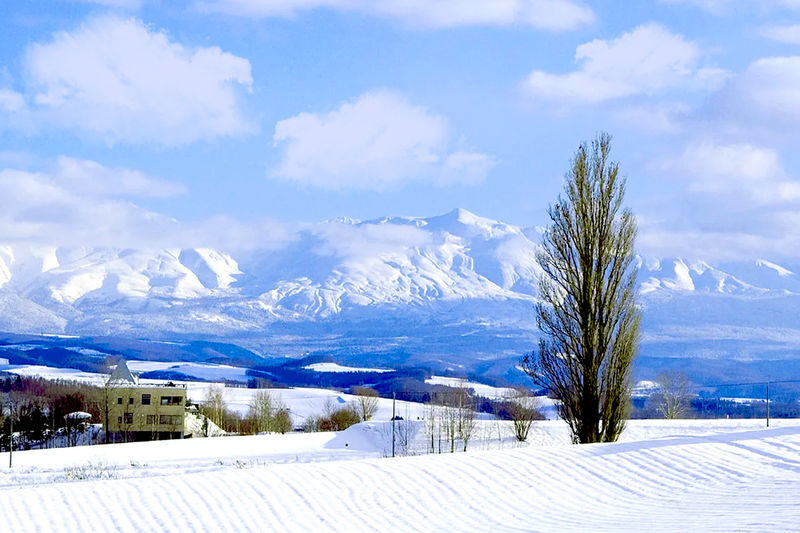
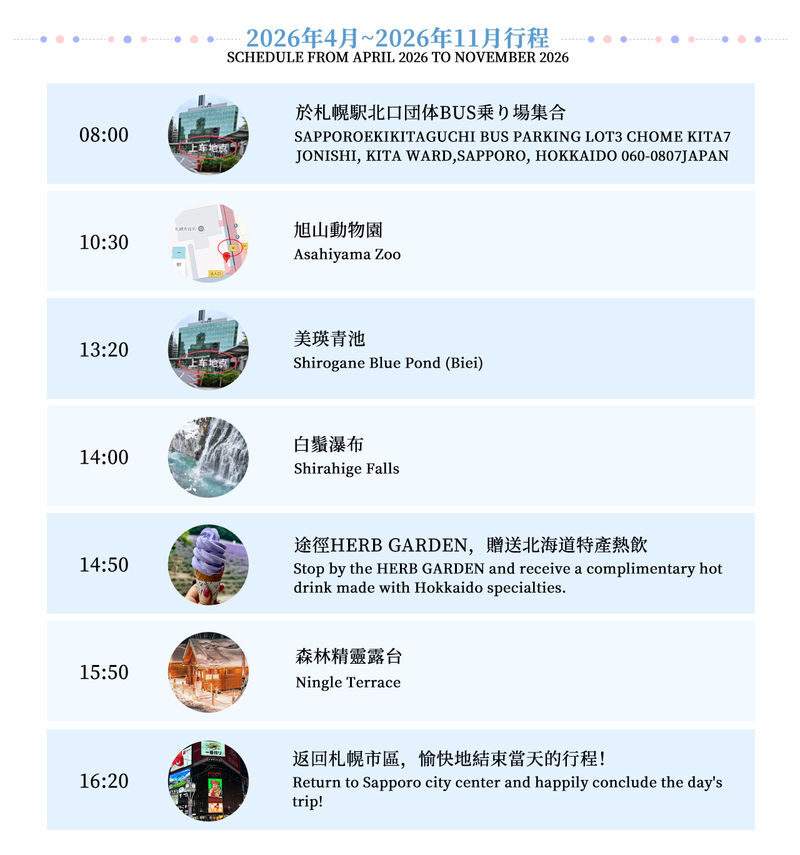
The classic popular check-in route visits Asahiyama Zoo, views the Ken & Mary Tree from the bus, then stops at Shirahige Waterfall, the Biei Blue Pond, and Ningle Terrace. Choose it if frozen water, snowy scenery, and the forest cabins are your priorities.
The fun route keeps the zoo and drive-by tree view, then goes to Shikisai-no-Oka for an optional snowmobile experience before Ningle Terrace. It does not list the Blue Pond or Shirahige Waterfall as stops. That difference matters: these are alternative itineraries, not two routes that cover every attraction in the title.
The fun route also has a holiday caveat. If Ningle Terrace is closed on a national holiday, the visit is changed to Takushinkan. The exact order and timing can shift with road conditions, weather, or attraction operations, so treat the schedule as a plan rather than a promise.
Asahiyama Zoo: allow time for more than the penguins
The schedule allows about two hours at the zoo, starting at roughly 10:15. That gives you time to see the penguin walk if it is operating and explore other parts of the grounds, but it is not an open-ended visit. If the penguins are the main reason you booked, keep an eye on the guide’s instructions and the timing once you arrive.
The walk is a natural exercise for the penguins, not a performance. Severe weather may cancel it, and the tour cannot guarantee that conditions will cooperate. Warm layers and shoes with good grip will help you manage snowy paths and make the visit more comfortable.
Zoo entry is included, which is useful when comparing the package price with a do-it-yourself day. Meals and drinks are not included, so bring a snack if you know you will need one between the morning departure and late return. Food and drink are not allowed on the vehicle.
Ken & Mary Tree: a photograph from the bus
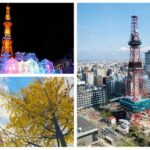
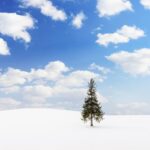
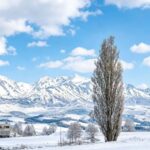
The Ken & Mary Tree is scheduled as a ten-minute drive-by view, not a stop where you get out and walk around. In winter, its solitary shape against the snow is the appeal. It is a quick scenic moment, best thought of as a view along the route rather than a major attraction.
That brief stop has divided opinions for a practical reason: when the day is tight, ten minutes here can feel less valuable than extra time at the waterfall or Ningle Terrace. If you are set on photographing the tree, be ready when the bus passes it. You may have only the view through the window.
The classic route’s frozen water and blue ice
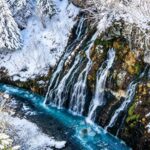
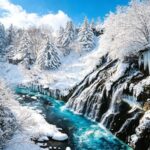
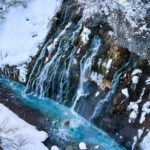
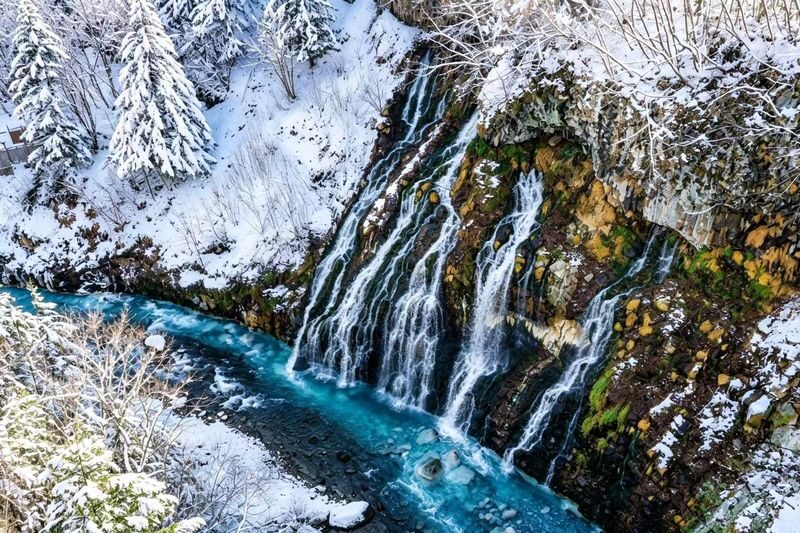
On the classic route, Shirahige Waterfall gets about 20 minutes. Its name means white-beard waterfall, a reference to the many streams flowing down the rock face. In winter, ice around the falls can turn blue, giving the place a quiet, unusual look. The short visit makes sturdy, non-slip footwear especially important: snow and ice can make even a short walk awkward.
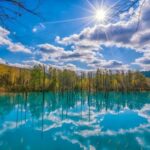
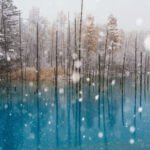
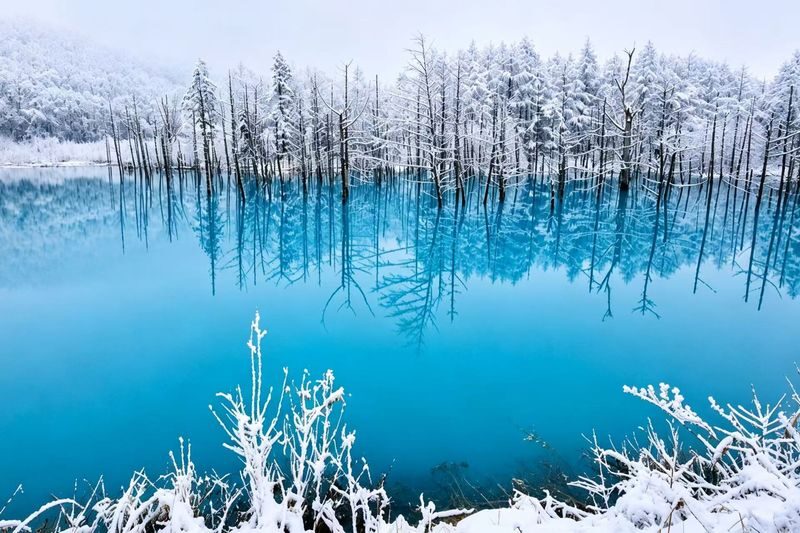
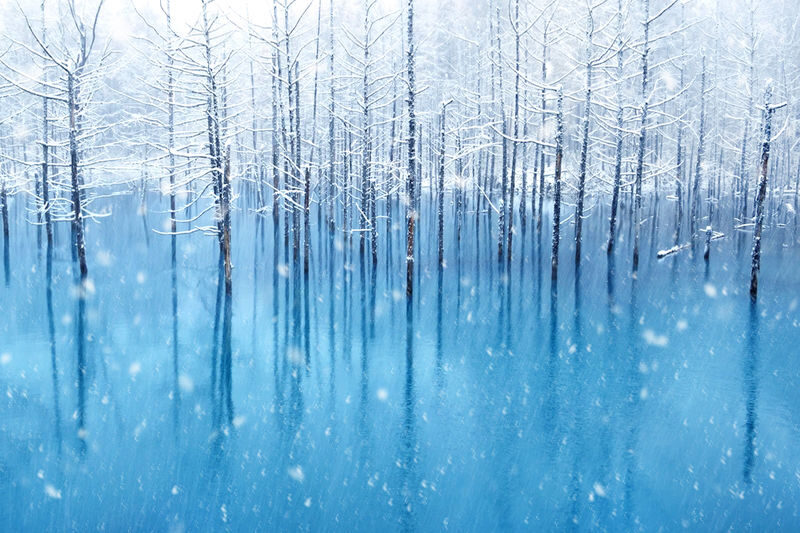
The Blue Pond follows at around 13:40, with another 20-minute stop. In winter, the water may be partly or fully frozen and covered with snow. That can make the pond feel calm and spare, but it also means you should not expect the bright blue water effect associated with other seasons. If you are choosing this route mainly for the pond’s color, winter conditions may change what you see.
These two stops are close together in the itinerary but offer different kinds of scenery. The waterfall is about moving water and ice; the pond is about stillness and snow. The limited time at each is enough for a short walk and photos, but not for a slow visit.
You can also read our reviews of more tours and experiences in Asahikawa


Shikisai-no-Oka and optional snowmobiling
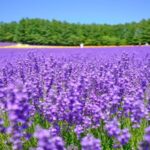
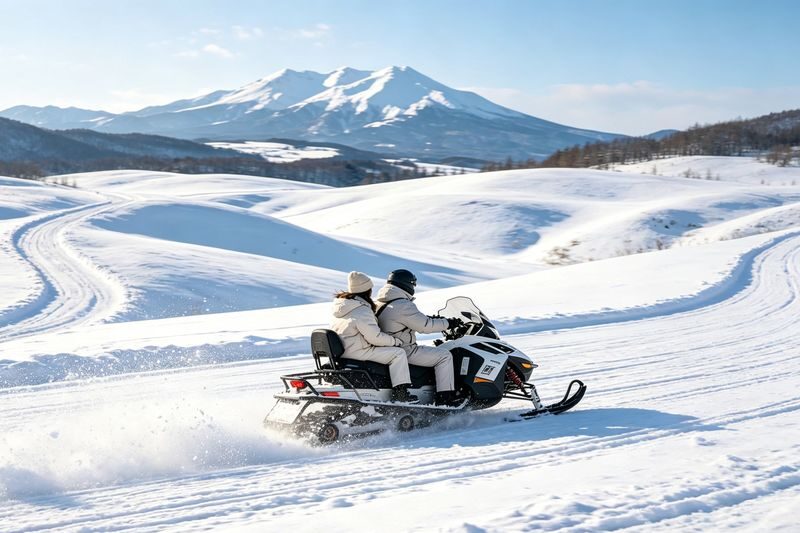
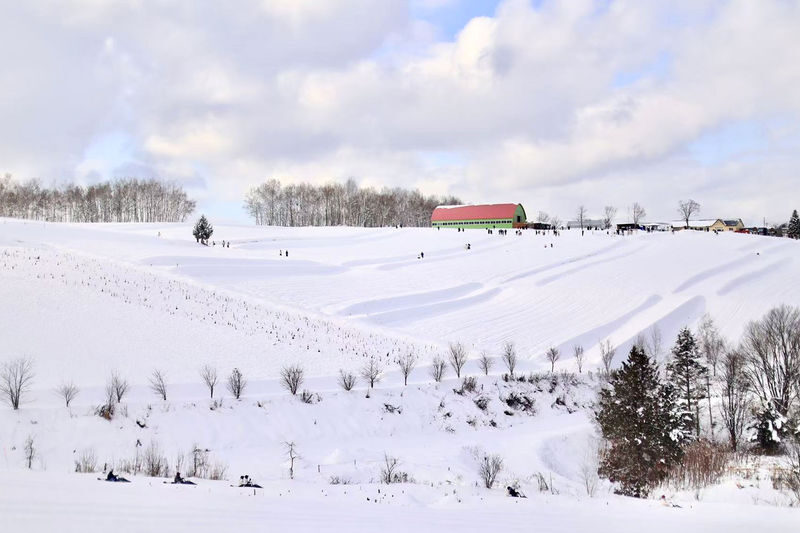
The fun route visits Shikisai-no-Oka, where the summer flower fields become a broad expanse of snow in winter. The appeal shifts from rows of flowers to open white ground and distant views. Snowmobiling is offered as an optional activity at your own expense, so it is not part of the included admission or transport price.
This route suits you if you want an active winter outing rather than a stop centered on frozen water. Check the snowmobile cost and conditions before you commit, since the tour price does not cover it. The provided schedule does not specify how long the snowmobile session lasts, so do not assume you will have a long ride or a particular amount of time on the vehicle.
Ningle Terrace: cabins in the trees
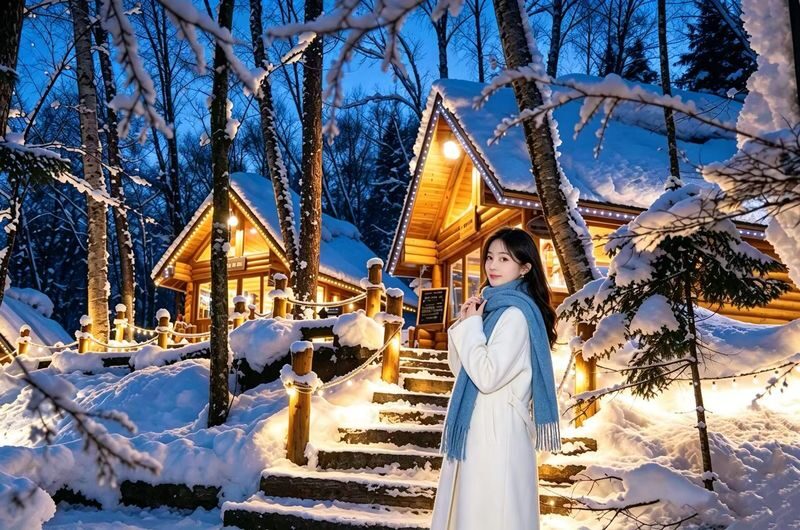
Ningle Terrace is a cluster of wooden cabins in a forest setting, with a fairy-tale feel when snow covers the roofs and paths. The schedule allows roughly 30 minutes, which gives you time to walk through and take in the scene, but it is a short visit if you like to browse at a leisurely pace.
The stop is listed for both route options, though it can be replaced if the terrace is closed. On the fun route, a national holiday may mean a visit to Takushinkan instead. The schedule also says Takushinkan may be used if Ningle Terrace is closed, so remain open to a change in the final stop.
The bus ride is part of the bargain
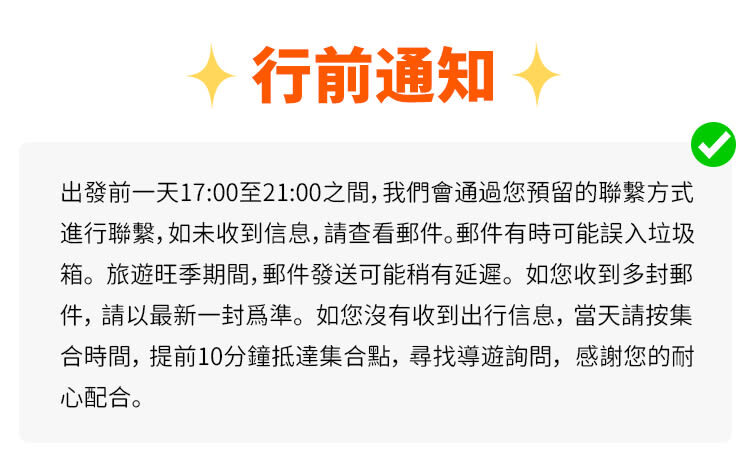
The tour starts early, with departure times listed around 07:50 or 08:00 depending on the meeting point, and is expected to return around 17:30 or 17:50. You are asked to arrive ten minutes early. The listed return points include JR Sapporo Station North Exit Bus Terminal and Odori Park Subway Station Exit 31; confirm your own meeting and return details before the day.
Road conditions matter in Hokkaido winter. Snow, traffic, and road closures can alter the schedule or lead to attractions being changed or removed. The return time is not a safe basis for booking a tight evening flight, train, or dinner. Build in slack, and carry a light snack and a power bank, especially on weekends and public holidays when traffic can be heavier.
Transport is arranged according to the size of the group, so you cannot choose a specific vehicle. Seating is allocated first come, first served, and a smaller group may have a driver-guide whose commentary is briefer. Luggage storage and delivery are not provided; if you need to bring luggage, you must notify the operator in advance.
What the price buys, and what it does not
The advertised starting price is from $50.49, while the listed packages begin at $63.09 for the classic photo-focused route and $84.09 for the fun route with optional snowmobiling. Actual prices can vary, so check the selected date and package rather than comparing only the lowest starting figure.
For the price, the key value is bundled transport to several far-flung winter stops, plus zoo admission and a guide who can help keep the group moving. If you are already staying in Sapporo and want to see the region without planning multiple connections, that convenience can justify the cost. The price does not include meals, personal expenses, insurance, or snowmobiling.
The format’s weakness is the same as its strength: it fits a lot into one day. You get a broad sample of winter Hokkaido, not long, unhurried time at each place. Some departures have felt rushed, especially when walking across snow or getting on and off the bus takes longer than expected. Stick close to the group’s return time, but also recognize that each stop is brief by design.
Guide quality can shape the day. Recent departures have included guides named Sunny, Ah Yun, Zooe, and Mr Hong, with English and Chinese commentary. Names and assignments vary, of course. Warm, organized guiding has been a strong point on some trips, while one account described a guide speaking sharply to late participants. Arrive promptly, and expect clear group instructions; professional handling should never require public scolding.
There has also been a report of a return stop being skipped, which led to a long walk with luggage. Confirm the return arrangement with the guide before the bus leaves, particularly if you have a specific drop-off point. Do not assume that a stop will be made unless it is confirmed for your departure.
Prepare for snow, cold, and a full day
Wear warm layers and shoes with good grip. The tour specifically warns that snowy roads and paths are slippery, and snow boots with non-slip soles are recommended. Lightweight clothing alone is not enough for a winter day outdoors; you will be getting on and off the bus and spending time at exposed scenic stops.
Participants must be at least 2 and under 70, and infants and children count in the passenger headcount. Child seats are not available. The tour does not include personal accident insurance, so consider arranging your own coverage, especially if you plan to take part in an outdoor activity such as snowmobiling.
The zoo is closed on December 30 and 31, and January 1, 2027. The operator may cancel if the minimum group size of four is not met, or because of extreme weather. If roads close or access to a sight is restricted, the route may be shortened or changed, with no refund for those adjustments.
Should you book this Hokkaido winter tour?
Book it if you want a convenient sampler of Hokkaido winter sights and are comfortable with a packed schedule. The classic route is the better match for the Blue Pond and waterfall; the fun route is the better fit if Shikisai-no-Oka and the option to snowmobile appeal more. The zoo’s penguin walk is a memorable seasonal draw, but weather can cancel it.
Skip it if you want to linger, make your own photo schedule, or avoid a long bus day. You will get more freedom by arranging your own transport, but that takes planning and winter road know-how. For a first visit with limited time, this tour offers a practical way to see several distinct places in one day, provided you accept that some stops are quick and the weather gets a vote.
Hokkaido Winter Limited: Asahiyama Zoo & Shirogane Blue Pond & Shirasu Waterfall & Shikisai-no-Oka (Optional Snowmobile Experience) & Forest Elf Terrace Day Tour
“First, a hundred thumbs up to our tour guide, Sunny! Her English is fluent, her Chinese is standard, and she shows no signs of job fatigue. She ans…”
FAQ
How long is the tour?
It departs in the morning, around 07:50 or 08:00 depending on the meeting point, and is scheduled to return around 17:30 or 17:50. Traffic and weather can change the actual return time.
Which attractions are included on the classic route?
The classic route visits Asahiyama Zoo, views the Ken & Mary Tree from the bus, and stops at Shirahige Waterfall, the Biei Blue Pond, and Ningle Terrace.
Which attractions are included on the fun route?
The fun route visits Asahiyama Zoo, views the Ken & Mary Tree from the bus, and stops at Shikisai-no-Oka and Ningle Terrace. Snowmobiling is optional and costs extra.
Is the penguin walk guaranteed?
No. It is a natural exercise for the penguins, not a performance, and may be canceled because of extreme weather or other force majeure conditions.
Are meals and snowmobiling included?
No. Meals, beverages, personal expenses, and the optional snowmobile experience are not included in the tour price.
What should I wear?
Bring warm clothing and non-slip shoes or snow boots. The roads and paths can be snowy and icy, so footwear with good grip is recommended.