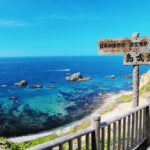
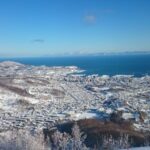
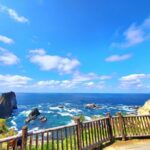
Otaru’s appeal is in its mix of canal scenery, old railway traces, market stalls, craft shops, and hillside views. This customizable walking tour lets you choose four or five stops with a local guide, rather than spending the day following a fixed route.
I like two things here: you can shape the day around the sights that interest you, and a Chinese- or English-speaking guide can help with translation as you go. That is useful when you want local help but still want a say in how the day unfolds.
The main catch is easy to miss: this is a walking tour using public transport, not a drive-around tour. You also pay transport and facility fees for both yourself and the guide, so the starting price is only part of the day’s cost.
- Pick four or five stops from a list of ten Otaru attractions, and discuss how long to spend at each with your guide.
- Expect to walk and use public transport. A car or private vehicle is not included.
- Meet in Sapporo at 11 am at a Sapporo subway station, JR station, or hotel, then return to a location in Sapporo City at 7 pm.
- The guide speaks Chinese or English and accompanies you throughout the day.
- Budget extra for transport and admission. You cover these costs for yourself and the guide, as well as meals and personal purchases.
- The schedule is flexible, not unlimited. Closures, visiting hours, traffic, and bad weather can affect which stops fit.
- A Sapporo start, then Otaru on foot
- Choose your Otaru day from ten stops
- What the guide adds, and what the guide does not
- The real cost is more than 2.95
- Timing, weather, and booking details
- Who should book this Otaru tour?
- FAQ
- Is this a driving tour?
- Where does the tour start and end?
- How many Otaru attractions can I visit?
- Which attractions can I choose from?
- Are transport and entrance fees included?
- What languages does the guide speak?
- What happens if the tour runs late?
- The Best Of Otaru!
- More Walking Tours in Otaru
- More Tours in Otaru
- More Tour Reviews in Otaru
A Sapporo start, then Otaru on foot
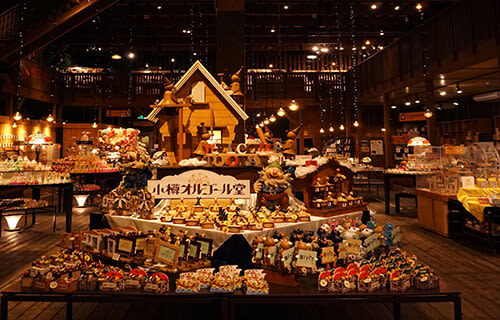
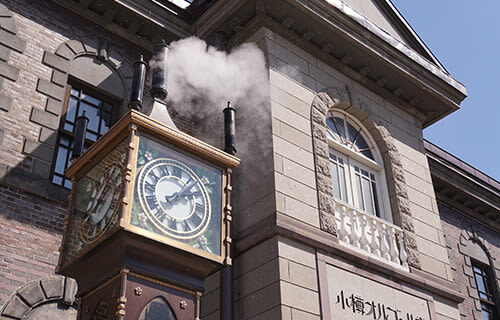
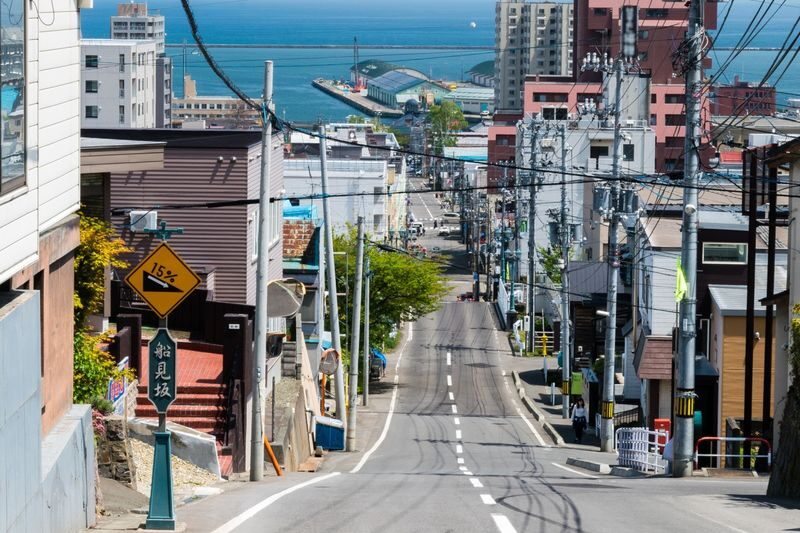
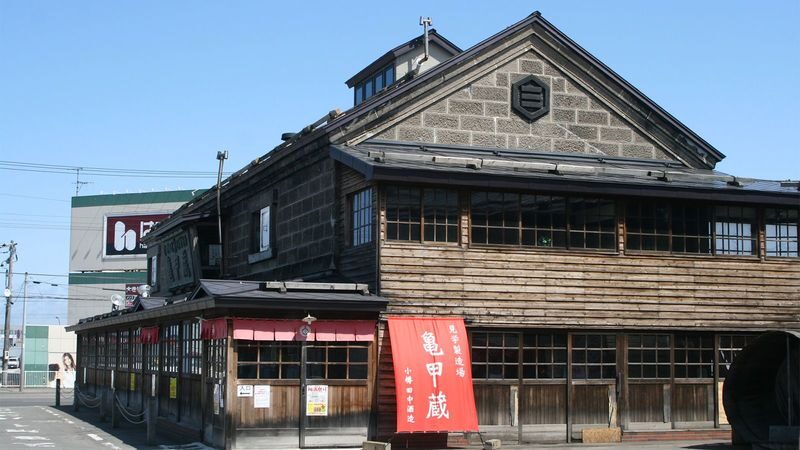
The day begins at 11 am at a meeting point you select in Sapporo: a subway station, a JR station, or a hotel within the city. Odori Station is given as an example. Arrive ten minutes early. Late arrivals and no-shows are not refundable, so this is not a good day to gamble on a last-minute dash through the station.
The schedule places you in Otaru at about 11:35 am, with a return to Sapporo by 7 pm. The product is described in places as a seven-hour tour and elsewhere as an eight-hour day. Its timetable gives an eight-hour window from the Sapporo departure to return, with a little over seven hours listed in Otaru. Treat the day as roughly eight hours, including the time spent getting between the two cities.
Once in Otaru, you walk with the guide and use public transportation. The guide is there to help you choose and navigate the stops, not to drive you around. If you want a vehicle-based tour, check the transport arrangement before booking; this outing is not that.

👉 See our pick of the Otaru’s 5 Best Walking Tours: Which To Choose?
Choose your Otaru day from ten stops
The guide will work with you to select four or five attractions from a fixed list of ten. That gives you room to focus on the places you care about, but it does not mean every attraction is available at every hour. Facility closures and limited opening times can rule out a stop, and the day’s pace depends on the time needed to reach each place.
The list offers a useful spread of options: Otaru Canal, Temiya Line Railway, Kitaichi Glass, Otaru Music Box Museum, Otaru Candle Studio, Sakaimachi Street, Funami Slope, Sankaku Market, Mt. Tengu, and Tanaka Sake Brewery. Here is how I would think about the choices before meeting the guide.
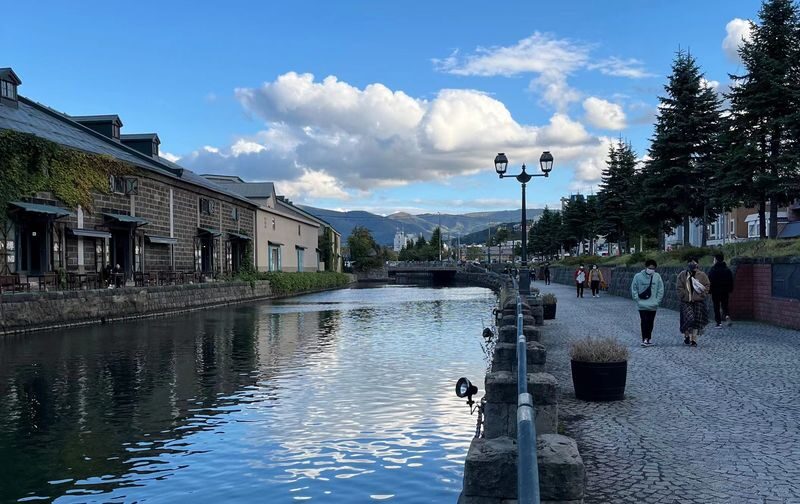
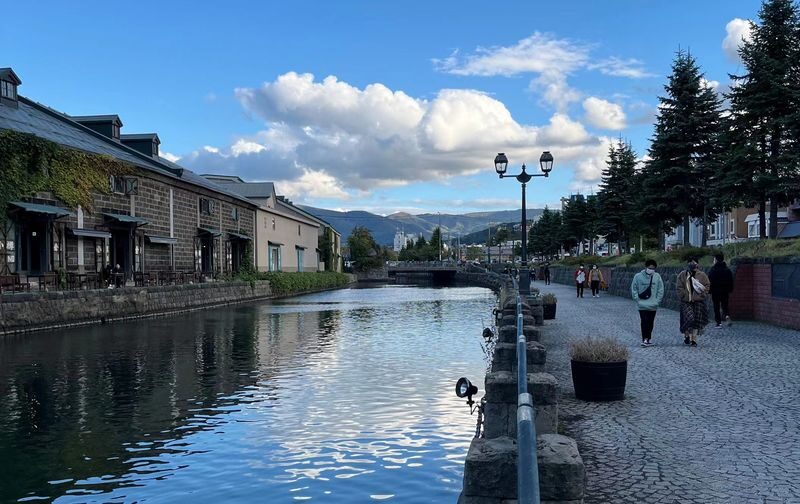
Otaru Canal is the most obvious scenic stop, and a natural choice if you want the day to include the view that gives the tour its name. It is a good anchor for the route, but do not assume that the outing is only a canal visit. You have several other places to choose from, and a canal stop alone would make little use of the custom format.
Temiya Line Railway gives the day a railway-themed option alongside the canal and shopping areas. The information provided does not specify how much time a visit takes, so discuss it with your guide before building several other stops around it.
Kitaichi Glass, Otaru Music Box Museum, and Otaru Candle Studio make a natural craft-and-shopping cluster. If those are your priority, say so at the start and ask whether they can be grouped efficiently. Entry fees may apply at facilities, and you are responsible for paying the guide’s facility fees as well as your own.
Sakaimachi Street is a street option rather than a single named facility. It may suit you if you want time to browse and choose what catches your eye. The tradeoff is that an open-ended stroll can use up time that might otherwise go toward a more distant stop.
Funami Slope offers a different sort of stop from the shops and indoor attractions. Its name signals an uphill route, so consider how much walking you want to do and ask the guide about the day’s pace. The tour involves walking throughout, and the product does not promise a vehicle to avoid hills.
Sankaku Market is the food-focused choice on the list. Meals and drinks are not included, so bring money for anything you want to eat or drink. The market could be a practical place to fit in a meal, but coordinate the timing with your guide rather than assuming a stop is built in.
Mt. Tengu is the mountain option, and it may call for more travel time than a compact cluster of town stops. The schedule allows only four or five attractions, so choosing it may mean dropping something else. Weather can also change the day’s timing and plans.
Tanaka Sake Brewery adds a brewery to the possible route. As with the other facilities, check opening times with your guide on the day and account for any admission or other facility fee that applies.
You do not need to arrive with a perfect route. But it helps to know your top priorities and your pace. Tell the guide which two or three places matter most, then agree on the remaining stops after considering opening hours, travel time, and the day’s conditions.
You can also read our reviews of more walking tours in Otaru


What the guide adds, and what the guide does not
The guide accompanies you throughout and provides Chinese- or English-language assistance. That can make a day of choosing routes, checking facility details, and moving between sights less daunting, especially if you are unfamiliar with the area or do not speak Japanese. You also have a local person to discuss the order and timing of the stops with.
Still, the guide is not a substitute for a transport budget. Public transport is used, and you pay the fares for both yourself and the guide. The same rule applies to facility entrance fees: you cover the guide’s fee as well as your own. Meals, beverages, and personal expenses are also extra.
The tour is described as private, but the supplied details do not state a group-size limit or explain how the starting price is calculated. Before booking, check who the quoted price covers and how the added costs will affect your total. The guide’s gender is specified in one case: if all participants are male, a male guide will be provided. No individual guide names are supplied.
The real cost is more than $212.95
The advertised starting price is $212.95. That can be a reasonable price for a full day with a guide if you value having help with language and planning, and if the guide makes it easier to fit your preferred sights into one visit. It is less compelling if you expect a private car or assume admission and transport are included.
The extra costs matter because they apply to the guide too. You pay public transport fares and facility entrance fees for both parties, on top of meals and personal spending. The exact total depends on which places you choose and how you travel. Ask for clarity on the price basis and plan for those additional expenses before committing.
There is also an hourly charge if the tour runs beyond its allotted time or you do not return at the scheduled time: ¥3,000 per hour, payable on site. That makes it worth agreeing on a realistic route rather than trying to squeeze in one more stop late in the day.
Timing, weather, and booking details
The meeting time is 11 am in Sapporo, and the return is scheduled for 7 pm at a location within Sapporo City that you select. The Otaru portion is scheduled to begin around 11:35 am. Traffic or bad weather affecting public transportation can delay the plan, and natural disasters or abnormal weather may lead to cancellation.
Discuss both your preferred attractions and the time you want to spend at each with the guide on the day. A popular facility may have limited visiting hours or be closed, so keep a backup choice in mind. Dress for the weather, since this is a walking day with time outdoors.
Confirmation is expected within 48 hours of booking. The mobile voucher is valid only for the specified date and time. A full refund is available if you cancel at least 72 hours before the activity, using destination local time.
Who should book this Otaru tour?
This tour fits you best if you want a guide, value help with language, and are comfortable walking and using public transport. It is also a sensible choice if you have a short list of Otaru sights and want help arranging them without signing up for a rigid, one-route excursion.
It is a poor match if you are looking for a vehicle to carry you between attractions, want admission and transport bundled into one price, or prefer to set every detail well in advance. The guide can help shape the day, but the route remains subject to opening hours, weather, and public transport.
I would book it for the guide and the choice of stops, not for convenience in the form of a car. Confirm the walking format, price basis, and extra expenses before you pay. If those terms suit you, the flexible plan can be a practical way to see several sides of Otaru in one day.
You can also read our reviews of more private tours in Otaru


Sapporo Otaru Canal Full-Day Private Walking Tour
FAQ
Is this a driving tour?
No. The tour involves walking and public transportation. A car or private vehicle is not included.
Where does the tour start and end?
You meet at 11 am at a Sapporo City subway station, JR station, or hotel. The scheduled return is 7 pm, and you must choose a drop-off location within Sapporo City.
How many Otaru attractions can I visit?
The guide will plan for four or five attractions from a designated list of ten, based on your preferences and the day’s conditions.
Which attractions can I choose from?
Options include Otaru Canal, Temiya Line Railway, Kitaichi Glass, Otaru Music Box Museum, Otaru Candle Studio, Sakaimachi Street, Funami Slope, Sankaku Market, Mt. Tengu, and Tanaka Sake Brewery.
Are transport and entrance fees included?
No. You pay transport fares and facility entrance fees for yourself and the guide. Meals, drinks, and personal expenses are also not included.
What languages does the guide speak?
The guide speaks Chinese or English and accompanies you throughout the tour.
What happens if the tour runs late?
If the tour exceeds the allotted time or you do not return at the scheduled time, an additional ¥3,000 per hour is charged on site.