Beppu’s Hells are not bathing pools but geothermal sights: hot, steaming springs in shades of blue, white, and red, plus a geyser and a crocodile enclosure. The seven-stop ticket lets you see them at your own pace, with five sites close together and two farther away.
I like the contrast between the springs, each with its own character, and the chance to pause at foot baths at several sites. The printed-voucher rule is the main catch: a phone screen alone may not get you through the ticket exchange.
- At a glance
- What the seven Hells are, and what they are not
- The seven stops, from blue water to a boiling geyser
- How to plan the route and make the most of your time
- Ticket value and the paper-voucher wrinkle
- Foot baths, food, and small comforts
- Who should buy the seven-Hells ticket?
- FAQ
- Does the ticket include bathing in the hot springs?
- Which attractions are included?
- Do I need to print my voucher?
- Where can I exchange the voucher?
- How long does it take to visit all seven Hells?
- How do I get to Umi Jigoku from JR Beppu Station?
- Can I leave and re-enter a Jigoku?
- The Best Of Beppu!
- More Tickets in Beppu
- More Tours in Beppu
- More Tour Reviews in Beppu
At a glance
 1 / 7
 2 / 7
 3 / 7
 4 / 7
 5 / 7
 6 / 7
 7 / 7
- Seven distinct sights: Visit Umi Jigoku, Shiraike Jigoku, Oniyama Jigoku, Oniishibozu Jigoku, Kamado Jigoku, Chinoike Jigoku, and Tatsumaki Jigoku.
- Five together, two farther away: You can walk between the five Kannawa-area sites, but plan on local transport for the other two, about 2 to 3 kilometers away.
- Not a bathing pass: The ticket is for viewing the Hells. Several sites have foot baths, but you cannot swim in or get close to the hot springs.
- Bring a paper voucher: Print your Klook voucher and exchange it for the physical ticket booklet at a Jigoku counter.
- Allow more than two hours: Two to four hours may work for a brisk visit, but seeing all seven at a relaxed pace can take longer.
- From $15.15: The pass covers admission to all seven. Compare the current price with on-site admission before buying.

👉 See our pick of the 10 Best Workshops & Classes In Beppu
What the seven Hells are, and what they are not
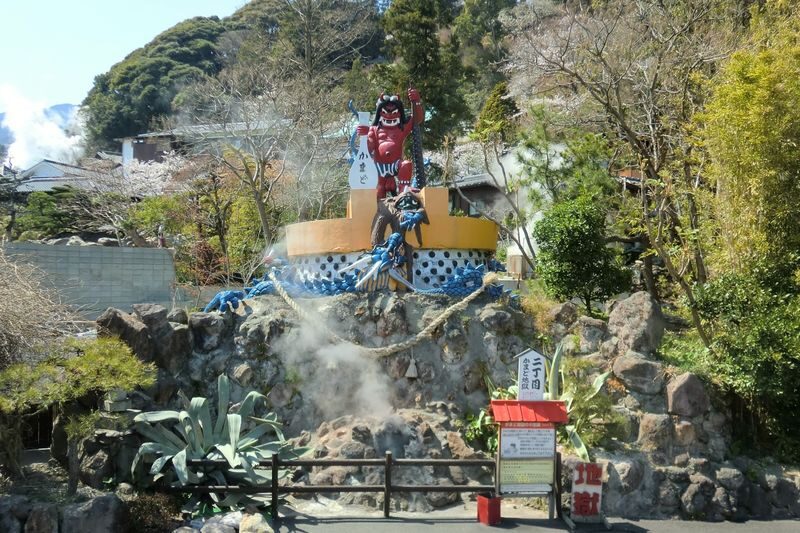
Beppu’s Jigoku, usually translated as Hells, are hot-spring attractions built around striking geothermal features. Their names sound theatrical, and the sights live up to the theme: water and steam rise from the ground, and the pools differ in color and character.
The distinction matters when you plan. This ticket is sightseeing admission, not entry to seven bathing onsen. You can look, walk the grounds, and in several places soak your feet, but swimming in the springs or approaching them too closely is prohibited.
That makes the experience a good fit for anyone curious about Beppu’s hot-spring activity, including families who want a change of pace from temples and city sights. If your main goal is a long soak in a public bath, this ticket is the wrong product.
You can also read our reviews of more tours and experiences in Beppu

The seven stops, from blue water to a boiling geyser
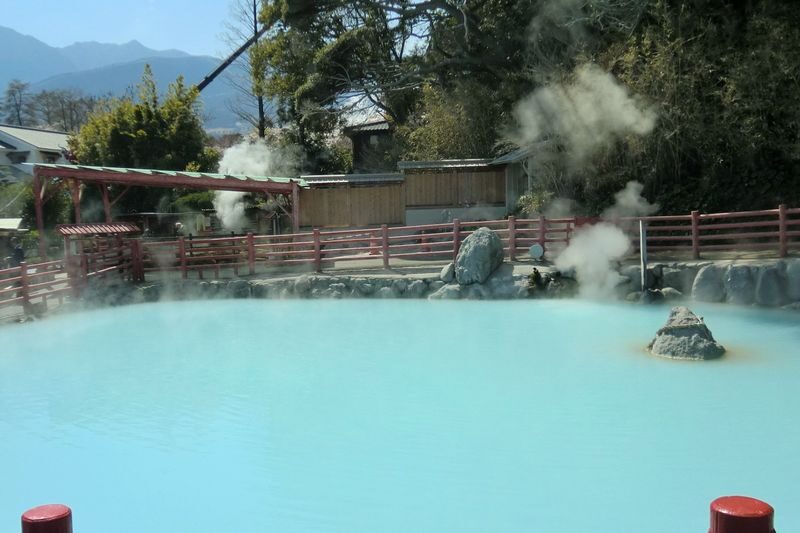
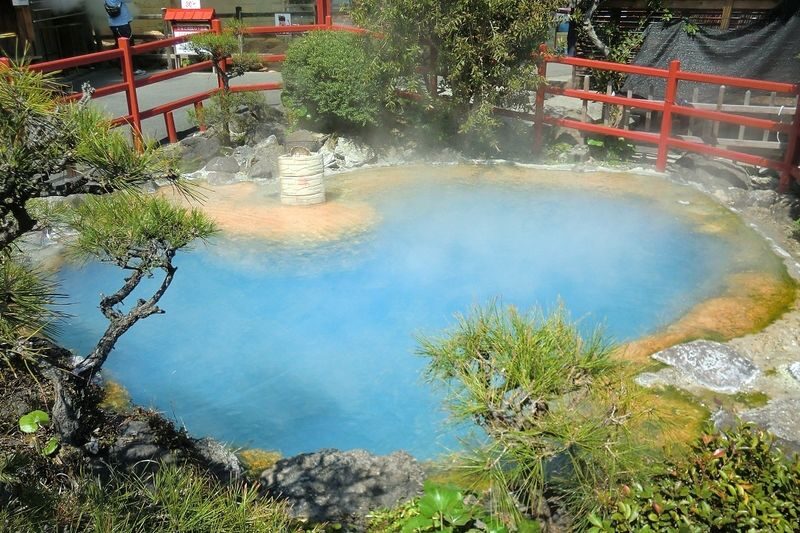
Umi Jigoku, the Sea Hell, is a natural place to start. Its blue pool is one of the most memorable sights in the group, and its name gives you a quick sense of the theatrical style used throughout the circuit. The ticket can be exchanged at a Jigoku counter, and Umi is a common starting point.
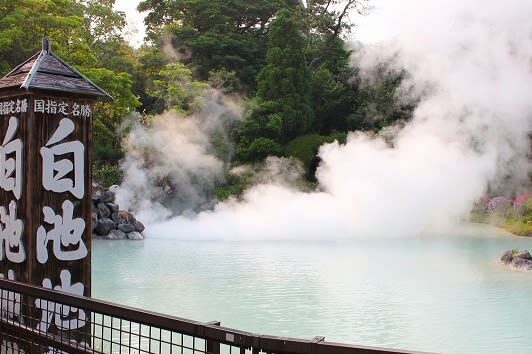
Shiraike Jigoku, the White Pond Hell, offers a different look, with pale water that contrasts with Umi’s blue. It is a useful reminder that the seven stops are not seven copies of the same pool. Still, if you have limited time, you may find that one or two sites give you enough of the experience.
Oniyama Jigoku, the Devil Mountain Hell, is also known as Crocodile Hell. The crocodiles make this one of the more unusual stops, though not every part of the circuit is about the springs themselves. If you are visiting with children, this may be the detail they remember best.
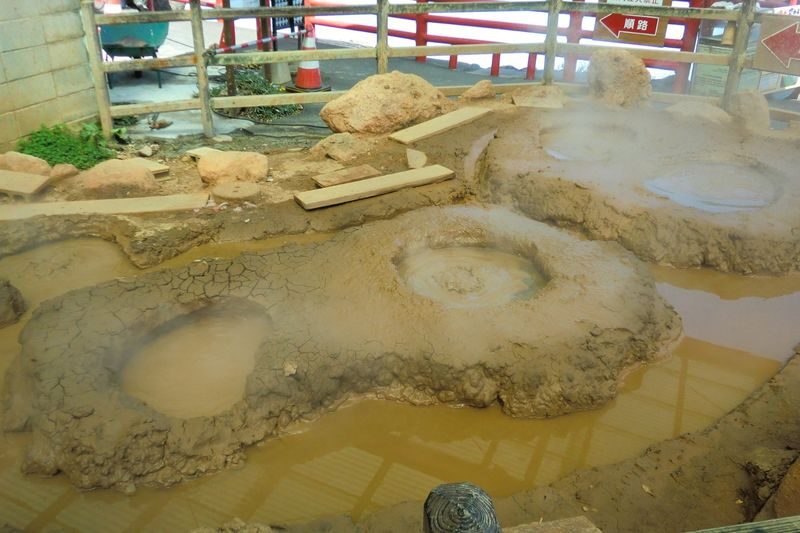
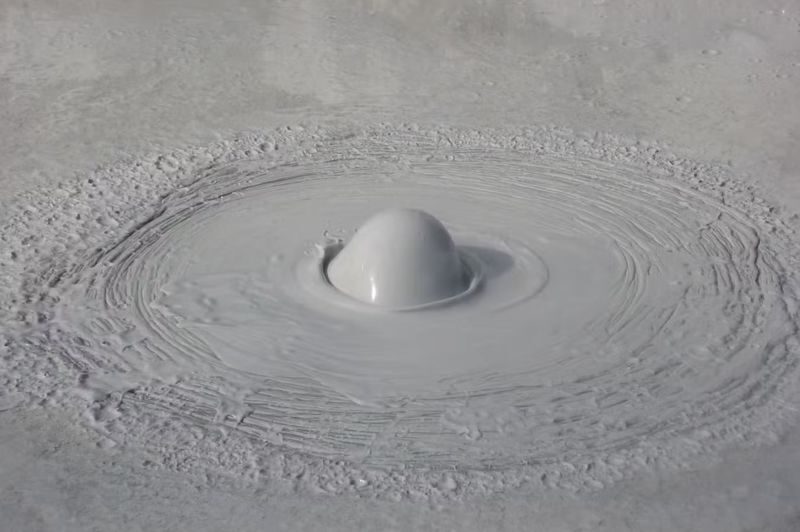
At Oniishibozu Jigoku, the name points to the bubbling, mud-like character of the site. It adds texture to a route that could otherwise seem focused only on colorful water. Kamado Jigoku is another varied stop, and a good place to look for onsen-steamed eggs, a local specialty visitors recommend trying.
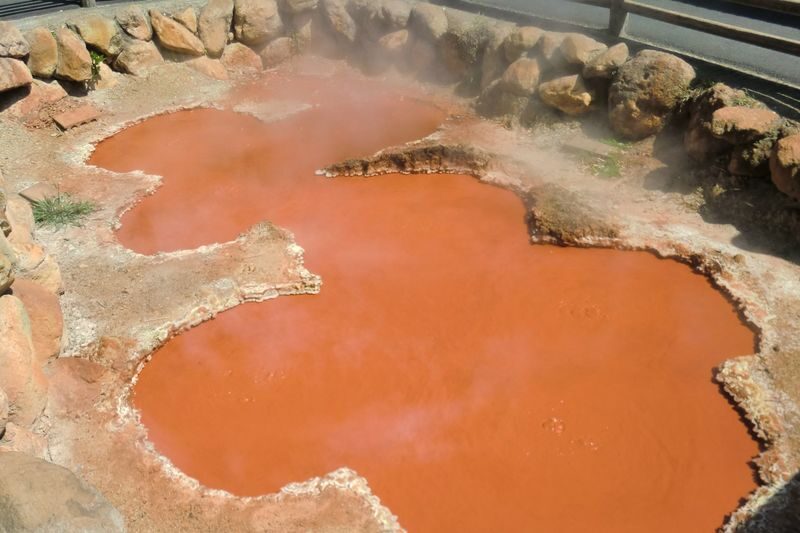
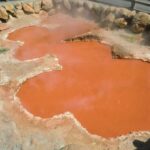
The two more distant sites are Chinoike Jigoku, the Blood Pond Hell, and Tatsumaki Jigoku, the Tornado Hell. The former is known for its red appearance; the latter is a geyser, so its appeal is the force and timing of hot water shooting upward. These two are smaller and do not necessarily take long to see, but getting to them adds transport time.
You can visit the sites in any order that suits your day, but consider starting with the two farther away before returning to the cluster of five. That can reduce backtracking. The grounds are not all identical, and you should expect some walking between them, including stairs or uneven areas at some locations.
How to plan the route and make the most of your time
The advertised duration is two to four hours, but that is best treated as a planning range rather than a promise. If you move quickly and skip stops, you may cover the main sights in a few hours. If you visit all seven, use foot baths, take breaks, and wait for transport, leave more time. Some visitors set aside roughly six hours for an unhurried circuit.
Five Hells are grouped in the Kannawa area. The remaining two sit about 2 to 3 kilometers away, so walking the full route is possible only if you are comfortable adding distance to an already active outing. A local bus or rental car makes the split easier. If you are driving, the separate sites are straightforward to fit into a day; without a car, check the bus connections before you start.
From the West Exit of JR Beppu Station, take Kamenoi Bus No. 2, 5, 24, or 41 to Umi Jigoku-mae. That stop puts you near one of the main sightseeing areas. The address given for the attraction is in Kannawa, Beppu, and the listed ticket exchange counters operate from 8:00 to 17:00.
For the best pace, decide before arrival whether you want to see every site or choose a few. The seven-ticket pass makes the full circuit simple, but it does not make every stop equally essential for every visitor. If you are short on time, focus on the contrasting sights that interest you most, such as the blue Sea Hell, red Blood Pond, or crocodile enclosure.
Ticket value and the paper-voucher wrinkle
The ticket starts at $15.15 and includes admission to all seven Hells. That can be good value if you plan to see most or all of them, since you avoid paying separately at each attraction. But the price advantage over buying at the entrance is not guaranteed: the on-site price may be lower at times, so compare the current prices before you commit.
The convenience is real once you have the right paperwork. You exchange the printed voucher for a booklet of physical tickets, then use the relevant ticket at each site. The voucher may be exchanged at a Jigoku counter, and counters are listed as open from 8:00 to 17:00. Do not assume that displaying a QR code on your phone will be enough. Print the voucher before you leave home, especially if you do not have easy access to a printer in Japan.
A few practical rules shape how the pass works. Each attraction can be entered once, and re-entry is not allowed after you leave a site. The voucher is valid only on the selected date, while the exchanged ticket booklet is described as valid on the exchange date and the following day. Since those terms refer to different stages of use, check the voucher details carefully and plan around the selected date.
Foot baths, food, and small comforts
Several of the sites offer foot baths, a welcome way to rest between walks. Bring a small towel if you want to use one, and wear trousers that are easy to roll up. Foot baths are optional, but they make the visit feel less like a string of photo stops and more like a chance to enjoy Beppu’s hot-spring culture.
At Kamado Jigoku, look out for onsen-steamed eggs. The Hells are primarily sightseeing attractions, so do not expect every stop to have a full restaurant or a long list of activities. Think of food and foot baths as useful pauses, not the main event.
Weather affects the outing more than the ticket does. On a hot day, moving among steaming pools can feel warm and tiring, so take breaks and carry water. Light rain need not spoil the visit, but some walking between sites is unavoidable. Comfortable shoes are a sensible choice, particularly if you plan to see all seven.
You can also read our reviews of more tours and experiences in Beppu



Who should buy the seven-Hells ticket?
I’d recommend this pass to first-time visitors to Beppu who want a clear introduction to its geothermal sights and have time to reach the full set. It is especially useful if you enjoy unusual natural features, want to collect stamps at each site, or are visiting with children who may be taken with the crocodiles and dramatic pool colors.
It is less compelling if you have only a short window, dislike walking, or mainly want to bathe. You may be happier choosing one or two Hells and spending the rest of your time elsewhere. The admission ticket covers viewing, not swimming, and the sites are spread across more than one area.
Book the pass if you want to see most of the seven and can print the voucher. Before paying, compare the current Klook price with admission at the sites, then allow enough time for buses and walking. If you are prepared for those details, the seven Hells offer a distinctive, easy-to-understand look at why Beppu is famous for hot springs.
Beppu Jigoku Onsen Ticket
“Buy your tickets here. Save time by skipping the ticket purchase line and enjoy the convenience of redeeming your ticket directly.”
FAQ
Does the ticket include bathing in the hot springs?
No. It covers admission to the seven sightseeing attractions. You cannot swim in the springs, though several sites have foot baths.
Which attractions are included?
The ticket covers Umi Jigoku, Shiraike Jigoku, Oniyama Jigoku, Oniishibozu Jigoku, Kamado Jigoku, Chinoike Jigoku, and Tatsumaki Jigoku.
Do I need to print my voucher?
Yes. You must print the voucher and show it to exchange it for the physical admission tickets. A digital QR code alone may not be accepted.
Where can I exchange the voucher?
You can exchange it at a Jigoku counter. The listed counter hours are 8:00 to 17:00.
How long does it take to visit all seven Hells?
The stated activity duration is two to four hours, but visiting all seven at a relaxed pace can take longer. Allow extra time for walking, buses, breaks, and foot baths.
How do I get to Umi Jigoku from JR Beppu Station?
From the West Exit of JR Beppu Station, take Kamenoi Bus No. 2, 5, 24, or 41 and get off at Umi Jigoku-mae.
Can I leave and re-enter a Jigoku?
No. Re-entry is not allowed after you leave a site, and you can enter each attraction only once.