The best part of this Kyushu day trip is its contrast: Yufuin’s quiet streets and mountain views give way to Beppu’s steaming hot-spring pools, with a scenic train ride available on one route. I like the choice between a rail-and-shrine day and a more nature-focused Beppu circuit, and I like that guides provide commentary in Chinese and English, with Cantonese available on some options.
There is time to wander Yufuin rather than just step off a bus for a quick photo. But this is still a long, tightly organized day, and the route options are easy to confuse. Check the package name carefully before booking, especially if the train or Nyoirin-ji Temple is a priority.
- Yufuin gets the longest stop: The Beppu circuit allows about two hours and 20 minutes in town, enough for a stroll, a snack and a look at Kinrin Lake.
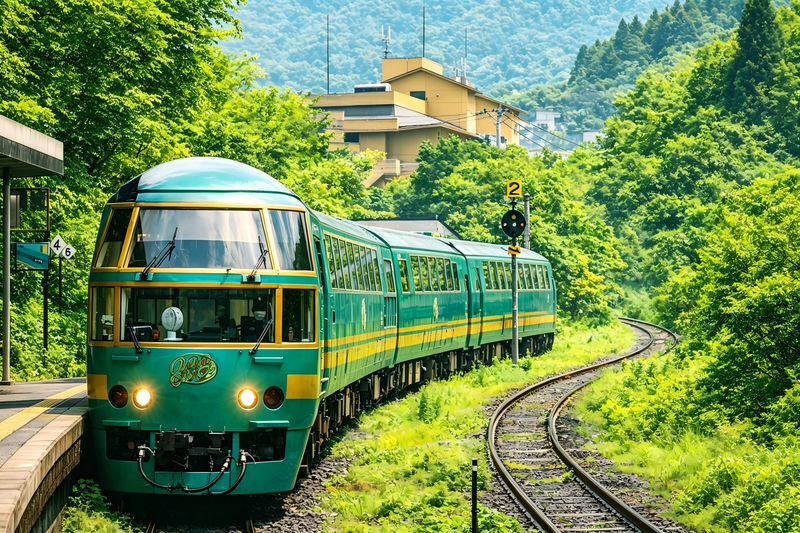
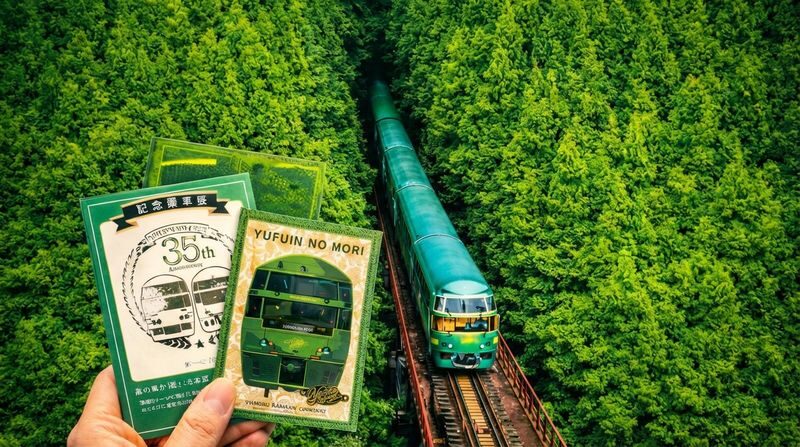
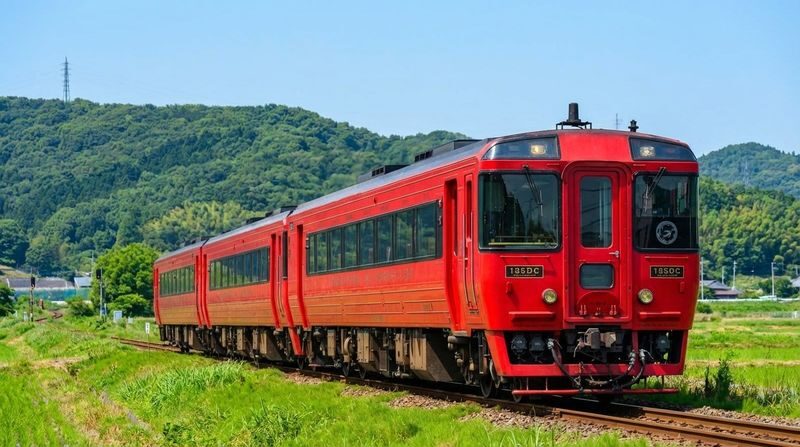
- The train is a separate route choice: Route A includes the Yufuin no Mori segment from Yufuin to Oita, then continues to Umi Jigoku and Dazaifu.
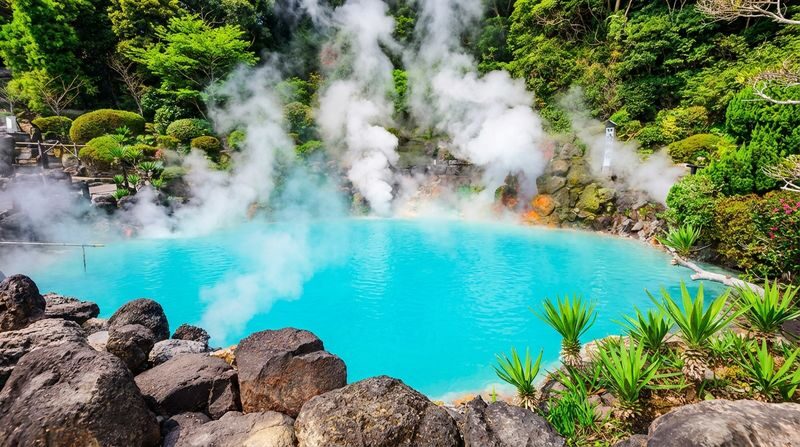
- Beppu’s hot springs are more than scenery: Umi Jigoku and Kamado Jigoku show different geothermal features, from a striking blue pool to bubbling mud and rising steam.
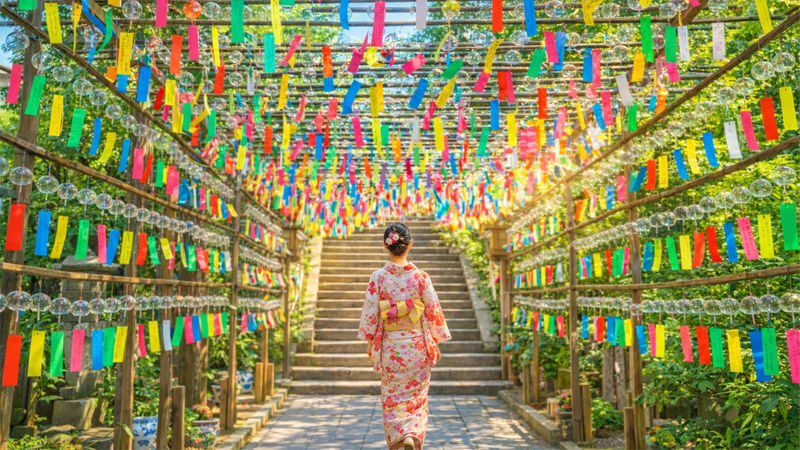
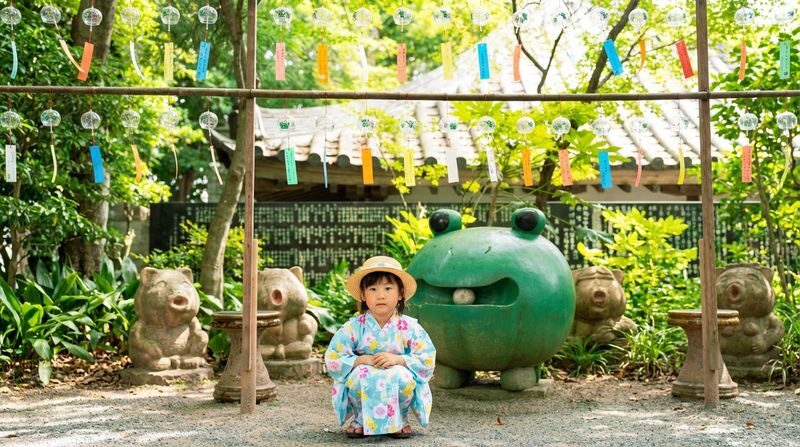
- The Frog Temple is a cheerful detour: Nyoirin-ji is known for thousands of frog figures and, from April through September, seasonal wind chimes.
- Guides help make a busy day easier: Names such as Eiichi, Li Jing, Daisy, Lily and Carson have been associated with warm, useful commentary and practical food tips.
- The price is attractive, but check what your package covers: Fares start at $44.25, with inclusions varying by route.
- Choose the route that matches your Kyushu wish list
- Fukuoka pickup makes a far-flung day manageable
- Route B starts with frogs, then a view of Mount Yufu
- Yufuin rewards a slow walk, even on a scheduled tour
- Beppu’s hells make geothermal activity easy to see
- Route A trades the Frog Temple for a scenic train and Dazaifu
- Guides and timing are part of the value
- Is .25 good value?
- Who should book this Kyushu day trip?
- FAQ
- How long is the tour?
- Where does the tour return?
- Does every package include the Yufuin no Mori train?
- Which route visits Nyoirin-ji Temple?
- Are meals included?
- Can children join the tour?
- More Spa & Hot Springs in Yufu
- More Tours in Yufu
- More Tour Reviews in Yufu
Choose the route that matches your Kyushu wish list
 1 / 9
 2 / 9
 3 / 9
 4 / 9
 5 / 9
 6 / 9
 7 / 9
 8 / 9
 9 / 9
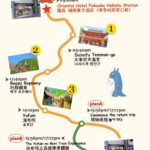
This tour has two distinct versions, not one route with a few optional stops. Route A is built around the Yufuin no Mori train and Dazaifu. You get about 150 minutes in Yufuin, ride the train from Yufuin Station to Oita Station, visit Umi Jigoku, and make a stop at Dazaifu, the important shrine associated with learning.
Route B focuses on Beppu and the countryside. It visits Nyoirin-ji Temple, the Mount Yufu trailhead, Yufuin and Kinrin Lake, then Umi Jigoku and Kamado Jigoku. The posted schedule gives Yufuin the longest stretch of free time, while the temple and hot-spring stops are shorter.
This distinction matters. If the old-fashioned train is the main reason you are booking, select Route A. If you want the Frog Temple, a look at Mount Yufu and two Beppu hells, Route B is the better fit. The package names and descriptions can be easy to mix up, so match the exact route label to the stops you want. Some package details also identify a Cantonese-speaking guide option.
Fukuoka pickup makes a far-flung day manageable
The tour begins at 8:30 a.m. and is scheduled to return around 6:30 p.m. at Lawson Fukuoka Oriental Hotel. You meet the group rather than being picked up at your hotel, and the final arrival time can shift with road conditions.
That shared bus is a real advantage for a day linking places that are spread across Fukuoka and Oita prefectures. You avoid arranging several train and local bus connections, and you can use the ride between stops to rest. The trade-off is a fixed pace: the guide may adjust or shorten stops if traffic, weather or facility conditions get in the way.
Meet 10 minutes early and look for the JRT tour guide flag. The operator sends travel details the evening before, usually between 5 and 9 p.m. Check your email, including spam, and rely on the latest message if you receive more than one. Late arrivals cannot join midway and are not refunded.
You can also read our reviews of more tours and experiences in Yufu
Route B starts with frogs, then a view of Mount Yufu
On Route B, the first named stop is Nyoirin-ji Temple, about 40 minutes for self-guided exploring. Its nickname, Frog Temple, comes from the thousands of frog figurines around the grounds. They make the visit playful, but the site is still a temple, so take a moment to notice its setting as well as the figures.
From April 1 through September 30, the temple is decorated with wind chimes bearing wishes for a peaceful summer. Colorful paper strips move in the breeze, giving this stop a seasonal character. If you are visiting outside those months, the frogs remain the main attraction.
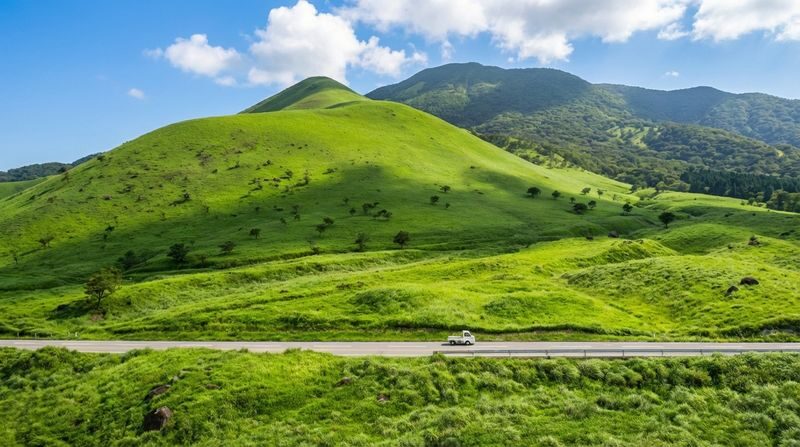
The next scheduled stop is the Mount Yufu trailhead, but the listed visit is only five minutes. This is a short look, not a hike up the 1,583-meter volcano. Mount Yufu’s neat, twin-peaked outline has earned it the nickname Bungo Fuji, and the view is a quick reminder that Yufuin is framed by volcanic country.
There is an important seasonal and operational caveat: from June 1, traffic control at the trailhead may mean viewing Mount Yufu from the vehicle without getting out. If a walk or mountain air is essential to your plans, do not treat this stop as a guaranteed hike.
Yufuin rewards a slow walk, even on a scheduled tour
Route B allows about two hours and 20 minutes in Yufuin, while Route A describes roughly 150 minutes. Either way, this is the day’s best chance to set your own pace. Yufuin is a hot-spring town with a mix of rural calm, small shops and a polished visitor center feel. It is popular, so expect other people along the main shopping streets.
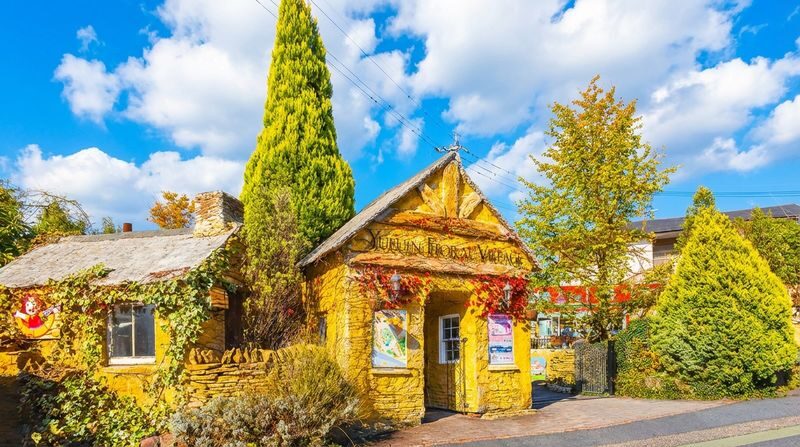
Yunotsubo Street is the natural place to browse. You can look for handmade goods, sample local snacks and try the B-speak Swiss roll or milk-based desserts. Guides can help with food suggestions and directions, which is useful when your free time is limited and you would rather spend it eating than searching.
Kinrin Lake is another worthwhile stop, particularly for its misty appearance when warm spring water meets cooler water. The schedule gives Route B about 20 minutes there. That is enough for a short walk and photos, not a long lakeside pause, so keep an eye on the clock.
Yufuin’s appeal is not one grand sight. It is the pleasure of walking with Mount Yufu in view, ducking into a shop, and then reaching a quiet stretch near the water. I would resist trying to fit every shop and snack into the visit. Pick one or two things that interest you, leave time for the lake, and enjoy the town at a human pace.
The schedule warns that some sights may be skipped because of capacity or weather. Treat the stop durations as a plan, not a promise. On busy weekends and Japanese public holidays, traffic can also eat into free time.
Beppu’s hells make geothermal activity easy to see
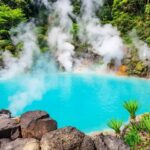
Umi Jigoku, or Sea Hell, is known for a deep blue pool colored by its mineral content, mainly iron sulfate. Steam rises from water near 98°C, a vivid display of the heat under Beppu. Route B allows about 30 minutes for the visit, and a free foot bath is available if you want a small, relaxing pause.
Hot-spring eggs and other refreshments may be available, but food and drinks are not included in the tour price. Bring a little spending money if you want to try something. The blue pool is the visual star, though the steam and the scent of hot water make the setting feel more alive than a photograph can suggest.
Kamado Jigoku offers a different kind of stop. Its grounds bring together six hot-spring pools, with sights that include bubbling mud and steam escaping from rocks. The water’s colors can shift with light, so the appeal is variety rather than one single pool. The visit is scheduled for about 30 minutes.
The package information lists admission to Umi Jigoku and Kamado Jigoku as included for Route B. Route A is described differently, with Umi Jigoku included alongside the train experience. Check your selected package’s admission details rather than assuming both tickets are covered on every version.
These are not bathing stops. They are geothermal viewing sites, with a foot bath at Umi Jigoku as the notable chance to soak your feet. If your real goal is a long, restorative onsen bath, this tour offers a taste of Beppu’s hot-spring culture, not a full bathing day.
Route A trades the Frog Temple for a scenic train and Dazaifu
The Yufuin no Mori is a sightseeing train with a dark green exterior and a warm, wood-finished interior. Its large windows frame forests, valleys and rural views on the Yufuin-to-Oita section. For anyone who enjoys rail travel, the train is more than transport: it makes the journey itself part of the day.
The train segment is a central difference between the packages. Route A is described as the best-value way to experience a scenic section of the line, but this is not a full day riding trains. You board at Yufuin and continue to Oita, then the tour carries on to its other stops. If the train is your priority, confirm the exact package and boarding arrangements when you book.
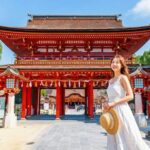
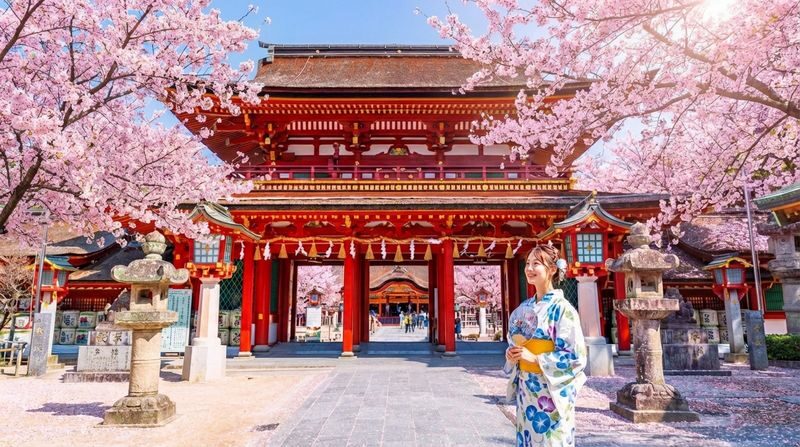
Route A also includes about an hour at Dazaifu, home to the head shrine of Japan’s god of learning. You can see traditional shrine architecture, make a prayer and try umegae mochi, a grilled sweet associated with the area. An hour is enough for a compact visit, but not for a slow exploration of every corner.
The route gives up some of Route B’s countryside stops, including Nyoirin-ji and the Mount Yufu trailhead. That is a fair exchange if the train and Dazaifu matter more to you. It is not the right choice if the Frog Temple or Kamado Jigoku is high on your list.
Guides and timing are part of the value
The tour’s strongest practical feature is that the guide does more than keep the bus moving. Guide assignments vary, but names such as Eiichi, Li Jing, Daisy, Lily and Carson appear among the guides associated with recent departures. Their strengths have included clear explanations, humor, attention to individual needs, and useful suggestions for food and short routes through busy areas.
Those details matter on a day with limited time. A good guide can tell you which snack is worth a stop, explain what you are seeing, and help you avoid wasting your free hour trying to get oriented. Some guides also speak English, Mandarin and Cantonese, though the language offered depends on the chosen package and departure.
The schedule is full, but the tour is designed to leave some independent time rather than escorting you every minute. Several stops are self-guided. Bring comfortable walking shoes, a charged phone and a portable battery. Pack warm layers in winter or for the mountain portion, and bring light snacks, especially if you are traveling on a peak weekend.
Is $44.25 good value?
The advertised starting price is $44.25, but the exact fare depends on the route and booking details. The package includes round-trip transfers from the meeting point and a Chinese- or English-speaking guide. The Beppu route lists admission to Umi Jigoku and Kamado Jigoku, while Route A includes the Yufuin no Mori train experience and Umi Jigoku.
At that starting price, the main value is the transport and the amount of ground covered in one day. Organizing Yufuin, Beppu and possibly Dazaifu independently takes more planning, and the train route adds another detail to coordinate. The tour also gives you a guide who can explain the stops and help you make the most of limited free time.
Meals, drinks, personal expenses and insurance are not included. Check the selected package for the precise inclusions, especially if you are comparing Route A with Route B. The tour has a 4.9 out of 5 rating from 4,474 ratings, a strong signal of consistent satisfaction, but the particular route and your expectations matter more than a score.
Who should book this Kyushu day trip?
I would recommend this for a first visit to Fukuoka when you want to see more of Kyushu without renting a car or planning several connections. It suits people who enjoy a packed day with a mix of scenery, town wandering, shrine or temple culture, and geothermal sights.
Choose Route A if the Yufuin no Mori train and Dazaifu are your must-sees. Choose Route B for Nyoirin-ji, Mount Yufu views, Yufuin and two Beppu hells. Families can bring children aged three and up at the adult rate; children under two can join free without their own seat, but the operator must be told in advance.
Skip it if you want a leisurely stay in Yufuin, a proper onsen bathing session, or a serious Mount Yufu hike. The tour offers snapshots, not an overnight stay. For a wide-ranging day at a low starting price, though, it is a sensible way to sample the region. Book only after checking the route name and its included tickets, then arrive early and leave your evening plans flexible.
Kyushu One-Day Tour: Yufuin no Mori Train & Yufuin Town & Nyoirin-ji Temple & Dazaifu & Hell Hot Springs (Departing from Fukuoka)
“thank you for a comfortable trip to beppu.”
FAQ
How long is the tour?
The scheduled day runs from 8:30 a.m. to about 6:30 p.m. The actual return time can change with road conditions, weather and other adjustments.
Where does the tour return?
The stated return point is Lawson Fukuoka Oriental Hotel. The actual arrival time depends on traffic.
Does every package include the Yufuin no Mori train?
No. Route A is the Yufuin no Mori train experience route. Route B is the Beppu Six Scenic Spots tour and does not list the train.
Which route visits Nyoirin-ji Temple?
Route B includes Nyoirin-ji Temple, also known as Frog Temple. Route A is focused on the train, Yufuin, Umi Jigoku and Dazaifu.
Are meals included?
No. Meals and beverages are not included, and personal expenses are your responsibility.
Can children join the tour?
Children aged three and older are charged the adult rate. Children under two may join free without occupying a seat, but you must note this when booking.