Autumn has a delightful rule-breaker in Shikizakura, where cherry blossoms can appear beside fall foliage. This day tour pairs that rare seasonal sight with the temple gardens at Eihoji and the maple-lined paths of Korankei Gorge, taking you to three different stops by bus.
I like the contrast between the quiet temple grounds and the busier Korankei, and I like that the route bundles places that can be awkward to connect by public transport. The trade-off is a long day with time-sensitive scenery: blossom and leaf color vary, and the tour is transport-focused rather than a guaranteed deep-guided experience.
- At a glance
- Three autumn scenes, one bus day
- Eihoji Temple: a calm first stop
- Shikizakura: cherry blossoms in fall
- Korankei Gorge: the headline foliage stop
- What the bus tour does well
- How to make the day work for you
- Who should book this foliage day
- Should you book it?
- FAQ
- What places does the tour visit?
- What is Shikizakura?
- How much does the tour cost?
- Is transport included?
- Where does the tour depart from?
- How long is the tour?
- Is food provided?
- Will the guide speak English?
- Can I cancel for a refund?
- What happens if the operator cancels because of weather?
- The Best Of Takayama!
- More Tours in Takayama
- More Tour Reviews in Takayama
At a glance
 1 / 9
 2 / 9
 3 / 9
 4 / 9
 5 / 9
 6 / 9
 7 / 9
 8 / 9
 9 / 9
- Three distinct autumn stops: Eihoji Temple, Shikizakura, and Korankei Gorge each offer a different mix of temple grounds, cherry blossoms, and maple color.
- A rare seasonal pairing: Shikizakura’s four-season cherry blossoms can bloom while autumn leaves are changing, though the display depends on timing.
- Bus transfers included: You avoid piecing together train and bus connections, especially to Korankei during the busy foliage season.
- Comfortable pacing is a common strength: Many accounts describe enough time to walk, take photos, and rest between stops.
- Plan food ahead: The first two stops may have few food or drink options; Korankei is a better bet for finding something to eat.
- From $59.20, with free cancellation: Full refunds are available when you cancel at least 24 hours before the activity date, local time.

👉 See our pick of the The 3 Top Workshops & Classes In Takayama: Which Is Best?
Three autumn scenes, one bus day
This is a seasonal sightseeing circuit, not a single-site visit. You move from Eihoji Temple to the Shikizakura viewing area, then to Korankei Gorge, seeing three versions of autumn in one day. The appeal is variety: a temple setting, pink blossoms among fall colors, and a major maple-viewing spot.
The tour’s practical value is just as important as its scenery. Korankei can require several public transport connections, with waits that become inconvenient in peak season. A bus makes the route simpler and gives you a place to rest between stops. Past participants describe the drives as comfortable, with transfers long enough to recharge but not so long that the whole day feels like a coach ride.
The published starting price is $59.20. That can be good value if you want to visit all three places without arranging separate transport. It is less compelling if you have a car, prefer a slower pace, or want a guide to explain every stop in depth. The price alone does not tell you what food, admission, or other extras are included, so check the current booking details before you pay.
One detail needs special care: the activity information gives Takayama as its location, while several accounts of the trip describe a Nagoya meeting point and a morning departure. Pickup arrangements can change, so confirm the exact location and time in your current booking instructions. A past meeting-point mix-up left people searching between the Silver Bell and Golden Bell; read the latest message closely and allow time to find the group.
You can also read our reviews of more tours and experiences in Takayama.
Eihoji Temple: a calm first stop
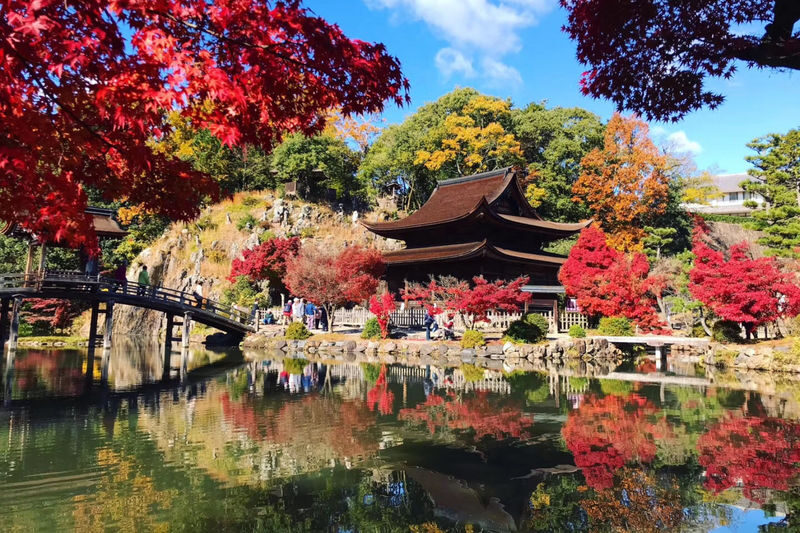
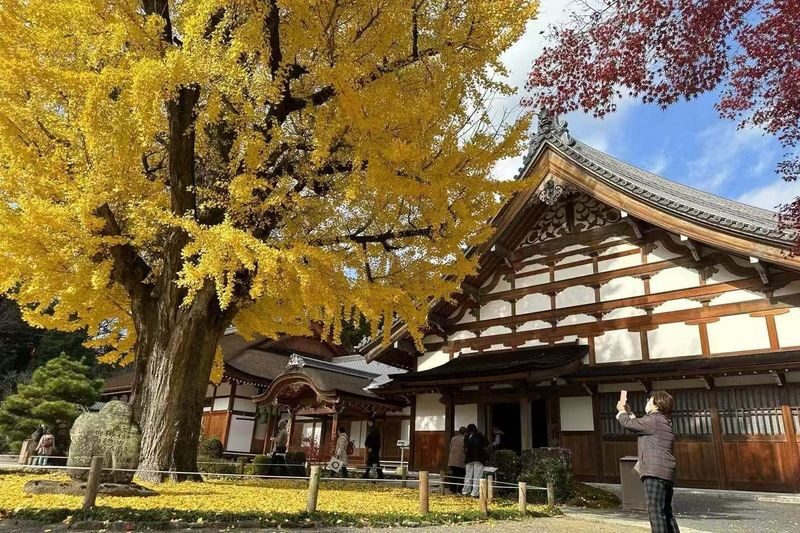
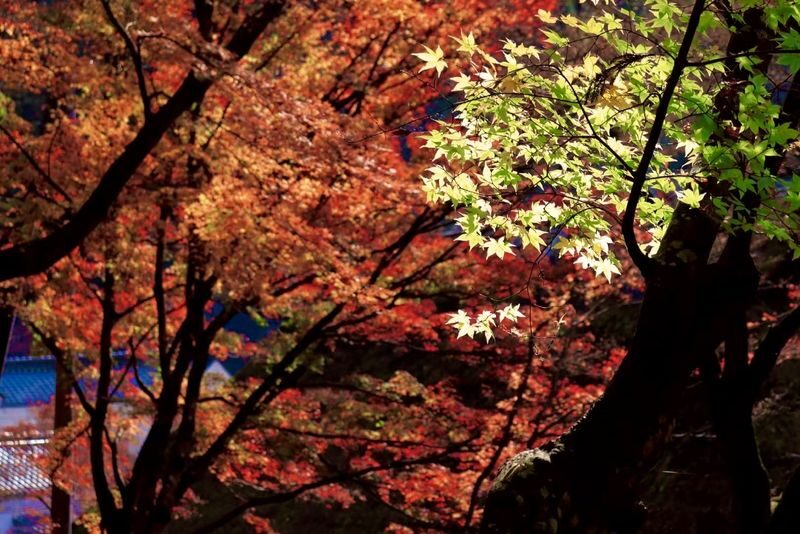
Eihoji is a small temple visit with several ingredients that make for a satisfying walk: temple buildings, a pond, maple leaves, and ginkgo trees. The grounds offer a more contained, peaceful start than the day’s larger foliage stop. If the autumn colors are in good shape, the combination of water, leaves, and traditional architecture gives you plenty to look at without needing a long hike.
The scale is part of the charm. You can enjoy the setting and take photographs without spending the whole day at one attraction. People have found the temple beautiful and relatively uncrowded, though color can vary. Some seasons bring red leaves; others may show leaves that have not yet turned fully red. That matters on a foliage trip, where a calendar date is no guarantee of peak color.
Do not count on a full meal here. Food and drink options at the temple stop may be limited, so bring a snack and a drink from your departure point. That small bit of preparation can spare you from trying to find lunch when the next stop is also short on choices.
Shikizakura: cherry blossoms in fall
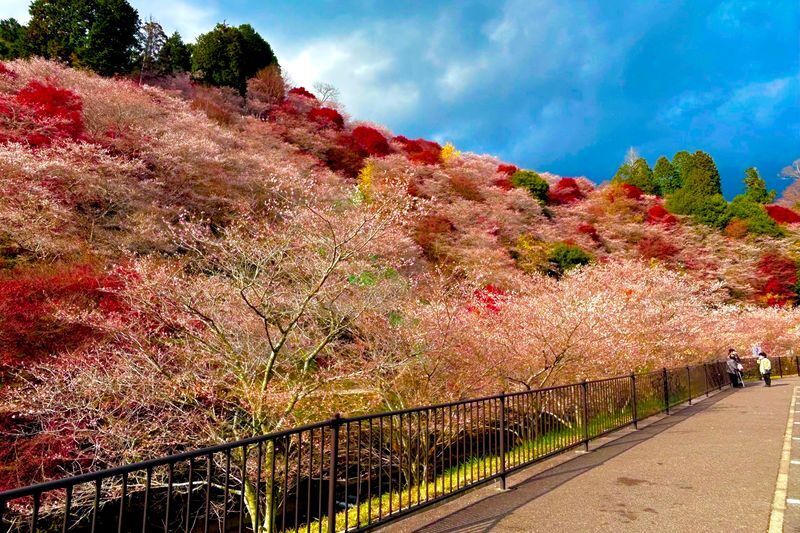
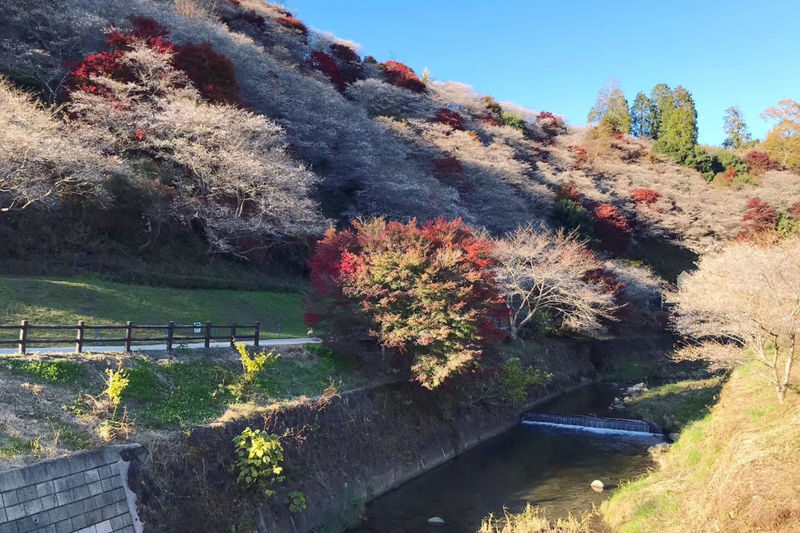
Shikizakura is the tour’s seasonal surprise: cherry blossoms appearing at the same time as autumn foliage. The effect can be striking, with pale or pink blossoms set against red and yellow leaves. It is an unusual pairing, and one reason this route is more interesting than a standard maple-viewing outing.
Keep expectations flexible. The blossoms may be past their best, or the display may be less dramatic than photographs suggest. One account describes a visit when many small blossoms had already fallen. The stop can still be worthwhile for the contrast and the chance to see a less familiar side of Japan’s autumn season, but it is not a guaranteed full-bloom spectacle.
Time here has been described as relatively short, around half an hour in one account. That is enough for a walk and photographs if the viewing area is in good condition, but not enough for a leisurely meal or an extended wander. It is another reason to bring snacks rather than rely on finding food at this stop.
Korankei Gorge: the headline foliage stop
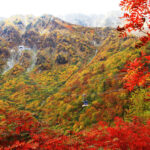
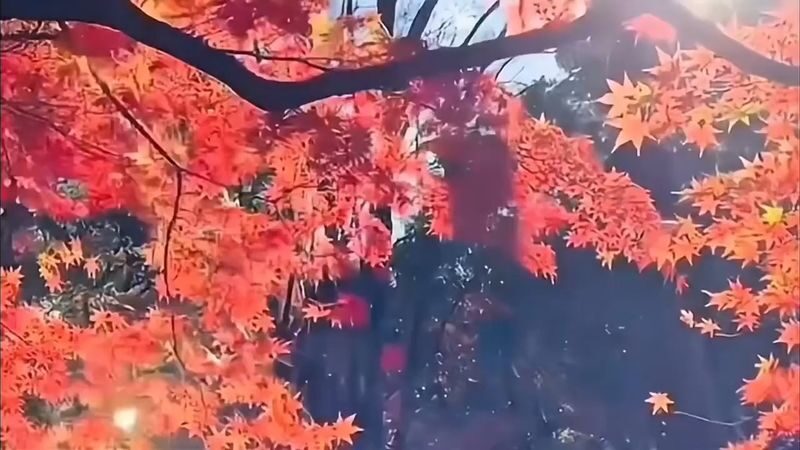
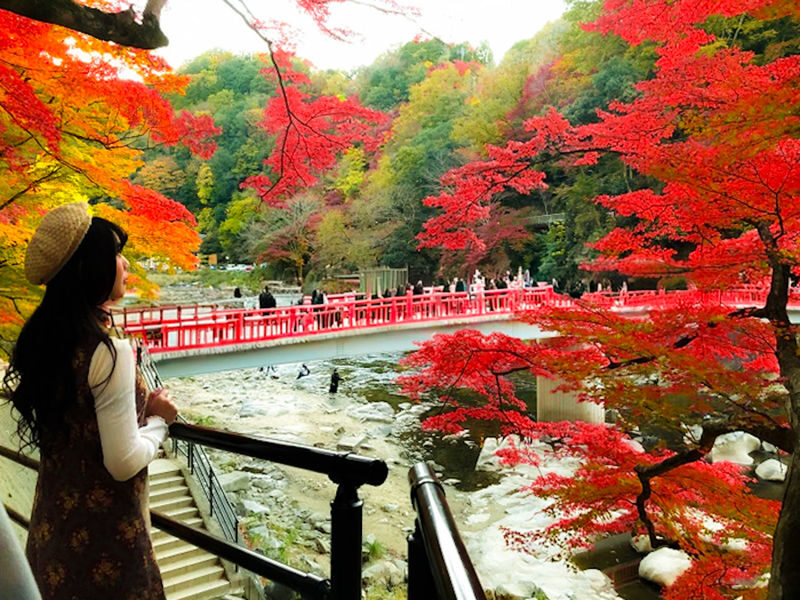
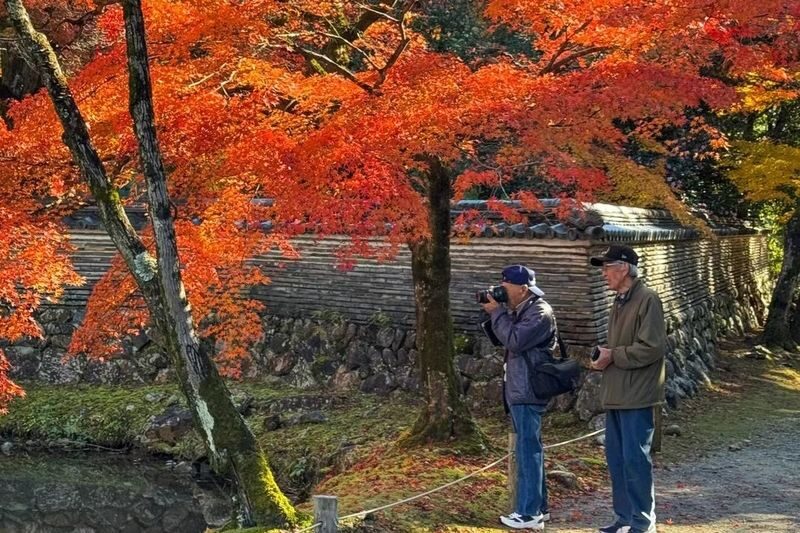
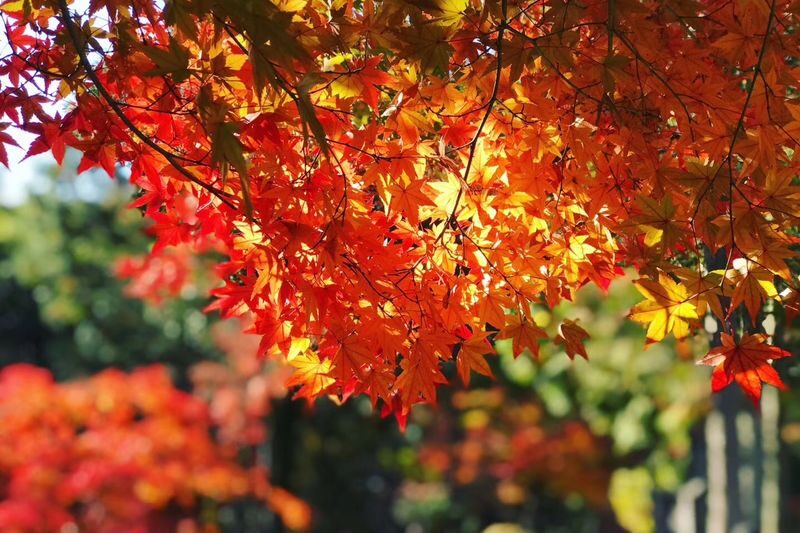
Korankei is often the grand finale. Its autumn maples draw the strongest attention, and the gorge’s paths give you room to walk among the trees and take in the color from different angles. When the foliage is at its best, the setting can make the trip feel worth the hours on the road.
The same popularity that makes Korankei famous also brings crowds, particularly during peak foliage season. Expect a livelier atmosphere here than at Eihoji. You may also need to walk from the bus parking area to the main viewing routes. Pay attention to the guide’s directions and return time, since the area can be busy and it is easy to lose track of the meeting point while taking photos.
Food options are better here than at the earlier stops, but they can still be limited or affected by the day and season. If you have dietary needs or want a particular lunch, do not assume the schedule will include a meal stop. Some trips have changed the planned food arrangement, so carrying a snack is the sensible move.
The timing of the visit can affect what you see. Autumn color is never exact, and evening illumination is not guaranteed as part of the experience. A past group added time to see lighting, which delayed the return for others. Treat any extra stop or schedule change as uncertain unless it is clearly confirmed for your date.
What the bus tour does well
The bus is the main reason to book. Getting to Korankei by public transport can involve a train, a bus, transfers, and waiting. When seasonal crowds are in town, coordinating that on your own takes energy and leaves less room for spontaneous pauses. A single bus itinerary makes the day simpler, especially if you do not drive.
The rhythm also sounds manageable for a three-stop day. Many accounts describe enough time at each attraction and a comfortable balance between walking and sitting on the bus. Some trips began around 9 a.m. and returned before 7 p.m., but treat those times as examples, not a promise for your date. Long transfers offer a chance to rest, though they also make this a full-day commitment.
Guiding is less consistent than transport. Kaku is named in several accounts as a friendly, energetic guide who gave explanations and practical tips. Other trips had limited commentary, unclear English, or recorded information. I would book this primarily for the route and transportation, not on the assumption of a detailed guided tour in a particular language.
There are also occasional group-management drawbacks. A few trips started late while waiting for late arrivals, and one account describes a serious missed pickup. That complaint is sharply at odds with the many accounts describing punctual, organized departures, but it is a reminder to keep the operator’s contact information and meeting instructions handy. The activity’s stated rule is firm: late arrivals and no-shows are not eligible for refunds or amendments.

How to make the day work for you
Check the meeting details twice. The listed location and accounts of the departure point do not line up neatly, and one past group found that its meeting point had changed. Use the current instructions sent for your booking, not an old message or a general map pin.
Pack a small lunch backup. Rice balls, sandwiches, or a snack can cover you if the first stops have little to buy. You may find more food at Korankei, but a dependable option in your bag makes the schedule easier.
Dress for a long outdoor day. You will be walking at several stops and sitting between them. The trip is in autumn, and a cold day can make time outside feel longer. Choose comfortable walking shoes and bring a layer you can take off on the bus.
Keep your expectations seasonal. The tour is built around foliage and Shikizakura, both of which depend on nature’s timing. If you book for a particular date, you may see peak color, early color, or leaves already past their best.
Respect the return time. Korankei is the stop most likely to tempt you into one more path or photo. Set an alarm and get back to the bus on time. A group’s schedule depends on everyone, and late arrivals can affect the whole day.
The tour offers free cancellation if you cancel at least 24 hours before the activity date, using the destination’s local time. In unforeseen events or extreme weather, the operator may cancel and offer a reschedule or full refund. Late arrival or failure to show up is excluded from refunds and amendments.
Who should book this foliage day
I would choose this trip if you are staying near the confirmed departure point, do not have a car, and want to see three seasonal sights without managing the connections yourself. It is especially appealing if the Shikizakura pairing is on your wish list, or if you want a practical way to reach Korankei during the busy leaf season.
It also suits people who are happy to explore independently once dropped off. You get the convenience of transport and a planned route, but the amount of explanation from the guide can vary. If learning the history of every place is central to your day, look for a tour that clearly promises a full guided experience.
I would think twice if you need a leisurely pace, want a guaranteed peak-color display, or dislike a full day with fixed departure times. The schedule covers a lot, and seasonal crowds or group delays can change how the day feels. For the right person, though, the combination of temple calm, autumn blossoms, and Korankei maples makes a smart use of one day.
Should you book it?
Book this tour for convenient transport and three contrasting autumn stops, not for certainty about peak color or an elaborate guided narrative. At $59.20, it can be strong value if it saves you a complicated journey to Korankei and you are content with a self-guided walk at each location. Confirm the meeting point, pack food, and keep your schedule flexible enough for the season.
Autumn Leaves Meet Cherry Blossoms | Eihoji Temple & Shikizakura & Korankei Autumn Foliage Day Tour
“Reaching Korankei via public transport involves multiple transfers (train + bus) and long wait times during peak season. The Klook bus tour removes…”
FAQ
What places does the tour visit?
The tour visits Eihoji Temple, the Shikizakura cherry blossom viewing area, and Korankei Gorge.
What is Shikizakura?
Shikizakura is known for cherry blossoms that can bloom during autumn, alongside fall foliage.
How much does the tour cost?
The listed starting price is $59.20. The final price may depend on the available package and booking details.
Is transport included?
The experience is a bus day tour, and accounts of the trip describe bus transfers between the three stops.
Where does the tour depart from?
The activity information lists Takayama as its location, while trip accounts describe a Nagoya meeting point. Check your current booking instructions for the exact departure location.
How long is the tour?
It is described as a one-day tour. Some past trips have run from around 9 a.m. to before 7 p.m., but the exact schedule can vary.
Is food provided?
The available information does not confirm that meals are included. Food choices may be limited at Eihoji and Shikizakura, so bringing snacks is a practical choice.
Will the guide speak English?
English ability and the amount of commentary have varied. Some trips had guides who spoke English well, while others had unclear or limited explanations.
Can I cancel for a refund?
You can receive a full refund if you cancel at least 24 hours before the activity date, using destination local time.
What happens if the operator cancels because of weather?
For unforeseen events or extreme weather, the operator may cancel the tour. You can then reschedule or request a full refund.