At Mount Aso, you’re not just looking at a volcano from a safe distance. If conditions allow, this day trip brings you by shuttle to the active Nakadake Crater, with steaming volcanic ground and a broad view of one of Kyushu’s most striking natural areas.
I like two things about this tour: it pairs the wide-open grassland of Kusasenri with a second, very different stop, either a traditional hot-spring town or the dramatic gorge at Takachiho. I also like that an English-speaking guide handles the long journey from Fukuoka, with guides such as Yoon and Bae Tae-kwon known for giving explanations and helping with photos.
The catch is time and uncertainty. You’ll spend several hours on the road, and volcanic gas or weather can close the crater, so the day’s main attraction may be replaced by another scenic stop.
- Crater access is conditional: The Nakadake shuttle costs ¥1,400 round trip and is paid separately in cash. Closures can change the plan.
- Two distinct day-trip options: Choose Kurokawa Onsen from October to March, or Takachiho Gorge and Amanoiwato year-round.
- Kusasenri gives you room to roam: This open grassland offers broad views of Aso and can turn snowy in winter.
- The day runs long: The Kurokawa option is scheduled from a 10:15 or 10:30 departure to an evening return around 20:10 or 20:30.
- Onsen costs extra: Bath fees are not included, and individual bathhouses may have rules about tattoos or mixed bathing.
- Kusasenri Opens the Day With Aso’s Wide Views
- Nakadake Crater Is Impressive, But Never Guaranteed
- Pick Kurokawa Onsen or Takachiho Before You Book
- Kurokawa’s Hot Springs Are a Rewarding End to a Long Day
- Expect A Long Ride and A Carefully Managed Schedule
- Guides Add Context and Help Keep the Day Comfortable
- Is The Price Good Value for a Day Out From Fukuoka?
- Who Should Book This Mount Aso Day Trip?
- FAQ
- Is the Mount Aso crater visit guaranteed?
- How much does the crater shuttle cost?
- Which itinerary includes Kurokawa Onsen?
- Is the onsen fee included?
- What time does the tour return to Fukuoka?
- Are meals included?
- More Tours in Aso Kumamoto
- More Tour Reviews in Aso Kumamoto
Kusasenri Opens the Day With Aso’s Wide Views
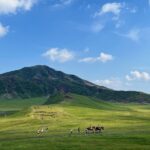
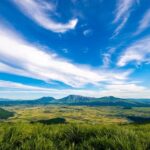
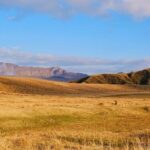
The first major stop is Kusasenri, a broad grassland plain that makes a fine counterpoint to the volcano’s raw, active character. Here, the scale of Aso comes into view: open ground, distant volcanic peaks and a sense of space that’s hard to get in a city.
You’ll have time to walk around and take in the setting, though the exact stop length depends on the day’s conditions. In winter, snow may cover the plain, changing the view and making warm clothing a sensible choice. The weather can also limit visibility, so keep expectations flexible rather than counting on a clear panorama.
For the Kurokawa option, the scheduled visit to Kusasenri, Aso Sanjo Terminal and the crater area runs from about 13:10 to 14:45. That window includes the movement between stops and the crater shuttle if it is operating, so don’t assume all of it is free time on the grassland.
Nakadake Crater Is Impressive, But Never Guaranteed
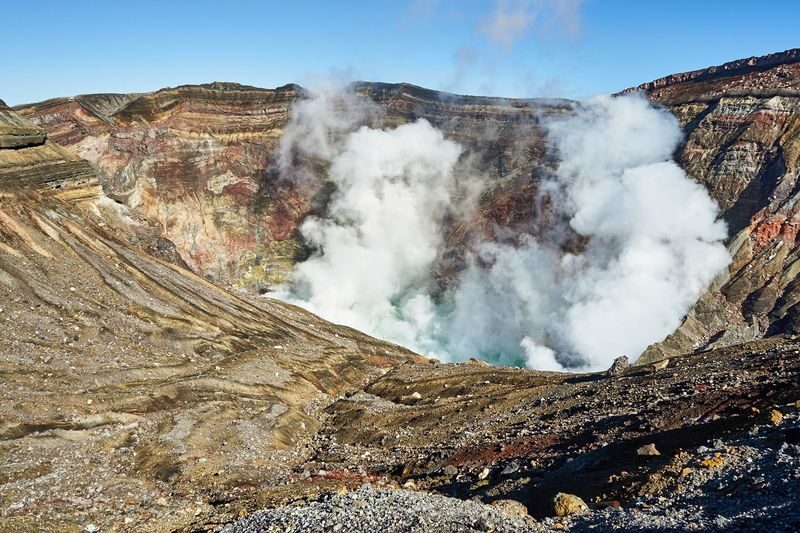
Nakadake is an active crater, and its appeal lies in seeing a volcano that is still very much at work. When access is open, a shuttle runs from Aso Sanjo Terminal to the crater and back. The round-trip ticket is not included, costs ¥1,400, and is paid in cash on site.
Access depends on official updates about volcanic gas levels and weather. If conditions are unsafe, the crater is closed, even if you have come a long way to see it. The tour may instead visit Daikanbo Observatory, with its panoramic view over the Aso caldera and the Five Peaks, or Kamishikimi Kumanoimasu Shrine. The morning’s guide will advise which alternative applies.
That backup plan is not a consolation prize in the usual sense: Daikanbo offers a sweeping view of the caldera, while the shrine gives the day a different, quieter focus. Still, if the crater itself is your main reason for booking, you should be comfortable with the possibility that you won’t reach it.
Volcanic fumes can be harmful, especially for people with asthma, bronchial conditions or heart disease. The tour information warns that access is prohibited for people at risk and recommends bringing a mask because smoke may irritate your eyes or nose. Take those cautions seriously, and check your own health needs before booking.
You can also read our reviews of more tours and experiences in Aso Kumamoto.
Pick Kurokawa Onsen or Takachiho Before You Book
The A option combines Kusasenri, the crater area and Kurokawa Onsen from October through March. The B option pairs Kusasenri and Mount Aso with Takachiho Gorge and Amanoiwato, and is offered year-round. These are different day plans, not two stops you can count on fitting into one outing.
Kurokawa is the slower, restorative finish. The schedule allows about two and a half hours there, enough time to choose a bathhouse, enjoy a soak and walk around the town. Bathing fees are extra, and the best use of that stop depends on how much time you want to spend in the water versus exploring on foot.
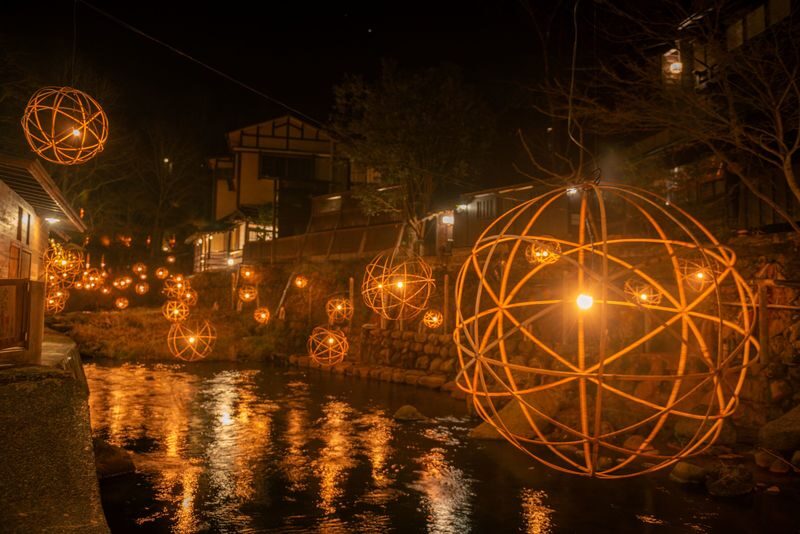
From December through March, Kurokawa’s Yu-Akari winter lights may be part of the visit. Whether you see the illumination depends on the sunset time, so it is not a guaranteed feature of every winter departure.
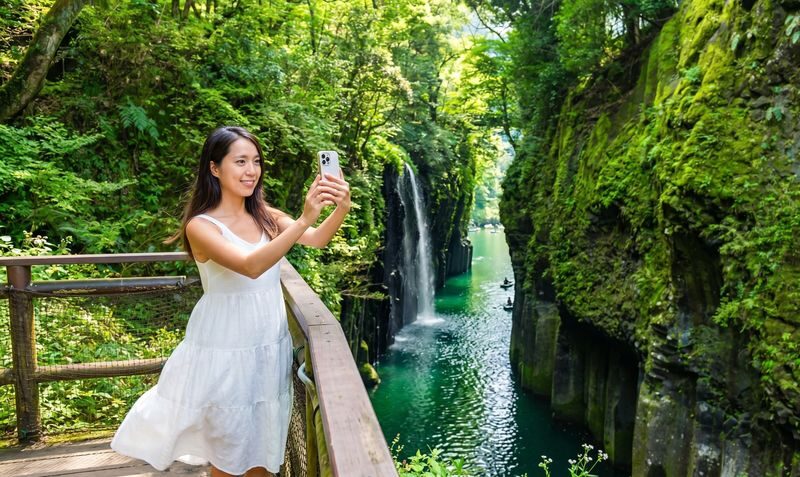
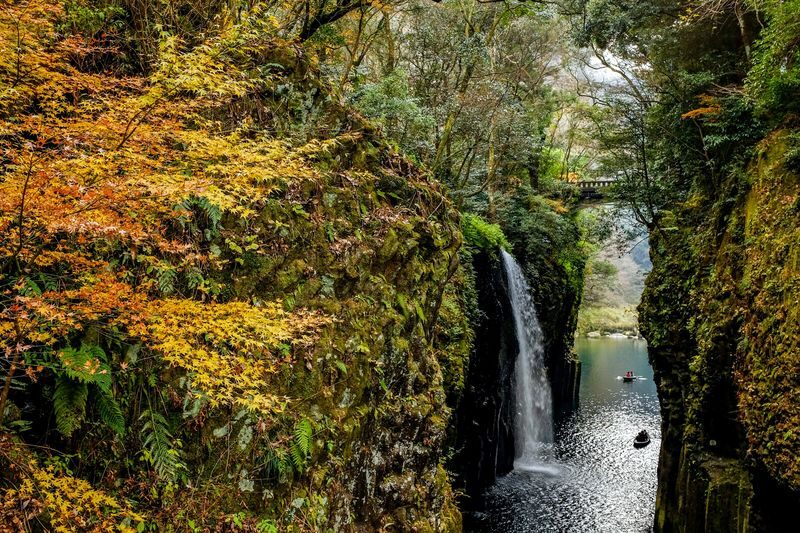
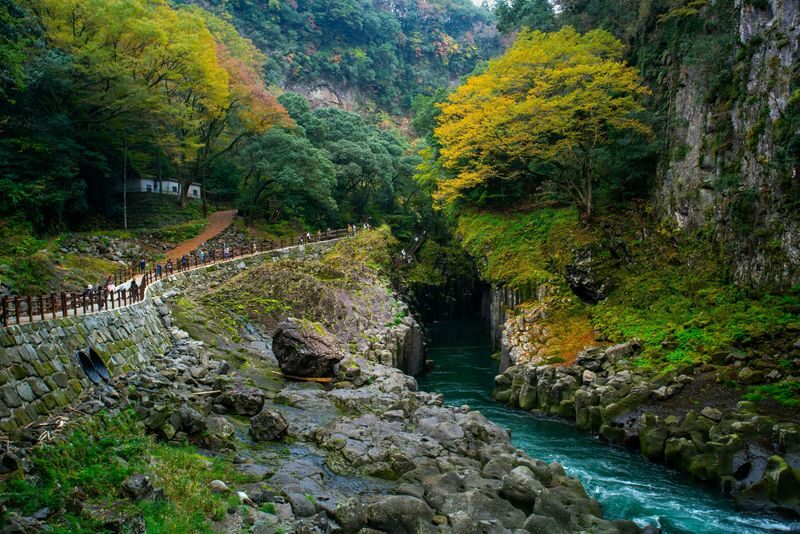
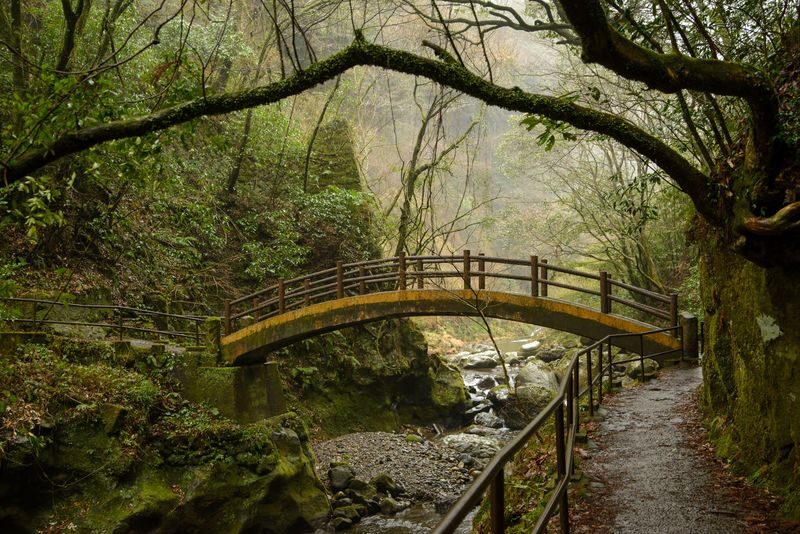
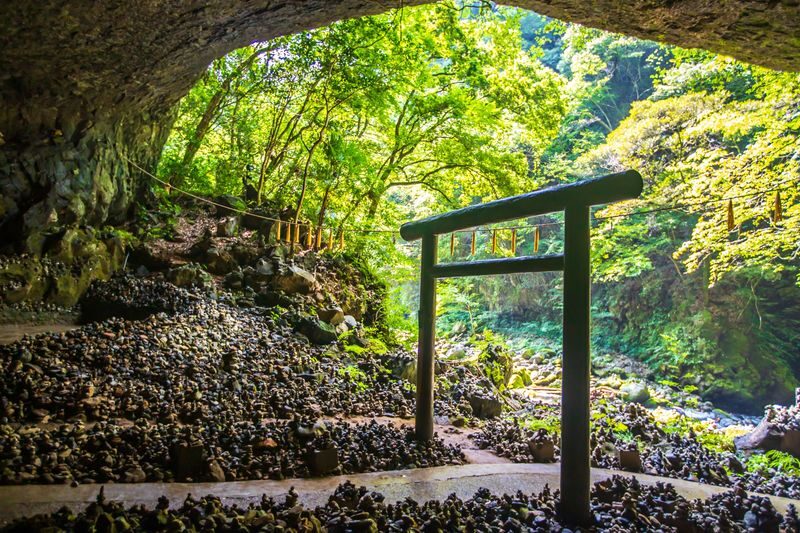
Takachiho is the better fit if you want another major natural sight rather than a hot-spring break. The gorge is available year-round, and the B course also includes Amanoiwato. If the crater is closed on this course, the group spends more time at Kusasenri and Takachiho.
The supplied schedule gives detailed timings for the Kurokawa option, but not for each stop on the Takachiho option. If exact time at the gorge matters to you, ask the operator before choosing. Either way, the long drive means the day is best treated as a full excursion, not a quick hop between nearby sights.
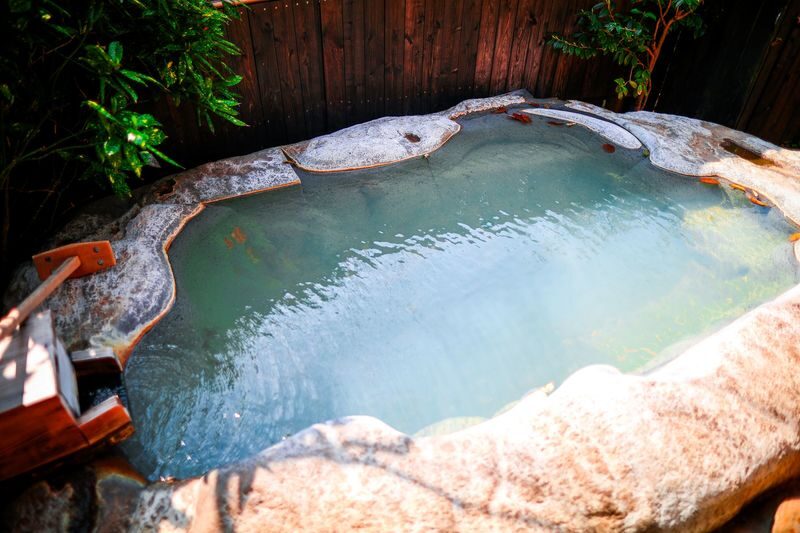
Kurokawa’s Hot Springs Are a Rewarding End to a Long Day
Kurokawa’s traditional bathhouses offer a change of pace after the open ground and volcanic stops. The tour includes the transfer and time in town, but the hot-spring fee is not included. Bring extra money for bathing, and check whether the bathhouse you choose accepts tattoos or asks you to cover small ones with a sticker.
Some outdoor baths are mixed-gender, and some have women-only hours. Check the rules before setting off for a particular bath. People who appear intoxicated may be refused entry, and the onsen may not be suitable for people with heart conditions or infectious diseases.
The schedule allows about two and a half hours, but that time can pass quickly if you want to bathe and see more than one spot. A little planning helps: decide whether a soak or a stroll is your priority, and don’t count on fitting in every bathhouse.
Expect A Long Ride and A Carefully Managed Schedule
The bus leaves Fukuoka at either 10:15 or 10:30, depending on the departure you book. Arrive at least 10 minutes early; late arrivals and no-shows are not refundable. The day includes a 10-minute stop at Tamana Service Area, with the timing subject to traffic.
For the Kurokawa option, the group is scheduled to leave Aso Sanjo Terminal for the onsen at 15:00, reach Kurokawa around 16:00 and start the return journey at 20:10. Drop-off is scheduled around 20:10 at HEARTS Bus Station Hakata or 20:30 at Fukuoka Central Post Office, but traffic can shift those times.
The itinerary can change for weather, traffic, capacity or volcanic conditions. Japanese law limits vehicle operation to 10 hours, so the guide may adjust stops to keep the day within that limit. The group can include as many as 49 people, which makes this a practical shared coach tour rather than a small private outing.
Meals and drinks are not included, and the schedule does not promise a dedicated meal stop. Bring what you need for the day, including cash for the crater shuttle and onsen, and check with the operator about luggage or a stroller. Those items depend on the bus assigned to your departure.
Guides Add Context and Help Keep the Day Comfortable
The included guide speaks English, and the guide’s role matters on a trip with several stops and a long drive. Guides on this tour have included Yoon and Bae Tae-kwon; the guide you meet may be different. Their duties can include explaining the places you visit, sharing practical advice and helping with photos.
The strongest element of the guided format is convenience. You don’t need to work out separate transport between Fukuoka, Aso and Kurokawa or Takachiho, and the guide can explain changes when the crater closes or traffic alters the schedule. That support is especially useful if this is your first visit to Kumamoto.
Keep in mind that guide styles can vary. An English-speaking guide is included, but the amount of commentary may differ from one departure to another. If detailed interpretation is a priority, contact the operator to confirm the language and guide arrangements for your date.
Is The Price Good Value for a Day Out From Fukuoka?
The tour’s overall starting price is advertised from $47.45, while the listed package prices start at $67.75 for Kurokawa and $72.25 for Takachiho and Amanoiwato. Check the price for your chosen date and option before paying, since the headline starting price may not match the package you want.
The fare includes round-trip transfers from the meeting point and an English-speaking guide. It does not cover meals, personal expenses, insurance, the ¥1,400 crater shuttle or Kurokawa’s bathing fee. Those extras matter most if you plan to visit the crater and soak in an onsen, so budget for them rather than treating the tour price as the full cost.
The value is in combining distant sights in one organized day. Reaching Mount Aso and either Kurokawa or Takachiho independently from Fukuoka requires more transport planning; here, the bus connects the stops and a guide manages the changes. The trade-off is a long day with set departure times and limited control over how long you spend at each place.
Who Should Book This Mount Aso Day Trip?
I’d choose this tour if you have a base in Fukuoka, want to see Mount Aso without arranging your own transport, and are happy to trade flexibility for a full day of varied scenery. The Kurokawa option suits you if a hot-spring stop sounds like the right finish; choose Takachiho if the gorge and Amanoiwato matter more than bathing.
It is a less suitable choice if you need guaranteed crater access, want a short outing, or prefer to set your own pace. The most important decision is whether you’ll still value the day if the crater is closed. If Kusasenri and a strong alternative view are enough, the tour offers a useful way to see this part of Kyushu from Fukuoka.
Kumamoto Mt. Aso, Kusasenri & Takachiho or Kurokawa from Fukuoka
“Our tour guide 배태권 was absolutely amazing! He's friendly and fluent in English, Japanese and Korean. He took photos for us enthusiastically every t…”
FAQ
Is the Mount Aso crater visit guaranteed?
No. Access depends on real-time volcanic gas levels and weather. If the crater is closed, the tour may visit Daikanbo Observatory or Kamishikimi Kumanoimasu Shrine instead.
How much does the crater shuttle cost?
The shuttle from Aso Sanjo Terminal to the Nakadake Crater costs ¥1,400 round trip. It is not included in the tour price and is paid in cash on site.
Which itinerary includes Kurokawa Onsen?
Option A includes Kusasenri, the Mount Aso crater area and Kurokawa Onsen from October through March. Option B includes Kusasenri, the crater area, Takachiho Gorge and Amanoiwato year-round.
Is the onsen fee included?
No. The hot-spring bathing fee is not included. Check bathhouse rules in advance if you have tattoos, as some facilities may restrict entry or ask you to cover small tattoos.
What time does the tour return to Fukuoka?
The Kurokawa schedule lists a return from around 20:10, with drop-off at HEARTS Bus Station Hakata around 20:10 or Fukuoka Central Post Office around 20:30. Traffic may change these times.
Are meals included?
No. Meals and beverages are not included in the tour price.