Yanagawa’s flat-bottom boat glides through quiet canals, past low bridges and old riverside scenery. Add a mountain temple, Dazaifu’s famous shrine and shopping street, and a final stop at Kamado Shrine, and you get a full day of Fukuoka-area highlights without arranging several separate transfers.
I like two things in particular: the route gathers very different places into one day, and the bus gives you a comfortable break between stops. The boat ride adds a slower, more local-feeling pause, though its length and character can vary with water conditions.
The trade-off is time. Four stops make for a busy schedule, and Yanagawa’s cruise and lunch can squeeze each other. There is no regular tour guide, so this suits you best if you are happy to follow clear meeting times and explore independently.
- What to know before you go
- A four-stop day beyond central Fukuoka
- Raizan Sennyoji Temple: a calm first stop
- Yanagawa: a canal ride with a variable pace
- Lunch in Yanagawa: plan before you step off
- Dazaifu Tenmangu: shrine, snacks, and the clock
- Kamado Shrine: a green finish, sometimes at dusk
- The driver and the no-guide format
- Is .45 good value?
- Who should book this tour?
- FAQ
- Is there a tour guide on the bus?
- Which places does the tour visit?
- Is the Yanagawa boat ride included?
- Will the boatman go under bridges or perform tricks?
- Is there time for lunch in Yanagawa?
- What is the starting price, and can I cancel?
- More Boat Tours & Cruises in Itoshima
- More Tours in Itoshima
- More Tour Reviews in Itoshima
What to know before you go

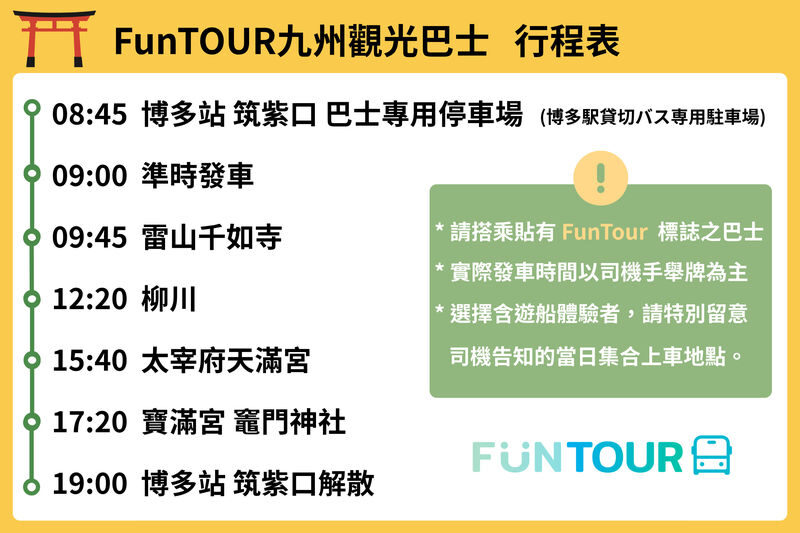
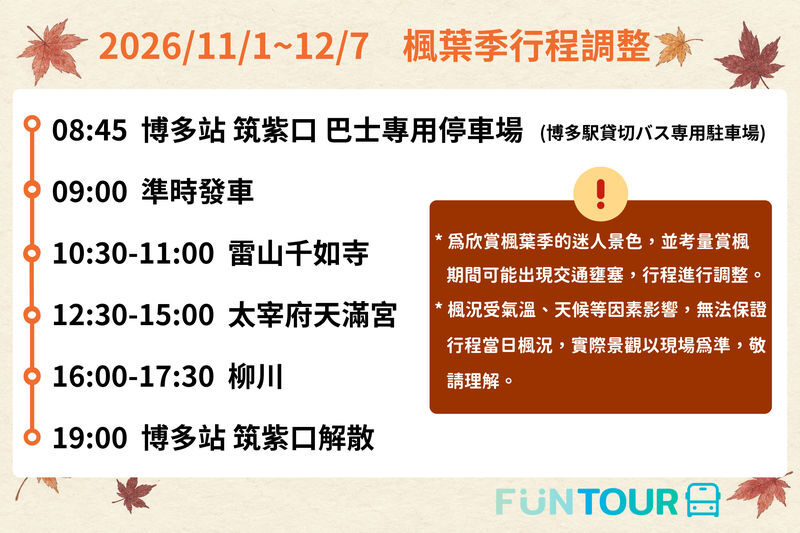

- Raizan Sennyoji Temple opens the day with a quiet change of pace. Its Japanese garden and old trees are a welcome contrast to the busier shrine stops.
- Yanagawa’s canals are the main event on the water. The included cruise can feature local singing and commentary, but low water may mean no bridge ducking or acrobatics.
- Dazaifu Tenmangu is both a shrine visit and a food stop. Give yourself time for the approach street, where you can browse shops and try local snacks such as umegae mochi.
- The bus handles the long connections. You avoid piecing together transport between far-apart stops, but the day still involves plenty of travel.
- Expect audio, not a conventional guide. Multilingual bus announcements and a mobile information page help, while the driver may speak only Japanese.
- The starting price is $34.45. That can be good value for transport and the cruise, especially if independent transfers would be a hassle.
A four-stop day beyond central Fukuoka
This is a day for variety rather than lingering. The route links Raizan Sennyoji Temple, Yanagawa, Dazaifu Tenmangu, and Kamado Shrine, with the bus doing the work of connecting places that are awkward to combine on your own.
That convenience matters. You can rest between stops instead of changing trains and buses, checking connections, and keeping track of several separate tickets. The price starts at $34.45, and the river cruise is part of the package. At that rate, the trip can be a practical way to cover several sights, though value depends on how much you want the freedom to spend longer at each one.
Plan on exploring each stop on your own. There is no regular guide walking with the group. Instead, the bus uses multilingual audio commentary, and a mobile page may provide text, photographs, and audio about the sights. The driver generally handles practical reminders, including when and where to meet again.
That arrangement works well if you prefer to wander at your own pace. It is less ideal if you want a guide to answer questions, give detailed context in person, or help if you lose your way. The key skill for the day is simple: remember the meeting time.
You can also read our reviews of more boat tours in Itoshima
Raizan Sennyoji Temple: a calm first stop
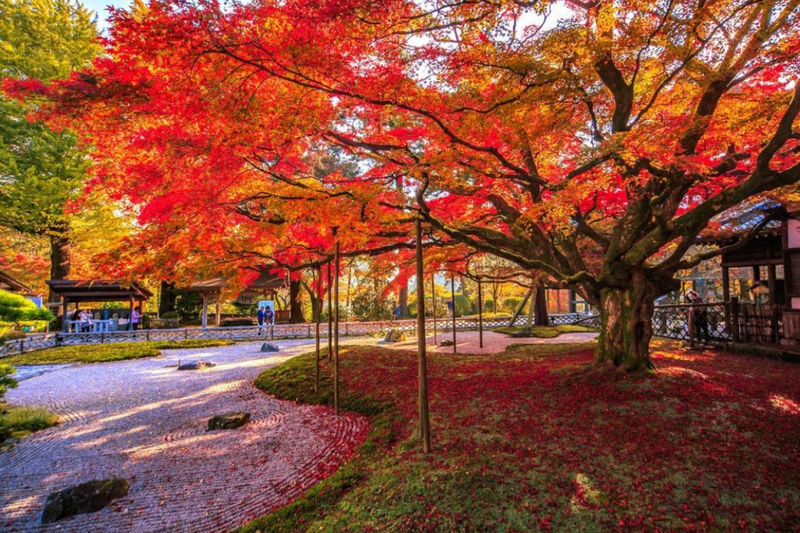
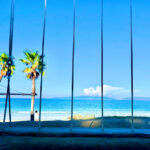
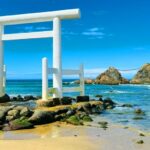
The day begins at Raizan Sennyoji Temple, also referred to as Raizan Kannon-ji in some descriptions. It is a quieter opening than a major city shrine, with a temple setting, a Japanese garden, and striking old trees. One visitor described an 800-year-old tree, a detail that hints at the sense of age and stillness you may find here.
I would use this stop to slow down and look closely. Gardens, temple buildings, and the peaceful atmosphere reward a gentle stroll more than a rushed checklist. The downside is that the visit can feel brief, especially after a long drive to reach it. If temple gardens are your main interest, keep in mind that this tour has several more stops to fit in.
The bus ride itself is part of the day’s rhythm. A smooth, comfortable coach makes the longer stretches easier, and the driver’s reminders help keep the schedule moving. But this is not a tour built around long explanations at each site. You will need to make your own small discoveries while you have the chance.
Yanagawa: a canal ride with a variable pace
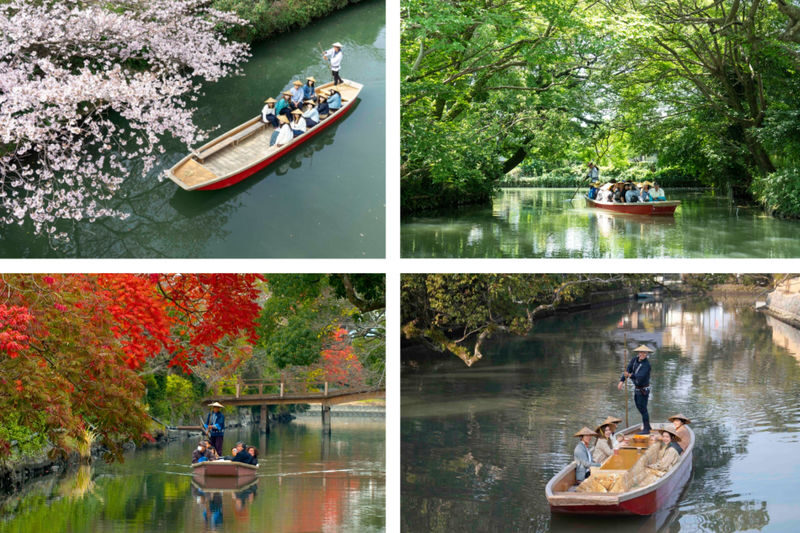
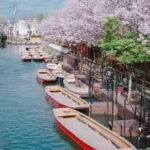
Yanagawa is known here through its canals, seen from a low boat steered along the waterway. The ride is included, and the boatmen may explain the surroundings in Japanese, sing, or both. That can make for a gentle, personal-feeling outing rather than a silent trip from one point to another.
Keep expectations flexible. The dramatic moments sometimes shown in promotional material, such as passengers ducking beneath bridges or a boatman climbing onto a bridge, are not guaranteed. Low water levels can change the route or prevent those flourishes. Some trips have featured songs and commentary instead, while others have felt short or less lively. The boat experience is best appreciated as a peaceful canal ride, not a stunt show.
Conditions also shape your comfort. One account describes a sunny ride with little or no shade, while another notes that the boat operator supplied straw hats, cool wipes, paper fans, and ice packs in hot weather. Those details may not be available every time, so bring sun protection in warm months. Rain is possible too, although the route may be adjusted to keep planned stops on the schedule.
Allow for a bit of uncertainty around boarding. A wait can eat into your free time, and boat arrangements may not always feel obvious at first. Once you arrive, follow staff directions and ask where to line up if it is unclear. The tour’s staff should direct you to the boat, but the handoff can take a little patience.
Lunch in Yanagawa: plan before you step off
The most common pinch point is lunch. After the boat ride, free time is limited, and restaurant hours can be unpredictable. Yanagawa is associated with eel rice, but you may not have enough time to sit down for a full meal, particularly if boarding runs late or nearby places are closed.
If trying eel is important to you, decide on a backup before you arrive. A quick meal or takeaway snack may be more realistic than searching from scratch for an open restaurant. Some people have found eel rice balls a useful option, while others have walked 20 minutes or more to find a café. That is not the moment to begin leisurely browsing restaurant listings.
There is a real trade-off here. A longer independent visit could give you time for lunch and a slower walk around town, but the bus tour’s broad route leaves less room for that. If Yanagawa is your top priority, consider a dedicated cruise or a separate day instead.
Dazaifu Tenmangu: shrine, snacks, and the clock
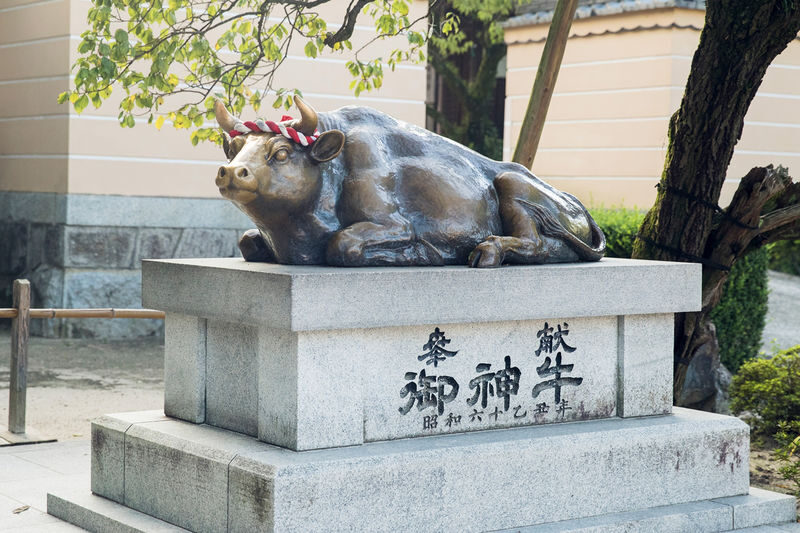
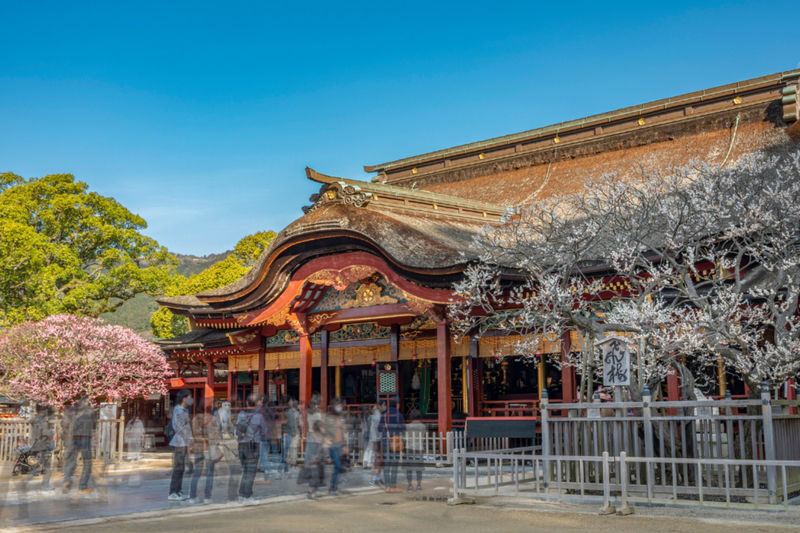
Dazaifu Tenmangu is a major draw for its connection with learning and its shrine grounds. It is also a good place to browse, eat, and soak up the approach street. Local specialties include umegae mochi, a sweet rice cake visitors can pick up from the shops. There are other snack and café choices too, including shaved ice in warm weather.
This stop is often where you will wish for extra time. The shrine and surrounding street invite a slower visit, and the tour schedule may not allow one. Traffic delays can push arrival later in the afternoon, when many shops may already be closed. If shopping or lunch is high on your list, be ready to prioritize rather than trying to see every corner.
The shrine has also undergone renovation at times, which can affect the view of its buildings. The experience can still be worthwhile, but check current conditions if a particular structure or view matters to you. A shorter visit does not mean there is nothing to see; it does mean you should choose your focus quickly.
Kamado Shrine: a green finish, sometimes at dusk
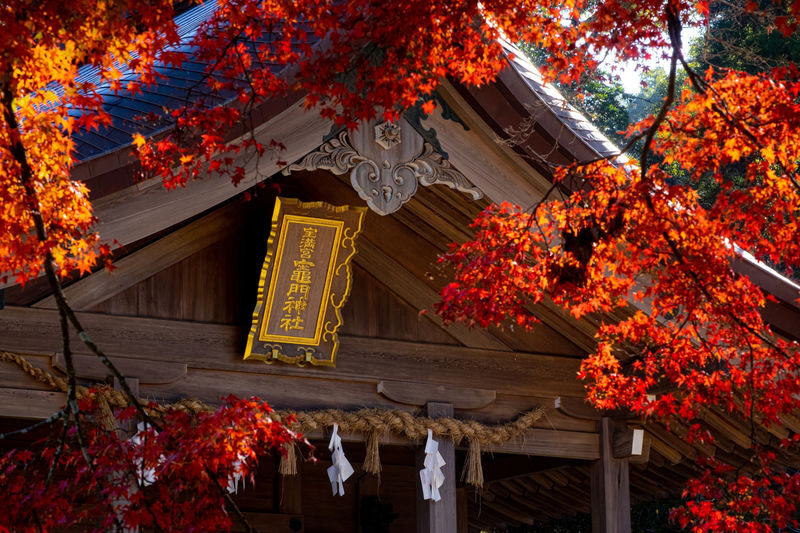
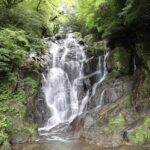
Kamado Shrine provides a different mood from Dazaifu’s busier grounds. Its leafy setting and shrine details make it a pleasant final stop, and the shrine has a pop-culture connection through Demon Slayer. Depending on the season and arrival time, you may see blossoms or catch the changing light of late afternoon.
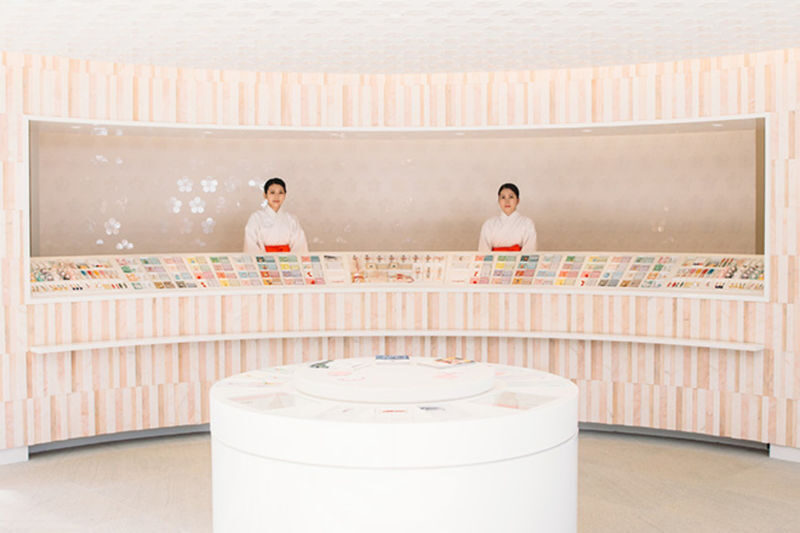
The timing can also limit what is open. If the bus reaches the shrine near dusk, shops may be closing, leaving time mainly for the shrine grounds and amulet counters. That can still be a lovely end to the day, but it is worth knowing that a late stop may feel more like a quick visit than a full exploration.
Because this is the last stop, the schedule matters. The driver gives a departure time, and the group needs to return on time for the ride back. Keep your phone or watch handy, and do not assume you can extend your visit if the place feels especially peaceful.
The driver and the no-guide format
The driver is central to how this tour works. Drivers are frequently described as polite, careful, and clear about departure times. That practical help counts: a calm ride and reliable reminders take some stress out of a packed day.
Still, do not mistake the driver for a full-time multilingual guide. Many drivers speak Japanese, and they may not be able to answer questions in other languages. In-car audio announcements can introduce the next stop, while the mobile information page offers more detail in some cases. Bring headphones if you want to listen to audio on your phone, and download or open any tour information before leaving if you rely on it.
This format can suit you if you like independent sightseeing and do not need constant commentary. It can be frustrating if you expect someone to lead you around each site or troubleshoot every problem. The tour’s strongest support is practical transport and clear timing, not guided interpretation.
Is $34.45 good value?
At a starting price of $34.45, the appeal is straightforward: you get transport between several distant stops and a Yanagawa boat ride in one day. For a first visit to the Fukuoka area, that can save time and reduce the effort of planning connections. The bus is also a place to rest between sightseeing, which matters on a long day.
The price does not buy unlimited time or a personal guide. Lunch, shopping, and leisurely visits all compete with the schedule, and the boat ride’s length or style may vary. If you want a slow day focused on Dazaifu or Yanagawa, independent travel could give you more control. If you want to sample several places without managing the transport yourself, the tour offers a useful bundle.
Booking includes instant confirmation and free cancellation with at least 24 hours’ notice, based on the destination’s local time. That gives you some flexibility if plans change, but check the exact terms when booking.
Who should book this tour?
I would consider this tour if you are visiting the area for the first time, value having transport arranged, and are content to explore without a guide. It also suits families or anyone who would rather rest on a bus than make several transfers. The variety is its strength: a quiet temple, a canal cruise, a major shrine, and a green hillside shrine all in one day.
I would think twice if your main aim is a long, unhurried lunch in Yanagawa, extended browsing at Dazaifu, or detailed historical explanations. The schedule can feel tight, especially when traffic or boat boarding takes longer than expected. For most people, the best approach is to treat the day as an introduction, choose one or two priorities at each stop, and keep lunch plans simple.
Dazaifu Tenmangu & Yanagawa Full-Day Boat Tour
“The driver was very friendly and reminded everyone of the departure time at every stop. Fortunately, all the tour members were well-behaved and nob…”
FAQ
Is there a tour guide on the bus?
There is no regular tour guide. The bus provides multilingual audio commentary, and a mobile page may offer text, photographs, and audio. The driver gives practical reminders but may speak only Japanese.
Which places does the tour visit?
The day includes Raizan Sennyoji Temple, Yanagawa, Dazaifu Tenmangu, and Kamado Shrine. The route links temple, canal, and shrine visits.
Is the Yanagawa boat ride included?
Yes. A Yanagawa river cruise is part of the Dazaifu Tenmangu and Yanagawa full-day package.
Will the boatman go under bridges or perform tricks?
That is not guaranteed. Water levels can affect the ride, and some trips may feature singing or commentary instead of bridge ducking or acrobatics.
Is there time for lunch in Yanagawa?
There is free time after the cruise, but it can be limited. Restaurant opening hours and boat boarding delays may make a sit-down meal difficult, so it is sensible to have a quick backup plan.
What is the starting price, and can I cancel?
The price starts at $34.45. The activity offers instant confirmation and free cancellation if you cancel at least 24 hours before the activity date, using destination local time.