
In Seki, a city known for its knife-making, this two-hour workshop lets you shape a personal keepsake into a practical kitchen tool. You draw a name, message, symbol, or small artwork, then watch it appear on the blade through etching. The session ends with sharpening and a vegetable-cutting test.
I like two things in particular: you leave with a knife you helped personalize, not just a souvenir, and the team includes an English-speaking guide, Hiro, plus craftspeople Sumi and Yoshi. You also get station transfers, a useful perk in a place less easily reached than Japan’s big cities.
The main consideration is the price: US$299.55 is a serious outlay for a two-hour activity, especially if you are not keen on knives or hands-on craft. The price makes more sense if you value the instruction, the finished blade, and a memorable Seki visit as one package.
- Draw your own blade design: Add a name, message, symbol, or artwork, then see it etched onto the knife.
- Learn from Sumi and Yoshi: Sumi leads the knife-making steps, while Yoshi shows you how to sharpen with a whetstone.
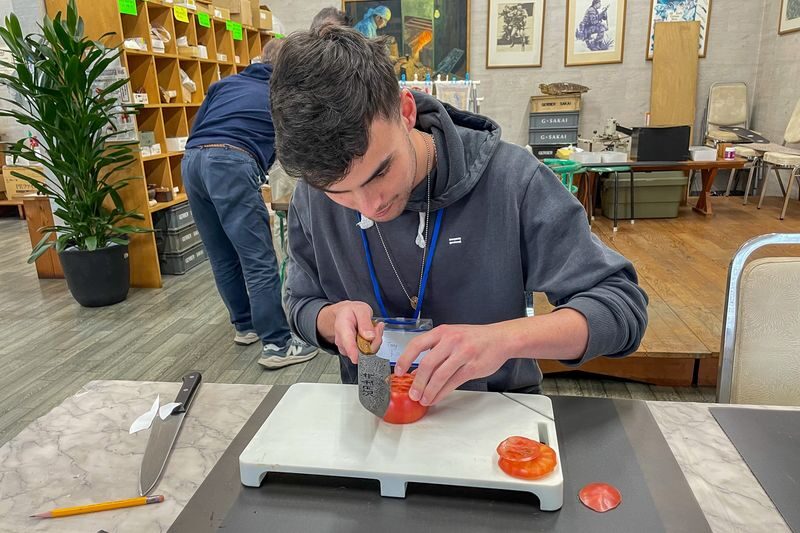
- Test the finished edge: Slice vegetables and see how your newly sharpened knife performs.
- Meet at Sekitomioka Station: Pickup is timed for 10:08 AM, the arrival time of the Nagaragawa River Train.
- Allow close to three hours door to door: The workshop lasts two hours, with transfers and the scheduled return bringing the outing to about 13:00.
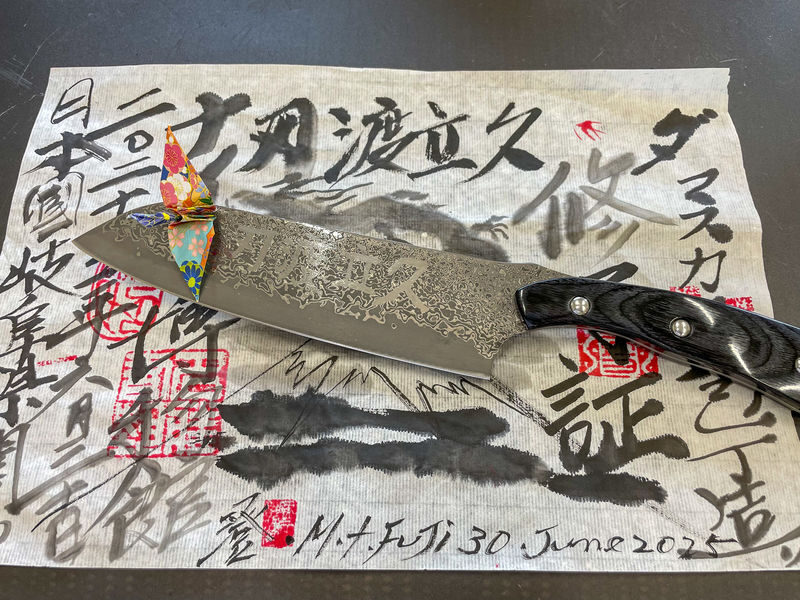
- Take home a certificate: The experience includes a certificate along with your handmade knife.
- A personalized Damascus knife in Seki
- From Sekitomioka Station to the workshop
- Working with Sumi and Yoshi
- Choosing a design and seeing it etched
- Sharpen, slice, and take the knife home
- Is US9.55 worth it?
- Who will enjoy this Seki workshop?
- Should you book the knife-making experience?
- FAQ
- Where does the knife-making experience take place?
- How much does the experience cost?
- How long should I allow for the outing?
- Where and when is pickup?
- Are transfers included?
- What is included in the price?
- What is the cancellation policy?
- The Best Of Seki!
- More Tour Reviews in Seki
A personalized Damascus knife in Seki
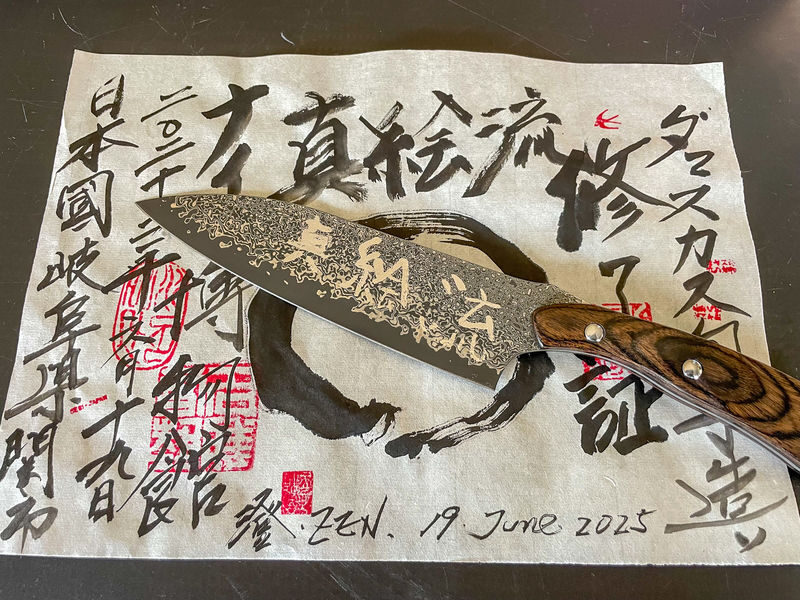
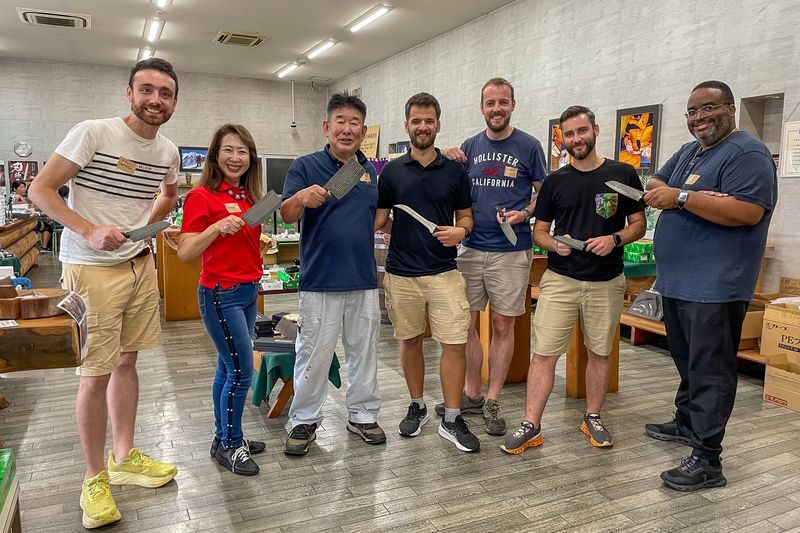
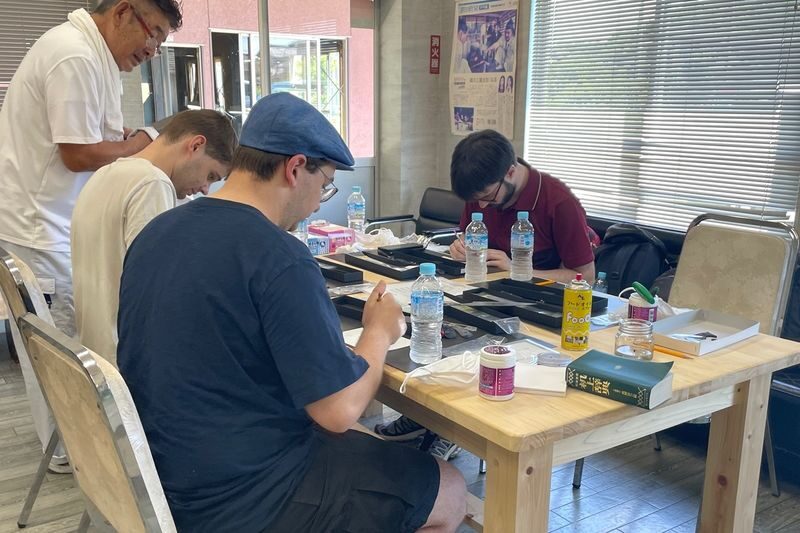
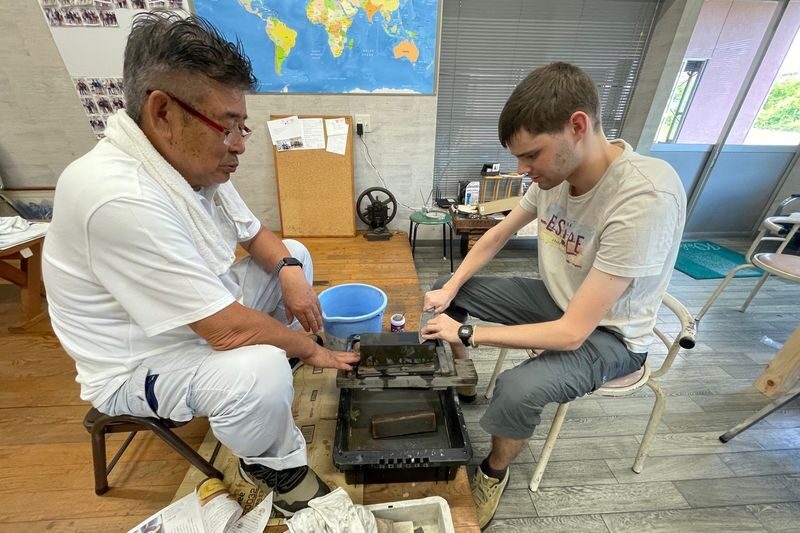
Seki has a long-standing reputation for blades, and this workshop gives you a hands-on way to connect with that craft. Instead of watching a demonstration from the sidelines, you create a knife with the guidance of a working craftsman. The process is structured, so you should not expect to forge a blade from raw steel in two hours. You take part in selected steps while the team handles the parts that require specialist tools or skill.
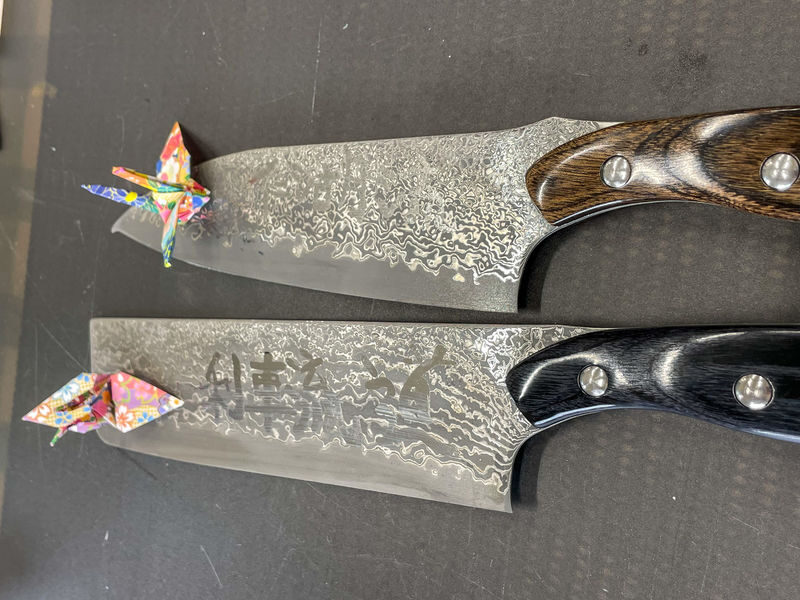
The personal design is a clever part of the experience. You draw your name, a short message, a symbol, or artwork, and the design is revealed on the blade through etching. That makes the finished knife feel tied to your trip, not like a standard shop purchase. If you are making one as a gift, think ahead about a design that will stay legible and meaningful on a small surface.
This is still a working knife, not simply a display piece. After the making and finishing steps, you learn sharpening and test the edge by cutting vegetables. That final test matters: it lets you see the result in use, and it gives the workshop a practical finish. The knife also comes with a certificate, a welcome record of how and where you made it.

👉 See our pick of the Which Seki Tours To Choose? Our Best 3 Picks
From Sekitomioka Station to the workshop
The outing starts at Sekitomioka Station, where pickup is scheduled for 10:08 AM. That time matches the arrival of the Nagaragawa River Train, so check your train plan carefully and be on the platform promptly. The operator reconfirms the pickup time in advance, but do not assume that arriving late will be easy to fix.
Round-trip transfers are included. That is more than a small convenience: Seki is not as well connected as Japan’s major cities, and a prearranged ride removes the need to work out local transport to the museum. Hiro, the English-speaking guide, has met participants at the platform and driven them to the workshop. His role also helps bridge the language gap while you are learning the process.
The listed schedule places the museum visit at 10:30, followed by a return to Sekitomioka Station at about 13:00. The workshop itself is two hours, so allow roughly two hours and fifty minutes from pickup to drop-off. Traffic and weather can affect the schedule. If you have a tight connection after the activity, leave some breathing room rather than planning a sprint to your next train.
You can also read our reviews of more tours and experiences in Seki.


Working with Sumi and Yoshi
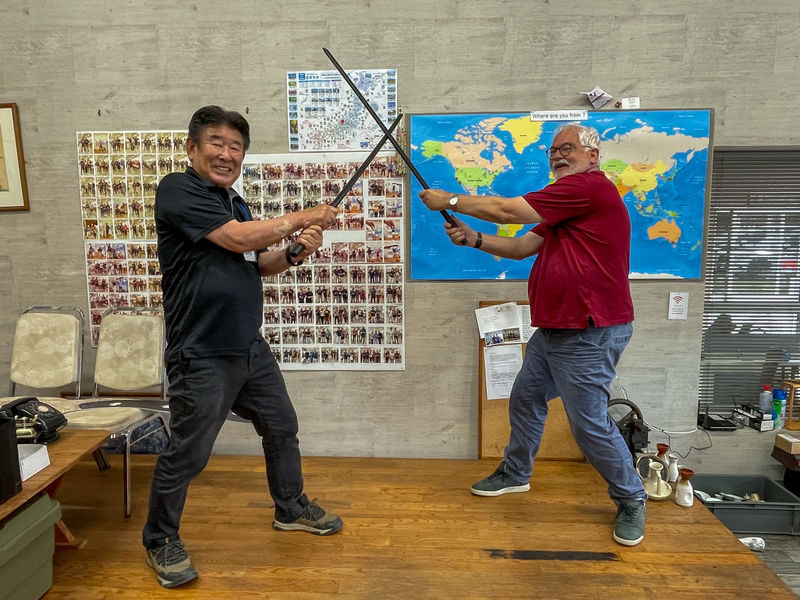
At G. Sakai Knife Museum, Sumi leads the knife-making session and explains the steps you can take part in. The process is deliberately guided. You are not left to guess how to handle the knife or tools, and the team takes care of technical work beyond the scope of the workshop. That structure makes the session approachable even if you have never sharpened a blade or handled a craft tool.
Yoshi teaches sharpening, including how to use a stone. Sharpening is a skill worth learning, not a bit of stage business before you leave with your souvenir. A sharp knife performs differently from a dull one, and knowing how to maintain an edge makes the finished blade more useful at home. Expect guidance and instruction rather than a long, independent sharpening class.
The team’s patient, attentive manner is one of the strongest reasons this workshop suits first-time makers. Hiro provides English support, while Sumi and Yoshi demonstrate and explain the hands-on parts. If you have questions about the materials or the process, ask them as you go. The experience is short, and asking early gives you more time to understand what you are doing.
Choosing a design and seeing it etched
Your design can be a name, message, symbol, or artwork. Keep it simple enough to read on a blade. A short name or clear emblem is likely to make a stronger personal mark than a crowded drawing, especially if you want the knife to remain useful as well as sentimental.
The design is revealed through etching. That step is the visual turning point: your own drawing becomes part of the finished blade, rather than a mark on a paper certificate. If you want a Japanese touch, one participant said the team helped with writing a name in kanji. Treat that as a possibility to ask about, not a guaranteed part of every session.
Knife and handle choices have included three blade options and three handle colors. Selection can change, so ask what is available when you arrive rather than building your plan around a particular combination. A Damascus blade is central to this experience, but confirm any option or upgrade directly with the operator if you have a specific preference.
Sharpen, slice, and take the knife home
The last practical stage brings the knife to life. With Yoshi’s instruction, you sharpen it and then test it by slicing vegetables. You get an immediate sense of the blade’s cutting performance, instead of being asked to trust a claim about sharpness. It is also a satisfying end to a process that combines design, craft, and use.
The test is a demonstration of the result, not a promise that every participant will leave as an expert sharpener. Technique takes practice. Still, learning how to work with a sharpening stone gives you a useful starting point, and the finished knife gives you a reason to keep practicing.
You receive the handmade knife and a certificate. Since this is a functional kitchen tool, think about how you will pack it for the journey home and follow the rules that apply to your route and baggage. The activity information does not specify packaging or shipping, so ask the operator if you need help with either.
Is US$299.55 worth it?
At US$299.55, the workshop costs more than a quick museum visit or a standard souvenir. You are paying for a two-hour guided craft session, English-speaking support, round-trip transfers, the knife-making experience, the chance to personalize the blade, sharpening instruction, a cutting test, and the finished knife. The value depends heavily on whether you want the process as well as the object.
If you simply want a good Japanese kitchen knife, buying one may be the more direct and less expensive choice. If you enjoy making things, want a personal design, or are marking a honeymoon or special trip, the workshop offers something a shop purchase cannot: a memory attached to how the knife came to be. One couple described their knives as lasting reminders of their honeymoon, a good example of why this can feel worth the expense for the right person.
The included pickup adds value, particularly if you are visiting Seki without a car. It reduces transport planning and makes a short workshop easier to fit into a day. Tips and personal purchases are not included, so budget separately if you plan to shop for additional knives or other items.
Who will enjoy this Seki workshop?
This experience is a strong fit for knife enthusiasts, home cooks, craft fans, and anyone who likes a hands-on souvenir with a clear link to place. It can also work well for couples: each person can make a knife, and the shared process gives the outing more substance than simply browsing a display.
You do not need to arrive with technical skill. The craftspeople explain the steps and guide what you do. But you should be comfortable with a structured, instructor-led activity and interested in the knife itself. If you want a long blacksmithing session or the freedom to build every part from scratch, this is not that. It is a compact, supported experience with a personal design and a usable finished blade.
The rules are straightforward: participants must be at least 18 and under 99. The activity is not recommended for people with other serious medical conditions. Pets are not allowed, and anyone who appears intoxicated may be refused service without a refund.
Should you book the knife-making experience?
Book it if you want to make a functional keepsake, value direct instruction, and can comfortably spend about US$300 for a half-day outing with transport. The team’s combination of English support from Hiro and hands-on teaching from Sumi and Yoshi makes the process easier to follow, while the etching and vegetable test give the workshop a satisfying arc.
Skip it if you are mainly shopping for the lowest-cost knife, have little interest in craft, or need a flexible schedule. For the right person, though, this is a distinctive way to spend a morning in Seki: you leave not only with a blade, but with a design and a skill attached to it.
Seki: Create Your Own Hand-Designed Damascus Japanese Knife
“It was a beautiful experience! Very grateful to teachers Sumi and Yoshi. Also, Hiro, who was the translator and guide, was very kind and attentive…”
FAQ
Where does the knife-making experience take place?
The workshop takes place at G. Sakai Knife Museum in Seki, Japan.
How much does the experience cost?
The two-hour Knife Making Experience starts at US$299.55.
How long should I allow for the outing?
The knife-making session lasts two hours. With the scheduled pickup at 10:08 AM and return at about 13:00, allow roughly two hours and fifty minutes for the outing.
Where and when is pickup?
Pickup is at Sekitomioka Station at 10:08 AM, timed to the arrival of the Nagaragawa River Train. The operator will reconfirm the pickup time in advance.
Are transfers included?
Yes. Round-trip transfers between the meeting point and the activity are included.
What is included in the price?
The package includes admission, an English-speaking guide, round-trip transfers, and the two-hour knife-making experience. Tips and personal expenses are not included.
What is the cancellation policy?
You can receive a full refund if you cancel at least 24 hours before the activity date, using the destination’s local time. If extreme weather or another unforeseen event leads the operator to cancel, you can reschedule or request a full refund. Late arrivals and no-shows are not eligible for refunds or changes.