Zenkoji’s goma prayer fire ceremony gives this half-day outing a distinctive heart: you visit one of Japan’s major temples with a local guide, then follow the temple stop with a hands-on matcha experience. The day also brings you into Nagano’s food culture, with oyaki dumplings and a sake tasting along the way.
I like the mix of temple history and everyday local tastes: the guide helps explain the place, while oyaki and sake make the afternoon feel rooted in Nagano rather than limited to sightseeing. I also like that you make your own matcha, instead of only watching a tea demonstration.
One consideration: the schedule runs from 12:15 to about 17:30, with set stops and limited free time at Zenkoji. Activities can change with availability, traffic, or weather, so this works best if you’re comfortable with a planned group outing.
- What makes this Nagano tour distinctive
- A temple visit with more than a quick look
- Oyaki makes a fitting first stop
- A sake tasting with a local point of view
- What the Zenkoji stop gives you
- Making matcha at Tsumugi
- Is 2.35 good value?
- Timing, meeting point, and who should go
- Should you book the Zenkoji and tea tour?
- FAQ
- Where does the tour start?
- How long does the tour last?
- What is included in the price?
- Will I take part in a goma prayer fire ceremony?
- Do I make my own matcha?
- Can children join the tour?
- What is the cancellation policy?
- The Best Of Nagano!
- More Half-Day in Nagano
- More Tours in Nagano
- More Tour Reviews in Nagano
What makes this Nagano tour distinctive
 1 / 6
 2 / 6
 3 / 6
 4 / 6
 5 / 6
 6 / 6
- A goma prayer fire at Zenkoji: The temple visit includes a fire ceremony, not just a guided walk.
- Oyaki at Ogawa-no-sho: A simple lunch of Nagano’s familiar dumplings begins the food-focused part of the afternoon.
- Sake at a local brewery: Nishinomon-Yoshinoya pairs a tasting with an introduction to sake.
- Matcha you prepare yourself: At Tsumugi, the tea experience puts you to work making your own matcha.
- Local English-speaking guides: Guides named Luka, Kevin, and Nadine have led tours, with clear explanations and personal insights praised as part of the experience.

👉 See our pick of the Our 6 Favorite Nagano Workshops & Classes
A temple visit with more than a quick look
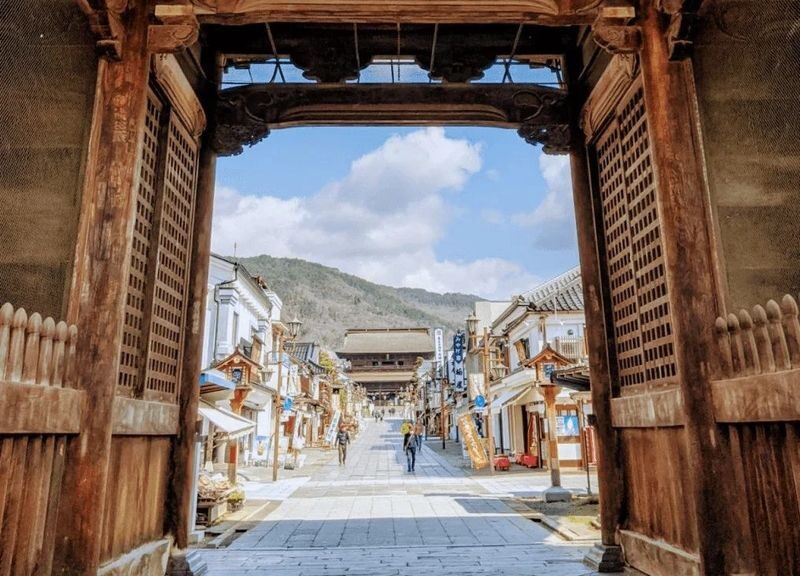
Zenkoji is the main reason to choose this tour. The temple is nearly 1,400 years old, and the experience is designed to help you understand its place in Nagano through a guided walk and a goma prayer fire ceremony. Rather than arriving on your own and trying to piece together the story from signs, you have an English-speaking guide to put the visit in context.
That guidance matters most if you have limited time in Nagano. A temple complex can be rewarding to explore independently, but its customs and history may be hard to read at a glance. Here, the guide’s explanations are part of the day’s value, and past tours have been led by Luka, Kevin, and Nadine. The details shared by these guides were a highlight for people on the tour, especially the clear history and interesting local insights.
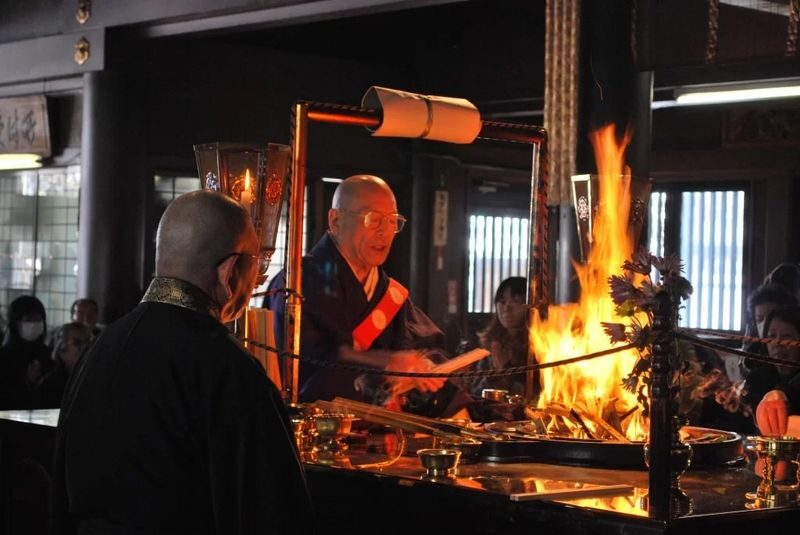
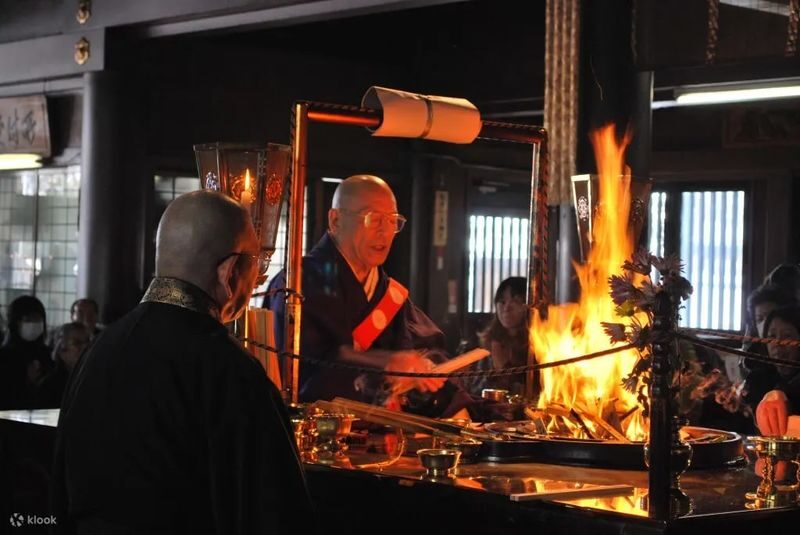
The goma ceremony is a particularly memorable element. It is described as a prayer fire ceremony, and it gives the temple visit a distinct ritual component alongside the walking tour. The exact ceremony schedule and availability can vary, so treat it as an important planned feature rather than something guaranteed under every circumstance.
You also get some free time at Zenkoji after the guided portion. That is useful if you want a little room to look around at your own pace, though the overall schedule still keeps the visit within a group outing. If you want a long, unhurried temple visit or prefer to spend an afternoon exploring every corner independently, this format may feel brief.
You can also read our reviews of more tours and experiences in Nagano


Oyaki makes a fitting first stop
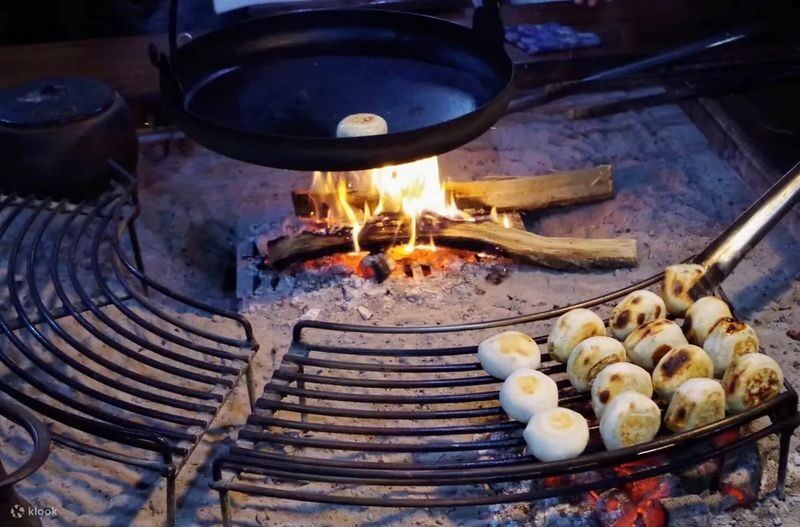
At about 12:45, the group stops at Ogawa-no-sho for a simple lunch of oyaki. These local dumplings are one of Nagano’s best-known foods, and sampling them early gives the tour a practical advantage: you get a taste of local food without having to plan a separate meal stop.
The meal is described as simple, so set your expectations accordingly. This is not a full restaurant lunch with a long menu. It is a chance to try a regional staple as part of the outing, and that suits the tour’s pace. If you arrive hungry, you may want to eat something beforehand or bring a little extra food, since the supplied details do not specify portion size or additional menu choices.
I like this stop because it connects the temple visit with daily food culture. Oyaki offers a more grounded introduction to Nagano than a quick pass through a shop, and it gives the group a natural moment to pause before the next stop.
A sake tasting with a local point of view
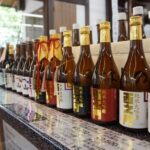
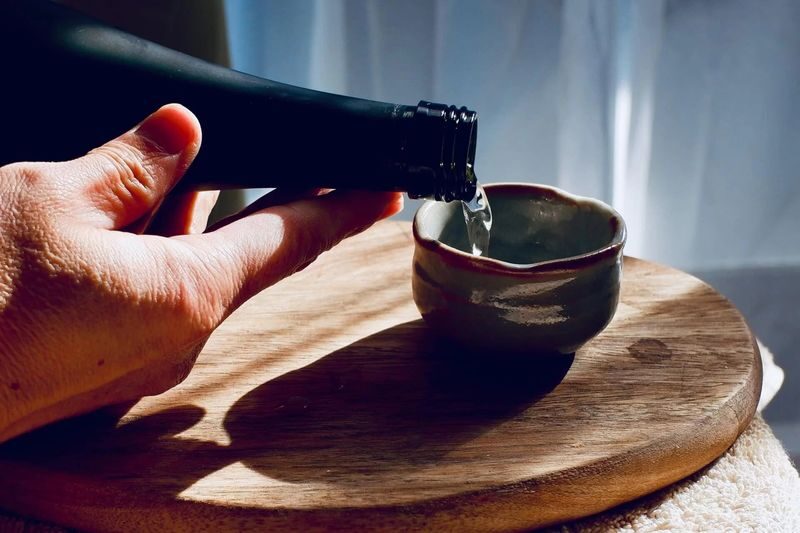
The next scheduled stop is Nishinomon-Yoshinoya Sake Brewery, at about 13:10. You get to taste sake and learn about it, with the brewery described as a maker of award-winning sake. The tasting is a compact way to meet another part of Nagano’s food culture without needing to arrange a separate brewery visit.
The learning component is as useful as the sample. If sake is new to you, an explanation alongside the tasting can make the drink easier to appreciate than simply ordering a glass at dinner. If you already know your way around sake, think of this as a short introduction rather than an extended tasting session. The tour information does not specify the number or type of pours, so there is no reason to plan around a particular tasting lineup.
This stop also comes early in a closely timed afternoon. It follows lunch by only a short interval, then the tour continues toward Zenkoji. That keeps the outing moving, but it is worth knowing if you prefer to linger over food and drink. The main draw is a local taste paired with context, not a leisurely brewery afternoon.
What the Zenkoji stop gives you
The guided temple visit begins around 13:30. You’ll hear about Zenkoji’s history and significance, take part in the goma prayer fire ceremony, and then have free time. That combination offers a useful balance: the guide gives the visit a framework, while the open interval lets you take in the temple at your own pace.
The temple is presented as a major Japanese religious site with a history approaching 1,400 years. That long span is difficult to absorb through a quick walk alone, which is why a guide’s explanation is valuable. In the tour experience, guides have been praised for sharing clear, engaging historical details. Nadine, for example, has led a tour that included Zenkoji as well as the food and tea stops, while Luka and Kevin have also been named as guides.
The schedule allows a substantial stretch at Zenkoji compared with the shorter food stops, but the free time is not a substitute for a full independent visit. If you have a particular interest in temple practice or want to move at a slower pace, consider arranging extra time in Nagano outside the tour. The tour is better suited to an introduction than a deep, self-directed study.
One practical point: the ceremony and other experiences are subject to availability. The operator may need to adjust parts of the plan, and traffic or weather can also affect timing. The day is thoughtfully assembled, but it is sensible to leave a little flexibility around the end of the tour.
Making matcha at Tsumugi
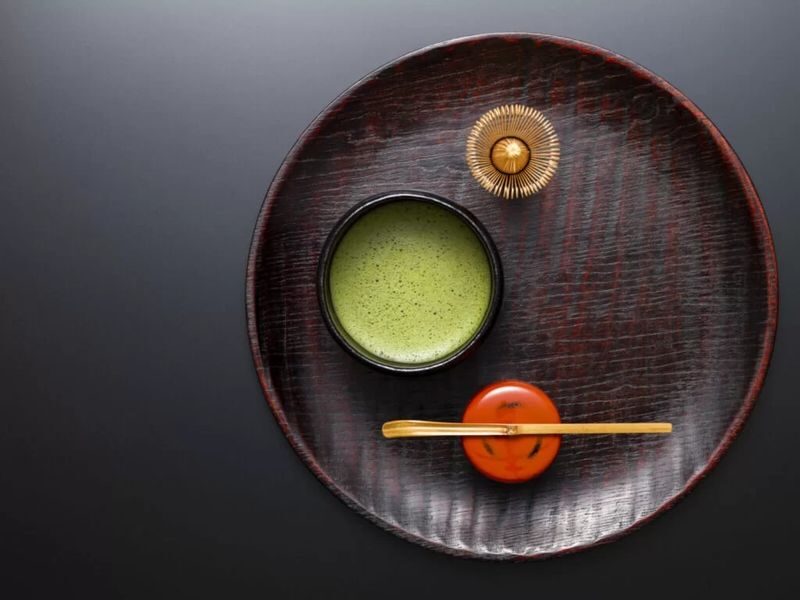
At about 16:00, the tour moves to Tsumugi Tea Ceremony for the final featured experience. Here you make your own matcha, with the tea activity combining Japanese tradition and a modern style. That hands-on element is a strong finish: you are not only watching a formal demonstration, but taking part in preparing the drink.
The tea stop is the experience most singled out in the supplied feedback, and it is easy to see why it may appeal. The pace shifts from walking and listening to doing something yourself. A review also describes the tea experience with the Machida family, adding a personal touch to the visit. The information does not promise a particular tea host on every date, so consider the family detail a possible feature rather than a guaranteed appointment.
Your guide says goodbye at Tsumugi when the experience concludes. The schedule lists a return at about 17:30 to Nagano Station, and you may return with the guide or finish at Tsumugi. Check your onward plans before setting off, since the end point you choose can affect how you arrange the rest of your evening.


Is $122.35 good value?
The starting price is $122.35 for the Nagano Station package. You are paying for a guided outing of roughly five hours that brings together a temple visit, the goma prayer fire ceremony, a simple oyaki lunch, sake tasting, and hands-on matcha making. For someone who wants these pieces connected by an English-speaking guide, the price can make sense: it saves you from coordinating several stops and provides cultural context as you go.
The value is strongest if you want an organized introduction to Nagano and appreciate learning while you taste. The tour is less compelling if you only want to see Zenkoji, since you could focus your time there on your own, or if you prefer to spend a long stretch at each food and drink stop. The food and tea experiences are part of the appeal, but the supplied information does not promise extensive tastings or a large meal.
Snacks are included, and the oyaki stop is described as a simple lunch. The price does not list other inclusions beyond the English-speaking guide and snacks, so do not assume that additional food or drinks are covered. At this price, I would judge the experience by the combination of guided access, local food, and participation in the tea activity, rather than by the quantity of food served.
Timing, meeting point, and who should go
The tour starts at 12:15 inside Nagano Station. Meet your guide in front of the large Information Board directly across from the Shinkansen ticket gates, and arrive five minutes early. Late arrivals and no-shows are not refundable, so give yourself enough time to find the board rather than cutting it close after getting off a train.
The schedule ends at around 17:30. It is a useful afternoon plan if you have part of the day free, but it will occupy most of your afternoon and early evening. The order of stops and times may change because of traffic or weather, and activities depend on availability. Build in flexibility if you have a train or dinner reservation soon after the expected finish.
The tour suits first-time visitors who want a compact introduction to Zenkoji and Nagano culture, especially those who value an English-speaking guide. It also works well if you like food experiences and want to try making matcha rather than simply observing a ceremony. Children aged 0 to 5 may join free of charge, but the supplied details do not give further age-specific guidance.
The vehicle information warns that a driver may refuse a reservation if the group size or luggage exceeds the reserved vehicle’s capacity, with no refund in that case. If you are bringing luggage, it is worth checking capacity before booking rather than assuming there will be room. The details do not state the vehicle type or group size.
Should you book the Zenkoji and tea tour?
Book it if you want a guided, varied afternoon that connects Zenkoji’s history and prayer ceremony with Nagano’s oyaki, sake, and matcha. Its strongest feature is the combination: each stop gives you a different way to meet the city, and the English-speaking guide helps tie the day together. The tea-making activity is a particularly good reason to choose this outing over a basic temple visit.
Skip it if you want to spend the whole afternoon at Zenkoji, need a flexible schedule, or are mainly looking for a substantial lunch or an extended sake tasting. You can also compare it with longer Nagano excursions if your priority is a full day outside the city. At $122.35, this is best viewed as a compact cultural sampler with guided context, not as a deep exploration of every stop.
For a first visit to Nagano, I’d book it if the afternoon timing suits your plans and you are happy to follow a set itinerary. Confirm that the tea and ceremony experiences are available for your date, and arrive at the station early. Those small checks help you get the most from a day built around meaningful local experiences.
Half-Day Zenkoji Tour with Tea Experience
“We spent a wonderful day with Luka who was really kind. She spent the day with us as a guide and the explanations were clear and interesting. We en…”
FAQ
Where does the tour start?
It starts inside Nagano Station, in front of the large Information Board directly across from the Shinkansen ticket gates. Arrive five minutes before the 12:15 departure.
How long does the tour last?
The scheduled outing runs from 12:15 until about 17:30, or roughly five hours and fifteen minutes. Traffic, weather, or availability may change the schedule.
What is included in the price?
The listed inclusions are an English-speaking guide and snacks. The tour also includes scheduled stops for oyaki, sake tasting, Zenkoji, and matcha making, but the supplied information does not specify the quantity of food or drinks.
Will I take part in a goma prayer fire ceremony?
The tour is designed to include a goma prayer fire ceremony at Zenkoji. Activities are subject to availability, so the operator may need to adjust the schedule or offer an alternative.
Do I make my own matcha?
Yes. At Tsumugi Tea Ceremony, the experience includes making your own matcha. The guide says goodbye there, and you may return to Nagano Station with the guide or conclude at Tsumugi.
Can children join the tour?
Children aged 0 to 5 can join free of charge. No additional age-specific information is provided.
What is the cancellation policy?
A full refund is available if you cancel at least 24 hours before the activity date in local time. If extreme weather or another unforeseen event leads the operator to cancel, you may reschedule or request a full refund.