The appeal is simple: in one long day from Sapporo, you reach Biei’s blue-green pond and waterfall, then Furano’s flower farms, without renting a car or piecing together local transport. July and August bring the strongest chance of seeing lavender and the bright flower bands at their best.
I like the direct ride from the city and the mix of open flower fields with quieter natural stops. I also like that the Furano break gives you time to eat instead of squeezing every minute into guided sightseeing. The trade-off is a busy schedule: some stops are short, and weekend traffic can push your return late.
- The day’s highlights at a glance
- A practical way to reach Biei and Furano
- Patchwork Road: a quick look at Biei’s fields
- Shikisai no Oka: a rainbow-sized flower field
- The Blue Pond: color, trees, and crowds
- Shirahige Waterfall: a cool pause by the stream
- Furano lunch: make the hour count
- Farm Tomita: lavender, flower rows, and a short visit
- The ride back: plan for a flexible evening
- Guides, group size, and the small print that matters
- Is this Sapporo day tour right for you?
- FAQ
- Where does the tour depart from?
- How long is the tour?
- When are the flower fields most likely to be in bloom?
- Are meals included?
- What is included in the tour price?
- What happens if I arrive late?
- The Best Of Hokkaido!
- More Farms in Hokkaido
- More Tours in Hokkaido
- More Tour Reviews in Hokkaido
The day’s highlights at a glance
 1 / 5
 2 / 5
 3 / 5
 4 / 5
 5 / 5
- Patchwork Road is a drive-through stop, so treat the rolling fields and famous trees as views from the vehicle, not a long walk.
- Shikisai no Oka gets about an hour, enough to see its broad flower displays, take photos, and visit the alpacas if time allows.
- The Blue Pond and Shirahige Waterfall are close together, but the scheduled visits are brief: about 30 minutes at the pond and 15 at the falls.
- Furano’s lunch break is self-guided, with food and drinks at your own expense.
- Farm Tomita is a short final flower-field stop, with around 45 minutes to explore and try lavender-themed treats.
- Traffic and flower timing matter: expect crowds during peak bloom, and do not count on a full flower display outside the main summer season.

👉 See our pick of the What Are The Best Workshops & Classes In Hokkaido? Our Top 3 Picks
A practical way to reach Biei and Furano
Biei and Furano are spread across a wide rural area. That is part of their charm, and also the reason this tour is useful if you are based in Sapporo and not driving. The day links flower fields, roadside scenery, a pond, and a waterfall with one shared vehicle, avoiding the transfers and timetable juggling that can make a self-planned day feel like work.
The tour lasts about ten hours. Departures are listed from Odori Station Exit 31 at 7:50 am, with a 7:40 am meeting time, or from the JR Sapporo Station North Exit at 8:00 am, with a 7:50 am meeting time. Check your selected package and meeting point carefully. The return is scheduled for about 5:50 pm at Sapporo Station North Exit or Odori Station.
The advertised starting price is $47.39, but treat that as a starting point, not a final budget. The fare includes round-trip transport, tolls, parking, and fuel. Meals, drinks, and personal purchases are extra. Admission fees are not named in the stated inclusions, so check the details for your chosen package before booking rather than assuming every attraction is covered.
You can also read our reviews of more tours and experiences in Hokkaido



Patchwork Road: a quick look at Biei’s fields
The first listed sightseeing stop is Patchwork Road, reached at about 10:30 am. The tour allows ten minutes and describes this as a drive along the road. That distinction matters: you will get a moving view of the countryside, not a long stop to wander between fields.
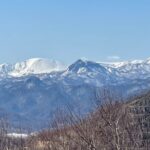
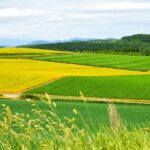
Biei’s gently rolling farmland is a change of pace from Sapporo’s city streets. The road is known for its patchwork of cultivated fields and for well-known trees in the area. Keep your camera ready, but do not expect to hop off for a photo at every viewpoint. This is a short introduction to the region before the longer stops.
Shikisai no Oka: a rainbow-sized flower field
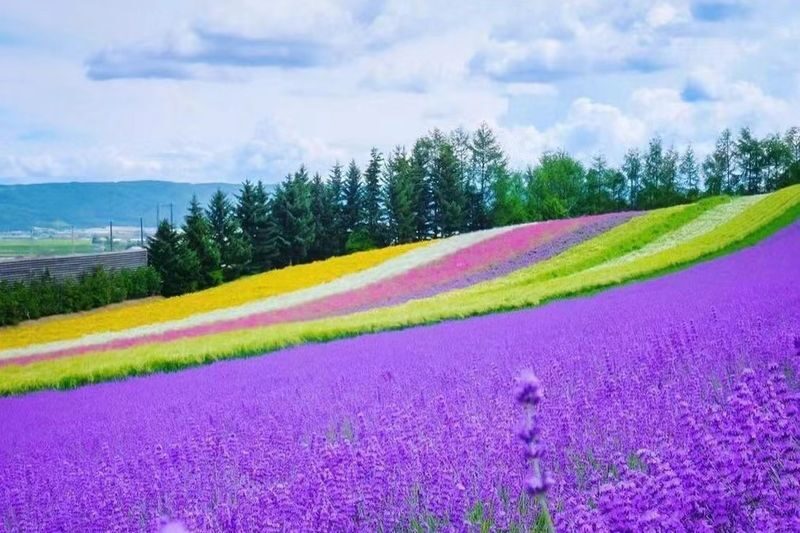
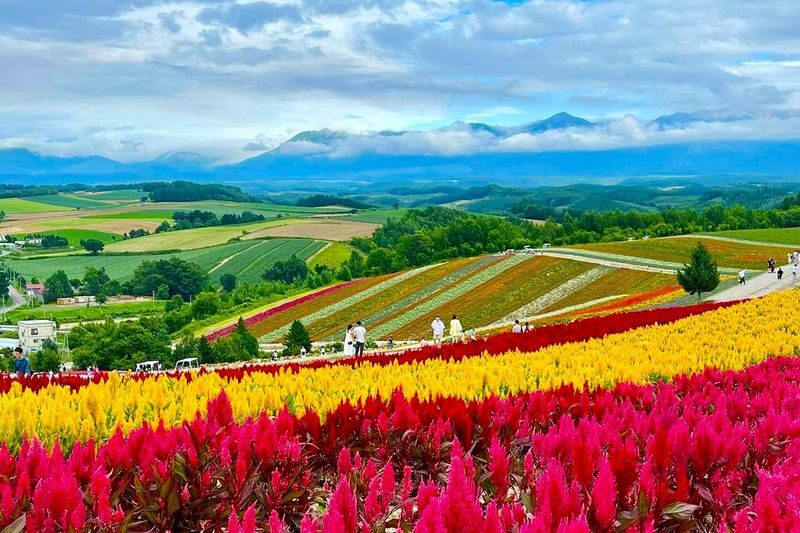
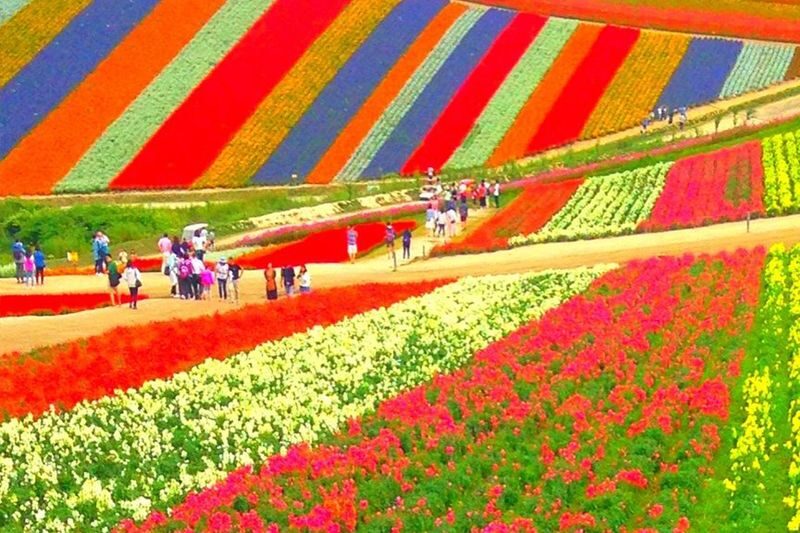
At around 10:40 am, the bus reaches Shikisai no Oka for roughly an hour. The farm’s flower displays cover about 15 hectares, with bands and patterns that change as different varieties bloom. From a higher vantage, the colors can read like stripes laid across the hills. On foot, you can get closer to the flowers and see the scale of the place.
This is also the stop where you can visit the alpacas. The tour description mentions them as an optional close-up attraction, so budget your time if that is high on your list. An hour goes quickly once you factor in walking, photos, and any queues.
Flower timing is the key. July and August are promoted as the strongest period for the lavender and broad flower displays. The information about the season is not perfectly consistent: it says flowers may be sparse in spring and early summer, with the fullest bloom expected after early July and flowers fading by late September. Bloom dates depend on weather and variety, so book for the scenery you are most likely to see, not a guarantee of a particular color.
The Blue Pond: color, trees, and crowds
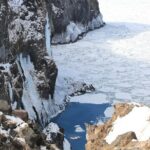
The next stop is Shirogane Blue Pond, usually around 11:50 am, with about 30 minutes on site. Its distinctive blue-green water and the bare trees rising from it create a spare, almost unreal scene. The color is the main event, but the view changes with the weather and light, so a cloudy day may look different from the bright promotional pictures.
The pond is a compact stop, which suits the schedule, but it can be crowded. Take your photos, then pause long enough to look past the camera. The contrast between the still water, pale trunks, and surrounding woods is what gives the place its character.
Do not confuse a short visit with a private or quiet one, especially during high season. This is a popular photo stop, and the tour cannot control the number of people there. Keep an eye on the meeting time rather than wandering off in search of a quieter angle.
Shirahige Waterfall: a cool pause by the stream
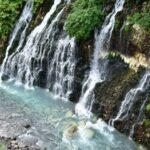
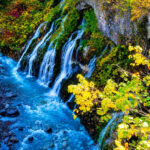
About 15 minutes are set aside at Shirahige Waterfall, reached soon after the pond. Water slips through cracks in the rock face and drops in thin white streams, which inspired the name Shirahige, or white beard. The waterfall is close to the Blue Pond, making it an efficient pairing on the same day.
The stop is brief, but it offers a different mood from the open flower fields. Here, the focus is water, rock, and the shaded forest setting. You will not have time for a long walk, so take in the view and follow the guide’s directions about where and when to meet.

Furano lunch: make the hour count
Around 1:05 pm, the schedule allows about an hour in the Furano area for lunch or free time. Food is not included. Your guide may suggest local meals and specialties, but you choose what to buy and pay for it yourself.
This break is valuable because the day has several set stops and a long ride back to Sapporo. It is also short enough that you should not plan an elaborate meal. During the summer rush, queues for food, drinks, and toilets can eat into your hour. Decide quickly, keep track of the time, and leave room to get back to the vehicle.
The guide may also point out local ice cream and other regional products. There is no forced purchase, but these stops can tempt you to spend more than the tour fare. Bring a payment method and treat snacks as optional extras.
Farm Tomita: lavender, flower rows, and a short visit
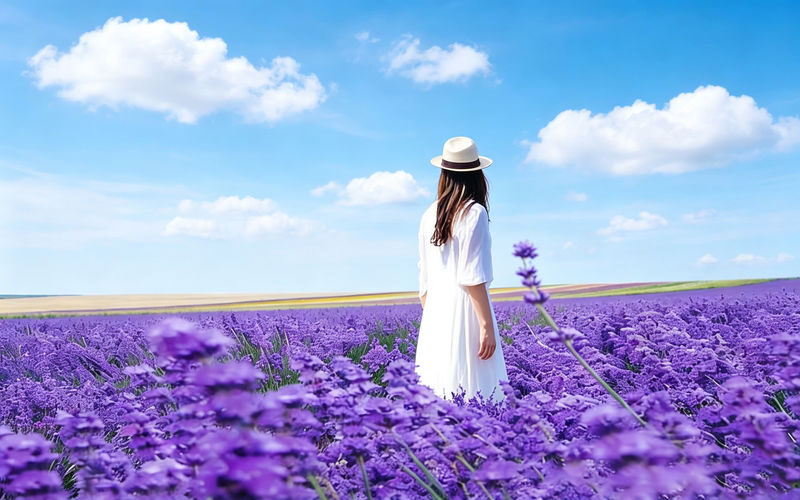
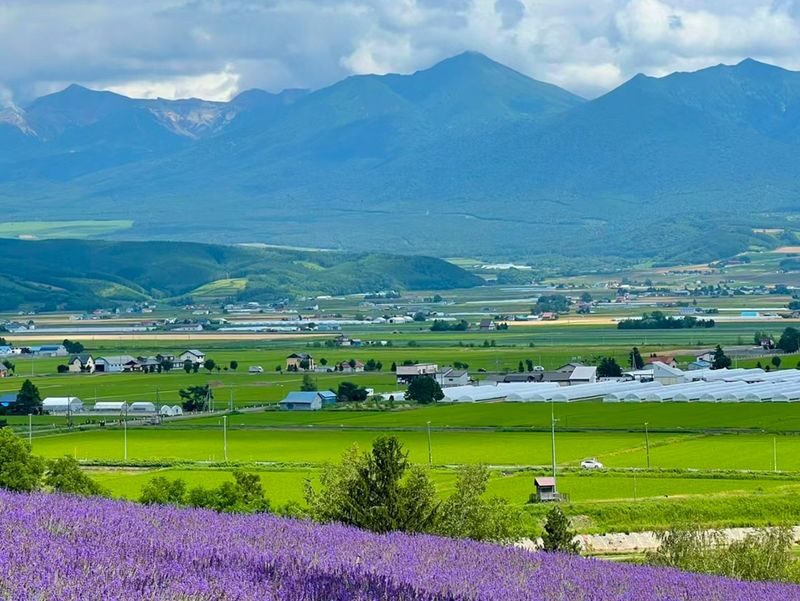
Farm Tomita is scheduled for about 3:05 pm, with 45 minutes to explore. It began as a lavender farm and has grown to include many kinds of flowers. In peak summer, lavender is the famous draw, but the farm’s appeal also comes from its colorful rows and the broad views across the fields.
Forty-five minutes is enough for a focused visit, not a leisurely tour of every corner. Choose your priorities: flower views, photos, a shop, or a lavender-flavored treat. If queues are long, you may have to choose between them. That is especially true in July and August, when the fields are at their best and the crowds are thickest.
The tour description mentions lavender-themed food, but purchases are your own expense. The field displays change through the season, and the farm’s flowers do not all bloom at once. If you are visiting outside the main summer window, expect a different mix of color rather than a full lavender scene.
The ride back: plan for a flexible evening
The return drive is listed at about two hours, with arrival in Sapporo around 5:50 pm. That is a target, not a firm promise. The operator warns that weekends, holidays, traffic, and weather can delay the schedule, and holiday delays may run several hours. Attractions can also be shortened or removed if conditions require it.
I would avoid booking a tight dinner reservation, train connection, or evening activity after the tour. Keep your evening flexible, especially on a Japanese public holiday or summer weekend. The day already covers a lot of ground; a calm return is a better plan than racing the clock.
Guides, group size, and the small print that matters
Guide service is advertised in English and Chinese, and many guides are praised for clear explanations, practical food tips, and help finding photo spots. Names mentioned include Eric, Lucy, Andy, Jincheng, James, and Aoki. Guides change from day to day, so you cannot book a particular person. Some groups may have a driver only if fewer than 12 people are booked; larger groups are assigned a driver and guide. Confirm the language arrangement for your selected departure if it matters to you.
This is a shared ride with fixed stop times. The guide may wait up to five minutes for someone who is late, after which the vehicle can continue without them. Arrive at least ten minutes early, check your email the day before for the vehicle and guide details, and keep your phone available. The meeting area can have several similar buses, so the confirmation information is worth checking before you set out.
Children under three can ride free only if they do not need their own seat, and the operator asks families to notify them in advance. Children aged two and older are charged the adult rate, and anyone under 18 must be accompanied by a paying adult. The age guidance for seniors differs across the tour information, so if you are 65 or older, confirm requirements directly before booking. The operator also lists medical restrictions, including pregnancy and certain serious health conditions, and does not include travel insurance.
Is this Sapporo day tour right for you?
Book it if you want to see Biei and Furano’s main sights in one day and value having the transport arranged. The strongest points are the variety of stops, the chance to visit places that are awkward to reach without a car, and guides who often add useful local context and photo advice.
Skip it if you want long, unhurried visits, dislike shared schedules, or need a guaranteed return time. The pond and waterfall are quick stops, the flower farms can be crowded, and the day involves substantial time on the road. For a first visit in peak flower season, though, it is a practical way to see a lot of Hokkaido’s countryside without taking the wheel.
Hokkaido Autumn Exclusive | Farm Tomita, Shikisai no Oka, Blue Pond, Shirasu Waterfall Day Tour (Departing from Sapporo)
“Tour guide Eric was fantastic! He explained the knowledge of various attractions to us with great care and conducted the explanations in three lang…”
FAQ
Where does the tour depart from?
You can choose a meeting point at Odori Station Exit 31 or the JR Sapporo Station North Exit. The listed departure times are 7:50 am from Odori and 8:00 am from JR Sapporo Station. Check your selected package for its exact meeting instructions.
How long is the tour?
The day runs about ten hours, with departure in the morning and a scheduled return to Sapporo around 5:50 pm. Traffic and weather can change the arrival time.
When are the flower fields most likely to be in bloom?
July and August are described as the strongest period for lavender and the flower displays. Blooming varies with weather and flower type, and the fields may have fewer flowers outside the main season.
Are meals included?
No. Lunch, drinks, and other personal purchases are not included. The schedule provides about an hour of free time in Furano for lunch.
What is included in the tour price?
Round-trip transfers from the selected meeting point, tolls, parking, and fuel are included. Meals, beverages, tips, and personal expenses are not. Admission fees are not named in the stated inclusions, so check the chosen package details.
What happens if I arrive late?
The tour has fixed stop times, and late arrivals or no-shows are not refundable. The operator says the guide may wait up to five minutes at stops before continuing, so arrive early and keep your phone accessible.