Beppu’s hot springs are famous for their steamy, vividly coloured pools, but Jigoku Onsen Museum explains what is happening beneath the surface. Its four-scene route combines video, sound and visual effects with facts about how hot-spring water forms. It is a useful stop if you want more than a quick look at the famous hells.
I like two things in particular: the clear, visual explanation of Beppu’s geothermal waters, and the museum’s location beside the Kannawa hot-spring sights, which makes it easy to add to a day out. A small quiz and stamp activity can give families something to do together, too.
One thing to know before booking: this is a museum, not a place to bathe in an onsen. Some exhibits use darkened spaces and motion effects, which may not suit visitors who are prone to motion sickness or uncomfortable in the dark.
- The useful details at a glance
- Why a museum belongs on a Beppu hells day
- Following the four-scene route
- A small activity for curious families
- Pairing the museum with Kannawa’s hot-spring sights
- Is the starting price good value?
- Getting to 321-1 Kannawa
- Getting your ticket right
- Who should make this stop?
- Should you book it?
- FAQ
- Does the ticket include an onsen bath?
- How long should I allow for the museum?
- What is included in the basic ticket?
- Is there a ticket that includes nearby hells?
- How do I get from Beppu Station to the museum?
- What are the museum’s opening hours?
- Do I need internet to use the voucher?
- Is the museum suitable for young children?
- The Best Of Beppu!
- More Tickets in Beppu
- More Tours in Beppu
- More Tour Reviews in Beppu
The useful details at a glance
 1 / 5
 2 / 5
 3 / 5
 4 / 5
 5 / 5
- Four scenes explain Beppu’s hot springs: The route begins with a video area and takes about 40 to 60 minutes in total.
- Rainwater’s long journey gets a memorable explanation: The museum describes how rain can take around 50 years to become onsen water.
- The ticket is for the museum only: A separate advance set ticket covers the museum, Umi Jigoku and Oniishi Bozu Jigoku.
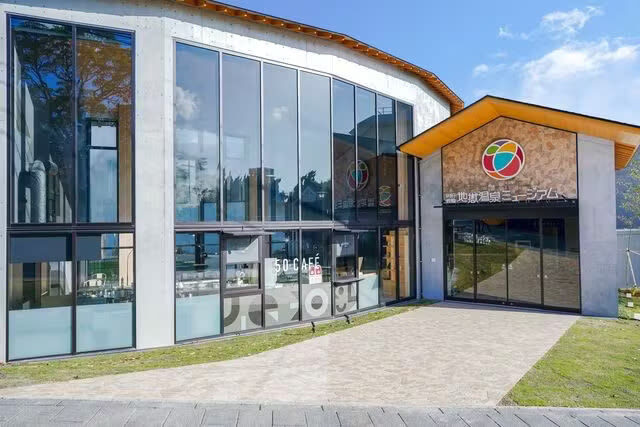
- Kannawa sights are close by: The museum is a short walk from the Kannawa bus stop and sits beside Shiraike Jigoku.
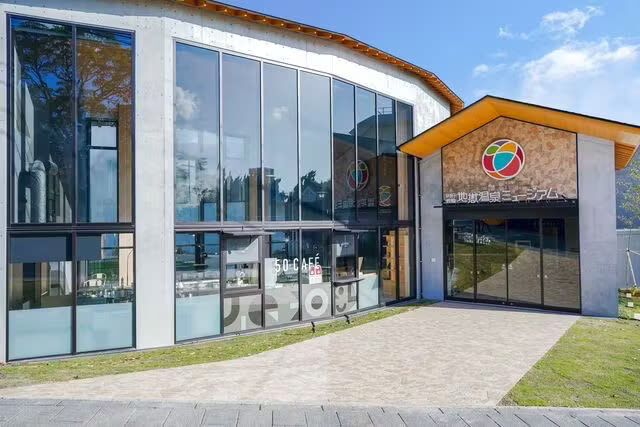
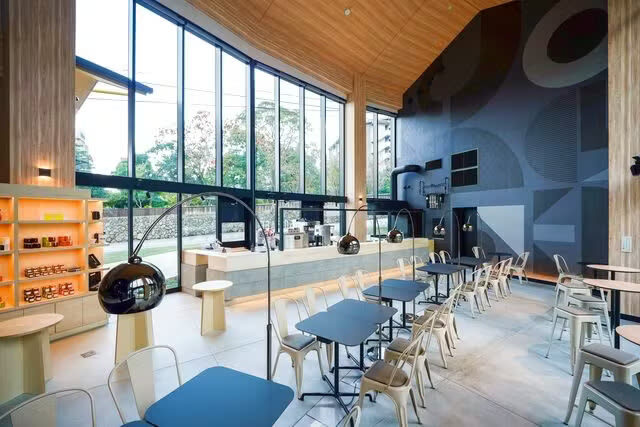
- The cafe and courtyard are free to enter: At 50 Cafe, you can browse local gifts and try specialities, though purchases are extra.
- The online voucher needs internet: Open it in the Klook app or website, then use its QR code to obtain a physical admission ticket.

👉 See our pick of the 10 Best Workshops & Classes In Beppu
Why a museum belongs on a Beppu hells day
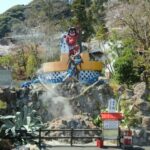
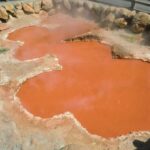
The name Jigoku, or hell, refers to Beppu’s hot-spring sightseeing sites, not to a collection of places where you can soak. These springs are known for their heat, mineral-rich waters and striking appearance. The museum offers context for what you see around Kannawa, where steam and hot-water attractions are part of the town’s identity.
I see the museum as a good first stop if you want to understand the area before walking between its sights. The story of rainwater taking decades to become onsen water gives you a sense of the long underground process behind the hot springs. Instead of treating each pool as a pretty photo stop, you can look at the area with a better idea of how its geothermal features came to be.
The museum is also a sensible choice when the weather is poor or you want a change of pace from outdoor sightseeing. But it is not a substitute for the hells themselves. If your main goal is seeing dramatic hot-spring pools, plan time for Umi Jigoku or another nearby attraction as well.
You can also read our reviews of more tours and experiences in Beppu

Following the four-scene route
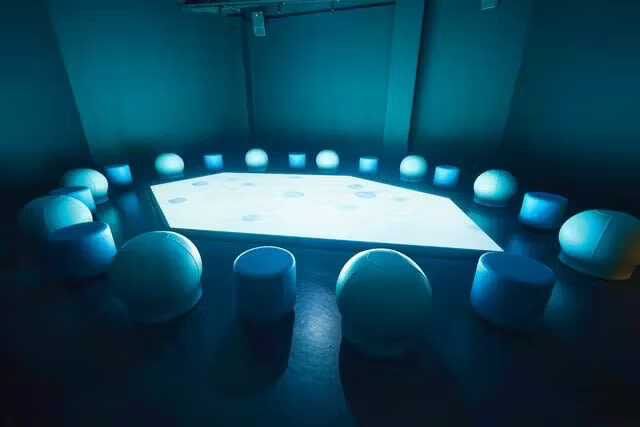
The visit begins with SCENE 1, a video area. To keep the screening comfortable for everyone, entry to the theater is arranged at roughly 10-minute intervals. If it is busy, you may need to wait for the previous screening to finish, even if your admission time has arrived.
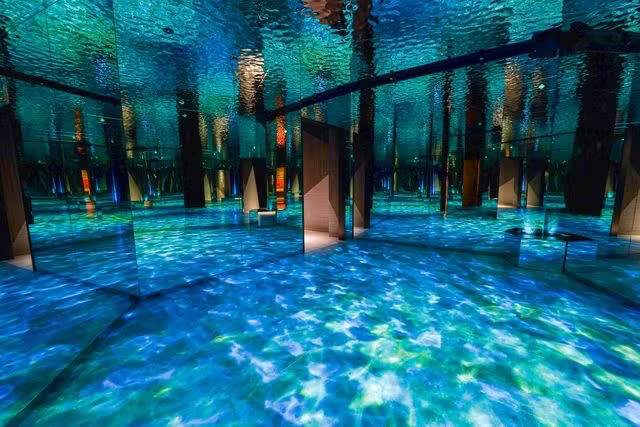
From there, the museum leads you through four scenes, labelled SCENE 1 to SCENE 4. The content uses video, sound and changes in lighting to make the subject more dramatic than a standard wall of text. The overall visit inside takes about 40 to 60 minutes, so it fits neatly between visits to the nearby hot-spring sights.
The exhibits explain the origin and characteristics of Beppu’s hot springs. One memorable point is the long journey from rainwater to onsen water, said to take around 50 years. That timescale gives you a better sense of why the springs are a natural feature of the region, rather than simply hot water pumped from underground.
The visuals are part of the appeal, but they are also worth considering before you go. The museum warns that floating or moving effects may cause discomfort. If you are sensitive to motion effects, dark places or confined spaces, or if you have heart disease, are pregnant, feel unwell, or are particularly young or old, take that caution seriously.
A small activity for curious families
Some visits include a postcard for collecting stamps and a quiz. The quiz gives children a reason to pay attention to the exhibits, while the stamp card adds a simple keepsake to the visit. A small bath-related gift has also been offered for completing the activity, but treat it as a possible extra rather than a guaranteed part of admission.
This kind of hands-on detail is useful in a museum visit that might otherwise feel passive, especially for families. Still, the activity does not change the basic nature of the experience: the museum is primarily an educational stop, not a play venue or a hot-spring bathing facility.
Children aged five and under enter free. Preschool and elementary-school children must be accompanied by someone of junior-high-school age or older. Visitors aged 16 and up pay the adult rate.
Pairing the museum with Kannawa’s hot-spring sights
The standard advance ticket covers Jigoku Onsen Museum admission. If you want to see more than the museum, the advance set ticket combines it with Umi Jigoku and Oniishi Bozu Jigoku. These are separate attractions, so check that you are choosing the package you intend to buy.
That combination makes practical sense if your schedule is limited. You can get the museum’s explanation of Beppu’s hot springs, then see two of the area’s well-known sights without trying to visit all seven hells in a single day. The hells are close enough to explore on foot, and several ticket options make it possible to tailor the outing to your time and interests.
Umi Jigoku is open from 8 a.m. to 5 p.m., and Oniishi Bozu Jigoku keeps the same stated hours. Both are open year-round. Umi Jigoku also has a foot bath, a welcome chance to rest during a sightseeing loop; bring a small towel if you want to use it, as the practical details of foot-bath use can vary.
The museum’s cafe and courtyard are free to enter, even if you do not buy museum admission. At 50 Cafe, you can look for local gifts and taste specialities. It is a handy pause before or after the exhibits, but food and drinks from outside are not allowed inside the venue.
Is the starting price good value?
Admission starts at $8.55 for the museum ticket. At that price, the value depends on whether you want the explanation as much as the sightseeing. If you are curious about how hot springs form, or if you want a compact indoor stop between outdoor attractions, 40 to 60 minutes of exhibits is a reasonable use of your time.
The set ticket may be better value if Umi Jigoku and Oniishi Bozu Jigoku are already on your list. It combines three admissions and saves you from treating the museum as a stand-alone detour. Check the current price of each package before booking, since the quoted starting price is for the basic admission option and does not mean every attraction is included.
Beppu has seven hells, and trying to see all of them can make the day feel rushed. A museum visit plus two hells is a more measured plan if you would rather spend time looking around than race from one stop to the next. On the other hand, if you only want to see the pools and have little interest in an indoor exhibit, the museum may not be your best use of the budget.

Getting to 321-1 Kannawa
The museum is at 321-1 Kannawa, Beppu, Oita. From Beppu Station West Exit, take Kamenoi Bus No. 1, 2, 5, 7 or 41 toward Kannawa, then walk about two minutes from the Kannawa stop. From Kamegawa Station, Kamenoi Bus No. 26 or 26A also goes to Kannawa, followed by the same short walk.
If coming from Yufuin Station, take the Yufurin bus toward Beppu Station and get off at Kannawa-guchi, then walk about five minutes. These routes make the museum reachable by public transport, though it is wise to check current bus schedules when planning your day.
There is no luggage storage at the venue, so do not arrive with bags you need to leave behind. If you have a reserved time, arrive 10 to 15 minutes early to exchange your voucher. The ticket does not provide direct entry, so allow time for the redemption step and any wait for the next screening.
Getting your ticket right
The voucher is valid only on the date selected, and there are no cancellations or refunds after purchase. The ticket is an online voucher, so sign in to the Klook app or website, open My bookings, and load the voucher on your phone before you reach the entrance.
You need internet access to display the voucher. Present its QR code at the entrance reception ticket machine to receive a physical ticket, and follow the staff’s instructions. Do not try to operate the ticket yourself: if it is marked used, it is no longer valid. Same-day visitors should purchase the same-day ticket rather than relying on an advance voucher.
The museum is listed as open Monday through Saturday from 9 a.m. to 6 p.m., with last admission at 5:30 p.m. Hours can change with the season, and some facilities may close depending on conditions. Check official information before setting out, particularly if your plan depends on a tight connection or a specific opening time.
Who should make this stop?
I would put Jigoku Onsen Museum on the list for anyone who wants to understand Beppu’s hot springs, families who enjoy a short quiz or interactive exhibit, and visitors combining the museum with nearby hells. Its compact length makes it easy to fit into a Kannawa itinerary without giving up half a day.
You can skip it if you only want outdoor scenery, are uncomfortable with dark rooms or motion effects, or expect a bathing experience. The museum is a worthwhile complement to Beppu’s hot-spring sights, not a replacement for them.
Should you book it?
Book the museum ticket if the science and origin of onsen water interest you, or if you want an indoor stop near Kannawa’s famous hot-spring attractions. Choose the set ticket if you also plan to visit Umi Jigoku and Oniishi Bozu Jigoku. If you are short on time, that pairing offers a balanced visit without the pressure of seeing all seven hells. Just remember: this ticket teaches you about hot springs. It does not get you into one.
Jigoku Onsen Museum Ticket in Beppu
“Reallt cool experience. They give you a little pack with post card for stamps, quiz etc.Very interactive and informative experience.”
FAQ
Does the ticket include an onsen bath?
No. The museum explains hot springs and related topics, but it does not offer a bathing experience.
How long should I allow for the museum?
The four-scene museum takes about 40 to 60 minutes. Allow 1 to 2 hours if you are also spending time at nearby sights.
What is included in the basic ticket?
The basic advance ticket includes admission to Jigoku Onsen Museum and tax. Access to the cafe and courtyard is free.
Is there a ticket that includes nearby hells?
Yes. An advance set ticket includes Jigoku Onsen Museum, Umi Jigoku and Oniishi Bozu Jigoku.
How do I get from Beppu Station to the museum?
From Beppu Station West Exit, take Kamenoi Bus No. 1, 2, 5, 7 or 41 toward Kannawa. Get off at Kannawa and walk about two minutes.
What are the museum’s opening hours?
The stated hours are Monday through Saturday, 9 a.m. to 6 p.m., with last admission at 5:30 p.m. Hours may change, so check official information before visiting.
Do I need internet to use the voucher?
Yes. Open the voucher on your phone through the Klook app or website with internet access, then present its QR code at the entrance reception.
Is the museum suitable for young children?
Children aged five and under enter free. Preschool and elementary-school children must be accompanied by someone of junior-high-school age or older. The exhibits use darkened spaces and visual effects, which may not suit everyone.