
Motonosumi Shrine’s row of red torii gates follows the coast above the Sea of Japan, while Mount Sarakura offers a broad view across the Kanmon area. This day trip links those two striking sights with a stop for seafood at Karato Market, all without asking you to puzzle out rural transport connections.
I like two things about this route: it reaches several far-flung sights in one day, and the mix of market food, shrine scenery, and mountain views keeps the day varied. Guides such as Daisy, Alex, and Yang have been praised for clear bilingual explanations and careful timekeeping, useful qualities when stops are short.
The trade-off is the pace. You spend much of the day on the road, and the scheduled time at each attraction can feel tight. The Mount Sarakura stop does not guarantee a full night view, so check the seasonal departure and sunset timing before booking.
- The day at a glance
- A long loop from Fukuoka
- Karato Market: seafood with a ticking clock
- Motonosumi Shrine: a red gate path above the sea
- Mount Sarakura: sunset, city lights, and the cable-car bill
- What the guide and group format add
- Is the starting price good value?
- Who should book this day trip?
- FAQ
- How long is the tour?
- Where does the tour depart from?
- Does the departure time change by season?
- Is Karato Market open every day?
- Is the Mount Sarakura cable car included?
- Are meals included?
- Is Motonosumi Shrine’s main sanctuary always open?
- What happens if the Mount Sarakura cable car is suspended?
- Can I cancel or change my booking?
- More Tours in Nagato
- More Tour Reviews in Nagato
The day at a glance
 1 / 7
 2 / 7
 3 / 7
 4 / 7
 5 / 7
 6 / 7
 7 / 7
- Karato Market is a food stop, not a sit-down meal: You get about an hour to browse and buy seafood, with limited time to choose and eat.
- Motonosumi’s 123 red gates face the sea: The coastal torii area remains open even when the shrine’s main sanctuary is closed on weekends and Japanese holidays from March 1.
- Karato Market is not open every day: On days it is closed, the route visits Mojiko Retro instead.
- Mount Sarakura’s cable car costs extra: Budget ¥1,230 per person for the ride, and bring cash.
- The route saves transport planning, not time: It is a long group outing, with roughly an hour at the shrine and 90 minutes at the mountain.
- The schedule changes with season and conditions: Traffic, weather, facility closures, and the selected departure time can affect what you see and when.
A long loop from Fukuoka
This is a full-day coach tour from Fukuoka to sights in Yamaguchi and Kitakyushu. The usual schedule lists a 10:00 departure and an 20:30 return, but the departure shifts to noon from May 1 through September 30. Since daylight changes the feel of the mountain stop, confirm the departure time and expected return for your selected date.
The route is appealing because these stops are spread out and are not especially simple to link by public transport in one day. A coach takes the strain out of transfers, and you can rest between destinations instead of watching train connections. That convenience is the central value of the tour.
In return, you accept a group schedule. The vehicle type depends on the number of participants, seats are allocated first come, and a driver may also act as the escort when the group is small. The tour requires at least four participants. It includes English- or Chinese-speaking guidance and round-trip transport, but not meals, drinks, or personal expenses.
You can also read our reviews of more tours and experiences in Nagato.
Karato Market: seafood with a ticking clock
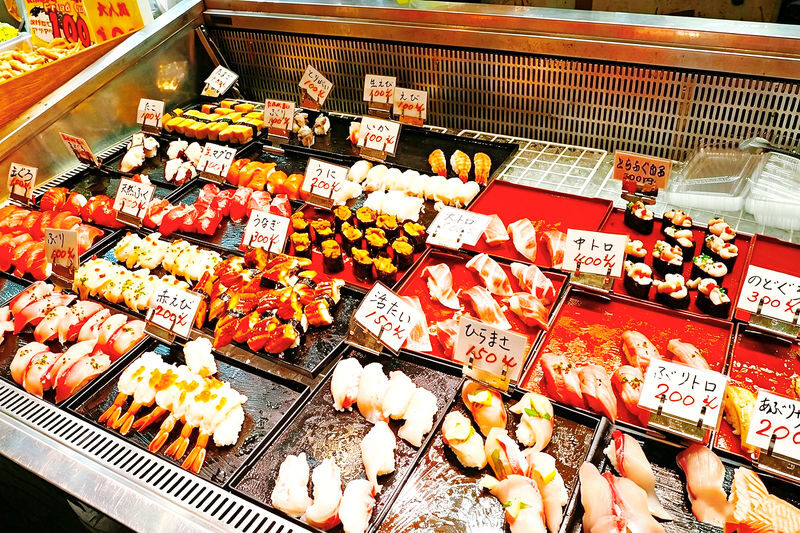
The first main stop is Karato Market, a well-known fish market in the Kanmon area. The tour allows about an hour here. You can look over the stalls and buy fresh seafood and local snacks, including fugu dishes, which are a local specialty. The appeal is simple: you get a chance to taste the area rather than just photograph it.
This is a market visit, not a leisurely restaurant lunch. It can be crowded, and some food areas have no seating. If you want to sample several things, decide quickly and keep an eye on the meeting time. One useful possibility is to take your food back to the coach, where you may be able to eat it during the next leg, but follow the guide’s instructions.
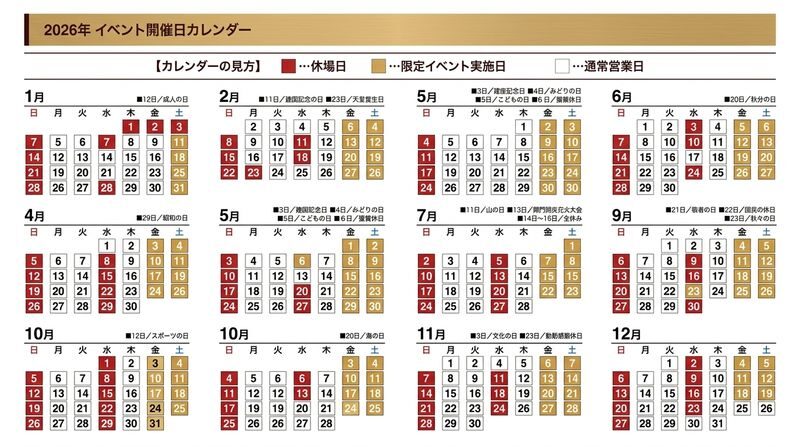
There is an important calendar catch. Karato Market is open on Fridays, Saturdays, Sundays, and Japanese national holidays. If it is closed, the tour visits Mojiko Retro instead. That historic port district offers a different kind of stop, and the stated schedule notes that you can take a boat between Mojiko and Karato at your own expense. Do not book expecting the market on a weekday that is not a national holiday.
The Kanmon Bridge is viewed from the vehicle for about ten minutes on the way. It connects Kyushu and Honshu across the strait, where ships pass through a busy water route. Treat this as a brief orientation stop rather than a chance for a long walk or detailed visit.
Motonosumi Shrine: a red gate path above the sea
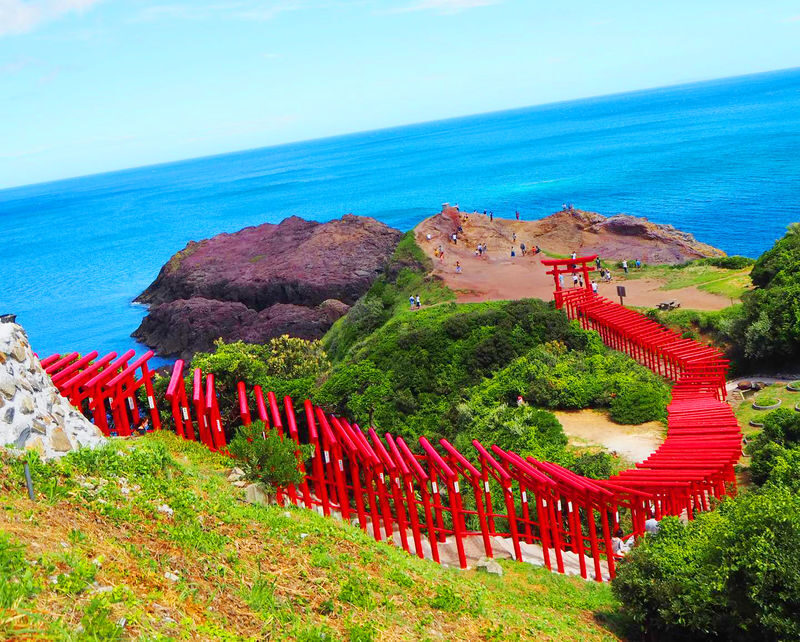
Motonosumi Shrine is the visual centerpiece for many people on this outing. Its 123 red torii gates form a path along the coast, set against the sea and open sky. From the gates, the contrast of red paint, dark cliff, and water gives you the memorable view that makes the long drive worthwhile.
You have about an hour at the shrine. That is enough to walk through the torii tunnel, take photographs, and look back along the coast, but it is not generous if the site is busy or you want to linger. The route involves a slope, so wear comfortable shoes and leave time to return to the meeting point. The tour description also notes a distinctive offering box near the top of a torii gate. You can try the coin-toss prayer, but it is a small activity, not the main reason to make the trip.
A scheduling detail matters for worshippers. Starting March 1, the shrine’s main sanctuary is temporarily closed for worship every Saturday, Sunday, and Japanese national holiday. The red torii area along the coast remains open for normal visits. The gates and coastal setting are still the draw, but if visiting the sanctuary is important to you, factor in the closure.
Weather and maintenance can change what you can access. One recent trip had shrine renovation work that limited access to the torii path, leaving the group to view the site from outside. This is a reminder that the tour cannot promise the exact photo or walking route you have in mind. Bring a rain layer, and keep expectations flexible.
Mount Sarakura: sunset, city lights, and the cable-car bill
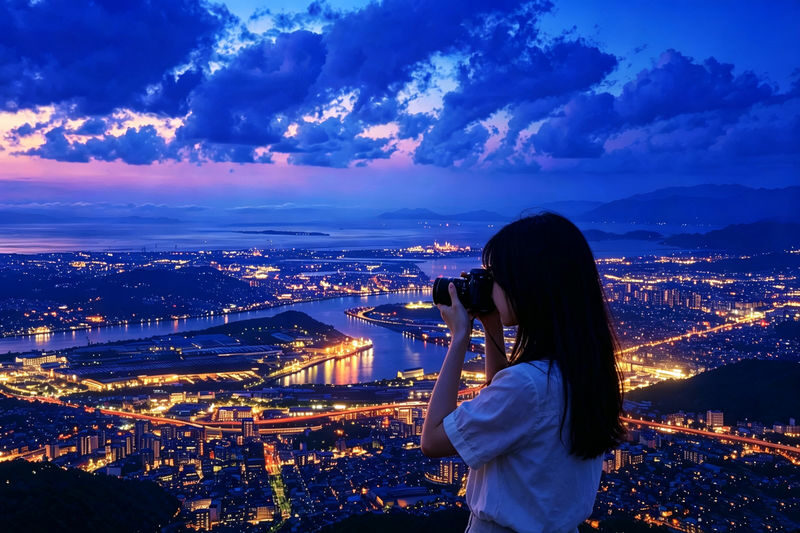
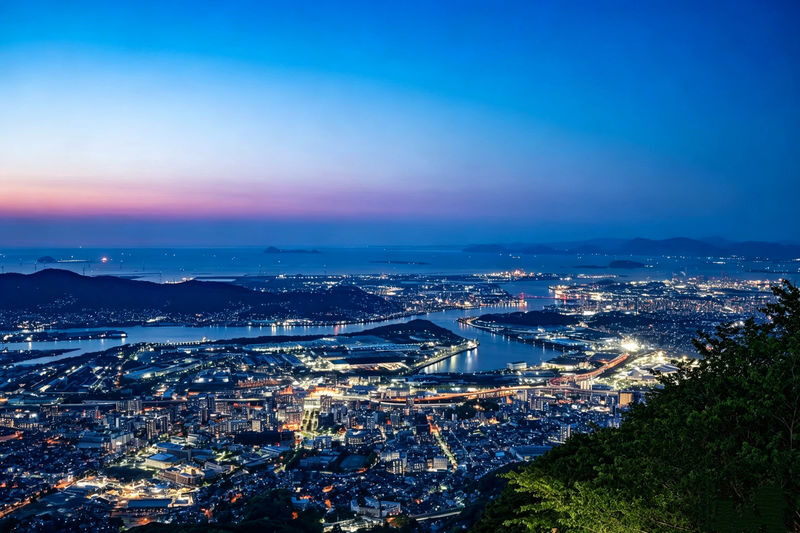
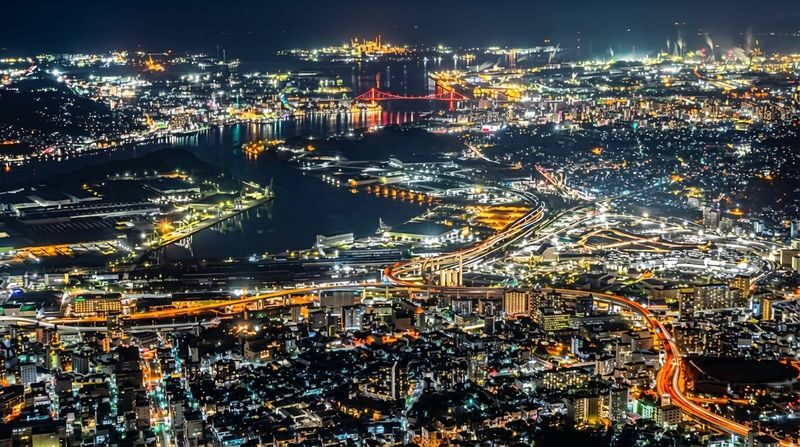
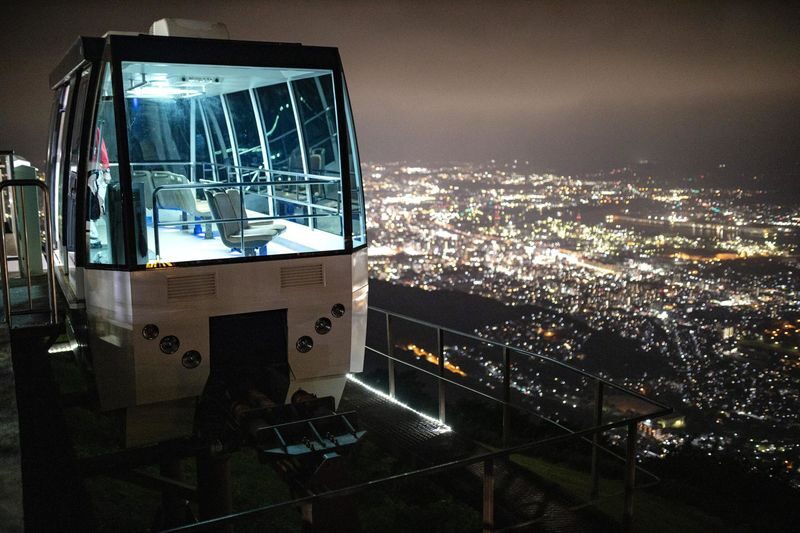
The final major stop is Mount Sarakura, a celebrated lookout above Kitakyushu. The tour allows about 90 minutes, including the climb by cable car and time at the summit observatory. From above, you can look across the city and the Kanmon Straits. On a clear evening, the spread of lights is the prize.
The cable car fare is not included: the supplied price is ¥1,230 per person. Bring cash, as the payment has been described as cash-only. The ascent uses a cable car and a second-stage ride to reach the summit, so allow time for queues in addition to the ride and viewpoint. The group will have a fixed return time, and you need to stay alert to the guide’s meeting instructions.
There is a timing caveat. Some schedules may get you sunset rather than a fully dark night view, especially when daylight lasts late. Other trips have included both sunset and city lights, but the result depends on season, weather, traffic, and the tour’s actual arrival time. If seeing the nighttime view is your main reason for booking, check the departure season and ask what time the group is expected at the summit. Do not assume the phrase night view means you will always stay until full darkness.
If the cable car stops because of weather or another disruption, the tour may substitute Akama Shrine or Kokura Castle. That is a sensible backup, but it is not equivalent if the mountain view is your priority.
What the guide and group format add
The tour is bilingual in English and Chinese. The guide’s role is more than pointing out the next stop: a good guide keeps the group moving, explains the route, and helps you make sense of the limited time. Named guides including Daisy, Alex, Yang, Lily, and Hedy have been singled out for clear explanations, practical reminders, and attentive group management. You cannot request a specific guide, but the feedback points to guiding as a real strength of this operation.
The group format also makes the day easier for anyone uneasy about rural transfers or driving in Japan. You can nap between stops, and the guide handles headcounts and timing. The compromise is less freedom. If you want to stay longer at the shrine, eat slowly at the market, or wait for full darkness on the mountain, the group’s schedule may not suit you.
On crowded weekends and Japanese holidays, traffic can be serious and attractions may close early. The operator may shorten or replace stops to keep the tour within its operating limits. Avoid booking a tight connection, train, flight, or dinner reservation for the same evening. The posted return is 20:30, but actual arrival depends on traffic.
Is the starting price good value?
Prices start at $44.20, which can be good value for a day involving long-distance transport and three very different stops. The included coach transfers are particularly useful because Motonosumi Shrine is far from central Fukuoka and awkward to combine with the other destinations by public transport in one day.
That price is not the full day’s cost. You pay separately for food and drinks, the Mount Sarakura cable car at ¥1,230 per person, and personal purchases. Keep extra cash for the cable car and market snacks. The tour’s value is strongest if you want all three stops and are comfortable with brief visits; it is weaker if you prefer a slow meal or extended time at one place.
The overall rating is 4.7 out of 5 from 473 reviews, and the operator’s wider review profile lists a 98 percent good-review rate. More useful than the score is the pattern of praise: guides are often described as organized, kind, and clear in both languages, and the transport makes far-flung sights manageable. The main caution is equally consistent with the structure of the day: some stops may feel rushed.
Who should book this day trip?
I would choose this tour if I had one free day in Fukuoka, wanted to see Motonosumi Shrine without arranging a complicated journey, and liked the idea of adding seafood and a mountain lookout. It suits first-time visitors, independent travelers who do not want to drive, and anyone who values having a guide manage the route.
I would think twice if you want a slow-paced day, need substantial time for shrine worship, or care most about seeing Mount Sarakura after full dark. Check the date for Karato Market’s opening, confirm the season’s departure time, and bring cash for the cable car. If those conditions fit, this is an efficient way to reach three very different corners of the region in a single day.
One-day tour experience of Motonosumi Shrine and Mount Sarakura
“Tour guide Daisy was attentive and managed the schedule well.”
FAQ
How long is the tour?
The tour is listed as 10.5 hours. The usual schedule runs from 10:00 to 20:30, though actual return time depends on traffic.
Where does the tour depart from?
It departs from Lawson at Oriental Hotel Fukuoka. Arrive 10 minutes before the scheduled departure.
Does the departure time change by season?
Yes. The listed departure is 10:00 from October 1 through April 30, and 12:00 from May 1 through September 30.
Is Karato Market open every day?
No. It is open Fridays, Saturdays, Sundays, and Japanese national holidays. When it is closed, the tour visits Mojiko Retro instead.
Is the Mount Sarakura cable car included?
No. The stated fare is ¥1,230 per person. Bring cash, as the fare has been described as cash-only.
Are meals included?
No. Meals and beverages are not included, so budget separately for seafood, snacks, and drinks.
Is Motonosumi Shrine’s main sanctuary always open?
No. From March 1, the main sanctuary is temporarily closed for worship on Saturdays, Sundays, and Japanese national holidays. The coastal red torii area remains open for normal visits.
What happens if the Mount Sarakura cable car is suspended?
The tour may visit Akama Shrine or Kokura Castle instead, or adjust the time spent at the stops.
Can I cancel or change my booking?
A full refund is available if you cancel at least 24 hours before the activity date. Changes are allowed until 24 hours before the activity starts, subject to the stated booking restrictions.
