Kobe packs a striking change of scene into one day: harbor lights, steep streets lined with old Western-style homes, a hot-spring town, then a high view over the city after dark. This tour links those very different stops with a return transfer to Osaka, so you can see Kobe’s sea-and-mountain character without planning several train connections.
I like the mix of Arima Onsen and Mount Rokko, which gives the afternoon both a traditional hot-spring-town stop and a big view at day’s end. I also like the generous time planned at Kobe Harbor, where you can stroll at your own pace and choose where to eat rather than follow a tightly scripted group walk.
The trade-off is that this is a full, self-guided day at several stops, not a slow visit to any one place. You’ll also pay separately for the hot-spring bath and Mount Rokko cable car, and the timetable can shift with traffic or weather.
At a glance
- Kobe Harbor: About two and a half hours at the red Ferris wheel, waterfront promenade and nearby dining.
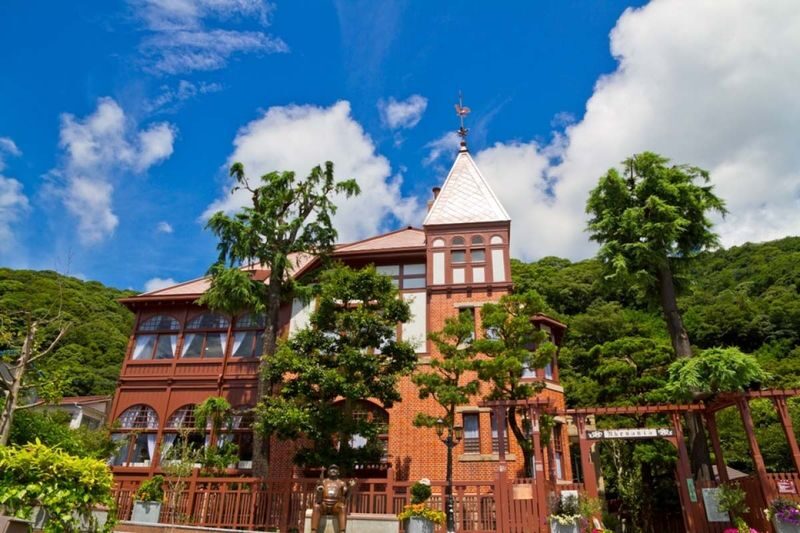
- Kitano Ijinkan-Gai: One hour among historic Western-style homes, including the Weathercock House and a Starbucks Concept Store.
- Arima Onsen: An hour and a half in an old hot-spring town, with golden-brown Kinsen water and free foot baths.
- Mount Rokko: About an hour and a half for the observatory and night view. Cable-car fare is extra.
- Osaka transfers: Round-trip transport and English-, Chinese- and Japanese-speaking staff are included.

👉 See our pick of the 7 Best Workshops & Classes In Kobe (With Reviews & Prices)
- At a glance
- From Osaka to Kobe’s harbor
- Kitano’s hillside homes and café stops
- Arima Onsen’s golden water and old streets
- Mount Rokko after dark
- What the price covers, and what it doesn’t
- Practical details that can save you a headache
- Who should book this Kobe day trip?
- FAQ
- Where does the tour depart and return?
- What time does the tour depart?
- How long is the stop at Kobe Harbor?
- Are Arima Onsen bathing fees included?
- Is the Mount Rokko cable car included?
- Are meals included?
- What languages are offered?
- Can I cancel for a full refund?
- The Best Of Kobe!
- More Spa & Hot Springs in Kobe
- More Tours in Kobe
- More Tour Reviews in Kobe
From Osaka to Kobe’s harbor
 1 / 7
 2 / 7
 3 / 7
 4 / 7
 5 / 7
 6 / 7
 7 / 7
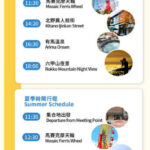
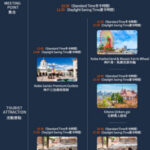
The day starts at the Mosaic Big Ferris Wheel meeting point, with a return to Nipponbashi in Osaka. The winter departure is listed as 10:30 a.m., while the daylight-saving option departs at 11:30 a.m. The date ranges shown for those options overlap, so check the exact departure time attached to the package you select. Arrive at the meeting point ten minutes early. The guide carries a GOGODAY flag, and vehicle and guide details are sent by email the evening before departure.
Round-trip transfers are a practical part of the value here. Kobe’s waterfront, Kitano, Arima and Mount Rokko are distinct stops, and getting between them by public transport would take planning and time. A driver and guide let you use the day for the places themselves. You still explore each stop independently, so expect a guided transfer between locations rather than a guide leading you through every street and building.
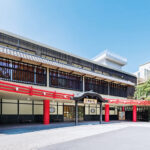
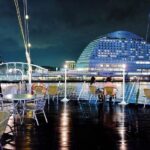
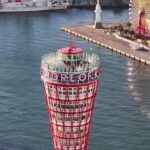
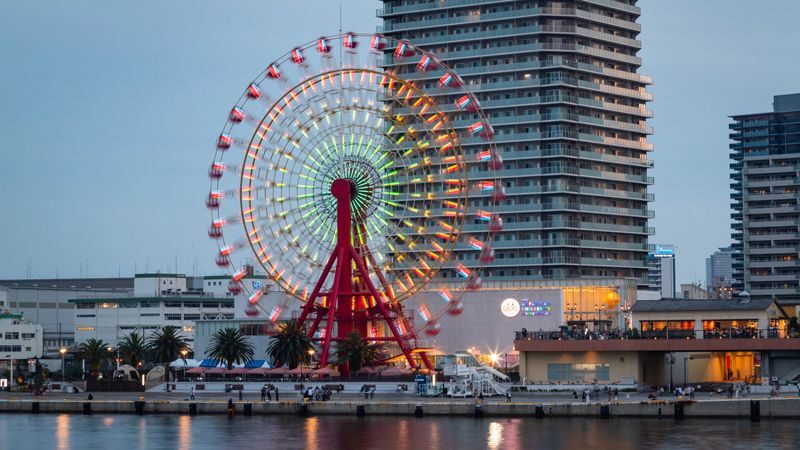
The first stop is Kobe Harbor, where the red Ferris wheel gives the waterfront an easy landmark. You have about two and a half hours here, enough to stroll by the water, take in the port and fit in a meal. The wheel takes around 12 minutes to complete a turn, but its admission is not listed as included, so check the cost if you want to ride.
Kobe’s port has a long connection to foreign trade, and its older brick warehouses sit beside modern buildings. The contrast is part of the appeal: this is not a preserved old quarter, but a working city’s waterfront with room to wander. The promenade is popular with local couples, and the light changes as afternoon moves toward evening.
The time here is unusually generous compared with the one-hour stop in Kitano. That gives you some freedom to choose between a longer waterfront walk, a Ferris wheel ride, a relaxed meal or simply sitting by the harbor. Kobe beef is a tempting local specialty, but meals and drinks are at your own expense. Keep an eye on the clock if you choose a sit-down restaurant, since the next stop begins at a set time.
You can also read our reviews of more tours and experiences in Kobe

Kitano’s hillside homes and café stops
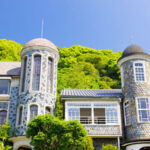
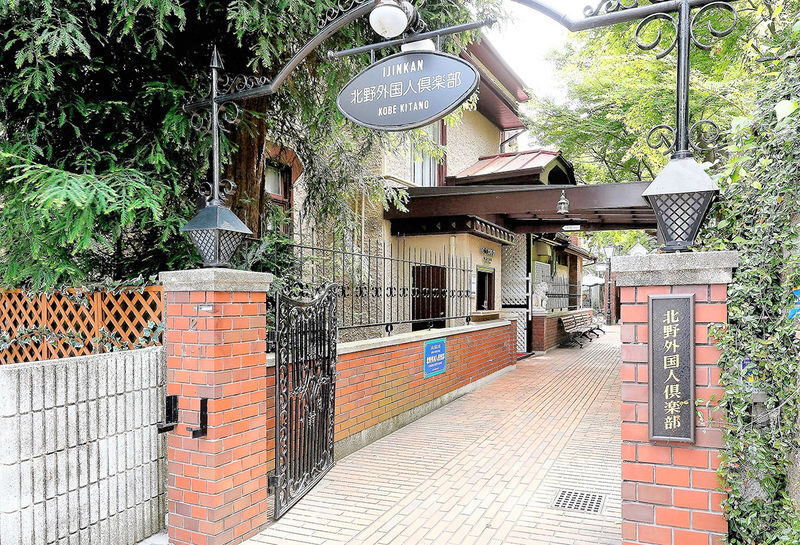
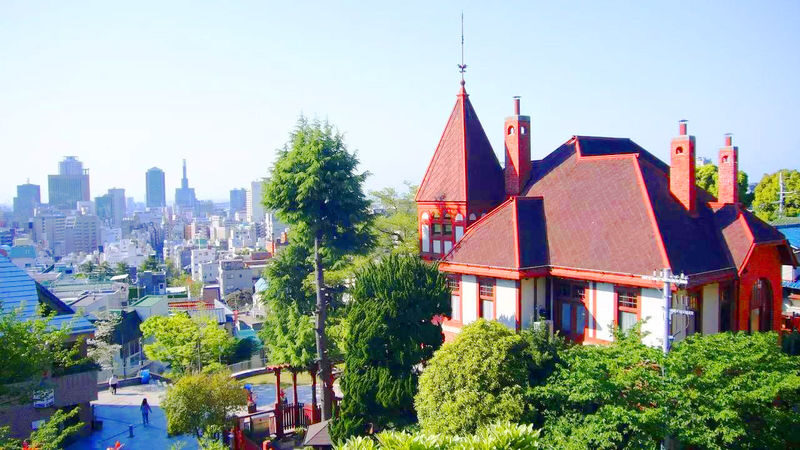
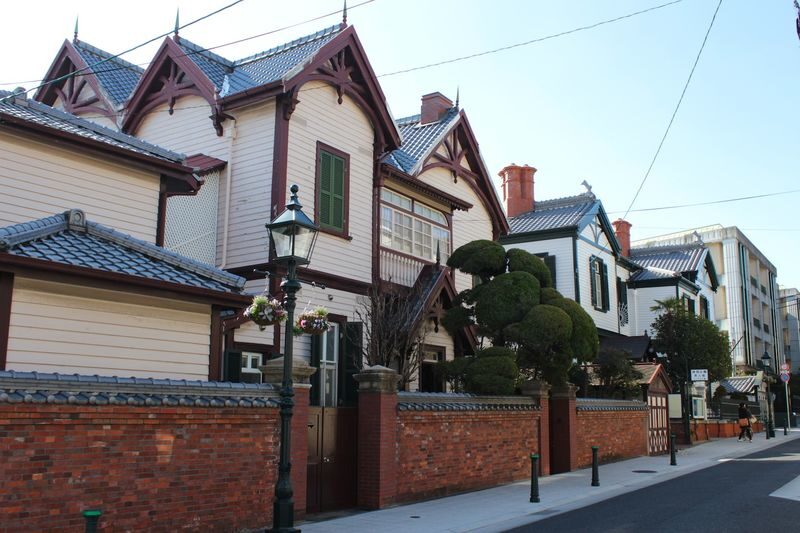
Kitano Ijinkan-Gai is a hillside neighborhood shaped by foreign merchants in the Meiji era. More than 30 Western-style buildings remain, with stone-paved slopes, cafés and small shops giving the area a distinct look. The Weathercock House, with its red-brick exterior, and Moegi House, with its pale green walls, are among the best-known photo stops.
You have about one hour here, which is enough for a walk through the neighborhood and a few photographs, but not a leisurely visit to every building. The slopes are part of the charm, but they also make this stop more demanding than a flat waterfront stroll. Wear shoes you’re comfortable walking uphill in, and decide in advance whether you’d rather see the streets or pay to enter a historic house if admission is available.
The Starbucks Concept Store is another stop people seek out here. It offers a café break in a distinctive setting, but you’ll need to watch the time if you stop for a drink or browse. The tour leaves you to explore independently, which suits visitors who like choosing their own pace, though it means you should keep track of the meeting time without a guide gathering the group at each sight.
Arima Onsen’s golden water and old streets
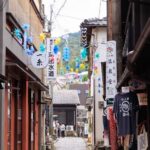
Arima Onsen is one of Kansai’s oldest hot-spring towns. Its mineral-rich Kinsen water takes on a golden-brown color when exposed to air, while the town’s wooden inns and compact streets give the stop a very different feel from Kobe’s harbor and hillside district. This is a chance to see a traditional onsen town, not just pass a bathhouse on the way to the mountain.
The schedule allows about an hour and a half. Bathing fees are not included, so decide whether you want to pay for a soak, wander the lanes, or make use of the free foot baths described in town. A full hot-spring visit can take more than the time available once you allow for changing and bathing, so check the facilities and prices before settling in. If you prefer to stay dry, a stroll and a rest with a snack still make the stop worthwhile.
The water is often referred to as Kinsen, or golden water. Gin no Yu is another named bath in the area, but neither bathing admission nor other personal expenses are covered by the tour. Keep some budget aside if a proper soak is central to your plans.
Look for Arima’s carbonated crackers, a local specialty that makes a light souvenir and is easy to carry. This stop can also be a welcome pause for your legs before the final mountain visit. Still, one and a half hours is a short window if you want both a bath and a thorough look around town. Choose your priority rather than trying to cram in everything.
Mount Rokko after dark
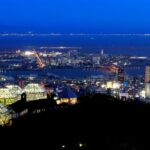
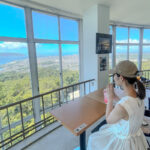
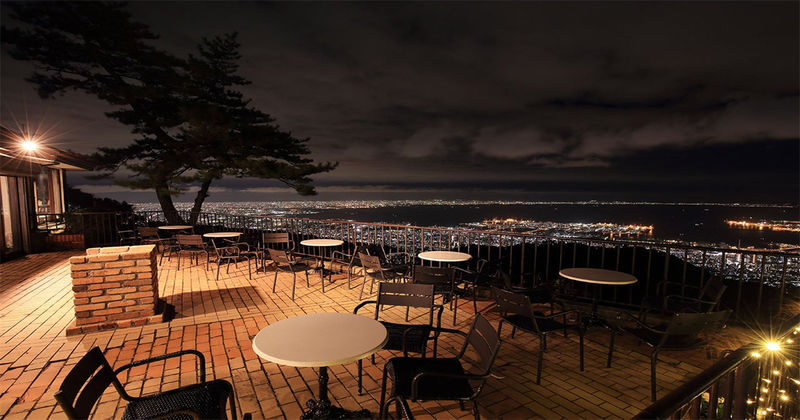
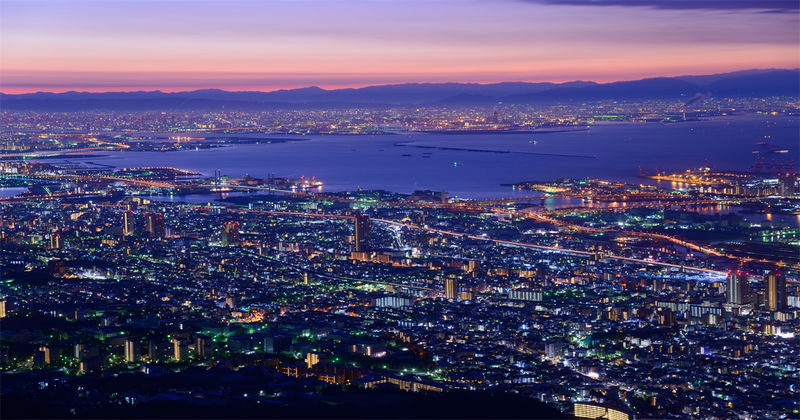
The final major stop is Mount Rokko’s Tenran Observatory, at a summit listed as 932 meters above sea level. A cable car takes you up from the Kobe area, but its ticket is an extra cost. From the top, the city, harbor and surrounding lights form the main attraction. On a clear day, you may be able to see the lights of Kansai International Airport.
The planned stop lasts around an hour and a half, giving you time to reach the observatory, take in the view and perhaps warm up with a drink at the mountaintop café. The night view is the payoff for saving the mountain until last, but visibility depends on the weather. Clouds or poor conditions can soften the view, and the schedule may change when weather or traffic affects the day.
Timing matters here. The tour’s departure hour changes by season, and the sunset shifts through the year, so the mountain may feel different depending on your date. The stated plan is to visit for the night view, but don’t assume the exact darkness or visibility will be identical on every departure. Bring a layer for the mountain, especially if you tend to feel cold while standing still outdoors.
This final stop is also where the day’s extra costs can add up. The cable car is not included, and neither are meals, drinks or personal purchases. I’d treat the cable-car fare as part of the real tour budget, rather than comparing the package price with a transport-included mountain excursion.
What the price covers, and what it doesn’t
The displayed starting price is from $46.90, while the package options supplied for this tour show prices from $67. The price depends on the option and date, so check the total for the exact departure before booking. That matters because the advertised base figure may not match the package you need.
What you get is a full day of round-trip transfers from the meeting point, plus English-, Chinese- and Japanese-speaking staff. You also get a planned route through several parts of Kobe and the surrounding area, with independent time at each stop. For anyone who would rather not coordinate transport from Osaka to four separate destinations, that convenience has real value.
The costs to add are significant enough to plan for: bathing admission at Arima, the Mount Rokko cable car, meals and drinks, and personal expenses. The Ferris wheel is an optional attraction at the harbor, but its price is not stated in the supplied details. Tips are also not included. If you’re careful with spending, you can keep costs lower by enjoying the walks and foot baths, but the day’s signature paid activities will increase the total.
The schedule is ambitious but not rushed at every stop. The 2.5-hour harbor visit gives you room to eat and explore, while Kitano’s hour is brief and Arima’s hour and a half asks you to choose between bathing and a longer wander. One past participant described the time at each stop as sufficient, and others valued fitting four locations into one day. That’s a useful sign for visitors who want broad coverage, though it doesn’t make this a deep visit to each place.
You can also read our reviews of more tours and experiences in Kobe
Practical details that can save you a headache
The stated return time to Nipponbashi is 7:30 p.m., but it is only an estimate. The vehicle may arrive earlier if the day runs smoothly, or later because of road conditions. Leave the evening open rather than booking a dinner reservation, train connection or show you can’t miss.
The tour may change its schedule due to traffic and weather. Keep the confirmation email handy, and check spam for the message with guide and vehicle information, which is sent between 8:00 and 9:00 p.m. the day before departure. Arriving late or missing the vehicle does not qualify for a refund, so give yourself more than a last-minute dash to the meeting point.
There is no age limit. Children aged zero to two travel free if they do not need a separate seat. Booking changes are allowed until 24 hours before the activity starts, subject to stated exceptions for certain passes, presales, freebies and vouchers not yet issued. The voucher is valid only for the date and time specified. You can cancel for a full refund at least 24 hours before the activity date, using local destination time.
Guide names associated with this tour include Nick Li and Mr. Zhou. Treat those as examples, not a promise of who will lead your departure. The key practical advantage is the availability of staff speaking English, Chinese and Japanese, although the exact language support on a particular departure is not specified.
Who should book this Kobe day trip?
I’d choose this tour if you’re staying in Osaka and want to see Kobe’s waterfront, old foreign-resident quarter, a hot-spring town and a mountain view without arranging each transfer yourself. It suits first-time visitors, people with limited time, and anyone who enjoys a varied day more than lingering for hours at one museum or bath.
It is less suited to someone who wants a long, unhurried onsen visit, plans to enter several historic houses, or prefers to set every stop’s timing independently. The tour gives you good coverage, but its fixed schedule means you’ll need to pick your priorities at Kitano and Arima. If your main goal is bathing, a dedicated Arima outing gives you more time in town.
For a practical decision, compare the package’s actual price with the cable car, bath and meal costs you expect to pay. Then check the departure time for your chosen date, since the seasonal options overlap in the dates provided. If the extras fit your budget and you’re happy with a brisk, self-guided pace, this is a convenient way to connect Kobe’s sea, hillside streets, hot springs and night view in one day.
Kobe Mount Rokko & Arima Onsen Day Trip
“Both the attractions and the schedule management were very satisfactory! Each spot had enough time allocated for the visit, and the unique features…”
FAQ
Where does the tour depart and return?
The meeting point is the Mosaic Big Ferris Wheel in Kobe. The return point is Nipponbashi in Osaka, with an estimated arrival time of 7:30 p.m.
What time does the tour depart?
The winter option is listed with a 10:30 a.m. departure, and the daylight-saving option with an 11:30 a.m. departure. Check the time shown for your selected package, since the date ranges provided overlap.
How long is the stop at Kobe Harbor?
The schedule allows about two and a half hours at the Mosaic Big Ferris Wheel and waterfront area.
Are Arima Onsen bathing fees included?
No. Admission to hot-spring baths is not included. Free foot baths are available in the town.
Is the Mount Rokko cable car included?
No. The cable-car ticket is an extra expense.
Are meals included?
No. Meals and beverages are not included in the tour price.
What languages are offered?
English-, Chinese- and Japanese-speaking staff are included.
Can I cancel for a full refund?
A full refund is available if you cancel at least 24 hours before the activity date, using the destination’s local time.