A volcanic crater, grazing horses, a castle with centuries of history, and a hot spring town tucked into the mountains: these trips pack a lot of Kyushu into one day. I like the choice of three distinct routes, so you can trade castle time for an onsen stroll or make Takachiho’s gorge and myths the focus. I also like that the railway ride adds a slower, rural note to a day otherwise spent covering ground by road.
The main catch is distance. You’ll spend a good part of the day in a shared vehicle, and weather, traffic, train operations, or volcanic gas can change the plan. Check the crater status close to your travel date, and choose this tour for convenience and broad scenery, not for guaranteed access to every stop.
- What to know before choosing
- Three Kyushu days, three different moods
- The railway brings the countryside into view
- Kusasenri gives Aso room to breathe
- Choose castle, hot spring, or gorge
- Kumamoto Castle and its old castle town
- Kurokawa Onsen for a quieter finish
- Takachiho Gorge and the stories of the gods
- What the price covers, and what it does not
- Guides, timing, and the shared-vehicle trade-off
- Who should book this Aso day trip?
- FAQ
- Which route should I choose?
- What time does the tour leave Fukuoka?
- Where is the meeting point?
- Is Mount Aso’s Nakadake crater open?
- Is the Minami Aso Railway ticket included?
- Is Kumamoto Castle admission included?
- Is the Takachiho Gorge boat ride included?
- Is lunch included?
- Can I bring luggage or a child under three?
- When does the tour return to Fukuoka?
- More Spa & Hot Springs in Aso County
- More Tours in Aso County
- More Tour Reviews in Aso County
What to know before choosing
 1 / 8
 2 / 8
 3 / 8
 4 / 8
 5 / 8
 6 / 8
 7 / 8
 8 / 8
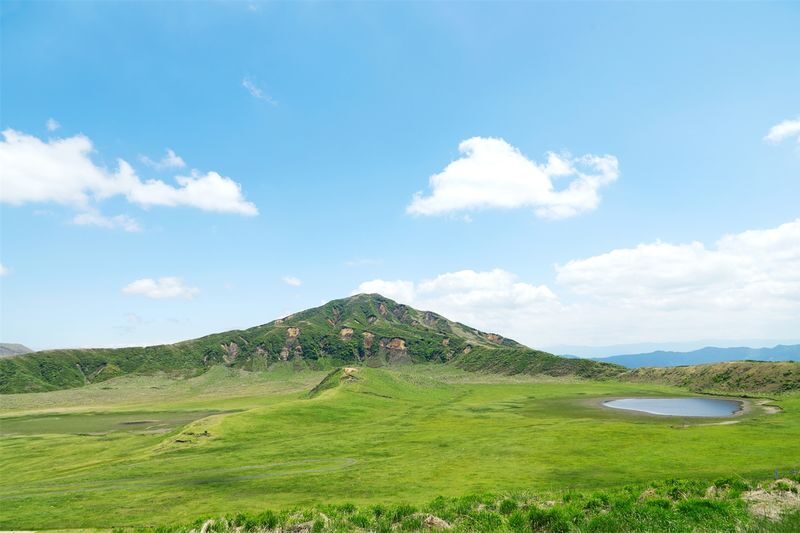
- Kusasenri is the reliable scenic anchor: The broad grassland offers open views toward Mount Aso, with cows and horses grazing when conditions allow.
- There are three different day plans: Pick Kumamoto Castle, Kurokawa Onsen, or Takachiho Gorge. They are alternatives, not stops on one giant itinerary.
- The Minami Aso Railway costs extra: Budget ¥550 for a regular train or ¥2,000 for the limited Torokko sightseeing train, if it is operating.
- Crater access is never certain: The supplied notice says the crater is temporarily closed after a helicopter accident and warns of harmful volcanic gas. Conditions can also change on the day.
- Takachiho’s boat is a shared experience: If you add the boat option, three people share a boat, and the route may be adjusted around reservations and conditions.
- Bring patience for a long day: The Kumamoto and Kurokawa routes are scheduled to leave Fukuoka at 9:00 and return around 18:45 to 19:15. Takachiho starts earlier, at 8:00.
Three Kyushu days, three different moods
The title suggests one sweeping tour, but the useful choice is between three separate routes. All set out from Fukuoka and combine coach transport with major sights in Kumamoto Prefecture and nearby Miyazaki.
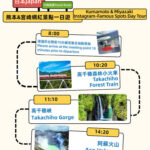
The Kumamoto and Aso route pairs the Minami Aso Railway and Kusasenri with Kumamoto Castle and Sakuranobaba Johsaien, a castle-town area with local food and souvenirs. The Kurokawa Onsen route trades the castle for time in a traditional hot spring town. The Takachiho route centers on the gorge and Amano Iwato Shrine, with a visit to Mount Aso’s Nakadake crater planned when conditions permit.
That choice matters. If you want several famous sights without arranging rural transport yourself, the coach format is practical. If you want a slow, unhurried visit to one place, this is not that kind of day. The timetable has to balance road distance, attraction time, and the needs of a shared group.
You can also read our reviews of more tours and experiences in Aso County

The railway brings the countryside into view
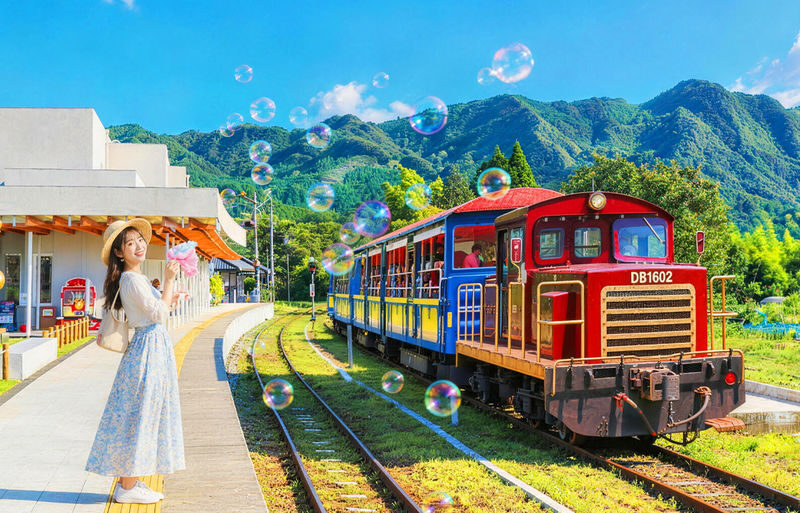
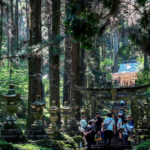
On the Kumamoto and Kurokawa routes, the day includes a roughly 40-minute Minami Aso Railway ride, planned for around 11:30. It is a good counterpoint to the coach: rather than watching the region pass through a window at highway speed, you get a short rail journey through valleys and rural scenery, with views toward the Aso Five Peaks, forests, and streams.
The train is not included in the tour price. A regular ticket is listed at ¥550 per person, while the limited Torokko sightseeing train costs ¥2,000. The special train depends on that day’s railway operations, so treat it as a possibility, not a promise. If it does not run, the trip still includes the railway experience according to the service available.
A short ride is not the same as a full rail excursion, and your time on board is limited. Still, it adds local character to a day otherwise organized around coach transfers. Keep some cash or a payment method ready for the fare, and remember the train selection and schedule may be adjusted.
Kusasenri gives Aso room to breathe
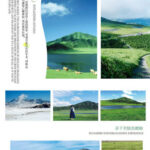
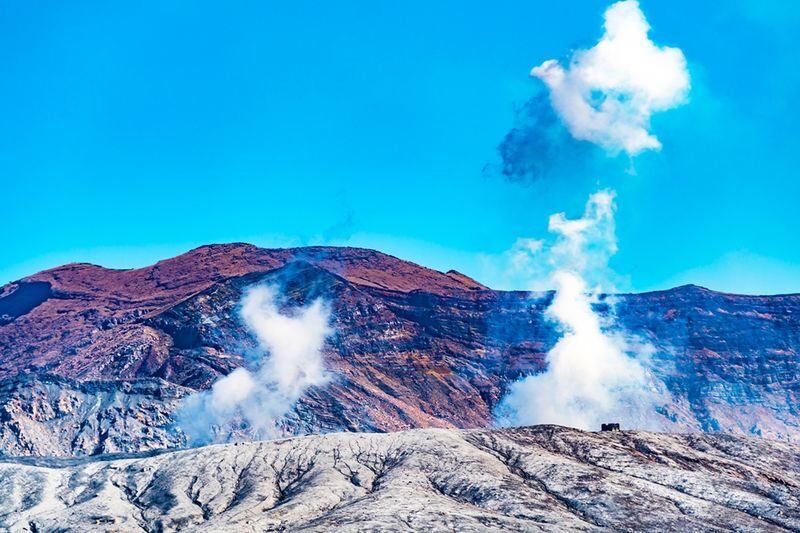
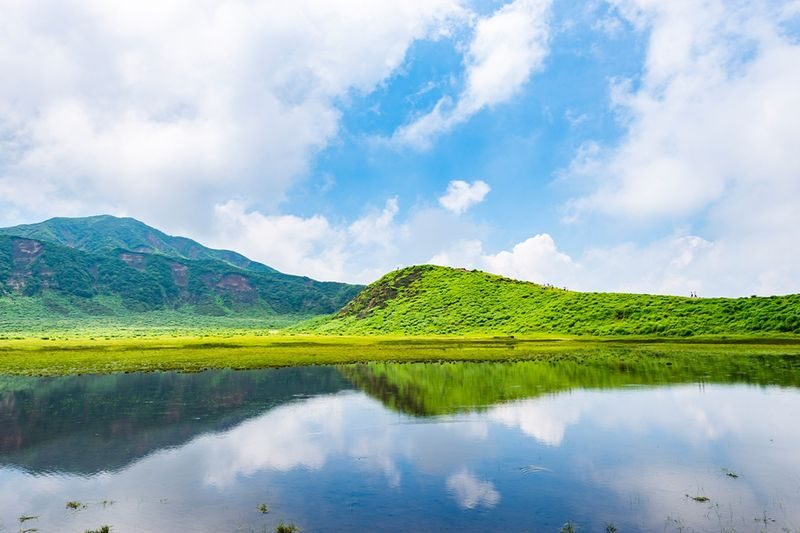
Kusasenri is the natural pause in the schedule. This broad grassland sits within Mount Aso’s volcanic region, where the scale of the open ground and the surrounding mountains does much of the talking. Cows and horses may be grazing, and on a clear day you can look toward Aso from the grassland.
The planned stop on the Kumamoto route is about 1 hour and 25 minutes, though that can change. If the crater remains closed, the tour may extend the time here. That is a sensible substitution: you still get a close feel for Aso’s wide volcanic setting, rather than spending precious time approaching an area that authorities have closed.
But Kusasenri is weather dependent. Rain and low cloud can hide the mountain views, as one October trip demonstrated. You’ll still be in the grassland, but the drama of the setting can be muted. Dress for the forecast and keep expectations flexible. The visit is best understood as an open-air scenic stop, not a guaranteed clear view of the crater.
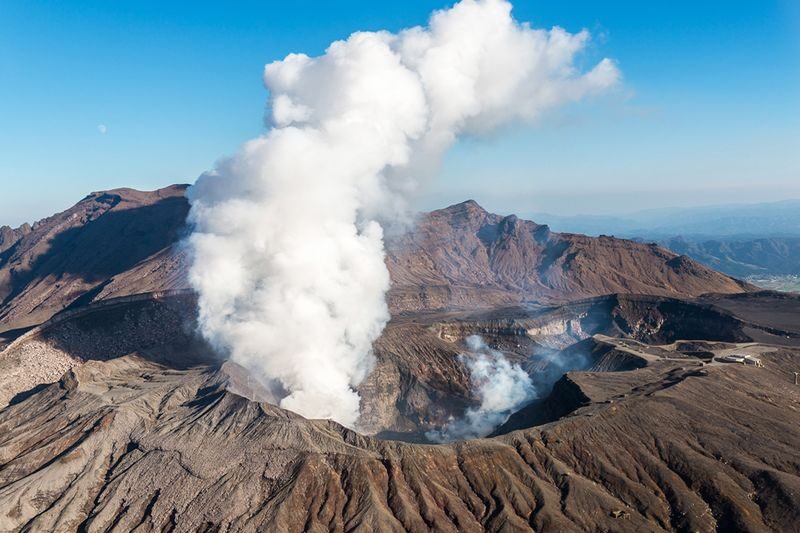
The current safety notice is important. It says the Nakadake crater is temporarily closed following a helicopter accident and warns that toxic volcanic smoke can pose a threat to people with asthma, bronchial conditions, or heart disease. The tour’s crater access may change as conditions do. Do not treat a crater visit as guaranteed, and check current restrictions before booking, especially if anyone in your party has a respiratory or heart condition.
Choose castle, hot spring, or gorge
Kumamoto Castle and its old castle town
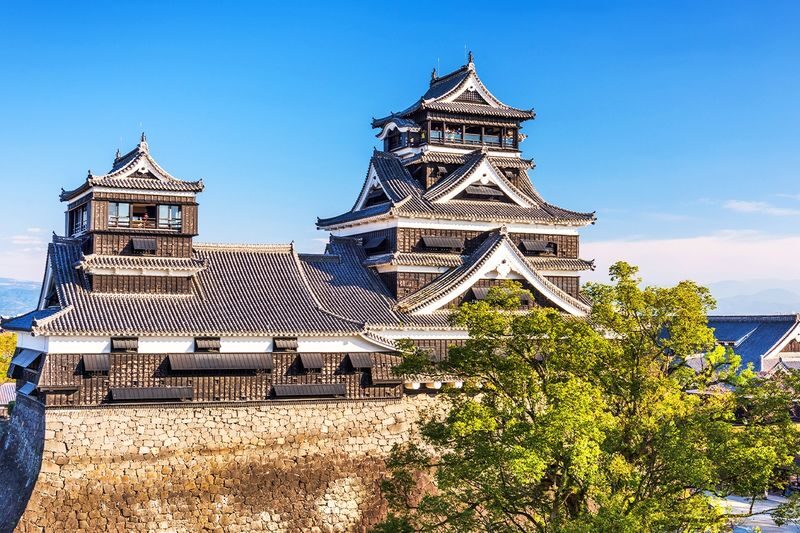
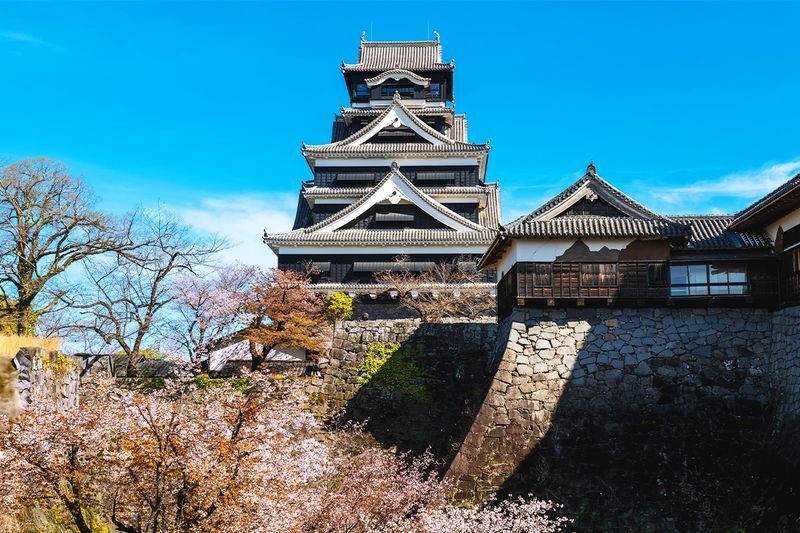
The Kumamoto route gives you about 1 hour and 5 minutes at the castle area, with the option to leave the tour here. The castle has more than 400 years of history and is known for its imposing main keep and distinctive stone walls. Reconstruction has combined historical features with modern repairs, making the site a visible example of a landmark rebuilt after damage.
Castle admission is not included. If you want to go inside, allow for the fact that your visit is time limited and the tour has other stops to cover. If you prefer not to pay for entry, you can use the time to see the exterior and stonework, then continue to Sakuranobaba Johsaien.
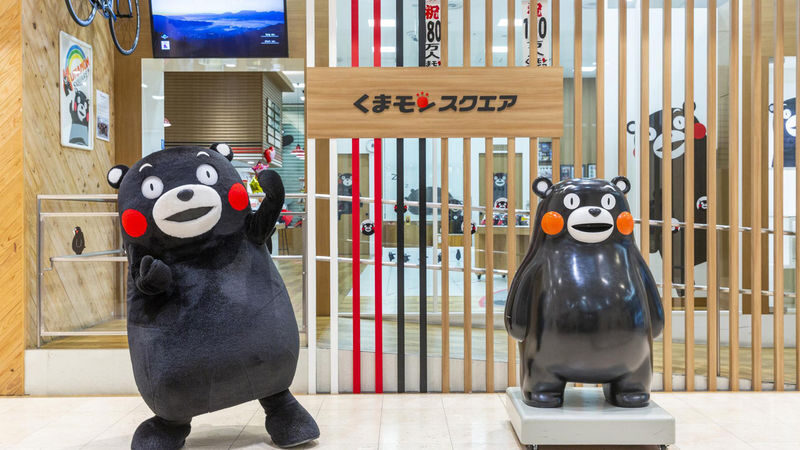
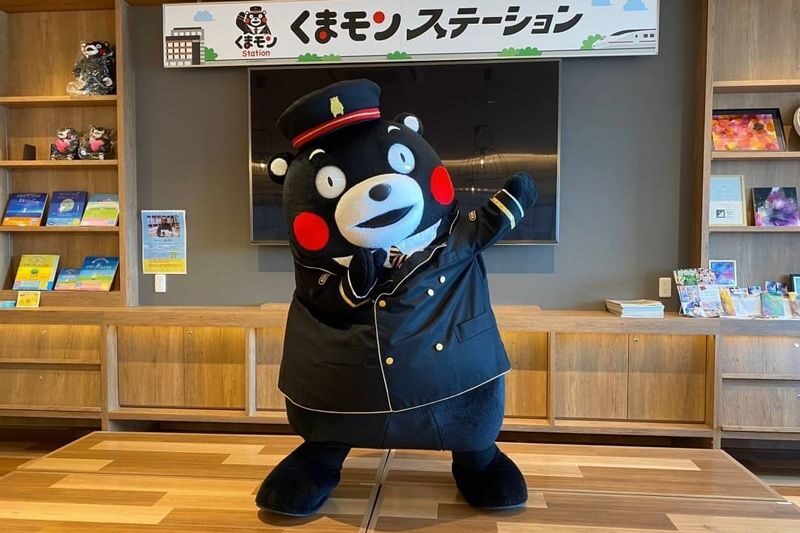
Johsaien is the practical add-on: a place to browse Kumamoto foods and souvenirs in a setting connected with the castle town. The itinerary also names Kumamon’s Office, a tourism and product information spot for Kumamoto Prefecture. These stops make the route more than a quick castle photograph, though there is not enough time for a long museum visit or leisurely shopping.
You can also read our reviews of more tours and experiences in Aso County
Kurokawa Onsen for a quieter finish
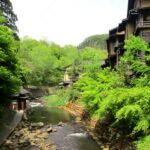
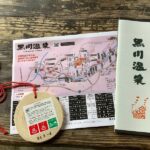
The Kurokawa route swaps the castle for a mountain hot spring town, where wooden inns and streams give the visit a more intimate feel. The plan is to stroll through the town, not to promise a particular bath experience. Confirm whether bathing is included before booking, and bring any essentials you would need if you plan to use a public bath.
This option suits you if the appeal of Aso is followed by a little time among traditional buildings and natural scenery. It is less useful if you want a full onsen stay: the tour shares the day with the railway and Kusasenri, so your time in town is necessarily limited. Think of it as an introduction to Kurokawa, not a slow retreat.
Takachiho Gorge and the stories of the gods
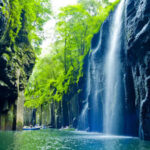
The Takachiho route starts at 8:00, earlier than the other two options. Its centerpiece is a deep gorge cut through columnar-jointed rock, with waterfalls dropping into clear water. If you select the boat option, you share a boat with two other people. From the water, you can see the rock walls and falls at close range, a more direct way to experience the gorge than viewing it only from above.
Boat access depends on reservations and operating conditions, so the order of stops and time at each place may shift. Lunch is part of this package, but the menu and timing can change. If the original meal cannot be served, it may be replaced with a Japanese beef set meal of equivalent value.
The route also visits Amano Iwato Shrine, linked to the story of the sun goddess Amaterasu. The myth gives the gorge and shrine a particular cultural context, rather than making the day only a scenic outing. The itinerary describes a planned visit to Nakadake crater before returning, but volcanic gas or closure can prevent access. One trip found the crater off limits because gas levels were too high, yet the group still saw Aso’s volcanic terrain. That is the right expectation: the region remains worth seeing, but the crater itself is conditional.
What the price covers, and what it does not
Prices vary by package. The options are listed from US$63.09 for the Kumamoto and Aso tour, from US$63.09 for Aso and Kurokawa Onsen, and from US$135.15 for the Takachiho Gorge trip with lunch. A separate starting price of US$44.19 is also shown for the experience, so check the exact package and date before comparing totals.
The price includes round-trip transport from the meeting point and an English-, Chinese-, or Korean-speaking guide. It does not include meals and drinks except for the Takachiho package’s included lunch, castle admission, the railway ticket, the Aso Volcano Museum, or personal expenses. The listed transport cost to the crater is described as a complimentary item, with no refund if the crater cannot be reached.
The value is mainly in having the long-distance transport organized. Aso, Takachiho, and Kurokawa are not simple additions to a Fukuoka city day, and the coach helps connect rural sights without requiring you to plan each transfer. But the day’s worth depends on your chosen route and what is open. Add the railway fare, castle entry if desired, and any meals not included before deciding whether the total suits your budget.
Guides, timing, and the shared-vehicle trade-off
The guide language is listed as English, Chinese, or Korean, but the vehicle may carry people speaking different languages. That can mean a multilingual group and explanations delivered across several languages. Past guides named in trip accounts include Yang Zhou, Kang Chun-hwa, and Zheng Weijun; another guide, Chou, was praised for helping with photographs and sharing local information. Those names are useful context, not a guarantee of who will lead your departure.
For the Kumamoto route, the stated schedule begins at 9:00, with a return around 18:45 to 19:15 at Lawson Fukuoka Oriental Hotel, in front of Hakata Station’s Chikushi Exit. The Takachiho route begins at 8:00. Traffic and weather can shift arrival, so avoid booking another fixed activity that evening.
Arrive at the meeting point 10 minutes early. The guide is expected to carry a GOGODAY flag, and the supplier sends guide and vehicle details by email between 20:00 and 21:00 the previous evening. Check your spam folder and use the latest message if more than one arrives. Late arrivals and no-shows are not refunded.
The vehicle type depends on the day’s group size, and seating is generally arranged on a first-come basis. You cannot choose the vehicle. One carry-on-size piece of luggage is allowed, but you must note it when booking. Infants aged 0 to 2 can travel free without their own seat, but still count toward vehicle capacity and must be declared. Children aged 3 and older pay the adult rate. Child seats are not available.
Who should book this Aso day trip?
I’d choose this tour if you are based in Fukuoka and want to see rural Kyushu without building a complex series of transport connections. It is especially useful for first-time visitors who want to compare Aso’s volcanic grassland with either a major castle, a hot spring town, or Takachiho’s gorge and shrine.
Pick Kumamoto Castle if history and a compact town visit matter most. Choose Kurokawa Onsen for a quieter mountain-town stop, while remembering that this is not a long spa day. Select Takachiho if the gorge boat and mythic sites are the draw, and if you can handle the earlier start and longer day.
I would not book it for guaranteed crater access, a leisurely visit at every stop, or a fixed return time. Weather, road conditions, train service, boat reservations, and volcanic restrictions all matter. If you can adapt when the plan changes, the tour offers a convenient way to see several very different sides of Kyushu in one day.
Kumamoto Aso Mythical Journey – Volcanic Scenery, Flying Waterfall Canyon, Hot Spring Healing Day Trip | Departing from Fukuoka
“We were very lucky that it didn't rain in Kumamoto today, and our entire day's itinerary went very smoothly. Kusasenri was incredibly beautiful and…”
FAQ
Which route should I choose?
The choices are Kumamoto Castle and Aso, Kurokawa Onsen and Aso, or Takachiho Gorge and Aso. Each is a separate day-trip option.
What time does the tour leave Fukuoka?
The Kumamoto and Kurokawa routes are listed with a 9:00 departure. The Takachiho route is listed with an 8:00 departure. Check the previous evening’s email for your confirmed time.
Where is the meeting point?
The return point is Lawson Fukuoka Oriental Hotel, in front of Hakata Station’s Chikushi Exit. Confirm the departure meeting location in your tour details and the supplier’s email.
Is Mount Aso’s Nakadake crater open?
Access depends on volcanic conditions and official restrictions. The supplied notice says the crater is temporarily closed and warns about toxic gas, so check current status before travel.
Is the Minami Aso Railway ticket included?
No. The listed fare is ¥550 for a regular train or ¥2,000 for the limited Torokko train. The sightseeing train depends on that day’s operations.
Is Kumamoto Castle admission included?
No. Castle admission is an extra cost.
Is the Takachiho Gorge boat ride included?
The boat is an optional experience. If you choose it, you share a boat with two other people. Availability and timing may affect the itinerary.
Is lunch included?
Lunch is included with the Aso and Takachiho Gorge package. The menu and timing may be adjusted, and an equivalent-value Japanese beef set meal may be substituted if the original meal is unavailable.
Can I bring luggage or a child under three?
One carry-on-size piece of luggage is allowed per person if declared when booking. Children aged 0 to 2 may travel free without a separate seat, but they must be included in the passenger count and declared in advance. Child seats are not available.
When does the tour return to Fukuoka?
The Kumamoto route is scheduled to return between 18:45 and 19:15. Traffic and weather may delay arrival, so avoid scheduling another activity that evening.