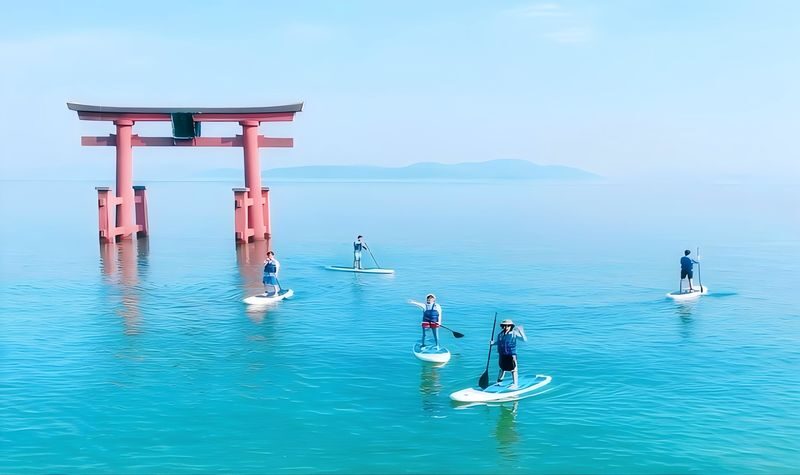
Lake Biwa’s torii gate rises straight from the water, with Okishima Island in the distance. This day trip links that famous view with a mountain cable car, a temple on the lake and a dessert stop, all without asking you to stitch together several local connections.
I like two things in particular: the mix of sacred sites and everyday treats, and the chance to see the lake from both its shore and above. A guide can also make the long drives easier to manage; guides on recent departures have included Effy, Peggy, Feifei, Casper and Liu, though your guide will depend on the date.
The main trade-off is time. You have several stops but little room for a proper meal, and the cable car, temple admissions and food are not included. Add the possibility of poor weather or road delays, and this is best for you if convenience matters more than lingering.
- The day’s highlights at a glance
- Shirahige Shrine and the torii in the lake
- A cable car ride, with weather in charge
- Ukimido, a small temple above the water
- La Collina for architecture, Baumkuchen and a breather
- What the price includes, and what it does not
- The long-drive reality and how to prepare
- Who will get the most from this Lake Biwa day trip
- Should you book it?
- FAQ
- Where does the tour depart from?
- How long is the tour?
- Are the cable car and temple admission tickets included?
- What happens if the cable car is closed?
- Are meals included?
- Which languages are available from the staff?
- Can children join the tour?
- Can I change or cancel my booking?
- The Best Of Otsu!
- More 1-Day Tours in Otsu
- More Tours in Otsu
- More Tour Reviews in Otsu
The day’s highlights at a glance
 1 / 9
 2 / 9
 3 / 9
 4 / 9
 5 / 9
 6 / 9
 7 / 9
 8 / 9
 9 / 9
- Shirahige Shrine’s lake torii: Spend about 30 minutes at a 1,900-year-old shrine, with time to see and photograph its iconic gate.
- A mountain viewpoint by cable car: About two hours are allocated to the high-altitude stop, with panoramic views when weather cooperates.
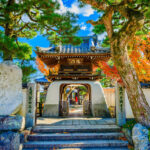
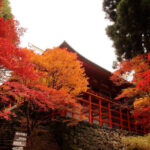
- Sanzen-in as the backup: If the cable car is closed or undergoing inspection, the mountain visit is replaced by a temple and its seasonal gardens.
- Ukimido on Lake Biwa: Visit the small floating temple associated with the Eight Views of Omi and the Katata Wild Geese scene.
- La Collina’s roofed buildings and sweets: Finish with an hour at an architectural attraction known for its grass-covered roofs, Baumkuchen and dorayaki.
- Round-trip transport from Kyoto or Osaka: A shared vehicle and guide save you from planning several connections, but mean keeping to a group timetable.

👉 See our pick of the Otsu’s 15 Best Tours (With Prices & Reviews)
Shirahige Shrine and the torii in the lake
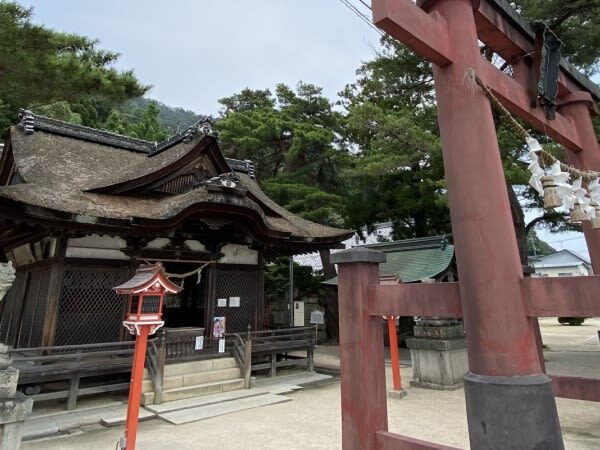
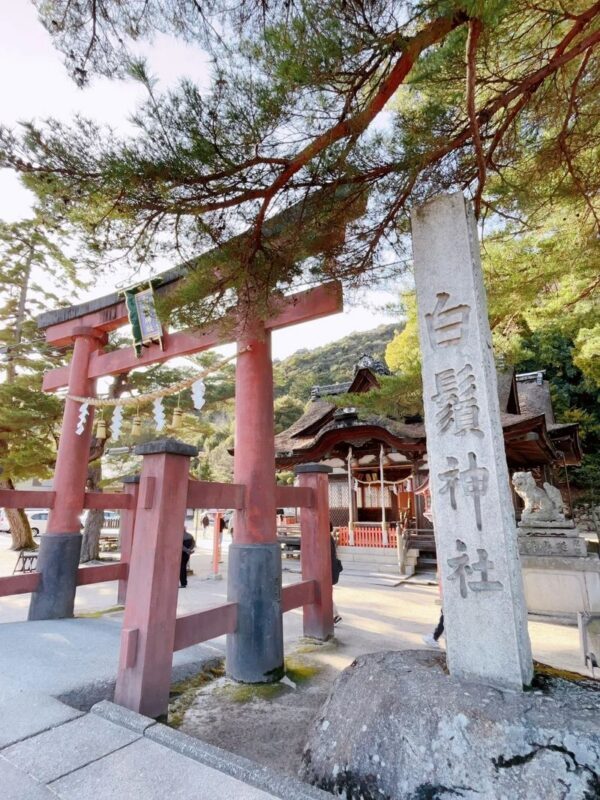
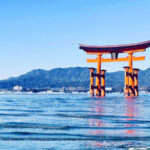
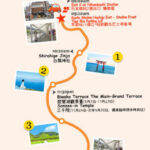
The first major stop is Shirahige Shrine, on Lake Biwa’s shore. Its name means white beard, and the shrine is described as having a history of around 1,900 years. The lake torii is the image most people come to see: a red gate set in the water, with Okishima Island visible farther out.
You have about 30 minutes here, and the visit is self-guided. That is enough for a look at the gate and a few photographs, but not a slow visit to every corner of the shrine. Treat this as a scenic pause rather than an in-depth cultural tour.
The view changes with the light and weather, so the same spot can look quite different at different times of day. The tour arrives around 10:20, which gives you a morning visit, though cloud, rain or haze can affect how clearly the island and gate appear. Bring a phone or camera, but keep your attention on the setting too. The striking part is how the gate seems to sit between the lake and the far shore.
There is one practical point: the torii is in the lake, not a structure you walk through as part of the stop. You are there to view and photograph it from shore. With just half an hour, you will want to be ready to make the most of the time rather than expect a long, unhurried shrine visit.
You can also read our reviews of more tours and experiences in Otsu

A cable car ride, with weather in charge
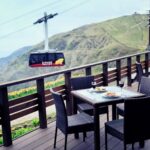
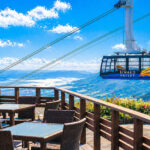
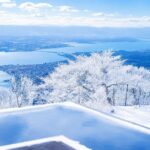
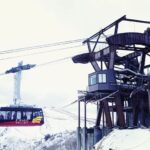
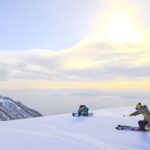
The next stop is the mountain viewpoint, reached by cable car. The tour describes the cabins as having 360-degree glass views and the ride as Japan’s fastest cable car. At the top, the appeal is a broad view over Lake Biwa from around 1,100 meters above sea level.
This is the stop with the biggest potential payoff, and also the greatest dependence on the weather. On a clear day, the lake and surrounding scenery are the reason to go up. In poor visibility, the view may be limited, even if the cable car is still operating. One person on a recent trip described a cloudy visit where there was little to see from above, though the ride itself went ahead.
Allow about two hours for this part of the day. The cable car ticket is not included, so check the current fare and operating status before you go. At the summit, the stop can involve more than one section of ropeway, and there is also a small shrine to a mountain deity. The exact visit can depend on what is open and how the group’s time is managed.
If the cable car is temporarily out of service or closed for routine inspection, the plan switches to Sanzen-in Temple. That is a meaningful alternative, not a second attraction added on top. Sanzen-in is known for its seasonal gardens and moss, and offers a quieter, more temple-focused visit in Kyoto’s Ohara area. Its admission ticket is also extra.
I would think of this as a choice between two kinds of scenery, not as a guaranteed cable car ride. If the panoramic view is the main reason you are booking, understand that weather and maintenance can change the plan. If you are happy with either mountain views or temple gardens, the day has more resilience.
Ukimido, a small temple above the water
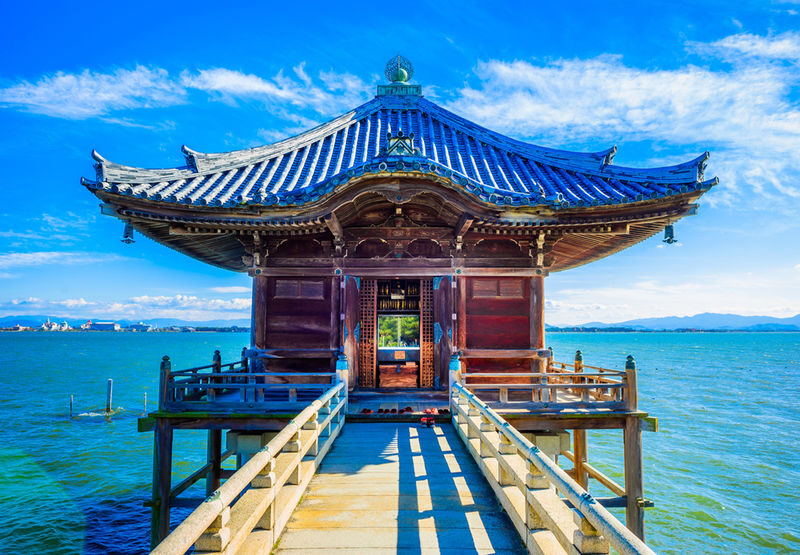
At around 14:00, the group reaches Ukimido, the floating temple associated with Mangetsu-ji. The small Buddhist hall sits over Lake Biwa and is linked to prayers for safe passage on the lake. Its setting gives it a different character from the grander temple stops many people associate with Kyoto.
You have about 30 minutes here, with admission not included. The short visit is enough to see the structure and take in its relationship to the water, but it is not a long temple stay. The setting is the point: a place of worship framed by the lake rather than a large complex of buildings.
Ukimido is also associated with the Eight Views of Omi, specifically Katata Wild Geese Returning Home. The scene has appealed to writers and poets, including Matsuo Basho. You do not need to know the full history to appreciate the view, though that context helps explain why this modest structure has held a place in local culture.
The stop pairs well with Shirahige Shrine. One gives you the bright, instantly recognizable torii; the other offers a more intimate look at religious architecture on the lake. Keep some cash or a payment card available for admission, and be prepared to move on when the group’s time is up.
La Collina for architecture, Baumkuchen and a breather
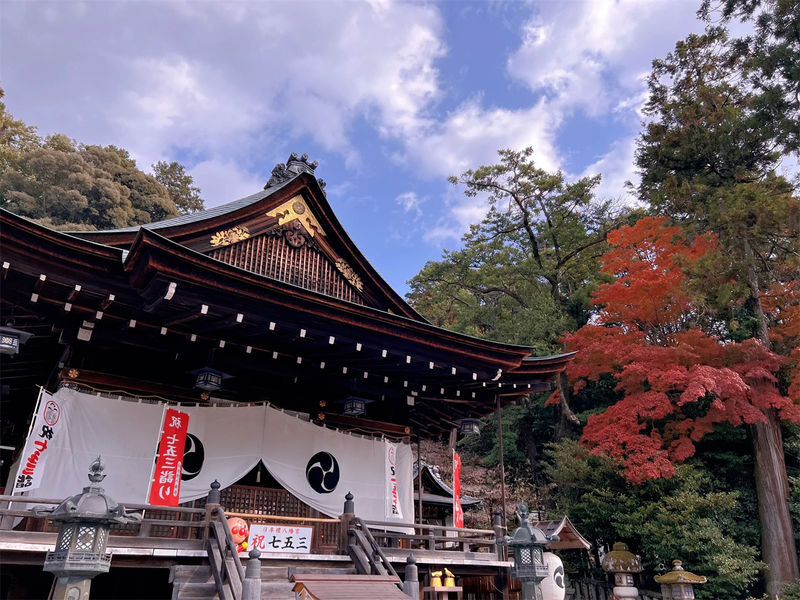
The last scheduled stop is La Collina in Omi-Hachiman, reached around 15:10. Designed by architect Terunobu Fujimori, its distinctive buildings have grass-covered roofs that make them look more like part of the surrounding countryside than a conventional shop or visitor complex.
You have about one hour, which gives the stop a different rhythm from the shrine and temple visits. Here you can look at the architecture, browse the sweets and pick up food to take away. Freshly baked Baumkuchen is a signature treat, and limited-edition dorayaki is also mentioned. Food and drinks are not included in the tour price.
I like this stop as a change of pace. The day has several religious and scenic sites, and La Collina adds a contemporary design story and a chance to enjoy local-style confectionery. But an hour is not a full lunch break, especially if you have a queue or want to explore the grounds at an easy pace. The stop is better thought of as a sweet snack and browse than a sit-down meal.
If you want to try something, decide early rather than spending most of the hour choosing. You may also want to carry water and a small lunch from the start of the day. One practical warning from the route as a whole: the schedule is tight, and there is little time set aside for a proper meal.
What the price includes, and what it does not
The advertised starting price is from $46.90, while the listed meet-at-the-designated-spot package is shown from US$67. Prices can vary, so check the option and date you select rather than assuming the lowest figure applies to every departure.
The package includes round-trip transfers from the meeting point and staff who can speak English, Chinese or Japanese. That transport is the core value. You avoid planning a day of regional connections between Otsu, the lake stops, Ohara if the alternative is used, and Omi-Hachiman. For a visitor based in Kyoto or Osaka, that can make a multi-stop day much simpler.
The listed return points are Kyoto Station’s Hachijo Gate, around 17:20, and Nipponbashi Station Exit 2, around 18:30. These are reference times, not promises. Traffic and road conditions can shift arrival, and the schedule may change with weather. Keep your evening free rather than booking a timed activity after the tour.
Budget separately for the Lake Biwa viewpoint ropeway, Sanzen-in if that is the day’s alternative, Ukimido admission, meals, drinks and personal purchases. A recent participant advised arranging admission tickets a day ahead to save money. Check the current ticket terms before purchasing, especially since the cable car stop may be replaced if service is suspended.
The long-drive reality and how to prepare
This is a carpool day trip, not a private tour. You share the vehicle and follow a fixed sequence of stops, so the upside is easier transport and the downside is less freedom to linger. One account described several drives of roughly 40 minutes between places, plus a substantial journey to and from Osaka. If you are prone to motion sickness, take that seriously and prepare before departure.
The day starts early. The supplied meeting details include departure times of 08:00 and 09:20, depending on the departure point. Be at the stated meeting location at least 10 minutes early, and confirm the exact time and place for your booking. Late arrivals and no-shows are not refundable, and the vehicle will not wait.
Guide service is one of the trip’s strengths. Past guides named for departures include Effy, Peggy, Feifei, Casper and Liu. A guide may explain each stop, help with practical questions and offer food suggestions; one recent account specifically appreciated a guide’s help with a stamp rally. The assigned guide and languages can vary, so do not book on the assumption that you will have a particular person.
Pack water and a simple lunch or substantial snack. The route is full, and you may not have time to find and eat a proper meal. Comfortable shoes are sensible for walking around shrine and temple grounds, though the exact walking conditions are not specified. Bring a light layer if you expect to spend time at the mountain viewpoint, and check the forecast before departure so you know whether to prioritize the view or the cultural stops.
Who will get the most from this Lake Biwa day trip
This tour suits you if you are staying in Kyoto or Osaka, want to see several Lake Biwa highlights in one day, and prefer transport arranged for you. It is especially useful if you do not want to work out regional connections or if you value having a guide available across a multilingual group.
It also works for people who enjoy contrast. You get a torii in the lake, a high viewpoint or temple gardens, a small floating temple and a modern confectionery complex. The stops are varied, and that keeps a long day from feeling like a series of similar shrine visits.
It is less suitable if you want a slow, flexible day or a long lunch. Each stop has a fixed window, admissions are extra and the mountain viewpoint is weather-sensitive. If your chief aim is the ropeway alone, a separate visit may give you more control over timing and conditions. If you are happy to see several places and accept a change of plan, the shared tour is a practical way to cover ground.
Should you book it?
Book this if you want a convenient sampler of Lake Biwa and its nearby sights without building the transport plan yourself. The strongest reasons are the unusual range of stops and the guide support, with past departures led by helpful guides such as Casper, Feifei and Peggy.
Skip it if you need a leisurely pace, a guaranteed clear mountain view or a proper restaurant lunch. Go in prepared with water, food, a little flexibility and a realistic sense of the drive time. If those conditions suit you, this is a good-value day out for seeing several distinct sides of the Lake Biwa area.
Lake Biwa Secret Scenery Pilgrimage Day Trip | Shirazu Shrine, Observation Deck/Sanzen-in Temple, Floating Temple, La Collina
“The service was very professional and friendly. She spoke in two languages: English and Chinese. Effy was helpful & she guided me with the new stam…”
FAQ
Where does the tour depart from?
The tour offers departures from Osaka and Kyoto. The meeting information includes departure times of 08:00 and 09:20, so confirm the exact meeting point and time for your selected option.
How long is the tour?
The schedule begins in the morning and gives a return reference time of around 17:20 at Kyoto Station’s Hachijo Gate or 18:30 at Nipponbashi Station Exit 2. Actual times can change with traffic and weather.
Are the cable car and temple admission tickets included?
No. The Lake Biwa viewpoint ropeway ticket, Sanzen-in admission if visited, and Ukimido admission are not included.
What happens if the cable car is closed?
If the cable car is temporarily out of service or undergoing inspection, the mountain stop is replaced by Sanzen-in Temple.
Are meals included?
No. Meals and drinks are not included, and the schedule may leave little time for a full meal. Bringing water and a packed lunch or snack is a sensible plan.
Which languages are available from the staff?
English-speaking, Chinese-speaking and Japanese-speaking staff are listed. The guide assigned to your departure may vary.
Can children join the tour?
There is no age limit. Children aged 0 to 2 can join free if they do not occupy a separate seat.
Can I change or cancel my booking?
Changes are allowed until 24 hours before the activity starts, subject to stated exceptions for some booking types. A full refund is available if you cancel at least 24 hours before the activity date, in destination local time.