
Lake Biwa is more than a scenic stretch of water: it is an ancient lake with more than 2,000 species, including creatures found nowhere else. At the Lake Biwa Museum, you can trace how the lake formed, meet some of its inhabitants in the aquarium, and see how people have lived alongside it. It is a good way to understand a place that might otherwise be just a blue patch on your map.
I like two things in particular: the exhibits connect nature to everyday life, so geology and ecology feel relevant rather than remote; and the freshwater aquarium gives the museum a lively, close-up view of lake life. The Discovery and Exploration room also invites you to look at specimens through microscopes and handle selected materials.
The main consideration is access. The museum is outside central Kusatsu, and buses from the station are infrequent, so check the timetable before setting out. Some aquarium tanks have also been reported closed during safety inspections, including the tunnel tank, so check the museum’s current notices if that is a key reason for your visit.
A few things to know before you go
- Lake Biwa is the star: Exhibits explore the ancient lake’s formation, wildlife, and relationship with the people who live around it.
- The aquarium adds a change of pace: The aquatic exhibition covers freshwater creatures from Lake Biwa and other lakes.
- Hands-on learning is part of the visit: The Discovery and Exploration room has microscopes and biological, geological, and cultural specimens to observe and touch.
- Plan on two to three hours: You can skim the main displays in less time, but the museum has enough to keep a curious family occupied longer.
- Children under 18 enter free: The same applies to people with a disability certificate and Shiga Prefecture residents aged 65 and over.
- The bus needs planning: From JR Kusatsu Station, the journey takes about 25 minutes, but departures are not frequent.
- A few things to know before you go
- Start with the lake, not just the fish
- Follow three threads through the permanent exhibition
- Give the freshwater aquarium time
- Let children explore, not just look
- Is .29 good value?
- Reach the museum from Kusatsu Station
- Sort out the mobile voucher before arrival
- Who should make room for this stop?
- FAQ
- How long should I plan for the Lake Biwa Museum?
- How much does admission cost?
- Are children admitted free?
- What are the museum’s opening hours?
- How do I get to the museum from Kusatsu Station?
- Is the tunnel aquarium open?
- What does the ticket include?
- How do I use the mobile voucher?
- Can I cancel the ticket?
- Is the museum accessible by car?
- More Tour Reviews in Kusatsu
Start with the lake, not just the fish
 1 / 7
 2 / 7
 3 / 7
 4 / 7
 5 / 7
 6 / 7
 7 / 7
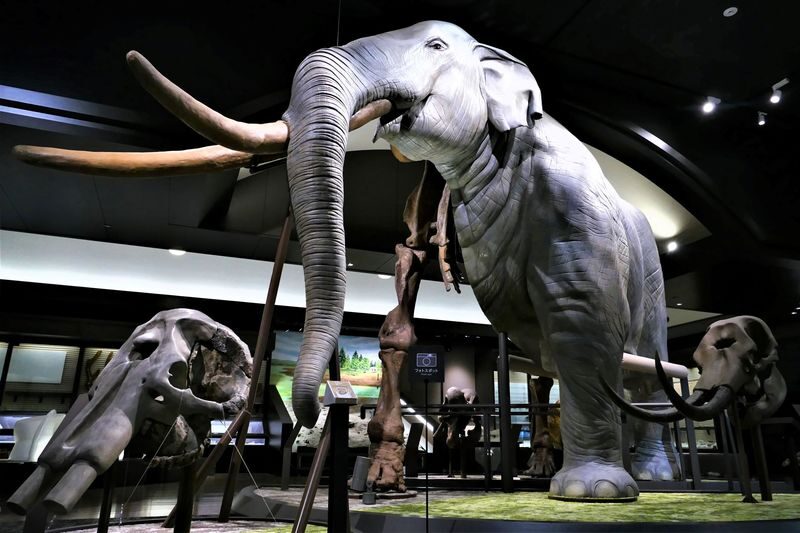
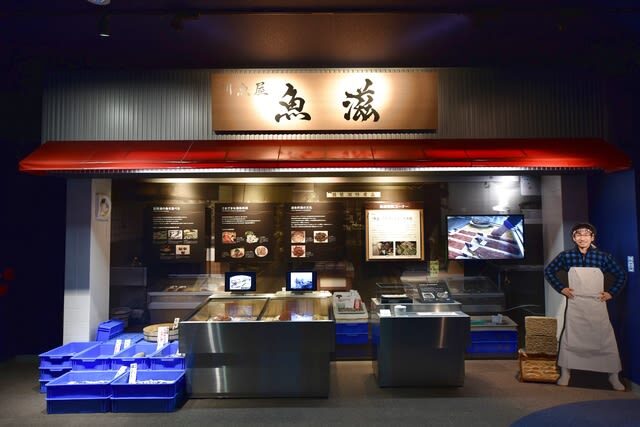
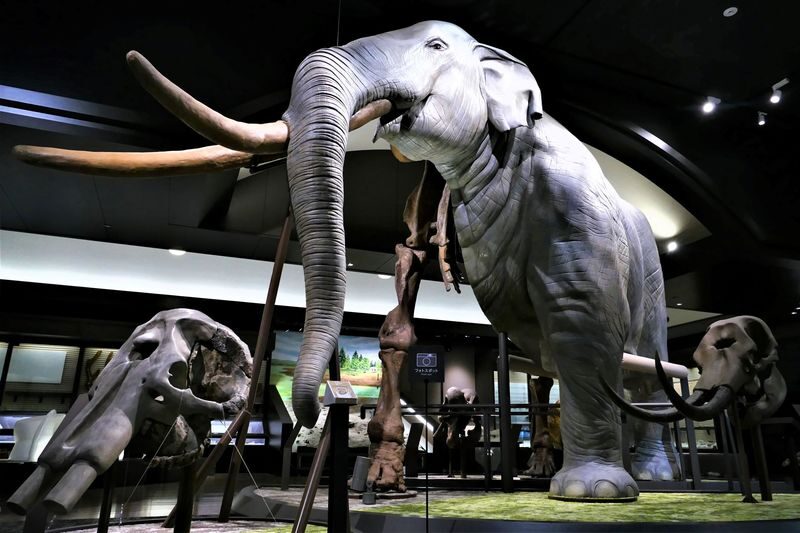
The museum’s central idea is simple: understand Lake Biwa through its relationship with the land, its wildlife, and the people around it. That makes this more than an aquarium visit. You begin with the lake’s long geological story, then move through its living systems and human history, ending up with a clearer picture of how one body of water shapes daily life in Shiga.
Lake Biwa is Japan’s largest lake and one of the world’s rare ancient lakes. Its age helps explain why it supports more than 2,000 species, including endemic organisms that occur nowhere else. The museum uses that story to give the local wildlife context: these are not just fish behind glass, but part of a distinctive ecosystem with a long past.
I like that the permanent exhibition is organized around lakes and people, rather than treating science as a series of isolated facts. If you are visiting Shiga, the displays can help you read the place around you. The lake becomes a living system with a history, not simply a view from the shore.
You can also read our reviews of more tours and experiences in Kusatsu.

Follow three threads through the permanent exhibition
The permanent exhibition has three broad strands: geological history, human history, and nature connected to everyday life. Taken together, they make a useful route through the subject, even if you do not follow every label in order.
Start with the geological story to learn how Lake Biwa formed and changed. This gives the rest of the museum a time scale: the water and its inhabitants have not always been as they are now. From there, the human-history displays explore how people have lived around the lake, and the nature exhibits bring the subject into the present.
The museum also considers the connection between modern people and the lake. That matters because a lake is not only a habitat. It is part of the region’s culture and daily life, and its health is tied to the choices people make around it. The exhibits offer a way to think about that connection without turning the visit into a lecture.
You can get a quick overview in about an hour, but that is a brisk visit. If you want time to read, watch the aquarium, and let children explore, set aside two to three hours. One visitor who spent about two hours wished for more time, while another found an hour enough for a quick look. Your pace depends on how much you stop.
Give the freshwater aquarium time
The aquatic exhibition is one of the museum’s main draws. It covers creatures from Lake Biwa and other lakes, with the broader museum setting helping you understand how freshwater habitats differ from the sea. The aquarium area covers about 2,000 square meters, so it is a substantial part of the visit rather than a token row of tanks.
The tunnel aquarium is designed to make you feel as if you are at the bottom of the lake. When open, it gives a different perspective from viewing fish through a standard tank: you can look around and above you, with the water forming the setting. It is one of the features to check on before you go, since some tanks, including the tunnel tank and the Biwa Giant Catfish and Koayu tanks, have been listed as unavailable during safety inspections.
The aquarium has also featured seals, which children have found especially captivating. The available information does not promise that every animal or tank will be on view at every visit, so treat the aquarium as an important part of the museum, but not a guarantee of specific sightings. Check the museum’s official website for current exhibit conditions.
The temporary closure information supplied for this ticket says the aquatic exhibition room was partially reopened from May 9, 2023, while certain tanks remained closed for safety checks. That notice may not reflect today’s conditions. A quick check before travelling is especially worthwhile if the tunnel or a particular animal is your main reason for coming.
Let children explore, not just look
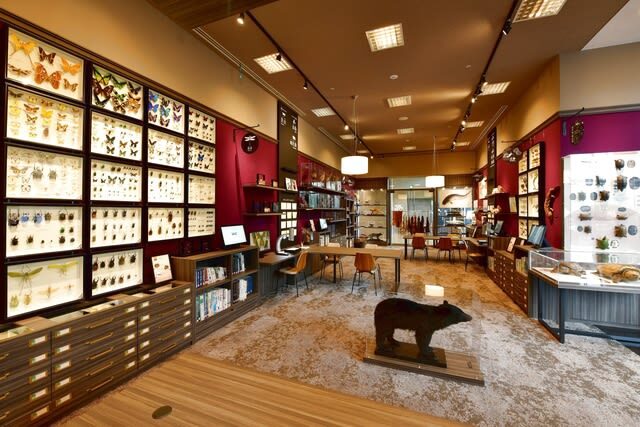
The Discovery and Exploration room changes the rhythm of the museum. It has microscopes and opportunities to observe and touch biological, geological, and cultural specimens. That hands-on element can make a visit more engaging for children who need a break from reading labels and looking through glass.
The museum is also a practical choice for a rainy day with children. The building is spacious, and the permanent exhibition covers several subjects, giving elementary-school-age children plenty to look at. Preschoolers and school-age children are admitted free, as are people under 18 generally, so families can get a lot from the visit without paying adult admission for the children.
There is room for a mixed-age family to move at different speeds. A child can linger at an aquarium tank while an adult reads about the lake’s geology, then everyone can regroup in the hands-on area. Still, this is a museum, not a play centre, and the amount of reading and looking may suit curious children best.
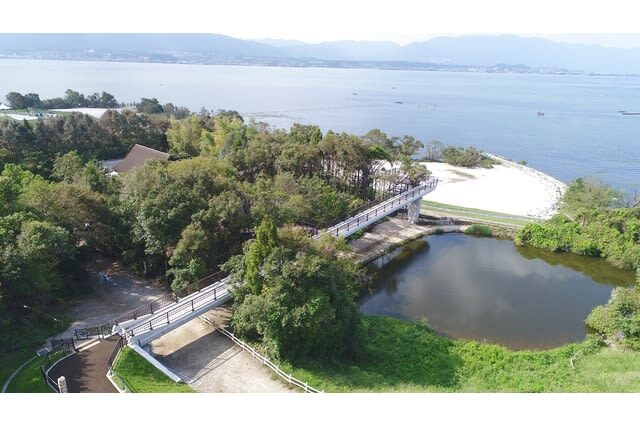
The museum grounds are large, and the lake is right nearby, so the outing can feel broader than an indoor visit. A short stop can work, but if you have the time, give the exhibits a proper run rather than treating the museum as a quick photo stop.
Is $5.29 good value?
At a starting price of $5.29, admission is inexpensive for a museum with three permanent exhibition areas, a large freshwater aquarium, and a hands-on discovery room. The value is strongest if you give yourself a couple of hours and take time to connect the geology, wildlife, and human-history displays.
There are a few extra reasons the visit can be good value for families. Admission is free for people under 18, people with a disability certificate, and Shiga Prefecture residents aged 65 and over. The permanent exhibition ticket does not include personal expenses or tips, and it cannot be combined with other coupons or discounts.
Parking is described as free in visitor accounts when using the museum, though the supplied ticket details do not list it as an included feature. If you are driving, check the museum’s own parking guidance before you leave. There is also a restaurant inside the museum, where black bass tempura has been a popular meal; it is a local-leaning choice if you want lunch without leaving the grounds.
Buying the mobile ticket can be convenient, particularly if you want to avoid purchasing at the counter. But it does not shorten waiting times, so do not treat it as a queue-skipping pass. The main benefit is having admission arranged in advance, not guaranteed faster entry.
Reach the museum from Kusatsu Station
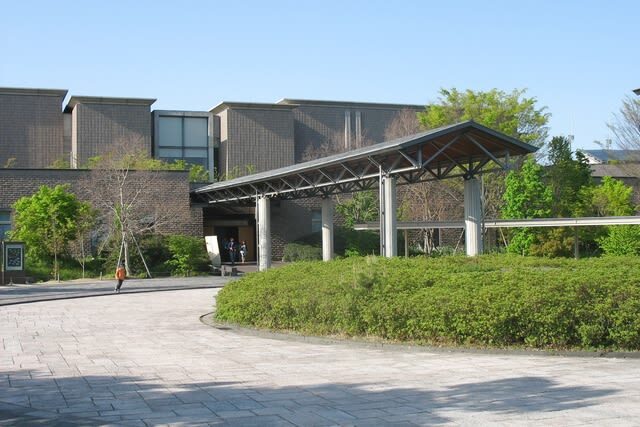
The museum is at 1091 Oroshimocho, Kusatsu, Shiga 525-0001. By public transport, take the Ohmi Railway bus bound for the Lake Biwa Museum from bus stop 2 at the west exit of JR Kusatsu Station. The ride takes about 25 minutes, and the museum stop is right by the facility.
The bus schedule is the key detail. Service is infrequent, so check departure and return times before you set out. Missing a bus can affect how long you have at the museum or how you get back, so build your visit around the timetable rather than assuming you can catch the next one soon.
Driving is another option. The museum is about 30 minutes from Ritto Interchange on the Meishin Expressway, or about 35 minutes from Seta-Nishi Interchange on the Meishin Expressway and Kusatsu-Tanokami Interchange on the Shin-Meishin Expressway. If you are combining the museum with other stops around the lake, a car can make the day easier to plan.
The museum can suspend operations in stormy weather, and it does not compensate for travel expenses if that happens. Check for notices before making the journey, especially if the museum is the main purpose of your day.
Sort out the mobile voucher before arrival
This ticket is for the permanent exhibition. To enter, open your voucher in the Klook app or website and show it on a smartphone or other internet-connected device. The museum staff must operate the electronic voucher at entry. Do not activate or operate it yourself, since doing so can invalidate the ticket.
Make sure you can access the voucher online. The instructions warn that it may not load where there is no Wi-Fi, and you cannot use the ticket if you cannot present it to staff. Check it while you still have a reliable connection.
The voucher is valid for 90 days from the participation date and expires at 23:59 on the final day. The ticket is nonrefundable, so confirm your plans before buying. This permanent exhibition ticket does not include a special exhibition; if one is a priority, check the museum’s ticket information separately.
Regular opening hours are 9:30 a.m. to 5 p.m., with last admission at 4 p.m. The museum is closed on Mondays. Pets are not permitted, except guide dogs, service dogs, and hearing dogs, and the museum cannot hold luggage.
Who should make room for this stop?
I would put the Lake Biwa Museum high on the list if you are staying in Shiga, travelling with children, or interested in freshwater wildlife and the natural history of Japan. It is also a strong rainy-day option, with enough variety to hold attention beyond a single aquarium room.
It is less convenient if you are relying on public transport and have not checked the bus schedule. The museum is outside central Kusatsu, and you will want to plan the return journey as carefully as the trip out. If you have only a short window in the area, the bus timing and a two-to-three-hour visit may make the day feel tight.
Book it if you want to understand Lake Biwa as an ecosystem and a part of local life, not just admire it from the shore. Skip it if you only want a guaranteed tunnel-aquarium visit and have not confirmed that the tunnel is open. For a modest admission price, it offers a thoughtful mix of science, local history, and live freshwater exhibits, with the caveat that aquarium availability can change.
Lake Biwa Museum Adimission in Shiga
“Experience the convenience of booking with Klook: Arrived at a crowded entrance, used Klook on the spot, and saved 15 minutes!”
FAQ
How long should I plan for the Lake Biwa Museum?
Plan for about two to three hours if you want time for the exhibition rooms, aquarium, and Discovery and Exploration room. A quicker visit may take around an hour, but you will have less time to read and explore.
How much does admission cost?
The ticket is listed from $5.29. The price may vary by booking option, so check the amount shown when you book.
Are children admitted free?
Yes. Admission is free for individuals under 18, including elementary, middle, and high school students.
What are the museum’s opening hours?
The museum is open Tuesday to Sunday from 9:30 a.m. to 5 p.m. Last admission is at 4 p.m. It is closed on Mondays.
How do I get to the museum from Kusatsu Station?
Take the Ohmi Railway bus bound for the Lake Biwa Museum from bus stop 2 at the west exit of JR Kusatsu Station. The ride takes about 25 minutes, and the museum stop is immediately by the facility.
Is the tunnel aquarium open?
The supplied information says the tunnel tank and some other aquariums have been closed during safety inspections. Conditions can change, so check the museum’s official website before your visit.
What does the ticket include?
It includes admission to the permanent exhibition. Personal expenses, tips, and admission to any special exhibition are not included.
How do I use the mobile voucher?
Open the voucher through the Klook app or website and show it to museum staff on a smartphone or another internet-connected device. Staff must operate the electronic voucher, so do not activate it yourself.
Can I cancel the ticket?
No. The ticket is nonrefundable and cannot be cancelled.
Is the museum accessible by car?
Yes. It is about 30 minutes from Ritto Interchange, or about 35 minutes from Seta-Nishi Interchange or Kusatsu-Tanokami Interchange. Free parking has been reported for museum visitors, but check the museum’s current parking information before travelling.