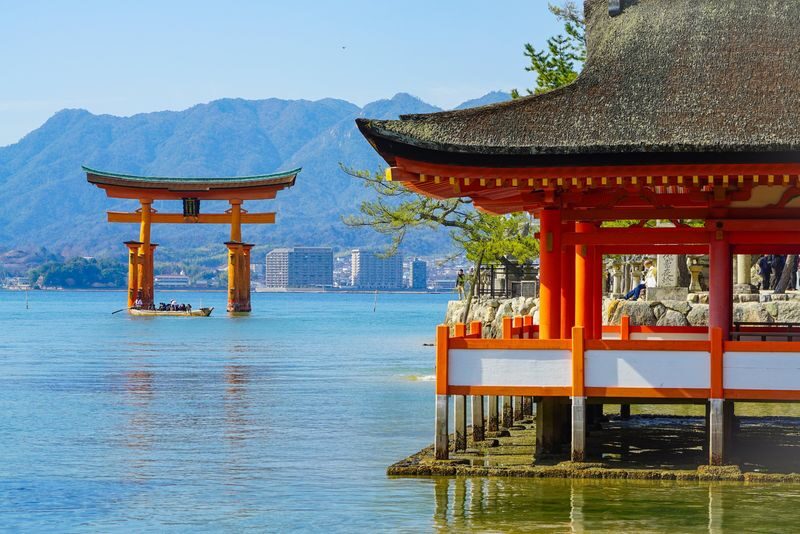
Miyajima’s famous Otorii Gate changes its character with the tide: sometimes it rises from the water, sometimes you can walk out toward it. This half-day walk pairs that striking sight with Itsukushima Shrine, a temple visit and a local lunch, so you get more than a quick photo stop.
I like that the guide puts Shinto and Buddhism in context as you visit places tied to both traditions. I also like that the tour includes admissions and lunch, making the price easier to judge than a bare-bones walking tour. One consideration: it is a long, active outing, and the ferry fare is extra.
- What to know before you go
- A full half-day, not just a shrine visit
- The ferry crossing sets the scene
- Meeting the Otorii at the water’s edge
- Itsukushima Shrine and a building shaped by the tides
- Daishoin, the museum and island stories
- Lunch and the pleasure of eating locally
- Is the price fair?
- Walking, weather and practical trade-offs
- Who should book this Miyajima walk?
- FAQ
- How long does the tour last?
- Where does the tour meet?
- What departure times can I choose?
- Is the ferry fare included?
- What is included in the tour?
- Are vegetarian or vegan meals available?
- Is this tour suitable for people with mobility issues?
- What should I bring for hot weather?
- Can I cancel for a refund?
- More Tours in Hatsukaichi
- More Tour Reviews in Hatsukaichi
What to know before you go
- The Otorii is tide-dependent: You may see it standing in the water or be able to approach it on foot, depending on the timing.
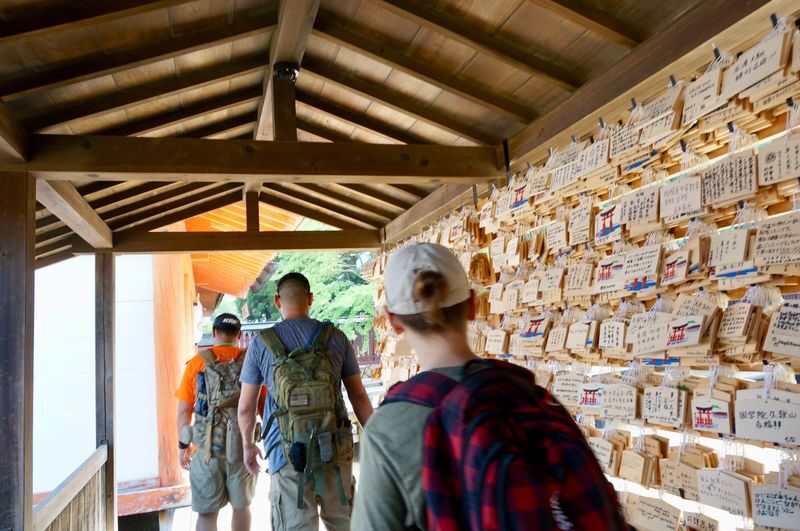
- Three cultural stops add substance: The route includes Itsukushima Shrine, Daishoin Temple and the Miyajima History and Folklore Museum.
- A guide explains the religious context: Expect conversation about how Shinto and Buddhism differ, alongside island history and customs.
- Lunch is included, the ferry is not: Budget separately for the boat ride to Miyajima.
- Plan for plenty of walking: The tour is not recommended for people with mobility issues, and some locations are not wheelchair or stroller accessible.
- Heat and rain can affect the day: Bring water and a hat in summer; the guide may adjust the route for conditions.
A full half-day, not just a shrine visit
Miyajima is often treated as a quick stop for the big red gate, but the island has more to offer than its best-known view. This guided walk adds the shrine’s design, the island’s religious traditions, a museum visit and Daishoin Temple. You leave with a better sense of why Miyajima is considered sacred, rather than simply a camera roll full of the same landmark.
The tour lasts about five hours, though the schedule and past outings point to roughly five to five and a half hours from start to return. It begins at JR Miyajimaguchi Station, crosses to the island by ferry and finishes back near the station. You should treat the end time as an estimate, since weather and traffic can affect the schedule.
That length is useful if you want a substantial visit without planning every stop yourself. It is less appealing if you want a relaxed, unstructured day with long stretches for shopping or independent wandering. The guide sets the pace, and the walking is part of the deal.
You can also read our reviews of more tours and experiences in Hatsukaichi.

The ferry crossing sets the scene
You meet outside JR Miyajimaguchi Station, in front of the coin-operated lockers. Look for the guide holding an orange Magical Trip sign. Available departures are 9:30 or 10:00, with your chosen time confirmed after booking. Arrive on time: late arrivals and no-shows are not refundable.
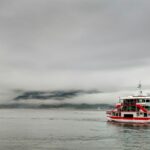
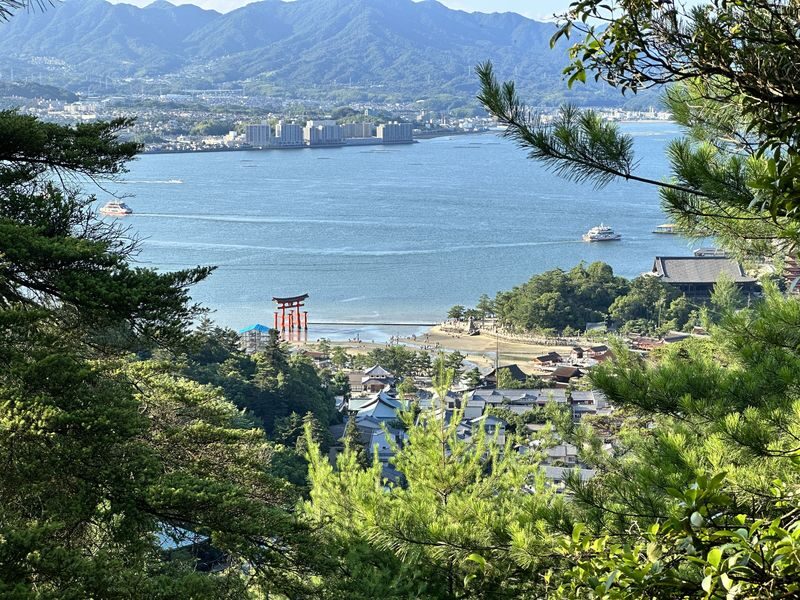
The ferry fare is not included, so have room in your budget for that separate cost. The crossing offers views of the Seto Inland Sea and, as the island comes into sight, the Otorii. It is a fitting introduction, though the precise view of the gate depends on the tide and conditions.
A ferry ride also makes the trip feel like a proper island outing rather than a land-based excursion with a famous photo stop attached. Keep in mind that this is a group tour, not a private boat experience. The tour information does not specify group size, and a small group on one date should not be taken as a promise of the same size every time.
Meeting the Otorii at the water’s edge
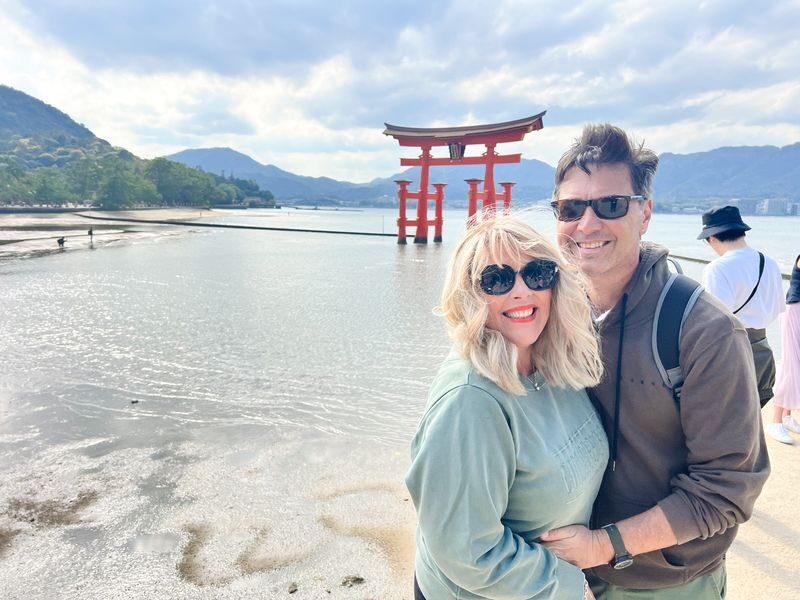
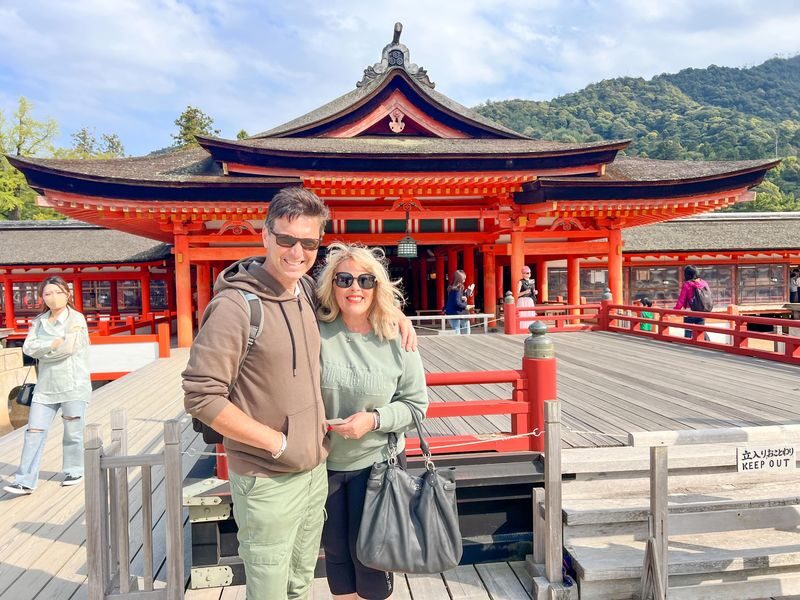
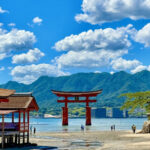
After arriving, the route takes you along the coast toward the Otorii and Itsukushima Shrine. The gate is one of Miyajima’s defining sights, but its changing relationship with the tide is what makes the visit more interesting. At high water it appears to float; at low water, the shore opens up and you may be able to walk toward it.
You cannot count on seeing both conditions during one tour. One participant on a July outing did, as the tide shifted during the day, but that is a happy possibility rather than a schedule guarantee. If seeing the gate at a particular tide matters to you, check local tide times for your date and understand that the group route may not match your preferred window.
The coastal walk is also a chance to see the island beyond the landmark. There are places to stop for snacks, drinks and souvenirs, though the tour’s main focus is cultural sightseeing rather than shopping time. If you want to linger at every shop, you may need to return to Miyajima independently.
Itsukushima Shrine and a building shaped by the tides
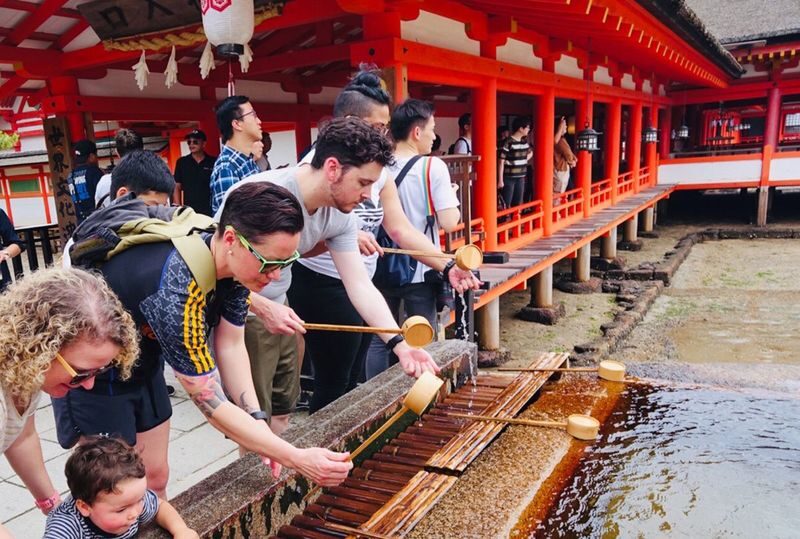
Itsukushima Shrine is the central historical stop. Built in the Heian period, between 794 and 1192, it is known for an architectural layout that responds to the tides. The buildings’ position above the water gives the complex its distinct character, and the guide can help explain why the site matters within the island’s religious life.
Admission to the shrine is included, as are admissions to the other shrines, temples and museum on the route. That helps keep the day simple: you are not stopping repeatedly to sort out entry fees. The tour is especially useful here if you want more than a walk through the buildings and a quick look at the gate.
The visit is still a guided group stop, so you should not expect unlimited time to explore each corner at your own pace. If you have a particular interest in shrine architecture or photography, tell your guide what you are keen to see. The tour’s value lies in connecting the sights, not in giving you a full day at the shrine alone.
Daishoin, the museum and island stories
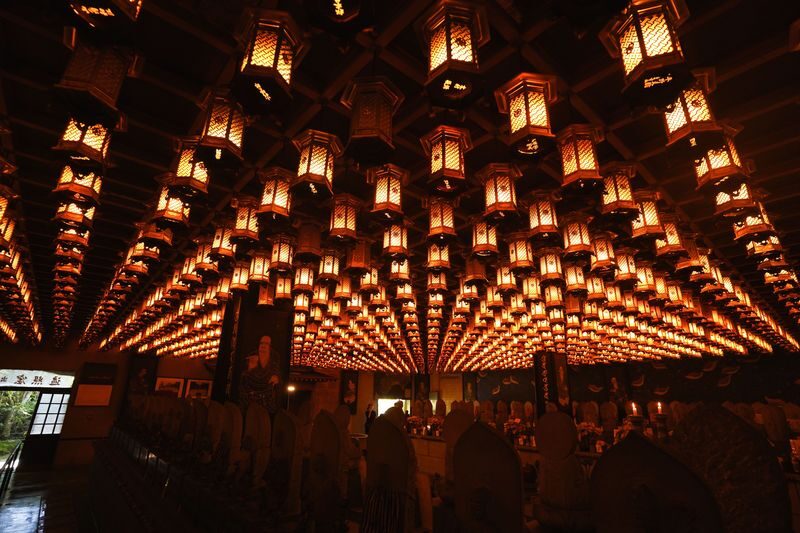
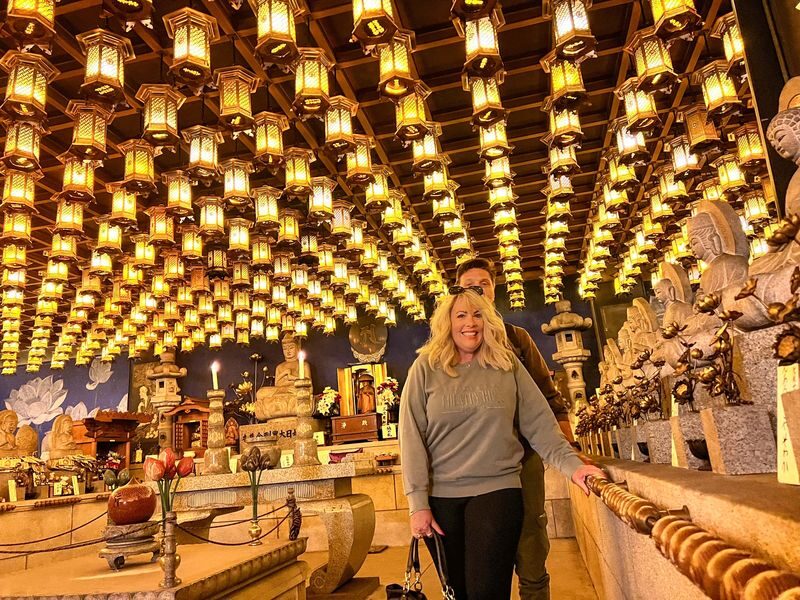
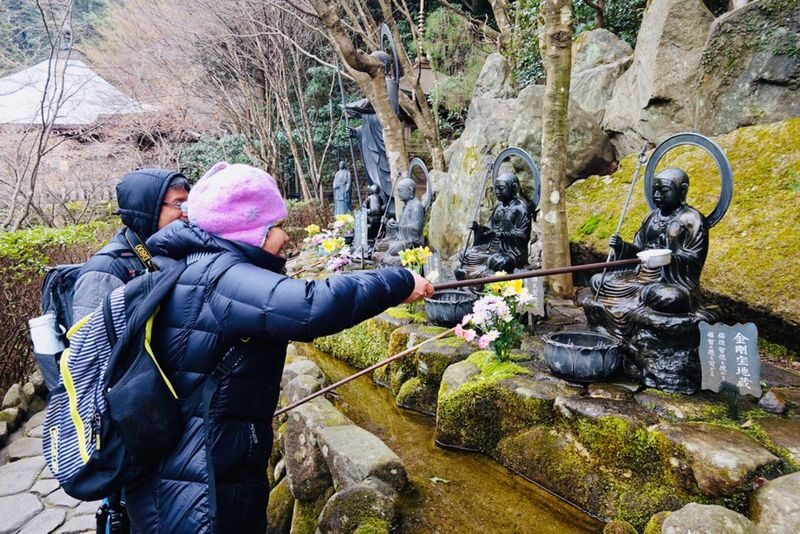
The itinerary also includes Daishoin Temple and the Miyajima History and Folklore Museum. Together, these stops give the day a broader frame: the shrine shows one face of Miyajima’s sacred identity, while the temple and museum help bring other layers of island culture and history into view.
The guide explains differences between Shinto and Buddhism, a useful topic in Japan, where the two traditions have often existed alongside each other. Instead of treating every religious site as interchangeable, you can ask questions and get a local perspective on how the island’s customs developed. Guides named Kaori, Kiki, Kaz, Hiro and Eri have been praised for clear English, friendly conversation and concise historical explanations. Your guide may be someone else, but these qualities are central to what makes this kind of tour worthwhile.
The museum is a welcome change of pace from walking outdoors, especially if rain comes through. One guide adjusted the route during heavy rain, and another kept a group comfortable through a very hot day. That flexibility is reassuring, but it does not mean the schedule is fixed or that poor weather disappears. Bring suitable clothing and be ready for the day to shift a little.


Lunch and the pleasure of eating locally
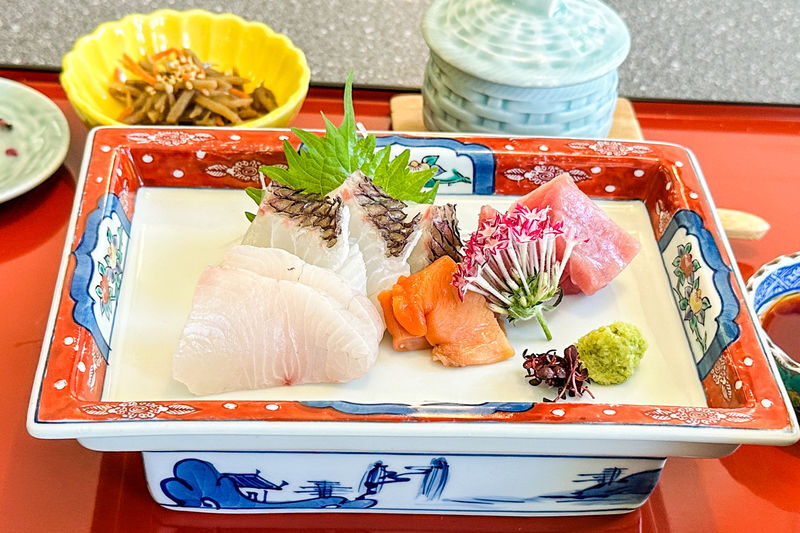
Lunch at a Japanese restaurant is included, giving you a proper break rather than leaving you to find food between stops. The meal is described as local Hiroshima fare, and the tour highlights Miyajima treats such as fresh oysters and fried momiji dumplings. These are worth seeking out, but do not assume every named specialty is part of the included lunch. You may want a little extra spending money for snacks or treats along the way.
Vegetarian and vegan options are available but limited. Tell the operator about dietary needs or allergies at least one day before the tour. Food is prepared in kitchens outside the operator’s control, so allergy-free meals and specific substitutions cannot be guaranteed. If your diet is strict, this is a real limitation, not a minor footnote.
The included meal adds value and helps the day feel less like a march between sights. Still, it will suit you best if you are flexible about what is served. If you need a precise menu, contact the operator before booking rather than expecting the guide to arrange a special meal on the day.
Is the price fair?
The price information gives a starting figure of $81.99, while the named package is also shown from $101.99. Prices can vary, so check the amount for your date and selected option before paying. The ferry fee is extra, while a professional English-speaking guide, lunch, insurance and admissions to the included sites are listed as part of the tour.
I see the value in the combination of a guide, several cultural stops and a meal. If you were to arrange the day yourself, you could choose your own pace and perhaps spend longer at the shrine, but you would need to plan the route and make sense of the sites on your own. The guided option is most worthwhile if context matters to you and you want a ready-made route through the island.
The tour has received an overall rating of 5.0 from 15 ratings, and its operator, MagicalTrip, has 853 total reviews with a 92 percent good-review rate. Those numbers are encouraging, though they do not guarantee your guide, group size, weather or tide conditions. What appears to matter most is the guide’s manner and ability to make the history clear. Several named guides have been praised for warmth, good English, thoughtful pacing and adapting to rain or heat.
Walking, weather and practical trade-offs
This is not a wheelchair-friendly outing. Some stops are not accessible by wheelchair or stroller, and the operator advises against the tour for people with mobility issues. If walking is difficult for you, the recommendation is to consider a private tour instead. All ages are welcome, but infants and children must be included in the passenger count when booking.
The walk can feel demanding, especially in summer. Japan’s weather can bring summer highs around 40°C (110°F), while winter lows can reach -5°C (20°F). On hot days, take water and wear a hat to reduce the risk of heat illness. Comfortable walking shoes and weather-appropriate clothing are sensible choices for an outing built around several sites and outdoor paths.
Rain does not necessarily cancel the day, but it can change the route. The operator may cancel in extreme weather or unforeseen circumstances. If you are visiting during a tight schedule, leave some room around the tour rather than planning a time-critical activity immediately afterward.
Who should book this Miyajima walk?
Book it if you want a guided introduction to Miyajima that goes beyond the Otorii and shrine, and if you value clear explanations of local religion and history. It is also a good fit if you like having admissions and lunch bundled into the day and do not mind paying the ferry fare separately.
Think twice if you have limited mobility, need guaranteed allergy-safe food, or want hours of free time at each stop. The outing is active, the meal has dietary limits and the guide controls the pace. If those trade-offs work for you, this is a practical way to connect Miyajima’s coastal scenery with its sacred sites and everyday food.
Miyajima Half-day Trip Historical Walking Tour
“Etsko was an amazing guide and a very lovely person! She taught me so much about Miyajima island and all the history. It's a long tour but worth it…”
FAQ
How long does the tour last?
The tour is described as five hours. The schedule can vary with weather and traffic, and the stated return options suggest the day may run about five to five and a half hours.
Where does the tour meet?
Meet outside JR Miyajimaguchi Station, in front of the coin-operated lockers at 1 Chome-3-23 Miyajimaguchi. Your guide will hold an orange Magical Trip sign.
What departure times can I choose?
The available departure times are 9:30 and 10:00. Your selected time is confirmed after booking.
Is the ferry fare included?
No. The ferry fee to Miyajima is not included in the tour price.
What is included in the tour?
The listed inclusions are an English-speaking professional guide, lunch, insurance and admission to the shrines, temples and museum on the tour.
Are vegetarian or vegan meals available?
Vegetarian and vegan options are available but limited. Tell the operator about dietary requests or allergies at least one day in advance. Allergy-free meals and specific substitutions cannot be guaranteed.
Is this tour suitable for people with mobility issues?
It is not recommended for people with walking problems. Some locations on the route are not wheelchair or stroller accessible.
What should I bring for hot weather?
Bring water and wear a hat, especially in summer, when temperatures can reach around 40°C (110°F).
Can I cancel for a refund?
A full refund is available if you cancel at least 24 hours before the activity date, in destination local time. If extreme weather or an unforeseen event leads the operator to cancel, you can request a reschedule or full refund.