The Motorcar Museum of Japan puts about 500 cars from the 20th century under one roof, from everyday Japanese models to rare and oddball vehicles you may not find elsewhere. The collection also includes cars from abroad, so the visit is as much about comparing eras and makers as it is about spotting a favorite badge.
I like the sheer range of vehicles and the chance to see Japanese models that rarely appear in ordinary museums. I also like that the exhibits are arranged by brand and vehicle type, which gives you a useful way to make sense of a big collection. The main drawback is practical: the museum is outside central Komatsu, and getting there without a car can mean a taxi or a long walk.
- Key points to know before you go
- A car collection with real breadth
- Three floors, with the tour starting at the top
- What you can expect from the exhibits
- How much time to set aside
- Getting to the museum from Komatsu or Kanazawa
- Is the .59 starting price good value?
- Opening hours and practical details
- Who should make the trip?
- Should you book the Motorcar Museum of Japan?
- FAQ
- Where is the Motorcar Museum of Japan?
- How much does admission cost?
- What is included in the ticket?
- How many cars are on display?
- What kinds of vehicles can I see?
- What are the opening hours?
- Is the museum open on Wednesdays?
- Is there an age limit?
- Is the museum easy to reach without a car?
- How long is the ticket voucher valid?
- The Best Of Japan!
- More Museum Experiences in Japan
- More Tours in Japan
- More Tour Reviews in Japan
Key points to know before you go
 1 / 5
 2 / 5
 3 / 5
 4 / 5
 5 / 5
- About 500 vehicles fill three floors, including cars from Japan and other countries.
- The collection includes unusual Japanese models alongside familiar passenger cars and antique commercial vehicles.
- Exhibits are grouped by brand and vehicle type, though the overall display can feel crowded.
- English information cards are limited, so you may not get written context for every car.
- Allow about an hour as a starting point for a visit, and more if you like reading and comparing cars.
- Admission starts at $7.59, and the ticket voucher is valid for 30 days from booking confirmation.

👉 See our pick of the 14 Fantastic Tours In Japan
A car collection with real breadth
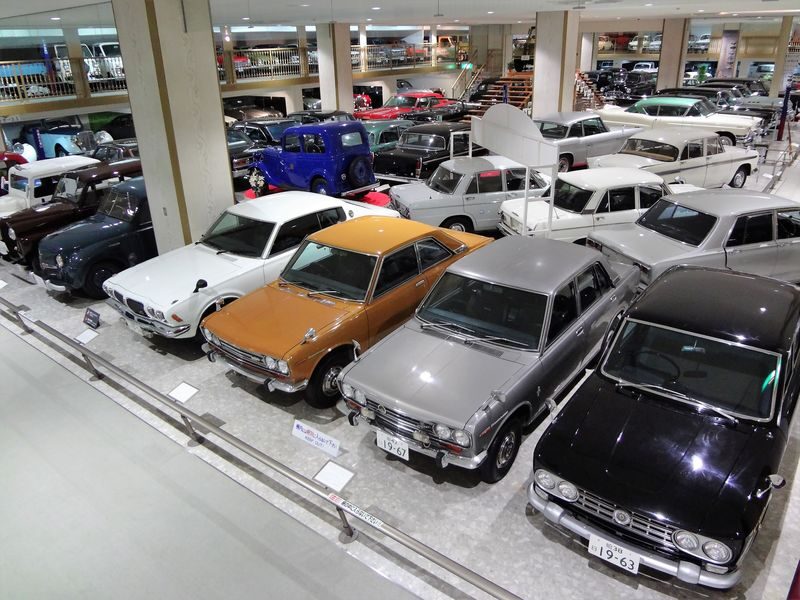
This is not a small room of polished classics with a few labels and a gift shop at the end. The museum has gathered about 500 cars that were known in Japan and abroad during the 20th century, and the range is the point. You can move from ordinary vehicles to uncommon designs, commercial models, and cars that feel like snapshots of a different era.
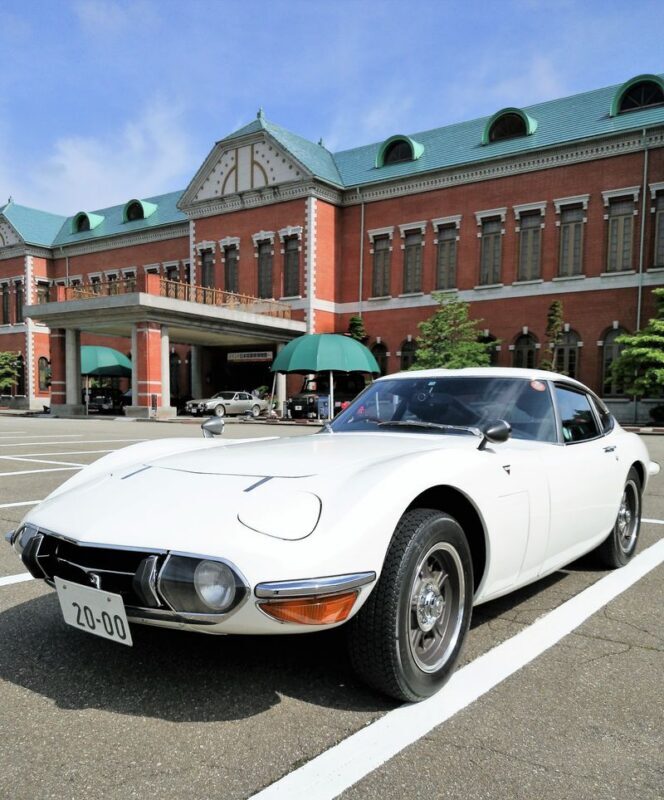
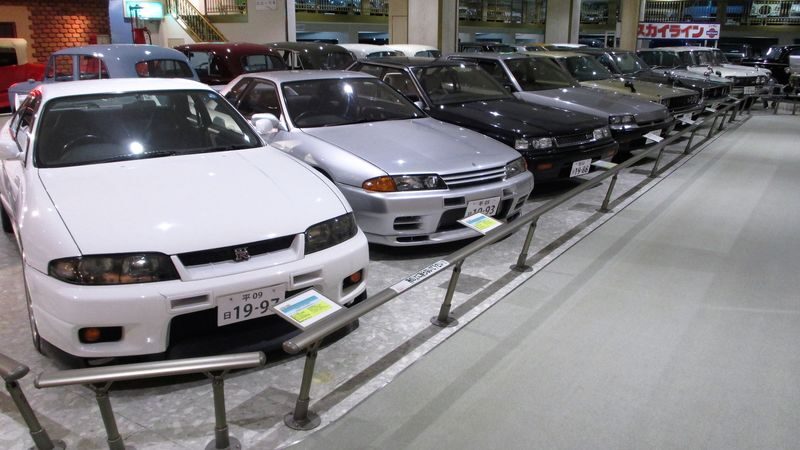
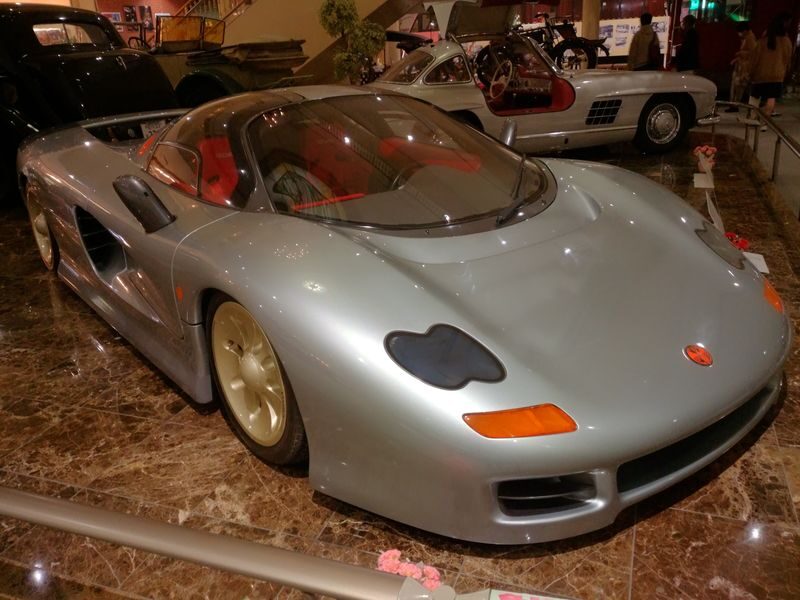
The Japanese collection is the main reason to make the trip. If you are curious about how Japanese car design changed from the 1950s onward, this is a rare chance to see many models together rather than encounter one or two in passing. Some are familiar; others are the sort of unusual or obscure cars that make you stop and ask what you are looking at.
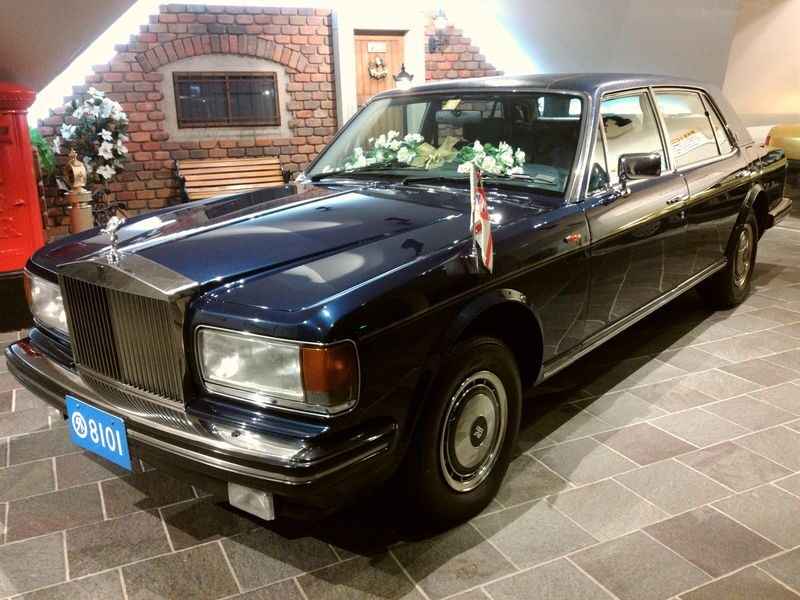
There are also vehicles from Europe and elsewhere. That wider mix gives the visit a useful frame of reference. You can compare how different makers approached the same broad period, instead of treating Japanese cars as a story in isolation.
The museum includes antique commercial vehicles as well as passenger cars. That matters if you enjoy cars beyond sports models and collectibles. A commercial vehicle can tell you something about work and daily life, while a family car or compact model can show what ordinary transport looked like in its time.
The museum describes the collection as displayed in the state of use at the time. In practical terms, that means the value is not only in seeing rare vehicles, but in seeing them as examples of the roles cars played. The cars are presented in good visible condition, according to the visitor accounts, though the dense arrangement means this is a large collection rather than a spacious gallery.
You can also read our reviews of more museum experiences in Japan


Three floors, with the tour starting at the top
The building has three floors, and the suggested route begins at the top. Escalators connect the levels, so you can work your way down through the collection rather than having to plan your own order from scratch. That simple route is helpful when there are hundreds of vehicles to take in.
The exhibits are organized by brand and vehicle type. This gives you a loose structure: you can compare models from a maker or follow a category for a while, then move on. But do not expect every car to sit in a large, clearly separated room. The collection is packed closely, and some connections between displays may be easiest to understand within smaller sections.
That density has two sides. You get a lot of cars for a modest admission price, and there is a good chance that a model or design will catch your eye around the next corner. On the other hand, the abundance can make the overall layout feel crowded or uneven. If you prefer a slow museum visit with open space around each object, this may not be your ideal setup.
The cars remain accessible to view within the display areas, but the sheer number can make it hard to give every vehicle equal attention. I would pick a few themes before you arrive: Japanese models, commercial vehicles, European cars, or unusual designs. That gives your visit a little shape without turning it into homework.
What you can expect from the exhibits
The strongest reason to visit is variety. The museum holds many different manufacturers and types, and the collection includes models that are exclusive to the museum. For a car enthusiast, that variety makes the trip worthwhile even if you do not know every make or model in advance.
You may find yourself spending as much time on the strange cars as on the famous ones. The unusual and obscure Japanese vehicles are a particular draw, while the international cars add familiar points of comparison. If you like noticing design details, this is a good place to slow down and compare body shapes, proportions, and changing ideas of what a car should be.
The collection is not only for specialists. You do not need to recognize every manufacturer to enjoy the visual range. A family member who is less interested in cars may still find the sheer number of shapes and eras entertaining, though a car fan will get the most from the displays.
One limitation is the information beside the vehicles. Only a small minority of the car information cards are in English, so you may not be able to read a full explanation for each model. That makes the museum stronger as a visual collection than as a detailed English-language history lesson. If you want context, it helps to arrive with a few topics in mind or use the visit to look closely rather than expect every car to explain itself.
How much time to set aside
One visitor spent about an hour enjoying the cars, so an hour is a reasonable starting point for a focused visit. It is not a fixed duration: someone who wants to inspect many vehicles or read all available information may stay longer, while a quick walk through will take less time.
The collection is substantial enough that a short stop can still feel full. With roughly 500 vehicles spread over three floors, you will not need to search for something to see. The challenge is choosing what deserves your attention.
I would avoid scheduling the museum as a rushed final stop just before closing. Last admission is at 4:30 p.m., and the museum closes at 5 p.m. Arriving with time to spare gives you a better chance to see the collection at your own pace.
Getting to the museum from Komatsu or Kanazawa
The address is 40 Futatsunashimachi, Komatsu, Ishikawa Prefecture, postal code 923-0345. The location is outside the city center. One visitor described it as about 30 minutes south of Kanazawa and close to the express highway, while another noted that reaching it without a car can require a taxi or a long walk.
That makes transport an important part of the decision. If you are driving and already exploring the area, the museum is an easy addition to a day out. If you are relying on public transport, check your route before setting off and be prepared to arrange a taxi. The supplied details do not give a bus route or public transit schedule, so I would not assume that the final leg is simple.
The museum’s address is also the listed meeting point. There is no guided meeting or group start time described for this admission ticket. You are buying entry to the attraction, not a transport package.



Is the $7.59 starting price good value?
At a starting price of $7.59, the ticket offers access to a collection of about 500 vehicles across three floors. If you are interested in cars, that is a lot to see for a modest admission fee. The variety, including unusual Japanese models and vehicles from abroad, is the strongest part of the value.
The calculation changes if you need to pay for a taxi or spend a long time getting there. The ticket itself is inexpensive, but transport may matter more than admission when you work out the cost of the visit. For a driver already in the area, the museum is easier to recommend on value. For someone making a special trip without a car, weigh the travel time and fare against your interest in the collection.
There is one admission option listed: an admission ticket covering entry to the attraction. No extra tour, guide, or transport is included in the package details. The ticket voucher is valid for 30 days from the booking confirmation date, expiring at 11:59 p.m. on the final day. You can cancel for a full refund before redeeming the voucher, provided you contact Klook customer service within the voucher’s validity period.
Opening hours and practical details
The museum is open from 9 a.m. to 5 p.m. Monday through Sunday, with last admission at 4:30 p.m. It is closed on Wednesdays, so check the day of your visit before setting out.
There is no age limit for this activity. That makes it a possible stop for families, though the museum’s appeal will depend on how much the group enjoys cars and how comfortable everyone is spending time among a dense display.
Because the museum is large and the English information is limited, I would treat the visit as a chance to look closely rather than expect a guided narrative. You can still get a lot from the cars themselves: compare makers, types, and eras, and keep an eye out for models you have never seen before.
Who should make the trip?
I would put this museum high on the list for car fans, especially anyone curious about Japanese vehicles beyond the best-known exports. The broad mix of makers, commercial vehicles, international cars, and unusual models gives the collection more interest than a display focused on a single marque or type.
It also suits visitors already driving around Komatsu or the wider Ishikawa area. In that case, the modest ticket price and large collection make for an appealing stop. A visit of around an hour can fit into a day without taking over the schedule.
I would think twice if you are not especially interested in cars and would need to make a difficult journey just to get here. The English labels are limited, the displays are tightly packed, and the museum is not in a central location. Those are manageable drawbacks for an enthusiast, but they can make the visit less rewarding for a casual museum-goer.
Should you book the Motorcar Museum of Japan?
Book it if you enjoy cars, want to see a wide range of Japanese models, or are already driving near Komatsu. The most compelling reason is the collection itself: about 500 vehicles, including unusual examples and international models, in one three-floor visit.
Skip it if transport is a hassle and cars are only a passing interest. For everyone else, the low starting price makes this a sensible, distinctive stop, as long as you arrive knowing that the displays are dense and English explanations are limited.
Motorcar Museum of Japan (Ishikawa)
“alot of vehicles, alot more than I thought. all well presented and many different manufacturers and types of vehicles. definitely worth a look if y…”
FAQ
Where is the Motorcar Museum of Japan?
It is at 40 Futatsunashimachi, Komatsu, Ishikawa Prefecture, Japan, postal code 923-0345.
How much does admission cost?
Admission starts at $7.59. The listed package is an admission ticket.
What is included in the ticket?
The ticket includes admission to the attraction.
How many cars are on display?
The museum has collected about 500 cars from Japan and abroad.
What kinds of vehicles can I see?
The collection includes general automobiles, antique commercial vehicles, and other models from the 20th century. Exhibits are arranged by brand and vehicle type.
What are the opening hours?
The museum is open Monday through Sunday from 9 a.m. to 5 p.m. Last admission is at 4:30 p.m.
Is the museum open on Wednesdays?
No. The museum is closed on Wednesdays.
Is there an age limit?
No. The activity has no age limit.
Is the museum easy to reach without a car?
The museum is outside the city center. Without a car, you may need to take a taxi or walk quite a long way.
How long is the ticket voucher valid?
The voucher is valid for 30 days from the booking confirmation date and expires at 11:59 p.m. on the last day.