Cape Kamui’s steep cliffs and clear sea are the draw here, but this day also packs in Otaru’s old canal district and a working whisky distillery. I like the contrast between Shakotan’s open coast and the stone buildings and copper stills at Yoichi. I also like that the route includes Shimamui Coast and Ogon Misaki, rather than giving the whole day to the better-known Cape Kamui.
The trade-off is a tightly timed schedule: you get only about two hours in Otaru, 45 minutes at the distillery and an hour at Cape Kamui. Wind, rain or a closed trail can change the day, and the long coastal walks may take more stamina than the itinerary’s short stop times suggest.
- Key points to know before you go
- A long day from Sapporo, with a lot of coast
- Otaru Canal: a quick walk, not a full city visit
- Yoichi Distillery: whisky craft in a compact stop
- Cape Kamui: the day’s biggest walk
- Shimamui Coast: a short stop for a wild shoreline
- Ogon Misaki: an end-of-day coastal view
- The guide and the pace
- Is the price good value?
- Practical details that affect your day
- Should you book this Shakotan day trip?
- FAQ
- Where does the tour depart from, and when?
- When does the tour return to Sapporo?
- What is included in the tour price?
- How long is the Cape Kamui trail?
- Is the tour guide guaranteed to provide commentary?
- Can children join the tour?
- Can I get a refund if I cancel?
- More Tours in Shakotan
- More Tour Reviews in Shakotan
Key points to know before you go
 1 / 10
 2 / 10
 3 / 10
 4 / 10
 5 / 10
 6 / 10
 7 / 10
 8 / 10
 9 / 10
 10 / 10
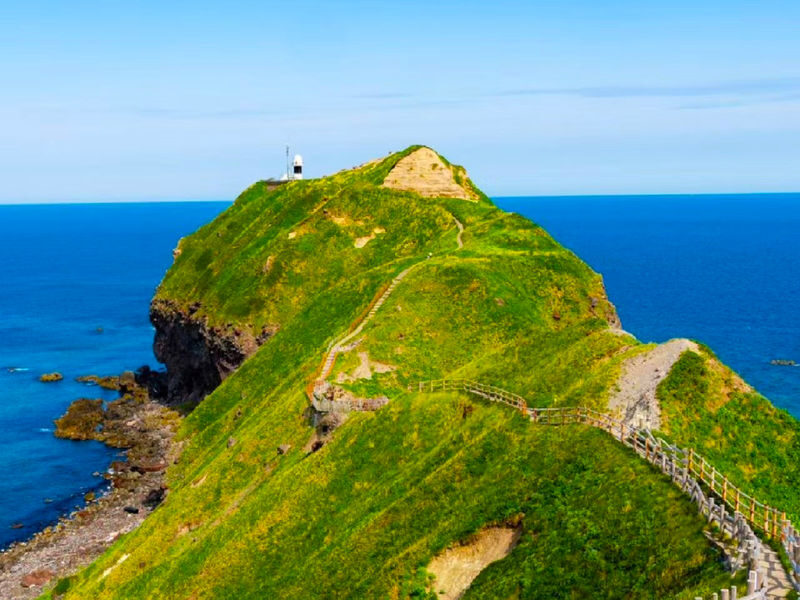
- Cape Kamui’s 770-meter path leads toward Kamui Rock and a lighthouse, with broad views over the Sea of Japan when conditions allow.
- The distillery stop is brief. You have 45 minutes to see Yoichi’s traditional buildings and learn about its direct coal-fired whisky-making.
- Otaru gets two hours, enough for a focused canal-area walk, but not a leisurely look at the whole city.
- The coast is the main event. Shimamui and Ogon Misaki add variety, though their short stops mean you will need to move promptly.
- The listed prices vary by package. The tour is advertised from $44.25, while the described assembly-point option starts at $63.20 and collection at $67.75.
A long day from Sapporo, with a lot of coast
The tour leaves from the north exit of JR Sapporo Station at 8:40 a.m. and is scheduled to return to Sapporo Station at 6:30 p.m. That gives you a full day out, with the coach making a practical difference: Otaru, Yoichi and the Shakotan Peninsula are not a simple set of stops to connect independently in one day.
Expect plenty of time on the road as well as at the sights. This is a shared ride, and the vehicle depends on the number of people booked. For groups of fewer than 12, the operator may use a smaller vehicle with a driver but no separate guide; larger groups are assigned a driver and guide. Some guides have offered commentary in English, Chinese and Japanese, and individual guides such as Mark, Rick, Xiaoma, BC and Kiki have been named on past trips. Who leads your departure will vary.
The itinerary is fixed, and the guide can wait only five minutes if you are late to the coach. That rule matters at small stops, where a restroom visit or a few extra photos can quickly eat into your time. Keep an eye on the departure time and ask the guide where to meet before wandering off.
You can also read our reviews of more tours and experiences in Shakotan.


Otaru Canal: a quick walk, not a full city visit
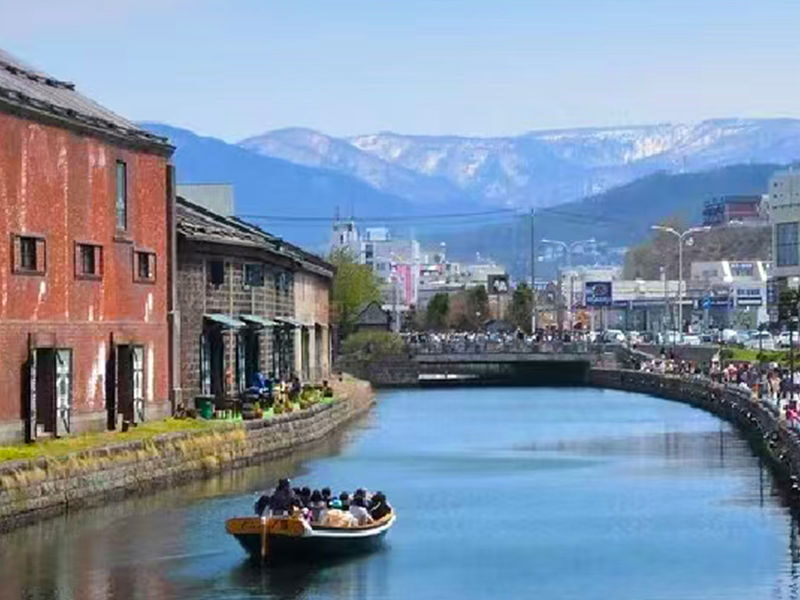
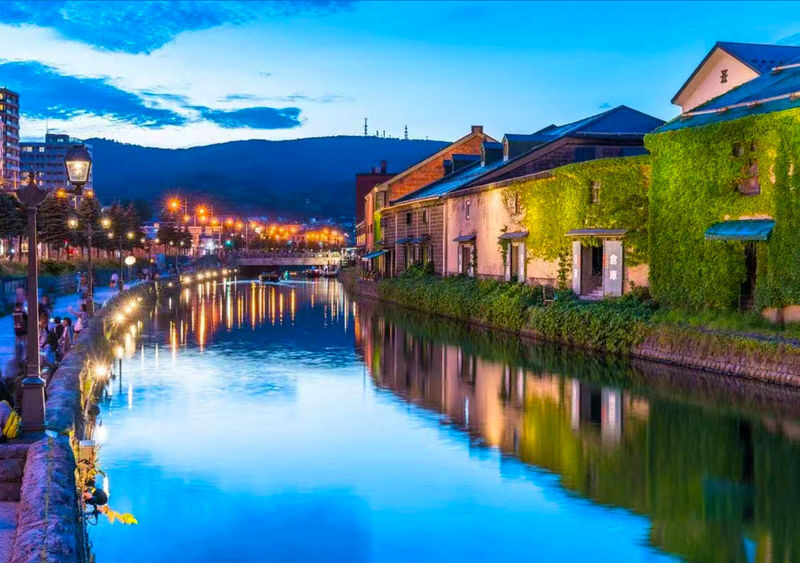
The first stop is Otaru Canal, scheduled for around 10 a.m. The canal was completed in 1923 and runs for 1,140 meters, with brick warehouses along its banks. Many have become shops and cafes, and the area’s old industrial setting gives the walk more character than a simple waterfront photo stop.
You have about two hours here. That should give you time to walk a stretch of the canal and explore nearby streets, perhaps including Kitaichi Glass Otaru. Its No. 3 Building occupies a former Meiji-era warehouse and is a useful stop if you want to see Otaru’s glassmaking tradition in a historic setting. Still, two hours is a sampler. If you want to browse shops, linger over a meal and see more of the city, plan a separate Otaru visit.
The canal is often associated with the film Love Letter, and its kerosene lamps and red-brick buildings are especially atmospheric at dusk. But this tour reaches Otaru in the morning, so do not book it expecting the evening glow. The time of day changes the mood: you get a look at the canal district without the nighttime scene.
Yoichi Distillery: whisky craft in a compact stop
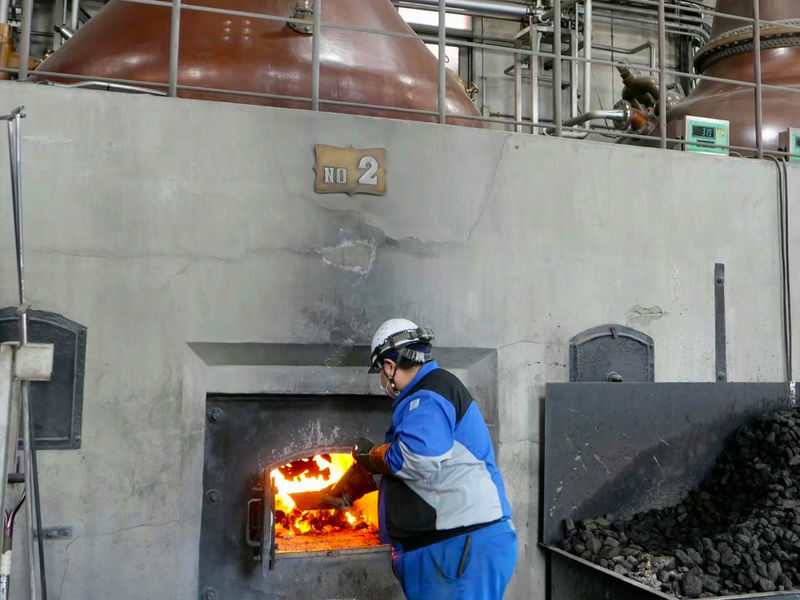
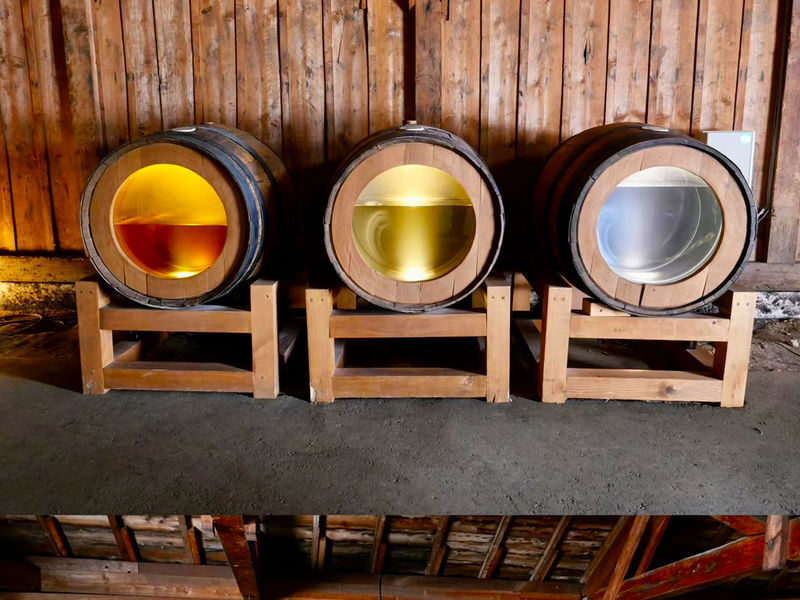
At about 12:30 p.m., the coach reaches Yoichi Distillery for a 45-minute visit. Masataka Taketsuru studied whisky-making in Scotland before choosing Yoichi for its cool conditions and spring-fed setting. The stone buildings, copper pot stills and rows of oak barrels help make this more than a quick tasting-room stop.
The distillery is known for direct coal-fired distillation, a method that gives its whisky a distinctive smoky character. The tour information also notes the use of new oak barrels, called virgin casks, for maturation. It is an unusual way to see how place and production choices shape a spirit, even if your visit is too short for a slow, detailed exploration.
Treat 45 minutes as an introduction, not a full distillery tour. The schedule does not promise a tasting, and meals and drinks are not included in the tour price. If whisky is your main interest, check what access is available on your date before you go, and do not assume the stop includes a particular tasting or guided experience.
Cape Kamui: the day’s biggest walk
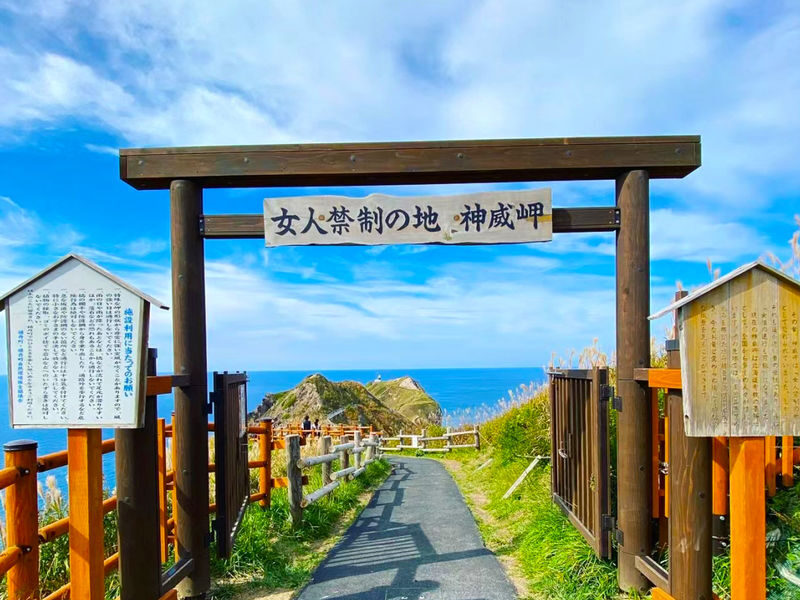
Cape Kamui is the signature stop, reached at about 2:15 p.m. Its cliffs rise roughly 80 meters above the sea, and the 770-meter path leads toward Kamui Rock and the lighthouse. From the peninsula, the views can sweep across a wide arc of the Sea of Japan. The unusually clear water is known locally as Shakotan Blue.
The path gives this stop its appeal, but it also makes the tour more demanding than a bus-window sightseeing day. You have about an hour, and that time must cover the walk, views and return to the vehicle. Wear shoes you can walk in, keep your pace steady and leave time to get back before the group departs. The tour details flag physical stamina as a consideration, and the route may not suit anyone with a fear of heights or certain health conditions.
Cape Kamui also carries an Ainu legend about a young woman whose tragic love story is tied to the place. The cape was historically described as forbidden to women, a detail that adds context to its stark reputation. The story belongs to the site’s cultural history, but the main experience is still the exposed coast and the walk.
Weather can make a real difference here. Strong wind, rain or safety conditions may close the trail, as has happened on past departures. The tour may not have room to replace a closed trail with a longer Otaru visit, so go in expecting that the schedule can change and that a closure may mean missing the main walk.
Shimamui Coast: a short stop for a wild shoreline
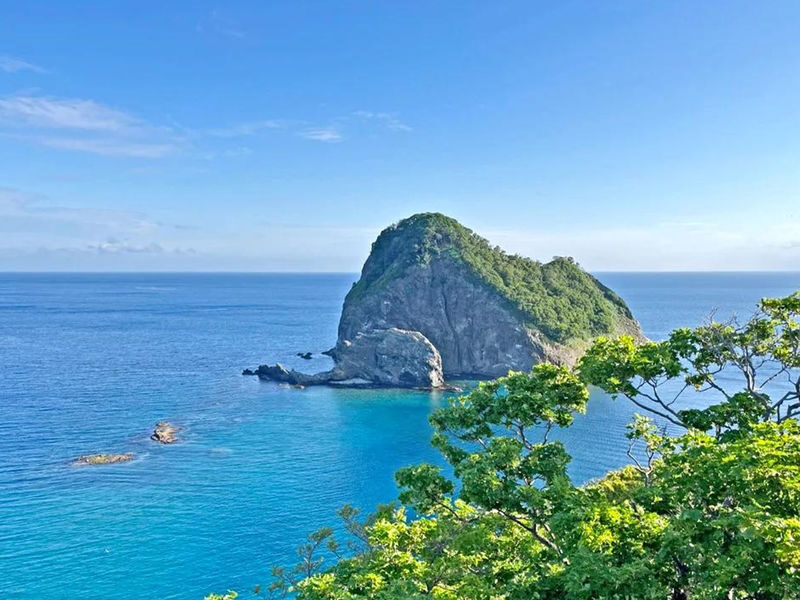
The planned stop at Shimamui Coast is about 20 minutes. This is a quick chance to see the contrast between rocky shore, reef and clear water, rather than time for a long coastal walk. The area has been selected for Japan’s 100 Great Coasts, and it offers a second view of Shakotan’s rugged edge after Cape Kamui.
That brief visit can feel like a bonus or a tease. If you like scenery and want to collect several viewpoints in one day, it adds useful variety. If you prefer to sit with a place, take a longer walk or wait for the right light, the schedule will feel rushed. The sea’s color depends on weather and visibility, so the name Shakotan Blue is not a guarantee of bright blue water on every date.
Ogon Misaki: an end-of-day coastal view
The itinerary allows about 40 minutes at Ogon Misaki, also called Golden Cape. Its cliffs and sea views offer a quieter counterpoint to Cape Kamui, with a chance to appreciate the coastline at a different angle. Heart-shaped rocks are noted as a feature of the area, and the cape is associated with broad sunset views over the Sea of Japan.
Do not count on seeing a sunset, though. The scheduled stop is around 4:20 p.m., and daylight changes with the season. The tour’s description paints a golden evening scene, but the actual light depends on the date, weather and timing. Think of Ogon Misaki as a final coastal viewpoint, with sunset as a possibility rather than a promise.
The guide and the pace
Guide service can add a lot to a day with several short stops. Some guides have provided lively multilingual commentary, helped with photos and shared practical advice, including food suggestions for Sapporo. Clear meeting instructions also matter: you should receive vehicle and guide information by email the day before, and the message may land in your spam folder.
The experience is not guaranteed to be the same every time. For smaller groups, there may be a driver but no dedicated guide, and a rainy-day departure has encountered limited flexibility when Cape Kamui’s trail was closed. Keep your phone accessible, check the operator’s message and ask any questions about the meeting point before departure. The tour is a carpool outing, not a private guide service.
The schedule leaves little room to make up time. Traffic, holidays, crowds and weather can change the order of stops, shorten visits or remove attractions. Delays of two to five hours are possible on busy days, so avoid booking a tight evening commitment back in Sapporo.
Is the price good value?
The headline price starts at $44.25, but package options list the assembly-point collection option from $63.20 and collection from $67.75. The price you see will depend on the selected option and availability, so compare the final total at checkout rather than relying on the lowest advertised figure.
The value is mainly in the transport. You avoid planning connections between Sapporo, Otaru, Yoichi and the Shakotan coast, and the tour includes tolls, parking and fuel. A multilingual guide or driver-guide may add context, though the level of commentary depends on the group and assigned staff. Meals, drinks, personal expenses and tips are extra.
For someone without a car, this is a practical way to see several places that are awkward to combine by public transport in a single day. The compromise is limited time at each stop. If you want to explore Otaru slowly, take a long distillery visit or hike at your own pace, a self-planned trip with an overnight stay may suit you better.
Practical details that affect your day
Arrive at the JR Sapporo Station North Exit meeting point by 8:30 a.m. The coach departs at 8:40, and late arrivals or no-shows are not refunded. Check your email the day before for the meeting time, vehicle details and guide contact information; the stated message window varies, so check your inbox and spam folder.
Children aged two and older pay the adult rate. Children under two may ride free only if they do not need their own seat, but participation is not recommended and the operator asks families to notify them in advance. Seniors aged 65 or older must be in suitable health and accompanied by a family member or friend aged 22 or older.
The operator lists several conditions that make the trip unsuitable, including high blood pressure, heart disease, fear of heights, asthma, epilepsy and pregnancy. The tour does not include travel or accident insurance, so consider arranging your own cover. If you have large luggage, tell the operator when booking.
Sealed, light snacks and unopened drinks may be carried on board, but eating is not allowed inside the bus. The tour does not include meals, so plan to buy food during a stop or bring something sealed for later. Follow the guide’s instructions and keep valuables with you.
Should you book this Shakotan day trip?
Book it if you want one organized day that links Otaru, a traditional whisky distillery and several stretches of Shakotan coast, especially if you are not driving. The strongest reason to go is Cape Kamui, with the extra coastline at Shimamui and Ogon Misaki making the route more varied than a simple out-and-back visit.
Skip it if you need a slow pace, want to spend most of the day in Otaru, or would be disappointed if wind or rain closed the Cape Kamui trail. It is a high-mileage, short-stop day, not a relaxed coastal retreat. Check the package and final price, arrive early and leave your Sapporo evening open. If those terms suit you, this is a convenient way to reach some of Hokkaido’s most striking coastal views.
Hokkaido West Coast Tour: Otaru & Yoichi Distillery & Shakotan Peninsula Day Trip from Sapporo
“I chose this tour because it didn't include a stop at Shiroi Koibito Park, which is often part of tours to Shakotan. Instead, I got to see the beau…”
FAQ
Where does the tour depart from, and when?
It departs at 8:40 a.m. from the north exit of JR Sapporo Station. Arrive at least 10 minutes early.
When does the tour return to Sapporo?
The scheduled return to Sapporo Station is 6:30 p.m. Traffic and weather can delay the return.
What is included in the tour price?
The price includes round-trip transfers from the meeting point, tolls, parking and fuel. Meals, drinks, personal expenses and tips are not included.
How long is the Cape Kamui trail?
The path is about 770 meters long. The planned stop is one hour, which includes time to walk and return to the vehicle.
Is the tour guide guaranteed to provide commentary?
A guide may provide commentary in English or Chinese, but groups under 12 may have a driver without a separate guide. The guide arrangement and level of commentary can vary.
Can children join the tour?
Children aged two and older pay the adult rate. Children under two can join free only if they do not occupy a separate seat, and the operator asks families to notify it in advance.
Can I get a refund if I cancel?
A full refund is available if you cancel at least 24 hours before the activity date, in destination local time. Late arrivals and no-shows are not refunded, and the operator may cancel in extreme weather, offering a reschedule or full refund.