Rusutsu is a good place to learn with a coach beside you, not just a slope and a rental counter. This six-hour lesson gives you five hours of on-snow instruction, with time to build from basic skills toward more challenging stages at the resort.
I like two things in particular: the instructors hold recognised international certifications, and you can choose English, Mandarin, or Cantonese. The main catch is that the price does not include a lift ticket, rental gear, transport, or meals, so you’ll need to budget and plan beyond the lesson fee.
- Key points before you book
- Starting with the basics at Rusutsu
- What five hours of coaching can do
- Choosing between skis and a snowboard
- Lunch, rental time, and the clock
- The price and what it leaves out
- Who will get the most from this lesson
- Booking and arrival details
- Should you book the Rusutsu lesson?
- FAQ
- How long is the lesson?
- What languages can I choose?
- What is included in the price?
- Are lift tickets and resort admission included?
- Is ski or snowboard equipment included?
- What start times are available?
- What is the minimum age, and do children pay less?
- What should I bring?
- Can I cancel for a refund?
- More Skiing Experiences in Abuta
- More Tours in Abuta
- More Tour Reviews in Abuta
Key points before you book
 1 / 8
 2 / 8
 3 / 8
 4 / 8
 5 / 8
 6 / 8
 7 / 8
 8 / 8
- Five hours on snow: The six-hour schedule includes a one-hour lunch break.
- Three teaching languages: Instructors are available in English, Mandarin, and Cantonese.
- Certified instruction: The team holds qualifications from ski and snowboard organisations in Canada, New Zealand, and Australia.
- Bring or rent your gear: Rental time can take 30 minutes to an hour, and it counts toward your lesson if your instructor accompanies you.
- Plan for extra costs: Resort admission, lift tickets, equipment rental, transport, insurance, and meals are not included.
- For ages three and up: Children pay the same rate as adults.
Starting with the basics at Rusutsu
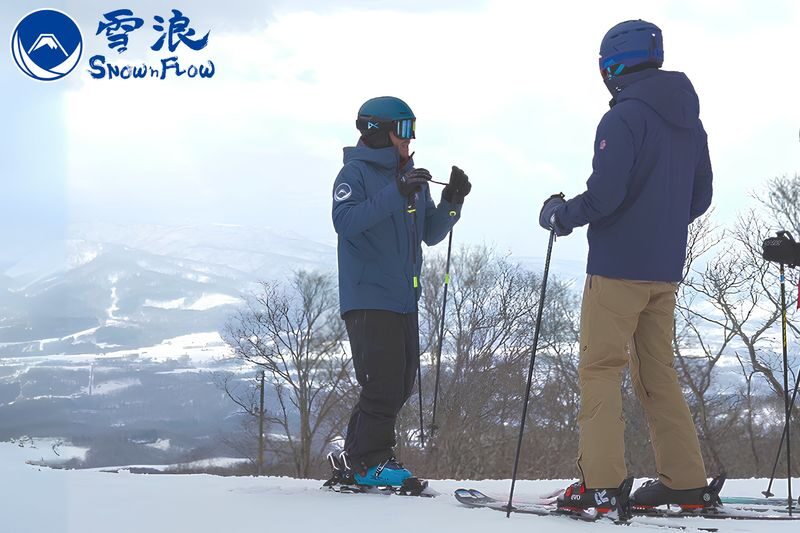
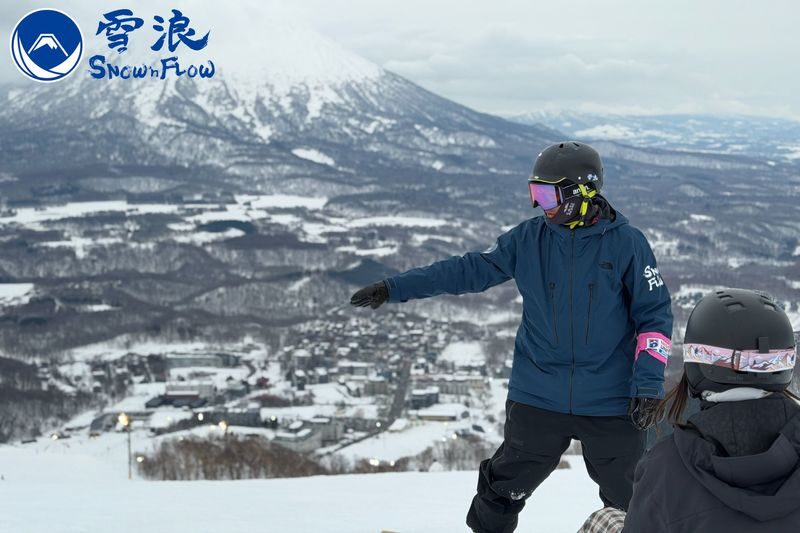
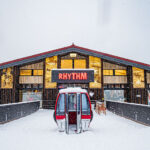
The lesson takes place at Rusutsu Resort in Hokkaido, with the instructor meeting you at the resort. The stated package runs for six hours, including a one-hour lunch break, leaving five hours for actual instruction on snow. That is a useful block of time for learning the fundamentals and practising them, rather than trying to squeeze a lesson into a short morning.
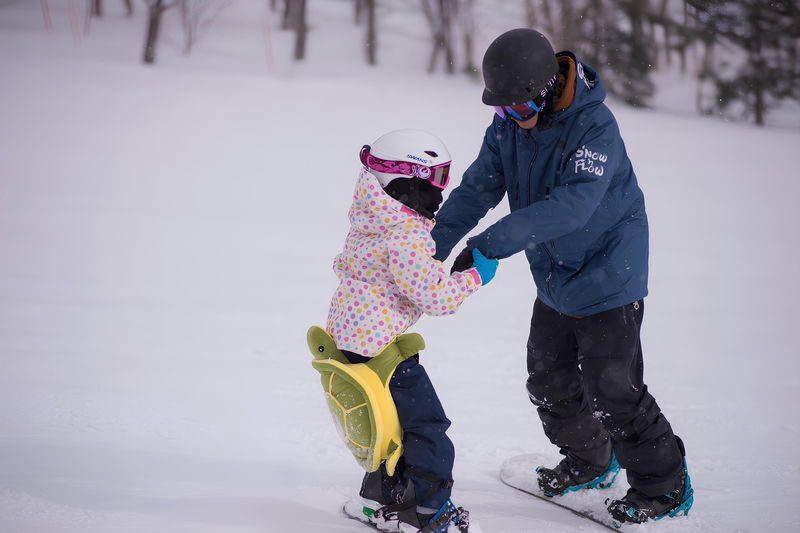
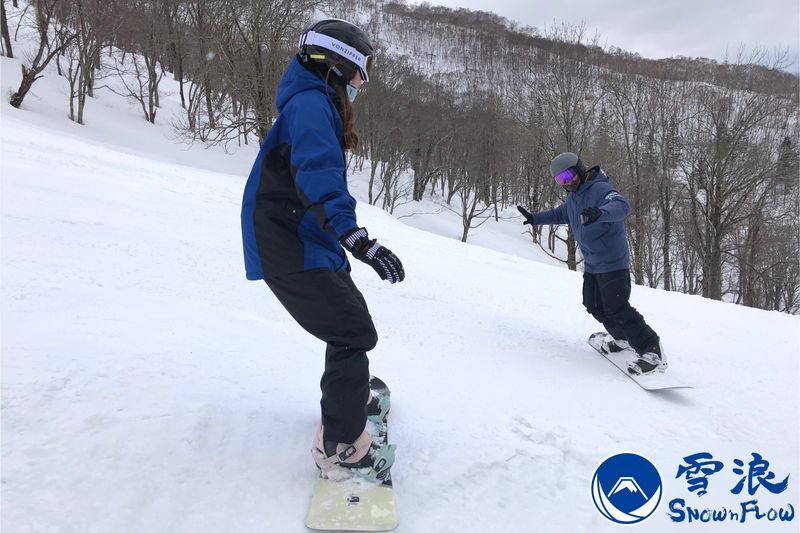
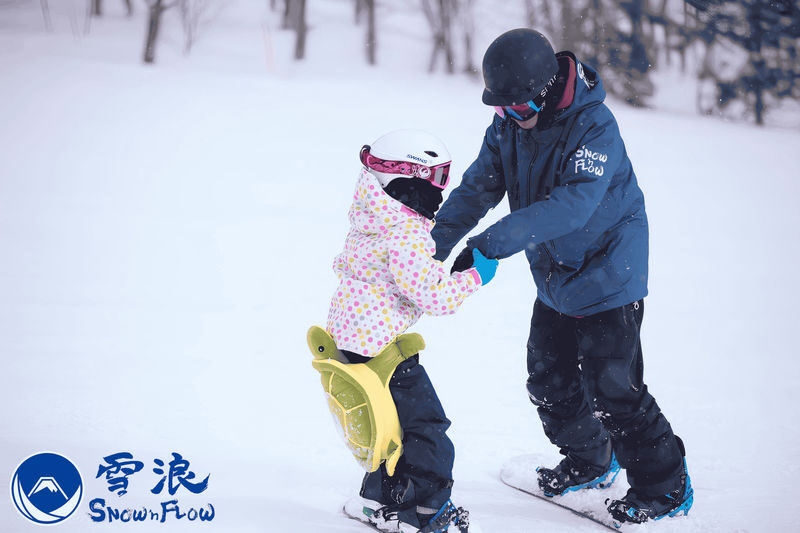
You can choose skiing or snowboarding. The overview focuses on learning the basics, so this is a natural fit if you’re new to either sport or want a coach to help you build more secure foundations. The instructor’s job is to make the session safe and enjoyable, and to adapt the teaching to the participant’s age and ability.
The lesson is not a lift pass or a resort package. Rusutsu admission and lift tickets are separate purchases, as are equipment rental, transport, insurance, and meals. Keep those costs in view when comparing the starting price of US$524.99 with other options.
The booking offers a 9:00 am or 9:30 am start. You’re asked to arrive at the resort 20 minutes before the instructor arrives. Since the resort has different types of lift tickets, the practical advice is to wait until you meet your instructor before buying one. That gives you a chance to ask which ticket suits the lesson, rather than paying for access you may not need.
You can also read our reviews of more tours and experiences in Abuta
What five hours of coaching can do
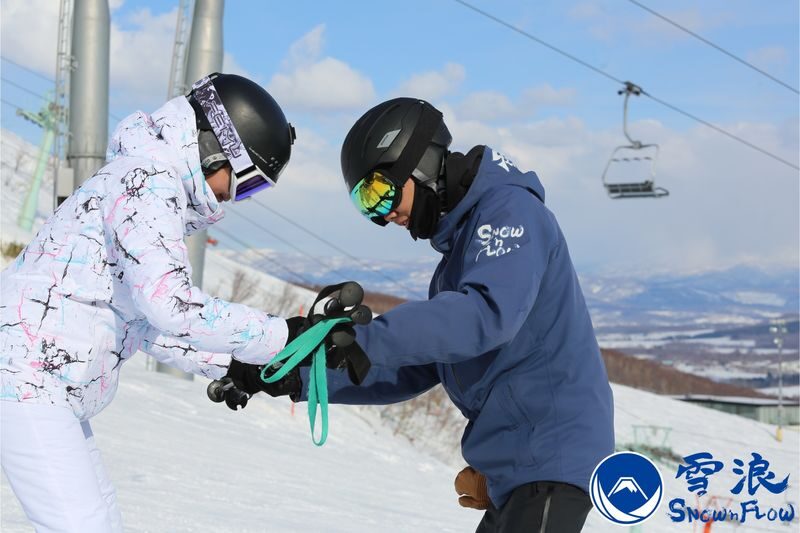
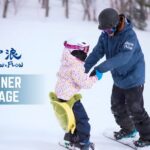
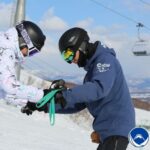
A good lesson is more than a list of techniques. If you’re a beginner, you need clear steps, time to practise, and feedback that makes sense while you’re learning to balance and control your movement. The instructor can guide you through those early skills and help you work toward the next stage at a pace suited to you.
One participant described receiving careful instruction from fundamental techniques through different stages of skiing, including a route from the top of the mountain to the bottom. That gives a useful sense of what a full session may make possible, but it shouldn’t be treated as a guaranteed itinerary. Your route and progression depend on your ability and the lesson itself.
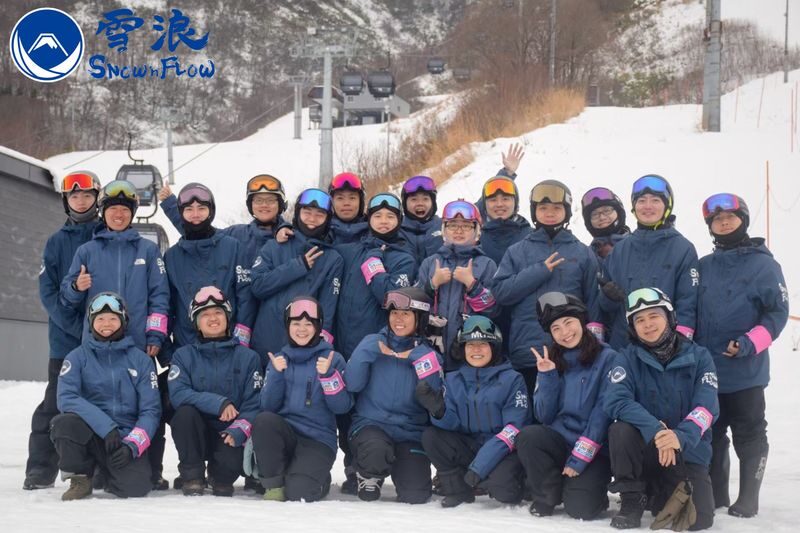
The teaching team includes instructors from Hong Kong, Taiwan, and Mainland China. You can request lessons in English, Mandarin, or Cantonese, which is a practical advantage if you learn best in a particular language. Clear directions matter when you’re trying a new movement, and being able to ask questions comfortably can make the lesson feel less intimidating.
The school has operated since 2017 and teaches in Niseko, Rusutsu, and Kiroro. Many instructors return each winter, bringing local experience and continuity to the teaching team. Their qualifications include certifications from CASI and CSIA in Canada, NZSIA and SBINZ in New Zealand, and APSI in Australia. Those credentials are a reassuring sign of professional training, though they don’t replace the value of a teaching style that suits you.
Choosing between skis and a snowboard
You’ll need to choose either double-plate skis or a single-plate snowboard. The activity is designed for either sport, but the equipment and protective gear differ, so make sure you have the right setup before the lesson begins.
If you’re undecided, consider what you want to learn and ask the provider before booking. The information here does not specify that you can switch sports during the session, so don’t assume that changing from skis to a snowboard mid-lesson will be possible.
For a first lesson, protective equipment deserves serious thought. A helmet is strongly recommended for both skiing and snowboarding. For snowboarders in particular, the school also suggests knee, seat, wrist, and elbow protection. Falls are part of learning, and padding can make practice more comfortable.
Lunch, rental time, and the clock
The six-hour package includes a one-hour lunch break, but the meal itself is not included. Bring money or food plans for the break, and remember that the five hours of instruction are the actual time on snow, not six continuous teaching hours.
If you need to rent clothing, equipment, or protective gear, allow 30 minutes to an hour for fitting. That is time well spent if it helps you get warm, comfortable equipment, but the lesson clock may be running if your instructor accompanies you to the rental shop. To protect as much teaching time as possible, arrive prepared or sort out your rental needs before the instructor arrives.
Bring a waterproof jacket and pants, snow clothes, boots, gloves, goggles, and a beanie. If you own suitable ski or snowboard equipment, bringing it can spare you the rental process. The supplied guidance says rental is not included, and there is no indication that the instructor supplies clothing or gear.
The price and what it leaves out
At US$524.99 and up, this is a substantial purchase, especially once you add the costs that sit outside the lesson. You’ll pay separately for resort admission, a lift ticket, rentals, transport, insurance, and lunch. Before booking, work out the full day’s cost rather than comparing the lesson price alone.
The value depends on what you want from the day. If you need a qualified instructor, five hours of on-snow teaching, and the option to learn in your preferred language, the package gives you a long block of guided practice. If you already ski or snowboard confidently and mainly need mountain access, this is probably more instruction than you need. A lift pass or transport package may suit that kind of visit better.
There is no stated group size in the supplied details, so don’t assume that the lesson is private or shared. If that matters to your decision, confirm the arrangement with the provider before booking. The same goes for transport: a participant described a considerate special-car pickup, but transport is not included in the package information. Treat it as something to clarify, not something to count on.
Who will get the most from this lesson
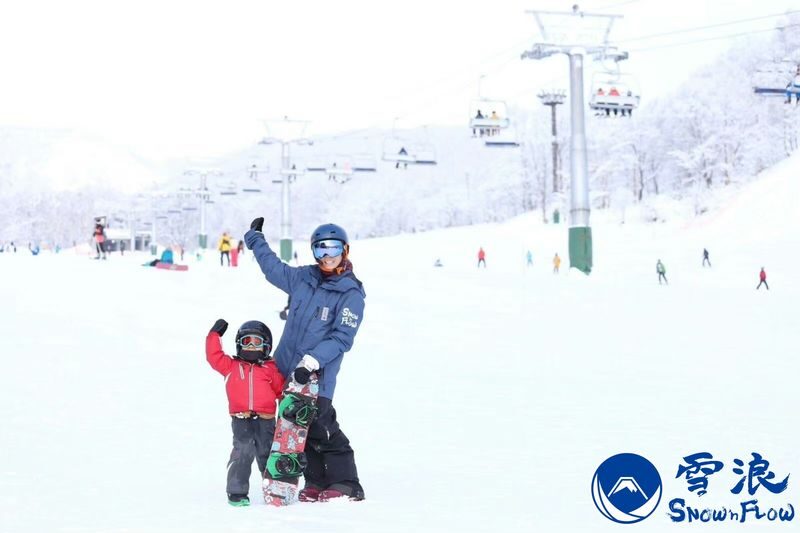
This is best suited to beginners and developing skiers or snowboarders who want substantial coaching time. The broad age range, from three years old upward, means it can work for families, though all participants pay the adult rate. For a young child, consider their comfort with a long day in snow gear and the attention needed to learn a new sport.
The language options may be especially helpful for families or individuals who would rather receive technical instructions in Mandarin or Cantonese than in English. The instructor team also teaches in English, so you have choices rather than a single-language format.
More experienced participants may still value coaching, especially if they want help progressing beyond basic skills. But the description centres on learning fundamentals, and there is no detailed breakdown of advanced coaching content. If you have a specific goal, such as improving a particular technique, ask whether the lesson can focus on it.
The activity is not wheelchair- or stroller-accessible. It also requires you to plan your own transport and manage the practical demands of a resort day, including getting equipment and tickets sorted.
Booking and arrival details
The meeting point is Rusutsu Resort, at 13 Izumikawa, Rusutsu, Abuta District, Hokkaido 048-1711, Japan. Bring your mobile voucher, and arrive 20 minutes before the instructor’s arrival. The voucher is valid only for the date and time you booked.
Confirmation is provided within 48 hours. If it does not arrive, contact customer support. You can get a full refund if you cancel at least 24 hours before the activity date, using the destination’s local time.
The experience has a perfect score from three published ratings, a very small sample. The most useful takeaways are about the teaching: one participant praised careful guidance from basic skills through mountain progression, while another valued an approachable, easy-to-understand teaching method. The latter also mentioned a special car pickup, but because transport is excluded, confirm any pickup directly rather than assuming it comes with the lesson.
Should you book the Rusutsu lesson?
Book it if you want a substantial lesson with an internationally certified instructor and value being able to learn in English, Mandarin, or Cantonese. It makes particular sense for a beginner who wants a patient start and enough time to practise, or for a developing skier or snowboarder who wants guided progression.
Think twice if you’re looking for an all-in-one snow day. The lesson price does not cover lift access, rentals, transport, insurance, or food, and rental fitting can use up part of the scheduled time. Sort out those details in advance, and ask about lesson format and transport before you pay. With those caveats clear, this is a strong option for putting instruction, not just slope time, at the centre of your Rusutsu day.
Rusutsu Resort Ski & Snowboard Lesson
“Thank you, coach, for your meticulous guidance, from fundamental techniques to taking me through different stages of skiing from the top to the bot…”
FAQ
How long is the lesson?
The package lasts six hours, including a one-hour lunch break. It includes five hours of actual on-snow instruction.
What languages can I choose?
Instructors are available in English, Mandarin, and Cantonese.
What is included in the price?
The package includes a professional instructor who speaks Chinese, Cantonese, or English. The six-hour schedule includes a one-hour lunch break and five hours of on-snow instruction.
Are lift tickets and resort admission included?
No. Rusutsu Resort admission and lift tickets are not included. You purchase them yourself at the resort.
Is ski or snowboard equipment included?
No. Equipment rental is not included. You can bring your own gear or arrange rentals separately.
What start times are available?
You can choose a 9:00 am or 9:30 am start.
What is the minimum age, and do children pay less?
Participants must be at least three years old. Children aged three and older pay the same rate as adults.
What should I bring?
Bring waterproof jacket and pants, snow clothes, boots, gloves, goggles, and a beanie. A helmet is strongly recommended, along with other protective gear, particularly for first-time snowboarders.
Can I cancel for a refund?
Yes. You can receive a full refund if you cancel at least 24 hours before the activity date, using the destination’s local time.