Hokkaido’s seasonal color makes a long day trip from Sapporo worthwhile: summer brings Hokuryu’s vast sunflower field, while autumn can mean an early cable-car ride into the slopes of Asahidake. I like the choice between flower-country and mountain scenery, and the convenience of reaching far-flung stops without arranging a rental car. The trade-off is a tight schedule, especially if you want time for the ropeway, lunch, and unhurried walks.
This is not one tour that visits every attraction in the title. You choose a specific seasonal package, and its stops determine the day. I’d check the package name and inclusions carefully before booking, then plan around its fixed timings. At a few attractions, the guide provides basic directions and meeting times rather than a full guided visit.
- The key things to know before you go
- Choose a season, not a greatest-hits tour
- Summer at Hokuryu: a field built for a long look
- Autumn at Asahidake: early color, with a cable-car caveat
- Asahiyama Zoo: two hours among northern animals
- Otokoyama: a short sake stop with family touches
- Biei’s blue water and Furano’s small cabins
- What the price buys, and what it doesn’t
- Timing, guides, and the small print that affects the day
- Should you book this Hokkaido day trip?
- FAQ
- Does the tour visit every attraction named in the experience title?
- Where is the Sapporo meeting point?
- Is the Asahidake ropeway included in the price?
- How long do you get at Asahidake?
- When is Hokuryu Sunflower Village in season?
- Are meals included?
- What languages may the guide speak?
- Can infants join the tour?
- The Best Of Hokkaido!
- More Winter Activities in Hokkaido
- More Tours in Hokkaido
- More Tour Reviews in Hokkaido
The key things to know before you go

- Hokuryu’s summer sunflower field is the seasonal draw, with about two million flowers and a 2026 viewing window listed from July 20 to August 18.
- Asahidake’s autumn color arrives early by Japanese standards, but the ropeway costs extra and can stop running in bad weather.
- The tours are self-guided at the stops. Your guide handles transport and timing, while you explore on your own.
- The Sapporo departure is early: meet at 8:00 a.m. near Odori Subway Exit 31, ten minutes ahead.
- The itinerary can feel rushed. Asahidake gets 90 minutes on the autumn schedule, and that may be short if you plan to ride the cable car.
- The price depends on the package. A general starting price is shown as $63.09, while the two named package options are listed from $90.09.
👉 See our pick of the What Are The Best Workshops & Classes In Hokkaido? Our Top 3 Picks
Choose a season, not a greatest-hits tour
The name groups several Hokkaido attractions and seasonal ideas together, but the actual day depends on the option you book. The summer sunflower outing and the autumn Asahidake route are distinct plans, not a promise to see flowers, autumn leaves, the zoo, waterfalls, and Furano all in one trip.
The autumn schedule provided is a three-stop day: Asahidake, Asahiyama Zoo, and Otokoyama Sake Brewery Park. Other package details describe a route featuring Biei’s Blue Pond, Shirahige Waterfall, and Ningle Terrace. The summer option centers on Hokuryu Sunflower Village, and summer outings have also included places such as Farm Tomita and Ningle Terrace. Check the exact package name and stop list when choosing. That small bit of homework can prevent the classic day-trip disappointment of expecting one attraction and boarding a bus to another.
The route is designed for people based in Sapporo who want to see sights that are awkward to reach by public transport in a single day. The supplied package details say the drive to outlying attractions can take more than three hours. You trade flexibility for a seat, a planned route, and less time spent working out connections.
You can also read our reviews of more tours and experiences in Hokkaido

Summer at Hokuryu: a field built for a long look
Hokuryu Town’s Sunflower Village is the clear reason to choose the summer package. The field is described as holding about two million sunflowers, and its 2026 season is listed for July 20 through August 18. If you are in Hokkaido during that short window, the sheer scale of the flowers is the point: this is a broad sweep of yellow rather than a quick roadside patch.
The most useful practical note is to give yourself time to walk and take photographs. One person who visited wished for about 90 minutes at Hokuryu, which is a fair hint for anyone who likes to linger. The actual stop length can vary by package and day, so don’t assume you will have that much time. Check the schedule if this is your main reason for booking.
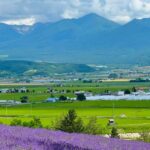
Summer packages have also included Farm Tomita and Ningle Terrace, making the day appealing if you want to combine flower stops with Furano. One visitor noted that Farm Tomita no longer had lavender during an August visit, though the soft-serve ice cream was still a treat. In other words, don’t book a late-summer trip expecting peak lavender. Flower displays shift with the season, and the sunflower field is the more reliable headline for the stated summer dates.
The biggest gain is convenience. Reaching Hokuryu and other countryside stops from Sapporo without a car takes planning, and a bus tour makes it possible to cover several places in one day. The cost of that convenience is a fixed schedule. You won’t be able to stay longer because the flowers are lovely or cut a stop short to spend more time elsewhere.
Autumn at Asahidake: early color, with a cable-car caveat
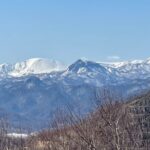
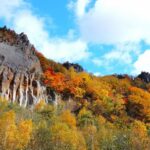
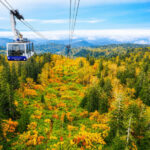
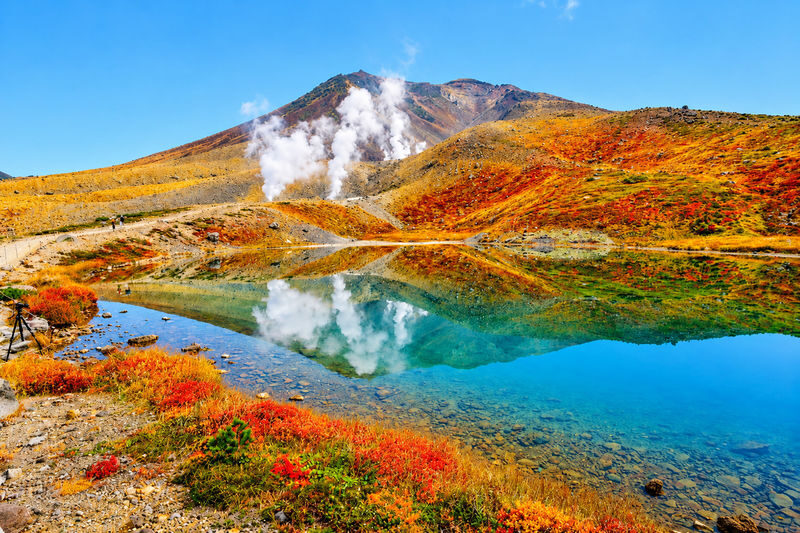
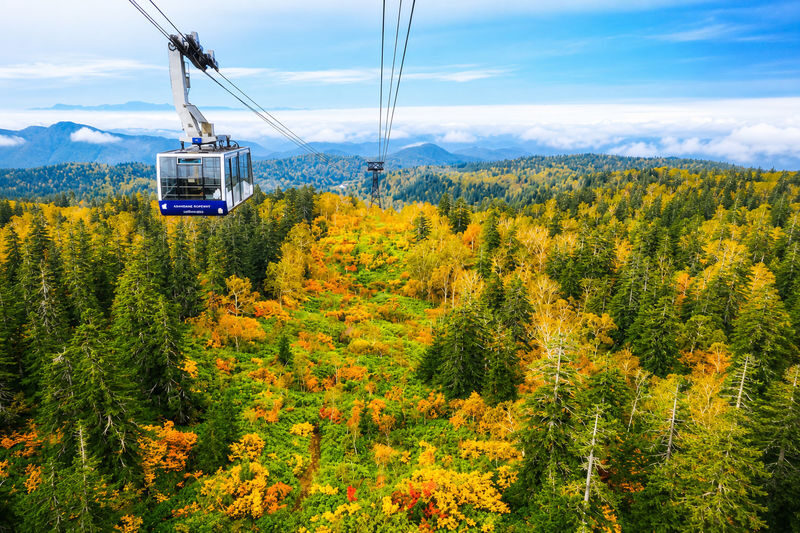
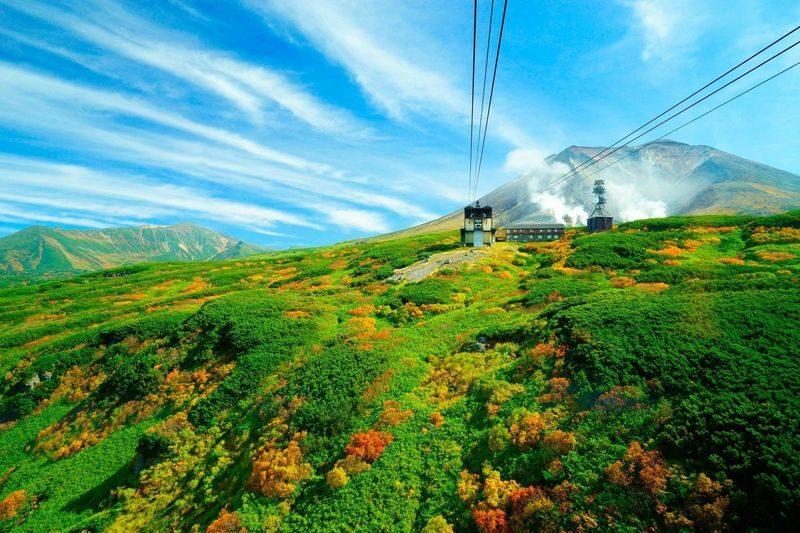
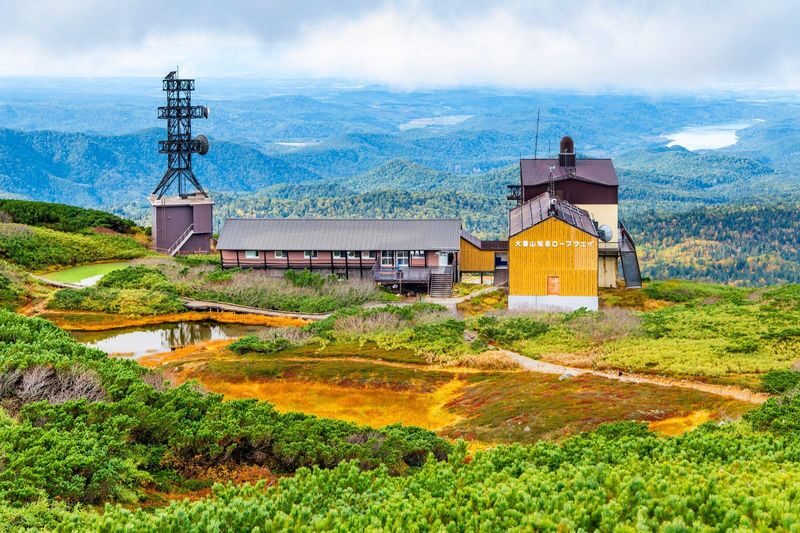
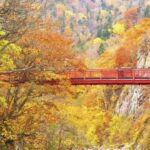
Asahidake, Hokkaido’s highest peak, is promoted as one of Japan’s earliest places to see autumn leaves. The ropeway climbs to Sugatami Station at about 1,600 meters, where you can look across high mountain terrain. In autumn, the vegetation can turn red, orange, and gold, but timing changes with the year’s weather. The color is not guaranteed to peak on your date.
The scheduled stop is 90 minutes, and that is the day’s main timing concern. The ropeway fare is not included, and you need to fit the ride and your time at the top into the stop. A person on the route felt that two hours or more would be better for the round trip and the views. I would take that seriously if Asahidake is your priority, and keep your expectations modest if you want to explore at a leisurely pace.
Weather can also suspend ropeway operations. If that happens, the mountain portion may not go as planned, and the guide can adjust the itinerary for weather, road, or safety conditions. This is a mountain excursion, not a guaranteed cable-car ride. Bring clothing suited to changing conditions, and avoid arranging an expensive dinner or another fixed activity in Sapporo that evening. The advertised return time is 6:05 p.m., but traffic and weather can interfere.
Asahiyama Zoo: two hours among northern animals
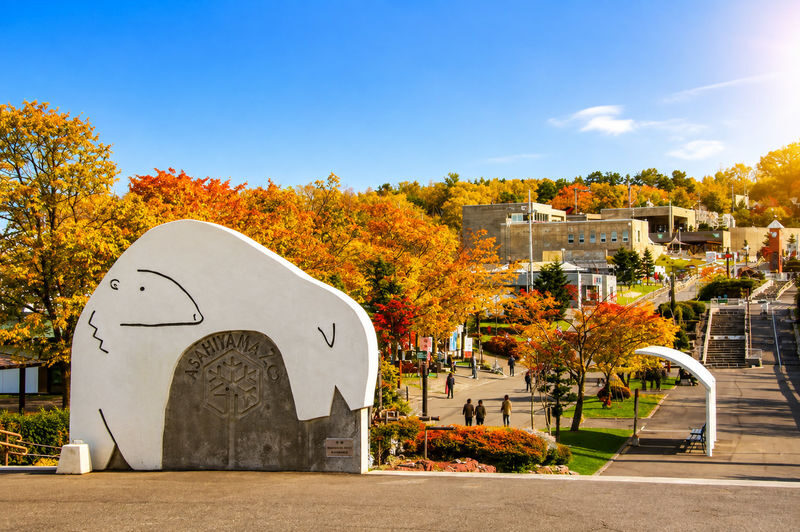
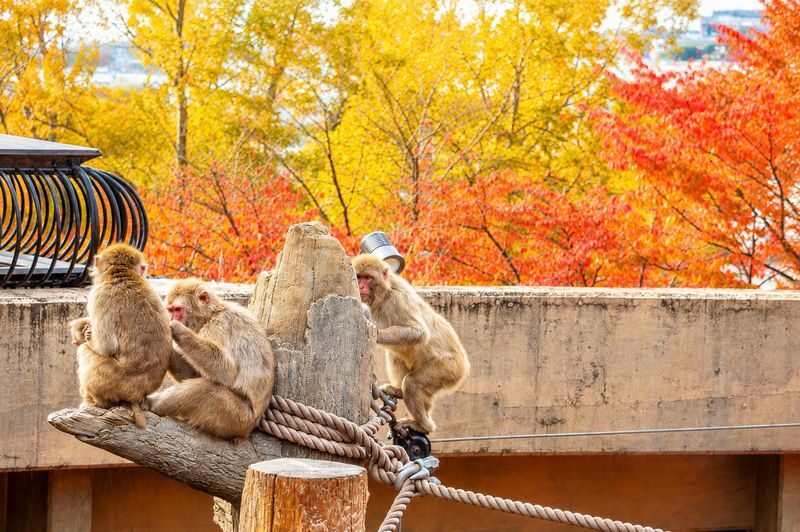
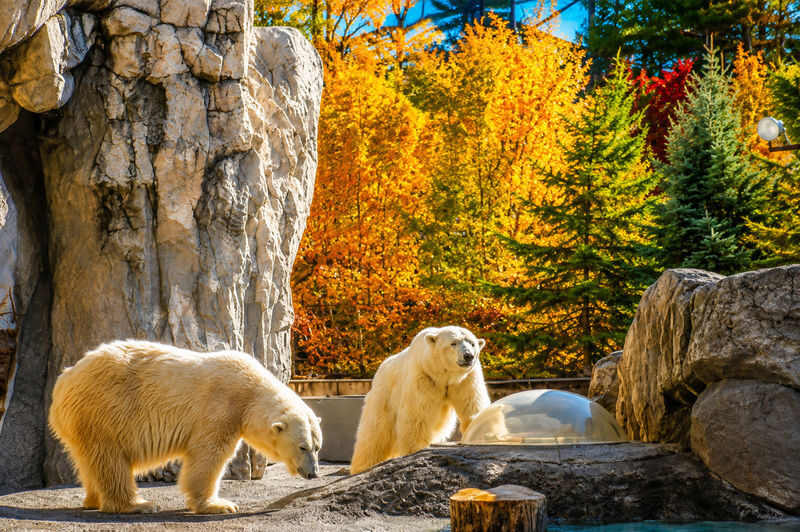
Asahiyama Zoo is a family-friendly stop known for exhibits that let you watch animals in active, close-up settings. Penguins, polar bears, and seals are among the main attractions. The format is especially appealing if you prefer observing how animals move and behave over simply walking past a row of enclosures.
You get two hours, with admission included on the autumn itinerary. That is enough for a focused visit, but it isn’t a leisurely full day at the zoo. Lunch is on your own, so decide whether to eat there or use the time to see more animals. One practical tip from a previous visit was to bring lunch, since a meal at the zoo takes time away from exhibits. Food can also be purchased at the sites on the summer route, but don’t count on the same options at every stop.
For families, the zoo gives the day a change of pace after a mountain visit. For adults traveling without children, it can still be worthwhile if animal exhibits are a genuine interest. If you would rather spend longer on the mountain or in Biei, the fixed two-hour stop may feel like too much of the day.
Otokoyama: a short sake stop with family touches
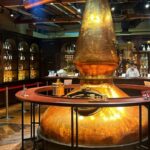
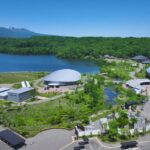
Otokoyama Sake Brewery Park gives you about 30 minutes on the autumn route. The museum introduces the brewery’s sake-making history and uses underground water from Daisetsuzan’s snowmelt. It’s a concise cultural stop, not a long tour of brewing facilities, so think of it as a chance to browse and sample what’s available.
The newer Sake Park also has features for families, including a giant slide shaped like a one-sho sake bottle and a sake-cup plaza. The shop sells limited-edition sake as well as nonalcoholic drinks such as coffee, Calpis, and shaved ice made with the brewery’s water. Tasting depends on what is available on the day and costs extra. Anyone under Japan’s legal drinking age, as well as drivers, must not drink.
Thirty minutes is enough for a quick look and perhaps a purchase, but not for an extended visit. If you have little interest in sake or the family features, this stop may be less compelling than the scenery. Still, it adds a distinctly local note to a day otherwise centered on nature and animals.

Biei’s blue water and Furano’s small cabins
Some package descriptions include Biei’s Blue Pond and Shirahige Waterfall, while another route features Ningle Terrace near the New Furano Prince Hotel. Confirm that these stops are part of your chosen package rather than assuming they appear on every seasonal outing.
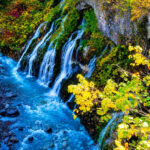
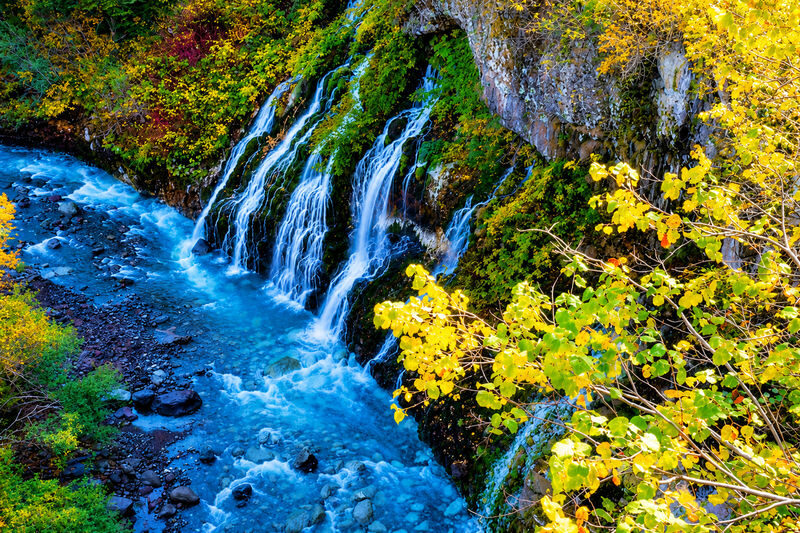
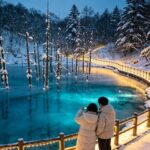
At Shirahige Waterfall, water streams from the rock face into the Biei River. The contrast between the white falls and blue water is the draw, with autumn color in the surrounding forest adding another layer when conditions line up. It’s a short, scenic stop suited to photographs. The precise look depends on the weather and season, so the name is a guide to the setting, not a guarantee that the water will appear exactly the same in every picture.
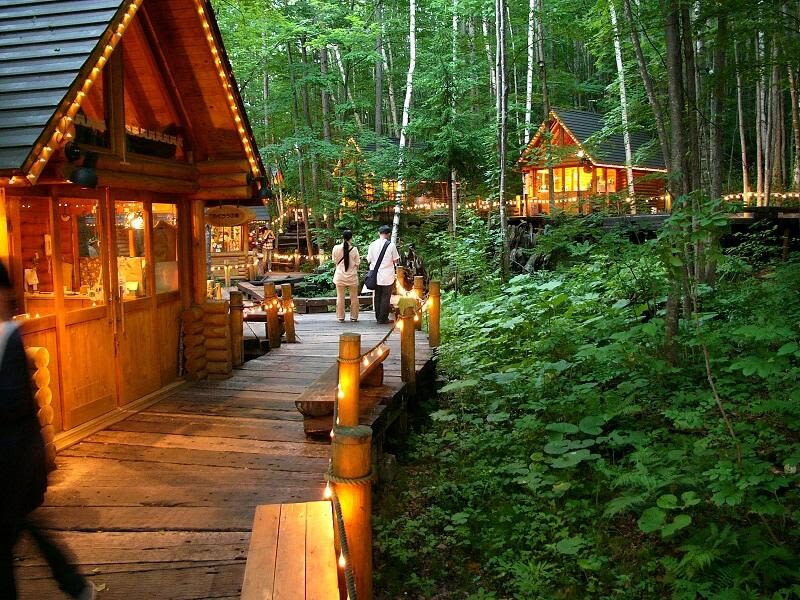
Ningle Terrace is a group of forest cabins with small shops selling crafts such as wooden goods, candles, and glass art. Later in the day, lights give the paths a different feel. It’s a pleasant place to browse, but it is not a large shopping district or a long walking route. If you love handmade goods and quiet forest paths, allow yourself time to look. If you aren’t interested in the cabins, another nearby garden has been mentioned as an alternative, with a 100-yen entry fee.
What the price buys, and what it doesn’t
The general price shown for the experience starts at $63.09, while the two named packages are listed from $90.09. These figures are starting prices, not a guarantee that your chosen date or option will cost the same. The useful comparison is what you get for the fare: round-trip transport from Sapporo, a guide who may speak English, Chinese, or Japanese, and covered parking and fuel costs.
The tour’s value is strongest if you don’t have a car or would rather avoid arranging several long-distance connections. A summer visitor described the route as a way to combine Hokuryu, Farm Tomita, and Ningle Terrace in a day that would be difficult by public transport. That is the core bargain: not a private or highly flexible trip, but access to scattered sights without driving.
Meals, drinks, the Asahidake ropeway, and personal purchases are extra. For the autumn plan, add the ropeway fare to your budget before deciding. For the sunflower route, allow for food and any treats or shopping you want. Sunflower soft-serve has been singled out as a fun local snack, and Farm Tomita has offered soft-serve even when lavender was no longer in bloom.
The vehicle itself matters. For groups of ten or fewer, the driver may also act as guide, offering basic introductions and time instructions rather than extended commentary. A past visitor found the vehicle uncomfortable, so don’t expect coach-like space or a private car. If you need to bring luggage, a stroller, or a wheelchair, tell the operator in advance. A 1,500-yen cash charge per item may apply for handling and reserved luggage space, depending on the vehicle.
Timing, guides, and the small print that affects the day
Meet at 8:00 a.m. at Odori Subway Exit 31 in central Sapporo, and arrive ten minutes early. Look for the guide holding a Klook sign. The listed return point is Sapporo Oriental Hotel, with the return drive described as about two hours and ten minutes. The autumn schedule gives a 6:05 p.m. return, though actual timing can shift with road conditions.
The day requires at least six participants. If the minimum is not reached, you can be offered a new date or a full refund. Infants under two can travel free without their own seat, but they still need to be included in the headcount. If an infant needs a seat, an adult fare applies. Children aged three and older pay the adult rate.
Guides named on past outings have included Chen, Li Yang, and XIXI. Those names are useful context, not a promise that a particular person will lead your tour. Some participants have praised guides for keeping the day organized and making the drive comfortable. Still, the format is mostly self-guided at the stops, so bring your own curiosity and keep an eye on meeting times.
Weather, traffic, and safety can change the schedule or stop length. Be at the meeting point on time, since late arrival is treated as a cancellation without a refund. The tour permits changes up to 24 hours before departure in many cases, and cancellation at least 24 hours ahead can qualify for a full refund. Conditions and exceptions apply, so check the terms attached to your booking.
Should you book this Hokkaido day trip?
I’d book it if you want to see a specific seasonal highlight, don’t have a car, and are comfortable with a full day organized around fixed stops. The sunflower option makes sense for a July or August visit when Hokuryu is in season. The autumn plan suits you if you want to pair Asahidake with the zoo and a brief brewery visit, and you accept that the ropeway costs extra and the mountain stop is short.
I’d look elsewhere if you want a slow day, a long guided explanation at each site, or full control over how long you stay. For the best fit, compare the exact package stop list, pay close attention to the Asahidake time allowance, and don’t schedule a costly evening commitment after the return. The route offers a practical way to reach Hokkaido’s outlying sights. Its real value is getting you there, not giving every stop as much time as you might wish.
Hokkaido Four Seasons One-Day Tour: Summer Hokuryu-cho Sunflowers, Autumn Asahidake Autumn Leaves, Winter Biei Furano Illumination
“One and a half hours is too rushed for the first stop, Mount Asahidake. I feel like you need at least two hours, or even more, to properly enjoy th…”
FAQ
Does the tour visit every attraction named in the experience title?
No. You choose a specific package, and the stops differ. The summer sunflower outing and the autumn Asahidake route are separate options, so check the chosen package’s details.
Where is the Sapporo meeting point?
Departure is at 8:00 a.m. near Odori Subway Exit 31, at Odori Nishi 1-chome in Sapporo’s Chuo Ward. Arrive ten minutes early and look for the guide with a Klook sign.
Is the Asahidake ropeway included in the price?
No. The ropeway fare is paid separately, and service may be suspended because of weather.
How long do you get at Asahidake?
The autumn itinerary allows 1 hour and 30 minutes. That can feel short if you want to take the ropeway and spend time at the mountain station.
When is Hokuryu Sunflower Village in season?
The 2026 summer period is listed as July 20 to August 18. The field is described as having about two million sunflowers.
Are meals included?
No. Meals and beverages are at your own expense. The autumn zoo stop includes time for lunch on your own.
What languages may the guide speak?
The included guide may speak English, Chinese, or Japanese. For groups of ten people or fewer, the driver may also serve as guide and provide basic attraction information and timing.
Can infants join the tour?
Children under two can join free if they do not need a separate seat, but they must be included in the passenger headcount. If an infant needs a seat, an adult fare applies.