
Magome and Tsumago preserve the old Nakasendo road in two different moods: Magome climbs a steep, lively street, while Tsumago feels quieter and more restrained. This day trip pairs both with a forest waterfall, giving you a taste of historic Japan and mountain scenery without arranging several rural bus connections yourself.
I like two things in particular: the convenient transport from Nagoya makes a remote-feeling day practical, and the chance to walk between the post towns turns a sightseeing stop into a real stretch of the old route. You also get time to explore each place at your own pace rather than following a guide at every turn.
The trade-off is a long day with a fixed schedule. The guide’s explanations can vary, and the optional walk between Magome and Tsumago takes roughly two and a half hours, so you will need to coordinate it carefully with the tour leader.
- At a glance
- Three stops, one long day from Nagoya
- Magome-juku: a steep street with room to linger
- Walking from Magome to Tsumago: a real Nakasendo stretch
- Tsumago-juku: a quieter counterpoint
- Ryujin Waterfall: a forest pause, not a major spectacle
- The guide, the pace, and what you should expect
- Is .79 good value?
- Practical details before you book
- Who should book this tour?
- FAQ
- Where does the tour depart from?
- What time does the tour run?
- How much time is spent at each stop?
- Can I walk from Magome to Tsumago?
- Is the waterfall walk difficult?
- What languages are available?
- What is the minimum age?
- The Best Of Nakatsugawa!
- More Tours in Nakatsugawa
- More Tour Reviews in Nakatsugawa
At a glance
 1 / 10
 2 / 10
 3 / 10
 4 / 10
 5 / 10
 6 / 10
 7 / 10
 8 / 10
 9 / 10
 10 / 10
- Magome’s sloping old street has traditional buildings, shops, and places to eat, with a livelier feel than Tsumago.
- Tsumago preserves another Nakasendo post town and gives you a quieter contrast after Magome.
- The 8.8-kilometer Magome-to-Tsumago walk takes about two and a half hours, though some estimates put it closer to three.
- Ryujin Waterfall is a short forest stop, not a grand, towering cascade. Its appeal is the setting and its changing seasonal colors.
- Expect a full day out: departure is around 9:10 a.m., with return to Nagoya planned for 7 p.m.
- The trip is largely self-guided at the stops, so you can explore independently, but the guide may offer introductions and practical direction.

👉 See our pick of the What Are The Best Tours In Nakatsugawa? Our Top 3 Picks
Three stops, one long day from Nagoya
The basic appeal is simple: the tour takes you from Nagoya to three rural stops that are less straightforward to reach by public transport. You ride with a group, then explore Magome-juku, Tsumago-juku, and the Ryujin Waterfall area on your own.
That setup suits you if you value convenience and independence in equal measure. You do not have to plan the transport between sites, but you also are not tied to a guide’s commentary throughout each visit. The trade-off is that you must keep an eye on meeting times and make your own choices about what to see, eat, or skip.
The group size can range from 8 to 45. A smaller group may mean a van or a more spacious vehicle; the exact vehicle depends on the day’s numbers. Reports of clean, comfortable transport and smooth driving are common, but conditions and group size can vary. Traffic or weather may also change the timing, so treat the posted schedule as a plan, not a promise.
You can also read our reviews of more tours and experiences in Nakatsugawa.


Magome-juku: a steep street with room to linger
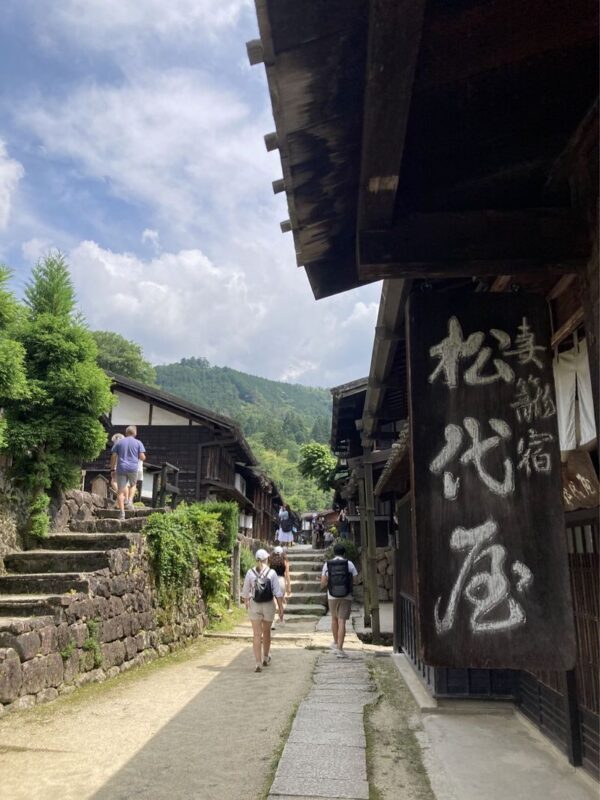
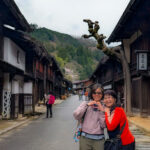
Magome is the first major stop, with about two hours set aside for independent exploration. It is a post town on the Nakasendo, the historic route that connected Edo, now Tokyo, with Kyoto during the Edo period from 1603 to 1868. The town’s preserved street layout and traditional buildings help you picture how the route once served people travelling between the two cities.
The main street rises along a slope, so you will feel the climb underfoot. Comfortable shoes are a sensible choice, especially if you have foot pain or do not enjoy walking uphill. On clear days the open street can feel exposed to sun, and rain can make the walk less comfortable, so bring sun or rain protection to suit the forecast.
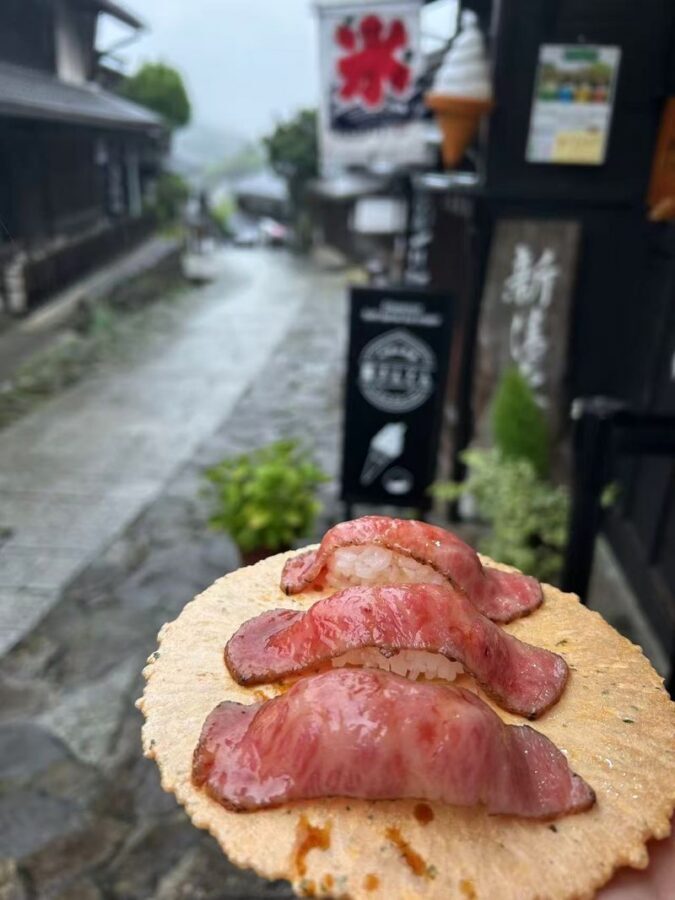
Magome has a stronger commercial feel than Tsumago, with shops and food stops along the old street. That can be a plus when you want a snack or a sit-down meal without much searching. Chestnut rice and freshly made soba are two dishes worth keeping an eye out for; one specific recommendation is Maruyamaso for soba. Food availability can vary, and the next stop has fewer places to eat, so Magome is a good place to plan a proper lunch.
You have around two hours here, which gives you time to walk the street at a relaxed pace, browse, and eat without racing from one sight to another. The day’s timing may shift with road conditions, though, so do not assume you can use every minute for a long meal and still make the next meeting point.
Walking from Magome to Tsumago: a real Nakasendo stretch
If you want more than a look at historic streets, ask the tour leader whether you can leave the group at Magome and rejoin it at Tsumago. The route is about 8.8 kilometers and takes approximately two and a half hours on foot; allow closer to three hours if you walk slowly or stop often.
This option changes the character of the day. Instead of seeing two post towns as separate stops, you travel between them on foot and get a stronger sense of the old road as a route through the countryside. It is a meaningful choice if you enjoy hiking, but it is not a casual short stroll. The tour schedule, meeting point, and your own walking pace all matter, so confirm the plan with the tour leader before setting out.
The advertised time at Magome is about two hours, while the full walk itself needs more time than that. Do not assume the standard schedule automatically includes the hike. Get clear agreement on where and when to meet at Tsumago, and be ready to skip the walk if traffic or other changes leave the group with less time.
Tsumago-juku: a quieter counterpoint
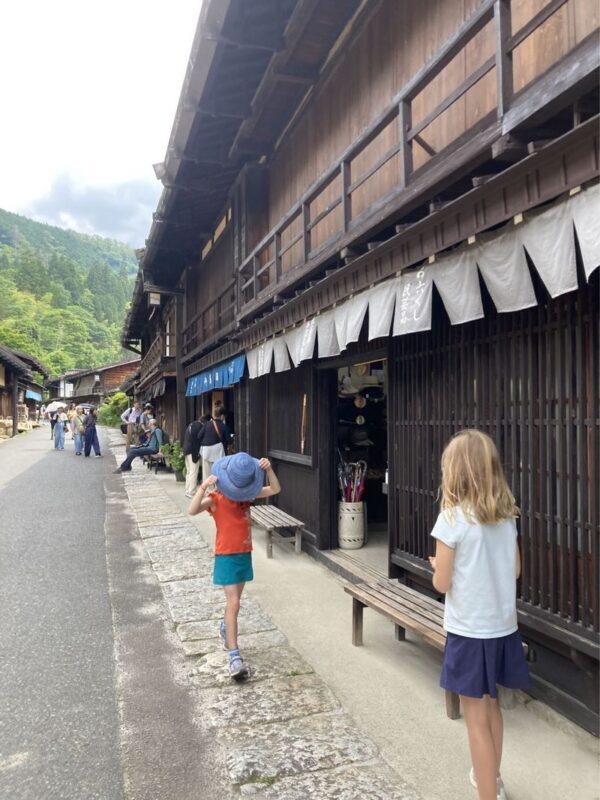
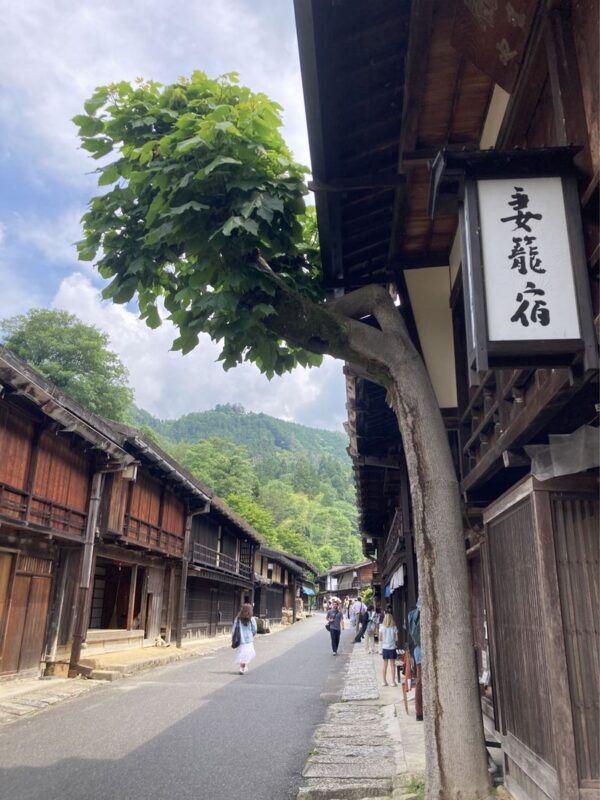
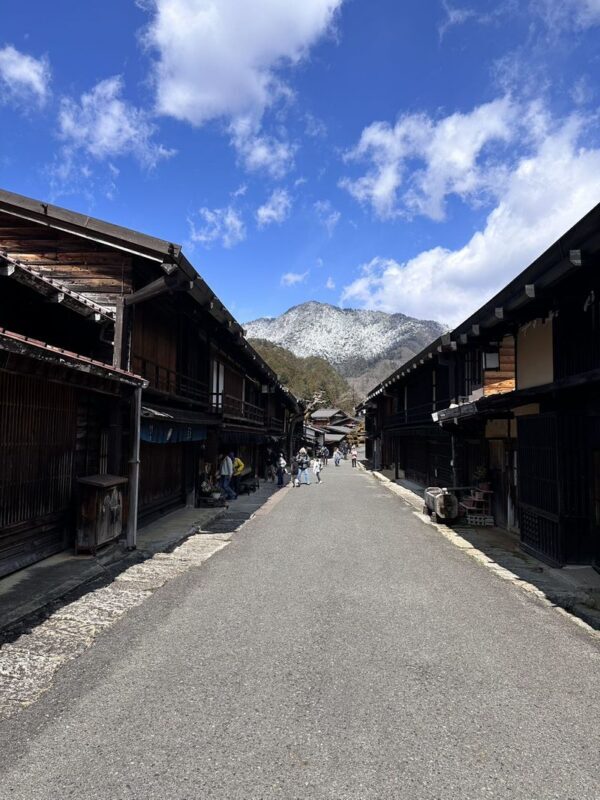
The tour allows about an hour and a half at Tsumago. Like Magome, it preserves buildings and a street plan associated with the Nakasendo post-town era, but it often feels less commercial. If you prefer a quieter walk and a stronger sense of a preserved old town, this may be your favorite of the two.
The stop is self-guided, so you can wander at your own pace. Look closely at the traditional buildings and the way the street is arranged, rather than treating it as a quick photo stop. The town is compact enough for a relaxed visit, though there are fewer places to eat than in Magome. Have lunch earlier or bring a small snack if you are particular about meal timing.
Opinions on which town is more appealing differ, and that is part of the value of visiting both. Magome offers more activity and places to stop; Tsumago offers a more subdued atmosphere. You have enough time to form your own preference, but not enough to linger indefinitely.
Ryujin Waterfall: a forest pause, not a major spectacle
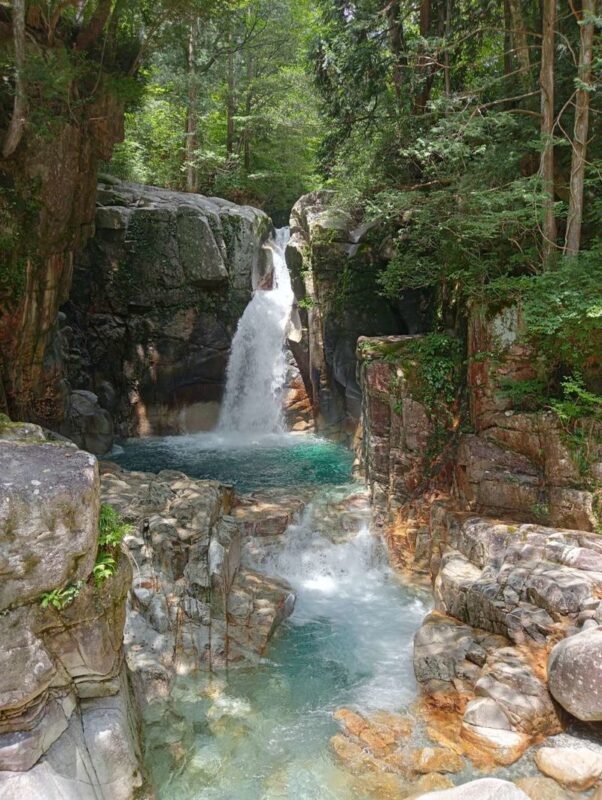
The final stop is in the Yūmori Valley area, where Ryujin Waterfall sits among forest greenery. The name refers to its winding, dragon-like shape. It is not especially tall, so set your expectations for a modest natural feature rather than a dramatic waterfall with a huge drop.
The setting changes with the seasons: fresh green growth in spring, dense shade in summer, red leaves in autumn, and snow in winter. The stop is about an hour, and the walk to the falls is described as easy. One account puts the walk at roughly 15 minutes each way, leaving time to view the water and enjoy the surroundings without a demanding hike.
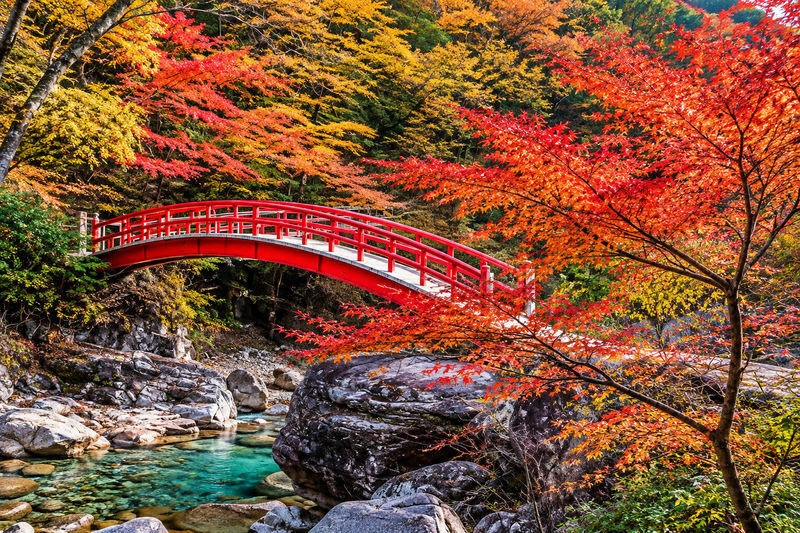
The waterfall may feel less impressive if you expect a major landmark. Its appeal is the quiet forest setting and the contrast with the two historic towns. In autumn, the area can add a splash of red leaves to the day; if foliage is your main reason for booking, remember that the timing and colors depend on seasonal conditions.
Take care in wet weather. Rain can make paths slippery, and a visitor has specifically warned about leeches near the waterfall after rain. A June visitor also reported swimming in the water, but that does not establish that swimming is always permitted or safe. Check local signs and conditions before entering the water, and do not build your plans around a swim.


The guide, the pace, and what you should expect
The experience includes Chinese-, English-, and Japanese-speaking staff, but the amount of explanation you get in English can vary. Some guides give detailed introductions and help with local context; others keep commentary brief or stick closely to prepared information. Think of this as primarily a transport-and-free-time tour, not a day of continuous guided interpretation.
That distinction matters if you want a deep history lesson. You will have the freedom to explore the sites yourself, but you may want to read about the Nakasendo before the trip or use a guidebook on the day. If you mainly want transport, a basic orientation, and free time, the format can work well.
Timing also depends partly on the group. Punctual departures help preserve time at each stop, while late boarding can eat into it. The operator may adjust the schedule for traffic or weather. There have been days when roadworks slowed the drive and time at Tsumago was shortened, so keep your plans after the tour flexible.
Is $49.79 good value?
At a starting price of $49.79, this can be good value if the alternative is arranging several legs of rural transport yourself. The price covers a full-day group outing from Nagoya with transport to three different stops, including places that can take more effort to reach independently. It also saves you the work of coordinating the route between the post towns and waterfall.
The price is less compelling if you expect a small, fully guided tour or want to spend a long time at one location. You get set stop times and mostly independent visits, not a private itinerary. The group can be as large as 45, and the guide’s English commentary is not guaranteed to be extensive.
I would judge the value by what you want the day to do. If you want an easy way to see two old post towns and a forest waterfall without renting a car, the transport and variety make the cost reasonable. If you want a serious hike, a detailed history tour, or an unhurried visit to each site, consider whether the fixed schedule will feel too tight.
Practical details before you book
Meet at the Silver Clock in front of the Taikodori Exit at JR Nagoya Station. Staff holding an EASYGO flag handle registration, and you should arrive at least 10 minutes before departure. The stated departure window is 9:10 to 9:20 a.m.; late arrivals and no-shows are not refundable, so give yourself time to find the meeting point.
The return to JR Nagoya Station is planned for 7 p.m. The tour is for ages 6 and up, and group size is listed as 8 to 45. Confirmation is due within 24 hours. The voucher is valid only for the date and time booked.
You can cancel for a full refund at least 24 hours before the activity, based on local time. The operator may cancel for extreme weather or if the minimum of eight participants is not met, with a reschedule or refund offered. Once you have used a ticket or taken part in an activity, a refund is not available.
Who should book this tour?
This trip is a good fit if you want a full day outside Nagoya, enjoy traditional streets and easy nature walks, and are comfortable exploring without a guide beside you at every stop. It also suits you if the optional Magome-to-Tsumago walk sounds appealing and you are willing to coordinate it with the tour leader.
I would hesitate if you need a very relaxed pace, have trouble with slopes, or want a detailed English-language history tour. Book it for the combination of old post towns, convenient transport, and a short forest stop, not for a grand waterfall or a guaranteed guided lecture. If that mix matches your priorities, this is a practical way to see a different side of central Japan in one day.
Departing from Nagoya: Chubu Shoryudo – Tsumago-juku & Magome-juku & Ryujin Waterfall Tour
“The transportation for this trip was convenient, and we arrived at our destination quickly. We leisurely strolled along the old street and stopped…”
FAQ
Where does the tour depart from?
It meets in front of the Silver Clock at the Taikodori Exit of JR Nagoya Station. Look for staff holding an EASYGO flag.
What time does the tour run?
Departure is scheduled between 9:10 and 9:20 a.m., with return to JR Nagoya Station planned for 7 p.m. Traffic and weather can change the schedule.
How much time is spent at each stop?
The planned visits are about two hours at Magome, an hour and a half at Tsumago, and one hour at the Yūmori Valley waterfall area. The schedule may change.
Can I walk from Magome to Tsumago?
You can ask the tour leader about leaving the group at Magome and rejoining at Tsumago. The route is about 8.8 kilometers and takes roughly two and a half hours, so confirm that the day’s timing allows it.
Is the waterfall walk difficult?
The path to Ryujin Waterfall is described as an easy walk. One estimate puts it at about 15 minutes each way.
What languages are available?
The tour includes Chinese-, English-, and Japanese-speaking staff. The amount of English explanation may vary.
What is the minimum age?
Participants must be at least 6 years old.
