Japan’s Tateyama Kurobe Alpine Route is a mountain crossing made by a relay of transport: electric bus, cable car, ropeway and more. This day tour takes you from Nagano to the Toyama side, so you can cross the route without working out each connection yourself. The high point is Murodo, where snow walls appear in spring and open mountain views define the rest of the year.
I like two things especially: the journey itself is part of the attraction, and the group priority lane can make busy connections easier to manage. You also get round-trip road transfers from Nagano, which saves the work of arranging transport at both ends. Guides named in past trips include Ashley, Arpan and Dragon, though you can’t choose your guide.
The trade-off is a very long day with a firm schedule. Queues, weather and transport timings can cut into time at individual stops, and Murodo is a common place to wish for a longer visit. The advertised price starts at $80.85, but Alpine Route transport tickets cost an additional 10,940 yen for adults.
Key points
- Cross the Alps one way: Travel from Ogizawa in Nagano Prefecture to Tateyama Station on the Toyama side.
- Ride several kinds of mountain transport: The route uses electric and regular buses, a cable car and a ropeway.
- Reach Murodo at 2,450 meters: Spring can bring the famous snow corridor; summer and autumn offer different mountain scenery.
- Pay the Alpine Route fare separately: Have cash ready for the 10,940-yen adult ticket or 5,480-yen child ticket.
- Expect an early start and a full day: The tour generally returns to Nagano Station around 18:30, but delays are possible.
- Go prepared for cold, wet conditions: Warm layers, waterproof footwear, sunglasses and sunscreen all have a place in your daypack.
- A one-way crossing, not a ride back over the same route
- From Nagano Station to Ogizawa
- Kurobe Dam, a striking stop with a short clock
- Ropeway, tunnel bus and the climb to Murodo
- Down to Tateyama Station and back to Nagano
- What the price includes, and what it doesn’t
- How to dress and pace yourself
- Who should book this Nagano day tour?
- FAQ
- How long is the tour?
- Where does the tour depart from?
- Does the tour ticket include Alpine Route transport?
- Should I buy my own Alpine Route ticket?
- What stops are included along the route?
- Is the snow wall available all year?
- Is lunch included?
- What should I wear?
- Is the tour suitable for wheelchair users?
- The Best Of Nagano!
- More Tours in Nagano
- More Tour Reviews in Nagano
A one-way crossing, not a ride back over the same route
 1 / 8
 2 / 8
 3 / 8
 4 / 8
 5 / 8
 6 / 8
 7 / 8
 8 / 8
The Alpine Route spans the Northern Alps between Nagano and Toyama prefectures. Rather than taking you up and back down the same side, this tour begins at Ogizawa and crosses the mountains to Tateyama Station on the Toyama side. A road transfer then returns you to Nagano. That arrangement is the tour’s main practical advantage: you get the full crossing without having to plan a complicated return through the mountains.
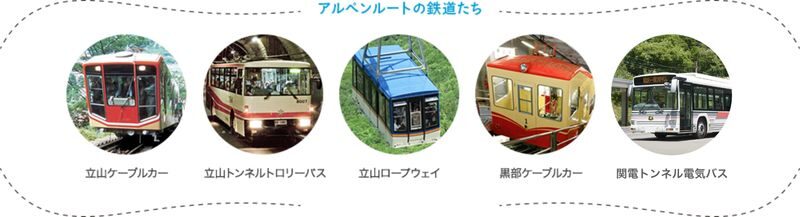
The route is known for its changing forms of transport. You’ll switch between buses, a cable car and a ropeway as the terrain and elevation change. These connections are not merely a way to get from one viewpoint to the next; they are part of what makes the day memorable. But they also mean you need to follow meeting times closely. Miss a connection or wander off, and the group cannot simply wait indefinitely.
The organized group format is especially useful during peak periods, when lines can build. A priority lane is provided for groups, and the guide handles the Alpine Route tickets on the day. That can remove some uncertainty from a busy crossing, although it does not guarantee that every queue will disappear.

👉 See our pick of the Our 6 Favorite Nagano Workshops & Classes
From Nagano Station to Ogizawa
The day begins early at Nagano Station. The precise departure time varies with the Kurobe Cable Car schedule and is sent through Klook before departure. Published details give a broad morning window, so check your messages carefully and arrive at the stated meeting point at least 10 minutes early. If you miss the departure, the tour treats it as a no-show and does not refund the fare.
The coach takes you to Ogizawa, one of the gateways to the route. This transfer matters: the tour starts on the Nagano side and finishes on the Toyama side, so your transport does not simply wait while you cross. At the far end, a bus brings the group back to Nagano. Past departures have started at different times, and traffic or weather can shift the return, so do not plan an evening appointment around the estimated 18:30 arrival.
Once at Ogizawa, you board the Kanden Tunnel Electric Bus for a roughly 16-minute ride through the mountain. It is a practical first leg, but also a clear change of pace from the road journey. Keep your belongings close and listen for the guide’s instructions as the group moves between transport.
You can also read our reviews of more tours and experiences in Nagano.


Kurobe Dam, a striking stop with a short clock
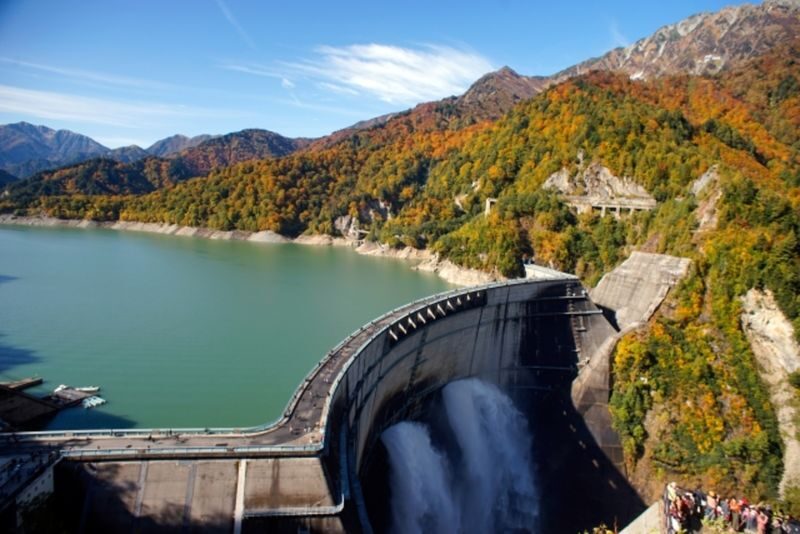
The bus brings you to Kurobe Dam, where the route includes a walk of about 15 minutes toward Kurobeko. The dam is a major engineering work set among steep mountain scenery. An observation deck offers a broad view over the structure, and the surrounding area changes character with the seasons.
This is a good place to pause, take photographs and appreciate the scale of the crossing. But the stop is part of a tightly connected day, not a leisurely visit. Your time here depends on conditions and the flow of people, so be ready to move when the guide calls. One practical note: the dam’s beauty is not limited to the snow season. Clear water and mountain views can make the stop worthwhile at other times of year, too.
From Kurobeko, the Kurobe Cable Car travels about five minutes to Kurobedaira. This line runs inside a tunnel, so don’t expect a long open-air ride or broad views from the windows. Its value is in moving you efficiently through the mountain and onward to the next change in transport.
Ropeway, tunnel bus and the climb to Murodo
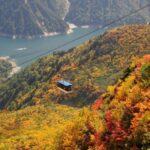
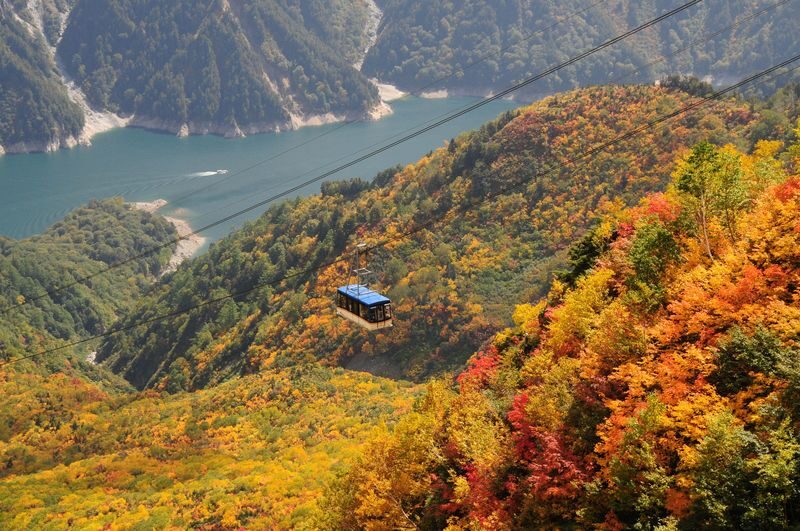
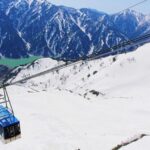
At Kurobedaira, you board the Tateyama Ropeway for a seven-minute ride to Daikanbo. This is one of the route’s signature connections, and it gives you a different perspective from the enclosed cable car. The next leg is a roughly 10-minute ride on the Tateyama Tunnel Bus, which carries you on to Murodo.
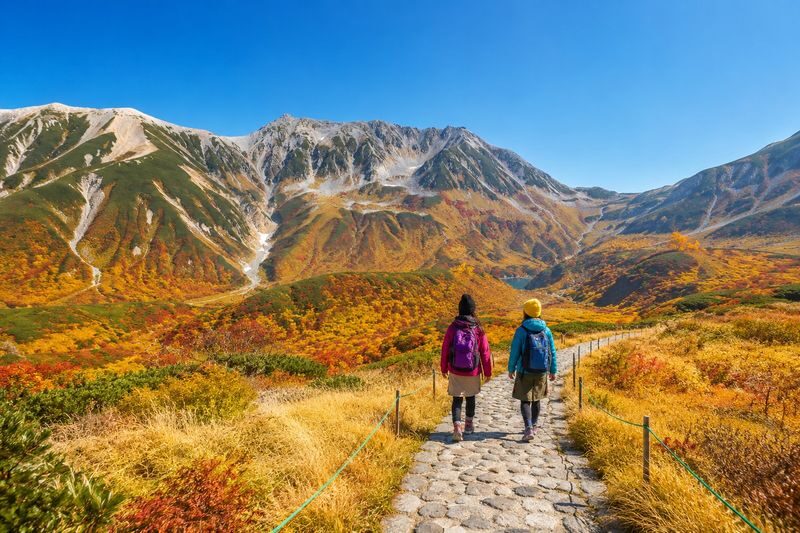
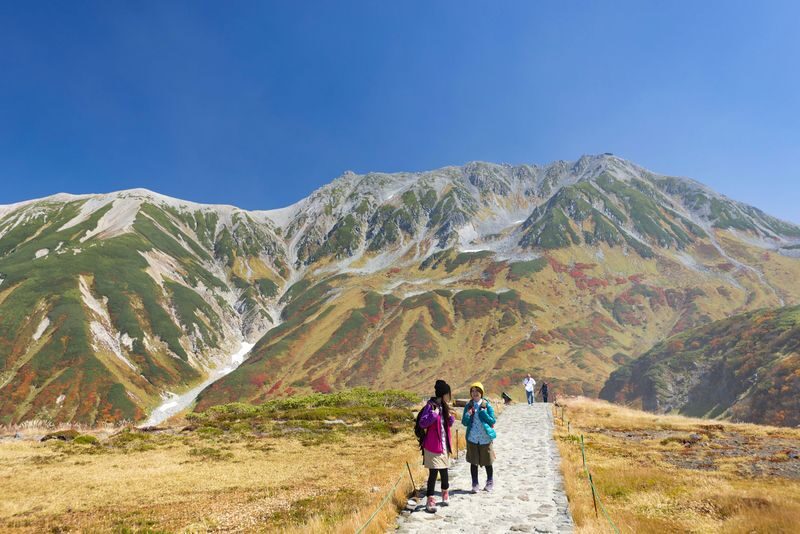
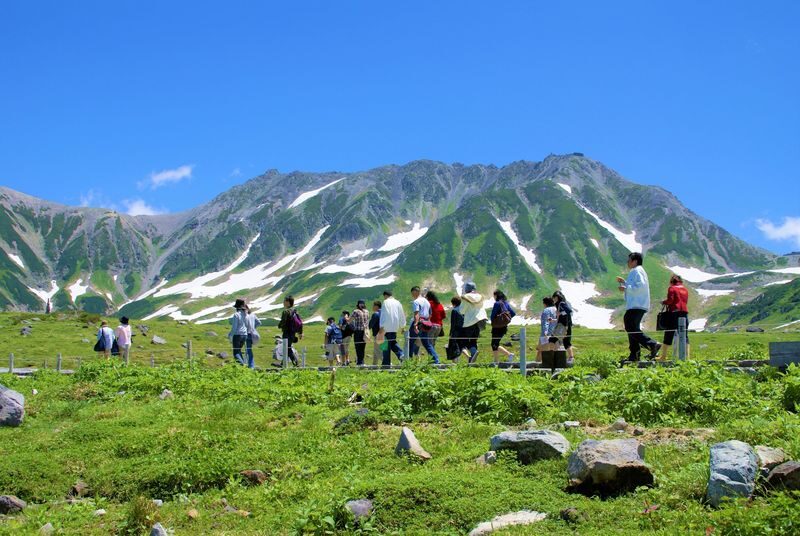
Murodo sits at 2,450 meters and is the day’s most anticipated stop for many people. In spring, the area is famous for Yuki-no-Otani, the Snow Valley, where high walls of plowed snow line a walking route. The viewing period is usually from late April to mid-June, but opening dates and snow height depend on that year’s accumulation and weather. A towering wall is never guaranteed, and visibility can change the experience considerably.
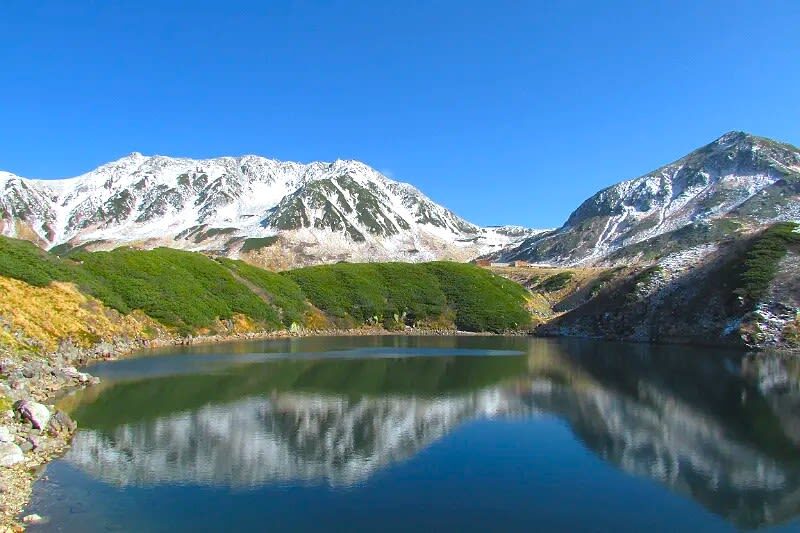
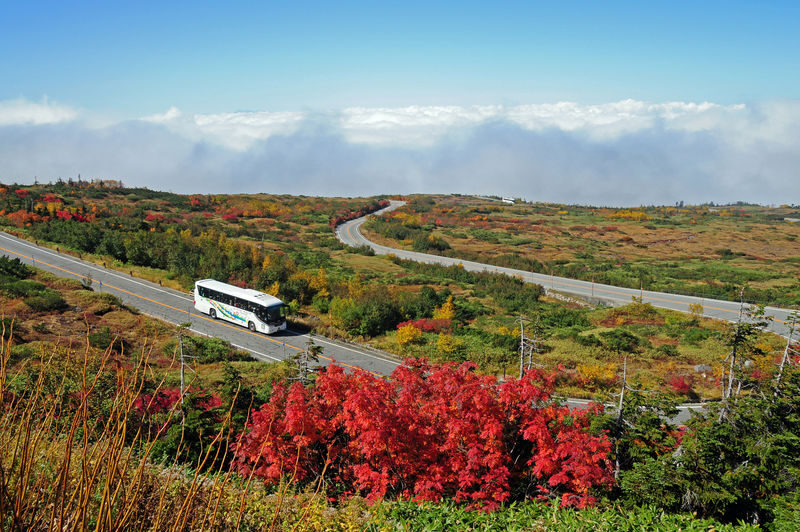
You can also visit Murodo outside the snow-wall window. Summer brings alpine plants and greener mountain views, while autumn brings gold and orange tones across the high country. The cool air can be a welcome break from lower elevations, though at this height you should still dress for cold weather. Weather can turn, and strong winds or heavy rain may suspend cable cars or close an observatory.
Murodo is also where the time pressure can feel sharpest. The crossing allows about seven hours across the Alpine Route as a whole, but that includes multiple transfers and possible queues. Some people wish they had more time to explore here. If you want to visit Mikurigaike Pond or walk beyond the snow corridor, check the day’s instructions and be realistic about how much time remains. One useful tip is to decide what matters most before you arrive, rather than spending the first part of your stop choosing.
Down to Tateyama Station and back to Nagano
From Murodo, the Tateyama Kogen Bus travels for about 50 minutes to Bijodaira. This long ride gives you a sustained look at the changing mountain scenery, but it is still transport time, not a free-roaming stop. At Bijodaira, the Tateyama Cable Car takes about seven minutes down to Tateyama Station on the Toyama side.
That completes the mountain crossing. A coach then returns you to Nagano Station, with arrival expected around 18:30, subject to the departure time, road traffic and weather. This transfer is worth spelling out when comparing options: you are not expected to find your own way from Toyama back to Nagano. The group’s bus makes the round trip possible in a single day, though the overall schedule leaves little room for independent detours.
What the price includes, and what it doesn’t
The tour starts at $80.85 and includes round-trip road transfers from the Nagano meeting point, plus Chinese-speaking and English-speaking staff. The key additional cost is the Alpine Route transport ticket, collected by the tour leader on the day: 10,940 yen for adults and 5,480 yen for children aged 6 to 11. The stated ticket price is not included in the tour fare, so compare the full cost rather than the headline price.
Bring cash for the ticket collection. The tour uses a group entry lane, and you are asked not to buy separate tickets yourself because group and individual entry arrangements differ. Meals, drinks and personal expenses are also extra. There is no lunch included, so pack food or plan to buy something at the Murodo Restaurant if time allows.
The value is strongest if you want a one-day crossing without arranging several transport links yourself. Your guide coordinates the group through a complicated chain of connections, and priority group access can help at busy points. If you are comfortable booking each leg independently and want longer stops, the fixed group schedule may feel restrictive. Also note that the information supplied gives conflicting age guidance: it lists a child fare for ages 6 to 11, but separately says the offer is not applicable to children aged 6 to 12. Confirm eligibility before booking if travelling with a child.


How to dress and pace yourself
Treat this as a mountain outing, not a city sightseeing day. Warm clothing is advised, including a down jacket, scarf, gloves and thick socks. Add waterproof outerwear and non-slip or waterproof walking shoes, especially if you are visiting during the snow-wall period. Sunglasses, a hat and sunscreen are sensible at high altitude, even when the air feels cold.
There is a considerable amount of walking and some stairs. The tour is not wheelchair-accessible, and it is not recommended for people with mobility impairments or certain health conditions, including heart conditions, high blood pressure or epilepsy. Some route sections have no restroom facilities, so use the facilities at stations or designated stops when you can. Luggage storage and delivery are not provided, so travel light.
Pack water and snacks, since lunch is not included and the schedule may not leave a generous meal break. Keep your phone secure while taking pictures, and carry a small daypack for extra layers. The guide may adjust stop order or shorten visits because of weather, crowds or transport conditions. In severe weather, parts of the route may close, and safety can take priority over the planned stops.
Who should book this Nagano day tour?
I’d consider this tour if you have a limited amount of time, want to cross the full route in one day, and prefer a guide to manage the transport changes. It is also a sensible option in a popular season, when arranging each connection and securing transport on your own could add stress. Guides on past trips have included Ashley, Arpan, Dragon, Merri and Lucy, with clear multilingual instructions frequently noted. Your guide is assigned, not selected, so don’t book on the promise of a particular person.
It suits active families and adults who can handle stairs, walking and a long day. It is a poorer fit if you need wheelchair access, have a condition that makes high-altitude activity unwise, or want an unhurried mountain stay. The tour does not allow you to leave the group midway and rejoin later, and unused portions are not refunded.
Book if the full crossing matters more to you than lingering at one stop. Before you commit, check the departure message, include the extra ticket fare in your budget, and leave your evening free. With those expectations set, this is a practical way to see the Northern Alps by a memorable sequence of mountain transport.
Tateyama Kurobe Alpine Route Day Tour from Nagano
“Tour leader Arpan was very friendly and fluent in Mandarin, English, and Japanese. There were indeed a lot of tourists during the long weekend, but…”
FAQ
How long is the tour?
The experience is listed as 12.5 hours. Departure is in the morning, with a return to Nagano Station expected around 18:30. Traffic, weather and the day’s departure time can affect the finish.
Where does the tour depart from?
It meets at Nagano Station. The exact departure time is adjusted to the Kurobe Cable Car schedule and sent through Klook before the tour.
Does the tour ticket include Alpine Route transport?
No. The Alpine Route transport ticket is paid separately to the tour leader on the day. The listed fare is 10,940 yen for adults and 5,480 yen for children aged 6 to 11.
Should I buy my own Alpine Route ticket?
No. The tour uses a group entry lane and asks you not to buy a separate ticket. The guide collects the group ticket fees on site.
What stops are included along the route?
The crossing includes Ogizawa, Kurobe Dam, Kurobeko, Kurobedaira, Daikanbo, Murodo, Bijodaira and Tateyama Station on the Toyama side.
Is the snow wall available all year?
No. The Snow Valley period is usually from late April to mid-June. Exact opening dates, snow height and viewing conditions depend on snow accumulation and weather.
Is lunch included?
No. Bring food or plan to buy lunch at the Murodo Restaurant. Meals and drinks are not included in the tour price.
What should I wear?
Wear warm layers and waterproof clothing, with non-slip or waterproof walking shoes. Sunglasses, a hat and sunscreen are also recommended.
Is the tour suitable for wheelchair users?
No. The activity is not wheelchair-accessible and is not recommended for people with impaired mobility. It involves substantial walking and stairs.