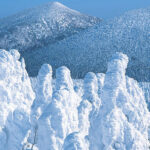
Zao’s juhyo are winter trees transformed by wind, snow and ice into strange, bulky figures. Pair them with Ginzan Onsen’s old-fashioned riverside streets, and you get two very different sides of Yamagata in one demanding day from Sendai.
I like that the tour takes the hassle out of connecting these far-apart sights, and that group priority access at the Zao Ropeway can save a long wait. I also like the chance to see Ginzan by day or, if timing and conditions allow, around dusk, when its lights give the wooden buildings a different mood.
The trade-off is time: the drive between Zao and Ginzan is about 1.5 hours, and time at each stop can shrink to roughly 40 minutes when crowds or weather interfere. Mountain views are never guaranteed, so bring warm layers and a flexible attitude.
- Zao’s juhyo are the winter headliners: Take the ropeway up to see ice-laden trees, then step outside if wind and visibility allow.
- Ginzan Onsen offers a striking contrast: Old wooden buildings, a river and winter scenery make this a memorable walk, though the short stop limits lingering.
- Priority ropeway access can save hours: Group tickets have helped some departures avoid long queues, but access and timing depend on the day.
- Expect substantial road time: The two sights are far apart, and snow or traffic can add delays.
- Bring cash for possible extra fees: Some departures have collected separate charges for the ropeway and Ginzan shuttle.
- Guides help keep a busy day moving: Tour leaders including Yama, Azumi, Angie and Lulu have been praised for clear reminders and practical help.
- A mountain of ice, then a town of timber
- Riding the Zao Ropeway toward the juhyo
- Walking Ginzan Onsen’s short, memorable streets
- The road time is part of the calculation
- Guides, group timing and a changeable schedule
- What the price does, and does not, settle
- Pack for cold, crowds and a flexible plan
- Who should book this Sendai day trip
- FAQ
- Where does the tour depart from?
- Which places does the tour visit?
- Are ropeway and shuttle fees included?
- Are meals included?
- Can the order of the stops change?
- What happens if the tour does not have enough participants?
- What is the cancellation policy?
- The Best Of Sendai!
- More Winter Activities in Sendai
- More Tours in Sendai
- More Tour Reviews in Sendai
A mountain of ice, then a town of timber
 1 / 8
 2 / 8
 3 / 8
 4 / 8
 5 / 8
 6 / 8
 7 / 8
 8 / 8
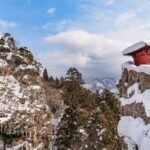
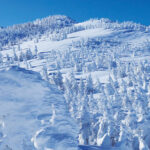
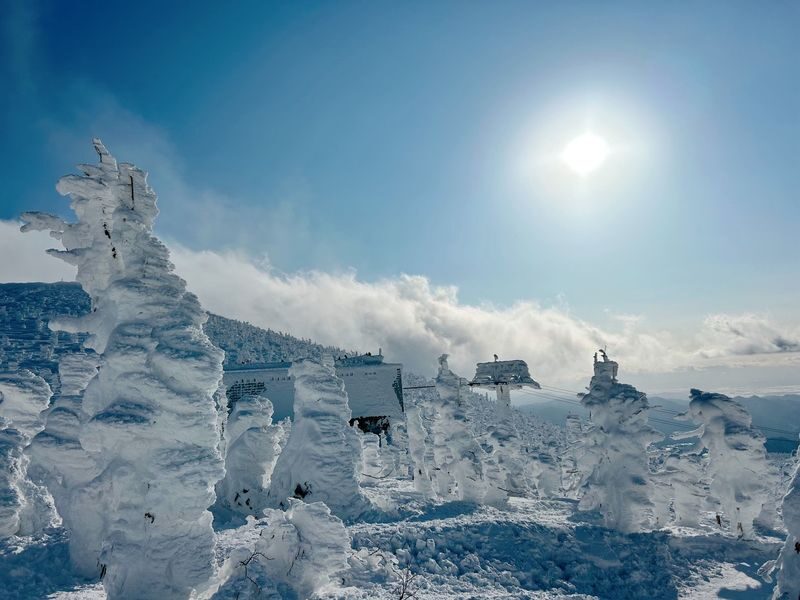
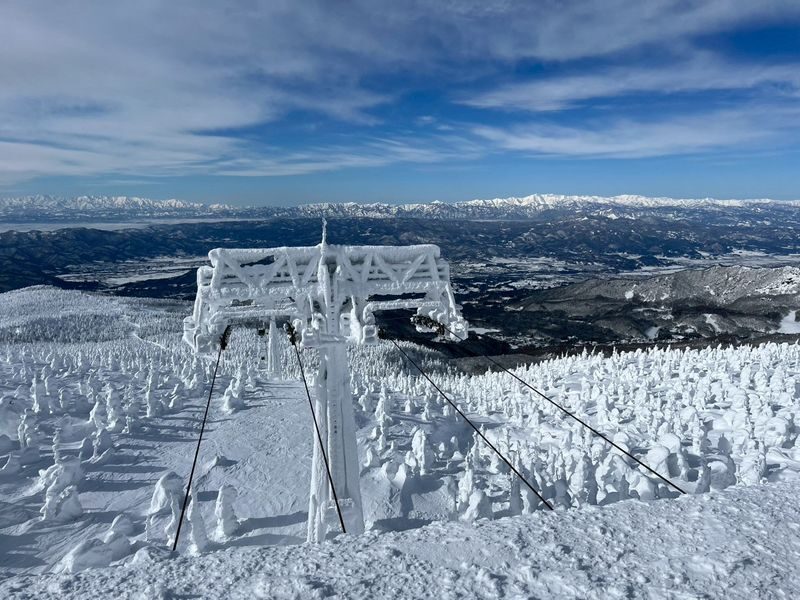
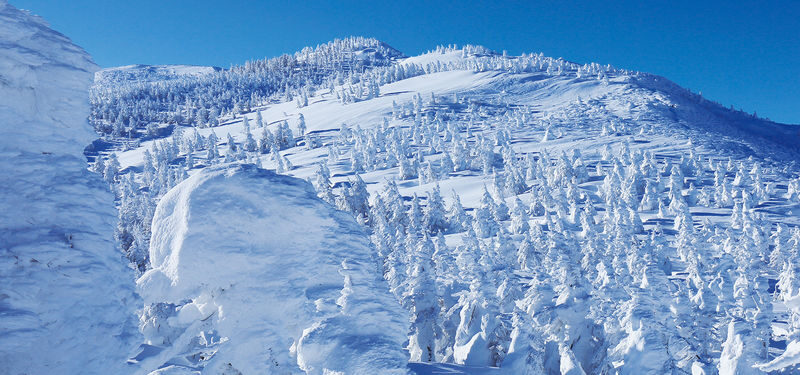
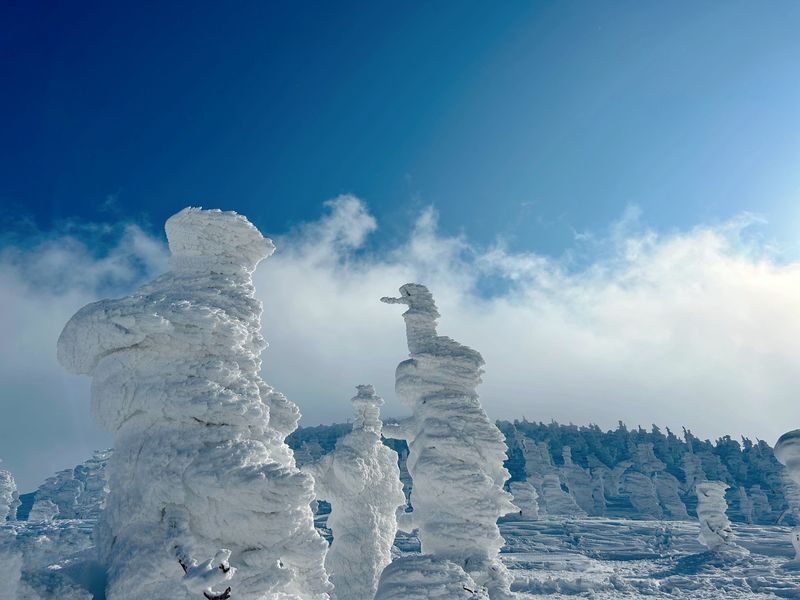
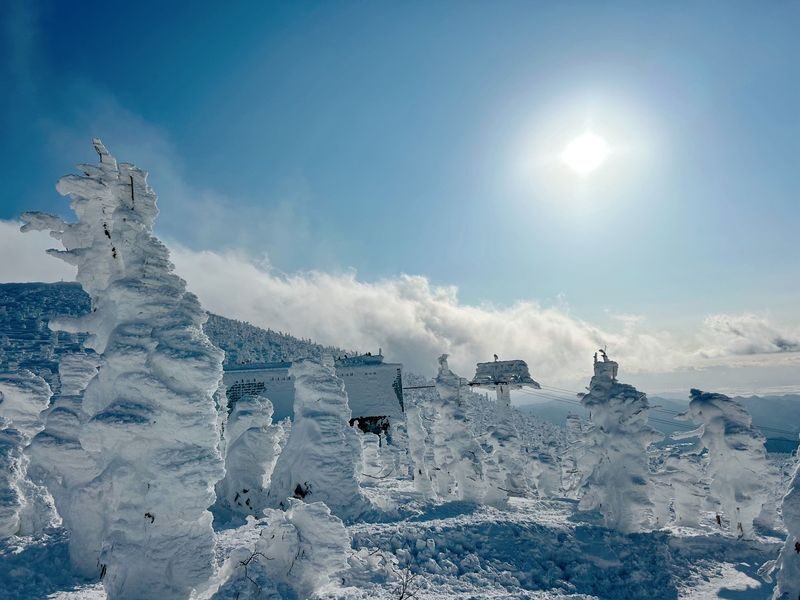
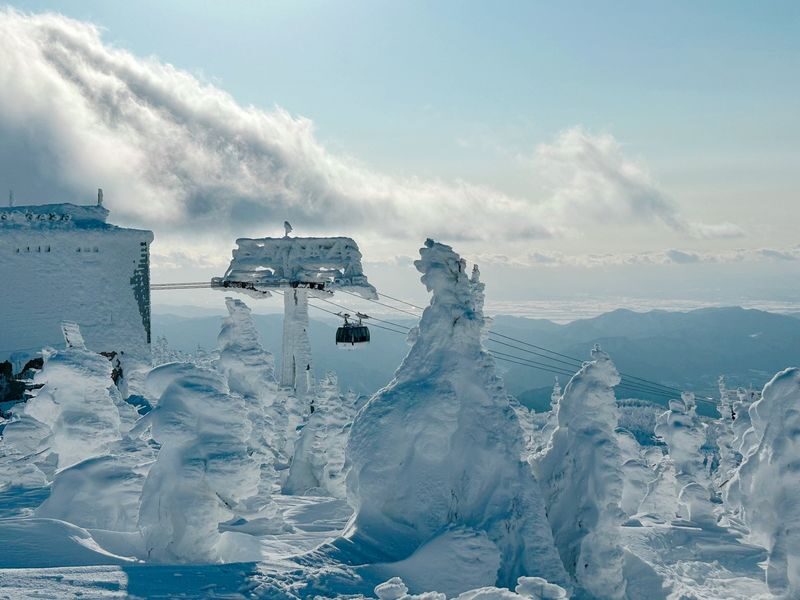
This is a two-sight day with a long stretch of road between them. At Zao, you ride a ropeway toward the juhyo, trees coated with snow and ice by the mountain weather. Their lumpy, wind-shaped forms have earned the name snow monsters, and they look most dramatic when visibility is good.
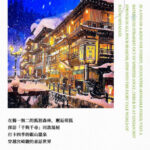
Ginzan Onsen brings the day back down to street level. Its wooden buildings and winter setting feel worlds away from the exposed mountain, and the old-fashioned streets are especially atmospheric as daylight fades. The contrast is the point: one stop is about height, weather and wide views; the other is about a compact townscape you explore on foot.
The day is best understood as a convenient sampler, not a leisurely visit to either place. You cover a lot of ground without working out transfers yourself, but you trade away time at the sights. If you want long walks, a meal at leisure or time to wait for the perfect mountain view, consider staying overnight nearby instead.

👉 See our pick of the 15 Best Tours In Sendai
Riding the Zao Ropeway toward the juhyo
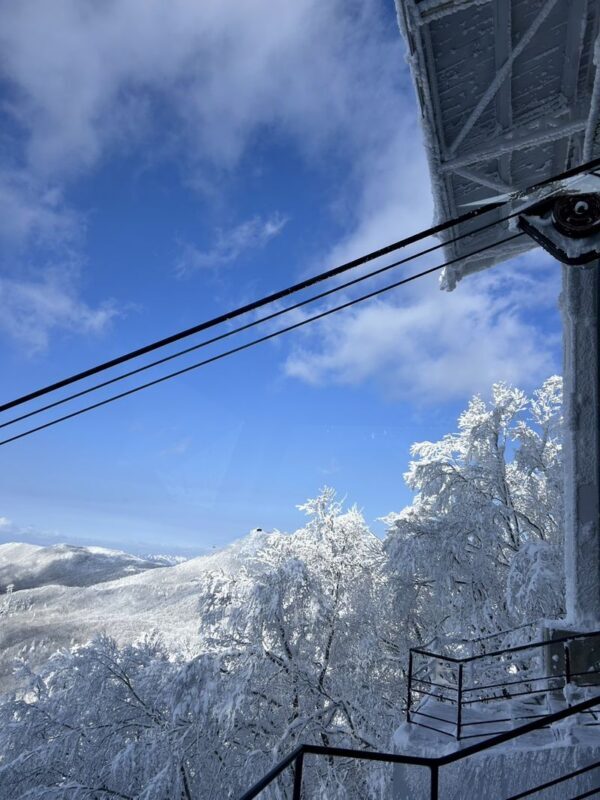
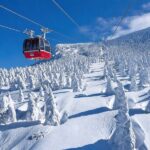
The ropeway is the gateway to the snow monsters, carrying you from the lower mountain toward the upper station. On a clear day, the ride itself gives you a view of snowy forest and mountain scenery, with the ice-coated trees as the main prize. Some departures have used group priority tickets, which can be a real advantage on crowded winter days. Regular queues have been reported at one to three hours, while priority access has sometimes cut the wait to minutes.
That advantage is useful, but it is not a promise of a quick ride every time. Weather, crowd levels and the group’s fixed ticket time shape how long you wait and how much time you get outside. Some visitors have had about 40 minutes at the mountain stop; others have had longer. When winds rise or heavy snow cuts visibility, you may need to keep your visit short, and the snow monsters may be hard to see.
Dress for exposure, not for the temperature you feel in Sendai. The mountain can be bitterly cold: one departure encountered about minus 10.5 degrees Celsius, and others faced strong wind and blowing snow. Wear warm clothing, cover exposed skin, and choose footwear that works in snow. The tour details do not specify gear rental, so do not count on borrowing what you forgot.
The best plan is to enjoy the ropeway even if the summit view does not cooperate. Snow-covered forests on the way up can still be beautiful, and seeing the trees in poor visibility is part of the mountain’s unpredictable character. But if the juhyo are your main reason for booking, understand that no bus schedule can control the weather.
You can also read our reviews of more tours and experiences in Sendai
Walking Ginzan Onsen’s short, memorable streets
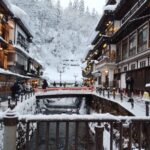
Ginzan Onsen is a small stop with a strong visual payoff. Its old wooden buildings line a narrow town setting, and the river and winter scenery make the walk feel distinct from the mountain portion of the day. You may have time to take photos, browse a few small shops or simply wander the main street. The schedule often allows around an hour, but crowding, traffic and delays can reduce that.
A dusk arrival can be especially appealing. One departure reached the town as its lights came on after snow delays, while other departures visited in daylight. The order can change, so you should not book on the assumption that you will see the illuminated streets. A morning visit can be quieter; an evening visit may offer a more atmospheric glow but can also be busy.
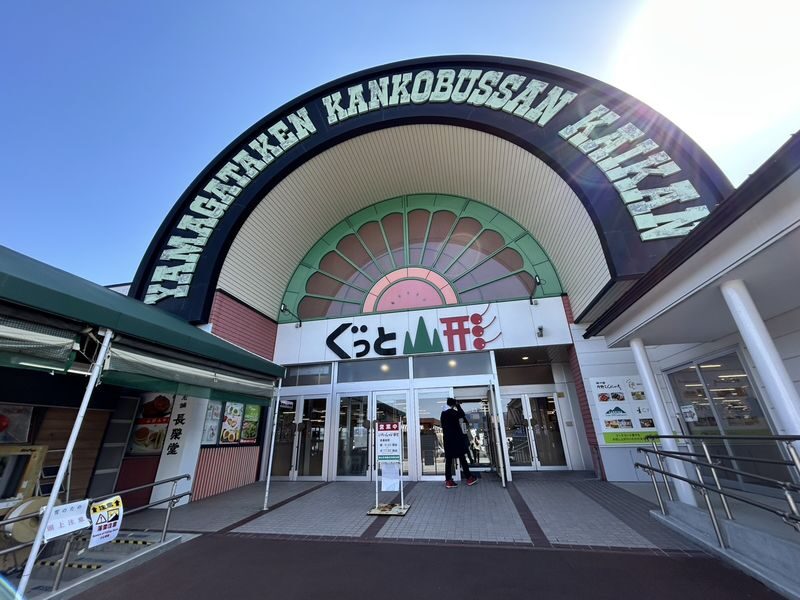
The last part of the approach may involve a group shuttle bus. It is arranged to help the group reach Ginzan, but it adds a transfer and, on some departures, a separate fare. The shuttle can itself have a queue, particularly when many people are visiting. Follow the guide’s instructions closely so you know where to meet and when to return.
An hour is enough for a stroll and a few photos, not for a slow meal and a thorough look around. If Ginzan is the place you most want to experience, a dedicated visit or overnight stay gives you more freedom. On this day trip, treat it as a beautiful but brief stop.
The road time is part of the calculation
From Sendai, the route covers a substantial distance. One account described roughly two hours from Sendai to Ginzan, including a rest stop, and about 1.5 hours between Zao and Ginzan. Those are useful indications, not fixed travel times. Snow, road traffic and delays at the ropeway can stretch the day.
That makes the bus more than a way to get from A to B. Winter driving in this region can be difficult, and the group has a professional driver handling snowy roads while the guide manages transfers and timing. You avoid coordinating separate connections between Sendai, Zao and Ginzan, a worthwhile trade if you have limited time or do not want to drive.
The cost is time spent sitting down. With travel, rest stops and two short visits, the day feels compact and can run long. One departure returned to Sendai around 8 p.m., but the exact schedule can vary. If you have a Shinkansen or other onward connection, leave a generous buffer rather than assuming the bus will arrive at a precise time.
Guides, group timing and a changeable schedule
Guides are an important part of this trip because the day involves several handoffs: meeting in Sendai, boarding the ropeway, changing transport for Ginzan and gathering again on time. Tour leaders on different departures have included Yama, Azumi, Angie and Lulu. Reports have described English- and Chinese-speaking support, but the language available can vary, so check what applies to your date.
The strongest guide teams have kept instructions clear, helped with photos and adjusted the sequence when conditions called for it. Some departures visit Ginzan first, then Zao; others reverse the order. The change can help avoid crowds or fit fixed ropeway ticket times. It can also mean that you reach the mountain when the weather is worse, so the order is a practical decision, not a guarantee of better views.
Group size varies. Accounts range from a small group of seven to a full bus of about 30, with vehicles described as medium-sized. A larger group can take longer to gather and move, while priority access may ease the ropeway bottleneck. Be ready at meeting points when asked. A late start or slow regrouping can take time from a stop that is already short.
What the price does, and does not, settle
The listed price starts at $125.05. That buys the convenience of transport from Sendai and a guided day linking two hard-to-combine stops. For a visitor who does not want to research winter transport connections or drive snowy roads, the time saved can make the fare worthwhile.
Do not assume the starting price covers every cost. Some departures have collected separate payment for the Zao Ropeway and Ginzan shuttle. One account gave a total of 5,700 yen for both, made up of 4,400 yen for the ropeway and 1,300 yen for the shuttle; other accounts gave different shuttle amounts. Fees and arrangements can change, so check the current inclusions before booking and bring cash if the operator requests payment on the day.
Meals are not included in the package described here. There have been lunch breaks at a rest stop or near Yamagata, and the exact place can change with the schedule. Treat lunch as your own expense and keep it simple enough to fit the available break. A quick meal is more realistic than a long sit-down stop on a packed day.
The tour’s value rises when the ropeway queue is long and the guide secures group priority access. It falls if you expect a slow visit, included meals or a guaranteed clear view. Compare the total cost, including any extra fees, with the value you place on avoiding transfers and handling winter roads yourself.
You can also read our reviews of more tours and experiences in Sendai

Pack for cold, crowds and a flexible plan
Warm clothes are essential, especially for time outside at the upper ropeway station. The mountain can be windy and snowy even when conditions lower down seem manageable. Gloves, a hat and layers you can adjust are sensible choices; sturdy footwear will make a snowy walk more comfortable.
Bring cash for possible ropeway or shuttle charges, and keep some small change handy. The exact fees have varied, so verify them for your departure. Pack water and a snack as well, since meals are not part of the package and the lunch stop is not fixed.
Finally, keep your plans loose. The order of the two stops may change, the time at Ginzan can be shortened by crowds, and poor visibility can limit the mountain visit. This is a winter outing, not a controlled viewing platform. Its best days can be spectacular, but the same weather that makes the juhyo possible can also hide them.
Who should book this Sendai day trip
I would choose this tour if I had one day to see both Zao and Ginzan, wanted someone else to handle the driving and connections, and could accept a brisk pace. The group ropeway arrangements can be particularly valuable on a crowded day, and attentive guides can make the constant moving around much easier.
I would look for a different plan if I wanted to spend several hours at Ginzan, have a relaxed lunch, or could not tolerate the chance of a poor mountain view. Staying overnight near one of the sights gives you more time and more options if weather interferes. For a first visit with limited time, though, this is a practical way to see two memorable places in one winter day.
Sendai Zao Snow Monsters & Ginzan Onsen Day Tour
“Seeing the 'Snow Monsters' (Juhyo) and Ginzan Onsen was absolutely wonderful! The tour guide was very nice, and joining this tour was so convenient…”
FAQ
Where does the tour depart from?
The tour departs from Sendai Station. Check the meeting details sent for your selected date.
Which places does the tour visit?
It visits the Zao Ropeway area to see the juhyo, or snow monsters, and Ginzan Onsen in Yamagata.
Are ropeway and shuttle fees included?
Some departures have collected separate fees for the Zao Ropeway and the Ginzan Onsen shuttle. The amounts reported have varied, so confirm the current inclusions before you go.
Are meals included?
No meal is included in the package described. A lunch break may be arranged, but food is at your own expense.
Can the order of the stops change?
Yes. The order has changed to respond to local conditions, crowds and ropeway timing.
What happens if the tour does not have enough participants?
The activity is cancelled if fewer than two participants sign up, and you receive a refund.
What is the cancellation policy?
You can receive a full refund if you cancel at least seven days before the activity date, using local destination time. The operator may cancel because of extreme weather or unforeseen events, in which case you can request a full refund.