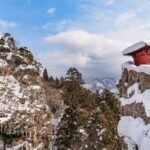
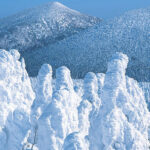
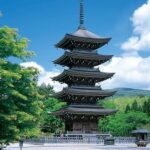
Ginzan Onsen is at its most atmospheric when its gas lamps glow against the evening cold. This 10-hour trip from Sendai aims to put you there at dusk, while also adding a shrine visit and seasonal fruit picking to the day.
I like the included Ginzan shuttle, which takes some of the uncertainty out of reaching the hot-spring town, and the mix of stops, from a quiet shrine to a local noodle lunch and fruit farm. The trade-off is a tight schedule: you get 1 hour 40 minutes in Ginzan, and weather or traffic can affect the timing.
- At a glance
- A long day built around Ginzan at dusk
- Kanahebisui Shrine: a quiet first stop
- Shiroishi Umen lunch: a set meal, with dietary limits
- Fruit picking near Sagae
- Ginzan Onsen: a short walk in the evening light
- The bus ride and the details that matter
- Who will get the most from this tour?
- Should you book it?
- FAQ
- What is included in the tour price?
- How long is the tour?
- How much time do I get at Ginzan Onsen?
- What fruit can I pick?
- Can the lunch accommodate food allergies?
- Where is the meeting point in Sendai?
- Can I bring a suitcase on the bus?
- What should I wear in winter?
- The Best Of Sendai!
- More Spa & Hot Springs in Sendai
- More Tours in Sendai
- More Tour Reviews in Sendai
At a glance
 1 / 5
 2 / 5
 3 / 5
 4 / 5
 5 / 5
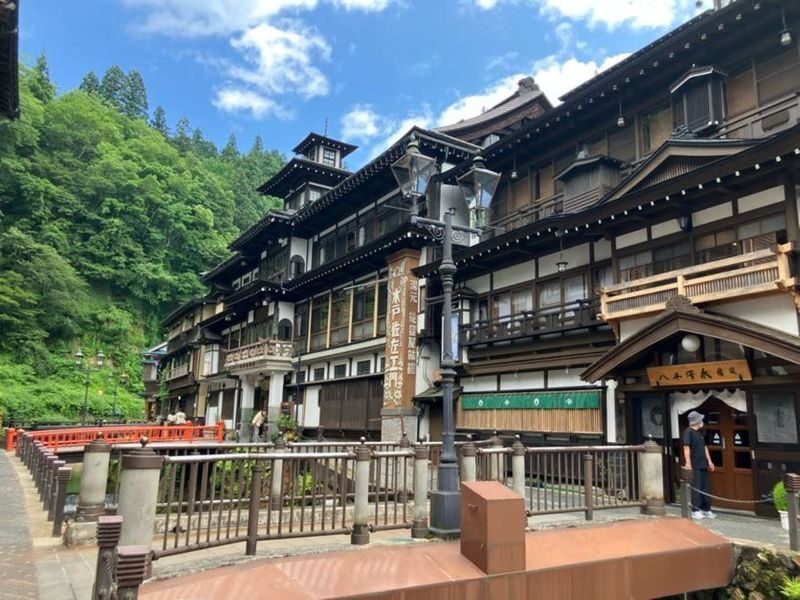
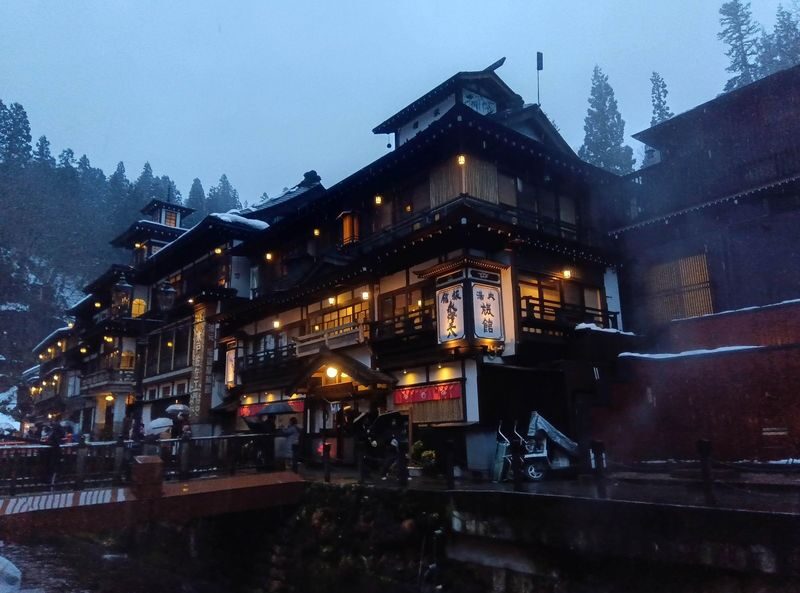
- Ginzan at dusk: The schedule is designed to let you see the street lamps come on, though seasonal daylight and winter road conditions can shift the day’s timing.
- A varied day out: Visit Kanahebisui Shrine, have Shiroishi Umen lunch, pick fruit in season and walk around Ginzan Onsen.
- Food and transport included: The price from $137.69 includes lunch, fruit-picking admission and the Ginzan shuttle fee.
- An English-speaking guide: The guide generally speaks English. A bilingual English and Chinese guide accompanies Tuesday departures.
- A short visit to Ginzan: The 1 hour 40 minutes is enough for a walk, photos and a snack, but not a long soak or a leisurely exploration.
- Plan for winter: Bring warm layers and shoes with good grip. Snow and shuttle delays can affect the return time.

👉 See our pick of the 15 Best Tours In Sendai
A long day built around Ginzan at dusk
This is a full-day bus tour from Sendai into Yamagata Prefecture, with a handful of stops that break up the drive. You leave from the east side of JR Sendai Station at 9:30 and are due back around 19:30, though the stated arrival window is 19:30 to 20:00. The operator may adjust departure and return times as sunset changes by season.
The plan has a clear center of gravity: Ginzan Onsen. The other stops add variety, but they also make this more than a quick transfer to the famous hot-spring street. You get a shrine visit, a regional lunch and fruit picking before reaching Ginzan in the later part of the day.
The experience is arranged for a group of around 10 to 25 people, with a minimum of 15 required for the tour to operate. An English-speaking guide accompanies the group; Tuesday departures include a Chinese-speaking guide as well. Guides on earlier tours have included Yoshi, Yumi, Shun and Sanichi, but the specific guide for your date is not guaranteed.
The price starts at $137.69. That is not the cheapest way to see a small town, but it covers the bus, lunch, fruit-picking admission and Ginzan shuttle fee. The value is strongest if you want someone else to coordinate the long journey and the shuttle logistics. If you prefer to stay longer in one place, the fixed schedule may feel restrictive.
You can also read our reviews of more tours and experiences in Sendai

Kanahebisui Shrine: a quiet first stop
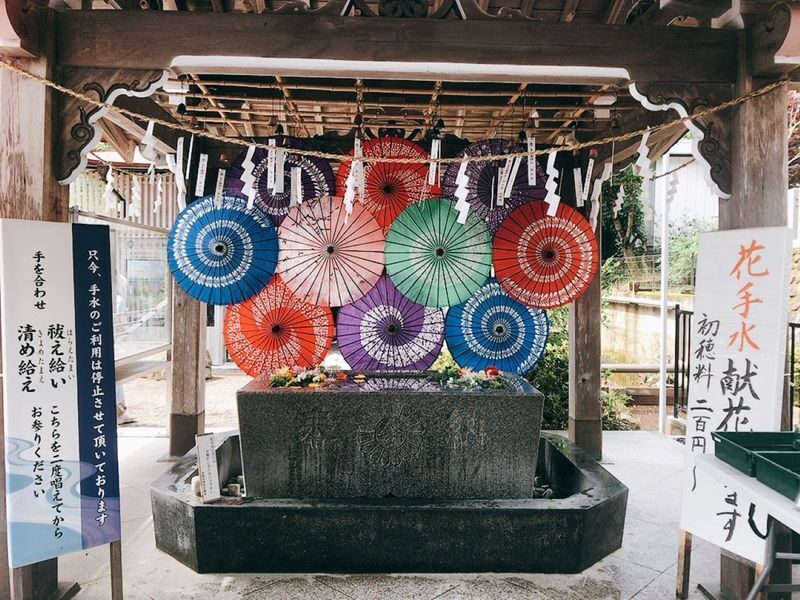
The day begins at Kanahebisui Shrine, where you have 45 minutes on a guided visit. It offers a calmer start than heading straight to a crowded photo spot. You can look around the grounds and, if interested, purchase a seasonal goshuin, a hand-drawn shrine stamp, or an amulet.
The visit is short, so treat it as an introduction rather than an extended spiritual retreat. The shrine also has a cafe, though the tour information does not specify exactly what is available there. If collecting goshuin matters to you, bring cash and allow time to check what is being offered that day.
A guide can help put the stop in context and explain local customs. Still, this is a group visit, so you will need to keep an eye on the time rather than linger over every detail.
Shiroishi Umen lunch: a set meal, with dietary limits
At about 11:35, the group stops for a 45-minute lunch featuring Shiroishi Umen, a traditional local noodle dish served as a set meal. The meal is included, which saves you from having to find a restaurant during a tightly timed day. It also gives you a taste of regional food rather than another convenience-store stop.
There are important restrictions for anyone with food allergies or dietary needs. The tempura contains shrimp, and the noodle soup uses dried bonito flakes, mirin and soy sauce. The operator says it cannot arrange changes to the soup, so this meal is not suitable for some allergies or for people avoiding fish or animal products. Tell the operator about allergies in advance, but do not assume a substitute will be available.
The menu can change depending on the season and ingredient supply. Vegetarian or vegan alternatives are not specified, so if you need a particular meal, contact the operator before booking and bring a backup snack if appropriate.
Fruit picking near Sagae
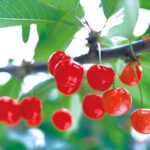
The next stop is Road Station Sagae Cherry Land, scheduled for about 13:40. The visit lasts 40 minutes, with up to 30 minutes set aside for fruit picking. Strawberries are available through the end of April; after that, the fruit changes with the season.
The short window makes this a fun sampler, not a farm visit where you can spend an afternoon picking at your own pace. The remaining time is for the restroom and a browse around the road station, which can be useful after the bus ride. Check the seasonal fruit before booking if one particular crop is the main draw.
Crop conditions can sometimes make picking unavailable. In that case, the plan changes to shopping at Cherry Land, with a ¥2,000 refund. That is a practical fallback, but it is worth knowing if you are choosing the tour mainly for the farm experience.
Ginzan Onsen: a short walk in the evening light
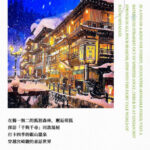
Ginzan Onsen gets 1 hour 40 minutes of self-guided time. You can walk the streets, take photographs and try local street food at your own pace. The tour is timed to give you a chance to see the gas lamps at dusk, when the wooden buildings and the narrow riverside street take on a different feel from daytime.
The visit is short by design. You should have time to stroll through the main area and stop for photos, but not to explore slowly, visit multiple shops or settle into a long bath. The tour information does not include admission to an onsen bath, so don’t count on a hot-spring soak as part of the package.
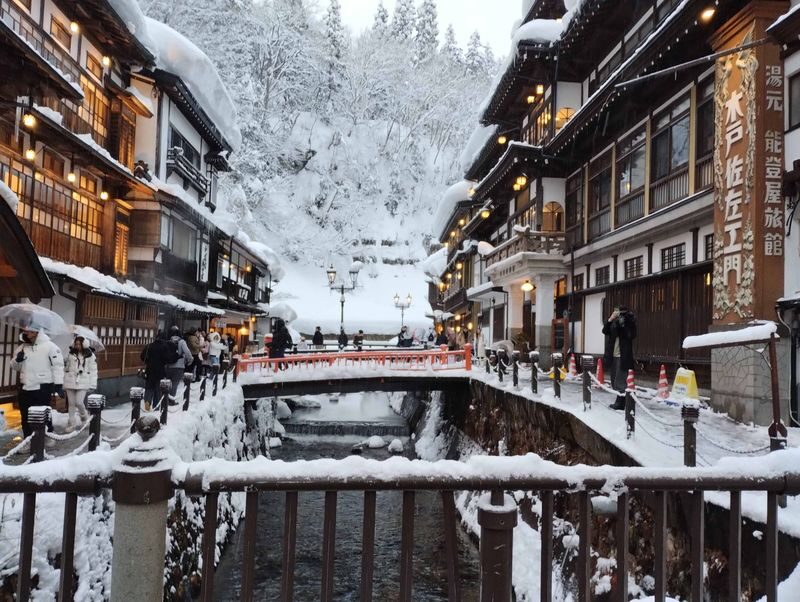
Ginzan’s popularity is part of the practical picture. Crowds can make the street feel less secluded than photographs suggest, and winter conditions bring slippery paths and cold waits. The Ginzan shuttle fee is included, and the operator says it has adjusted logistics to reduce waiting. That helps, but it cannot eliminate delays caused by traffic, weather or heavy demand. In winter, shuttle buses can run late, and return times may slip.
Bring shoes with a good grip, a waterproof outer layer and warm accessories. A footbath may be available to enjoy during your visit; if you plan to use one, bring a small towel to dry your feet. You will have more fun if your hands are warm enough to take photos without a wrestling match with your gloves.


The bus ride and the details that matter
The tour begins at the JR Sendai Station East Exit Tourist Bus Stop. Meet at 9:15 for the 9:30 departure, and look for the blue HIS flag. To find the stop, use the free passage facing S-PAL toward the East Exit. At the circular pedestrian deck, go down the escalator on the left with your back to the station.
Arrive on time. The conditions state that late arrivals and no-shows are not refunded, and refunds are not issued to participants who are five minutes or more late. Keep your voucher ready on your phone, or bring a printout.
Suitcases generally cannot be carried on the bus, so this tour works best as a day trip with a small bag. The scheduled return is in the evening, but road conditions and the day’s progress can cause delays. Do not plan a tight train connection or another time-sensitive activity afterward, especially in January and February.
The group must reach 15 participants for the tour to run. If it is cancelled because the minimum is not met, you receive a refund. The tour also may be cancelled due to extreme weather or other unforeseen events. Standard cancellation terms allow a full refund if you cancel at least 14 days before the activity date.
Children must be at least seven years old, and each child must be accompanied by an adult. The tour is not recommended for people with other serious medical conditions. Smoking and drinking are not allowed, and anyone who appears intoxicated may be refused participation without a refund.
Who will get the most from this tour?
I would choose this trip if I wanted to see Ginzan Onsen without arranging several legs of public transport myself. The bus, lunch and shuttle are bundled together, and the guide can handle the day’s instructions in English. The shrine and fruit stop make the route more varied than a simple out-and-back visit.
It suits visitors staying in Sendai who want a full day in the countryside, families with children old enough for the seven-year minimum, and anyone who values having transport and meal arrangements settled ahead of time. It is also a sensible choice in winter, when snow and shuttle logistics can make independent travel more demanding.
It is less suitable if you want a long, unhurried visit to Ginzan, need a specific diet that the included lunch cannot meet, or dislike fixed group schedules. The stops are timed, and you should expect to follow the guide’s departure instructions rather than wait for one more photo.
Should you book it?
Book this tour if seeing Ginzan Onsen at dusk is your priority and you want a guided, all-in-one day from Sendai. The included shuttle and lunch make the price easier to justify, while the shrine and seasonal fruit picking add a few local experiences along the way.
Skip it if you want to stay overnight in Ginzan, spend several hours at the baths or travel at your own pace. For everyone else, pack warm layers, leave your suitcase behind and keep the evening open in case the return runs late.
Illuminated Ginzan Onsen & Tohoku Highlights Bus Tour from Sendai
“The tour guide speaks both Chinese and English, so communication was effortless! Since I was traveling alone, the guide was incredibly warm, friend…”
FAQ
What is included in the tour price?
The package includes lunch, fruit-picking admission, the Ginzan Onsen shuttle bus fee and an English-speaking guide. A Chinese-speaking guide accompanies Tuesday departures.
How long is the tour?
The tour runs for about 10 hours. Departure is scheduled for 9:30, with a return to Sendai between 19:30 and 20:00. Traffic, weather and seasonal sunset times may change the schedule.
How much time do I get at Ginzan Onsen?
The scheduled visit is 1 hour 40 minutes. It is intended for strolling, photos and trying local street food, rather than a long stay or extended bath visit.
What fruit can I pick?
Strawberry picking is available through the end of April. After that, the fruit changes by season. If crop conditions prevent picking, the tour visits Cherry Land for shopping and provides a ¥2,000 refund.
Can the lunch accommodate food allergies?
The tempura contains shrimp, and the noodle soup uses dried bonito flakes, mirin and soy sauce. The operator says it cannot arrange changes to the soup, so contact the operator before booking if you have allergies or dietary restrictions.
Where is the meeting point in Sendai?
Meet at the JR Sendai Station East Exit Tourist Bus Stop. Look for the blue HIS flag and arrive by 9:15 for the 9:30 departure.
Can I bring a suitcase on the bus?
Suitcases generally cannot be placed in the vehicle. Bring a small day bag instead.
What should I wear in winter?
Wear warm layers, a hat, gloves and a waterproof jacket. Non-slip shoes are recommended for outdoor stops, especially around Ginzan Onsen.