

Experience the Heartbeat of Afro-Brazilian Culture in Rio
If you’re eager to explore Rio de Janeiro beyond its famous beaches and Christ the Redeemer, this African Heritage: Gastronomy and Musicality Experience offers a compelling look into the African influences that shape the city’s vibrant identity. For $110 per person, you’ll spend about five hours uncovering hidden stories through colorful murals, historical sites, local cuisine, and rhythmic music. Led by knowledgeable guides, this private tour is designed to give you a deep, authentic understanding of Rio’s Afro-Brazilian legacy.
What we love most is how this tour combines visual art and history — from the breathtaking Eduardo Kobra mural to the detailed model of the favela — with sensory experiences like tasting traditional dishes and participating in a percussion workshop. These elements make the history tangible and memorable. On the flip side, the tour’s length and intensity mean it’s best suited for travelers who want an engaging, culturally rich experience rather than a relaxed sightseeing afternoon. If you’re curious about Brazil’s diverse roots and enjoy discovering community stories alongside historical facts, this tour hits the mark.
One consideration: The tour is quite packed, covering multiple sites in just five hours. For those seeking a more leisurely pace or with limited mobility, some stops might feel rushed. Also, since the tasting involves Afro-Brazilian and Yoruba dishes, those with specific food restrictions should note this isn’t a culinary tour tailored to special diets.
Who will love this? It’s perfect for travelers who value in-depth cultural learning, enjoy art and music, and want to see Rio through the lens of its African influences. History buffs, foodies, and rhythm enthusiasts will find plenty to appreciate here.
Key Points
- Authentic Cultural Insights: Learn about Rio’s African heritage through art, history, food, and music.
- Diverse Sites: From the Museum of Tomorrow to the Morrinho favela model, each stop reveals a different layer of local culture.
- Engaging Activities: Includes a percussion workshop and food tasting, making the experience lively and participatory.
- Expert Guide: Guided by passionate and knowledgeable locals, ensuring meaningful explanations.
- Value for Money: A comprehensive, multi-sensory experience packed into five hours at a reasonable price.
- Rich Reviews: Consistently praised for depth, authenticity, and excellent storytelling.
A Deep Dive into the African Heritage Tour
Starting Point and Overall Structure
The tour begins bright and early at the Museu do Amanhã in Praça Mauá, setting the tone with a focus on future-oriented thinking fused with cultural roots. From there, you’ll visit multiple spots that hold profound stories about Rio’s African influences. The entire experience lasts roughly five hours, making it a compact but comprehensive journey through history, art, and community.
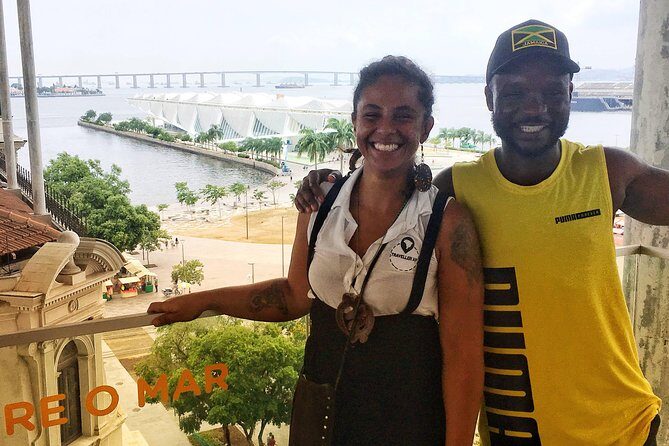
First Stop: Museu de Arte do Rio (MAR)
Here, you encounter the Morrinho Project, a detailed model showcasing the Pereira da Silva favela. This installation challenges stereotypical views of favelas by presenting daily life with nuance, emphasizing community resilience and creativity. If you’ve ever wondered what life in a favela is really like, this display offers a fresh perspective, illustrating the vibrancy often overlooked. The model is a vivid reminder that these neighborhoods are full of culture, resourcefulness, and social fabric.
Love for this stop? Many reviews highlight how this site helps dispel misconceptions and introduces a deeper understanding of Rio’s social landscape. It’s a poignant start that sets the tone for the rest of the tour.
Second Stop: Eduardo Kobra’s Mural
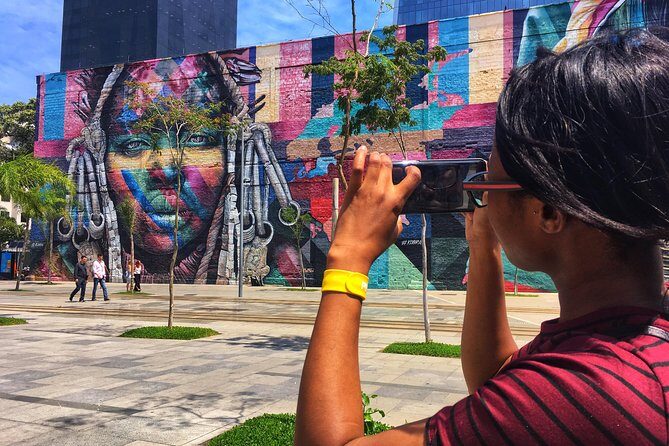
Next, you’ll admire the world’s largest graffiti mural by Eduardo Kobra, which features motifs representing ancestral ethnic groups and ancient cultures that are fundamental to Brazil’s identity. This massive, colorful artwork is a visual feast and a bridge connecting the past with the present urban scene.
Expectations: The mural is an impressive backdrop for photos and reflection, providing a tangible link to the diverse origins that shape Rio’s mosaic. Visitors often comment on how striking and meaningful this art piece is — a reminder of how street art can be a powerful form of cultural storytelling.
Third Stop: Instituto de Pesquisa e Memoria Pretos Novos (IPN)
This archaeological site reveals evidence from Brazil’s slave period, including a permanent exhibition of African bones uncovered in the area. The site’s history is sobering but essential to understanding the African diaspora’s impact on Brazil. The bones and artifacts tell stories of survival, resistance, and the enduring legacy of African cultures.
Why it Matters: Many reviews mention how this visit adds emotional depth and context to the tour, transforming abstract history into tangible human stories. It’s a profound moment that encourages reflection about the long reach of slavery in shaping modern Brazil.
Fourth Stop: Cais do Valongo & Little Africa
Here, you’ll walk through the Valongo Pier, a UNESCO World Heritage site that was once the largest slave port in the Americas. The region known as Little Africa still buzzes with traditions, music, and community life. This area is rich with stories of cultural resistance and survival, maintaining Afro-Brazilian practices that are alive today.
Community Spotlight: The remaining members of Quilombo Pedra do Sal keep Afro-descendant heritage vibrant through weekly samba sessions and cultural celebrations. Visitors often mention the palpable energy and pride felt in this neighborhood — a true cultural treasure.
Fifth Stop: Pedra do Sal
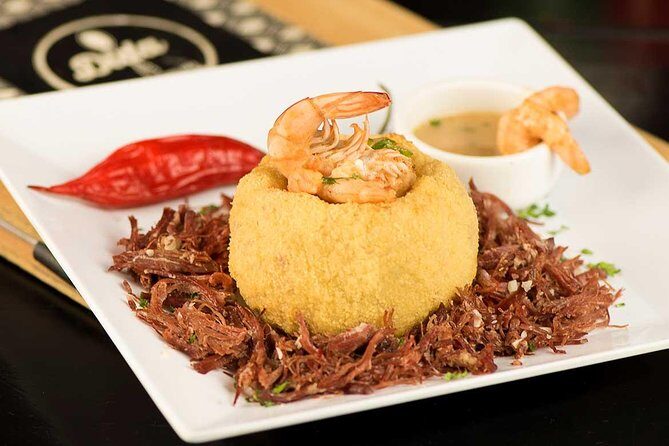
This lively hilltop neighborhood bursts with African rhythms, authentic cuisine, and community energy. The highlight here is the afro-Brazilian gastronomy tasting — featuring dishes rooted in Yoruba and Afro-Brazilian traditions. The flavors are often described as hearty, flavorful, and evocative of ancestral roots.
Musicality: The percussion workshop, led by a drummer from Africa, offers a hands-on experience that many find exhilarating. It’s a chance to beat drums, learn rhythms, and connect physically with the musical heritage that influences Rio’s soundscape.
What’s special about this stop? The combination of food and music creates a lively, emotional connection to African culture that many reviews describe as a highlight of the tour.
Final Stop: Largo de São Francisco da Prainha
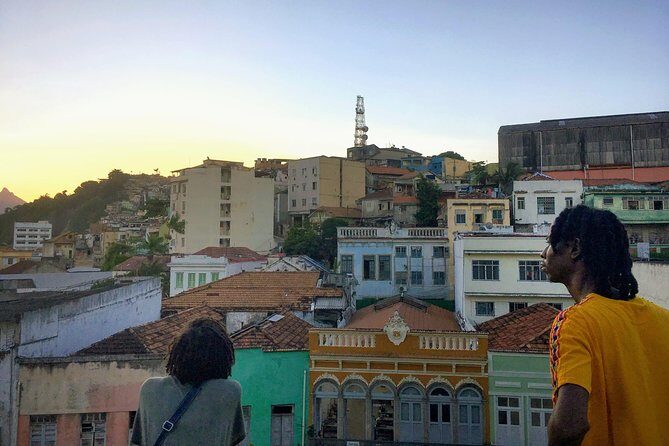
Concluding in this vibrant square, you enjoy the sounds of samba, funk, jazz, and chorinho as night falls. It’s the perfect spot for unwinding after a culturally intensive day, with outdoor seating and local snacks. The architecture, the sunset, and the music make this an ideal place to soak in Rio’s lively spirit.
Interested in history? Here are other past-focused experiences we've examined in Rio de Janeiro
Practical Details to Keep in Mind
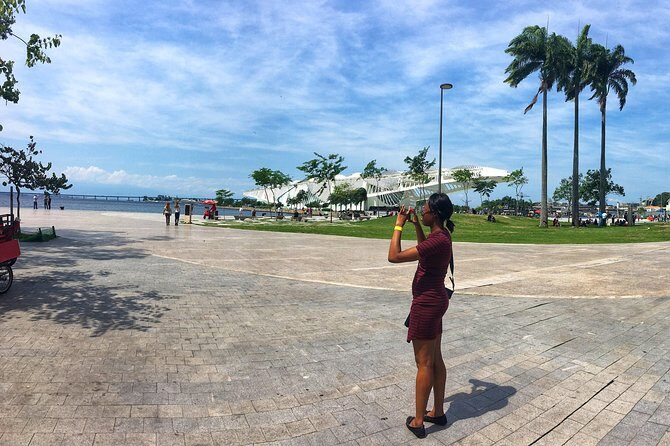
Transportation & Timing: The tour starts at 10:00 am from Praça Mauá and ends at Largo de São Francisco da Prainha. It’s a private experience, which means your group enjoys a flexible, personalized approach. The sites are all within walking distance or short transit rides, keeping travel time manageable even in busy Rio traffic.
Group Size & Atmosphere: Since it’s a private tour, you get a more intimate experience, enabling deeper conversations and questions. Guides are praised for their knowledge and passion, often making complex cultural topics accessible and engaging.
Cost & Value: At $110, this tour offers a lot of value considering the range of sites visited, activities included (food tasting, percussion workshop, museum entries), and the personalized attention. Reviews consistently mention how well worth the price is, especially given the depth of insights and authentic encounters.
Weather & Accessibility: Most sites are outdoors or in open-air spaces, so good weather is recommended. If rain occurs, some parts may be affected, but the tour provider offers options for rescheduling or refunds.
Who Will Benefit Most?
This experience is ideal for travelers eager to look beyond the surface of Rio’s famous landmarks and understand its cultural roots. If you appreciate art and street murals, love historical insights about marginalized communities, and are curious about African influences on Brazilian life, you’ll find this tour rewarding. It’s particularly suited for those who enjoy tasting local food and participating in musical activities — making it a lively, memorable cultural day.
Frequently Asked Questions
Is this a full-day tour? No, it lasts approximately five hours, covering multiple sites with some walking and activities included.
Is the tour suitable for children? While most travelers find it engaging, the focus on history, art, and food may be better appreciated by older children or teenagers who enjoy cultural exploration. The tour is not explicitly tailored for young kids.
Are there any dietary restrictions I should know about? The food tasting features Afro-Brazilian and Yoruba dishes, which might not accommodate specific food restrictions. It’s best to check ahead if you have special dietary needs.
What should I wear or bring? Comfortable walking shoes, sun protection, and a hat are recommended. Since it involves outdoor sites, prepare for weather conditions.
Do I need to book in advance? Yes, most travelers book about a month in advance, as the tour tends to fill up quickly.
Are drinks included? No, drinks are not included, so you can bring water or purchase beverages at stops.
Final Thoughts
For travelers looking to connect with Rio de Janeiro’s cultural soul through a rich mix of art, history, food, and music, this Afro-Heritage tour is a standout choice. Its focus on community stories and authentic experiences makes it more than just sightseeing — it’s a chance to understand the city’s diverse roots and ongoing traditions.
The guided expertise, combined with interactive elements like tasting and drumming, creates a lively, educational, and emotionally resonant experience. While it’s a full-on culture, it’s also flexible enough to suit curious, open-hearted travelers eager to see Rio through a different lens.
If your goal is to gain a meaningful perspective of Afro-Brazilian influence and enjoy a day filled with colorful sights, sounds, and flavors, this tour deserves a spot on your Rio itinerary.
While you're exploring Rio de Janeiro, here are other experiences we've looked into
More Historical Tours in Rio de Janeiro
- Full-Day Historical Tour in Paraty from Rio
- Private Favela and Little Africa tour: The Full African History
- Rio’s Downtown Walking Tour: Unveiling Rich History and Landmarks
- Rio Culture and History & Traditional Foods
- Highlights of Brazilian History and Culture Half-Day Tour
- Little Africa: Historical & Heritage Tour of Rio de Janeiro
More Tour Reviews in Rio de Janeiro
- Conheça a montanha imperial mais famosa do Rio! (Petrópolis)
- Save time and money: Christ the Redeemer and Pão de Açucar
- Maracanã Stadium: Live Football Match: Inc. Tickets and transport
- Tijuca Forest: Tour with Waterfalls and Caves
- The Best of Rio de Janeiro in a Private Guided Tour
- Boat Tour Arraial do Cabo: The Brazilian Caribbean
More Rio de Janeiro experiences we've covered
- Conheça a montanha imperial mais famosa do Rio! (Petrópolis)
- Save time and money: Christ the Redeemer and Pão de Açucar
- Maracanã Stadium: Live Football Match: Inc. Tickets and transport
- Tijuca Forest: Tour with Waterfalls and Caves
- The Best of Rio de Janeiro in a Private Guided Tour
- Boat Tour Arraial do Cabo: The Brazilian Caribbean
- Day Tour in Rio – Christ the Redeemer, Sugarloaf Mountain, Lunch and City Tour
- Private Helicopter Tour in Rio de Janeiro for 3 people-30 minutes
- Private Transfer Airport x Rio de Janeiro Hotels
- Rio De Janeiro: 5-Day Tour & Cultural Experience, All Included.
- Carnaval Experience – Behind the Scenes of Rios Carnival in the City of Samba
- Private transfer Economico GIG Rio Galeao airport up to 3 pax to Zona Sul