- Exploring Rio’s African Heritage: Gastronomy and Musicality Experience
- Key Points
- In-Depth Review of the African Heritage: Gastronomy and Musicality Experience
- Introduction: Why This Tour Matters
- Starting Point: Museu do Amanhã and the First Impressions
- Deep Dive into Afro-Brazilian History at IPN and Cais do Valongo
- The Heart of Afro-Brazilian Culture: Pedra do Sal and the Quilombo Community
- Culinary and Musical Highlights at Pedra do Sal
- Concluding in Largo de São Francisco da Prainha
- Practical Details and Value
- Who Will Love This Tour?
- The Sum Up: Who’s This Tour Best For?
- FAQs
- The Best Of Rio de Janeiro!
- More Historical Tours in Rio de Janeiro
- More Tour Reviews in Rio de Janeiro
Exploring Rio’s African Heritage: Gastronomy and Musicality Experience
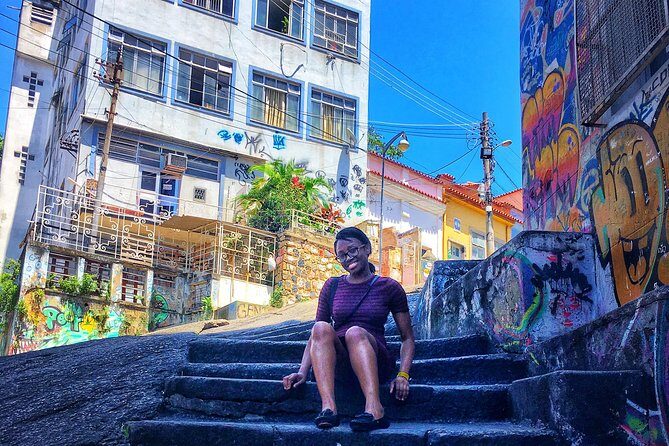
Imagine walking through vibrant neighborhoods, surrounded by colorful murals and historic sites that tell stories of resilience, culture, and community. This 5-hour guided tour in Rio de Janeiro takes you on an eye-opening journey through the city’s African influence, focusing on art, history, food, and music. For just $110 per person, you’ll visit iconic landmarks like the Museu de Arte do Rio, Cais do Valongo, and Pedra do Sal, all while gaining a deeper understanding of Brazil’s African diaspora.
What we love most about this experience are the thoughtful storytelling from passionate guides—like Jaisé, who clearly care about sharing authentic narratives—and the opportunity to taste traditional Afro-Brazilian dishes that you wouldn’t find in a standard tourist menu. Plus, the musical percussion workshop offers a hands-on experience that connects you directly to African rhythms, making this tour both educational and lively.
This is a wonderful experience that makes learning about Brazil's African heritage engaging and enlightening. Isabella is the perfect tour guide as she's personable, knowledgeable, and gives explanations that are easy to understand. I am so glad that I got to experience this tour and I highly…
Read more ›
The whole tour was very enlightening and packed with REAL historical facts about Brazil and the first enslaved people who were brought here to work under harsh conditions but became the heart beat of Afro Brazilian culture that permeates throughout this country and a true reflection of Brazils…
Read more ›
This was a great tour for folks who want to know what its like to be Black in Brazil and to get a diasporic perspective. Jaíse is clearly very passionate about all of the above and this tour is a great testament to this. I believe shes gonna be putting together a local R&B tour soon and i cant wait…
Read more ›
One consideration is that the itinerary involves walking through historic neighborhoods and favela areas, which can be physically demanding for some. Also, since the tour is focused on cultural and historical insights, those looking for a casual sightseeing trip might find it more intense. Still, it’s well-suited for travelers eager to explore more than just the beaches, especially those interested in Afro-Brazilian roots, social history, and local traditions.
This tour is ideal for curious travelers, history buffs, or anyone wanting an authentic, immersive experience that goes beyond the usual Rio highlights. If you’re eager to understand the sociocultural fabric of Rio, this tour offers a genuine, heartfelt look at Brazil’s African influence.

👉 See our pick of the What Are The Best Tours In Rio De Janeiro? Our Top 3 Picks
Key Points
- Authentic Cultural Exposure: The tour provides a deep dive into Afro-Brazilian heritage through art, history, cuisine, and music.
- Passionate Guides: Expect knowledgeable guides who are enthusiastic about sharing stories and insights.
- Rich Historical Stops: Key sites like the Cais do Valongo and Instituto de Pesquisa e Memória Pretos Novos reveal important stories often overlooked.
- Tasty and Traditional Food: The Afro-Brazilian gastronomy tasting offers a delicious look at local flavors.
- Interactive Musical Experience: The percussion workshop makes the trip lively and memorable.
- Good Value: At around $110 for five hours, the experience is packed with meaningful content and authentic encounters.
You can also read our reviews of more historical tours in Rio de Janeiro



In-Depth Review of the African Heritage: Gastronomy and Musicality Experience
Introduction: Why This Tour Matters
Rio de Janeiro is best known for its breathtaking landscapes and lively festivals, but beneath the surface lies a profound African influence that shaped its culture, music, and social fabric. This tour offers a window into that vital part of Rio's identity, guiding you through neighborhoods, museums, and historical sites that tell stories of resilience, resistance, and pride.
Starting Point: Museu do Amanhã and the First Impressions
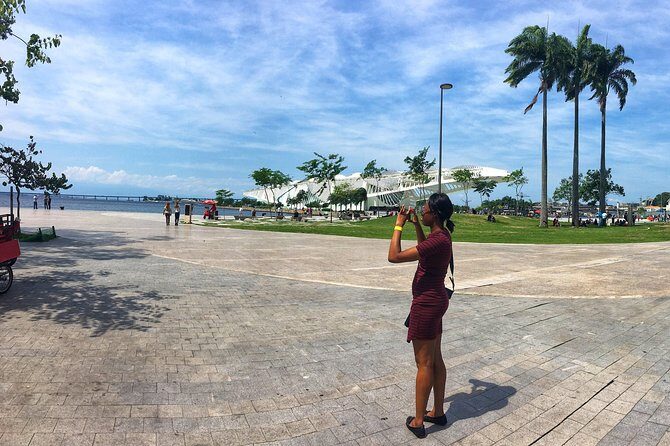
The tour begins at the Museu do Amanhã in Praça Mauá, a modern architectural marvel that sets the tone for an experience grounded in exploration and discovery. From there, the journey quickly moves to the Museu de Arte do Rio (MAR), where the Morrinho Project is displayed—an intricate model representing the Pereira da Silva favela. This piece challenges stereotypical views of favelas, emphasizing creativity, community, and resilience. Visitors often comment on how this installation transforms preconceived notions, revealing a lively cultural hub rather than just poverty.
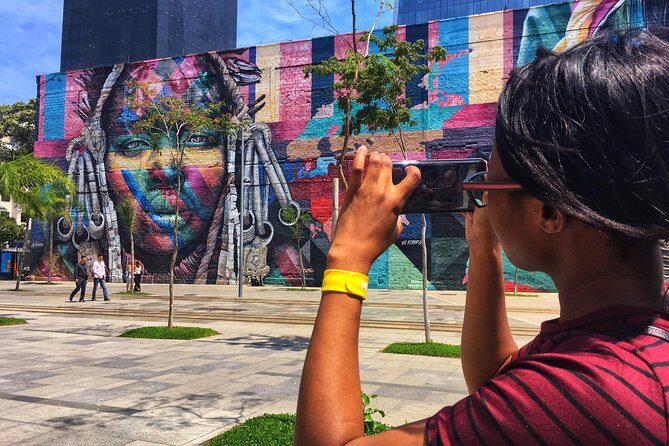
The artwork by Eduardo Kobra, the world’s largest graffiti mural, is another highlight. It wraps vivid images of ancestral ethnic groups into a vibrant tapestry that underscores Brazil's multicultural roots. This mural is not just eye-catching but also educational, connecting old cultures to modern Brazilian identity.
Deep Dive into Afro-Brazilian History at IPN and Cais do Valongo
Next, the tour takes us to the Instituto de Pesquisa e Memória Pretos Novos (IPN), a site that holds archaeological findings of African bones. Standing among these preserved remains, you gain an immediate sense of the human stories behind the slave trade and its lasting impact. Visitors describe the experience as “enlightening”, with some noting how it profoundly altered their understanding of slavery’s brutality and its role in shaping modern Brazil.
From there, we walk to Cais do Valongo, a significant historic port of the slave trade and a UNESCO World Heritage site. The area, known as Little Africa, is fascinating for its layered history and ongoing cultural importance. The site helps visitors visualize the trafficking routes and the cultural exchanges that occurred, making it clear that Rio’s African roots are deeply embedded in its history.



The Heart of Afro-Brazilian Culture: Pedra do Sal and the Quilombo Community
The most lively part of the tour is Pedra do Sal, an area known for its samba and Afro-Brazilian religious practices. Here, you'll meet the remaining community of Quilombo Pedra do Sal, which stands as a pillar of cultural resistance. This community preserves their heritage through weekly outdoor samba sessions, which you can witness or even join in.
Travelers praise the authenticity of this stop, with many noting that it humanizes the stereotypes often associated with favelas and black communities. As one reviewer put it, “We’ve all heard rumors about favelas, but being inside one humanized it for us in such a unique way.”
Culinary and Musical Highlights at Pedra do Sal
Food is an integral part of the experience. The tour features a tasting of Afro-Brazilian and Yoruba cuisine, offering a real taste of local traditions. Expect dishes that reflect religious practices and everyday life, giving you a flavorful connection to the communities you've learned about.
The percussion workshop is a highlight for many. Led by an African drummer, it offers participants a chance to learn traditional rhythms, making the experience lively, interactive, and memorable. Several reviews emphasize how this connection to music helps solidify understanding of African influence on Brazilian culture.
Concluding in Largo de São Francisco da Prainha
The final stop is the Largo de São Francisco da Prainha, a vibrant square where music, history, and urban life collide. As the sun sets behind Morro da Conceição, the area pulses with samba, funk, jazz, and chorinho. Visitors often describe this as a perfect way to end the day—savoring cold drinks, listening to live music, and soaking in the local vibe.
Practical Details and Value
This private tour is designed for just your group, ensuring personalized attention from guides like Jaisé, who is praised for her passion and storytelling. The total duration of around five hours strikes a good balance—long enough to explore meaningfully without feeling rushed.
The price of $110 includes the Afro-Brazilian gastronomy tasting and IPN tickets, making it a cost-effective way to gain deep insights into Rio’s African heritage. Keep in mind, drinks are not included, so bring some cash if you wish to enjoy beverages during the final moments.
Who Will Love This Tour?
People who are history enthusiasts, culture lovers, or musicians will find this experience especially rewarding. Travelers who appreciate authentic storytelling, want to see less-touristed neighborhoods, or are eager to understand the social fabric of Rio beyond the beaches will find this tour enriching. The diversity of sites and activities offers a comprehensive picture of Afro-Brazilian life, making it perfect for those who want more than just sightseeing—they want meaningful connections.
The Sum Up: Who’s This Tour Best For?
If you’re eager to learn about Brazil’s African roots in a way that is authentic, engaging, and visually captivating, this tour offers unmatched value. It’s perfect for history buffs, culture seekers, or anyone interested in music, food, and social history. The guides’ enthusiasm and depth of knowledge make the experience both informative and heartfelt, giving you a greater appreciation for Rio’s vibrant, resilient communities.
While it involves walking through neighborhoods that can be physically demanding, the payoff is a deeper understanding of how African traditions continue to shape Brazil today. It’s ideal for travelers who want to connect the dots beyond the typical Rio postcard scenes, leaving with stories that truly resonate.
FAQs
Is this tour suitable for someone with food restrictions?
Since the tour includes a tasting of Afro-Brazilian cuisine, it’s not suitable for those with specific food restrictions. It's best for open-minded eaters eager to try traditional dishes.
How long is the entire tour?
The tour lasts approximately 5 hours, covering multiple stops from museums to lively neighborhoods.
Are drinks included?
No, drinks are not included in the price, so you might want to bring some cash or purchase beverages at the final stop.
What is the starting point of the tour?
It begins at the Museu do Amanhã in Praça Mauá and ends at Largo de São Francisco da Prainha.
Is this a private tour?
Yes, it’s designed for just your group, providing a more personalized experience.
Can children participate?
Most travelers can participate, but the tour may not be suitable for very young children due to walking and content.
What should I wear?
Comfortable shoes for walking and casual clothing suitable for weather are recommended.
Is this tour accessible by public transportation?
Yes, the starting point is near public transportation, making it easy to access the meeting location.
This African Heritage: Gastronomy and Musicality Experience offers a rare chance to truly understand Rio’s African roots through stories, sights, tastes, and sounds. Whether you’re a history lover, a music fan, or simply curious about the soul of Brazil, it’s a journey worth taking.