This experience made our article of The 14 Top Tours In Pisang: Which Is Best?.
- Exploring the Annapurna Circuit with Tilicho Lake: A Detailed Trek Review
- Key Points
- Breaking Down the 17-Day Trek
- Starting Point and Initial Days
- Ascending Through Varied Landscapes
- Tilicho Lake: The Highlight
- Crossing Thorong La Pass
- Descending and Visiting Muktinath
- Return and Final Days
- What You Can Expect
- The Value and Logistics
- Final Thoughts: Is This Trek Right for You?
- FAQs
- The Best Of Pisang!
- More Tour Reviews in Pisang
Exploring the Annapurna Circuit with Tilicho Lake: A Detailed Trek Review
Imagine walking through a landscape where lush green valleys give way to stark, snow-covered peaks, where traditional villages buzz with life, and the air grows thinner as you climb toward the heavens. That’s exactly what you get on the 17-day Annapurna Circuit with Tilicho Lake trek in Nepal. Led by expert guides like Suman and Raju, this adventure costs around $300 per person and covers some of the most spectacular mountain scenery on Earth.
What we love about this trek? First, the chance to stand at Tilicho Lake (4,919 meters), the world’s highest glacial lake, surrounded by dramatic peaks. Second, crossing Thorong La Pass (5,416 meters), one of the highest and most scenic passes in the world—truly a feat of physical and mental endurance. That said, this isn’t a trip for everyone: it demands decent fitness and an ability to handle high altitudes. But if you’re craving authentic Himalayan culture and jaw-dropping vistas, this journey is hard to beat.
This trek suits those with a sense of adventure, an interest in mountain communities, and a willingness to face some challenging altitude. It’s perfect if you want a more immersive experience than a short trek, with the reward of authentic villages, spiritual sites, and towering peaks.
You can check availability for your dates here:
👉 See our pick of the The 14 Top Tours In Pisang: Which Is Best?
Key Points
- Stunning Natural Views: Witness peaks like Annapurna I-IV, Dhaulagiri, and Tilicho Peak, along with glaciers and alpine lakes.
- Cultural Encounters: Explore villages of Gurung, Manangi, and Thakali peoples, gaining insight into their unique ways of life.
- High-Altitude Triumph: Cross Thorong La Pass (5,416m), experiencing a true Himalayan highlight.
- Authentic Experiences: Visit Muktinath Temple, a site revered by Hindus and Buddhists alike.
- Affordable Value: At $300, this trek offers great value for an all-inclusive, well-supported Himalayan adventure.
- Preparedness Needed: Not suitable for those with altitude sickness or low fitness levels.
You can also read our reviews of more tours and experiences in Pisang.
Breaking Down the 17-Day Trek
Starting Point and Initial Days
The adventure begins in Kathmandu or Pokhara, depending on your booking and logistics. From there, you’ll travel by local vehicle or flight to reach the trailhead in Lumjung or nearby villages. The first days involve gentle walks through terraced farmlands, dense pine forests, and river gorges. These initial stages are a good warm-up, offering a chance to acclimate and enjoy lush scenery.
We loved how the trail gradually introduces you to Himalayan life — villagers tend to their fields, and you can witness traditional farming methods still in use. Your guides, like Raju, will share stories about local customs, making the journey more engaging.
Ascending Through Varied Landscapes
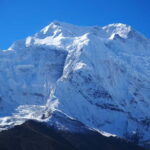
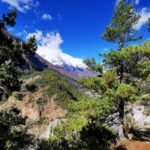
As you gain altitude, expect a shift from lush valleys to more arid highlands. The trail becomes more rugged, with some sections requiring careful footing, especially as you approach higher altitudes. You’ll pass through charming villages like Pisang and Manang, each with their own character.
Travelers mention the stunning views from these villages, with many noting the contrast between the lush lower slopes and the stark, rocky highlands. The trek offers a visual feast of snow-capped peaks and deep valleys.
More Great Tours NearbyTilicho Lake: The Highlight
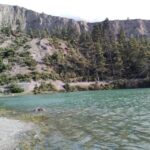
After days of gradual ascent, reaching Tilicho Lake is a real highlight. Situated at 4,919 meters, this glacial lake looks like a mirror reflecting the surrounding snow peaks. The journey here involves some steep sections, but the spectacular scenery makes the effort worthwhile.
People who’ve been say, “Standing at Tilicho Lake was surreal, with towering peaks all around—it felt like being on the roof of the world.” This stop is a perfect example of how the trek balances natural beauty with a sense of achievement.
Crossing Thorong La Pass
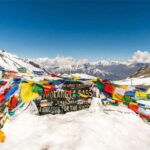
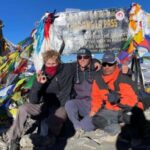
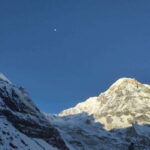
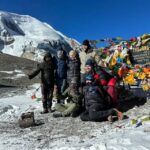
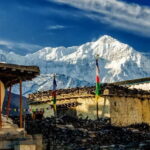
The ascent over Thorong La (5,416 meters) is the most challenging part. Many describe this day as a mixture of anticipation, exhaustion, and awe. The pass’s panoramic views of Annapurna I, Dhaulagiri, and other giants are breathtaking.
We loved the way the trail climbs through a windswept landscape, often with prayer flags fluttering in the high-altitude breeze. Reaching the top is like crossing into another realm, with photo opportunities at every turn.
Descending and Visiting Muktinath
Descending from Thorong La leads into the arid Mustang region, where Muktinath Temple stands as a spiritual beacon. This site is revered by Hindus and Buddhists, and many trekkers take time to explore its sacred pools and temples.
According to reviews, Muktinath offers both spiritual fulfillment and stunning mountain views. The temple’s spiritual significance adds a profound dimension to the trek.
Return and Final Days
The trek winds down through villages like Kagbeni and back toward Pokhara or Kathmandu. Along the way, you’ll reflect on a journey that’s taken you through some of the most diverse landscapes and cultures in Nepal.
What You Can Expect
Natural Diversity: From subtropical hillside farms to high-altitude deserts, the trek’s changing scenery keeps every day interesting. Expect lush forests, rocky passes, glacial lakes, and panoramic mountain views.
Cultural Richness: Each village showcases its own traditions, dialects, and architecture. You’ll see prayer wheels, monasteries, and local festivals, providing insight into Himalayan spiritual life.
Physical Challenge and Acclimatization: The elevation gains are significant, and while the guides do their best to help with acclimatization, you should be prepared for some physically demanding days.
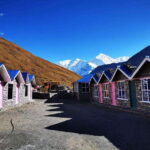
Comfort and Services: Lodging typically consists of teahouses or guesthouses, with basic but clean amenities. Meals include hearty Nepali staples like dal bhat (lentil rice), noodles, and dadol (potato pancakes).
Group Experience: This is a private group tour, which offers personalized attention. The guides speak multiple languages—including English, Spanish, and French—making communication smooth.
The Value and Logistics
At $300, the cost covers the essentials: guiding, permits, accommodations, and some meals. It’s a good deal for a trek of this length and complexity, especially considering the support and safety measures in place.
The tour includes a meeting point at your hotel or a designated spot in Kathmandu, with an option for pickup outside Tribhuvan International Airport. Flexible payment options mean you can reserve now and pay later, which helps with planning.
Travelers should note that this trek isn’t suitable for those with altitude sickness or low fitness levels. You’ll need proper hiking shoes, a jacket, hiking pants, and trekking gear. Weather can be unpredictable, especially at higher elevations, so packing carefully is important.
Final Thoughts: Is This Trek Right for You?
If you’re eager to experience Nepal’s diverse landscapes, cultural richness, and high-altitude adventure, this trek offers a balanced mix of all three. It’s perfect for those who want more than a quick hike and are ready for some physical challenge. The $300 price tag offers good value, especially given the inclusive nature and support.
However, if you’re prone to altitude sickness or prefer leisurely travel, this might be more demanding than you want. The trek also demands a reasonable level of fitness, and you should be prepared for variable weather and rugged terrain.
This journey is a chance to step into a world of towering mountains, ancient villages, and spiritual sites. It’s a genuine Himalayan adventure that leaves you with memories etched in snow and stone—an experience for anyone craving authentic, high-altitude exploration.
Annapurna Circuit with Tilicho Lake- 17 days
FAQs
Is this trek suitable for beginners?
While the route offers incredible scenery and cultural sights, it’s quite demanding due to high altitudes and variable terrain. It’s best suited for those with some hiking experience and good fitness levels.
What is the main highlight of this trek?
Reaching the Thorong La Pass (5,416 meters) and visiting Tilicho Lake are the standout moments, offering stunning views and a sense of achievement.
How physically demanding is the trek?
It requires some endurance and acclimatization, as you’ll be walking for several hours a day at increasing altitudes. Be prepared for steep ascents and descents.
Are accommodations comfortable?
They are basic but comfortable, with teahouses and guesthouses offering a warm place to rest and simple meals. Expectations should be realistic regarding amenities.
What is included in the $300 price?
The fee generally covers guiding services, permits, accommodations, and some meals. It provides good value given the scope of the experience.
Is there support for altitude sickness?
Guides are experienced in managing high-altitude conditions, but the trek is not suitable for those with severe altitude sickness or low fitness.
Can I join this trek if I speak only English?
Yes, guides speak English, along with Spanish and French, making communication accessible for most travelers.
In choosing this trek, you’re signing up for an authentic Himalayan adventure — one that offers stunning natural beauty, deep cultural encounters, and a sense of personal achievement. With proper preparation, it’s an experience that will stay with you long after you descend back into Nepal’s vibrant valleys.
You can check availability for your dates here: