
This article contains affiliate links. If you book through these links, I earn a small commission at no extra cost to you.
The honest answer to “when should I visit Croatia” is that it depends entirely on what you want to do there. If you want to swim in warm water and lie on beaches, you need summer. If you want to walk the walls of Dubrovnik without getting trampled by cruise ship passengers, you want the shoulder months. And if you want to hike national parks in perfect conditions, spring is your window.
The mistake most people make is treating Croatia as a summer-only destination. It is not. The country has a long season — April through October on the coast — and each month offers something different. The real question is not whether Croatia is worth visiting outside of peak summer, but whether peak summer is worth the crowds and the prices.
The Short Answer
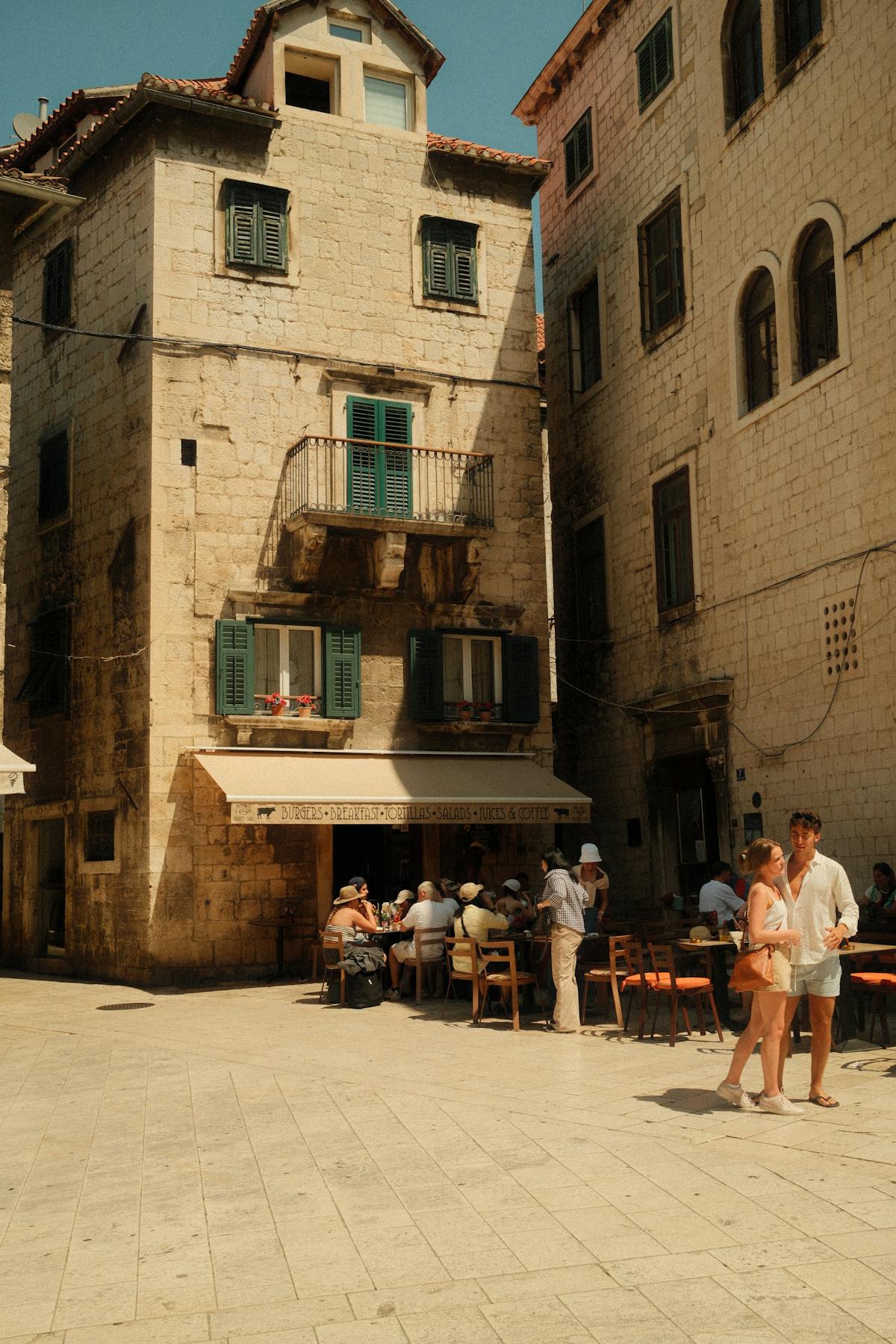
Late May through June and September are the best months for most visitors. The weather is warm, the sea is swimmable, the crowds are manageable, and the prices are reasonable. If you can only pick one month, pick June. If you want the warmest water and do not mind the crowds, July and August are your months.
Now for the longer answer.
Spring in Croatia (March to May)
Spring arrives slowly on the Croatian coast. March is still cool — temperatures around 12-15°C — and many island hotels and restaurants are closed for the winter. But Dubrovnik, Split, and Zagreb are pleasant for sightseeing, and you will have the streets essentially to yourself.
April is when things start to warm up properly. Temperatures hit 17-20°C on the coast, wildflowers cover the hillsides, and the small ship cruising season begins. The water is still too cold for most swimmers (around 16°C), but walking, cycling, and exploring are ideal. Easter brings processions and festivals to rural areas that are worth seeing if your timing aligns.
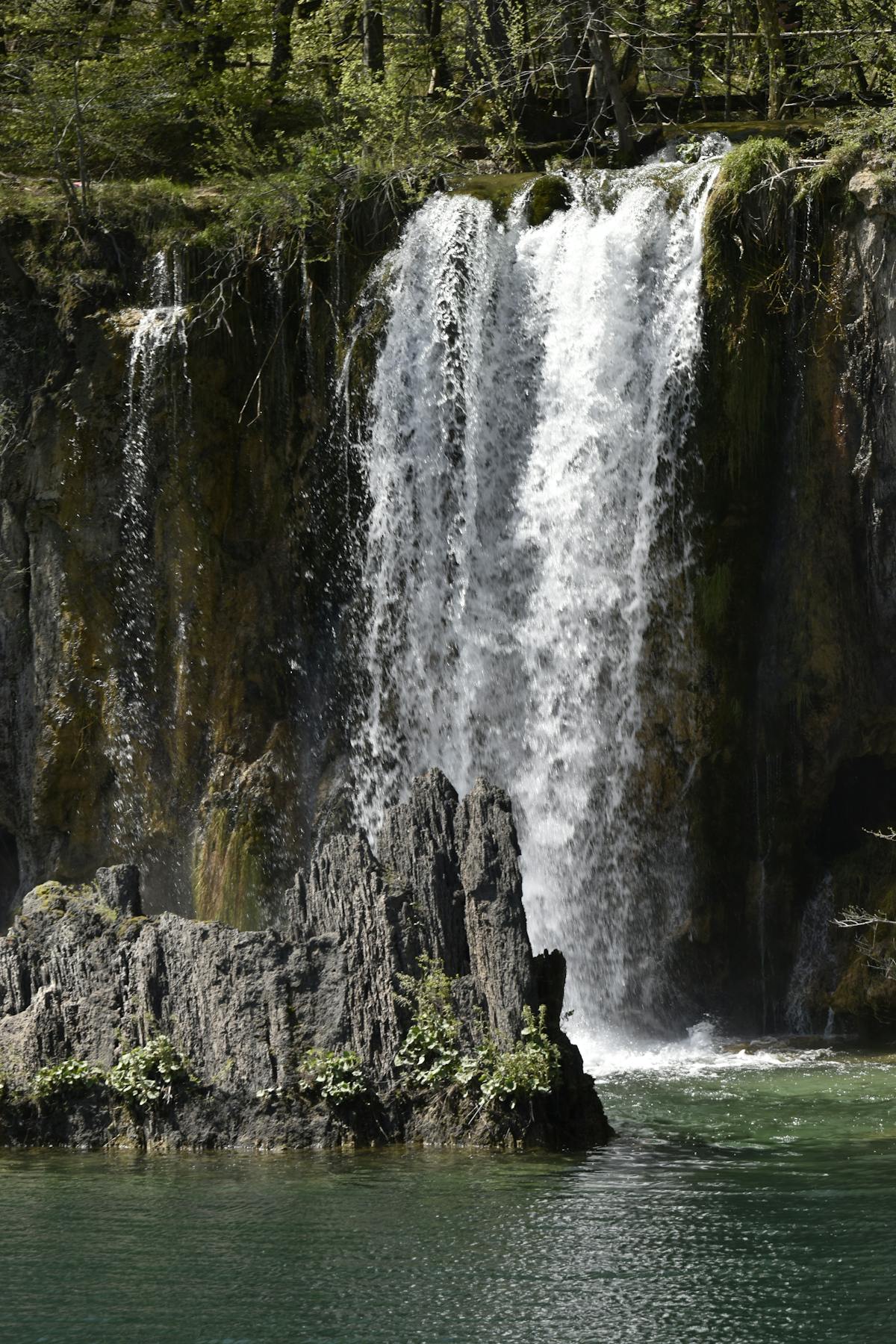
May is the first genuinely great month. Coastal temperatures reach 23-25°C, the beaches are uncrowded, and by late May the sea is warm enough for swimming if you are not too sensitive to cold water (around 20°C). National parks like Plitvice and Krka are at their most dramatic in May — snowmelt fills the waterfalls and everything is green and alive.
Best for: Hiking, cycling, national parks, city sightseeing, avoiding crowds. Not ideal for beach holidays or island hopping (too early).
Early Summer (June)
June is arguably the best month to visit Croatia. The weather is reliably warm (25-28°C on the coast), the sea temperature hits 22-24°C, and the tourist crush has not yet peaked. You can find accommodation at reasonable prices, eat at good restaurants without a reservation, and visit popular sites without excessive queuing.
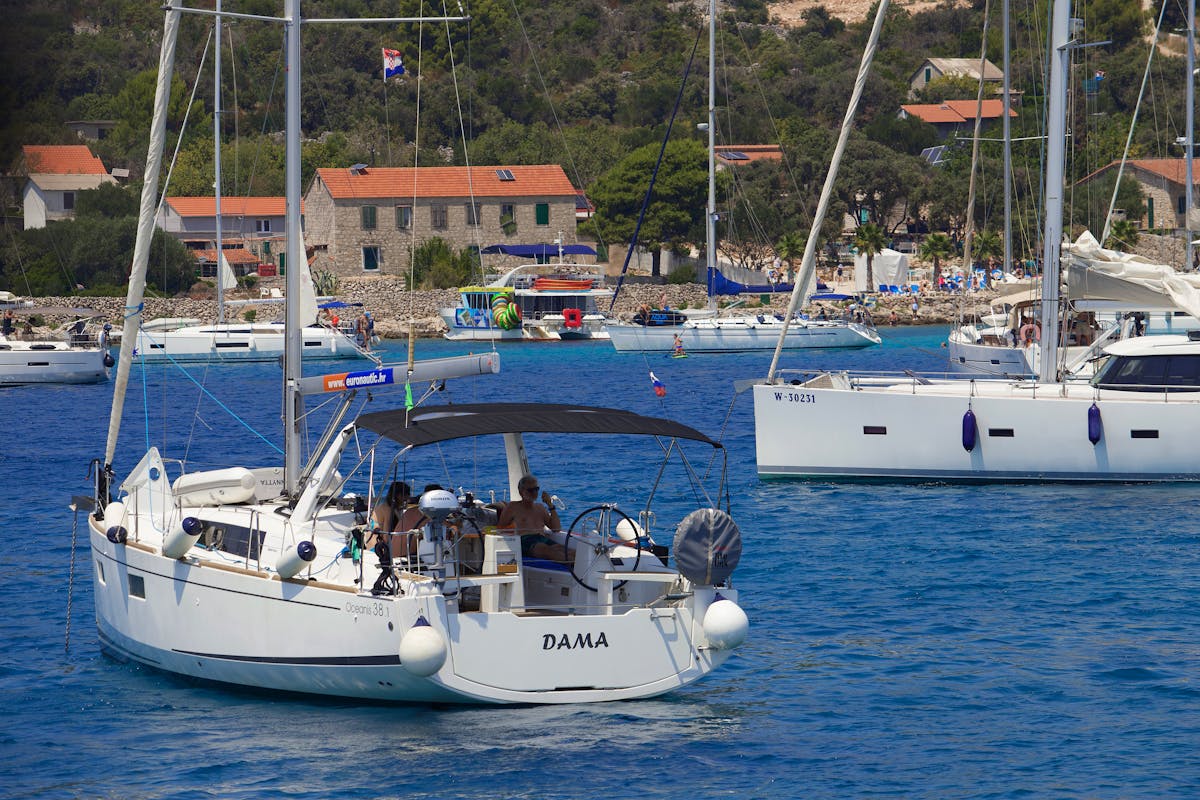
This is the ideal month for sailing and island hopping. The winds are consistent, the harbours are not yet overcrowded, and the days are long enough to make the most of every anchorage. Ferry services to all islands are running on summer schedules, and beach bars and restaurants have opened for the season.
The only downside to June is that it is increasingly popular as travellers catch on to the shoulder season advantage. Book accommodation early if you are visiting Dubrovnik, Hvar, or Split.
Peak Summer (July and August)
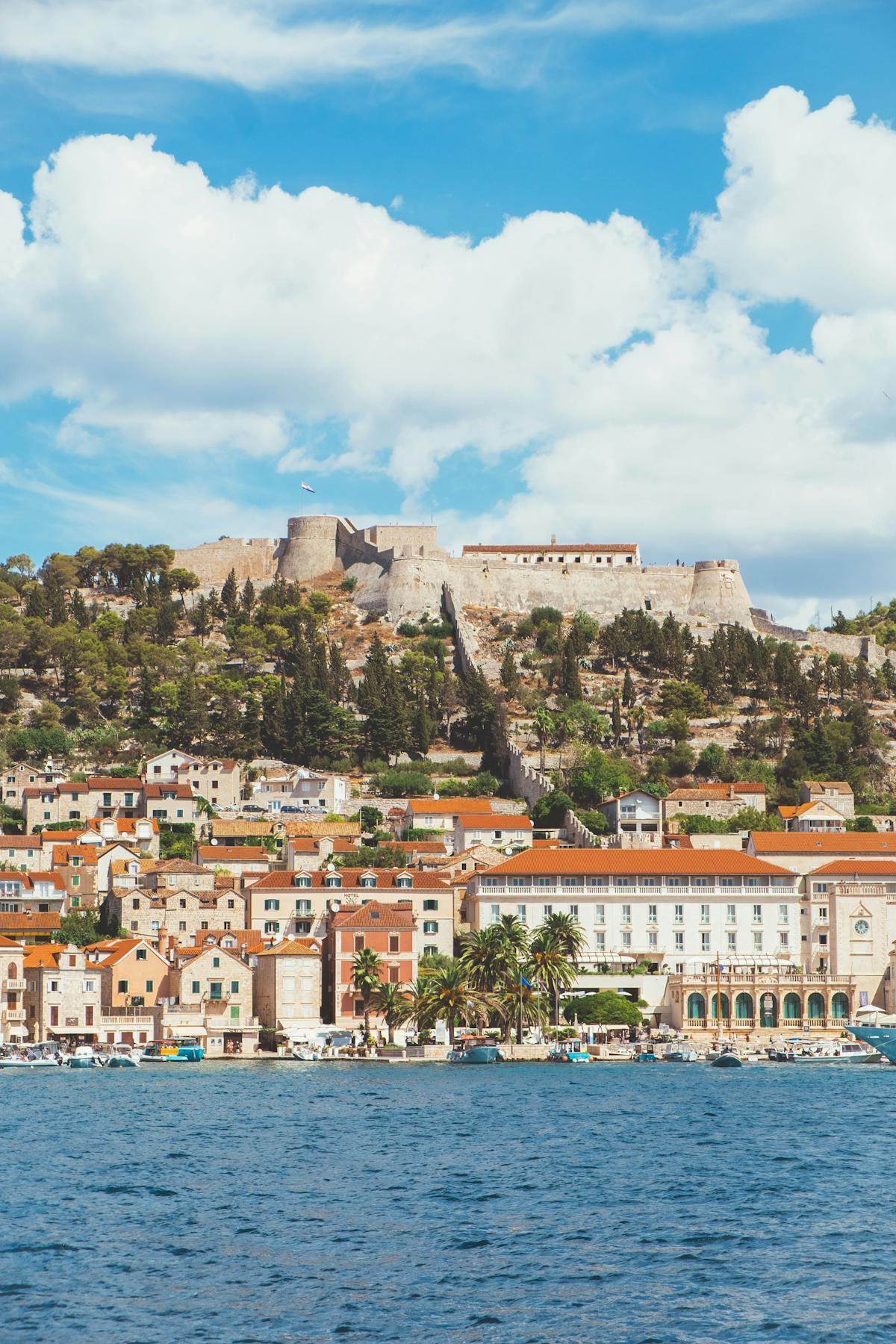
July and August are when Croatia earns its reputation as a Mediterranean hotspot. The weather is at its peak — 30-35°C on the coast, sea temperatures of 25-27°C, and virtually no rain. Every beach, restaurant, island, and town is at full capacity.
The positives are obvious: the warmest water, the longest days, the best weather for swimming and water sports. Every festival, event, and summer concert series is running. The Dubrovnik Summer Festival fills the Old Town with performances from mid-July to late August. Ultra Europe in Split draws massive crowds for electronic music. The islands are buzzing with energy.
The negatives are equally obvious:
- Crowds: Dubrovnik receives thousands of cruise ship passengers daily. Hvar, Split, and the popular beaches are wall-to-wall people. Queues for ferries, the city walls, and restaurants are long.
- Prices: Accommodation costs 50-100% more than June or September. Restaurant prices in tourist zones are inflated. Parking is a nightmare and expensive.
- Heat: Afternoon temperatures in Split and Dubrovnik regularly exceed 35°C. Sightseeing in the midday sun is genuinely unpleasant. Everyone retreats indoors from noon to 4pm.
If July or August is your only option, focus on the islands rather than the mainland coast — they are slightly less crowded and the sea breeze helps with the heat. Arrive at popular sites early (before 9am) or late (after 5pm). And book everything in advance — flights, ferries, accommodation, tours.
Late Summer and Early Autumn (September and October)
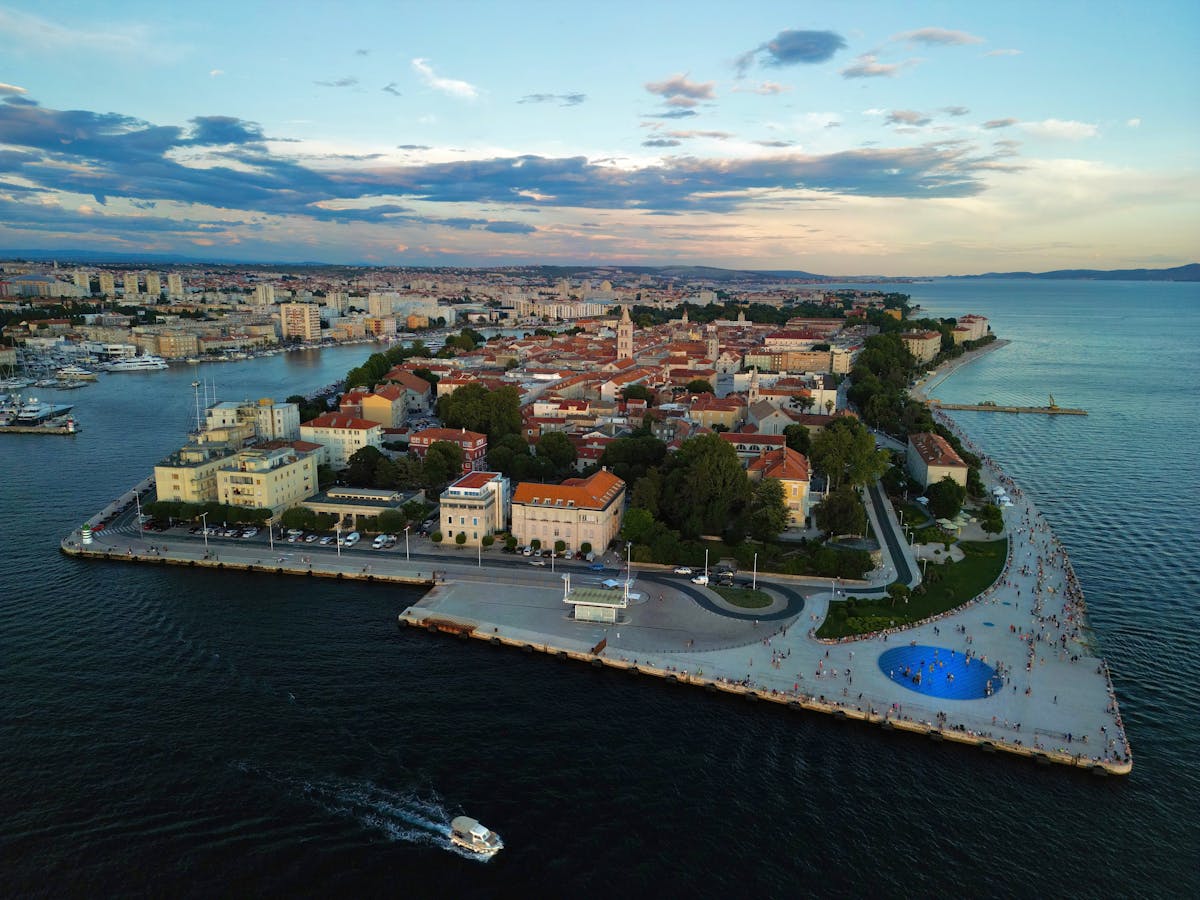
September is the other sweet spot, and many regular visitors consider it the single best month. The summer crowds evaporate almost overnight after the first week of September. Temperatures drop to a comfortable 25-28°C, the sea is still warm from months of summer heat (24-25°C), and prices fall sharply.
This is the month when Croatia feels like it exhales. Dubrovnik is walkable again. The Old Town at night is atmospheric rather than overwhelming. The beaches have space. Restaurant staff are relaxed rather than stressed. If you want the summer experience without the summer chaos, September is it.
October is more of a gamble. The first half is usually warm and sunny on the coast (20-24°C), with the sea still swimmable (22°C). But the second half can bring rain and wind, and many seasonal businesses on the islands start closing. Ferry schedules reduce. If you are flexible and can handle some uncertainty, early October can be excellent. Late October is better suited to Zagreb and inland sightseeing.
This is also harvest season. Istria celebrates truffles, the Pelješac Peninsula celebrates wine, and local markets overflow with figs, pomegranates, and olives. If Croatian food is a priority, autumn is your season.
Winter in Croatia (November to February)
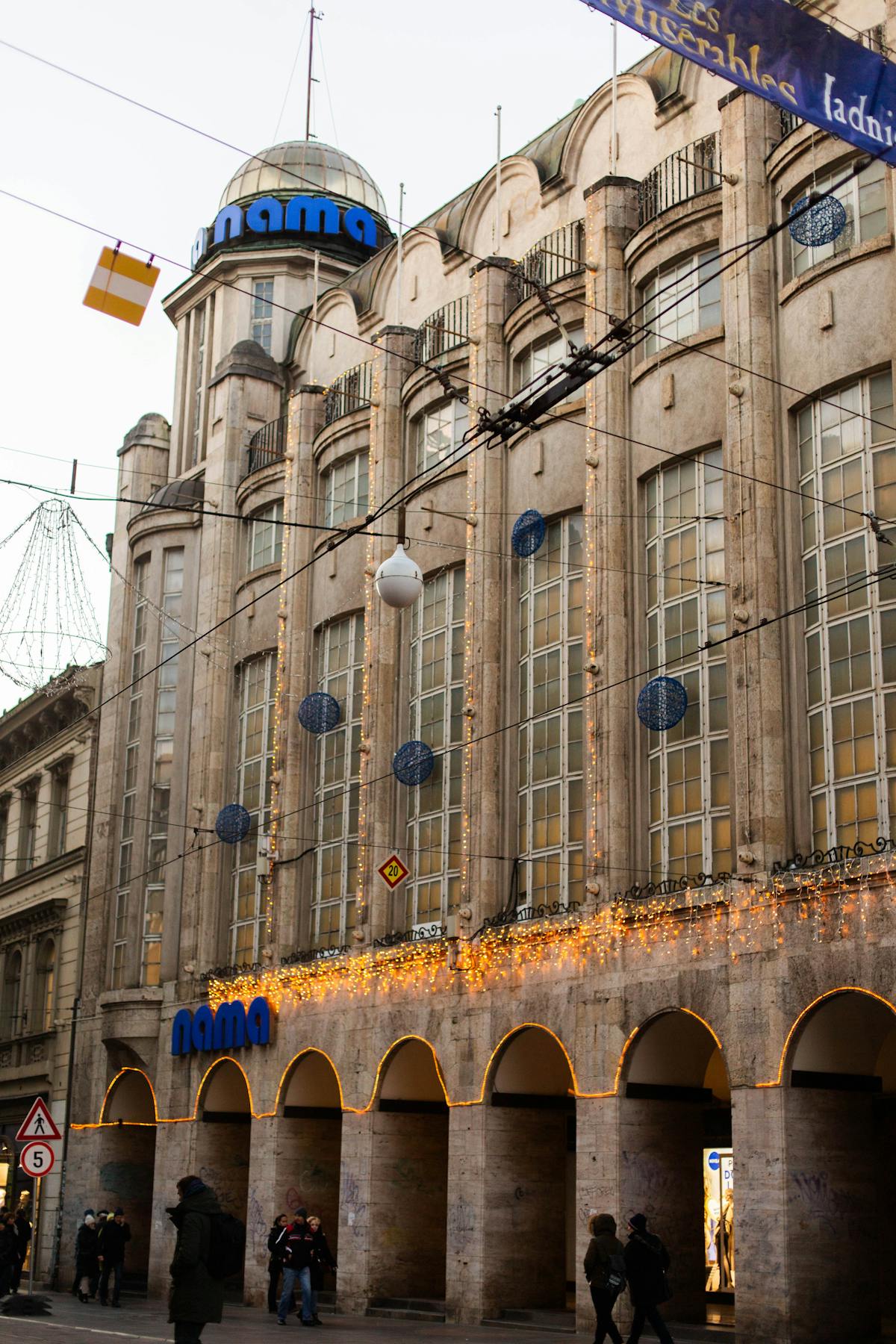
Winter is the off-season and Croatia does not pretend otherwise. Most coastal hotels, restaurants, and tour operators close. Ferry services to the islands run on skeleton schedules. The Dalmatian coast is quiet, sometimes eerily so.
That said, winter Croatia has its own appeal if you know where to look:
- Zagreb: The capital comes alive in December with one of Europe’s best Christmas markets (it has won the European Best Christmas Market award multiple times). Mulled wine, roasted chestnuts, outdoor ice skating — it is genuinely charming.
- Dubrovnik in winter: The Old Town with fog rolling through empty streets has a moody beauty that photographs beautifully. City walls admission drops to €15. Hotels that charge €300 in August charge €80 in December.
- Rijeka Carnival: Held in late January/February, this is Croatia’s biggest carnival — think masks, costumes, and parades through the city streets.
- Skiing: Sljeme mountain near Zagreb has a small ski resort. Do not expect the Alps, but it is a local experience that surprises most visitors.
Coastal winter temperatures sit around 8-12°C with occasional rain. Zagreb and inland areas are colder (0-5°C) with potential snow. It is not beach weather by any definition, but if low prices, no crowds, and a completely different atmosphere appeal to you, winter is worth considering.
Month by Month Weather Summary
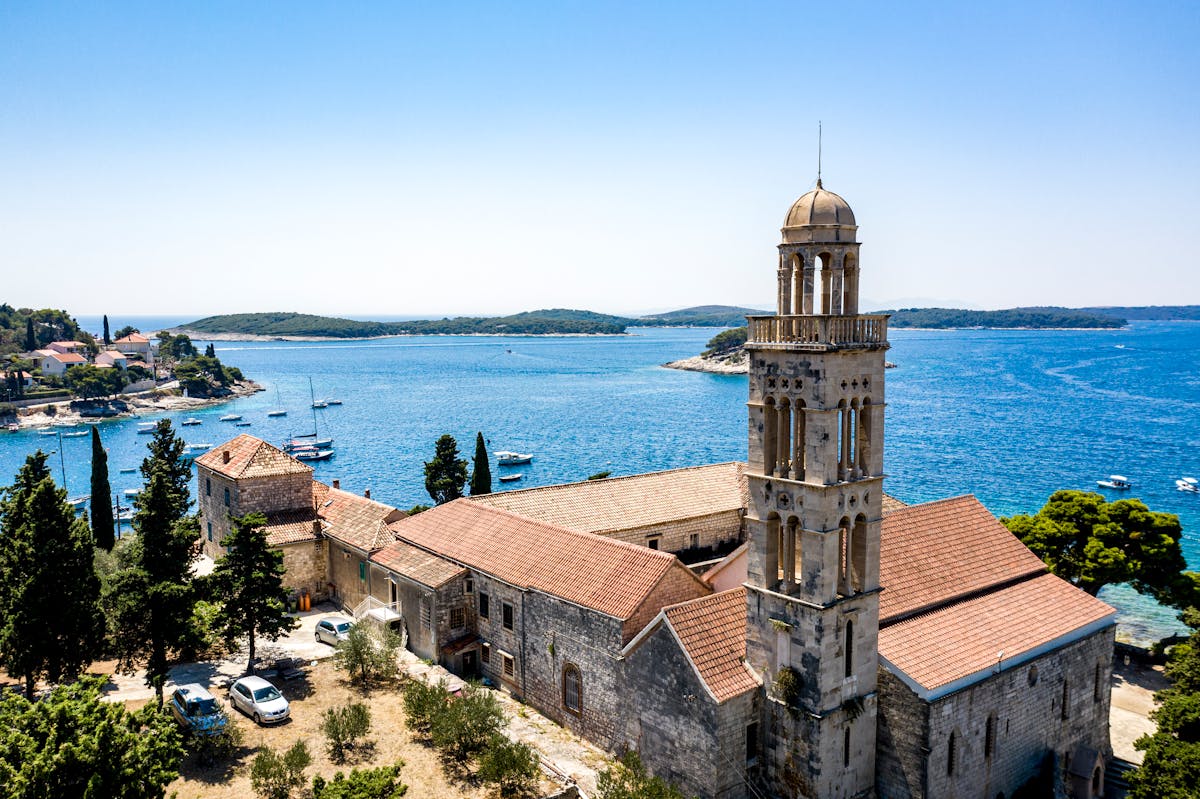
Here is a quick reference for coastal Croatia (Dalmatia). Inland and northern Croatia runs 3-5°C cooler:
- January: 8-12°C, rain likely, quiet. Good for Zagreb, not for beaches.
- February: 9-13°C, Rijeka Carnival, Dubrovnik Feast of St. Blaise.
- March: 12-16°C, spring begins, good for walking and cycling.
- April: 15-20°C, Easter, cruising season starts. Sea too cold to swim.
- May: 20-25°C, excellent for everything except cold-averse swimmers.
- June: 25-28°C, sea 22-24°C. The sweet spot. Book ahead for popular spots.
- July: 28-33°C, sea 24-26°C. Peak crowds, peak prices, peak weather.
- August: 28-35°C, sea 25-27°C. Hottest month, most crowded, most expensive.
- September: 24-28°C, sea 23-25°C. Crowds drop, prices drop, weather stays.
- October: 18-23°C, sea 21-23°C. Hit or miss weather, harvest festivals.
- November: 13-17°C, rain increases, seasonal closures begin.
- December: 9-13°C, Zagreb Christmas markets, lowest prices of the year.
When to Visit for Specific Activities
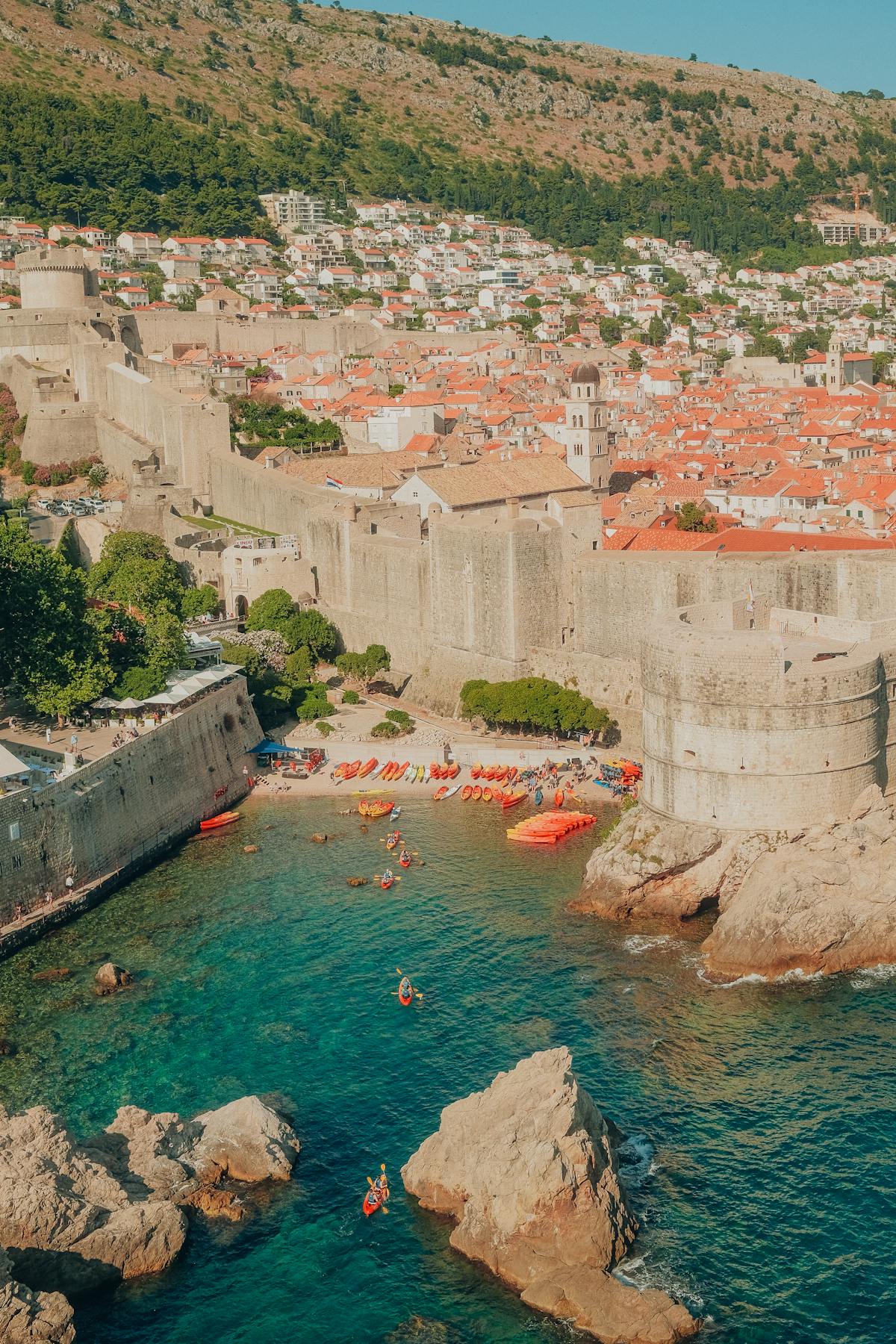
Beach holidays: Late June through September. The water is warmest in August but September offers the best value.
Sailing and island hopping: May through October. June and September are the best balance of weather and availability. July and August require advance booking for marina berths.
City sightseeing (Dubrovnik, Split, Zagreb): April through June or September through October. Avoid July-August if you dislike crowds.
Hiking and national parks: April through June or September through October. May is peak for waterfall viewing at Plitvice. Summer is too hot for serious hiking.
Food and wine: September through November for harvest season. Istrian truffle season runs September to January. Year-round for Croatian food in general.
Budget travel: March through May or October through November. Shoulder season prices are 30-50% lower than peak. Winter is cheapest but many things are closed.
Final Advice
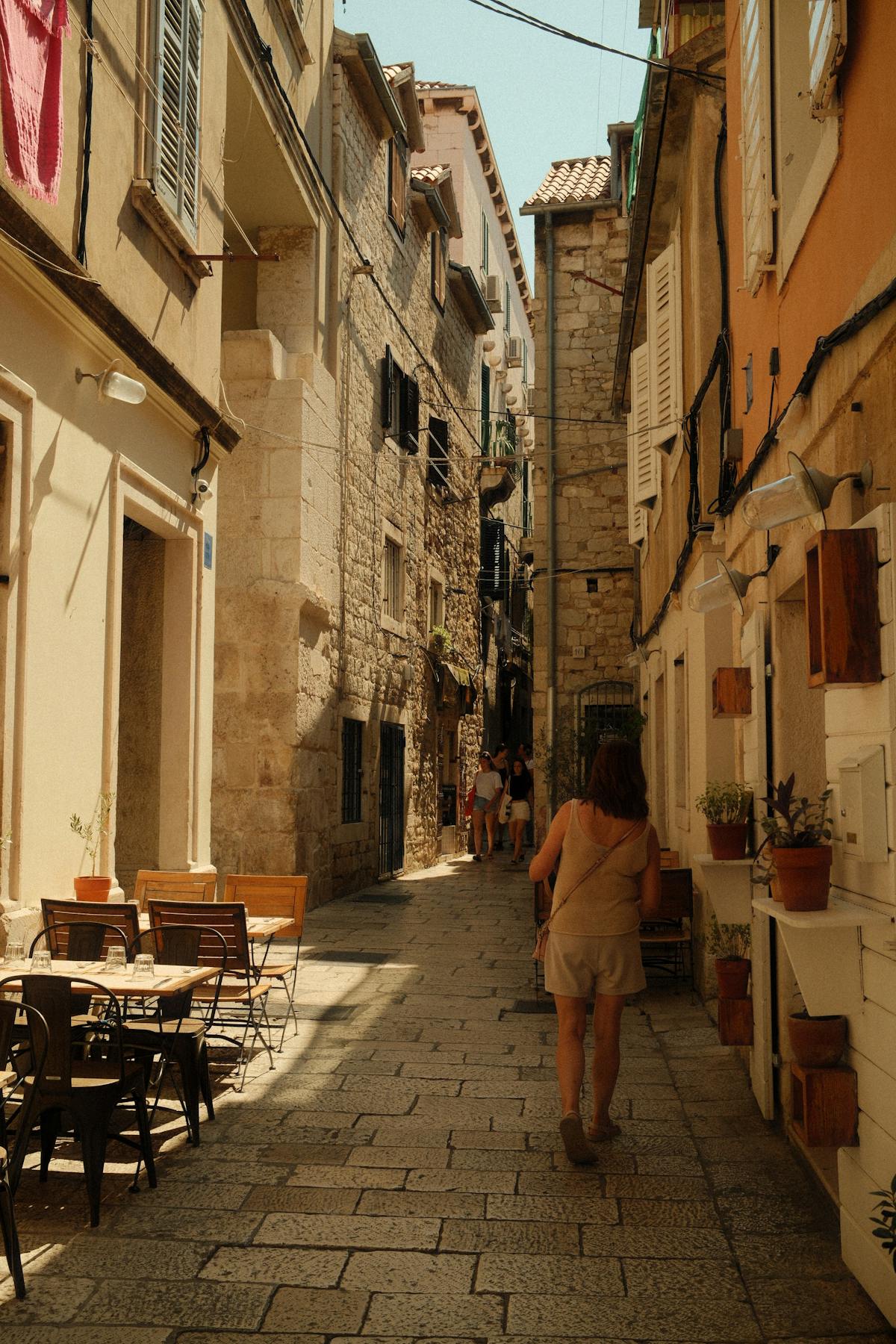
If you are flexible, come in June or September. You get 90% of the summer experience at 60% of the price and 30% of the crowds. That is an easy trade.
If you are locked into July or August, do not let anyone talk you out of it — Croatia is spectacular in summer. Just plan ahead, book early, arrive at sites before 9am, and budget more than you think you will need. The currency is the euro and prices in peak season will remind you of that fact regularly.
And if you have been to Croatia in summer and want to see a different side of the country, try a spring or autumn trip. The national parks in May, the wine harvest in October, the Christmas markets in December — there is a version of Croatia for every season, and most of them involve far fewer selfie sticks.