Exploring the Lost City of Choquequirao: A 5-Day Trek from Cusco
The Classic Choquequirao Trek offers a captivating journey through Peru’s rugged landscapes, combining challenging hikes with awe-inspiring archaeological sites. For $735 per person, over roughly five days, you’ll travel from Cusco into the wilderness, visiting the impressive Choquequirao ruins — often called the sister city of Machu Picchu but far less crowded and more wild.
Along the way, you’ll experience different terrains, from lush valleys to arid mountain slopes, all with the support of knowledgeable guides, comfortable camping, and hearty local food.
Two things we really like about this trek: first, its small-group size (maximum 10 travelers) ensures personalized attention and a more intimate experience. Second, the opportunity to explore the largely unexcavated Choquequirao site — only about 40% of which has been uncovered — promises a sense of discovery that’s rare on well-trodden Inca routes.
A potential consideration? This is a challenging trek. Long days, steep descents and ascents, high altitudes, and rugged terrain mean you should be in good shape. It’s not ideal if you’re looking for a leisurely vacation or have mobility issues.
This tour suits adventurous travelers who want authentic exploration, enjoy camping, and aren’t fazed by physical exertion. It’s especially perfect for those who’ve read glowing reviews about the guides’ knowledge and dedication, and who appreciate the chance to see a major Inca site without the crowds of Machu Picchu.
- Key Points
- A Deep Dive into the Classic Choquequirao Trek Experience
- Starting Point and Transportation
- Day 1: Into the Mountains
- Day 2: A Test of Endurance
- Day 3: The Heart of the Inca World
- Day 4: Return and Reflection
- Day 5: The Final Push
- Authenticity, Value, and Why This Tour Stands Out
- What to Consider
- Who Will Love This Tour?
- FAQ
- Final Thoughts
- More 5-Day Experiences in Cusco
- More Hiking & Trekking Tours in Cusco
- More Tour Reviews in Cusco
Key Points
 1 / 5
1 / 5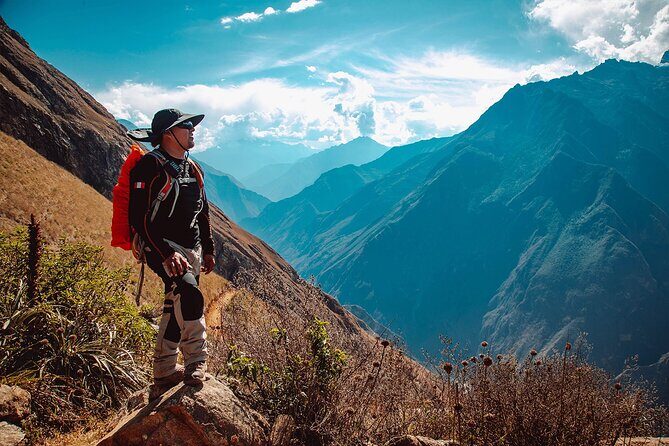 2 / 5
2 / 5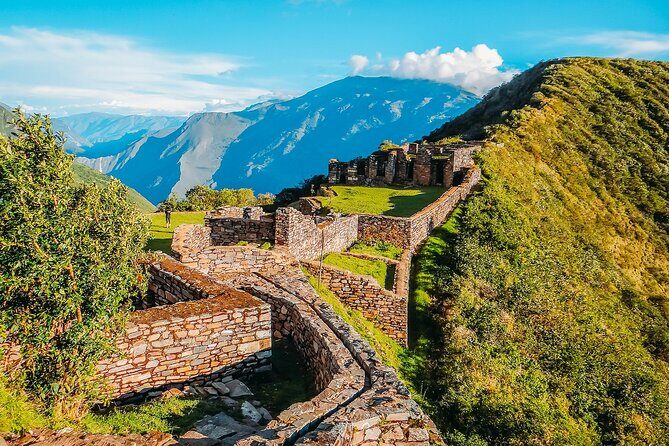 3 / 5
3 / 5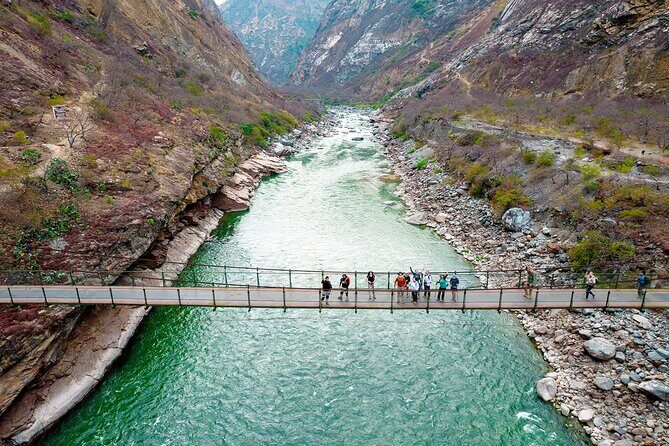 4 / 5
4 / 5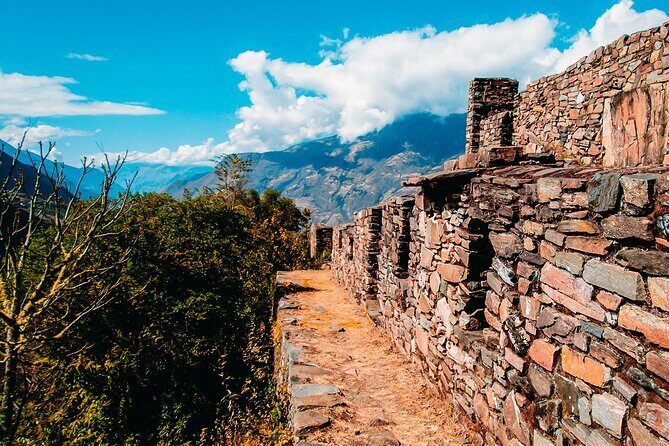 5 / 5
5 / 5- Authentic Experience: Visit the largely unexcavated Choquequirao, often called the “last refuge of the Incas.”
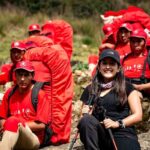
- Expert Guides: Guides like Guido and Roman receive high praise for their knowledge, enthusiasm, and support.
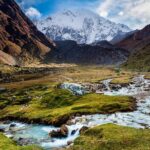
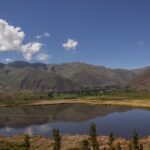
Stunning Scenery: Expect breathtaking views of glaciers, deep canyons, and mountains, with opportunities to see condors soaring overhead.
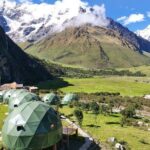
- Comfortable Camping: High-quality tents, good food, and camp facilities make the wilderness experience more enjoyable.
Physical Challenge: Long hikes, steep descents, and high altitude require good fitness levels.
- Cultural Insights: Interactions with local families and visits to sites like Saywite enrich the experience.
A Deep Dive into the Classic Choquequirao Trek Experience
You can also read our reviews of more hiking tours in Cusco

Starting Point and Transportation
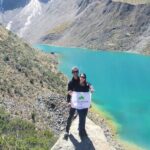
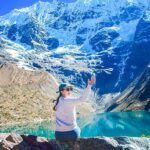
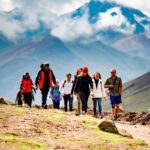
The adventure begins very early — around 4:30 a.m. — with a private transfer from Cusco to Cachora. While that sounds like an early start, it’s a smart move to beat the crowds and make the most of daylight hours. The transfer takes about four hours, providing an opportunity to enjoy scenic views of the Salkantay and Humantay glaciers, which are breathtaking even from the bus window.
Once in Cachora, you’ll meet your crew of guides, cooks, and muleteers who will carry your gear and help with logistics. From there, the real adventure begins with a three-hour descent to Chiquisca. This initial hike allows you to warm up and soak in the lush surroundings, with views of the Apurímac Valley and the towering peaks of Padreyoc and Qoriwayrachina.
Day 1: Into the Mountains
The first day sets the tone — a steady descent into the valley, culminating at the small, fruit-growing village of Chiquisca. This campsite is surprisingly warm, surrounded by arid mountains, and offers a peaceful night after a day of hiking. Weather can vary, so packing layers and rain gear is wise.
Day 2: A Test of Endurance
Day two is about transition, with an ascent to Marampata after breakfast and a descent to Playa Rosalinas — the lowest point of the trek. The descent to the river is about an hour, crossing a footbridge, then begins the climb back up, which is the most physically demanding part of the journey. The trail zigzags up for approximately three hours, with stunning canyon views as a reward.
Lunch is in Santa Rosa Alta, a charming village where you can rest and refuel. The afternoon hike brings you to the Marampata campsite, perched with views of the canyon depths and the surrounding mountains bathed in evening light. The starry night sky here is a highlight, offering a sense of the vastness and tranquility of the Andes.
Day 3: The Heart of the Inca World
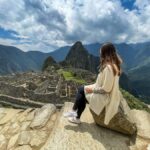
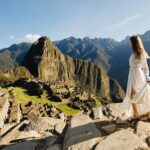
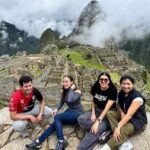
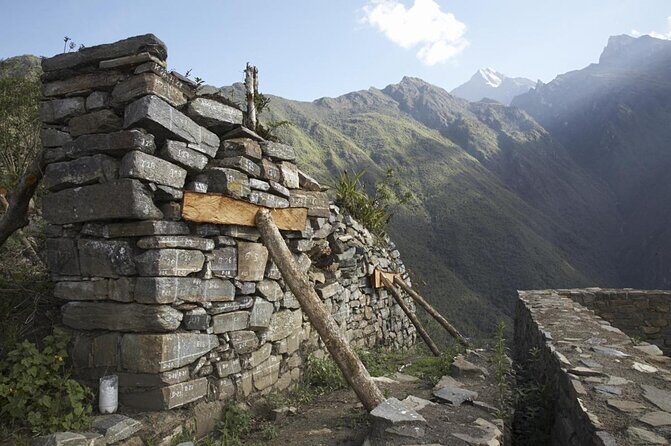
This is the big day — exploring the Choquequirao ruins. Waking up early, you hike about an hour to the site, which is often called the “Machu Picchu of the South” but with fewer travelers. Guided tours here reveal the impressive architecture, including temples, plazas, terraces, and stone carvings of white llamas.
Many reviews praise this part — with one traveler noting, “The site, hidden among mountains and near the deepest canyon in South America, is even larger than Machu Picchu.” You’ll spend roughly ten hours exploring, taking a picnic lunch amidst the ruins, and learning about the Inca’s ingenuity.
You’ll see the white llamas carved in stone — a unique feature of this site. Only around 40% of the complex has been excavated, so there’s a real sense of discovering something hidden.
You can also read our reviews of more tours and experiences in Cusco
Day 4: Return and Reflection
The return journey begins with a short hike from the site, soaking in views of the canyon and the mountains. You’ll retrace your steps much of the way, but this time, with the benefit of new perspectives. After a few hours, you arrive back in Santa Rosa Alta for lunch, then enjoy a refreshing dip in the cold waters of the Apurímac River at Rosalina Beach — a welcome cool-down after days of hiking.
Later, you’ll visit a local family in Chiquisca, where you can learn about Andean customs and traditions, deepening your understanding of local life. Sharing a meal here makes for a genuine cultural exchange, far from tourist spots.
Day 5: The Final Push
The last day is about early rising to beat the sun. A two-hour hike back to Capuliyoc takes you through landscape that changes from lush greenery to rugged mountain vistas. From here, you’ll say goodbye to your muleteers and guides, grateful for their support.
Next, you’ll visit the Saywite Monolith, famous for its over 200 carved figures, an important Inca sacred site. The visit provides a final cultural highlight before heading to the hot springs of Cconoc — a relaxing soak to unwind tired muscles before heading back to Cusco.
The journey ends around 6 p.m., with a scenic drive back, passing snow-capped peaks that mark the end of your adventure.
Authenticity, Value, and Why This Tour Stands Out
This trek offers excellent value — considering that it includes all camping gear, guides, food, and even porters to carry your belongings. The small group size ensures a more personalized experience, and the guides’ high praise for their knowledge and support reflects a genuine commitment to quality.
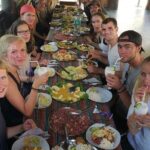
The culinary aspect surprises many travelers, with reviews praising the delicious meals, snacks, and supportive staff. The quality of camping gear and safety measures, including first aid kits and satellite phones, add reassurance for those wary of remote adventures.
What truly makes this tour memorable is the combination of stunning scenery and rich cultural interactions. Sharing time with local families and visiting lesser-known sites like Saywite makes this more than just a hike — it’s an immersive experience.
One reviewer describes it as a “life-changing experience,” emphasizing how physically demanding yet rewarding the trek is. The guides’ enthusiasm and knowledge shine through, making the long hours not just bearable but enjoyable.
What to Consider
Given the length and altitude, this trek is not suitable for everyone. It requires good physical fitness and a willingness to camp and hike in variable weather conditions. The early starts and long days can be tiring but are part of the authentic adventure.
Also, the cost does not include gear like sleeping bags or trekking poles, so you’ll need to prepare accordingly or rent locally. The tour’s non-refundable policy emphasizes the importance of commitment and preparation.
Who Will Love This Tour?
If you’re someone who values off-the-beaten-path discoveries, this trek is perfect. It’s ideal for adventure travelers who want to challenge themselves physically while delving into Inca history without the crowds. It’s also a great choice for those who appreciate local culture and want an authentic, immersive experience.
Travelers seeking comfortable camping and excellent guides will find this tour well worth the investment. And if you’re a photographer, the scenery and ruins offer endless opportunities for capturing unforgettable images.
FAQ
Is this trek suitable for children?
Children aged 12 and over can participate, but they must be accompanied by an adult, and you should ensure they’re physically prepared for the challenge.
What kind of physical condition do I need?
Since the trek involves long days, steep ascents and descents, and high altitudes, being in good shape is essential. Many reviews mention the importance of a strong fitness level for enjoying the journey.
What’s included in the tour price?
The cost covers entrance fees, guides, camping equipment, meals, water, snacks, and transportation during the tour, plus support staff. Not included are sleeping bags, trekking poles, or personal gear.
How demanding is the trek?
Expect days with 6-14 hours of hiking, with some steep uphill and downhill sections. It’s a serious physical undertaking, but rewarding for those prepared.
Can I customize the experience?
The tour is set at a maximum of 10-12 travelers, offering some flexibility and personalized attention, but the itinerary is fixed.
What about safety?
The tour provides first aid kits, emergency satellite phones, and support staff. The guides are experienced and knowledgeable about high-altitude trekking.
What should I bring?
Bring proper trekking clothing, a sleeping bag if you have one, personal hygiene items, sun protection, and good hiking shoes.
Is the food vegetarian or vegan-friendly?
Yes, vegetarian and vegan options are available if advised at booking.
What’s the best time of year to go?
While not explicitly specified, good weather and clear views are typical from May to September, but check local conditions close to your travel date.
Classic Choquequirao Trek 5 Days / 4 Nights
Final Thoughts
The Classic Choquequirao Trek proves that adventure doesn’t have to be just about physical endurance — it’s about discovering hidden corners of history, connecting with local culture, and challenging yourself in the wild. Its combination of stunning scenery, expert guides, and authentic village interactions makes it a standout for those seeking a genuine Peruvian adventure.
This trip is best suited for seasoned hikers, culture lovers, and anyone eager to see a lesser-known Inca site in all its rugged glory. Be prepared for a physically demanding experience, but know that every step rewards you with breathtaking views and a profound sense of achievement.
For those who want to escape the crowds and truly connect with the landscape and history, this trek offers a remarkable, memorable journey into the heart of the Andes.
Ready for your own adventure? Pack your stamina, enthusiasm, and curiosity — the mountains and ruins of Choquequirao are waiting.