
This article contains affiliate links. If you book through these links, I earn a small commission at no extra cost to you.
Croatia switched to the euro in January 2023. If you are reading an old guide that mentions the kuna, ignore it — the kuna is gone. You do not need to worry about exchanging money into an obscure currency, finding specialty ATMs, or doing mental maths with unfamiliar exchange rates. If you have been anywhere in the eurozone, you already know how money works in Croatia.
That said, there are a few things worth knowing before you go. Not every island has an ATM, not every konoba takes cards, and the prices in Dubrovnik will make you question your life choices. Here is what actually matters.
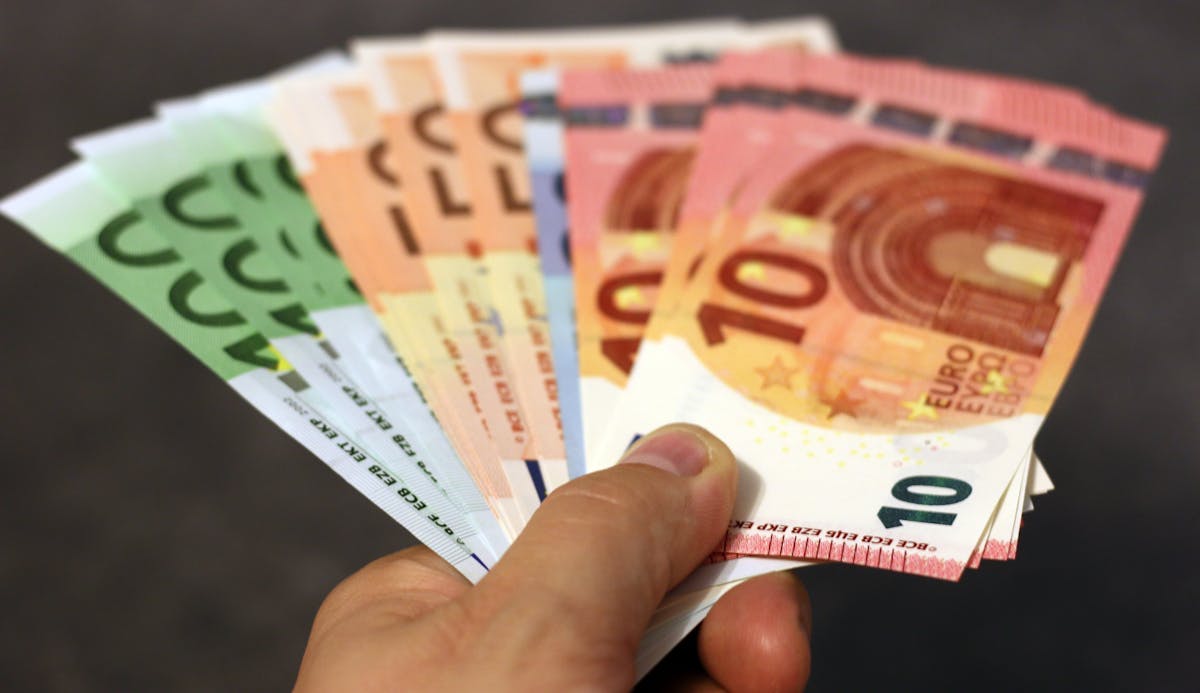
The Euro in Croatia
Croatia adopted the euro (€, EUR) on January 1, 2023, replacing the Croatian kuna (HRK) which had been the national currency since 1994. The transition was smooth — the kuna had been effectively pegged to the euro for years at roughly 7.5 kuna per euro, so prices did not shift dramatically overnight.
For travellers, this is straightforward good news. If you are coming from any other eurozone country — Germany, France, Italy, Spain, Portugal, Ireland, the Netherlands — you do not need to exchange anything. Your money is already Croatian money.
If you are coming from the US, UK, Australia, or anywhere outside the eurozone, you are exchanging into euros, which is as easy as currency exchange gets. Every major bank, airport, and currency service handles euros.
Croatian euro coins have their own designs, which is a nice touch. The 1-euro coin features a marten (kuna in Croatian — a nod to the old currency). The 2-euro coin shows a map of Croatia with a quote from the poet Ivan Gundulić about freedom. The smaller coins feature Nikola Tesla on the 10, 20, and 50 cent pieces, and the letters “HR” in Glagolitic script on the 1, 2, and 5 cent coins. They are worth keeping as souvenirs.
How to Pay for Things in Croatia
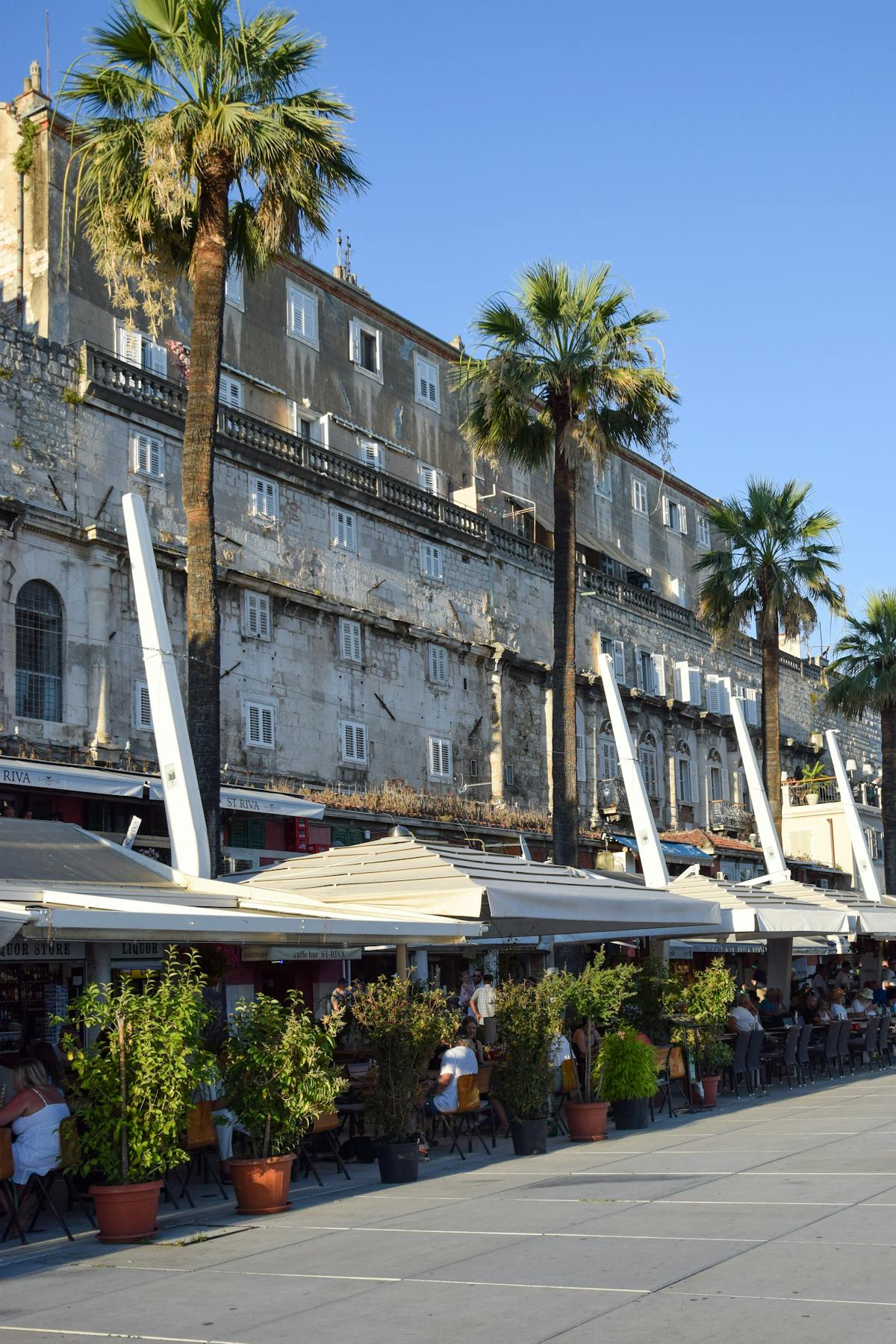
Credit and debit cards are widely accepted in Croatia, especially in cities, tourist areas, hotels, and restaurants. Visa and Mastercard work everywhere. Amex is less common — smaller businesses sometimes do not accept it.
Contactless payments work well. Google Pay and Apple Pay are increasingly accepted, though do not rely on them exclusively. Some older card terminals in smaller towns might only accept chip-and-PIN.
That said, cash is still important. Here is when you will need it:
- Small konobas and family restaurants — especially outside tourist centres. Some of the best food in Croatia comes from places that have never heard of a card terminal.
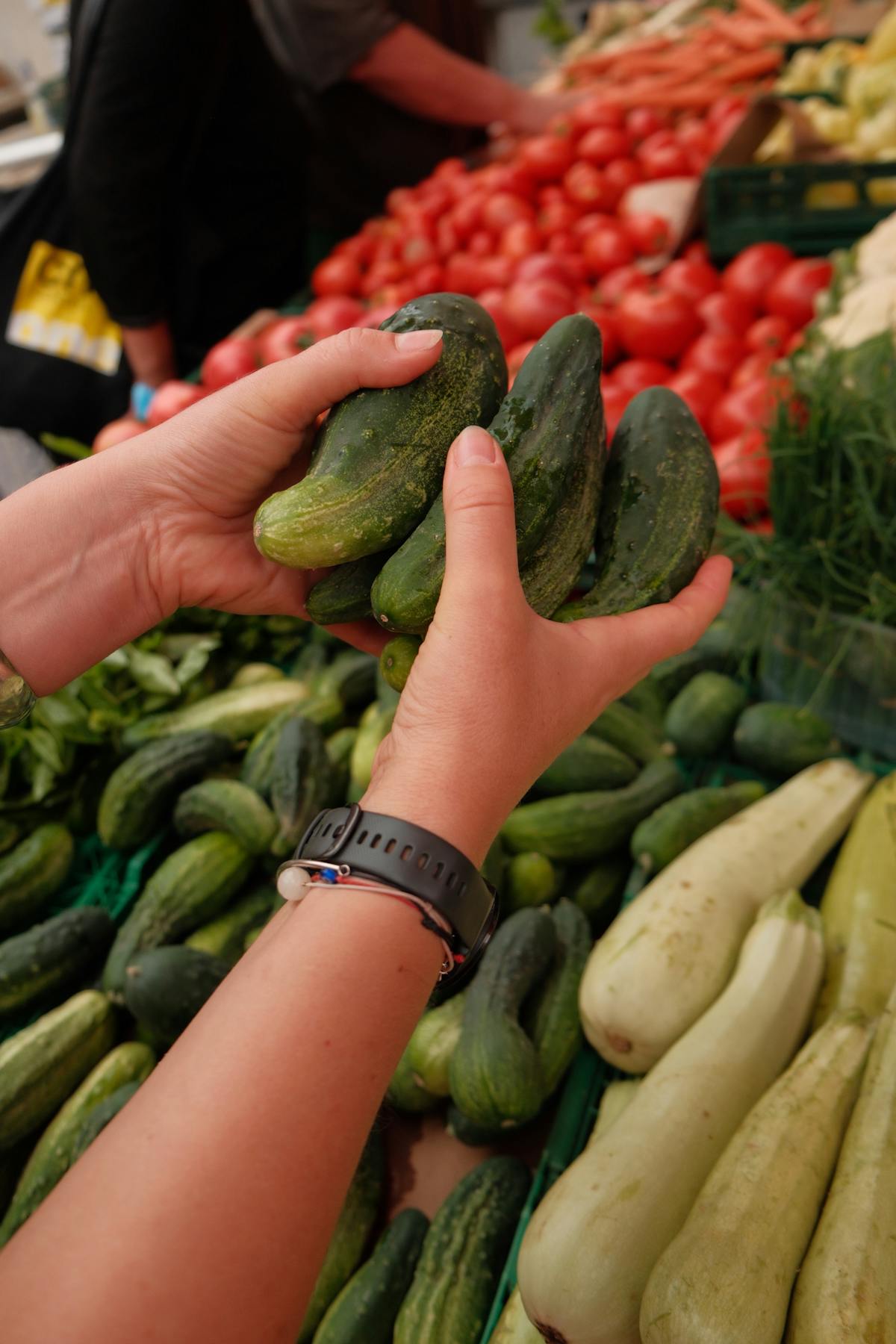
- Market stalls and farmers markets — the green markets (tržnica) in Split, Zagreb, and Dubrovnik are cash only.
- Beach bars and small islands — some seasonal beach bars on remote islands operate entirely in cash.
- Parking — many coastal towns use pay-and-display machines that only accept coins.
- Taxis and buses — local buses sometimes require exact change. Taxis increasingly take cards but it is not guaranteed outside major cities.
A good rule: carry €100-200 in small denominations (€5, €10, €20 notes and coins) as a backup. You probably will not need all of it, but the one time you do need cash and do not have it will be at the best restaurant you find all trip.
ATMs in Croatia
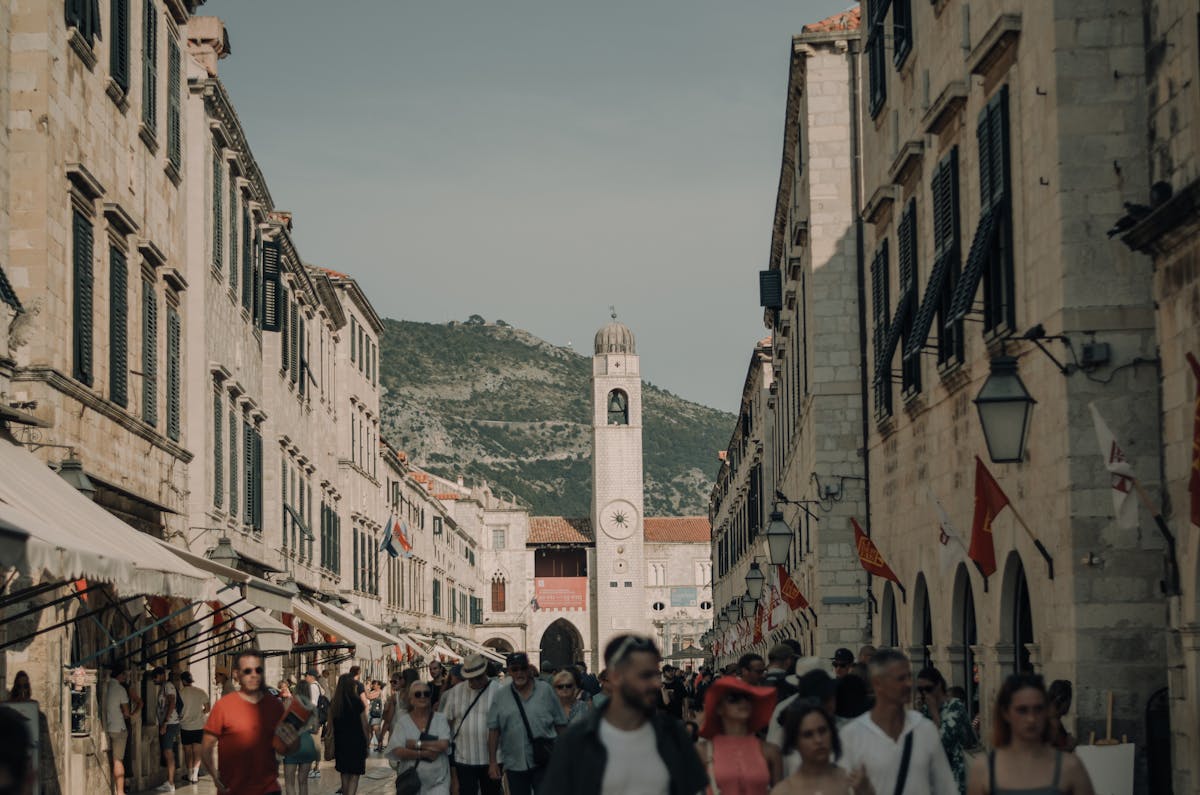
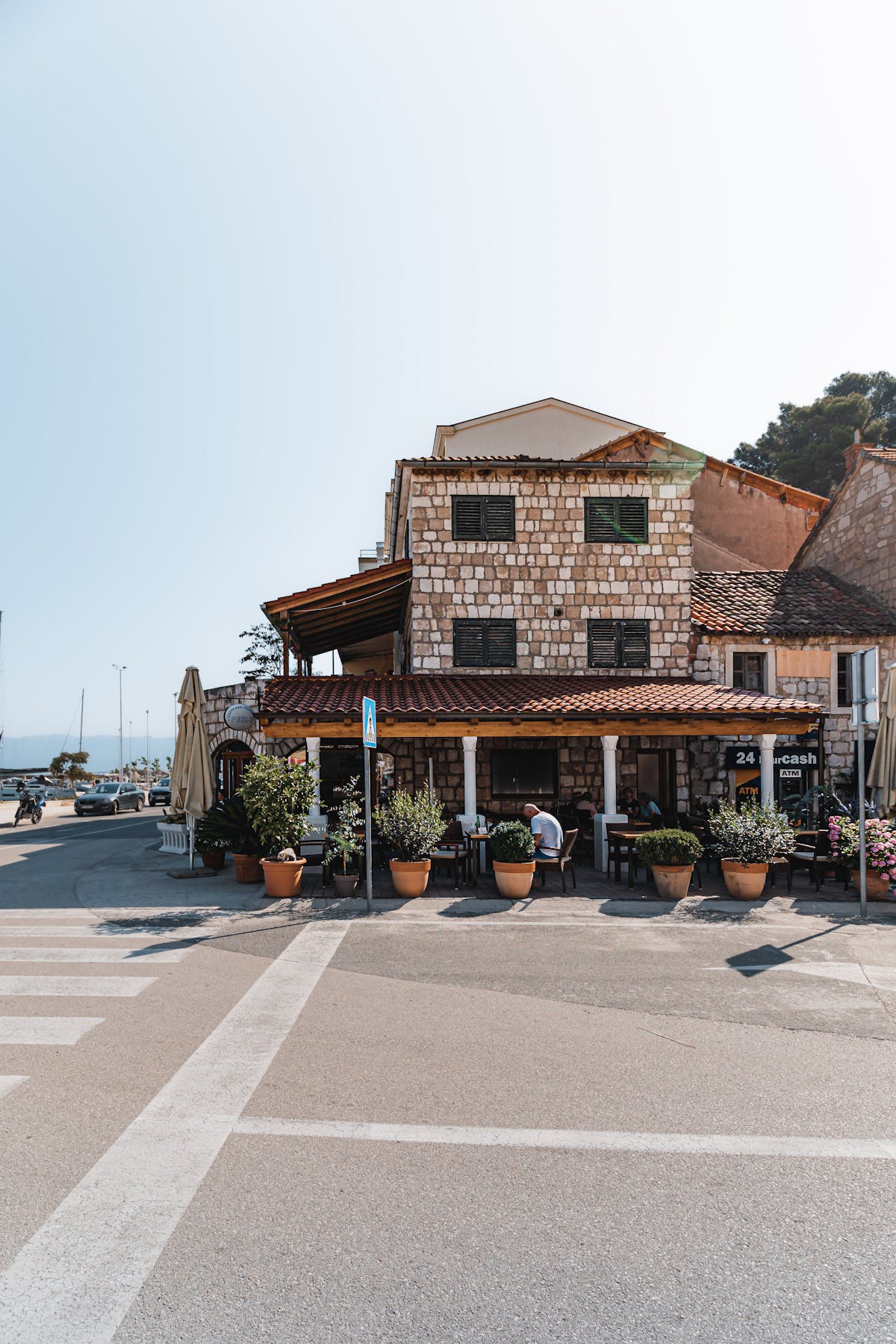
ATMs (called “bankomati” in Croatian) are easy to find in all major cities and tourist towns. Dubrovnik, Split, Zagreb, Zadar, Hvar town, Korčula — no problems. Most are linked to international networks (Visa, Mastercard, Cirrus, Plus) and work with foreign cards without issues.
Where ATMs get scarce:
- Small islands — Vis, Lastovo, and some of the smaller Kornati islands may have one ATM or none at all. Withdraw cash on the mainland before heading out.
- Remote inland areas — the Dalmatian hinterland and parts of Slavonia have fewer ATMs than the coast.
- National parks — Plitvice, Krka, and Paklenica have ticket offices that take cards, but if you want to buy anything from vendors inside the parks, bring cash.
A few ATM tips that will save you money:
Always choose to be charged in euros, not your home currency. When the ATM asks if you want to pay in EUR or your home currency, always pick EUR. The “pay in your own currency” option uses dynamic currency conversion (DCC), which gives you a terrible exchange rate. Your own bank will give you a much better rate.
Watch for ATM fees. Some ATMs in Croatia charge a withdrawal fee on top of whatever your bank charges. Euronet ATMs (common in tourist areas) are known for high fees and aggressive DCC prompts. Try to use ATMs attached to actual banks — Erste, PBZ, Zagrebačka banka, OTP — for better rates.
Notify your bank before travelling. This is basic but people forget. If your bank sees transactions from Croatia without warning, they may freeze your card. A quick call or app notification before you leave solves this.
How Much Things Cost in Croatia
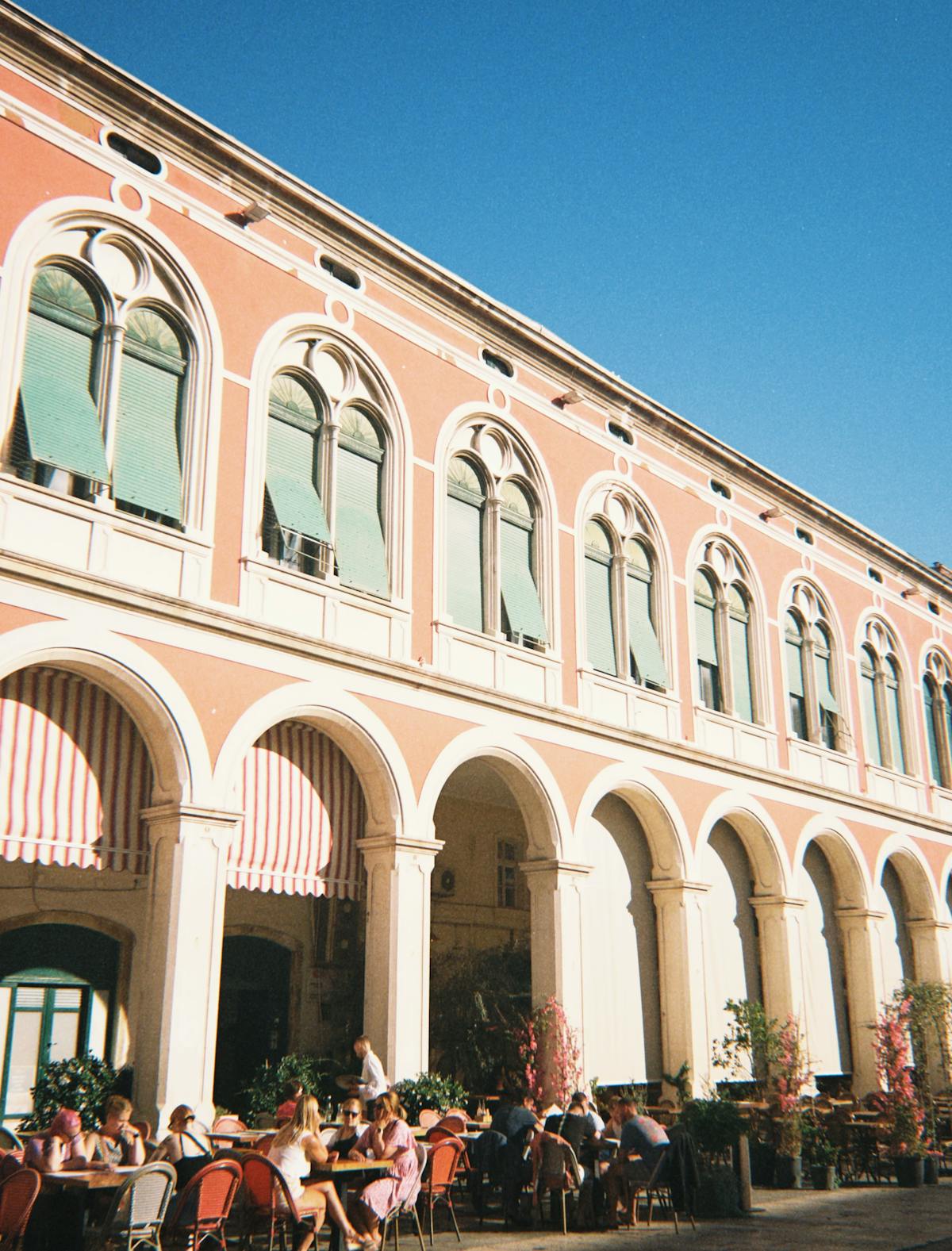
Croatia is cheaper than Western Europe but more expensive than its Balkan neighbours. Prices vary wildly depending on where you are — Dubrovnik and Hvar are significantly more expensive than, say, Zadar or Šibenik.
Here is a rough guide to what things cost (as of 2025-2026):
Food and drink:
- Espresso coffee: €1.50-2.50
- Local beer (pint): €3-5
- Glass of local wine: €3-6
- Meal at a casual restaurant: €10-18
- Meal at a mid-range restaurant: €20-35
- Fine dining: €50+
- Street food (ćevapi, burek): €3-5
- Supermarket groceries for a day: €15-25
Transport:
- Local bus ticket: €1.50-2
- Intercity bus (Split to Dubrovnik): €15-25
- Ferry (Split to Hvar): €5-12
- Taxi (short ride): €5-10
- Car rental per day: €30-60
- Petrol per litre: €1.50-1.70
Activities and accommodation:
- Hostel dorm bed: €15-30
- Mid-range hotel double room: €80-150
- Apartment rental per night: €50-120
- Dubrovnik city walls entrance: €35
- Plitvice Lakes entrance (summer): €30-40
- Guided kayaking tour: €35-50
- Beach sunbed rental: €10-25 per pair
A budget traveller who stays in hostels, cooks some meals, and sticks to cheaper towns can get by on €40-50 per day. A mid-range traveller staying in apartments and eating out twice a day should budget €80-120. Dubrovnik in August will blow through any budget you set, so just accept that and enjoy it.
Tipping in Croatia
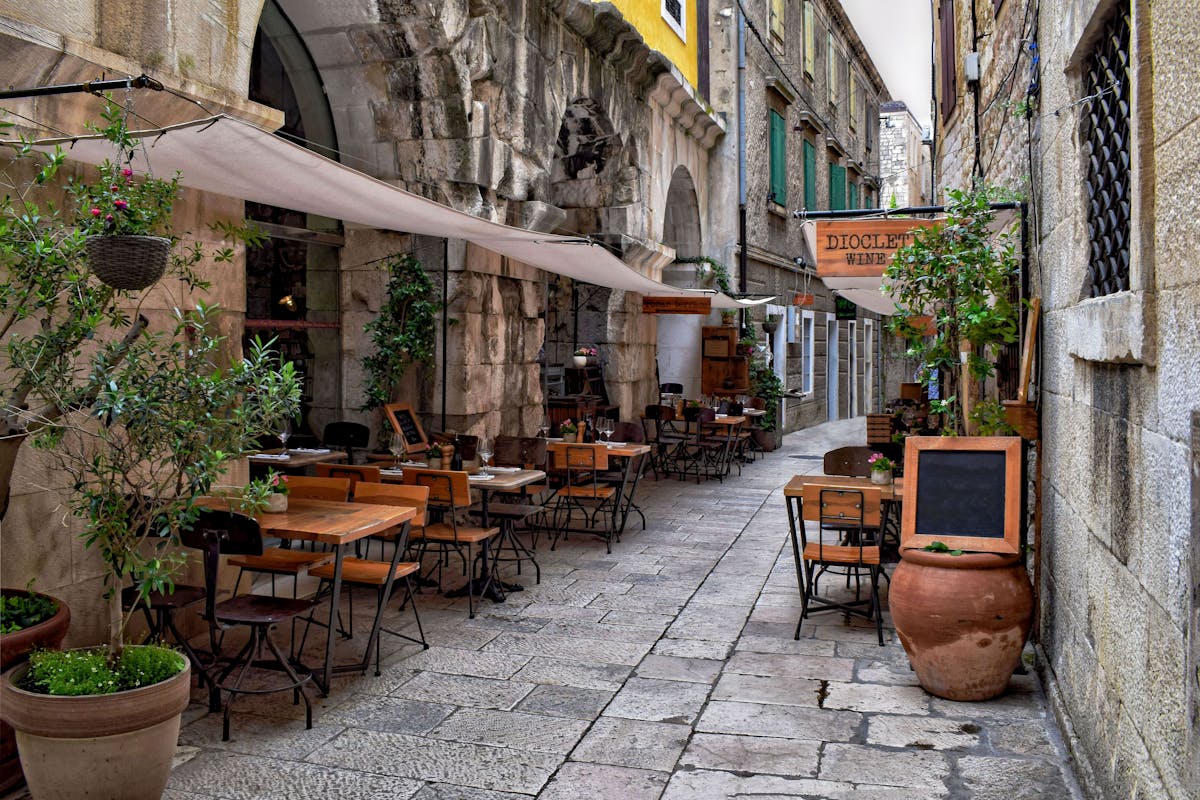
Tipping in Croatia is not mandatory and there is no guilt-trip culture around it. Service charges are not added to bills. Staff are paid a wage, and tips are a bonus, not a survival mechanism.
That said, tipping is appreciated. Here is what is normal:
- Restaurants: 10-15% for good service. Rounding up to the nearest €5 or €10 is also common and perfectly fine.
- Cafes and bars: Round up to the nearest euro or leave small change. Nobody expects a tip on a €2 coffee.
- Taxis: Round up to the nearest euro. A €13.50 fare, you hand over €15 and say “keep it.”
- Hotel staff: €2-5 for porters or housekeeping if you feel like it. Not expected.
- Tour guides: €5-10 per person for a half-day tour if they were good.
If you are paying by card and want to leave a tip, ask the waiter to add it to the bill or leave cash separately. Some card terminals in Croatia now have a tip option, but it is not universal.
Exchanging Money
If you need to exchange foreign currency into euros, you have several options:
Before you arrive: Exchange at your home bank or use a travel money card (Revolut, Wise, or similar). These fintech cards typically offer the best exchange rates and lowest fees. If you do not already have one, getting a Wise or Revolut card before a Europe trip is one of the most practical financial moves you can make.
In Croatia: Banks offer reasonable rates. Exchange offices (mjenjačnica) are common in tourist areas — rates vary, so compare a few. Avoid exchanging at hotels and airports, where rates are consistently poor.
What not to do: Do not bring large amounts of cash in a non-euro currency hoping to exchange it locally. The rates for USD, GBP, or AUD at Croatian exchange offices are worse than what you would get through a card transaction. Use an ATM or your travel card instead.
If you are coming from another eurozone country, obviously none of this applies. Your euros are their euros.
Travel Money Cards Worth Considering
If you are travelling from outside the eurozone, a multi-currency travel card will save you real money compared to using your regular bank card abroad. The two most popular options:
Wise (formerly TransferWise): Charges the real mid-market exchange rate with a small transparent fee. Free ATM withdrawals up to a monthly limit. Works everywhere Mastercard is accepted. This is what most frequent travellers use.
Revolut: Similar to Wise, with free currency exchange during market hours (weekday rates). Slightly worse rates on weekends. Good app with spending analytics. Free ATM withdrawals up to a limit.
Both of these will save you 3-5% compared to a typical bank card’s foreign transaction fee plus poor exchange rate. Over a two-week trip, that adds up.
Whatever card you use, make sure you have a backup. Bring a second card from a different bank, or carry some cash. Cards get lost, stolen, or frozen by overzealous fraud departments. Having a single point of failure for all your money in a foreign country is not a plan — it is a gamble.
Common Scams and Things to Watch For
Croatia is a safe country and scams targeting travelers are relatively rare compared to some other Mediterranean destinations. But a few things to be aware of:
- Dynamic currency conversion (DCC): Already mentioned above. When a card terminal or ATM asks if you want to pay in your home currency, always say no. Always pay in euros. The DCC markup can be 5-8%.
- Unmarked restaurant prices: Some restaurants in Dubrovnik and Hvar do not display prices clearly, or have different prices for terrace vs. indoor seating. Always check the menu and prices before ordering, especially for fish (which is often priced per kilo, not per portion).
- Taxi overcharging: Less common than it used to be thanks to Uber and Bolt operating in major cities, but some airport taxi drivers still try to overcharge. Agree on a price before getting in, or use a ride-hailing app.
- Counterfeit coins: Very rare but it happens. The most commonly counterfeited are €2 coins. If a coin feels noticeably lighter than usual or the two-tone colouring looks off, check it.
Overall, money-related problems in Croatia are more about paying tourist-inflated prices than actual scams. The further you go from Dubrovnik Old Town, the more reasonable everything gets.
Budget Tips for Croatia
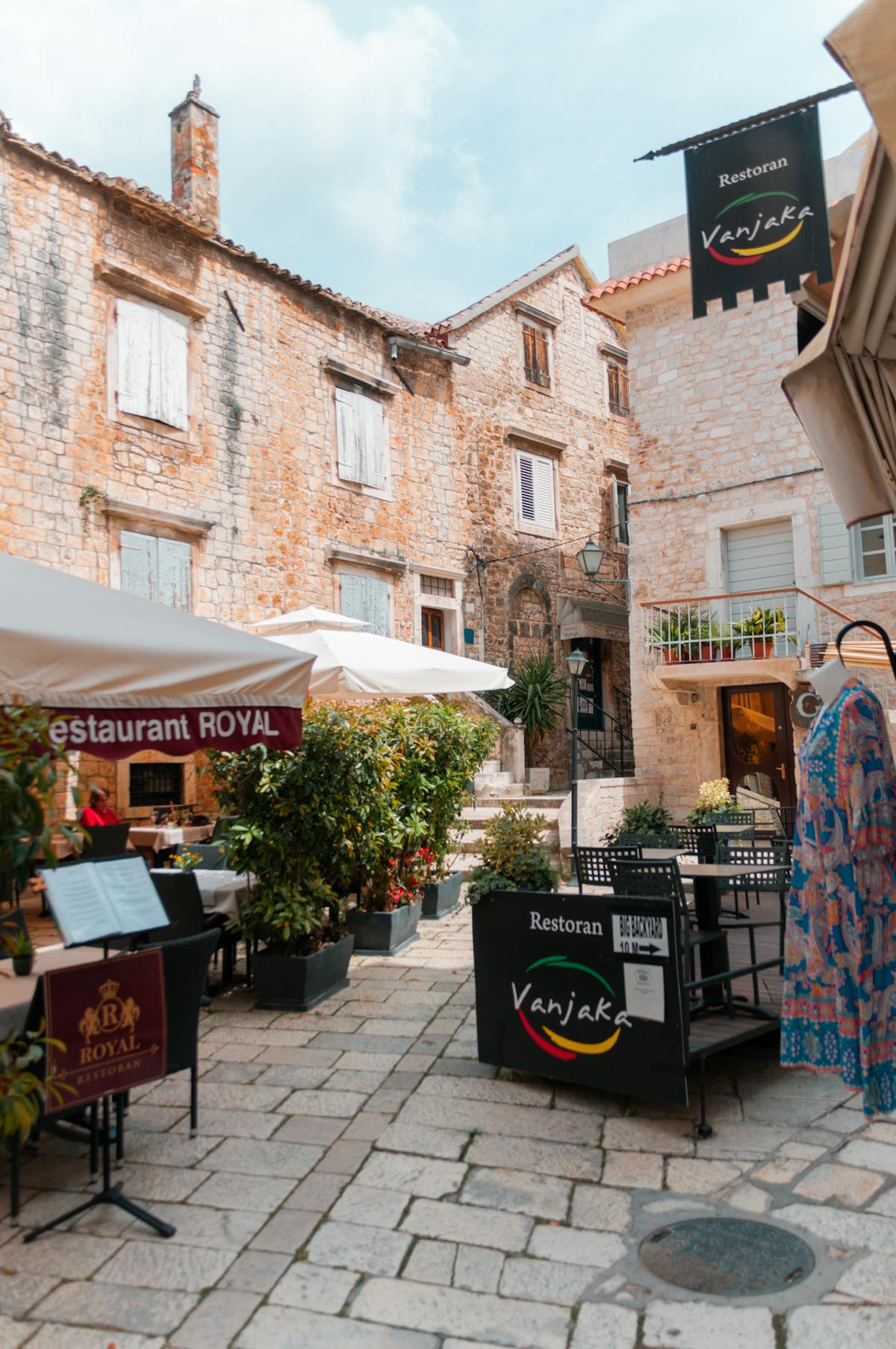
A few practical ways to make your money go further in Croatia:
- Shop at supermarkets: Konzum, Lidl, and Studenac are everywhere. Buying breakfast supplies and snacks at a supermarket instead of eating out every meal will save you €10-15 per day.
- Eat where locals eat: The Croatian food at places a block or two back from the waterfront is usually better and cheaper. If the menu is only in English and has photos, keep walking.
- Visit the beaches that do not charge: Many of Croatia’s best beaches are free. You only pay for sunbed rental at managed beaches, and you never have to rent one — bring a towel and sit on the rocks like everyone else.
- Travel in shoulder season: May, June, and September prices are 30-50% lower than July-August for accommodation. Flights are cheaper too.
- Take buses instead of taxis: Croatia’s intercity bus network is reliable and cheap. Flixbus and Croatia Bus connect all major cities.
- Drink Croatian wine: Do not order imported wine. Croatian wine is excellent and much cheaper. A glass of local Plavac Mali or Malvazija at a restaurant costs €3-5. An imported bottle of anything costs three times that.
- Book ferries in advance: Jadrolinija ferry prices do not fluctuate like airline prices, but popular routes (Split to Hvar, Dubrovnik to Korčula) sell out in summer. Book early to guarantee a spot and avoid inflated private boat transfer prices.
Croatia is not the cheapest country in Europe, but it is far from the most expensive. With a bit of planning and a willingness to eat like a local, you can have an incredible trip without destroying your bank account.