
This article contains affiliate links. If you book through these links, I earn a small commission at no extra cost to you.
Croatia essentially has two countries’ worth of weather packed into one. The coast gets a classic Mediterranean climate — hot, dry summers and mild, wet winters. The interior gets a continental climate — equally hot summers but cold, snowy winters. The Dinaric Alps run down the middle like a spine and act as the dividing line between the two. Understanding this split is the key to packing correctly and choosing when to visit.
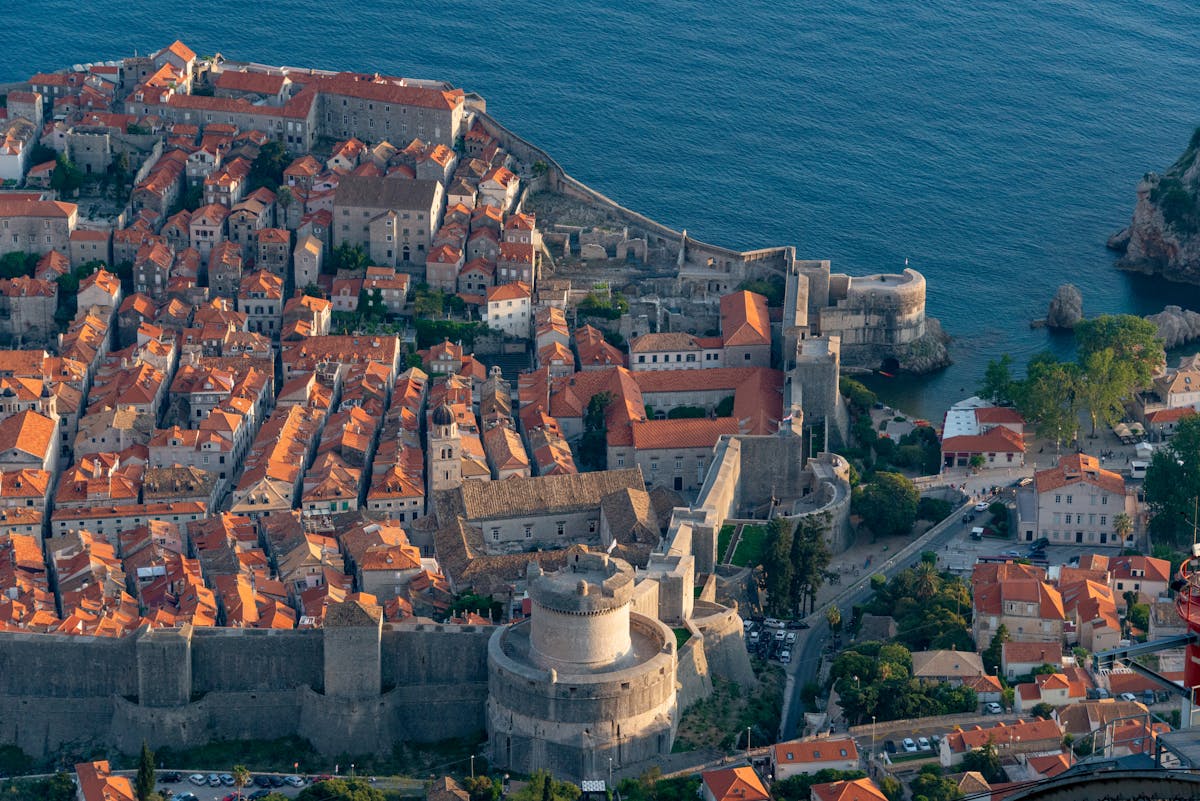
Coastal Croatia (Dalmatia, Istria, Kvarner)
The coast is why most people visit Croatia, and the weather cooperates generously from May through October. The Adriatic coastline from Dubrovnik up through Split, Zadar, and into Istria enjoys a Mediterranean climate with long, hot summers and short, mild winters.
Summer (June to August): Hot and dry. Average highs of 28-33°C (82-91°F), sometimes exceeding 35°C in July and August. Rainfall is almost nonexistent — perhaps 2-3 rainy days per month, usually brief afternoon thunderstorms that clear quickly. Humidity is moderate, and the maestral sea breeze keeps things bearable on the coast, though inland from the shore (even just a few kilometres) the heat intensifies.
Spring (March to May): Mild and increasingly warm. March is still cool (13-17°C) with occasional rain. April warms to 17-21°C with pleasant sunshine. May is genuinely warm (21-26°C) and feels like early summer. Rain decreases as spring progresses, and by late May the coast is dry and sunny most days.
Autumn (September to November): September is essentially summer’s extension — 24-28°C, warm sea, and mostly dry. October is transitional — still pleasant at 18-23°C but rain increases, particularly in the second half. November is the wettest month on the coast, with cooling temperatures (12-17°C) and regular rainfall.
Winter (December to February): Mild by European standards. Coastal temperatures rarely drop below 5°C, with average highs of 10-14°C. Rain is frequent but snow on the coast is extremely rare (it has happened in Dubrovnik and Split, but it makes the news when it does). The bora wind can make it feel colder than the thermometer suggests.
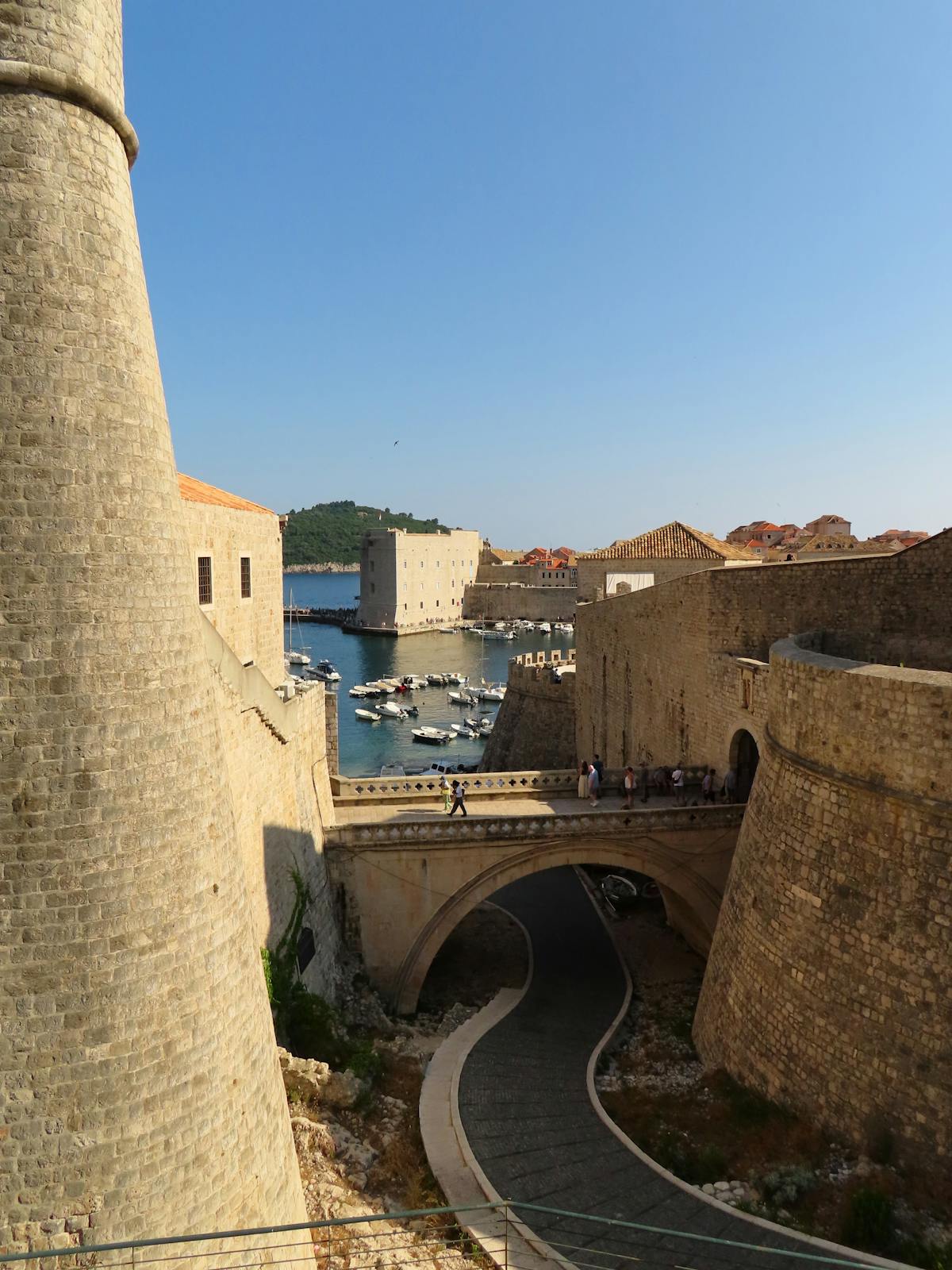
Interior Croatia (Zagreb, Slavonia, Zagorje)
The interior is a different world. Zagreb and the inland regions experience a continental climate that feels more Central European than Mediterranean.
Summer: Hot. Average highs of 28-32°C (82-89°F), occasionally exceeding 35°C during heatwaves. No sea breeze to soften it. Afternoon thunderstorms are more common than on the coast, often dramatic and intense but short-lived.
Winter: Cold. Average temperatures of 0-5°C (32-41°F), with regular snow. Zagreb gets 20-30 days of snow per year. The mountains receive heavy snowfall — Sljeme, just outside Zagreb, has a small ski resort that operates from December to March.
Spring and Autumn: Pleasant and moderate. 12-22°C with changeable weather. Spring can be wet. Autumn is generally more stable and brings beautiful foliage to the inland forests.
Sea Temperature
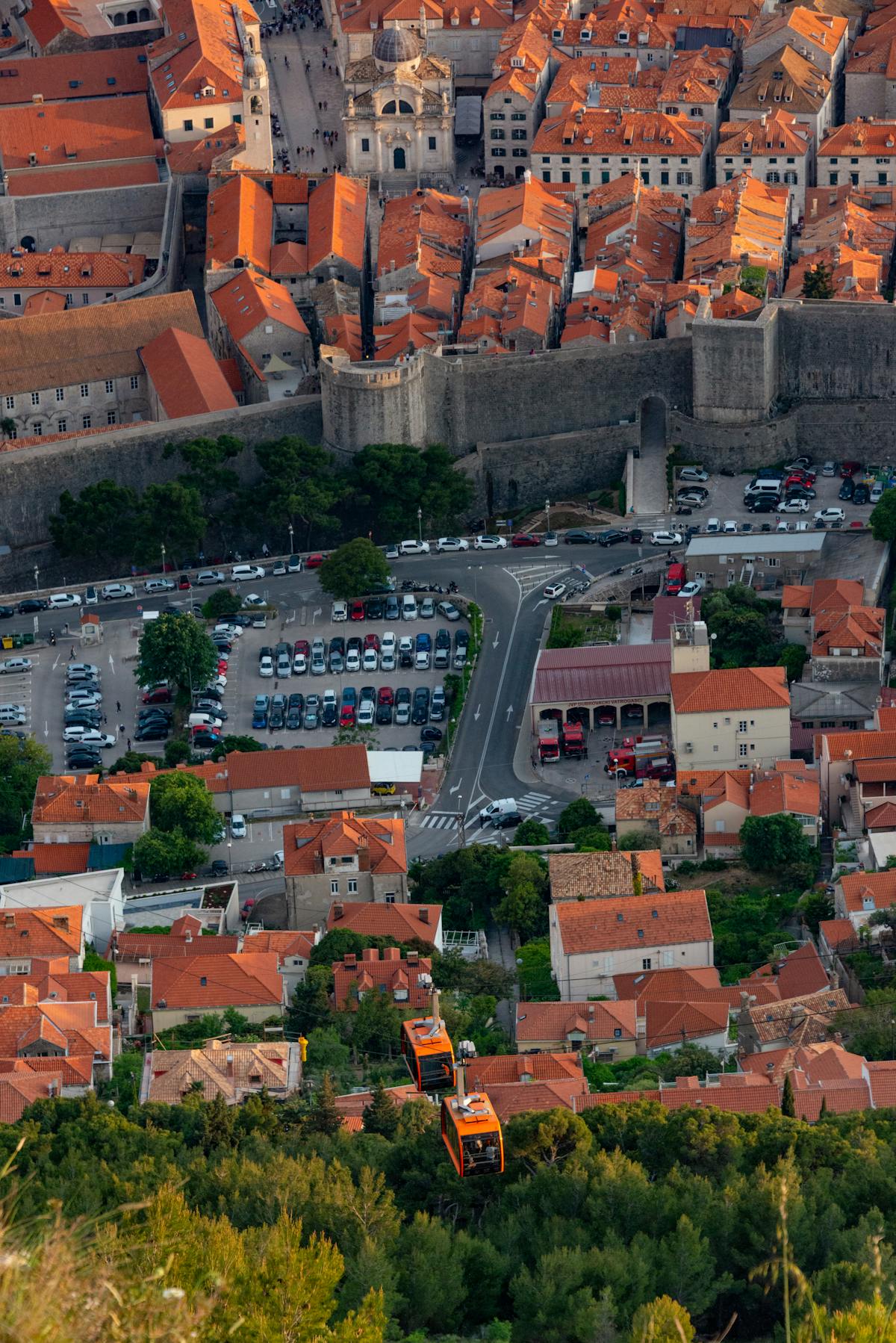
The Adriatic sea temperature follows a predictable curve that matters if swimming and beaches are a priority:
- January-March: 12-14°C. Swimming is for the extremely brave or the extremely Finnish.
- April: 15-17°C. Croatian locals start swimming at Easter. Tourists will find this uncomfortably cold.
- May: 18-20°C. Swimmable for most people, especially in the south. Wetsuits not needed but you will gasp on entry.
- June: 21-24°C. Comfortable. This is when swimming becomes reliably pleasant.
- July: 24-26°C. Warm. You can spend hours in the water without getting cold.
- August: 25-27°C. The warmest month. The water is warmer than many swimming pools.
- September: 23-25°C. Still warm — the sea retains summer heat well into autumn.
- October: 20-23°C. Swimmable in the south (Dubrovnik area). Gets cooler further north.
- November-December: 16-19°C. Season over for most people.
Southern Dalmatia (Dubrovnik, Korčula, Hvar) is consistently 1-2°C warmer than northern areas (Istria, Kvarner). If warm water is a priority, go south and go late — September water in Dubrovnik is warmer than July water in Pula.
The Winds You Should Know About
Croatia’s weather is heavily influenced by three winds that locals take seriously and visitors should understand:
The Bora (Bura): A cold, dry northeasterly wind that blows from the mountains toward the sea. It arrives suddenly, often without much warning, and can gust to 100+ km/h in winter. In summer, bora events are rare and weaker, but they can still turn a warm day cold in an hour. The bora is strongest through mountain gaps — the Velebit Channel and the strait between Brač and the mainland are notorious. If you are sailing, take bora warnings seriously.
The Maestral: A warm northwesterly sea breeze that builds most summer afternoons. This is the friendly wind — it keeps the coast from getting unbearably hot and provides reliable sailing conditions. It typically starts around 11am, peaks mid-afternoon at 10-20 knots, and dies at sunset. When locals say “the maestral is coming,” they mean the day is about to become comfortable.
The Jugo (Sirocco): A warm, humid southeasterly that brings clouds, rain, and unsettled conditions. Croatians blame the jugo for headaches, bad moods, and general malaise — there is a cultural belief that this wind affects people’s wellbeing. Whether that is true or not, the jugo does make the sea rough and the sky grey. It is mostly a winter/spring wind.
What to Pack
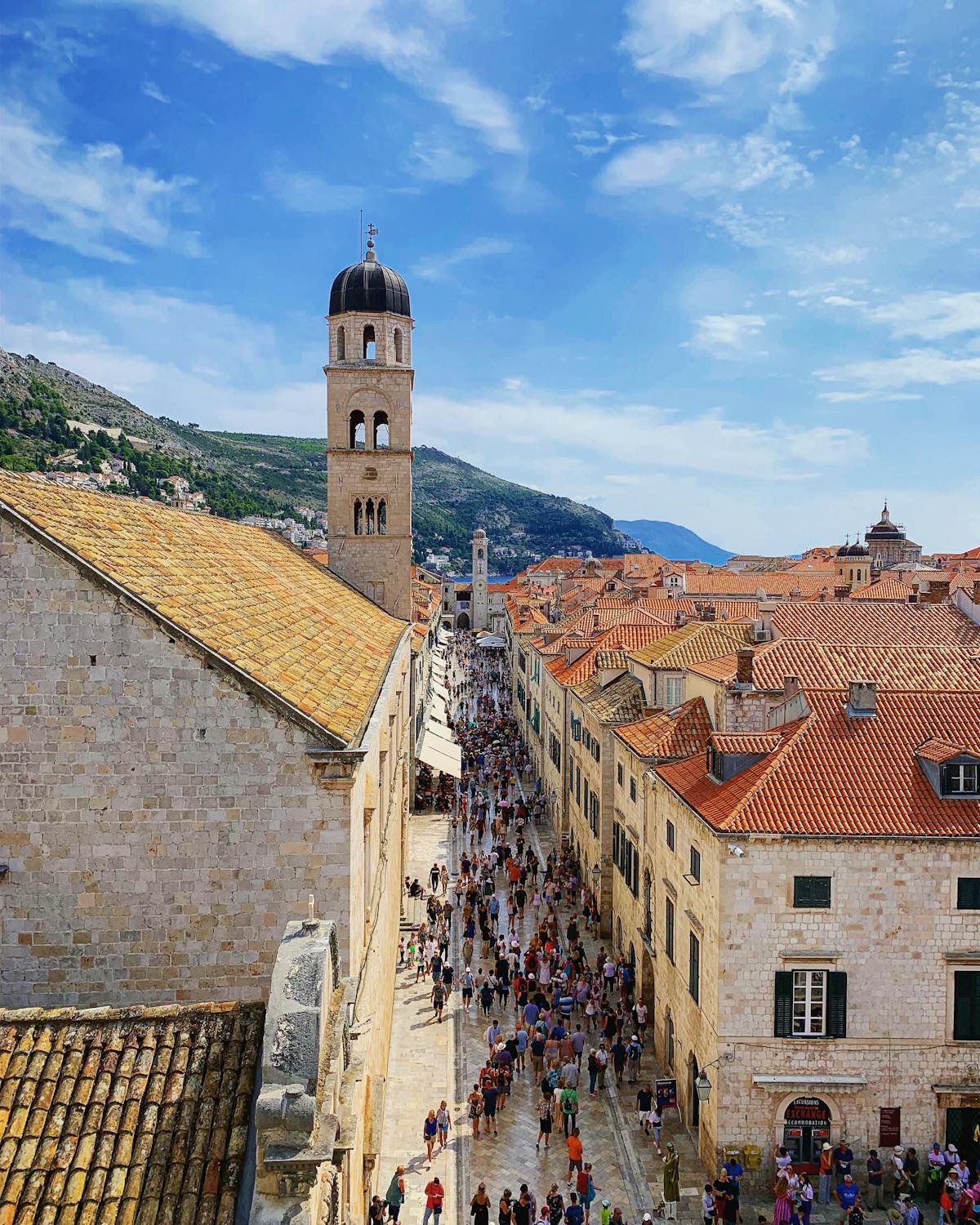
Packing for Croatia depends entirely on when and where you are going:
Summer coast (June-August):
- Light, breathable clothing — cotton and linen
- Swimsuit (you will use it daily)
- Sunscreen SPF 50+ (the Adriatic sun is intense)
- Sunglasses and a hat
- Water shoes (for pebble beaches and sea urchins)
- One light jacket or long-sleeve layer for ferry rides and evening breezes
- Comfortable walking shoes — the limestone streets in Old Towns are beautiful but slippery when wet
Spring/Autumn coast (April-May, September-October):
- Layers — mornings and evenings are cool, afternoons are warm
- A waterproof jacket (rain is more likely)
- Closed-toe walking shoes for hiking
- Swimsuit (September is still warm enough; May is marginal)
Winter (November-February):
- Warm coat, especially for Zagreb and inland areas
- Waterproof layers for the coast
- Warm shoes — stone streets get cold
- Scarf and gloves for Zagreb (temperatures regularly drop below freezing)
Month by Month Summary
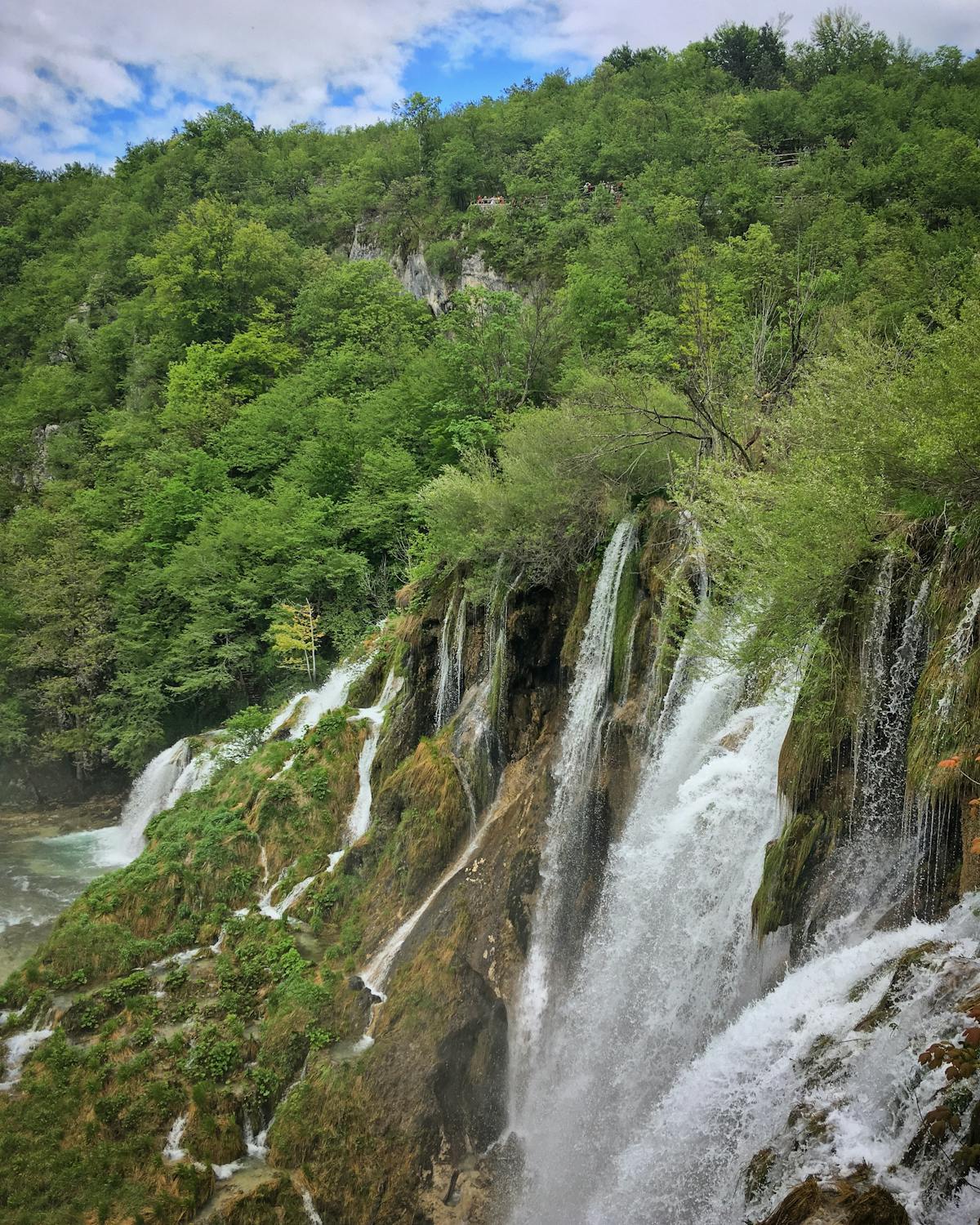
Here is a quick reference for coastal Dalmatia (Split/Dubrovnik area). Zagreb runs 3-5°C cooler in summer and 10°C+ cooler in winter:
- January: 10°C high, 4°C low. Rainy. Quiet.
- February: 11°C high, 5°C low. Still winter. Rijeka Carnival.
- March: 14°C high, 7°C low. Spring arriving. Good for walking.
- April: 18°C high, 10°C low. Warming up. Easter festivities.
- May: 23°C high, 14°C low. Excellent. Sea getting swimmable.
- June: 27°C high, 18°C low. Hot, dry, perfect. Sea 22-24°C.
- July: 30°C high, 21°C low. Peak heat. Sea 24-26°C.
- August: 30°C high, 21°C low. Hottest month. Sea 25-27°C.
- September: 27°C high, 18°C low. Warm. Sea still 23-25°C.
- October: 21°C high, 13°C low. Mild. Increasing rain.
- November: 16°C high, 9°C low. Wettest month. Season ending.
- December: 12°C high, 6°C low. Mild winter. Zagreb Christmas markets.
Sunshine Hours
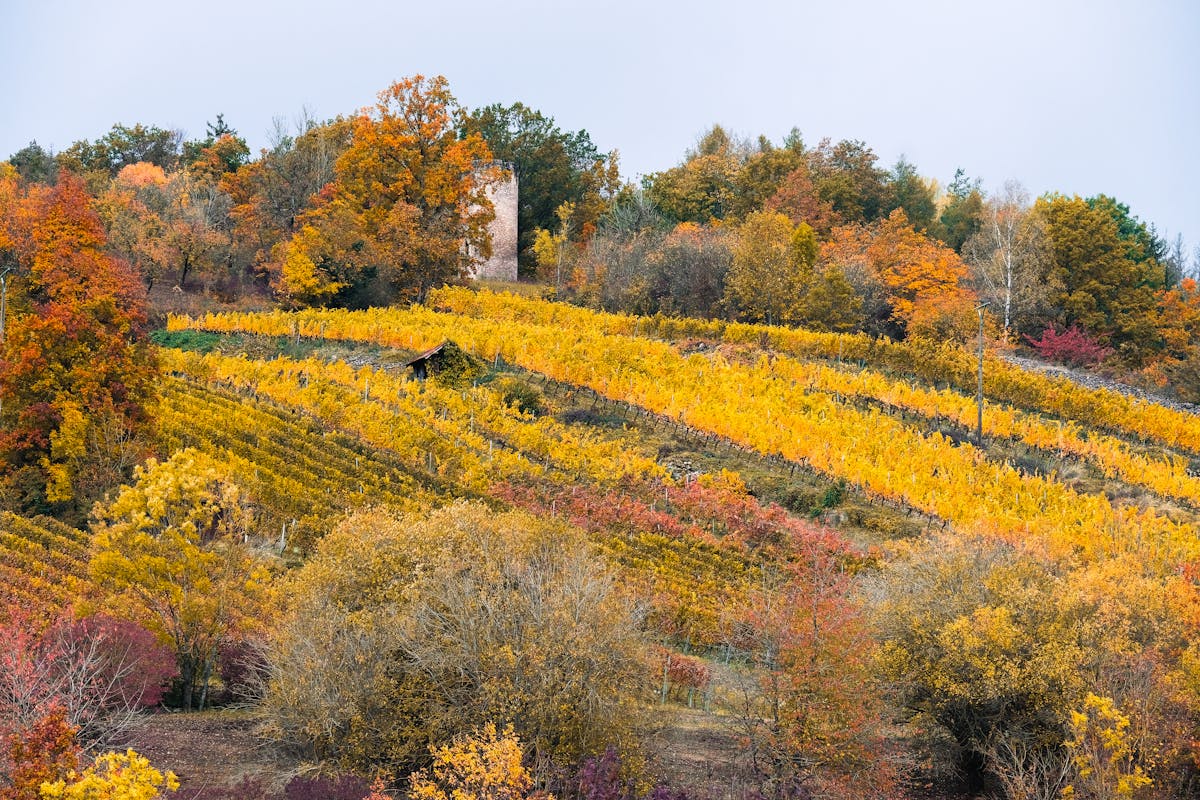
The Dalmatian coast is one of the sunniest parts of Europe. Hvar Island claims to be the sunniest spot in Croatia with over 2,700 hours of sunshine per year (for comparison, London gets about 1,500 hours). Dubrovnik and Split get 2,500-2,600 hours.
In summer, expect 10-12 hours of sunshine daily. The sun rises before 6am and does not set until after 8:30pm in June and July. This gives you exceptionally long days for sightseeing, swimming, and outdoor activities.
Zagreb gets less sunshine — around 1,900 hours per year — with cloudier winters but plenty of sun in summer.
Weather Warnings and Extremes
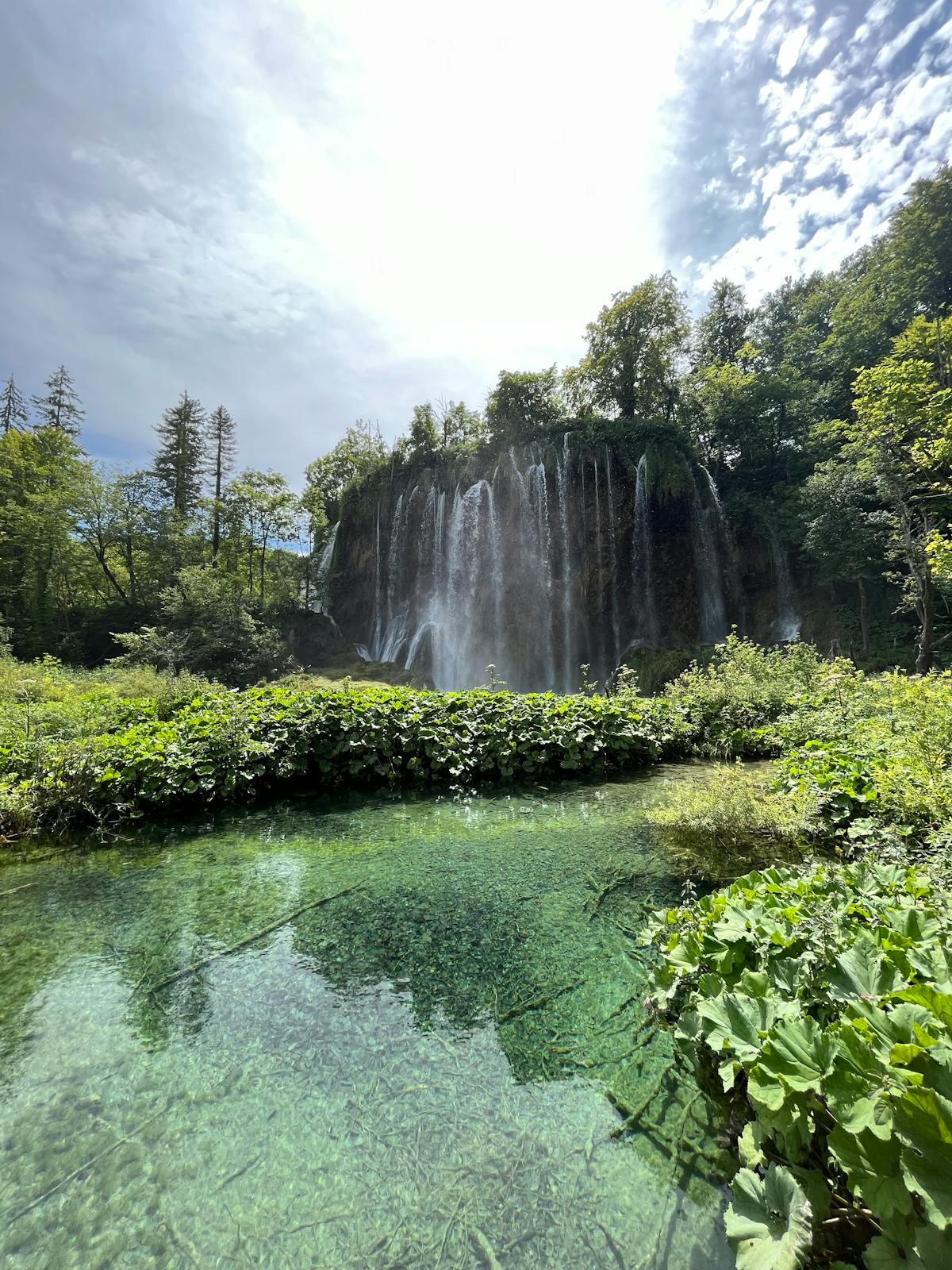
Croatia does not have extreme weather by global standards, but a few things to be aware of:
- Heatwaves: Increasingly common in July and August. Temperatures above 38°C are no longer unusual. Stay hydrated, avoid midday sun, and take the siesta seriously — there is a reason Mediterranean countries shut down from noon to 4pm.
- Thunderstorms: Summer thunderstorms can be intense, particularly inland. They usually pass within an hour but can produce heavy rain, hail, and lightning. If you are on a beach or hiking when one approaches, seek shelter.
- Flash floods: Rare but possible in autumn, particularly in mountainous areas. The karst landscape drains quickly but narrow gorges and riverbeds can flood suddenly after heavy rain.
- Forest fires: A risk during hot, dry summers along the coast. Follow local fire warnings and do not light fires in forests or dry grassland.
For current weather forecasts and marine warnings, the Croatian Meteorological and Hydrological Service (DHMZ) at meteo.hr publishes forecasts in Croatian and English. The Windy app is also excellent for detailed local conditions.
Overall, Croatia’s weather is one of its biggest selling points. The Mediterranean coast delivers reliable sunshine from May through September, the timing is flexible, and even when the weather surprises you, it rarely ruins a trip. Pack sunscreen, bring one layer more than you think you need, and enjoy it.