
This article contains affiliate links. If you book through these links, I earn a small commission at no extra cost to you.
I spent two weeks eating my way down the Croatian coast and came back five pounds heavier with zero regrets. The food here surprised me. Not because I expected it to be bad — I just did not expect it to be this good, this varied, and this affordable compared to what you would pay for similar quality in Italy or Greece. (If you are wondering about money and currency in Croatia, the country switched to the euro in 2024.)
Croatian food splits roughly into two camps. Up in Istria, the peninsula in the northwest, everything revolves around truffles, olive oil, and wine. Down the Dalmatian coast — from Zadar through Split to Dubrovnik — it is all about grilled fish, slow-cooked meat under a bell, and enough garlic to keep everyone at arm’s length.
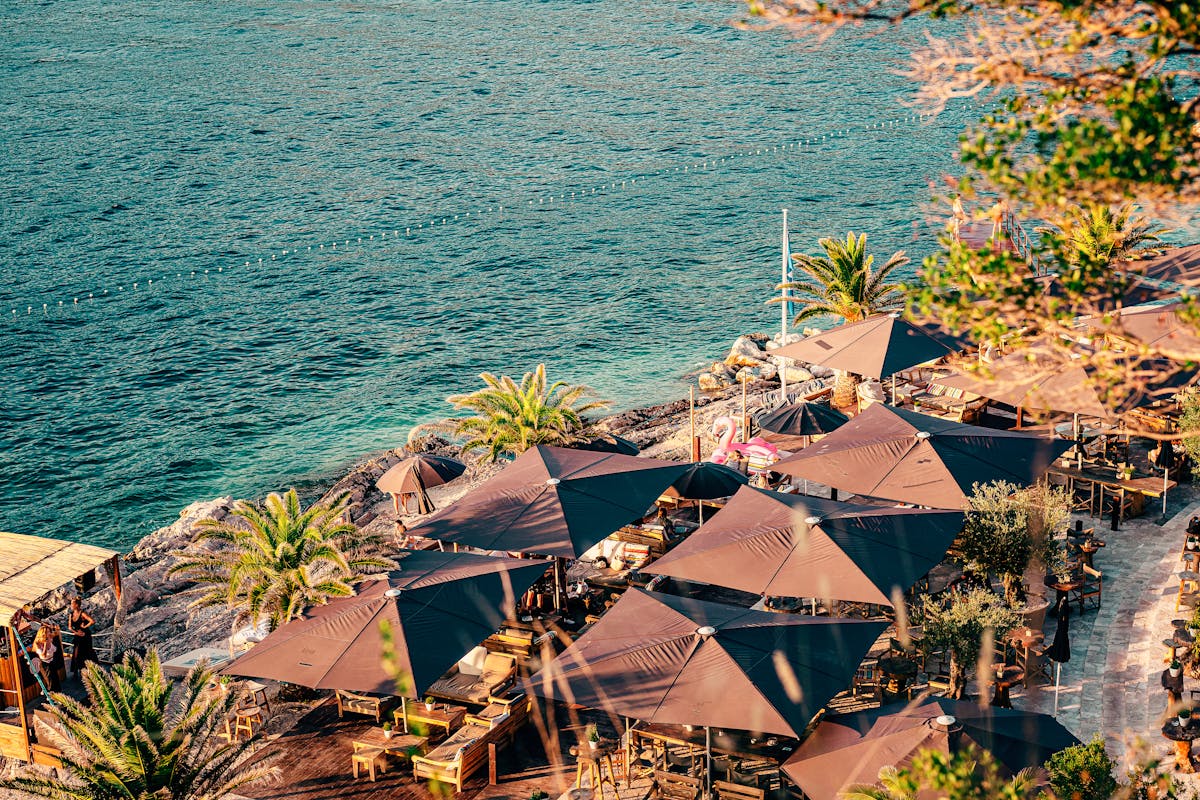
Both regions share a few things: they use a lot of olive oil, they take their wine seriously, and they do not rush meals. Dinner in Croatia is a two-hour affair minimum. If you are the type who likes to eat and move on, slow down. You are on their schedule now.
- Prsut — Croatian Dry-Cured Ham
- Cevapi — Grilled Meat That Punches Above Its Weight
- Peka — The Dish You Need to Order in Advance
- Istrian Truffles — World-Class and Half the Price of Italy
- Seafood Along the Dalmatian Coast
- Soparnik — Dalmatia’s Underrated Flatbread
- Istrian Olive Oil — Quietly Some of the Best in the World
- Croatian Wine — The Secret That Is Getting Out
- Where to Eat: Quick Picks by City
- Konobas vs Restaurants — Know the Difference
- What to Bring Home
- Practical Tips
Prsut — Croatian Dry-Cured Ham
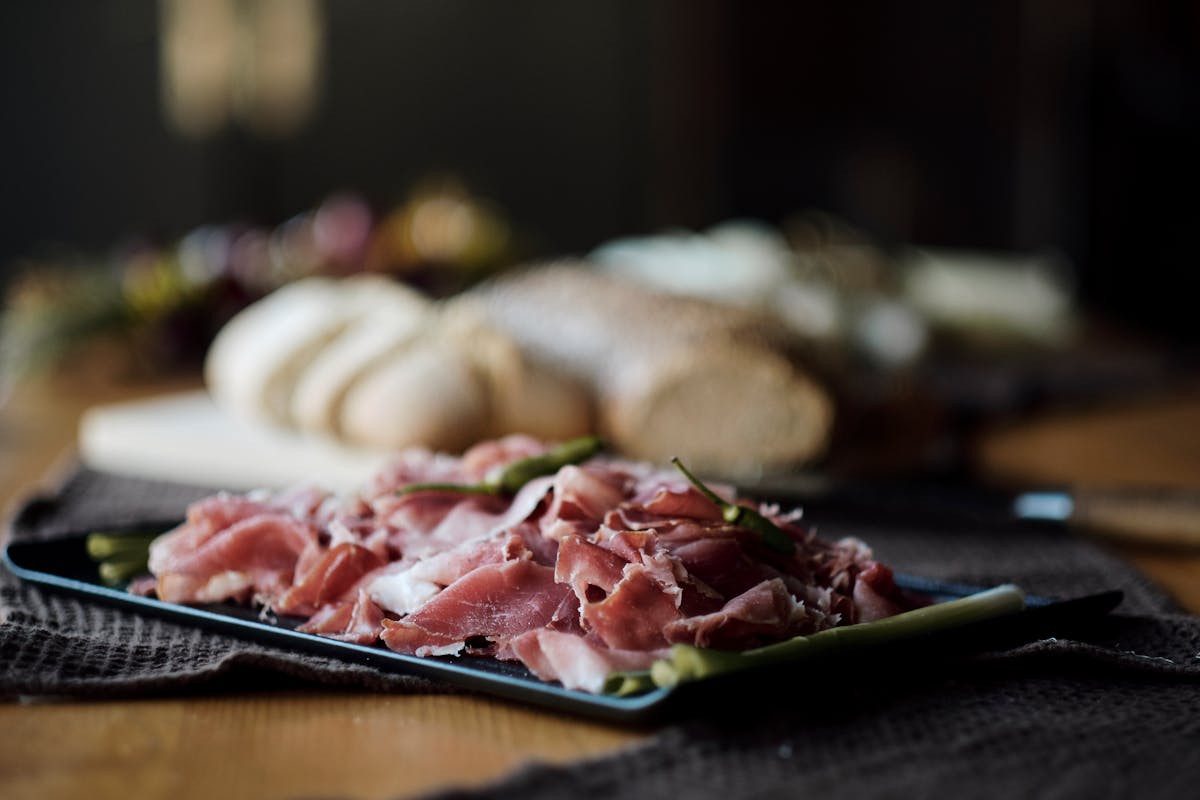
If you have had Italian prosciutto, you know the general idea. Croatian prsut is its own thing though — drier, saltier, and cured with sea salt and herbs like rosemary and garlic rather than just salt alone. It is not smoked. Just wind, salt, and time.
You will find prsut on every appetizer plate in the country. It comes with sheep’s cheese (paski sir from the island of Pag is the famous one), bread, olives, and a glass of wine. Nobody overthinks it. You eat with your hands, tear off bread, and that is the meal.
The best prsut I had was in a small konoba near Motovun in Istria. Paper-thin slices, slightly sweet at the edges, and paired with a local Malvazija white wine. A plate like that costs around 60-80 kuna (roughly €8-10) and honestly makes a perfectly good dinner on its own.
Cevapi — Grilled Meat That Punches Above Its Weight
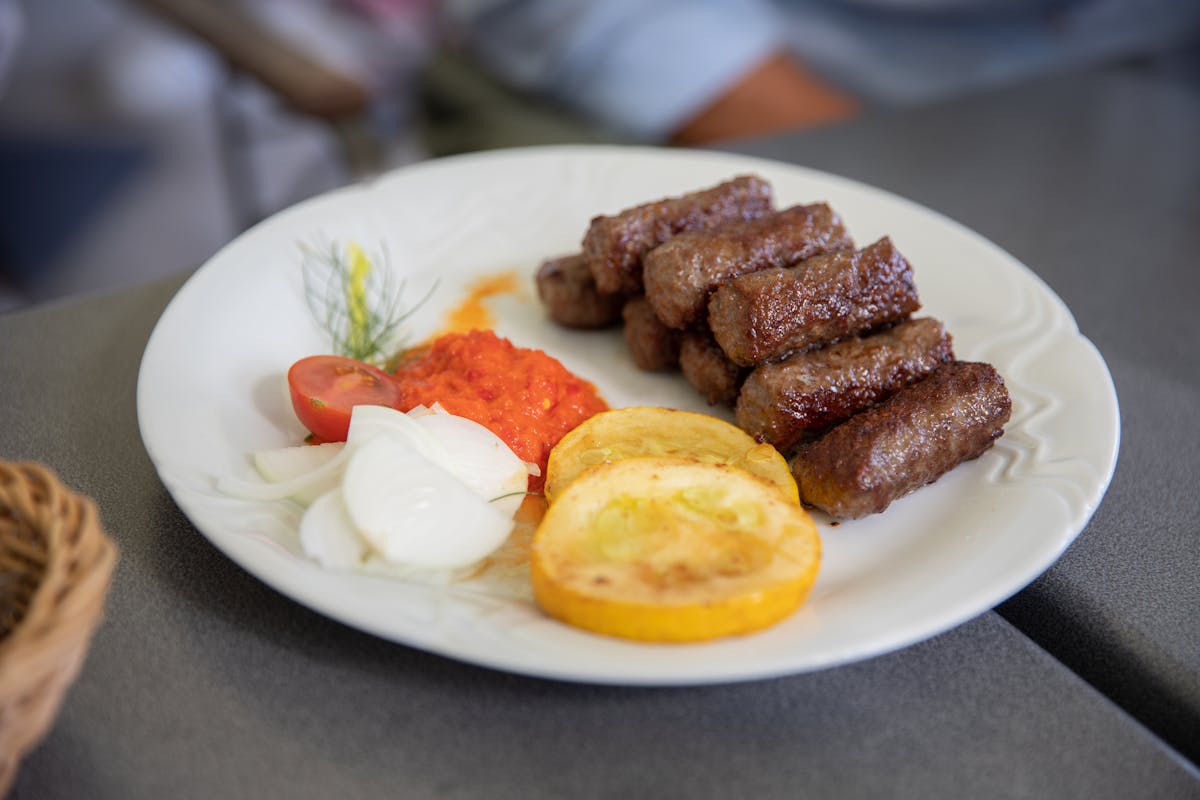
Cevapi are small skinless sausages made from a mix of beef and lamb (sometimes pork), grilled over charcoal and served with flatbread, raw onion, and ajvar — a roasted red pepper relish that you will start putting on everything by day three.
They are not fancy. They are not supposed to be. Cevapi are fast, cheap, and everywhere — from roadside stands to proper restaurants. A full portion of ten with bread and sides runs about 50-70 kuna (€7-9). You could eat them every day and not get bored, which is exactly what I did for the first week.
The best ones have a slight char on the outside and stay juicy inside. If they are dry, the place overcooked them and you should try somewhere else. Split and Zagreb both have excellent cevapi spots, but honestly even the average ones are good.
Peka — The Dish You Need to Order in Advance
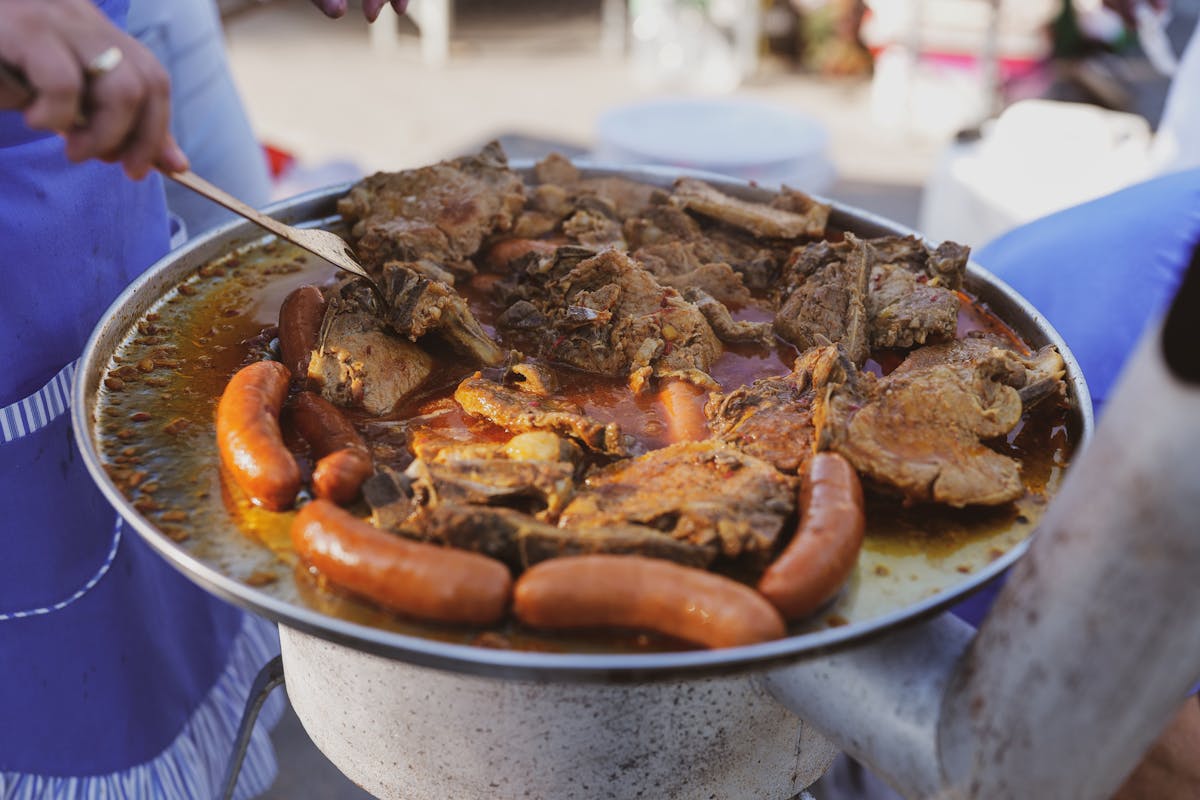
Peka is a Dalmatian specialty that you cannot order on a whim. It takes two to three hours to prepare, so most restaurants require you to call ahead or order at least a few hours before you want to eat. Do not skip this step — show up expecting peka and you will be disappointed.
The dish itself is simple in concept: chunks of lamb or veal (sometimes octopus) layered with potatoes, peppers, and tomatoes, drizzled with olive oil and herbs, then covered with a metal or ceramic bell. Hot coals get piled on top and around the bell, and everything slow-roasts until the meat falls apart.
When they lift the lid at the table, the smell alone is worth the wait. The potatoes absorb all the meat juices and the whole thing has a slight smokiness that you cannot replicate in a normal oven. Expect to pay around 250-350 kuna (€33-46) for peka for two people. It is not cheap by Croatian standards, but it feeds two generously and you will not need to eat again that day.
Istrian Truffles — World-Class and Half the Price of Italy
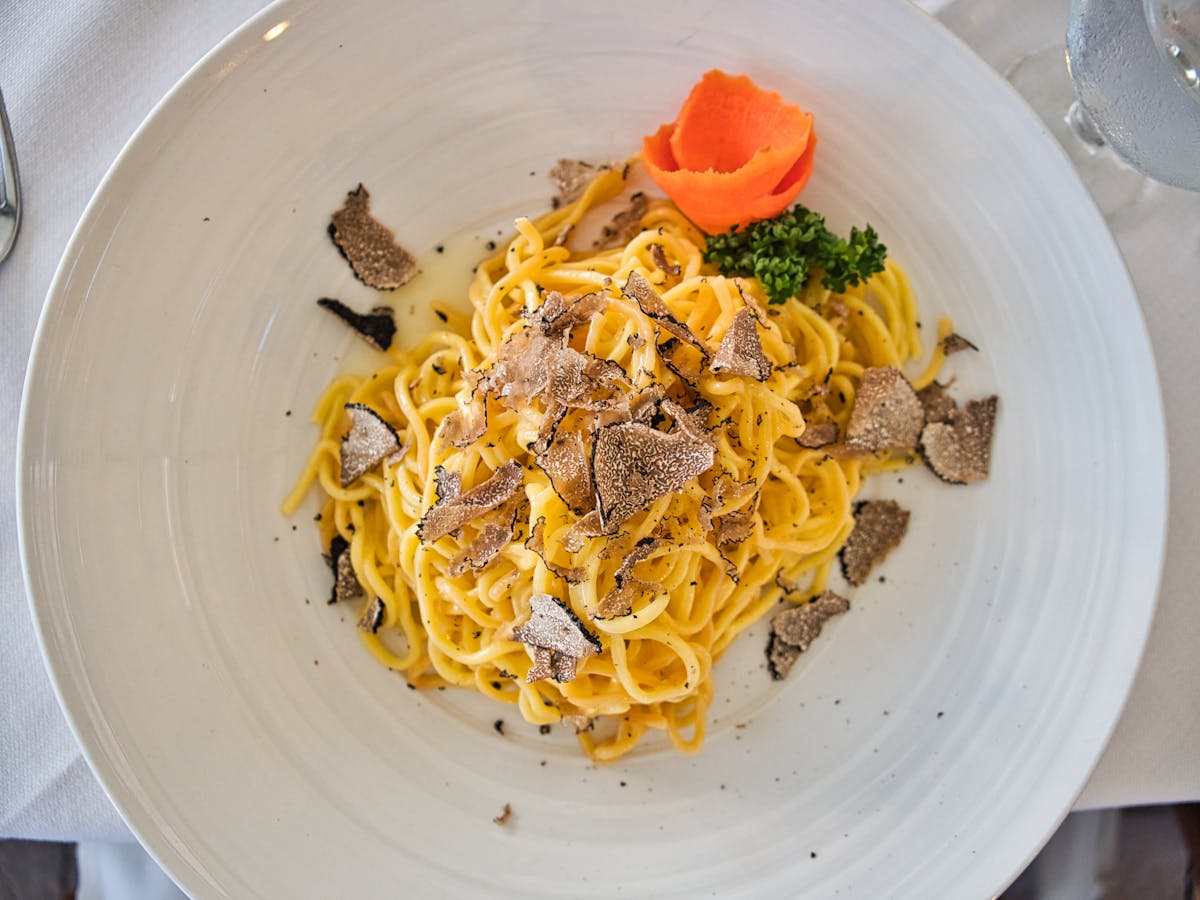
Istria’s Motovun Forest is one of the biggest truffle-hunting grounds in Europe, and the locals are quietly smug about it. White truffles here rival anything from Alba in northern Italy, but a truffle pasta in Istria costs maybe €15-20 where the same dish across the border would run you €40+.
The white truffle (tartufo bianco) season runs from September to January and that is when you should visit if truffles are your thing. Black truffles are available year-round and cheaper, but the white ones are the real prize — aromatic, slightly garlicky, and genuinely unlike anything else.
You can put truffles on pretty much anything in Istria and restaurants do exactly that. Truffle pasta (fuzi, a local hand-rolled pasta, is the classic pairing), truffle omelette, truffle risotto, truffle cheese, truffle honey. Some places even do truffle ice cream, which sounds wrong but actually works.
If you want the full experience, book a truffle-hunting tour near Motovun or Livade. You go into the forest with a trained dog, dig up whatever it finds, and then eat it for lunch. Tours run around €60-80 per person including the meal. The village of Livade hosts an annual truffle festival in autumn and holds the Guinness record for the largest white truffle ever found — 1.31 kg, discovered in 1999.
Seafood Along the Dalmatian Coast
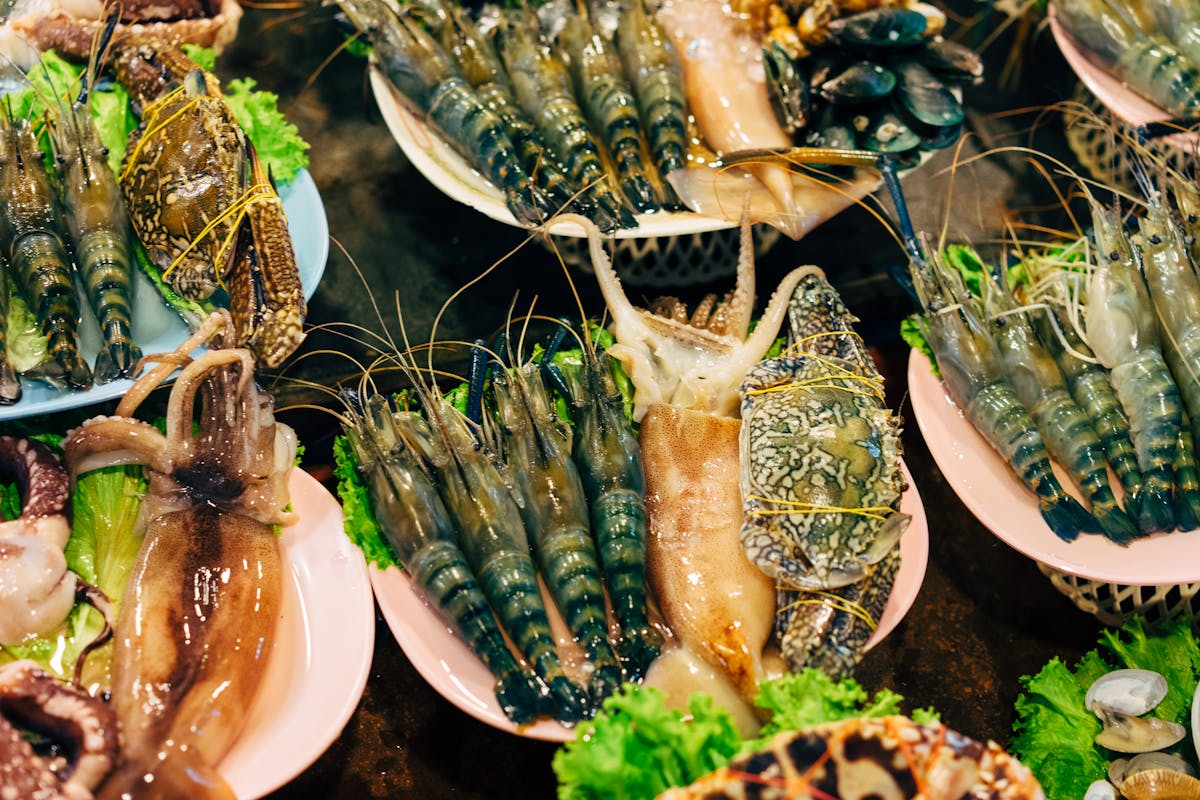
The Adriatic is not a massive ocean — it is a relatively shallow, calm sea, and the fish reflect that. You will not find giant tuna steaks here. What you will find is incredible sardines, sea bass (brancin), sea bream (orada), octopus, squid, and mussels.
The simplest and arguably best way to eat fish in Croatia is grilled whole with olive oil, garlic, and a squeeze of lemon. That is it. No complicated sauces, no drama. Just very fresh fish cooked simply. Most waterfront restaurants price fish by the kilogram — expect to pay around 250-400 kuna (€33-53) per kilo depending on the species and how touristy the restaurant is.
A few things worth trying specifically:
- Crni rizot (black risotto) — risotto made with cuttlefish ink. It looks alarming, tastes incredible, and will stain your teeth. Every restaurant in Dalmatia serves it. Usually around 80-100 kuna (€10-13).
- Brudet — a rich fish stew with tomatoes, wine, and whatever the fisherman caught that day. Served with polenta. This is the kind of dish that varies wildly from restaurant to restaurant, which is part of the fun.
- Grilled octopus — done right, it is tender and slightly charred with a cold potato and olive oil salad underneath. Done wrong, it is rubber. Ask how they prepare it before ordering.
- Oysters from Ston — the town of Ston near Dubrovnik has been farming oysters since Roman times. You can eat them right at the waterfront for a fraction of what they cost in Dubrovnik restaurants. A dozen runs about 80-100 kuna (€10-13).
Soparnik — Dalmatia’s Underrated Flatbread
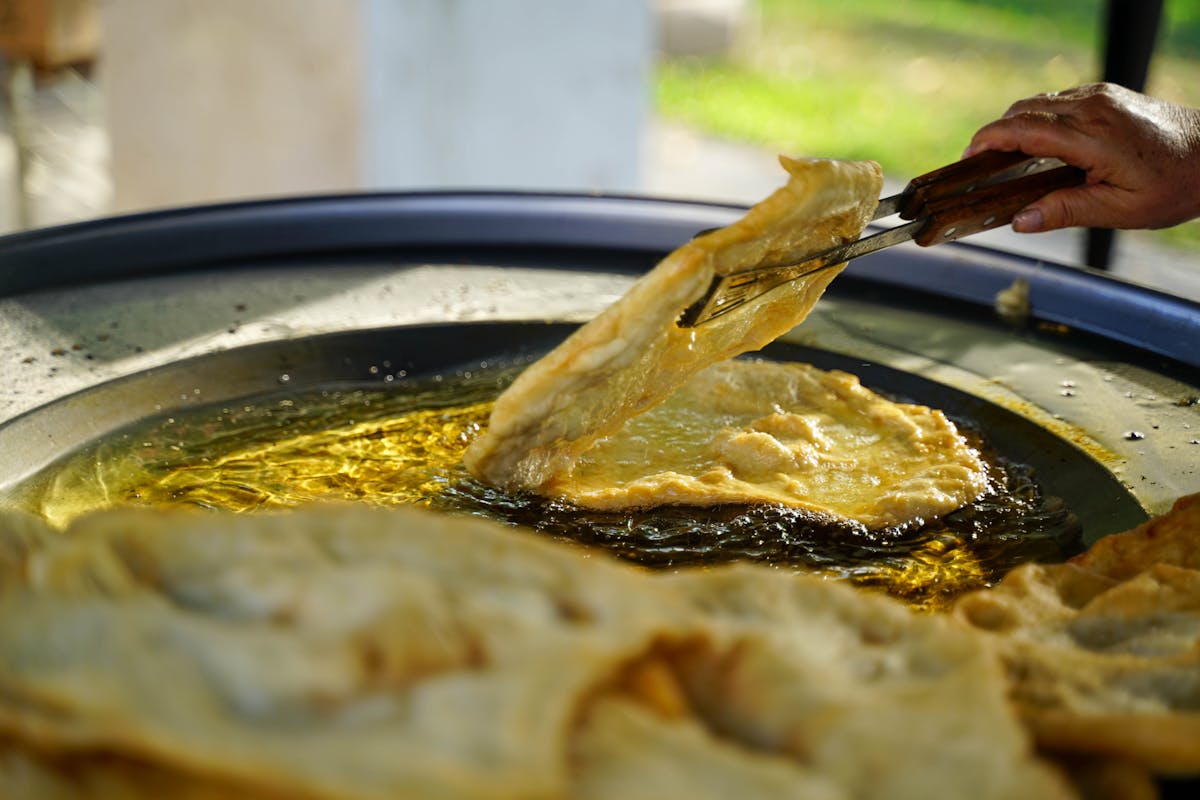
Soparnik does not get the attention it deserves. It is a thin flatbread filled with Swiss chard (blitva), onion, garlic, and parsley, baked on a stone hearth and brushed with olive oil. The EU gave it protected status in 2016, which tells you something about how seriously the Dalmatians take it.
The Poljica region between Split and Omis is where soparnik comes from, and the locals there make it for festivals and family gatherings. You can find it in some Split restaurants and at food markets, but it is not on every menu. When you see it, order it. It costs almost nothing — usually 20-30 kuna (€3-4) for a generous piece.
Istrian Olive Oil — Quietly Some of the Best in the World
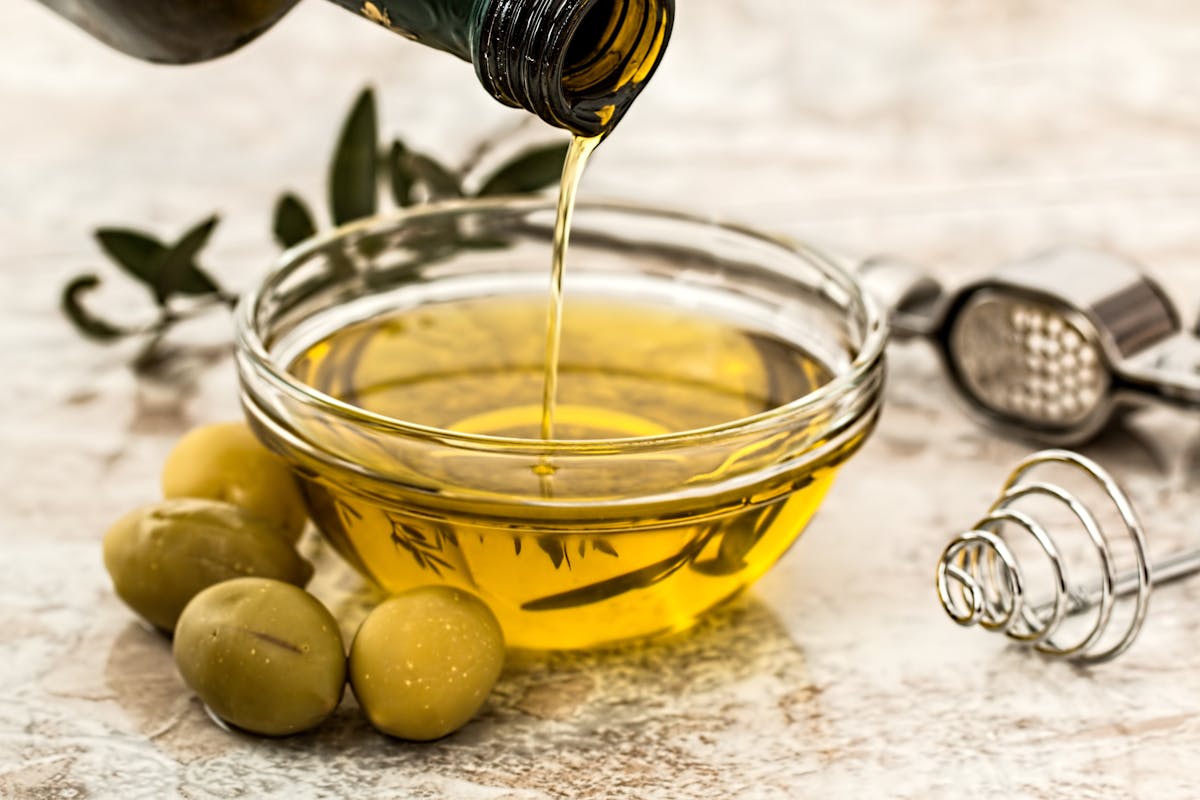
Istria consistently ranks among the top olive oil producing regions in the world. The peninsula’s combination of red soil, mild climate, and indigenous olive varieties (Buza, Istarska Bjelica) produces oils that win international awards year after year.
Good Istrian olive oil smells like freshly cut grass, has a smooth texture, and finishes with a peppery kick at the back of your throat. If you are used to the bland stuff from supermarket shelves, the first taste of proper Istrian oil is a genuine surprise.
The town of Vodnjan south of Pula is the epicentre. Several producers offer tastings — you sit down, sample four or five oils, learn about the differences between early and late harvest, and inevitably walk out carrying bottles. A half-litre of premium oil costs around 80-120 kuna (€10-16), which sounds expensive until you realise the same quality oil from Italy or Spain would cost double.
Croatian Wine — The Secret That Is Getting Out
Croatia has over 130 indigenous grape varieties and a winemaking tradition that goes back to Greek colonisation. And yet most visitors have never heard of Croatian wine before they arrive. That is changing, slowly.
The two regions you should know about:
- Istria — known for Malvazija (a crisp, aromatic white) and Teran (a deep, earthy red). Malvazija is the one you will drink most. It pairs perfectly with seafood and costs 80-150 kuna (€10-20) for a good bottle in a shop, 30-50 kuna (€4-7) for a glass in a restaurant.
- Dalmatia — known for Plavac Mali, a bold red grape related to Zinfandel. The best Plavac Mali wines come from the Peljesac Peninsula (Dingac and Postup are the top appellations). Also look for Posip, a white from Korcula island, and Grk, another Korcula white made only in the village of Lumbarda.
Wine tasting in Istria is incredibly easy — there are dozens of small family wineries with signs along the road, many open for drop-in tastings. In Dalmatia it is a bit more organised. The Peljesac Peninsula has a marked wine road with cellar doors along the way.
Where to Eat: Quick Picks by City
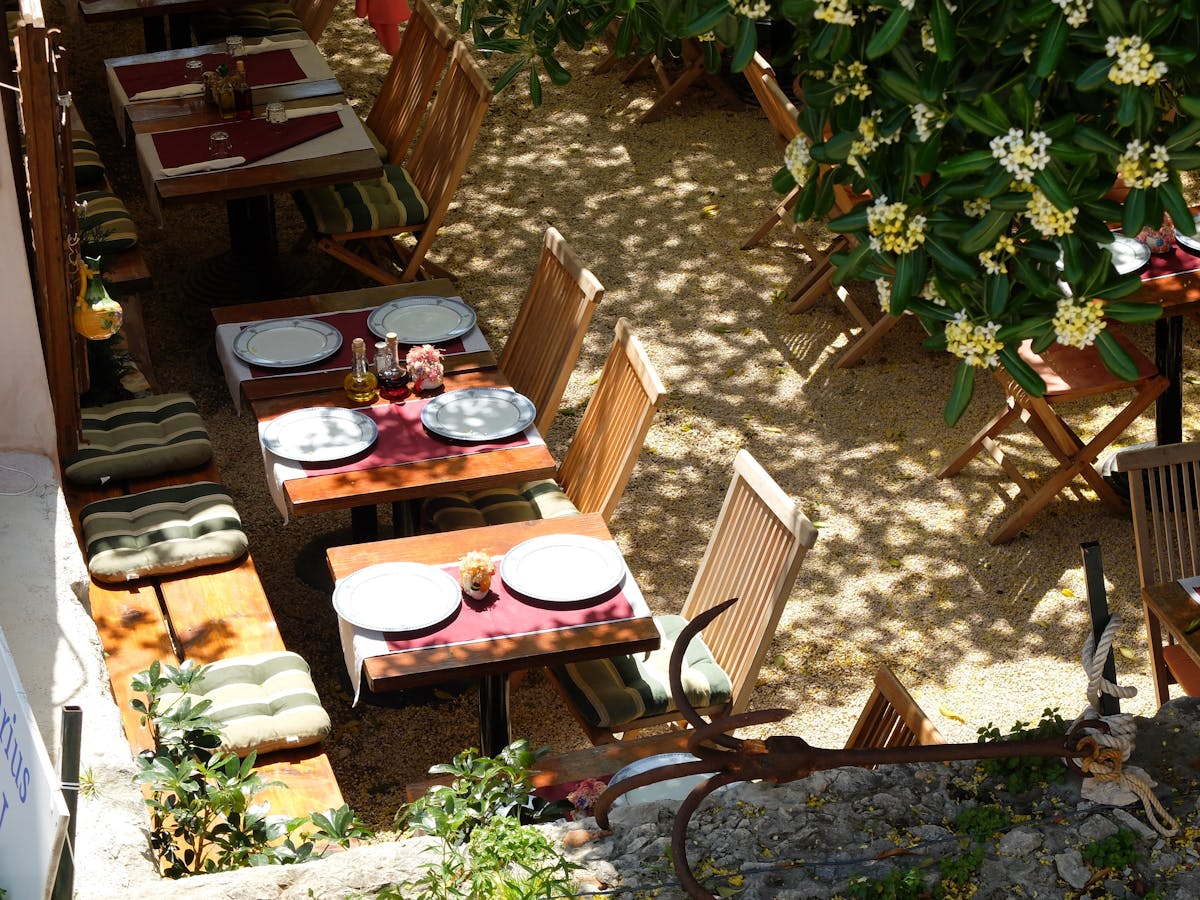
A few pointers for eating well without overpaying:
Dubrovnik — the Old Town is beautiful but prices are steep and portions are often smaller than elsewhere. Walk ten minutes outside the walls to Lapad or Gruz and you will pay 30-40% less for the same quality. The fresh fish market at Gruz harbour is worth a morning visit even if you are not cooking.
Split — the area around Diocletian’s Palace has great options but also plenty of tourist traps. Look for places where locals eat, not places with photos on the menu. The neighbourhood of Varos behind the Riva promenade has a cluster of good konobas (traditional taverns). Try grilled fish at a table on the waterfront for a fraction of what you would pay in Dubrovnik.
Zagreb — the capital has a different food culture from the coast. More Central European influences — structure, sausages, pastries. The Dolac Market is the place to start, an open-air market right in the centre where farmers sell produce, cheese, and meat. Below the market, in the indoor section, there are cheap lunch counters serving plates of stew and roast meat for 40-60 kuna (€5-8).
Zadar — underrated for food. Less touristy than Split or Dubrovnik, and the restaurants reflect that with lower prices and more local clientele. The seafood here is as good as anywhere on the coast. The Bruschetta Restaurant near the sea promenade is known for gnocchi with squid ink.
Konobas vs Restaurants — Know the Difference
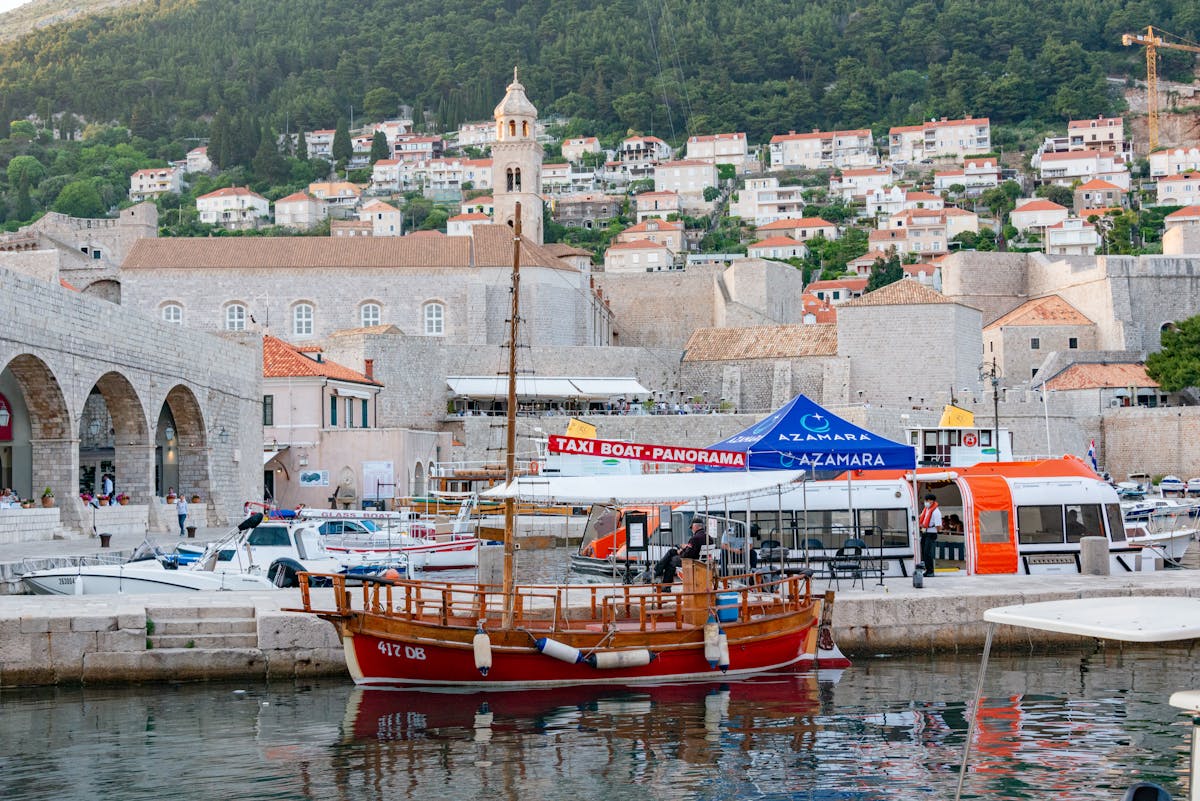
A konoba is a traditional tavern, originally a family-run place in a stone cellar or ground floor. The food tends to be simpler, more traditional, and cheaper than a restaurant. Konobas are where you go for peka, grilled fish, and plates of prsut and cheese.
Not every konoba is authentic anymore — some in tourist areas are konobas in name only, with identical menus and identical prices to the restaurants next door. The tell is the menu length. A real konoba has a short menu because they make what they have. If the menu has thirty items including pizza and hamburgers, it is a restaurant calling itself a konoba.
The best konobas are in smaller towns and villages. Motovun, Groznjan, and Oprtalj in Istria. Ston and Trsteno near Dubrovnik. Kastela between Split and Trogir. These are the places where the owner is also the cook and the wine comes from a cousin’s vineyard up the road.
What to Bring Home
Four things worth packing in your suitcase:
- Olive oil from Istria — buy directly from a producer. Vodnjan, Fazana, and Buje all have good options. A bottle lasts months and tastes better than anything at home.
- Paski sir — hard sheep’s cheese from the island of Pag. It keeps well for travel and tastes incredible with wine. Vacuum-packed pieces are available at markets and airports.
- Truffle products — truffle oil, truffle paste, truffle salt. Available in every shop in Motovun and Livade. The paste lasts longest and is the most versatile.
- Maraschino liqueur from Zadar — a cherry liqueur with centuries of history. The Luxardo brand is the famous one, but local versions from Zadar are worth trying.
Practical Tips
Tipping: Not expected but appreciated. Rounding up the bill or leaving 10% is generous by Croatian standards. Do not feel obligated — service charge is usually included.
Reservations: For peka, always book ahead. For regular meals in summer, reserve for dinner at popular spots in Dubrovnik and Hvar. Everywhere else, walking in is usually fine.
Water: Tap water is safe and good quality across Croatia. Restaurants will try to sell you bottled water — just ask for “voda iz slavine” (tap water) if you prefer.
Meal times: Lunch is the big meal, usually 12:00-15:00. Dinner starts late, around 20:00. Many restaurants close between 15:00-18:00, especially in smaller towns.
Cash vs card: Croatia joined the eurozone in 2024 so everything is in euros now. Cards are widely accepted in cities and tourist areas. Smaller konobas in villages may still be cash only.
If you are planning a trip to Croatia, do not make the mistake of treating the food as an afterthought. Build your itinerary around it. Go to Istria for truffles and olive oil. Go to Dalmatia for grilled fish and peka. Go to Zagreb for the markets and stew. And whatever you do, order the cevapi.