
A tea ceremony in a real Japanese home sets this class apart from a standard cooking lesson. Katsuji, a chef with 38 years of food-industry experience, and Mayumi welcome you into their home in Toyonaka, where you make sushi and choose a companion dish such as ramen, wagyu, tempura, or kushikatsu.
I like two things in particular: you get to prepare and eat the food yourself, and the personalized calligraphy gives you a souvenir with more meaning than a shop-bought trinket. The tea ceremony also offers a calm, traditional start before the lively work in the kitchen.
One point to weigh: the ramen noodles are ready-made, not rolled from scratch. The venue is also about a 10-minute walk from Shonai Station, so you’ll need to plan your route and allow time to find the house.
- Start in a home tearoom: Take part in a tea ceremony and drink matcha whisked by hand.
- Choose one main dish for your group: Pair sushi with ramen, kushikatsu, wagyu, tempura, or a colorful sushi bento.
- Learn by doing: Practice sushi preparation, including knife work, then help prepare your selected dish.
- Eat what you make: The class ends around the table with the food you prepared.
- Take home calligraphy: Katsuji creates a handwritten piece as a personal memento.
- Know the timing: The ramen and bento classes last two hours; the kushikatsu, wagyu, and tempura options last two and a half.
- A tea ceremony in Katsuji’s home
- Sushi prep is the hands-on heart of the class
- Choose the main dish your whole party wants
- The meal makes the lesson feel complete
- Calligraphy gives you a personal keepsake
- What the price buys you
- Getting to Toyonaka and planning your visit
- Who will enjoy this class most
- Should you book it?
- FAQ
- Where does the cooking class take place?
- How long does the activity last?
- What main dishes can I choose from?
- Can people in one group choose different main dishes?
- Are the ramen noodles made from scratch?
- Can the class accommodate vegetarian or vegan diets?
- Can I tell the hosts about allergies or other dietary needs?
- Is the activity suitable for children?
- What is included in the price?
A tea ceremony in Katsuji’s home
 1 / 9
 2 / 9
 3 / 9
 4 / 9
 5 / 9
 6 / 9
 7 / 9
 8 / 9
 9 / 9
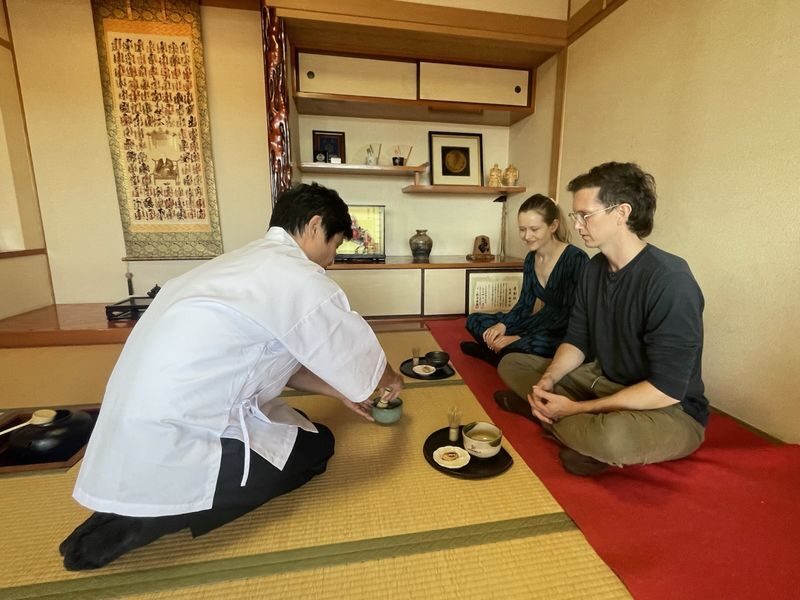
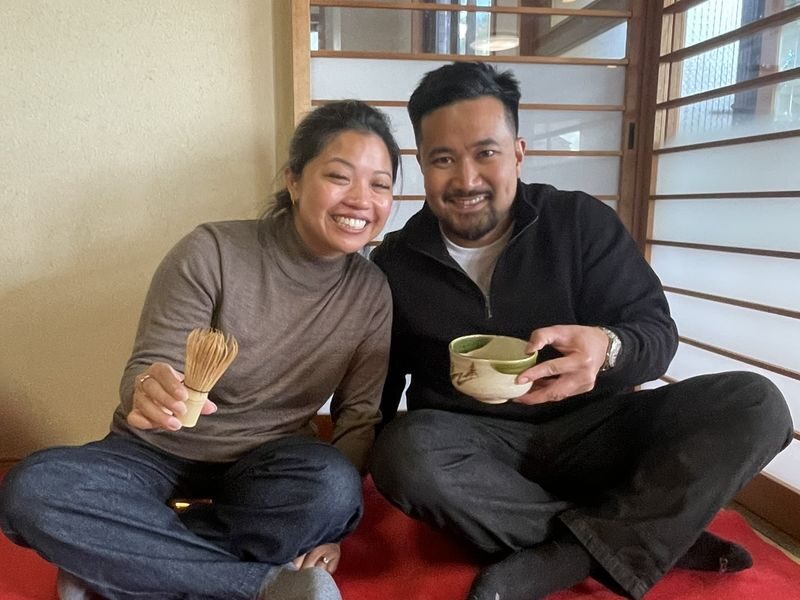
The class begins in a traditional-style tearoom inside Katsuji’s home. You settle in, watch the tea preparation, and try matcha whisked by hand. This quieter opening helps set the tone: food here is not only about a recipe, but also about care, presentation, and the small steps that shape a meal.
Katsuji and Mayumi host together. Katsuji brings decades of food-industry experience, while Mayumi helps make the session comfortable and easy to follow. The teaching is designed for participation, not for people who already know their way around a Japanese kitchen. You can arrive with little cooking experience and still take part.
The tea ceremony is an important reason to choose this class over a cooking lesson alone. It adds a cultural element before you move into the practical work, and it gives you a moment to slow down. If you’re hoping for an in-depth study of tea schools, utensils, or ceremony history, the information provided does not promise that level of detail. Think of it as an introduction and a chance to experience the ritual in a home setting.
Sushi prep is the hands-on heart of the class
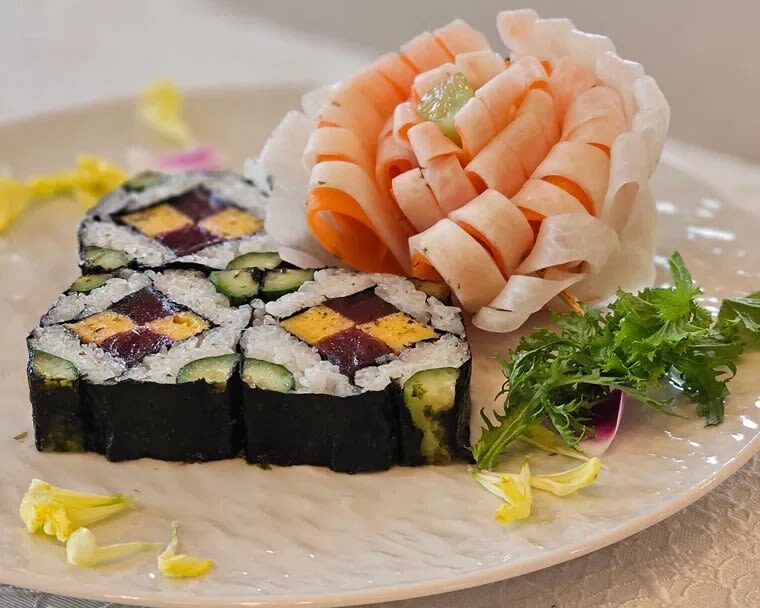
After tea, you move to the kitchen and learn to prepare sushi. The class uses ingredients and tools supplied by the hosts, and you’ll have an apron to wear. A particular focus is knife work: you may learn how to slice fish such as tuna, salmon, and shrimp, then shape and arrange sushi for serving.
This is more than watching a chef make a pretty plate. You get to handle the food and try the techniques yourself, with Katsuji guiding you through the steps. The process can reveal how much care goes into a simple-looking piece of sushi. You may find the shaping and arrangement especially satisfying, since the finished plate is both lunch and a record of what you learned.
Fresh ingredients are part of the appeal, and the food is prepared for you to eat during the session. The emphasis is on useful, approachable instruction rather than a formal exam in sushi technique. Don’t expect to leave ready to run a sushi counter, but you can pick up practical tips and a better sense of the work behind the finished dish.
Vegetarian and vegan sushi can be arranged. The class can also accommodate kosher and pescetarian diets, and the activity information lists halal-certified and vegetarian options. Tell the hosts about allergies or dietary needs in advance. If your group includes both vegetarian and non-vegetarian participants, make arrangements at least a week ahead.
Choose the main dish your whole party wants
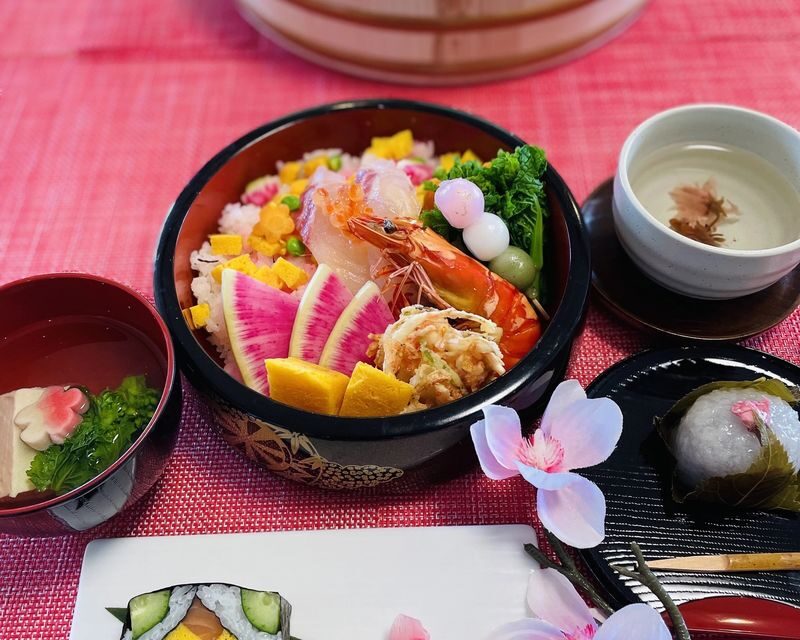
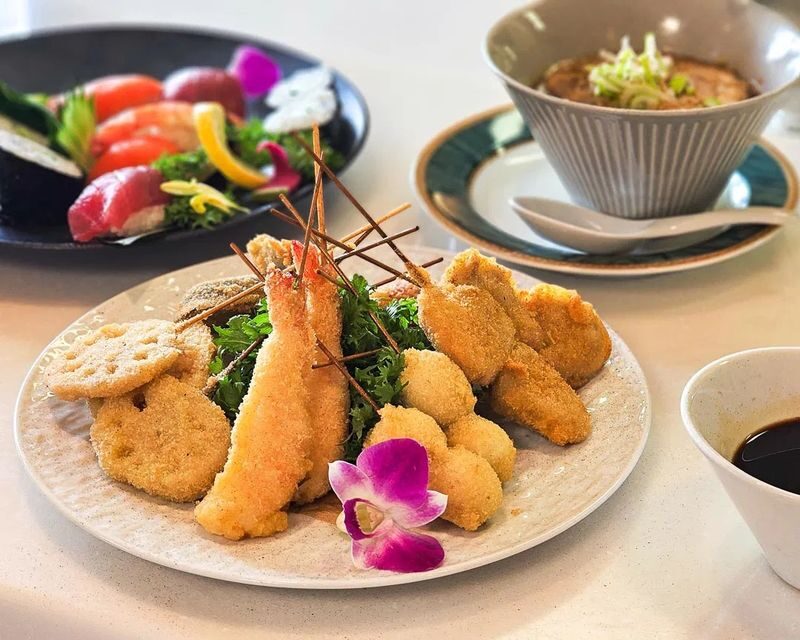
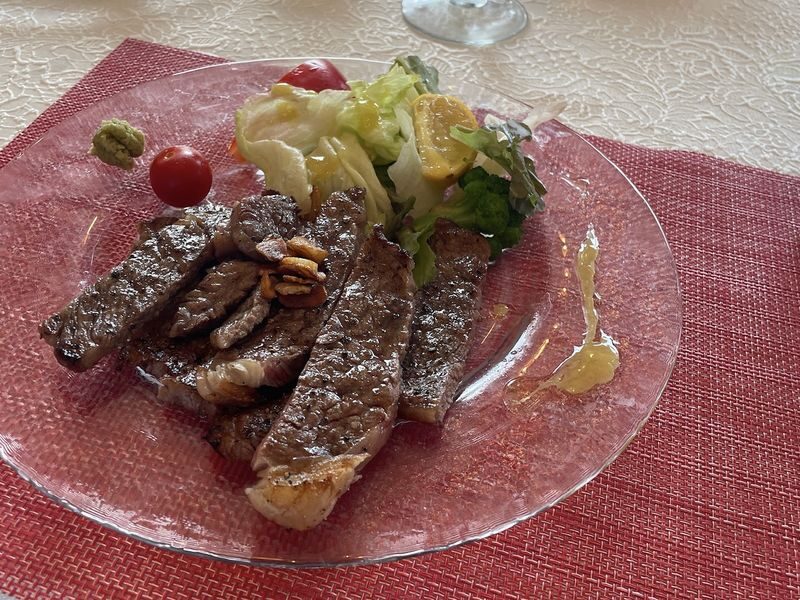
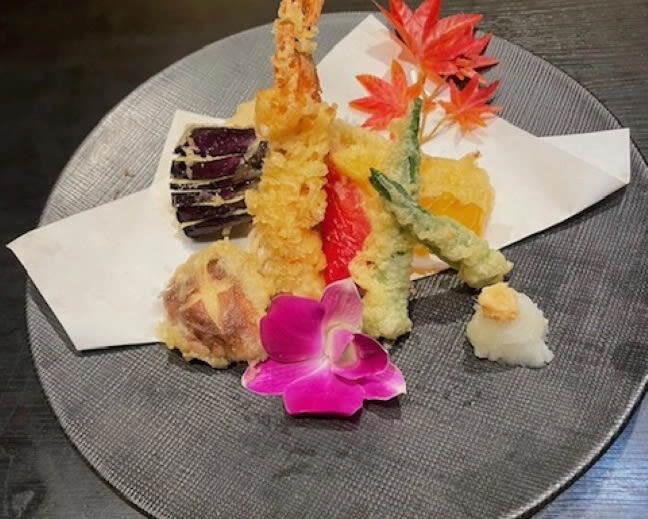
The standard two-hour option pairs sushi with ramen. Other sessions pair sushi with kushikatsu, wagyu beef, or tempura, and there is also a two-hour colorful sushi bento class. The kushikatsu, wagyu, and tempura sessions take two and a half hours, giving you a longer visit in the kitchen and at the table.
This menu choice matters because everyone in the same group must select the same main dish. If one person wants wagyu and another wants ramen, you can’t book those as separate choices within one session. Settle on the menu before reserving, especially if you’re coordinating a family or group.
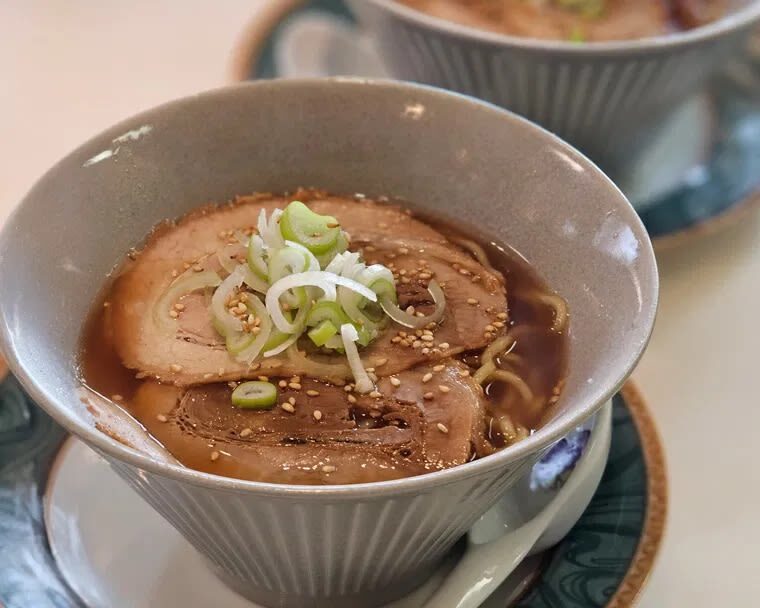
The ramen option needs one small expectation check. The noodles are ready-made, so you won’t make them from flour and water. You’ll still take part in preparing the ramen, but the class is not a full noodle-making workshop, and the amount of hands-on work with broth is not specified. Choose this option for a combined sushi-and-ramen meal, not if making noodles from scratch is your main goal.
For a vegetarian ramen request, the hosts are working on a version, but it may differ from the regular one. They may offer udon or another Japanese dish instead. If ramen is essential to your choice, clarify this before you book rather than assuming the vegetarian version will match the standard bowl.
The meal makes the lesson feel complete
Once the cooking is done, you sit down to eat what you’ve prepared. That makes the class feel like a complete food experience rather than a demonstration that ends when the stove goes off. The drinks are included, and the food itself is part of the activity, so plan for a substantial meal rather than a quick taste.
This shared meal is also when the separate parts of the class come together. You’ve experienced the quiet formality of tea, tried practical kitchen work, and made something you can enjoy right away. For a couple, it makes a relaxed shared activity. For a family, it gives children a role in preparing a meal instead of asking them to watch from the sidelines.
The hosts’ warmth is a major part of the format. The setting is their home, not a restaurant classroom, and that lends the session a personal quality. It also means you should arrive on time and follow the directions provided after booking. The address is in Toyonaka, Osaka, and the meeting point is described as a private venue roughly 10 minutes on foot from Shonai Station.
Calligraphy gives you a personal keepsake
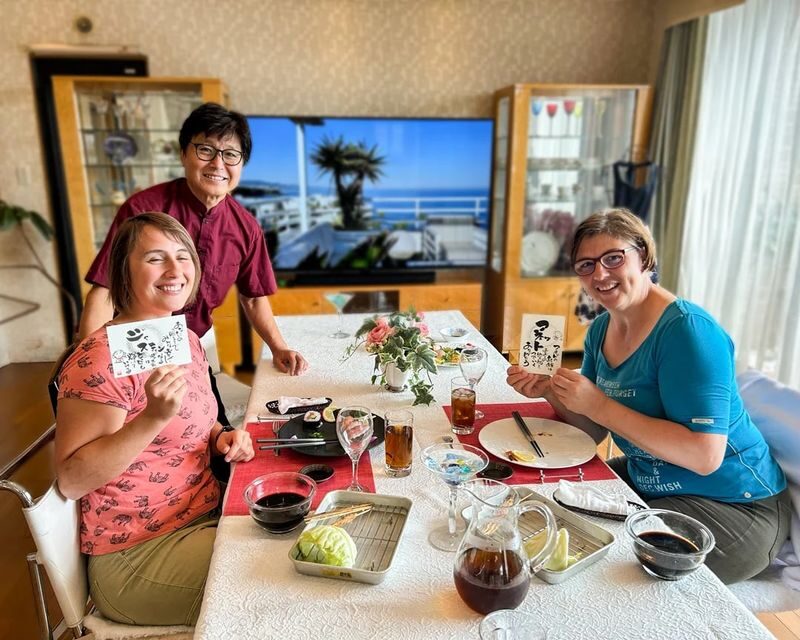
At the end, Katsuji makes calligraphy art for you to take home. The souvenir is often personalized with names and a message, turning it into a reminder of the people and place behind the meal. It’s a thoughtful close to an experience built around hospitality, not just a paper certificate or a generic gift.
The calligraphy is a small item, but it adds something you can’t get from a recipe alone. A food class teaches you a technique; this gesture connects the visit to the hosts who taught it. If you’re traveling with a partner or family, it can become a shared memento that is easy to pack and unlikely to end up forgotten in a kitchen drawer.
The included items are listed as the instructor, English-speaking staff, tea ceremony, cooking ingredients and tools, apron rental, drinks, and calligraphy souvenir. Transportation to the venue and personal expenses are not included. Some extra touches may depend on the session, so treat the listed calligraphy art as the promised keepsake and any additional gifts as a bonus, not part of the package.
What the price buys you
The experience starts at $82.49, with the final price depending on the selected package. That is more than the cost of a meal out, but it covers instruction, ingredients, kitchen tools, apron use, matcha and the tea ceremony, drinks, and a meal you prepare yourself. You’re also paying for access to a private home and time with an experienced local chef and his co-host.
For a short cooking class, the two-hour ramen and sushi option packs in several elements: tea, kitchen work, food, and calligraphy. The longer wagyu, tempura, and kushikatsu choices run two and a half hours. If your priority is simply eating ramen or sushi, a restaurant will cost less and take less planning. If you want a cultural activity that includes a meal and direct instruction, the package offers more than dinner.
The class is best value for people who will take part rather than sit back. You don’t need advanced cooking skills, but you should be willing to try the knife work, follow guidance, and share a meal in a home setting. The price is less compelling if you’re mainly seeking an intensive, technical ramen course, since the noodles are prepared in advance.
Getting to Toyonaka and planning your visit
Toyonaka is in Osaka Prefecture, and the home is about a 10-minute walk from Shonai Station. Transportation to and from the venue is not included. The exact directions and a Google Maps link are provided on the voucher after booking, so use those details rather than relying only on a general map search. The address supplied is 〒561-0854 Osaka, Toyonaka.
Arrive on time to get the full experience. The session combines a tea ceremony, cooking, eating, and a keepsake, so showing up late can cut into a short two-hour schedule. If you’re taking a taxi, give the driver the exact address and map link; finding a private home can take extra care.
The activity is stroller-friendly. Children must be counted in the passenger headcount, including infants. Children aged 6 to 10 need a paying adult with them, and those aged 11 or older pay the adult rate. The class can work well for families, but make sure children are comfortable joining a kitchen activity and trying the foods on offer.
Who will enjoy this class most
I’d choose this experience if you want food and culture in the same outing, and especially if you like meeting local hosts in their own home. Couples, families, and small groups can all take part, and the instruction is meant to be accessible even if you have limited cooking experience. The welcoming, personal style is a strong fit for a first visit to Japan, when a shared activity can make unfamiliar customs easier to understand.
It’s also a good choice if you value participation over polished spectacle. You’ll prepare food, drink matcha, and spend time with Katsuji and Mayumi. The setting is domestic and personal, not a large demonstration kitchen. That intimacy is a strength for people who enjoy conversation, but it may not suit someone looking for a quiet, formal lesson or a highly technical cooking course.
Book with care if you have dietary needs or a mixed group. Vegetarian and vegan sushi are available, but vegetarian ramen may be replaced by udon or another dish. Tell the hosts about allergies and restrictions ahead of time, and give at least a week’s notice if your party includes both vegetarian and non-vegetarian diners.
Should you book it?
Book this class if you want to learn a little, cook a lot, and spend time with local hosts in their home. The combination of tea ceremony, sushi preparation, a choice of main dish, and personalized calligraphy makes it a fuller experience than a meal or a standard cooking demonstration. At a starting price of $82.49, the value comes from the mix of food, instruction, and personal contact.
Skip it if your main aim is to make ramen noodles from scratch, or if you want a detailed technical course focused on broth. For everyone else, choose the menu your whole group wants, share dietary needs early, and leave enough time to reach the house. It’s a particularly appealing way to make an Osaka food experience personal, hands-on, and easy to remember.
Cultural Cooking Class Featuring Ramen Sushi and Tea Ceremony
“What an enjoyable experience! Full of kindness, patience, and warmth. The sushi, tea and ramen were delicious, but the care and compassion of our h…”
FAQ
Where does the cooking class take place?
It takes place in a private home in Toyonaka, Osaka, at 〒561-0854 Osaka, Toyonaka. The venue is about a 10-minute walk from Shonai Station.
How long does the activity last?
The ramen and sushi class and colorful sushi bento class last two hours. The kushikatsu, wagyu, and tempura classes last two and a half hours.
What main dishes can I choose from?
You can choose ramen, kushikatsu, wagyu beef, or tempura to accompany sushi. There is also a colorful sushi bento class.
Can people in one group choose different main dishes?
No. Everyone in the same group must choose the same main dish, so decide on one option before booking.
Are the ramen noodles made from scratch?
No. The ramen uses ready-made noodles. The class information does not specify that the broth is made from scratch.
Can the class accommodate vegetarian or vegan diets?
Vegetarian and vegan sushi are available. A vegetarian ramen version may differ from the regular one, and udon or another Japanese dish may be offered instead.
Can I tell the hosts about allergies or other dietary needs?
Yes. The activity can accommodate kosher and pescetarian diets, and it lists halal-certified, vegetarian, and vegan options. Inform the hosts about allergies or restrictions in advance.
Is the activity suitable for children?
Children must be included in the passenger headcount. Children aged 6 to 10 must be accompanied by a paying adult, and children aged 11 or older are charged the adult rate.
What is included in the price?
The package includes a professional instructor, English-speaking staff, tea ceremony, cooking ingredients and tools, apron rental, drinks, and calligraphy art. Transportation and personal expenses are not included.