

Imagine standing on a living piece of history—an Inca bridge in active use, rebuilt annually by a dedicated local community. For just $65, this full-day tour from Cusco offers an extraordinary glimpse into ancient engineering, colorful landscapes, and vibrant local traditions. Led by a knowledgeable guide, you’ll journey south of Cusco, visiting four tranquil lagoons, a small volcano, and the famous Q’eswachaka bridge, all wrapped in the natural beauty of the Peruvian Andes.
What makes this experience truly special is the chance to witness living Inca technology—still functioning and maintained by the local villagers—plus the stunning scenery you’ll enjoy along the way. We particularly appreciated how the tour combines cultural insight with breathtaking landscapes, making it both educational and visually rewarding. The only caveat is the early start—begins around 4:00 or 5:00 am—which might be a challenge if you’re not a morning person.
This tour suits travelers who are eager to explore authentic, lesser-known sights beyond Machu Picchu or Cusco’s main squares. If you’re interested in Inca traditions, natural scenery, and local craftsmanship, this trip will resonate with you. It’s also perfect for those who enjoy a mix of cultural history and scenic beauty in a manageable day trip.
Key Points
- Authentic Inca Heritage: See the last actively rebuilt Inca bridge, still in use today.
- Stunning Landscapes: Visit four lagoons and enjoy spectacular mountain views and peaceful scenery.
- Cultural Insights: Learn about the ancestral tradition of bridge rebuilding from local guides.
- Active Tradition: Witness how indigenous communities preserve their ancient engineering techniques.
- Comfort & Convenience: Included transportation, breakfast, and lunch streamline the experience.
- Early Start: Be prepared for a departure around 4:00-5:00 am, suitable for early risers.
A Detailed Look at the Experience
This full-day tour from Cusco offers a blend of scenic beauty, cultural depth, and historical wonder that keeps travelers talking. Starting early in the morning—often between 4:00 and 5:00 am—you’ll hop on a comfortable bus that whisks you out of the city, heading south into the Peruvian countryside. The early start is designed to maximize your day, meaning you’ll beat the crowds and enjoy cooler temperatures during the outdoor segments.
Planning more time in Cusco? We've covered other experiences worth considering.
Visiting the Lagoons and Pabellones Volcano
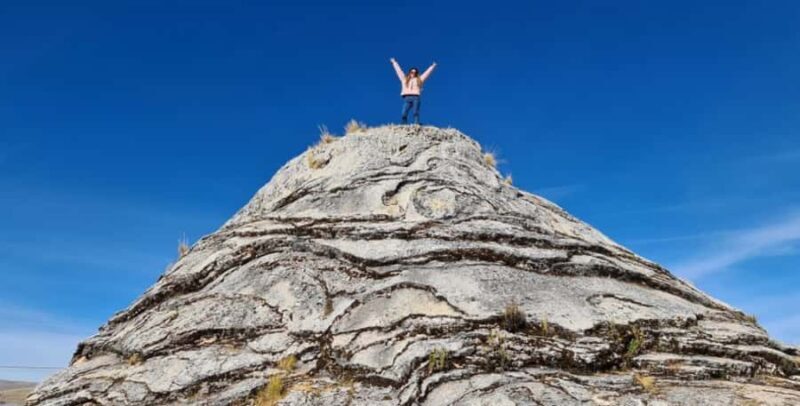
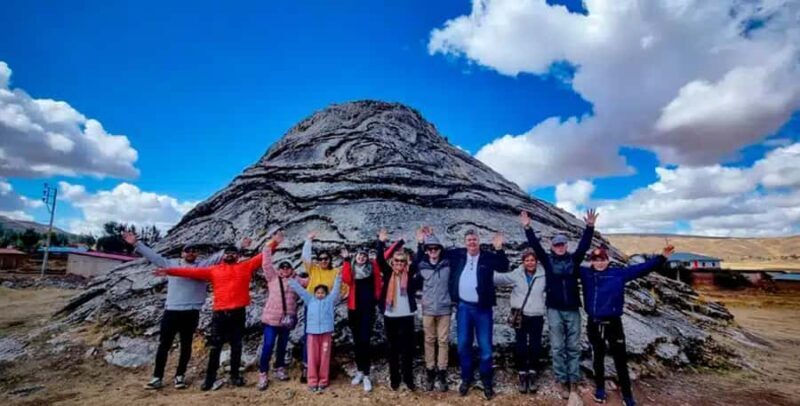
The journey begins with visits to four serene lagoons en route, offering a peaceful break amid the mountains. These lagoons are not just scenic—they also give you a glimpse of local life and the importance of water sources in the Andes. On the way, you’ll also explore the small Pabellones volcano near the village of Yanaoca. This volcano isn’t famous like Misti or Ubinas, but it’s a captivating sight that adds a volcanic touch to the landscape and a sense of the geological forces shaping this region.
The Unique Inca Bridge at Q’eswachaka
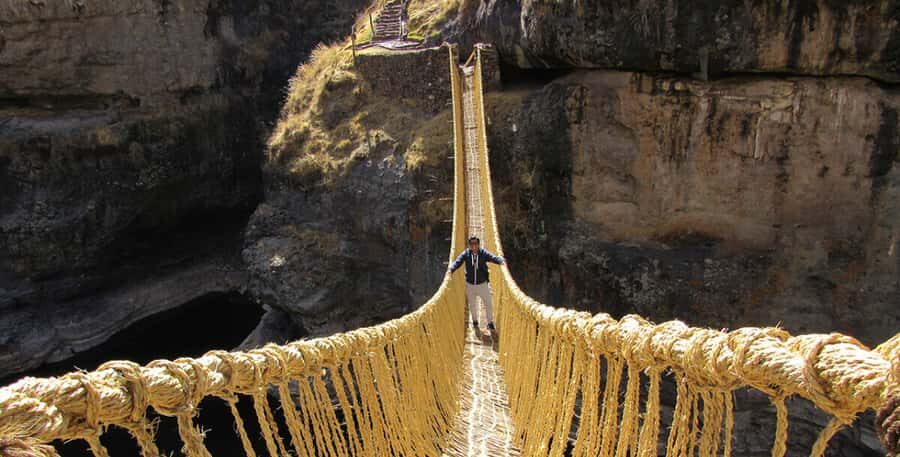
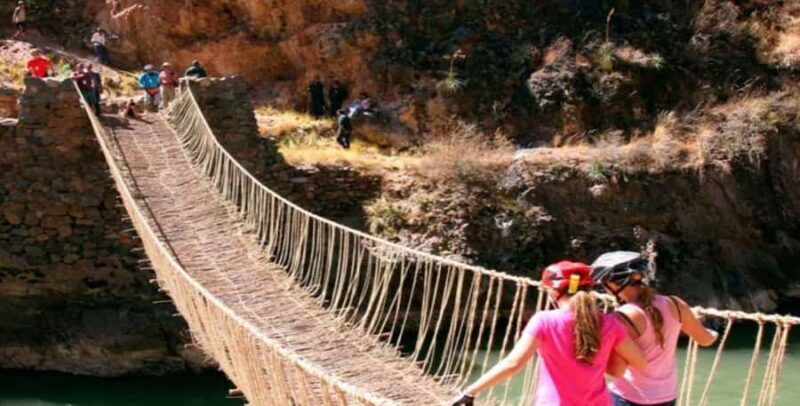
The highlight of the tour is undoubtedly Q’eswachaka, the last remaining Inca suspension bridge. Built from vegetable fibers—specifically Ichu grass—this bridge is a living testament to Inca engineering. It’s rebuilt every year by local community members who follow ancestral traditions, making it one of the few structures still in active use from the Inca period. You’ll get to walk across it, take plenty of photos, and observe the craftsmanship firsthand. According to reviews, the guide will explain the centuries-old process, helping you appreciate just how resilient and ingenious this ancient technology is.
One traveler noted, “We loved the way the community continues this tradition—it’s not just a tourist attraction but a vital part of their cultural identity.” The views from the bridge are spectacular, with mountain peaks framing the scene, and you’ll understand why this spot is considered a living piece of Inca history.
Visiting the Colonial Checacupe Bridge
On the return route, you’ll stop at the colonial Checacupe bridge, a European-style stone bridge that contrasts sharply with the Inca construction. This visit offers a tangible comparison between different engineering styles and eras—an insightful way to appreciate how colonial influences merged with indigenous techniques.
More Great Tours NearbyWhat’s Included and What’s Not
Your tour package covers transportation, a box lunch, and a professional guide fluent in Spanish and English. The guide’s insights are a big plus—many reviews praise the friendly, informative approach, which makes complex history accessible. The lunch is functional, providing energy for the afternoon, though it’s not gourmet cuisine.
Entry to the Q’eswachaka bridge costs S/.20 (about $6), paid separately, which is reasonable given its unique status. Keep in mind that additional costs for souvenirs or extra activities are on your own.
While you're exploring Cusco, here are other experiences we've looked into
Practical Tips and Considerations
To make the most of this experience, bring passport, sunglasses, hat, snacks, sunscreen, and water. The early start means you’ll want to dress comfortably for the outdoor parts, and consider layering since mountain weather can be unpredictable. Pets, smoking, alcohol, and drugs are not allowed, maintaining the respectful, traditional environment.
This tour isn’t suitable for pregnant women, those with mobility issues, or anyone who cannot handle early mornings or uneven terrain. The walking on the bridge itself is manageable but might be challenging for some.
The Balance of Value and Authenticity
At $65, this tour offers a well-rounded package—transport, guides, meals, and entrance fees included—making it good value for the depth of cultural and scenic experience. You’re paying for more than just the sights; it’s about understanding how the Inca traditions are still alive today. Many travelers say it’s worth the early wake-up call for the chance to see something so few visitors get to experience firsthand.
Feedback from Past Travelers
Multiple reviews highlight the educational aspect, with one noting, “Our guide was fantastic—explaining every step of the bridge-building tradition with passion.” Others appreciated the peaceful lagoon stops, describing them as “a perfect break from the busy city and a chance to connect with nature.”
Some noted the early departure as a challenge but agreed it was worthwhile because it allowed enough time to enjoy all the stops comfortably. The small group size (not specified but implied to be manageable) helps keep the experience intimate and engaging.
Who This Tour Is Best For
If you’re looking for an off-the-beaten-path experience, this tour delivers authentic Inca culture without the crowds of Machu Picchu. It’s ideal for history buffs, cultural enthusiasts, and nature lovers wanting a full but manageable day trip. Travelers eager to witness an active tradition—still rebuilt annually with local hands—will find this especially meaningful.
It’s ideal if you want a mix of scenery, history, and local life wrapped into one day, with the added bonus of learning about indigenous technology. However, if you prefer a relaxed schedule or are sensitive to early mornings, this might not suit your style.
Frequently Asked Questions
How early does the tour start?
The tour departs between 4:00 and 5:00 am to maximize daylight and outdoor visits.
Does the tour include entrance fees?
Entry to the Q’eswachaka bridge costs S/.20, paid separately. Other visits are included.
What should I bring?
Bring your passport, sunglasses, hat, snacks, sunscreen, and water for comfort and safety.
Is this tour suitable for children or elderly?
It may be challenging for very young children or those with mobility issues, especially considering early start and walking on the bridge.
How long is the drive from Cusco?
The exact duration isn’t specified, but the entire day’s itinerary suggests a substantial journey with scenic stops.
Are meals included?
Yes, a box lunch is provided, making it convenient for the day’s outdoor activities.
Can I cancel if my plans change?
Yes, you can cancel up to 24 hours in advance for a full refund.
Is it possible to book last minute?
Yes, but check availability with the provider by email before booking, especially for last-minute plans.
What language is the guide available in?
Guides speak Spanish and English, catering to a wide range of travelers.
Is this tour suitable if I am pregnant or have health issues?
No, it’s not recommended for pregnant women or those with mobility impairments.
This tour offers a rare opportunity to step into living history, witnessing how the Inca built and maintained their bridges with natural materials—skills still practiced today. The scenic lagoons, local tradition, and the striking contrast between old and colonial architecture create a well-rounded day that combines natural beauty with cultural authenticity.
While the early start might not appeal to everyone, the experience rewards those willing to join in the adventure. It’s a fantastic choice for travelers wanting a meaningful, visually stunning, and culturally enriching day outside the usual tourist spots.
If you’re eager to connect with Peru’s indigenous heritage and appreciate craftsmanship that has survived for centuries, this trip to Q’eswachaka will leave you with a deeper understanding of the Andean spirit and ingenuity.
You can check availability for your dates here:More Tour Reviews in Cusco
More Cusco experiences we've covered
- Round trip Cusco: Route of the sun + 1D in Puno
- Cusco: The Pisco Experience | Test and elaborate |
- Zipline over the Sacred Valley Trip
- Cusco: Short Inca Trail to Machu Picchu
- From Cusco: Palccoyo Mountain+Forest Stones |Private|
- From Cusco: Colored Mountain|optional red valley | Private
- Cusco: Excursion Rainbow Mountain and Red Valley Full day
- From Cusco: Salkantay Trek to Machu Picchu 4 Days 3 Nights.
- Cusco – Puno: Complete Sun Route
- Discover the South: Tipón, Piquillacta and Andahuaylillas
- Pallay Punchu Peru Full Day
- Cusco: Full-Day Humantay Lake with Picnic