
This article contains affiliate links. If you book through these links, I earn a small commission at no extra cost to you.
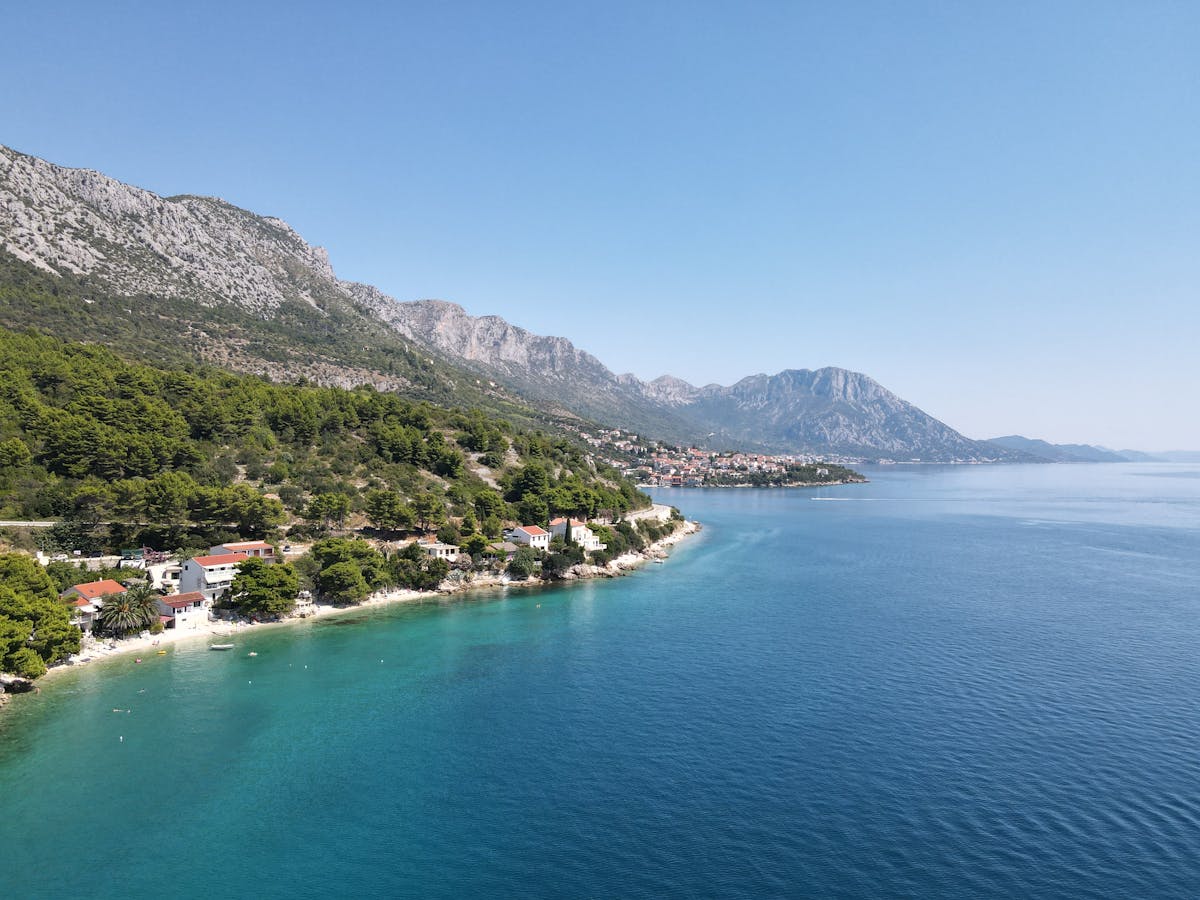
The Dalmatian Coast is the stretch of Croatian coastline that runs from Zadar in the north to Dubrovnik in the south, and it is the reason Croatia became one of Europe’s most popular destinations. Medieval walled cities, over a thousand islands, the clearest water in the Mediterranean, and a food scene built on fresh fish, olive oil, and local wine. This is the Croatia you see in photographs, and for once, the reality matches.
The coast is roughly 400 kilometres as the crow flies, but the actual driving distance is much longer thanks to the winding coastal road and the numerous peninsulas and bays. You could spend months exploring it and still find new coves, villages, and restaurants. Most visitors have a week or two, so knowing which sections to prioritise is important.
The Main Cities
The Dalmatian Coast has four major cities, each with a distinct character:
Zadar: The underrated one. A beautiful old town on a peninsula with Roman ruins, the Sea Organ (stone steps that make music from waves), stunning sunsets, and easy access to the Kornati Islands and Paklenica National Park. Less crowded and cheaper than Split or Dubrovnik. Give it 1-2 days.
Šibenik: The compact one. Home to the Cathedral of St. James (a UNESCO site built entirely of stone, no wood or brick), a charming old town, and proximity to both Krka National Park and the Kornati Islands. Often overlooked for Split, which makes it a good-value alternative.
Split: The hub. Croatia’s second-largest city and the practical centre of the Dalmatian Coast. Diocletian’s Palace, the Riva, Marjan Hill, and the gateway to the islands. The food scene is excellent. Give it 2-3 days plus island day trips.
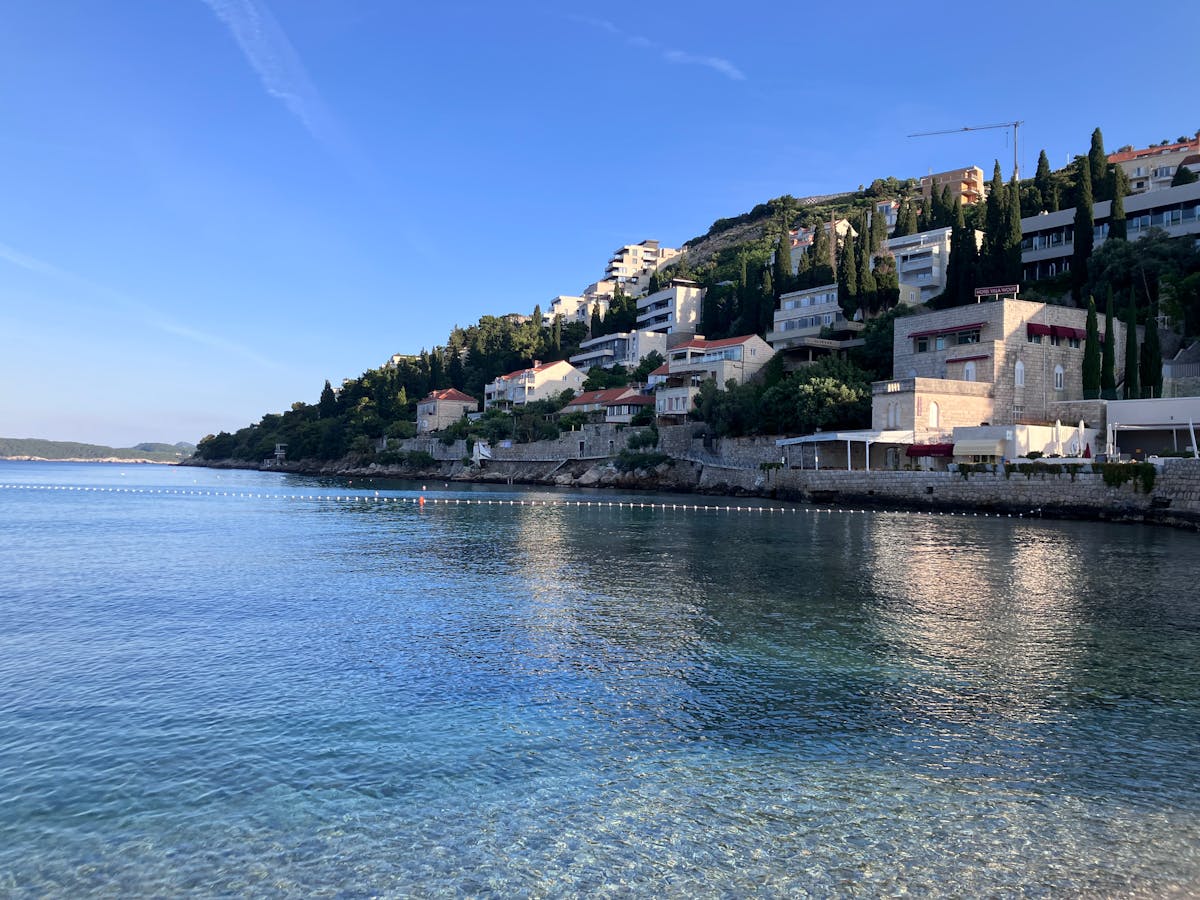
Dubrovnik: The famous one. The most visited city in Croatia, with good reason. The walled Old Town is spectacular. Also the most expensive city — budget accordingly and see our restaurant guide for eating well without overspending.
The Islands
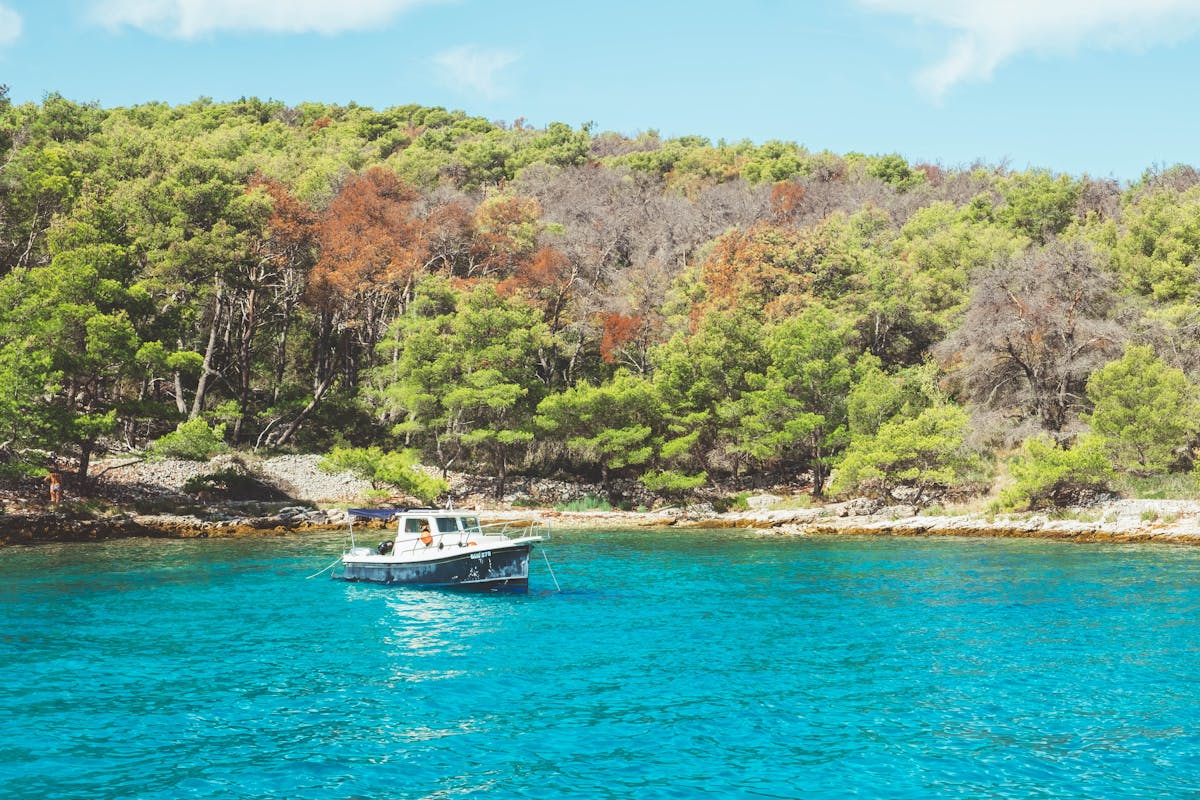
The islands are what make the Dalmatian Coast special. There are over 1,000 along this stretch, ranging from major tourist destinations to uninhabited rocks. The main ones:
- Hvar: The glamorous one. Beach clubs, nightlife, lavender fields, excellent wine. Hvar Town is the social hub; Stari Grad is the quieter alternative.
- Brač: Closest to Split. Home to Zlatni Rat (Croatia’s most famous beach). Good for a day trip.
- Vis: The remote one. Military base until 1989, now the least developed major island. Best food, best diving, least travelers.
- Korčula: Marco Polo’s alleged birthplace. Beautiful walled old town, hidden coves, Grk white wine. Quieter than Hvar.
- Mljet: National park with saltwater lakes. Best accessed from Dubrovnik. Forested, tranquil, and uncommercialized.
- Šolta: 30 minutes from Split, excellent olive oil, minimal travelers. The antidote to Hvar’s scene.
Sailing is the ideal way to see the islands, but ferries and catamarans connect all the major ones to the mainland. Jadrolinija and Krilo are the main operators.
The Makarska Riviera
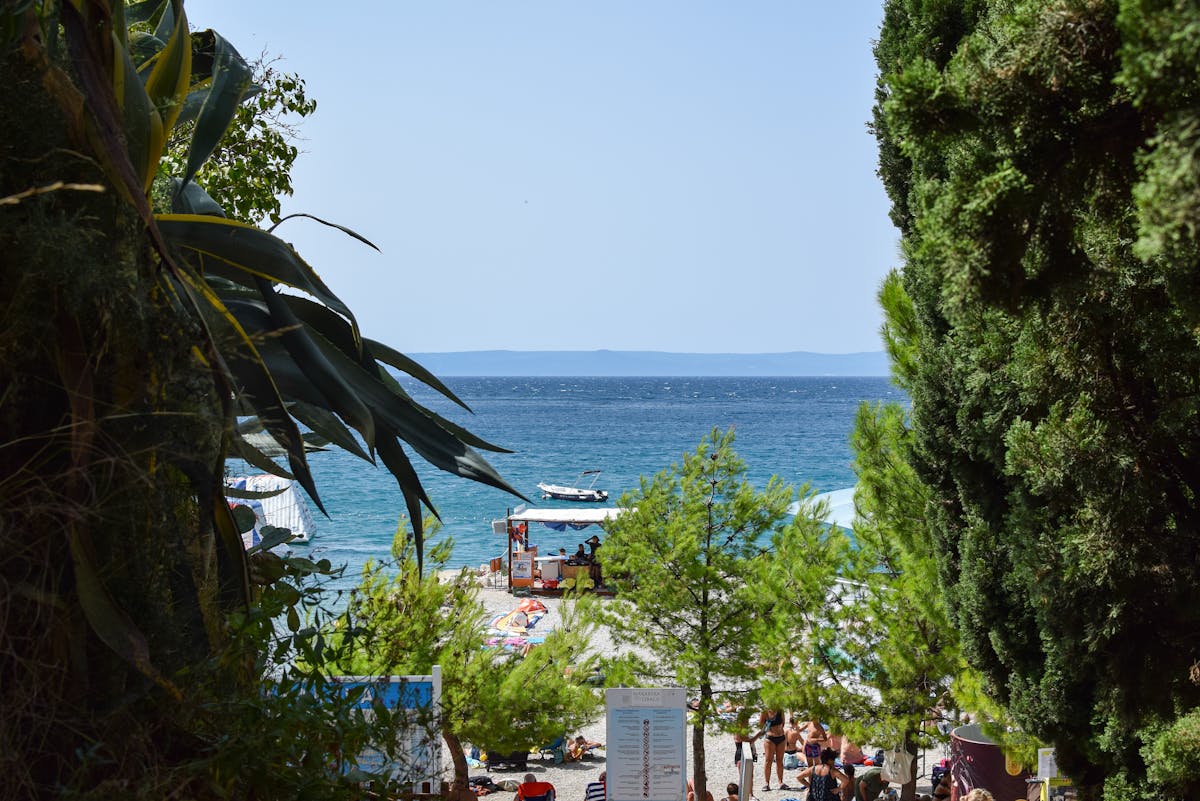
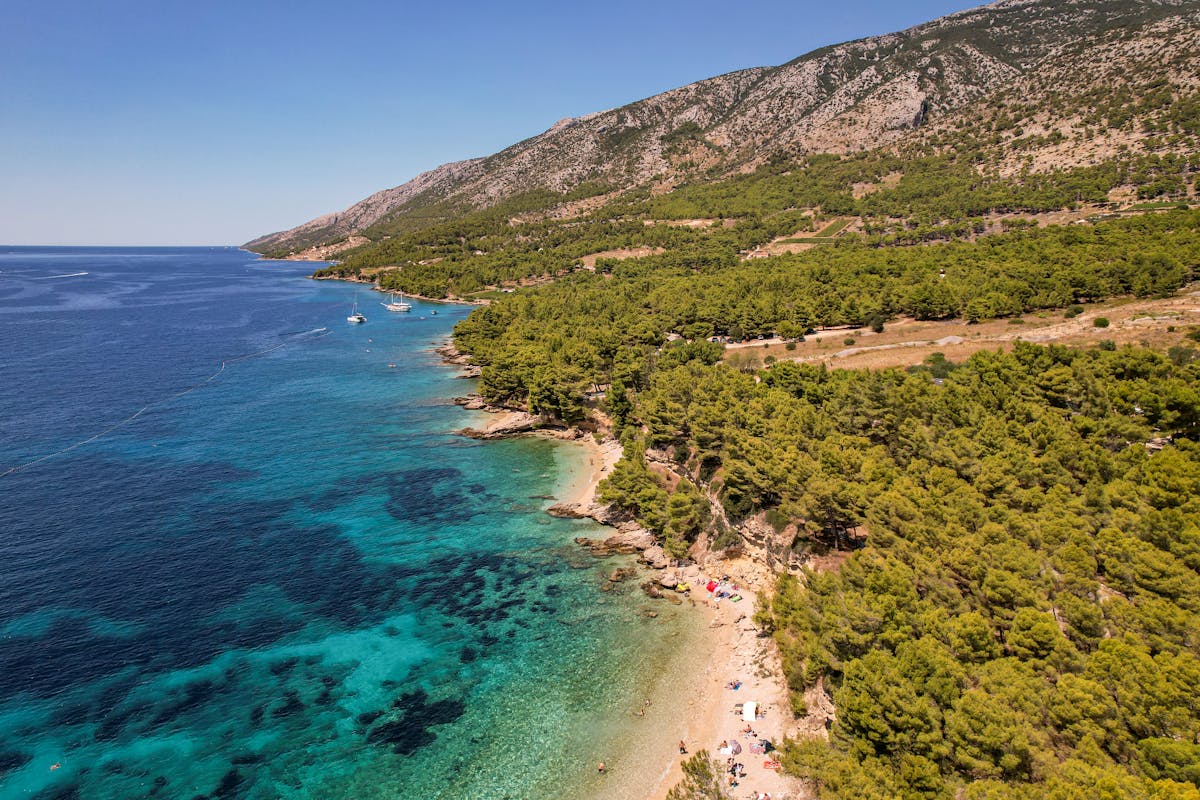
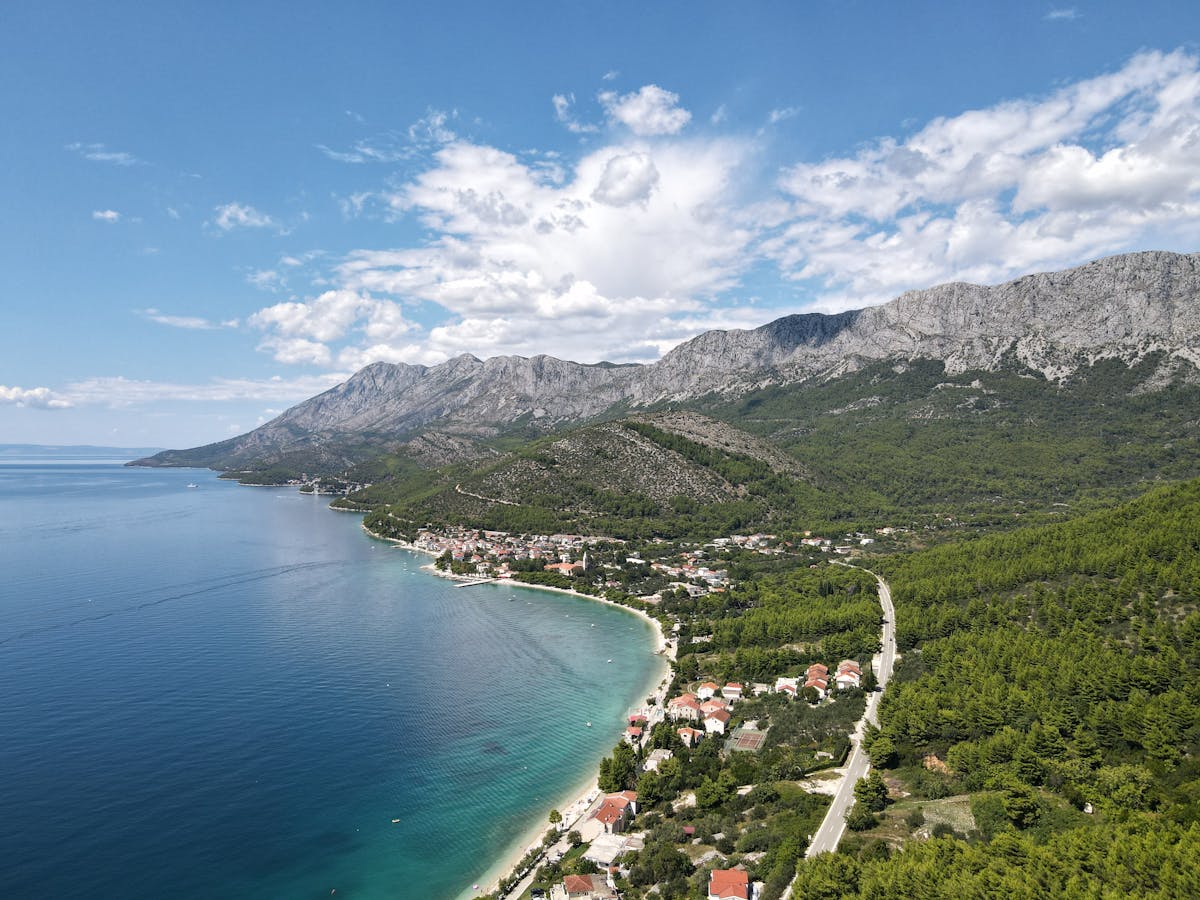
The Makarska Riviera is a 60-kilometre stretch of coastline between Brela and Gradac, south of Split. It is the best value beach destination on the Dalmatian Coast — excellent pebble beaches backed by pine forests, with the dramatic Biokovo Mountains rising directly behind.
Brela is often cited as having the best beach on the Dalmatian Coast (Punta Rata). Makarska town has a lively promenade. Nugal Beach is the wild, dramatic option — a 20-minute walk through pine forest, hemmed by cliffs. Accommodation here is 30-50% cheaper than Dubrovnik or Hvar.
Getting Around
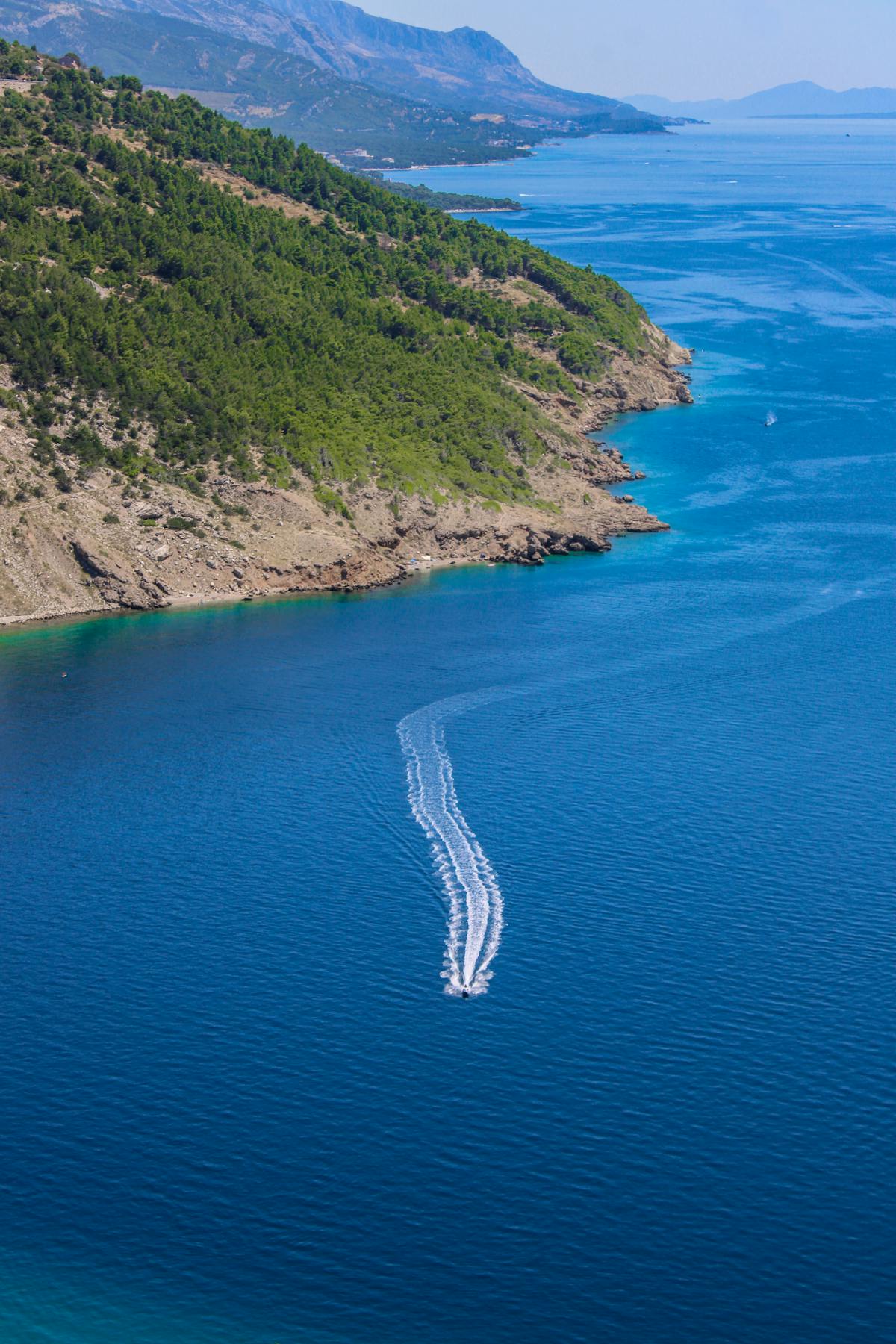
Driving: A car gives you the most flexibility, especially for the Makarska Riviera, day trips to national parks, and reaching smaller towns. The coastal road (Jadranska Magistrala) is scenic but slow — plan for 50-60 km/h average. Parking in tourist towns during summer is the main frustration.
Ferries: Essential for islands. Jadrolinija runs car ferries and foot-passenger catamarans on most routes. Krilo runs fast catamarans between Split, Hvar, Korčula, and Dubrovnik. Book car ferries in advance for summer — foot passengers usually do not need to book.
Buses: Croatia’s intercity bus network is reliable. Split to Dubrovnik takes about 4 hours (€15-20). Split to Zadar takes about 3 hours (€12-18). Flixbus and Croatia Bus are the main operators. Useful for city-to-city travel but not great for exploring small towns.
Where to Base Yourself
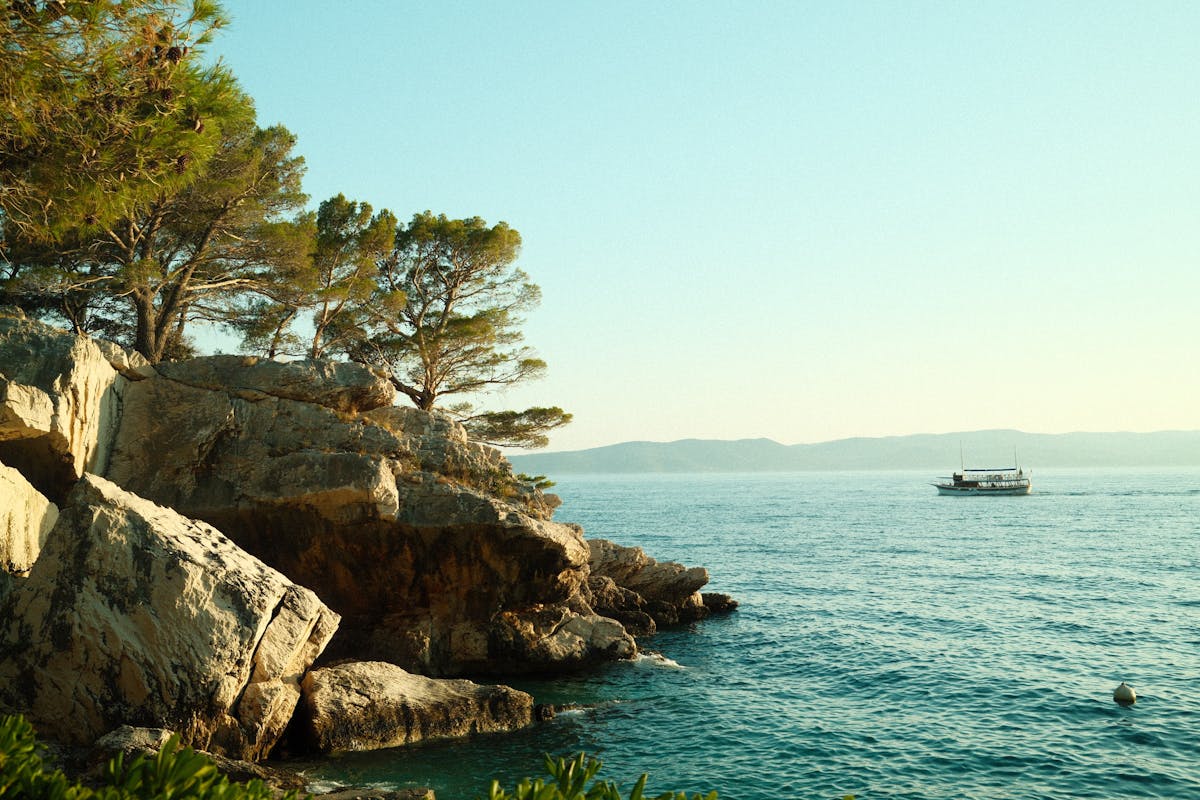
Where you stay depends on your priorities:
- Split: Best for island hopping. Central location, good transport links, excellent food. The most practical base for the whole coast.
- Dubrovnik: Essential to visit but expensive as a base. Stay 2-3 nights and move on. Lapad and Gruž are cheaper than inside the walls.
- Zadar: Best for the northern Dalmatian coast. Cheaper than Split, access to Kornati and national parks.
- Makarska: Best for beach holidays. Affordable, family-friendly, great beaches.
- Hvar Town: Best for nightlife and the island scene. Expensive but lively.
When to Visit the Dalmatian Coast
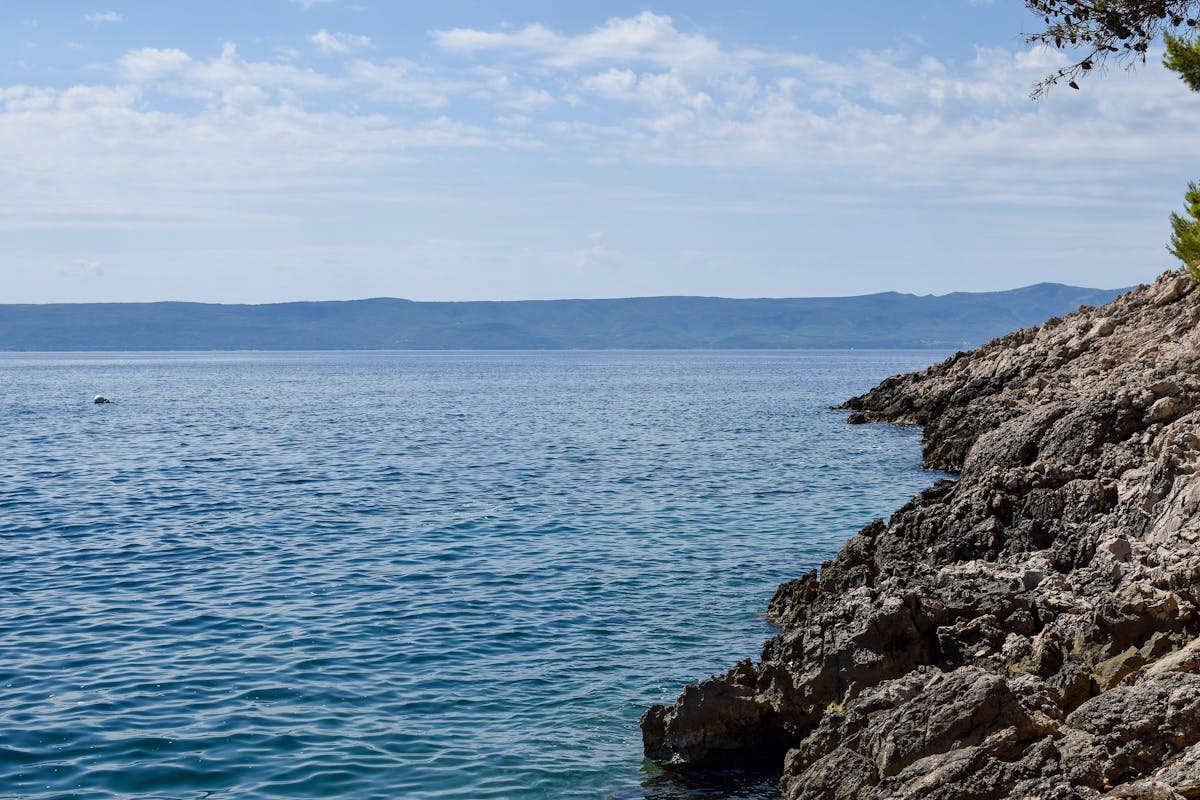
The best time is late May through June or September. The weather is warm, the sea is swimmable, and the crowds are manageable. July and August bring peak heat, peak crowds, and peak prices — everything works but at a premium. October is a gamble — can be beautiful or rainy.
What to Eat
Dalmatian cuisine is Mediterranean at its purest: fresh fish (grilled, in buzara sauce, or under the peka bell), octopus, black risotto, pršut (cured ham from the mountains behind the coast), local olive oil, and wine. Plavac Mali is the red to order, Pošip the white. See our guides to Croatian food, Dubrovnik restaurants, and Split restaurants for specifics.
Budget Tips
- Visit in June or September for 30-50% lower prices on accommodation
- Stay in apartments rather than hotels — a kitchen saves money on breakfast and snacks
- Base yourself in Zadar or the Makarska Riviera instead of Dubrovnik
- Eat at konobas (traditional taverns) rather than waterfront restaurants
- Drink Croatian wine — it is excellent and costs a fraction of imports
- Use public transport and ferries rather than taxis and private transfers
- The best beaches are free — you never have to pay for beach access in Croatia, only for sunbed rental at managed beaches
The Dalmatian Coast is one of those places that genuinely has it all — history, food, beaches, islands, national parks, and Mediterranean climate. It is not cheap in peak season, but it offers better value than the Italian Amalfi Coast, the French Riviera, or the Greek islands for a comparable experience. Plan your timing, know your priorities, and give it as much time as you can afford.