
Imagine standing amidst towering peaks like Everest, Lhotse, and Nuptse, after crossing three demanding passes and wandering through Sherpa villages. That’s exactly what you get with the Everest Three Passes Trek, an 18-day journey through Nepal’s most spectacular high-altitude terrain.
For around $1,930 per person, this guided adventure takes you through some of the most challenging and rewarding landscapes in the Himalayas, offering a thrilling experience for seasoned trekkers ready for a real test of endurance.
What we love most about this trek is its combination of raw mountain adventure and cultural discovery. You’ll visit Buddhist monasteries, explore prayer wheels, and pass through Sherpa communities where life revolves around traditions as old as the mountains themselves. The second highlight? The jaw-dropping views of Everest and other giants like Lhotse and Amadablam that make every ache worthwhile.
A possible consideration? This is not a casual stroll. The trek involves crossing three high passes over 5,300 meters, which demands good physical fitness and acclimatization. It’s best suited for experienced trekkers looking for a true Himalayan challenge. If you’re craving an authentic, less commercialized adventure with expert guides, this trek could be perfect.
This tour is ideal for those who want to combine mountain adventure with culture, and who don’t mind a strenuous itinerary. It suits seasoned hikers, adventure travelers, and anyone eager to push limits while soaking up Nepal’s extraordinary scenery.
Key Points
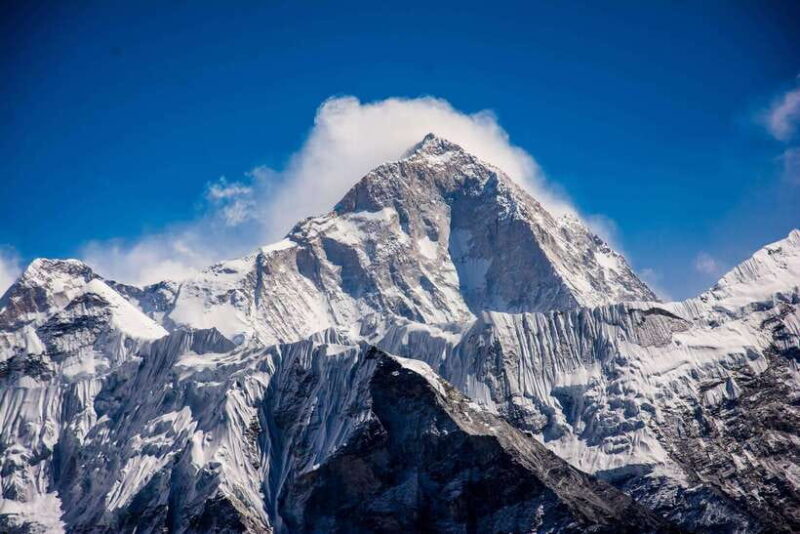
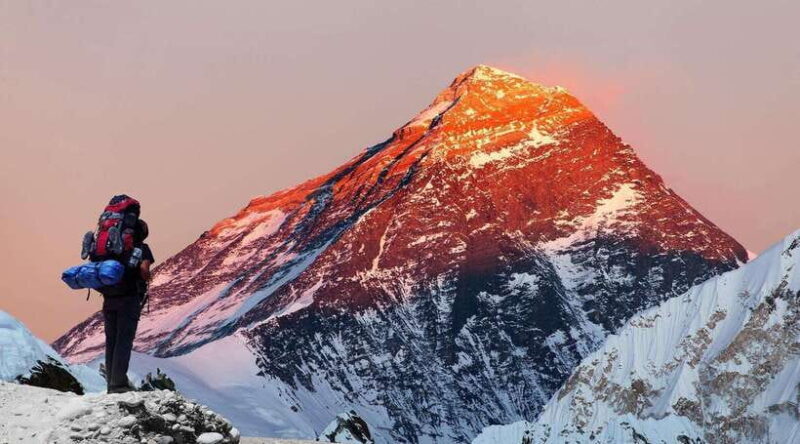
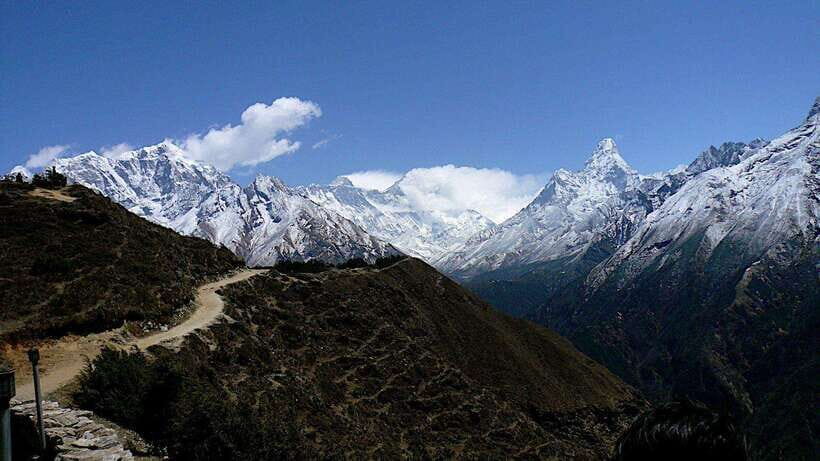
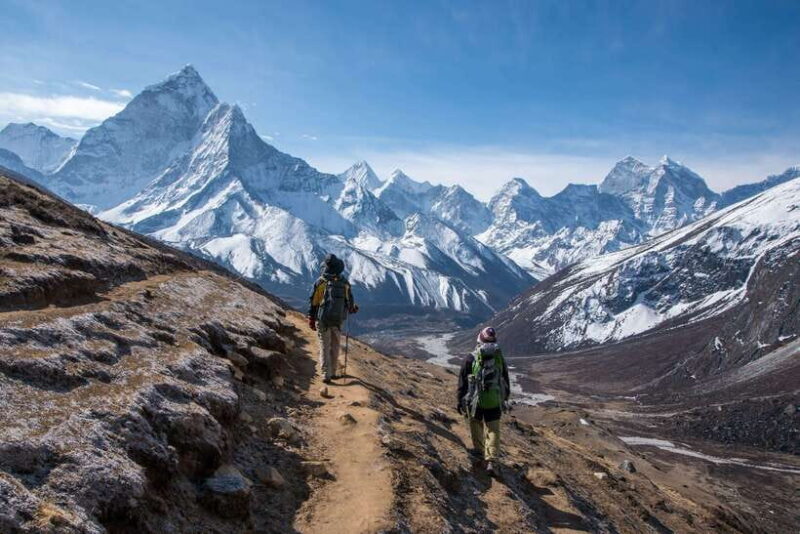
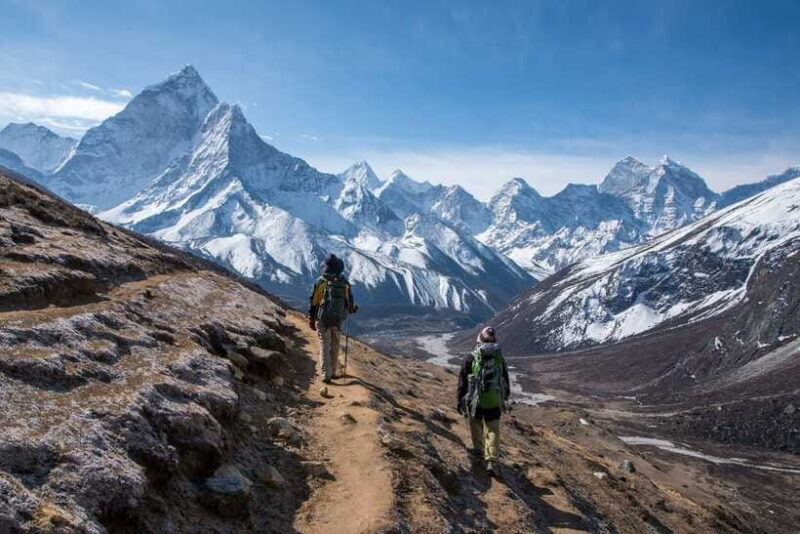
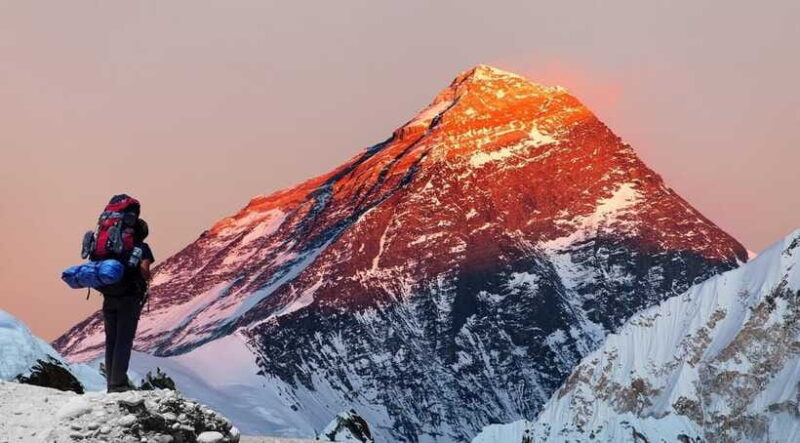
- Challenging high passes: Kongma La, Cho La, and Renjo La, all over 5,300 meters, test your endurance and reward with unparalleled mountain views.
- Cultural richness: Trek through Sherpa villages, visit Buddhist monasteries, and experience local life.
- Iconic sights: Everest Base Camp, Kala Patthar, Gokyo Lake, and Gokyo Ri, plus spectacular peaks like Ama Dablam and Nuptse.
- Wildlife and National Park: Sagarmatha National Park offers sightings of snow leopards, blue sheep, and Himalayan fauna.
- Comprehensive package: Includes permits, experienced guides, meals, and all trekking staff expenses, offering good value for a full-service adventure.
- Physical challenge: The trek involves high-altitude crossing and acclimatization days, making it suited for experienced trekkers.
An in-depth look at the Everest Three Passes Trek
Starting from Kathmandu, your adventure begins with a quick flight to Lukla, considered one of the most scenic airports in the world. From there, you’ll start a gradual ascent through lush forests and charming villages. The first few days, from Lukla to Namche Bazaar, are relatively gentle but set the tone for what’s ahead—stunning mountain vistas and the bustling hub of Sherpa culture.
Day 1: Lukla to Phakding – A gentle walk along the Dudh Kosi River, familiarizing you with the landscape and local villages. We loved how this sets a relaxing pace before the altitude challenge begins.
Day 2: Phakding to Namche Bazaar – The trail climbs gradually, passing suspension bridges and prayer wheels, with opportunities to spot local wildlife and savor the mountain air.
Acclimatization Days: Spending time in Namche Bazaar (Day 3) helps your body adapt to the increasing elevation. You’ll find it lively, full of trekkers, and with great panoramic views of Everest and Lhotse. Many reviews highlight the importance of these days for better altitude adjustment and mental preparation.
Progressing North: You’ll trek to Tyangboche (Day 4), home to a famous Buddhist monastery, where the view of Everest looming above is unforgettable. The next days, through Dingboche and Chhukung, take you into higher altitudes, with more stunning vistas and a chance to see the unique flora and fauna of Sagarmatha National Park.
Crossing the High Passes: The real thrill begins when you cross Kongma La (Day 8), at 5,535 meters. Many adventurers describe this as a pivotal moment—challenging yet immensely rewarding. The views from the pass of Everest and the surrounding peaks are staggering, and the physical effort quite intense.
The trek continues with a visit to Everest Base Camp, where the sense of achievement is palpable. From Gorakshep, a short trek to Kala Patthar offers perhaps the most iconic view of Everest, especially at sunrise. We loved the way guides made these early mornings manageable and memorable.
Gokyo Lakes and Ri: The route then ventures to Gokyo, exploring the serene lakes and climbing Gokyo Ri for panoramic views. Many trekkers cherish this quiet, scenic detour, offering a different perspective on the Himalayas.
Descending via Renjo La and Sherpa Communities: The final days take you through Renjo La pass, a quieter alternative route, and through traditional Sherpa villages like Thame, where authentic mountain life still persists. Passing prayer wheels, Mani stones, and local monasteries, you’ll feel connected to the enduring spirit of the Himalayas.
End of the trek: Returning to Lukla, many describe the sentiment as bittersweet—relieved yet eager to share stories of their mountain conquests. The flight back to Kathmandu wraps up this epic journey.
The value of guided trekking in Nepal
The cost of $1,930 includes all essentials: permits, experienced guides (who are often praised for their local knowledge), meals, and accommodation during the trek. This makes it a solid investment for a comprehensive, hassle-free adventure. The guide’s expertise is often highlighted as a major plus—knowing the terrain, safety protocols, and cultural insights enhances the experience immensely.
What’s included: Permits for Sagarmatha National Park and Khumbu Rural Municipality, transportation from Kathmandu to Lukla, and all meals while trekking. This alleviates worries about logistics and allows you to focus on the mountains.
What’s not included: Travel insurance, hotel stays in Kathmandu, hot showers during trekking, or personal expenses. Many reviews suggest bringing extra funds for souvenirs and tips.
Travelers have appreciated the flexibility of booking with the ‘reserve & pay later’ option, which keeps plans open until closer to departure, especially useful given the unpredictability of weather at high altitudes.
Practical considerations for trekkers
Preparation is key: you’ll want to pack breathable clothing, long-sleeved shirts, hikes gear, and a good pair of boots. The list of what to bring—like binoculars, a camera, and a medical statement—ensures you’re ready for the varied mountain climate.
Note that the tour is not suitable for children under 12, pregnant women, or those with mobility issues. High-altitude trekking demands physical fitness and acclimatization. Also, certain restrictions are in place, such as no jeans, no alcohol, and no bikes, to protect the environment and preserve the experience.
The guides and staff are usually fluent in English and Nepali, making communication straightforward. Group size is private, which means a more tailored experience and the chance to ask plenty of questions, enhancing your understanding of local culture and mountain lore.
Final thoughts: Who will love this trek?
If you’re a seasoned trekker eager for a serious Himalayan adventure, the Everest Three Passes Trek could be your perfect match. It’s best for those comfortable with high elevations, willing to endure some physical hardship, and excited to explore Sherpa villages and Buddhist monasteries en route.
Adventure seekers who appreciate well-organized tours with knowledgeable guides will find excellent value here. It’s also suited for travelers wanting to see Everest from multiple perspectives, including the famous Kala Patthar and Gokyo Ri viewpoints, combined with the thrill of crossing high mountain passes.
While the physical challenge may deter casual hikers, those who accept it will find the experience transformational—an authentic, off-the-beaten-path trek that rewards effort with some of the most stunning mountain scenery in the world.
Everest Three Pass Trek
Frequently Asked Questions
How long is the trek?
The trek lasts 18 days, starting from your flight to Lukla and ending with your return to Kathmandu.
What’s included in the price?
You’ll get permits, guide services, meals during the trek, accommodation during the trek, and internal flights.
Are there acclimatization days?
Yes, there are days designated for acclimatization, such as in Namche Bazaar and Dingboche, which are important for safety at high altitude.
What are the main highlights?
Passing through three high passes—Kongma La, Cho La, and Renjo La—exploring Everest Base Camp, Gokyo Lakes, and climbing Gokyo Ri for spectacular views.
Is this suitable for beginners?
No, this trek requires previous trekking experience and good physical condition due to the altitude and high passes.
What about altitude sickness?
Ascents are planned with acclimatization days, but altitude sickness can still occur. Guides monitor your health, and you should be prepared to descend if necessary.
Do I need special gear?
Yes, pack outdoor clothing, trekking gear, a medical statement, camera, binoculars, and sturdy boots. Equipment can be rented locally if needed.
Can I customize the itinerary?
The tour is typically guided as described, but private groups can sometimes adjust days or stops—check with the provider.
What is the best time to do this trek?
The data doesn’t specify, but generally, pre- and post-monsoon seasons (spring and fall) are preferred for clear skies and mild weather.
Will I have Wi-Fi or hot showers?
Hot showers are generally not included during trekking, and Wi-Fi availability varies by lodge—many trekkers say it’s patchy at high altitudes.
In summary, the Everest Three Passes Trek offers a demanding yet rewarding adventure through Nepal’s Khumbu region. With stunning views, authentic Sherpa encounters, and the thrill of crossing multiple high passes, it’s a dream for experienced hikers ready to embrace the mountain’s challenge. For anyone who seeks a deep connection with the Himalayas and isn’t afraid of altitude, this trek delivers an unforgettable experience worth every effort.
You can check availability for your dates here: